
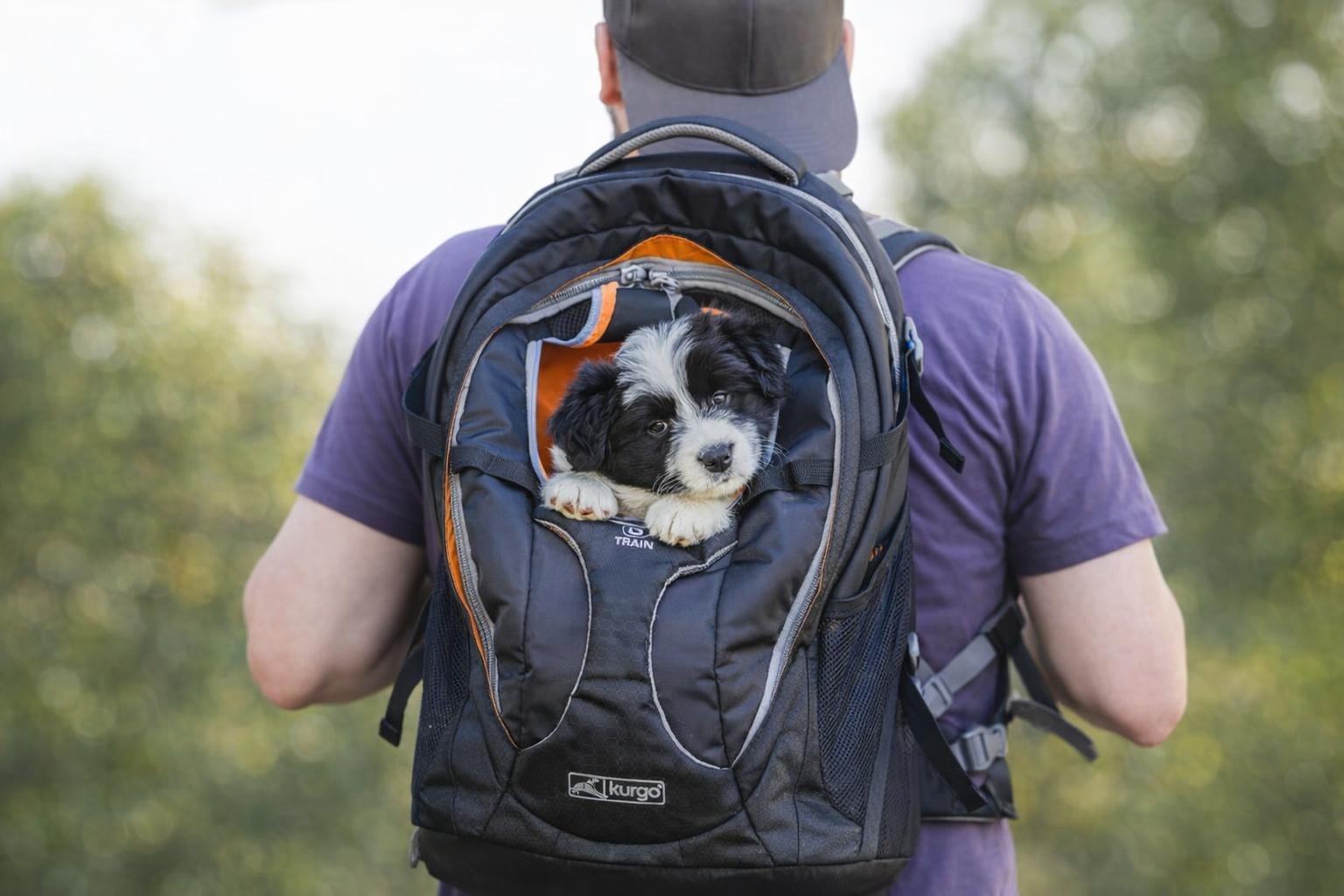
Dog Carrier Backpack: Your Complete Guide to Hands-Free Adventures With Your Pup

Taking my dog on hikes and trips used to mean leaving my small pup at home or struggling with awkward carriers that hurt my back. A dog carrier backpack is a hands-free way to transport small dogs that you wear like a regular backpack, keeping your pet safe and comfortable while you stay mobile during adventures. These carriers work great for dogs who get tired easily, older pups with joint issues, or small breeds that can’t keep up on long walks.
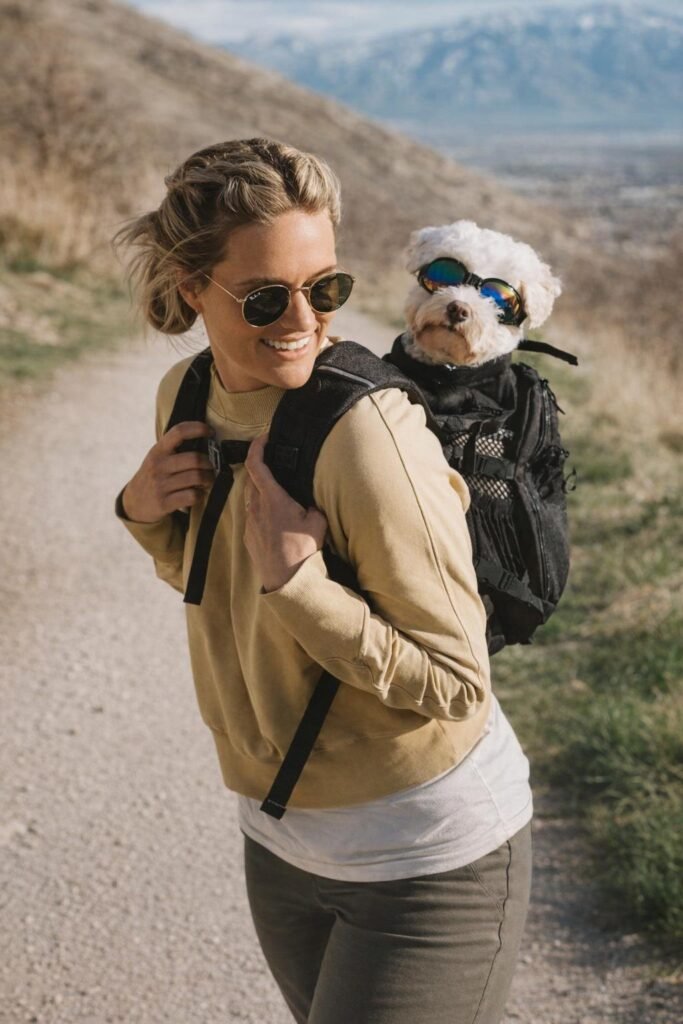
I’ve seen how dog backpack carriers have become popular alternatives to strollers and tote bags because they distribute weight evenly across your shoulders and back. Whether you’re hiking through trails, walking through crowded airports, or running errands around town, these carriers let you bring your furry friend along without the hassle.
The right backpack carrier can make a huge difference in how much you and your dog enjoy outdoor activities together. I’ll show you what makes a good carrier, which features matter most, and how to pick one that fits both you and your pup perfectly.
Key Takeaways
- Dog carrier backpacks let you transport small dogs hands-free while keeping them safe and comfortable during travel and outdoor activities
- The best carriers have proper ventilation, padded straps, safety tethers, and weight distribution that works for both you and your dog
- You should choose a carrier based on your dog’s size and weight, the activities you plan to do, and comfort features that prevent strain on your back
What Is a Dog Carrier Backpack?
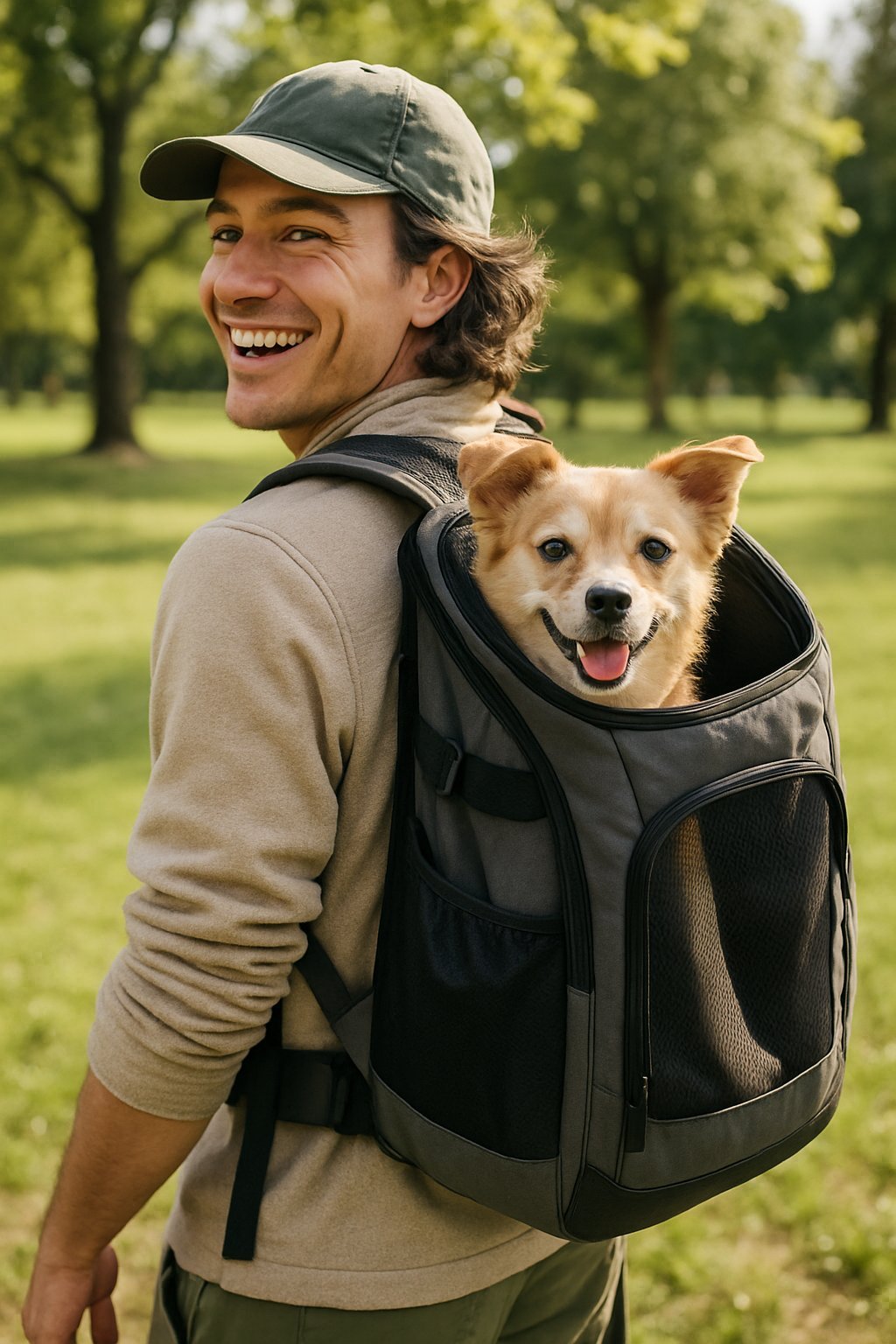
A dog carrier backpack is a wearable accessory that lets you carry your pet on your back or chest while keeping your hands free. These carriers use padded straps, breathable materials, and secure closures to keep your dog safe and comfortable during trips.
Types of Dog Carrier Backpacks
I’ve found that dog backpack carriers come in several main styles to fit different needs and preferences.
Front-facing carriers let you wear your dog on your chest. This style works well for anxious pets who need to see you during travel. It also makes it easier to monitor your dog’s behavior and comfort level.
Back-mounted carriers sit on your shoulders like a traditional backpack. These distribute weight better for longer trips and give your dog a view of the surroundings behind you.
Convertible pet carrier backpacks switch between front and back positions. I appreciate this flexibility because you can adjust based on the activity or your dog’s mood.
Some dog carrier backpacks are designed specifically for hiking with reinforced frames and weather-resistant materials. Others focus on everyday use with lighter construction and easy-access openings.
Common Features and Design Elements
Most dog backpack carriers include ventilation mesh panels that allow air to flow while keeping your pet secure. I’ve noticed these panels also let your dog look out and stay engaged with their surroundings.
Padded shoulder straps and chest clips help distribute your dog’s weight evenly across your body. This prevents strain during longer walks or hikes.
Safety features typically include internal leash clips that attach to your dog’s harness and prevent escapes. Reinforced zippers and buckles add extra security.
Many designs incorporate:
- Adjustable straps for custom fitting
- Storage pockets for treats, water, and supplies
- Washable materials for easy cleaning
- Reflective strips for visibility in low light
Weight capacity varies by model, with most carriers supporting dogs between 5 and 25 pounds. I always check the manufacturer’s recommendations before choosing a carrier.
How Dog Carrier Backpacks Differ from Traditional Dog Carriers
Traditional dog carriers usually have handles or shoulder straps like a purse or tote bag. A dog backpack carrier uses both shoulders to distribute weight more evenly across your body.
Dog backpack carriers offer better weight distribution than handheld options, which makes them more comfortable for longer periods. I can walk or hike for hours without the arm fatigue that comes from carrying a traditional carrier.
Traditional carriers often restrict your movement and require you to hold them with at least one hand. Dog carrier backpacks keep both hands free for hiking poles, opening doors, or taking photos.
Ventilation tends to be better in backpack-style carriers since they position your dog away from your body. Traditional soft-sided carriers press against you and can trap heat.
The positioning also matters for activities. I can navigate crowded spaces more easily with a backpack carrier since I know exactly where my dog is positioned on my body.
How to Choose the Best Dog Carrier Backpack
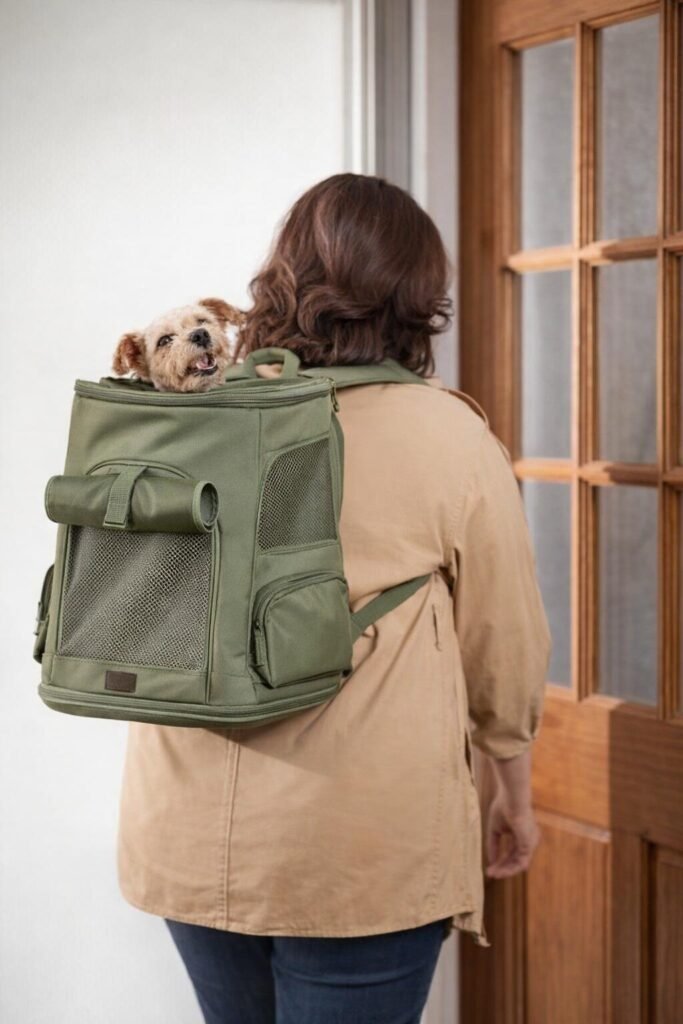
When I’m shopping for a dog carrier backpack, I focus on finding the right size for my dog’s weight, durable materials that last, proper airflow to keep my pet cool, and reliable safety features. These four factors make the difference between a comfortable adventure and a stressful outing.
Size and Weight Considerations
The first thing I do is check the weight limit and interior dimensions of any dog backpack carrier. Most carriers work best for dogs under 20 pounds, though some heavy-duty options can handle pets up to 30 pounds.
I always measure my dog before buying. I measure from the base of their neck to the base of their tail for length, and from the floor to the top of their shoulders for height. These measurements help me pick a carrier where my dog can sit comfortably or lie down without feeling cramped.
If the carrier is too small, my dog feels stressed and uncomfortable. If it’s too big, they might shift around too much during walks or hikes, which throws off my balance. I also consider my own size and strength since carrying your dog safely and comfortably means the loaded weight needs to work for my body.
Material and Durability
I look for dog carriers made from tough, water-resistant fabrics like nylon or polyester. These materials hold up better on hiking trails and clean easily when my dog’s paws track in dirt.
The stitching matters just as much as the fabric. I check that seams are reinforced, especially around stress points like the shoulder straps and bottom of the carrier. Double stitching means the bag won’t fall apart after a few uses.
Zippers need to be sturdy and smooth. I test them several times in the store because a broken zipper on the trail leaves me with no way to secure my dog. Some top-rated dog backpack carriers also feature scratch-resistant mesh, which is helpful if my dog gets anxious.
Ventilation and Comfort for Your Dog
Good airflow keeps my dog from overheating inside the carrier. I always choose designs with mesh panels on at least three sides. These panels let my dog see out while fresh air circulates through the space.
The mesh should be sturdy enough that my dog can’t push through it but soft enough not to rub their nose raw. I check that the openings are positioned where my dog naturally looks so they don’t feel trapped.
Inside padding makes a big difference for longer trips. A removable, washable pad on the bottom gives my dog a soft place to rest their paws. Some carriers include extra cushioning on the back panel too, which protects my dog from feeling the hard frame against their body.
Safety Features to Look For
A built-in leash clip or tether is essential for me. This attachment connects to my dog’s harness and prevents them from jumping out if they get excited or scared. I never use a carrier without this feature.
Adjustable shoulder straps and padded shoulder straps distribute weight evenly across my back and shoulders. When choosing the perfect dog carrier, I make sure the straps don’t dig into my skin even when fully loaded.
Reflective strips help drivers and other hikers see us in low light. I also look for sturdy buckles on chest and waist straps that keep the carrier stable while I walk. A supportive frame, either internal or external, prevents the bag from collapsing against my dog and gives the whole dog carrier better structure.
Comfort for Dogs and Owners
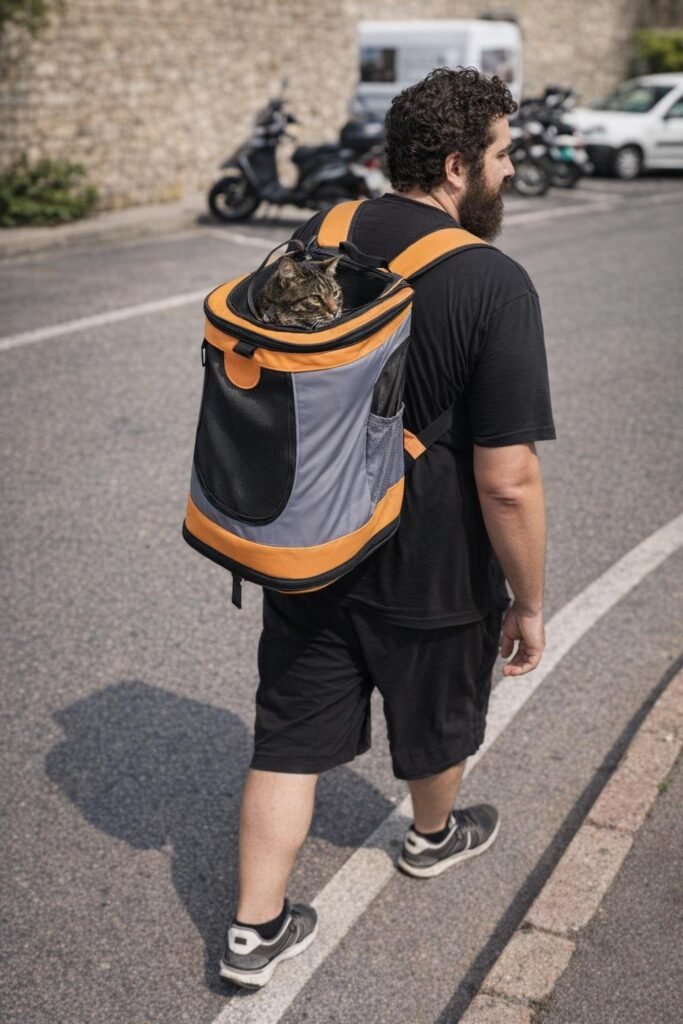
A dog backpack carrier needs to keep both you and your pet comfortable during trips. The right fit prevents stress on your dog’s body, while ergonomic design and padded straps protect your back and shoulders from strain.
Proper Fit and Support for Your Dog
I always check that my dog has enough room to sit, stand, and turn around inside the carrier. A cramped space causes stress and discomfort during travel.
The carrier should distribute my dog’s weight evenly across the bottom. A firm base prevents my pet from sinking or sliding around while I walk. I look for carriers with internal tethers that clip to a harness. This keeps my dog secure without restricting movement.
Key sizing factors:
- Weight limits (most carriers support dogs up to 18-35 lbs)
- Interior dimensions for sitting height
- Entry opening width for easy access
Mesh panels provide airflow to prevent overheating. I make sure the mesh windows don’t press against my dog’s face or body. The carrier material should be breathable but also provide some structure to maintain shape under my pet’s weight.
Ergonomic Features for Owners
I need a carrier that distributes weight properly across my back and hips. Poor weight distribution leads to shoulder pain and back strain after short walks.
Wide back panels spread the load across my entire back instead of concentrating pressure in one spot. I prefer carriers with chest and waist straps because they transfer weight from my shoulders to my core and hips.
The carrier should sit close to my body without gaps. When the pack hangs away from my back, it creates extra strain. I look for designs that keep the weight centered over my hips rather than pulling backward on my shoulders.
Padding along my back protects my spine from feeling my dog’s movements. Dog carrier backpacks designed for outdoor activities often include extra lumbar support for longer trips.
Adjustable and Padded Shoulder Straps
I can’t use a carrier with fixed straps because everyone’s body is different. Adjustable shoulder straps let me customize the fit to my height and torso length.
Padded shoulder straps prevent the webbing from digging into my shoulders and neck. I look for straps that are at least 2 inches wide with foam or gel padding. Thin straps create pressure points that become painful after 15-20 minutes of wear.
The adjustment buckles need to stay in place once I set them. Slipping straps constantly shift the weight around and force me to readjust mid-walk. I test the buckles before buying to make sure they lock securely.
Sternum straps connect the two shoulder straps across my chest. This simple feature keeps the straps from sliding off my shoulders when I bend forward or move quickly.
Popular and Recommended Dog Carrier Backpacks

Several dog carrier backpacks stand out for their quality and design features. The K9 Sport Sack Plus 2 and Apollo Walker Pet Carrier Backpack are two options that many dog owners trust for travel and outdoor activities.
K9 Sport Sack Plus 2 Overview
The K9 Sport Sack Plus 2 is built for active pet owners who want to bring their dogs on hikes and adventures. This carrier positions your dog on your back with their head over your shoulder, which gives them a great view of the surroundings.
The design includes padded shoulder straps and a waist belt that helps spread the weight evenly. I find this feature important because it reduces strain on your back during longer trips. The carrier works well for dogs up to 30 pounds.
The K9 Sport Sack Plus 2 has mesh panels that provide good airflow to keep your dog cool. It also includes storage pockets where you can keep treats, water bottles, and other supplies. The bottom support helps smaller or older dogs feel secure while you move.
Apollo Walker Pet Carrier Backpack Features
The Apollo Walker Pet Carrier Backpack offers a different style with its bubble window design. This clear dome window lets your dog see out while staying protected inside the carrier. Many dog backpack carriers use this bubble design because dogs seem to enjoy the 360-degree view.
This pet carrier backpack works well for dogs up to 15 pounds. The carrier has ventilation holes on three sides plus the bubble window, which keeps air flowing through. I appreciate that it includes a safety leash inside that clips to your dog’s harness.
The Apollo Walker has padded shoulder straps and a chest buckle for stability. It folds flat when you’re not using it, making storage easier. The carrier also meets airline requirements for most carriers, so you can use it for flights.
Other Top Rated Dog Carrier Backpacks
The Texsens Bubble dog carrier backpack is approved for travel by most major airlines and fits dogs up to 18 pounds. Its modern design includes a large bubble window and works for dogs up to 11 inches long and 15 inches tall.
When shopping for the best dog backpack carriers, look at weight limits, ventilation, and comfort features. Some carriers work better for hiking while others suit city travel or public transportation better.
Key features to compare:
- Maximum dog weight and size
- Ventilation quality and placement
- Strap padding and support systems
- Storage pockets for supplies
- Airline approval status
- Entry and exit points
The best dog backpacks for hiking include sternum straps or hip belts for better weight distribution. These features matter more on longer walks or rough terrain where balance is important.
Travel and Outdoor Activities with Dog Carrier Backpacks
Dog carrier backpacks open up new possibilities for exploring with your pet, from mountain trails to city streets. Understanding the best situations for using these carriers and preparing your dog properly ensures both comfort and safety during your adventures together.
Best Uses for Dog Carrier Backpacks
I find that dog carrier backpacks work exceptionally well for hiking and biking, where hands-free carrying is essential. These backpacks let me navigate rough terrain while keeping my dog secure and close.
Urban travel becomes much easier with a dog backpack carrier. I can bring my pet on public transportation, through crowded areas, or into pet-friendly stores without worrying about them getting stepped on or lost in the crowd.
Long-distance travel also benefits from these carriers. Airport terminals, train stations, and rest stops are simpler to manage when my dog rides comfortably on my back. The carriers provide a familiar, safe space for my pet during stressful travel situations.
Common activities for dog carrier backpacks:
- Hiking trails and nature walks
- Biking on paved paths
- Shopping trips
- Public transportation rides
- Outdoor festivals and events
- Beach visits
- Camping adventures
Tips for Safe and Enjoyable Adventures
I always check the weight limit before loading my dog into the backpack. Most carriers work best for dogs between 5 and 9 pounds, though some accommodate larger pets up to 15-20 pounds.
Ventilation matters more than I initially realized. I look for backpacks with mesh sides that provide good airflow to prevent overheating during warm weather activities.
I take regular breaks during longer outings. Every 30-45 minutes, I let my dog out to stretch, drink water, and relieve themselves. This prevents stiffness and keeps them comfortable.
Safety checklist:
- Secure all buckles and straps before lifting
- Monitor your dog’s body language for stress
- Bring extra water for both of you
- Avoid extreme temperatures
- Start with short trips
Transitioning Your Dog to a Carrier Backpack
I introduce the backpack gradually by leaving it out at home first. My dog needs time to sniff and investigate it without pressure. I place treats inside to create positive associations.
Short practice sessions work better than forcing long periods right away. I start with just 5 minutes around the house, then gradually increase the time as my dog relaxes. Some dogs adapt in days while others need weeks.
I reward calm behavior consistently during training. When my dog stays relaxed in the carrier, I offer treats and praise. This reinforcement helps them see the backpack as a comfortable, safe space rather than something scary.

