
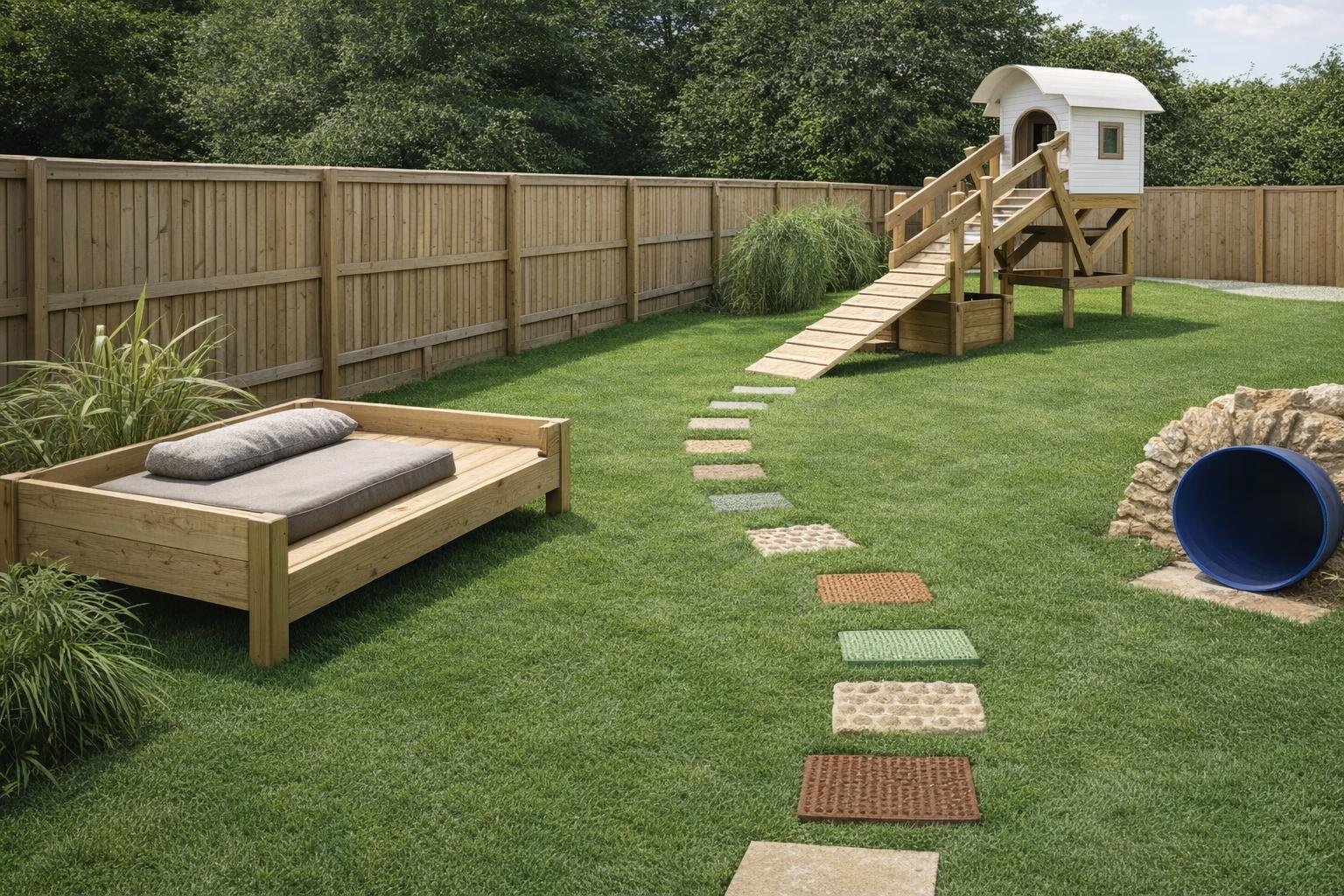
Dog Friendly Backyard: Ultimate Guide to a Safe & Happy Yard

Your dog deserves a backyard that keeps them safe, happy, and entertained while still looking good for you. I know how hard it can be when your yard turns into a muddy mess or your pup keeps digging up your favorite plants.
Creating a dog friendly backyard means choosing the right surfaces, adding safe plants, providing shade and water, and setting up play areas that work for both you and your furry friend.
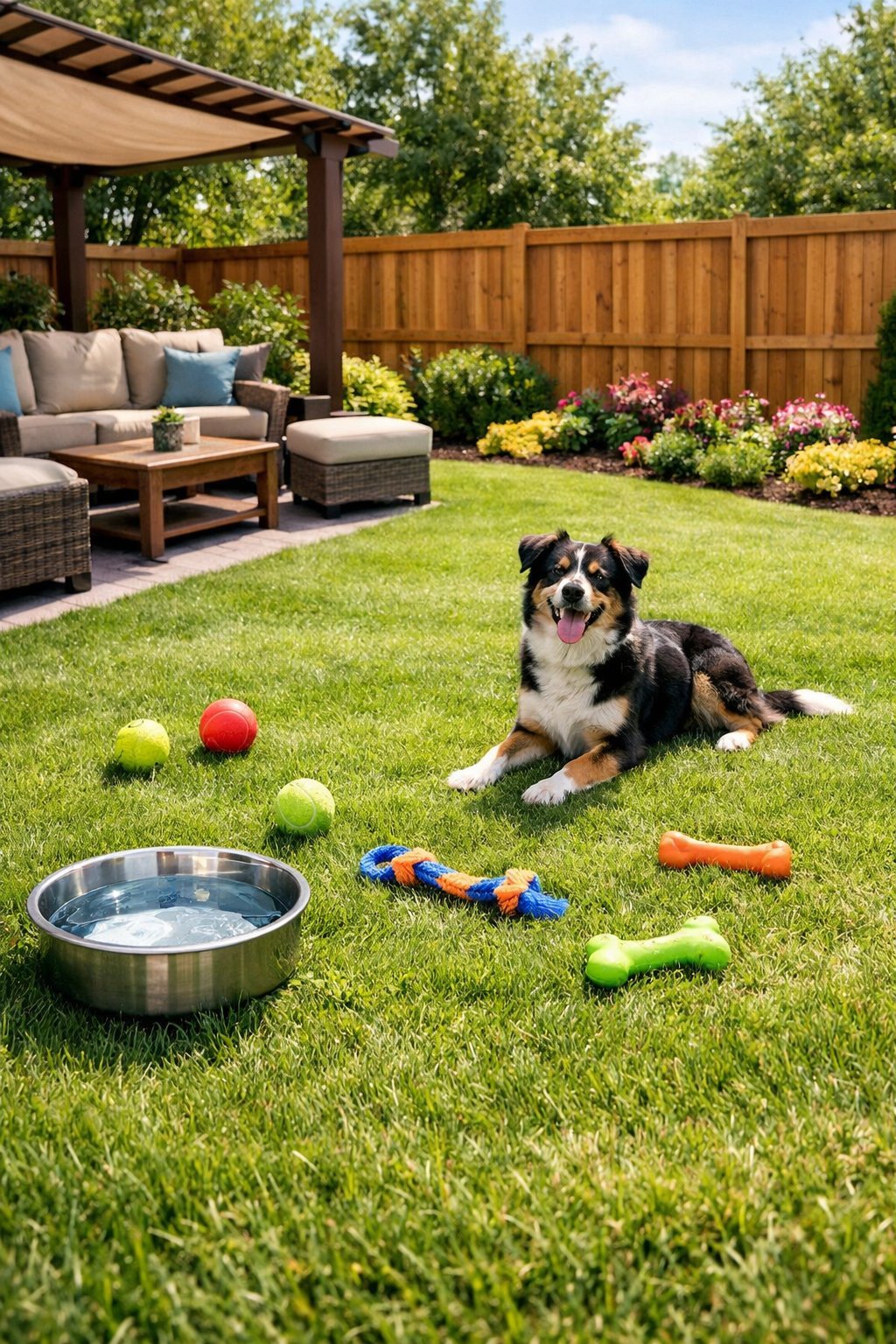
I’ve learned that you don’t need to sacrifice style to make your outdoor space work for dogs. With smart choices like artificial grass or pea gravel, you can keep things low-maintenance while giving your dog room to run.
The key is finding the right balance between what your dog needs and what makes your yard look great. Whether you have a small patio or a large yard, I’ll walk you through practical ideas that make outdoor time better for everyone.
From picking surfaces that drain well to creating shaded retreats and cooling stations, these changes will help your dog enjoy the yard while keeping your space tidy and attractive.
Key Takeaways
- Choose dog-safe ground covers like artificial turf, pea gravel, or rubber pavers that drain well and stay clean
- Add shade structures, fresh water stations, and cooling features to keep your dog comfortable in all weather
- Create designated play zones and use pet-safe plants to protect your landscaping while giving your dog freedom to explore
Core Elements of a Dog Friendly Backyard
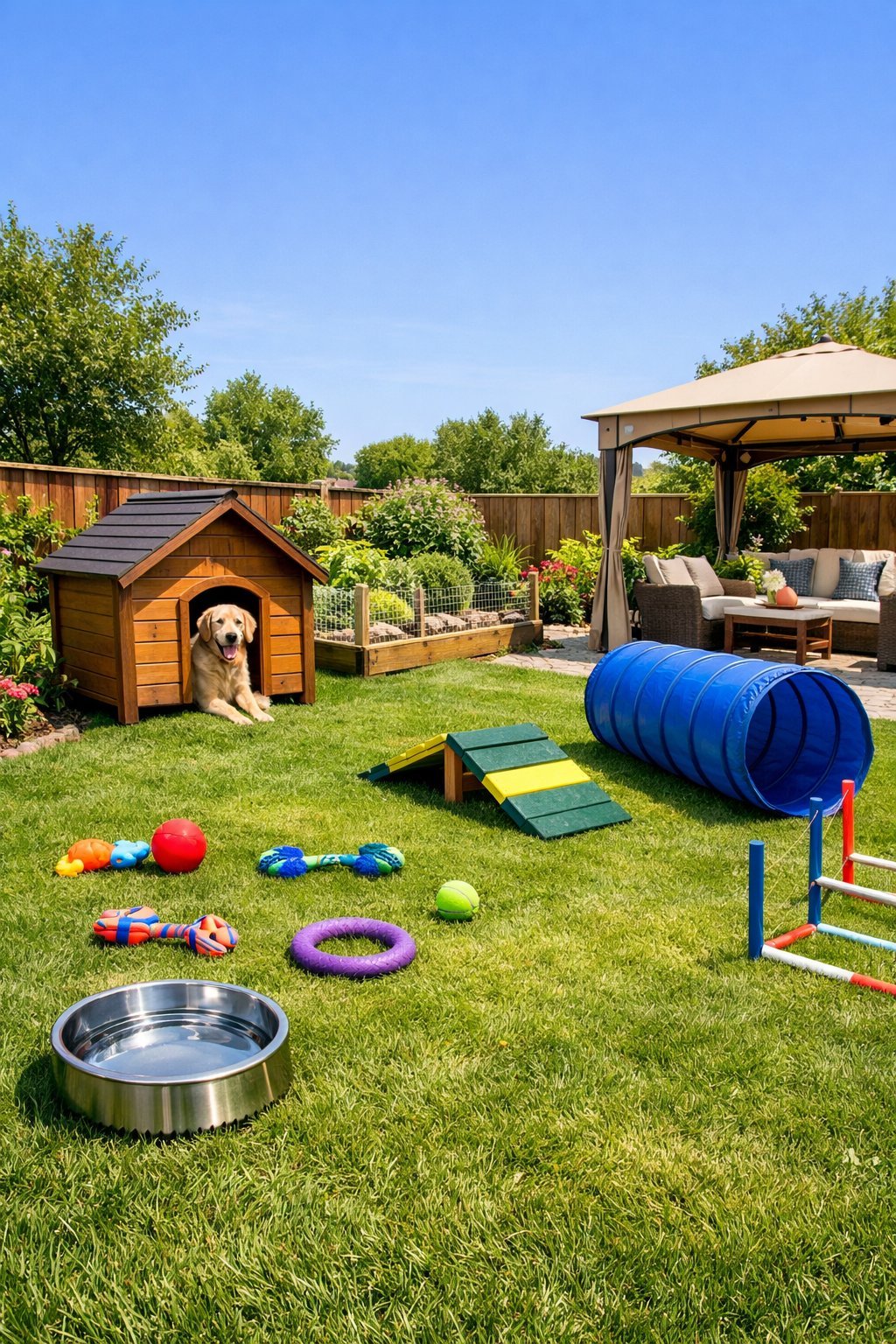
A dog friendly backyard needs solid fencing to keep your pup safe, shade structures to protect from sun and heat, and pathways that let your dog explore without damaging your yard.
Safe and Secure Fencing
I always tell people that secure fencing is the most important part of any dog friendly backyard. Your fence needs to be tall enough that your dog can’t jump over it.
For most dogs, a fence at least 4 to 6 feet high works well. The fence should go deep enough into the ground to stop diggers.
I recommend burying the fence 6 to 12 inches below the surface or adding wire mesh at the base. This prevents escape artists from digging their way out.
Check your fence regularly for gaps, loose boards, or weak spots. Dogs are smart and will find any opening.
Creating a backyard that works for both you and your dog means paying attention to these details. Make sure gate latches are dog-proof.
I’ve seen too many dogs learn to open simple latches with their paws or nose.
Comfortable Shade Structures
Dogs need protection from sun and heat when they’re outside. I use a mix of natural and built shade options in my backyard to keep my dog comfortable.
Shade sails are one of my favorite solutions. They’re affordable, easy to install, and provide good coverage.
You can position them over play areas or resting spots. Pergolas work great if you want something more permanent.
They add style to your yard while giving your dog a shaded retreat. You can grow vines over them for extra shade.
A dog house gives your pup a private spot to cool down. Pick one with good ventilation and place it in a naturally shady area.
Elevated outdoor dog beds with canopies also keep dogs cool by allowing air flow underneath. Trees provide the best natural shade.
Plant dog-safe trees in areas where your dog likes to rest.
Dog Paths for Exploration
Dog paths protect your lawn and garden while giving your dog designated routes to explore. I created paths in my backyard using materials that are easy on paws.
Mulch, gravel, or stone pavers work well for dog paths. These materials drain water quickly and don’t get muddy.
Make the paths at least 2 to 3 feet wide so your dog can walk comfortably. Place paths along fence lines where dogs naturally patrol.
Connect them to favorite spots like the door, water station, and shade areas. This encourages your dog to use the paths instead of cutting across grass.
I edge my paths with small borders to keep materials in place. This keeps the yard looking neat while giving my dog clear routes to follow during outdoor time.
Dog-Safe Surfaces and Ground Cover Options
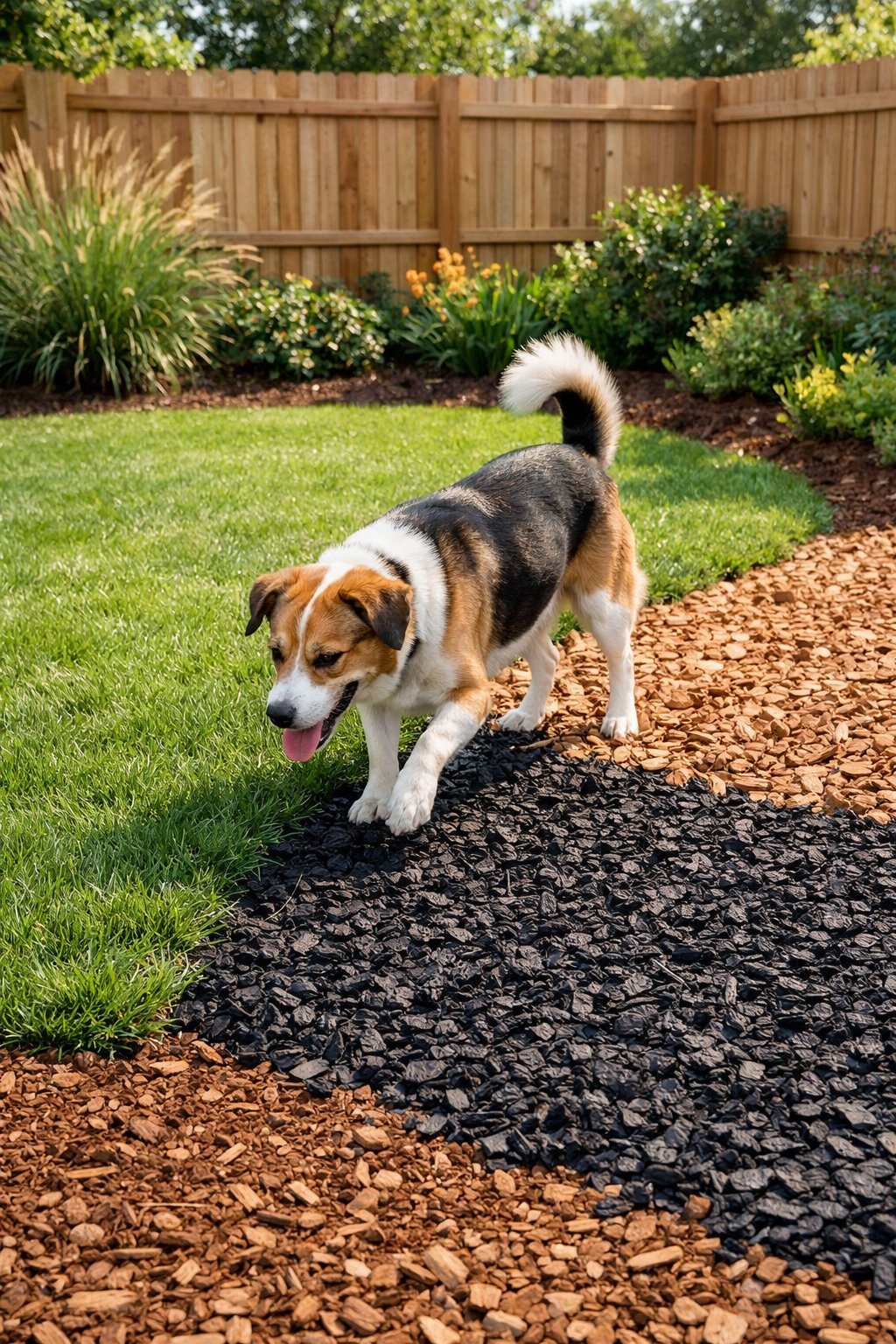
Choosing the right surface materials protects your dog’s paws while creating a clean, functional outdoor space. The best options balance durability, drainage, and comfort for daily use.
Artificial Grass and Synthetic Turf
I’ve found that dog-friendly turf eliminates muddy paws and brown spots that natural grass develops. Synthetic turf provides a soft, cushioned surface that stays green year-round without watering or mowing.
Modern artificial grass includes antimicrobial backing that prevents odors and bacteria buildup. The drainage systems built into quality products allow urine to pass through quickly, keeping the surface dry.
I recommend choosing turf with a shorter blade height for easier cleaning. You’ll need to rinse it weekly and occasionally use a pet-safe cleaner to maintain freshness.
The initial cost runs higher than other options, but the low maintenance saves time and money over several years.
Pea Gravel and River Rock Areas
Pea gravel creates excellent drainage and doesn’t hold onto odors like some materials. The small, rounded stones feel comfortable under paws and cost less than most alternatives.
I suggest using pea gravel in designated potty areas or dog runs. The stones shift easily, so my dog can dig without damaging the landscape.
River rock works similarly but uses larger stones that stay in place better around pathways. Key considerations for gravel areas:
- Install landscape fabric underneath to prevent weeds
- Choose rounded stones over sharp-edged gravel
- Keep depth between 2-3 inches
- Rake regularly to maintain even coverage
Some dogs try eating stones, so watch your pet initially. I also hose down gravel areas weekly to wash away waste and keep them clean.
Paving Stones and Patios
Paving stones give me a solid, permanent surface that handles heavy traffic without deteriorating. These durable surfaces create clean pathways and lounge areas where dogs can rest comfortably.
I prefer interlocking pavers because they don’t shift or crack as easily as poured concrete. The gaps between stones allow some drainage while providing stable footing.
Flagstone and slate offer natural looks that blend well with backyard landscaping for dogs. Paved areas get hot in summer sun, so I make sure my dog has shaded spots.
I sweep them regularly and occasionally spray them down to remove dirt and fur.
Dog-Safe Mulch Choices
Cedar chips and pine mulch work well in garden beds and around trees where dogs spend time. I choose cedar mulch for its natural insect-repelling properties and pleasant scent that helps mask pet odors.
Pine mulch costs less than cedar and still provides soft ground cover. Both options break down naturally and enrich soil over time.
I avoid cocoa mulch completely since it contains compounds toxic to dogs. When selecting dog-safe mulch, I look for products without chemical treatments or artificial dyes.
I spread mulch 2-3 inches deep and refresh it every 6-12 months as it decomposes. My dogs occasionally scatter it during play, so I keep extra on hand to fill bare spots.
Dog-Friendly Planting and Landscaping Ideas
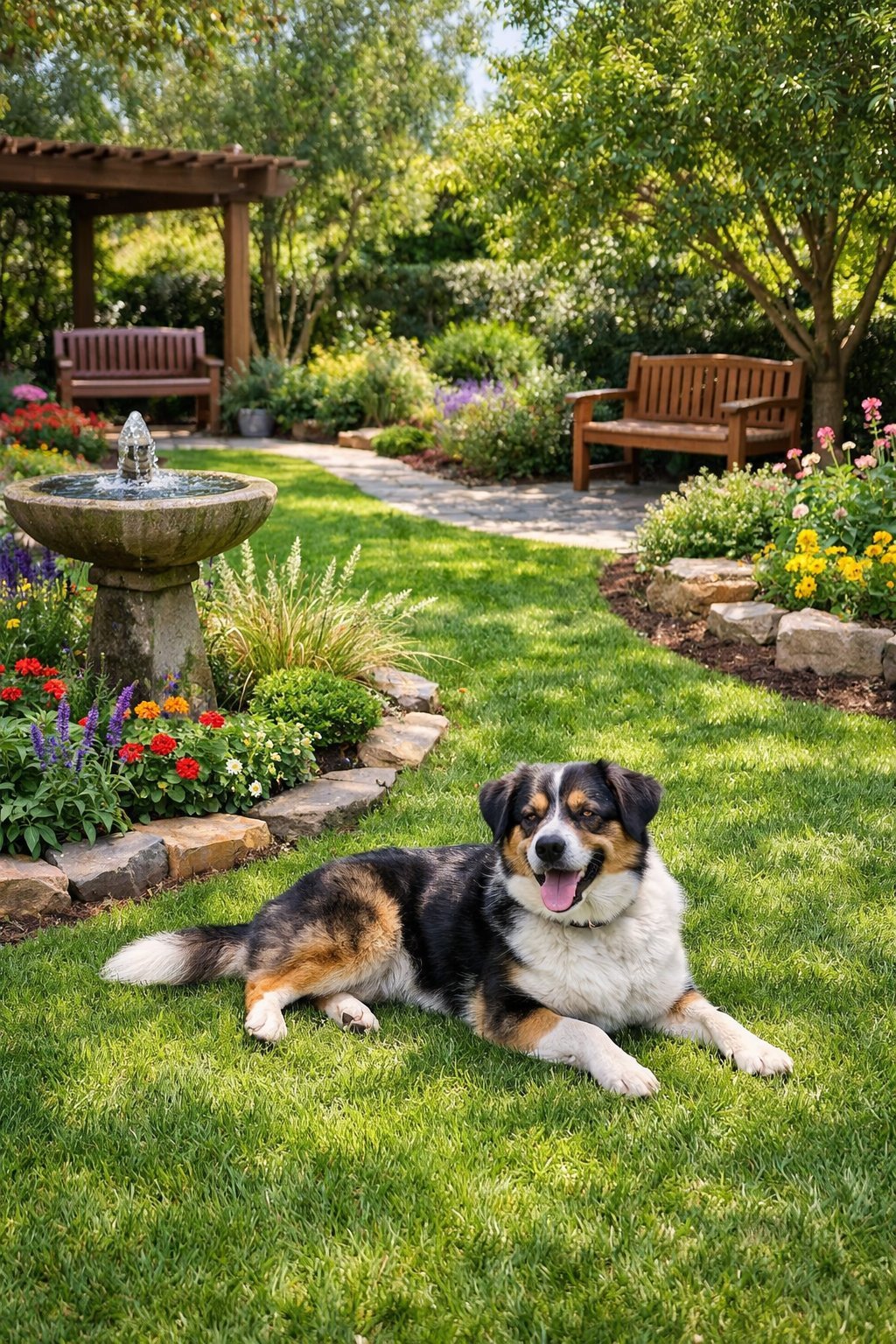
I recommend choosing hardy non-toxic plants and smart garden layouts that protect both your landscaping and your dog. Using ground covers instead of grass and adding raised beds can save you time while keeping your pet safe.
Pet-Safe Plants and Non-Toxic Flowers
I always check the ASPCA website before buying any new plants for my yard. Many common flowers and shrubs are toxic to dogs, so I stick with safe options that won’t harm my pet if they decide to nibble.
My favorite dog-safe plants include marigolds, rosemary, and sage. These hardy plants like marigolds and rosemary are beautiful and safe for dogs.
I plant rosemary near walkways because its strong scent actually keeps dogs from digging in those areas. Lavender is another great choice that smells wonderful and won’t hurt your dog.
Sunflowers, zinnias, and snapdragons add bright colors to my garden without any safety concerns. I avoid plants like azaleas, lilies, tulips, and daffodils since these are poisonous to pets.
Pet-friendly plants I use include:
- Marigolds
- Rosemary
- Sage
- Lavender
- Catmint
- Peonies
Flea-Repelling Garden Beds
I plant specific herbs and flowers that naturally keep fleas away from my yard. This helps reduce the number of pests my dog picks up while playing outside.
Rosemary works double duty as a safe plant and a flea deterrent. I plant it around the edges of my deck and patio where my dog likes to rest.
Lavender also repels fleas and other insects while adding a pleasant smell to the yard. I create flea-repelling garden areas by grouping these plants together in high-traffic zones.
Sage, mint, and basil are other herbs that help keep fleas at bay. I plant them in clusters rather than spreading them thin across the yard.
These natural pest control plants need full sun and good drainage. I add them to existing flower beds or create dedicated herb gardens near my dog’s favorite spots.
Ground Cover Plants and Grass Alternatives
I use ground cover plants instead of traditional grass in areas that get heavy paw traffic. These alternatives hold up better to running and digging while needing less water and maintenance.
Clover is my top choice for a grass replacement. It stays green, feels soft on paws, and doesn’t need mowing as often as regular grass.
Dogs can run on it without creating bare patches. Irish moss works well in shaded areas where grass struggles to grow.
It forms a soft green carpet that handles light foot traffic. Creeping thyme is another option that smells great when stepped on and tolerates moderate dog activity.
I also use mulch or pea gravel in high-traffic pathways. These materials don’t get muddy and are easy to replace if needed.
Artificial turf designed for pets drains well and stays clean, though it costs more upfront.
Raised Beds and Protected Gardens
I build raised garden beds to protect my vegetables and delicate flowers from curious paws. These elevated planters keep my plants safe while letting my dog roam freely in the yard.
My raised beds sit 18 to 24 inches off the ground, which stops my dog from stepping on young seedlings. I use untreated cedar or composite materials that won’t rot or harm pets.
The contained soil also drains better and warms up faster in spring. I place chicken wire flat under the soil in regular garden beds to prevent digging.
This simple trick has saved many of my plants from being uprooted. I cover the wire with 3 to 4 inches of soil and mulch so it’s not visible.
Installing low decorative fencing around garden areas creates a clear boundary. My dog learned quickly which spaces are off-limits.
I also use large rocks or decorative edging to mark protected zones in the landscape.
Play Zones, Activities, and Canine Amenities
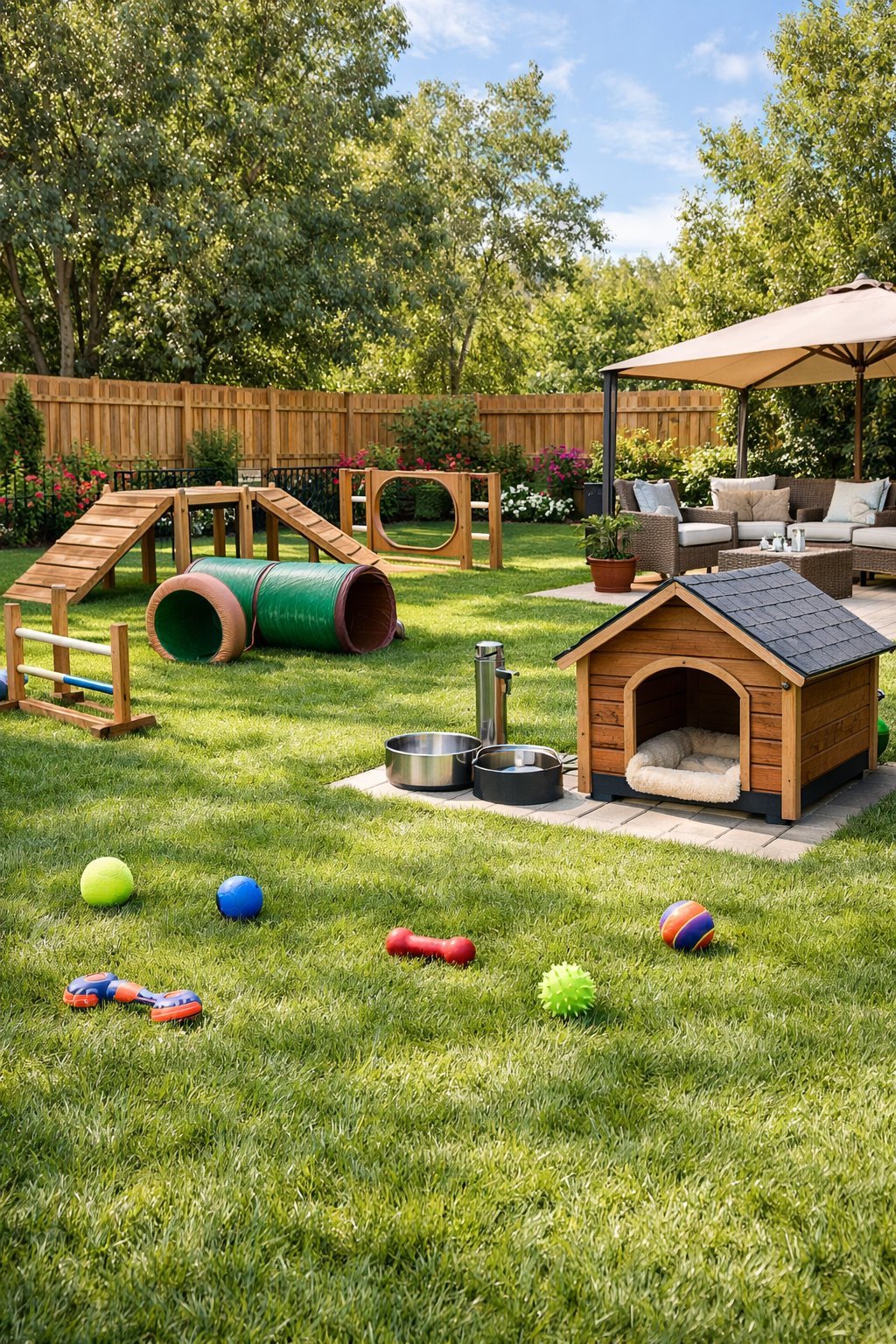
Creating distinct areas for different activities keeps dogs mentally stimulated and physically active. I focus on building spaces that let my dog dig, play, cool off, and rest comfortably throughout the day.
Agility Courses and Backyard Playgrounds
Building a DIY agility course gives my dog both physical exercise and mental challenges. I set up tunnels, hurdles, and weave poles using affordable materials like PVC pipes and wooden boards.
The key is making sure everything is stable and smooth to prevent injuries. I space obstacles far enough apart so my dog can move safely between them.
Tunnels need to be wide enough for easy passage. Hurdles should match my dog’s size and skill level.
I regularly check all equipment for loose parts or sharp edges. My dog gets better at problem-solving and stays happier because the training strengthens our bond.
Designated Digging Zones and Dig Pits
Setting up a designated digging zone protects my garden and lawn from random holes. I choose a spot away from my house and flower beds, usually about 4×4 feet in size.
I mix sand with the soil to keep dirt from sticking to my dog’s paws. Hiding toys and treats in the digging pit makes it more appealing than other parts of my yard.
I bury new items every few days to maintain interest. The pit keeps my lawn looking nice while my dog gets mental stimulation from finding buried treasures.
I edge the area with landscape timbers to mark clear boundaries.
Water Features and Splash Zones
A doggy splash pool or splash pad keeps my dog cool during hot weather. I use a low-maintenance kiddie pool or install a simple splash pad with gentle water sprays.
These water features give my dog a way to play and regulate body temperature. I place the splash zone on a non-slip surface to prevent accidents.
Some dogs prefer shallow pools they can walk through, while others enjoy fountains they can chase. I set up a cooling station nearby with fresh drinking water.
I drain and refill the water regularly to keep it clean and prevent bacteria growth.
Comfy Lounging Spots and Dog Beds
I create shaded rest areas where my dog can relax after playing. Natural shade from trees works best, but I also use pergolas, canopies, or sun sails when needed.
Weather-resistant cushions and outdoor dog beds give my dog comfortable places to nap outside. I look for materials that dry quickly and resist mold.
Elevated dog beds improve airflow and keep my dog cooler. I position these lounging spots strategically around my dog-friendly space.
Some areas get morning sun for cooler days, while others stay shaded all afternoon. Dog houses with good ventilation provide another option for rest.
Having multiple comfortable spots means my dog always has a place to relax nearby.
Extra Features to Enhance Your Dog’s Yard Experience
Adding special features to your backyard can make it more exciting and comfortable for your dog. Simple additions like windows in your fence, separate play areas, and smart landscaping choices help create a space where your pup stays happy and active.
Dog Windows and Visual Stimulation
Installing a dog window in your fence gives your pup a view of the world beyond your yard. These bubble windows or peek holes let dogs watch passing neighbors, cars, and wildlife without jumping at the fence.
I recommend placing the window at your dog’s eye level. Most dog windows come in clear acrylic or durable plastic that won’t break easily.
Benefits of fence windows:
- Reduces barking from curiosity
- Keeps dogs mentally engaged
- Prevents fence jumping
- Easy to install in most fence types
The windows work especially well for dogs who spend time alone in the yard. They provide entertainment and help reduce anxiety by letting your dog see what’s happening outside their space.
Designated Dog Zones and Runs
Creating a dedicated dog zone in your yard gives your pet their own special area. I like to fence off a section specifically for my dog with their toys, water bowl, and shade.
You can set up an outdoor playpen or install a dog run along the side of your house. These spaces keep dogs contained while giving them room to move around freely.
What to include in your dog zone:
- Sturdy fencing or barriers
- Non-slip ground surface
- Water station
- Toy storage
- Shade structure
A designated zone also protects the rest of your yard from digging and wear patterns. I’ve found it makes maintaining both my garden and my dog’s play area much easier.
Unique Backyard Landscaping Ideas
Dog-friendly landscaping balances beauty with durability. I choose hardy, non-toxic plants like marigolds, rosemary, and sage that can handle rough play and even repel fleas naturally.
Raised beds and large planters keep delicate flowers safe from trampling paws. I use stepping stones or gravel to create paths that guide my dog away from garden beds while giving them trails to explore.
Smart landscaping choices:
- Ground covers: Creeping thyme instead of grass in high-traffic spots
- Borders: Decorative edging to protect plant beds
- Mulch areas: Easier cleanup than grass in play zones
- Potted plants: Moveable and safe from digging
I’ve also added natural ground covers that withstand dog traffic better than traditional grass.
