
Dog Shampoo: Ultimate Guide to Choosing the Best for Your Pup

Bath time with your dog can be messy and chaotic, but picking the right shampoo makes a huge difference. Dog shampoo is specially made to match your dog’s skin pH and protect their coat, while human shampoo can cause irritation, dryness, and even allergic reactions.
I’ve learned that choosing a dog shampoo with safe ingredients designed for their specific needs keeps my pup healthy and comfortable.

Whether your dog has sensitive skin, sheds like crazy, or just needs a good cleaning, there’s a shampoo made for that situation. I want to help you understand what makes a good dog shampoo and how to pick one that works for your furry friend.
From understanding ingredients to knowing when to use special formulas, I’ll walk you through everything you need to know. The right shampoo can solve problems like itching, odor, and tangles while keeping your dog’s coat shiny and soft.
I’ve gathered information from vets and groomers to help you make the best choice for your pup’s bath time needs.
Key Takeaways
- Dog shampoo is pH balanced for canine skin and shouldn’t be replaced with human or cat products
- Different shampoo types target specific issues like dry skin, shedding, fleas, and sensitive puppies
- Safe ingredients and proper application keep your dog’s coat healthy without causing irritation
Why Use Dog Shampoo Instead of Human Products?
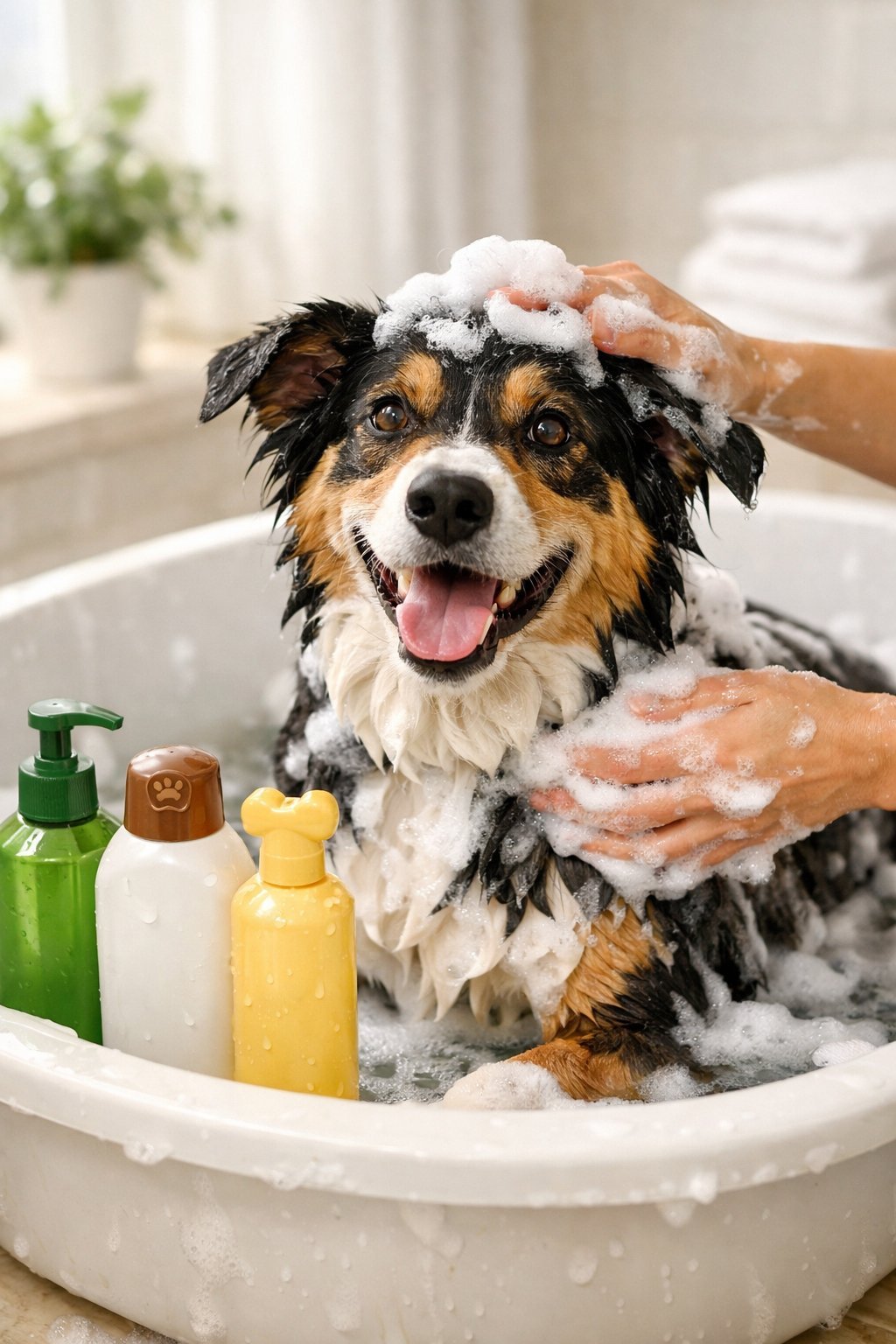
Dog skin requires different care than human skin, and using the wrong products can lead to serious skin problems. Dogs have thinner, more sensitive skin with a different pH level that needs special protection.
Risks of Using Human Shampoo on Dogs
I’ve seen too many pet parents make the mistake of grabbing their own shampoo when bathing their dogs. Using human shampoo on dogs can disrupt their skin’s protective barrier, leading to dryness, irritation, and infections.
Human shampoos contain harsh ingredients like sodium lauryl sulfate that strip away natural oils from dog skin. These products also include fragrances, dyes, and preservatives that can trigger allergic reactions in dogs.
Since a dog’s skin is 3-5 times thinner than human skin, it’s much more sensitive to these chemicals. I always warn against using baby shampoo too.
Many pet parents think it’s gentler, but it actually has an even lower pH that can be more aggressive on dog skin and coat.
pH Balance and Dog Skin Health
The pH difference between human and dog skin is critical to understand. My skin has a pH around 5.5, which is slightly acidic.
Dogs have skin closer to neutral or slightly alkaline, typically around 7.0 to 7.5. When I use human shampoo formulated for the wrong pH level on my dog, it throws off their skin’s natural balance.
This disruption can cause:
- Excessive dryness and flaking
- Itching and scratching
- Redness and inflammation
- Increased risk of bacterial or yeast infections
Dog shampoos are specifically formulated to match canine skin pH. They maintain the protective barrier that keeps my dog’s skin condition healthy while effectively cleaning their coat.
How to Choose the Best Dog Shampoo

Selecting the right shampoo for your dog involves understanding their specific skin and coat requirements. Prioritizing gentle natural ingredients and avoiding harsh chemicals that could irritate their skin is important.
Understanding Your Dog’s Skin and Coat Needs
I always start by examining my dog’s specific skin and coat type before picking a shampoo. Dogs have different pH levels than humans, so I never use human shampoo on my pet.
Dogs and humans have different skin pH levels and sensitivities, which means using the wrong product can cause dryness or irritation. I consider whether my dog has sensitive skin, dry patches, or excessive shedding.
Dogs with long coats need different care than those with short fur. Puppies require especially gentle formulas since their skin is more delicate than adult dogs.
I also think about any specific issues my dog faces. Some dogs need help with itchy skin, while others benefit from products that reduce shedding or address hot spots.
When choosing the best dog shampoo, I match the formula to my dog’s particular needs rather than picking a generic option.
Importance of Natural Ingredients
I look for shampoos with natural ingredients because they’re gentler on my dog’s skin. Aloe vera is one of my favorite ingredients since it soothes and moisturizes without causing irritation.
I also seek out products containing colloidal oatmeal or regular oatmeal, which help calm itchy and inflamed skin. Botanicals like chamomile, lavender, and coconut oil provide additional benefits.
These plant-based ingredients clean effectively while nourishing the coat. I prefer formulas with simple ingredient lists that I can actually understand and pronounce.
Natural ingredients work well for maintaining healthy skin between baths too. They don’t strip away the natural oils my dog’s skin needs for protection.
I find that shampoos with these gentle components leave my dog’s coat soft and shiny without any negative side effects.
Recognizing Harmful Ingredients
I avoid artificial fragrances in dog shampoos because they can trigger allergic reactions and skin irritation. While I might enjoy a scented dog shampoo, I choose products with naturally derived scents instead of synthetic ones.
Strong artificial perfumes can also overwhelm my dog’s sensitive nose. I stay away from shampoos containing sulfates, parabens, and silicones.
These harsh chemicals can dry out skin and cause redness or hives. Some ingredients that are safe for humans can be toxic to dogs, so I always read labels carefully.
I also avoid products with alcohol, which dries out the skin, and phthalates, which can disrupt hormones. When I’m unsure about an ingredient, I ask my veterinarian for guidance before using it on my dog.
Top Types of Dog Shampoo for Different Needs
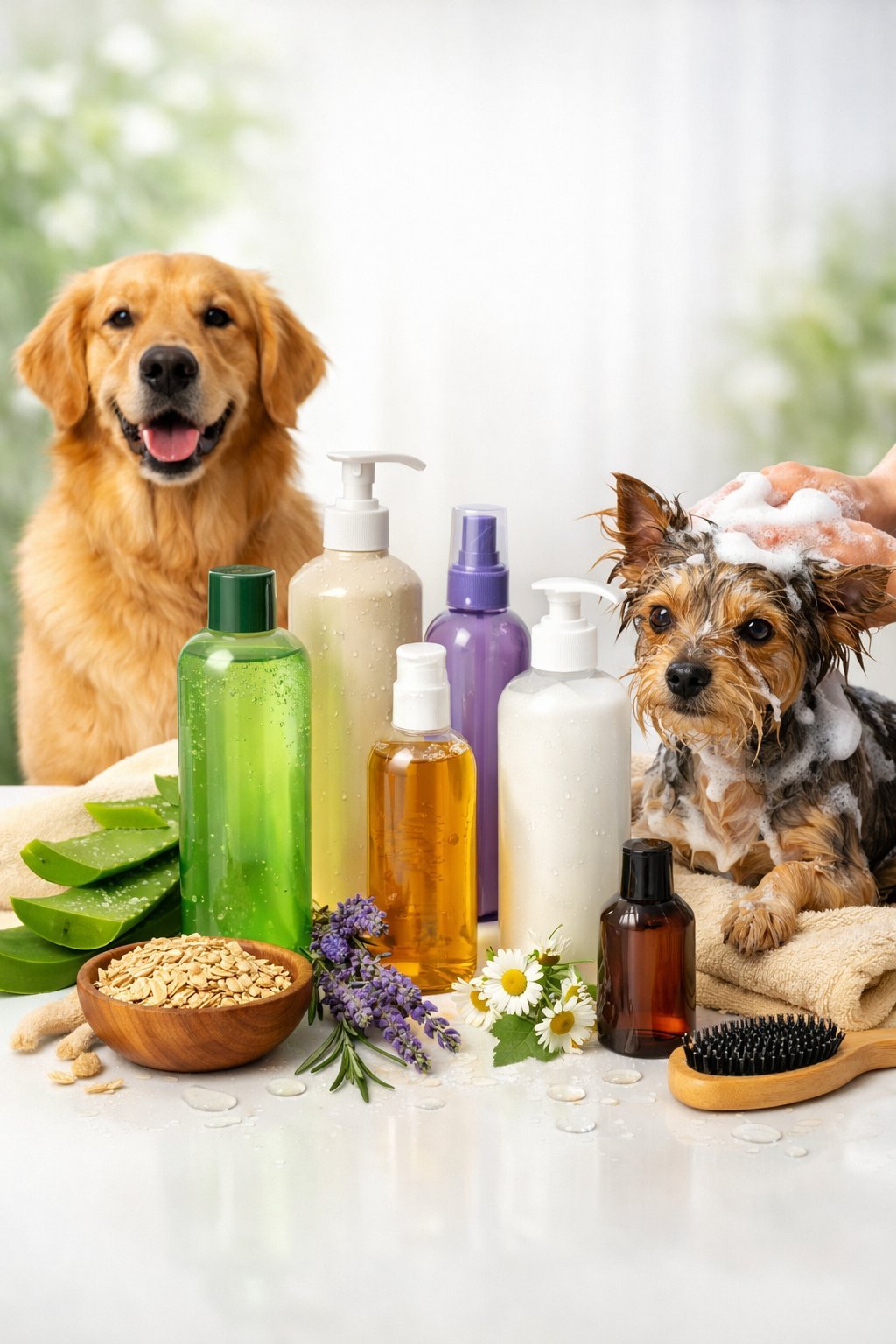
Choosing the right dog shampoo depends on your dog’s specific skin type, existing conditions, and daily needs. Different formulas target everything from allergies and dry skin to stubborn odors and routine cleaning.
Hypoallergenic and Sensitive Skin Shampoos
I’ve found that hypoallergenic dog shampoo works best for dogs prone to allergies or irritation. These formulas skip harsh chemicals like sulfates, parabens, and artificial fragrances that can trigger reactions.
Dog shampoo for sensitive skin typically contains soothing ingredients. Oatmeal dog shampoo is one of the most popular choices because colloidal oatmeal naturally calms inflammation.
Many formulas also include chamomile and vitamin E to moisturize and protect the skin barrier. For pet parents dealing with itchy skin issues, I recommend looking for products with aloe vera or green tea extract.
These ingredients provide itch relief without medication. Some sensitive skin formulas also contain lanolin, which helps lock in moisture for dogs with dry skin.
The key is reading ingredient lists carefully. Reputable brands invest in research to develop effective formulas for different conditions.
Medicated Solutions for Skin Conditions
Medicated shampoos target specific skin problems that regular formulas can’t handle. Dog shampoo for itchy skin often contains ingredients like chlorhexidine or ketoconazole to fight bacterial and fungal infections.
I’ve seen great results with medicated options for dogs suffering from conditions like seborrhea, hot spots, or yeast infections. These shampoos work like medicine for your dog’s skin.
They usually need to sit on the coat for 5-10 minutes before rinsing to be effective. Veterinary Formula Clinical Care is a prescription-strength option without the prescription that tackles both bacterial and fungal issues.
For allergic dermatitis, products containing Ophytrium have shown clinical benefits in strengthening the skin’s natural barriers. Always consult your vet before starting medicated treatments.
Some conditions require specific active ingredients to heal properly.
Odor Control and Scented Dog Shampoos
Odor control shampoos do more than just mask smells. They neutralize odors at the source using ingredients like baking soda or enzymes.
I recommend these for dogs who love rolling in questionable things or have naturally oily coats. The best formulas eliminate wet dog smell and keep your pup fresh for days between baths.
Many also include deodorizing agents that work long after bath time. Scented options range from light lavender to tropical fragrances.
Natural formulas with pleasant scents can make grooming more enjoyable for both you and your dog. Just avoid artificial fragrances that might irritate sensitive noses.
Budget-Friendly and Everyday Use Shampoos
Budget-friendly dog shampoo doesn’t mean sacrificing quality. Several affordable options under $10 deliver excellent results for routine bathing.
I’ve tested multiple value brands that outperformed premium options in everyday use. These work well for healthy dogs without skin issues who just need regular cleaning.
Look for natural ingredients like oatmeal and aloe even in lower-priced products. For pet parents bathing their dogs frequently, everyday formulas should be gentle enough for regular use.
They clean effectively without stripping natural oils that protect the skin. Burt’s Bees and Earthbath both offer quality options at accessible price points.
The 16-ounce size typically lasts 2-3 months for medium-sized dogs with monthly baths.
Shampoos for Special Situations

Some dogs need more than just basic cleaning products. Flea and tick control shampoos kill pests on contact, while puppy-safe formulas protect delicate skin, and deshedding products help manage excess fur.
Flea and Tick Control Shampoos
I’ve found that flea and tick shampoo works as an immediate treatment when your dog has an active infestation. These products contain active ingredients like pyrethrins, which are natural insecticides derived from chrysanthemum flowers.
Some formulas also include s-methoprene, an insect growth regulator that prevents flea eggs and larvae from developing into adults. Tick shampoo requires thorough application and contact time to work properly.
I always leave the lather on my dog for at least 10 minutes before rinsing, as directed on the label. Most flea and tick control shampoos aren’t meant for daily use.
I typically use them only when I spot pests or as directed by my vet. Between treatments, I stick to regular shampoo for routine bathing.
Puppy-Safe and Tear-Free Options
Puppies have more delicate skin than adult dogs, so I always choose dog shampoo for puppies with gentle formulas. Puppy shampoo contains milder cleansers that won’t strip natural oils or irritate sensitive skin.
I check the age restrictions on every bottle since some ingredients aren’t safe for very young dogs. Tear-free shampoo makes bath time much easier when washing around my puppy’s face and eyes.
These formulas use pH-balanced ingredients that won’t sting if they accidentally get in the eyes. I avoid using adult dog shampoos on puppies, even if the adult formula seems gentle.
The ingredients might still be too harsh for developing skin.
Deshedding and Coat-Specific Formulas
I rely on deshedding shampoo during heavy shedding seasons to help loosen and remove dead fur. These products contain ingredients like omega fatty acids and natural oils that strengthen hair follicles and reduce excess shedding.
Dog grooming experts often recommend pairing these shampoos with a conditioner for best results. Dog shampoo and conditioner combinations work well for specific coat types.
Long-haired breeds benefit from moisturizing formulas that prevent tangles. Short-haired dogs might need clarifying products.
I match the shampoo to my dog’s coat texture. Thick double coats need different care than fine, silky fur.
Reading product labels helps me identify which formulas target my dog’s specific needs.
Dog Shampoo Ingredients: What to Look for and Avoid
When I choose a dog shampoo, I focus on natural ingredients that clean gently and avoid harsh chemicals that can irritate my dog’s skin. The right ingredients make bath time safer and more comfortable for my pet.
Beneficial Natural Ingredients
I always look for natural ingredients that nourish my dog’s skin and coat. Organic aloe vera soothes irritated skin and provides moisture without leaving residue.
Colloidal oat flour calms itching and reduces inflammation, making it perfect for dogs with sensitive skin. Honey acts as a natural antibacterial agent while moisturizing the coat.
I find that lavender and mint oil offer gentle cleansing properties and leave a pleasant scent. Green tea extract contains antioxidants that protect the skin from damage.
Apple cider vinegar helps balance pH levels and can reduce dandruff. Clove provides natural antiseptic benefits.
For coat health, I seek out omega-6 fatty acids and safflower seed oil, which strengthen the hair shaft and add shine. Tea tree oil can help with bacterial and fungal issues, but I make sure it’s diluted properly since concentrated amounts can be toxic to dogs.
Potentially Harmful Chemicals to Avoid
I stay away from sulfates like SLS and SLES because they strip natural oils from my dog’s skin. These harsh detergents create lots of bubbles but cause dryness and itching.
Parabens disrupt hormones and can cause long-term health problems. I avoid artificial fragrances since they can hide thousands of undisclosed chemicals that trigger allergic reactions.
Phthalates are endocrine disruptors often hidden in fragrance ingredients. I check labels for formaldehyde releasers like DMDM Hydantoin and Quaternium-15, which are linked to cancer risks.
Artificial colors like Yellow 5 and Red 40 serve no purpose except appearance and may pose health risks. Isopropyl alcohol dries out the skin barrier.
Propylene glycol and mineral oil clog pores and prevent skin from breathing properly.
Using Dog Shampoo Safely and Effectively
Proper bathing technique and knowing when to seek professional advice can make a big difference in managing your dog’s skin health. Getting the frequency right and working with your vet helps address conditions like canine atopic dermatitis and yeast infections.
Bathing Frequency and Proper Technique
I recommend bathing most dogs every 4-6 weeks, but this changes based on your dog’s specific needs. Dogs with skin conditions like seborrhea or yeast infections may need weekly baths with medicated shampoos.
When I bathe my dog, I always wet the coat thoroughly with lukewarm water first. I apply shampoo and work it into a lather, making sure to reach the skin.
For antimicrobial shampoos containing chlorhexidine, I let the product sit for 10 minutes before rinsing. This contact time lets the active ingredients work properly.
I focus on problem areas but avoid getting shampoo in the eyes, ears, and mouth. After shampooing, I rinse completely until the water runs clear.
Leftover product can cause irritation or attract dirt. For dogs with ringworm or other fungal issues, I use antifungal shampoos as directed.
Products like Epi-Soothe shampoo work well for soothing irritated skin between medicated treatments.
Consulting Your Veterinarian
I always talk to my vet before starting any new shampoo, especially for dogs with health issues.
Your vet can diagnose conditions like canine atopic dermatitis or seborrhea and recommend the right products.
Some medicated shampoos need a prescription.
My vet helps me understand which active ingredients will work best for my dog’s specific condition.
They also explain how often to bathe and how long to leave the shampoo on.
I check with my vet if my dog’s skin gets worse, develops new symptoms, or doesn’t improve after a few weeks of treatment.
They can adjust the treatment plan or switch to a different product if needed.
