
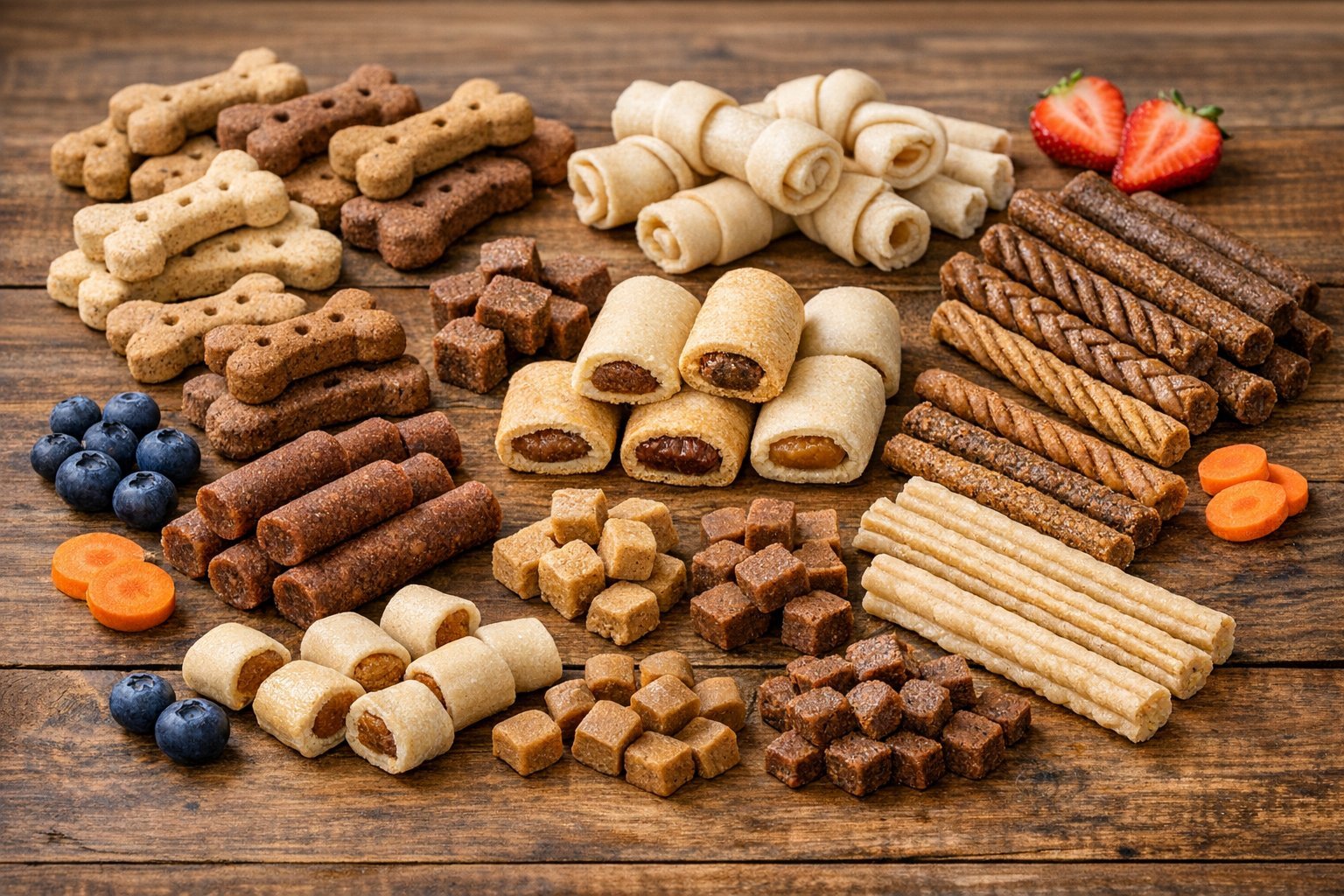
Dog Treats: The Ultimate Guide to Choosing Healthy Rewards

Dog treats are more than just a way to make your pup happy. They serve important purposes like training, dental health, and giving your dog mental stimulation.
With so many options available at stores like Amazon, Target, and Chewy, I know choosing the right treats can feel overwhelming.
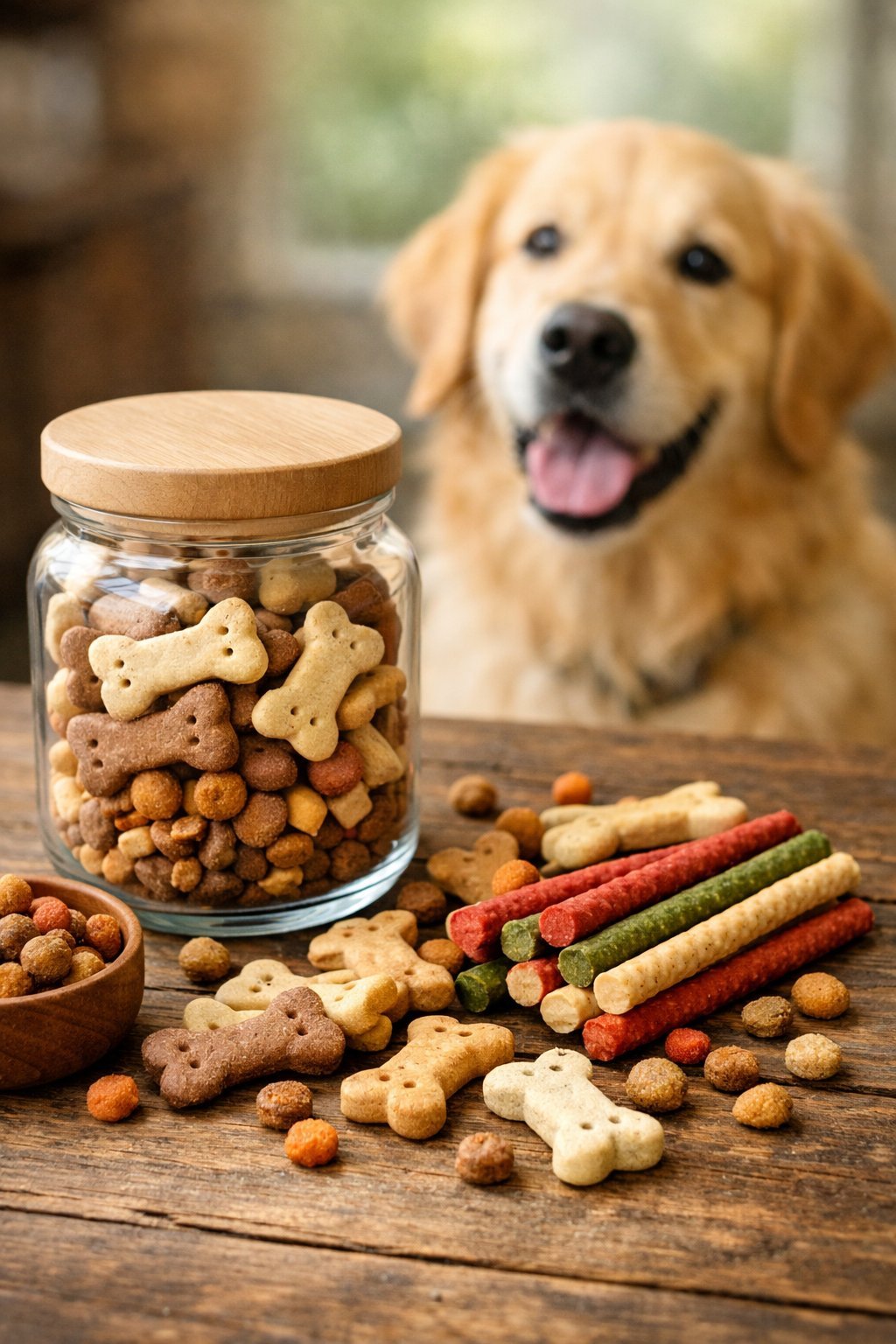
The best dog treats depend on your dog’s size, age, health needs, and what you’re using them for, whether that’s training, dental care, or just showing love. I’ve learned that ingredients matter a lot.
You want to look for high-quality proteins and simple ingredients without artificial colors or flavors. Treats should also make up no more than 10% of your dog’s daily diet.
In this guide, I’ll walk you through everything you need to know about picking treats for your dog. From understanding different textures and sizes to finding treats recommended by veterinarians, you’ll have all the information to make smart choices for your furry friend.
Key Takeaways
- Choose dog treats based on your dog’s size, age, and specific health needs while keeping treats under 10% of their daily diet
- Look for treats with high-quality proteins and simple ingredients that match your purpose, whether training, dental health, or calming
- Consider texture, size, and calories when selecting treats, and consult your veterinarian for dogs with special dietary requirements
Types of Dog Treats
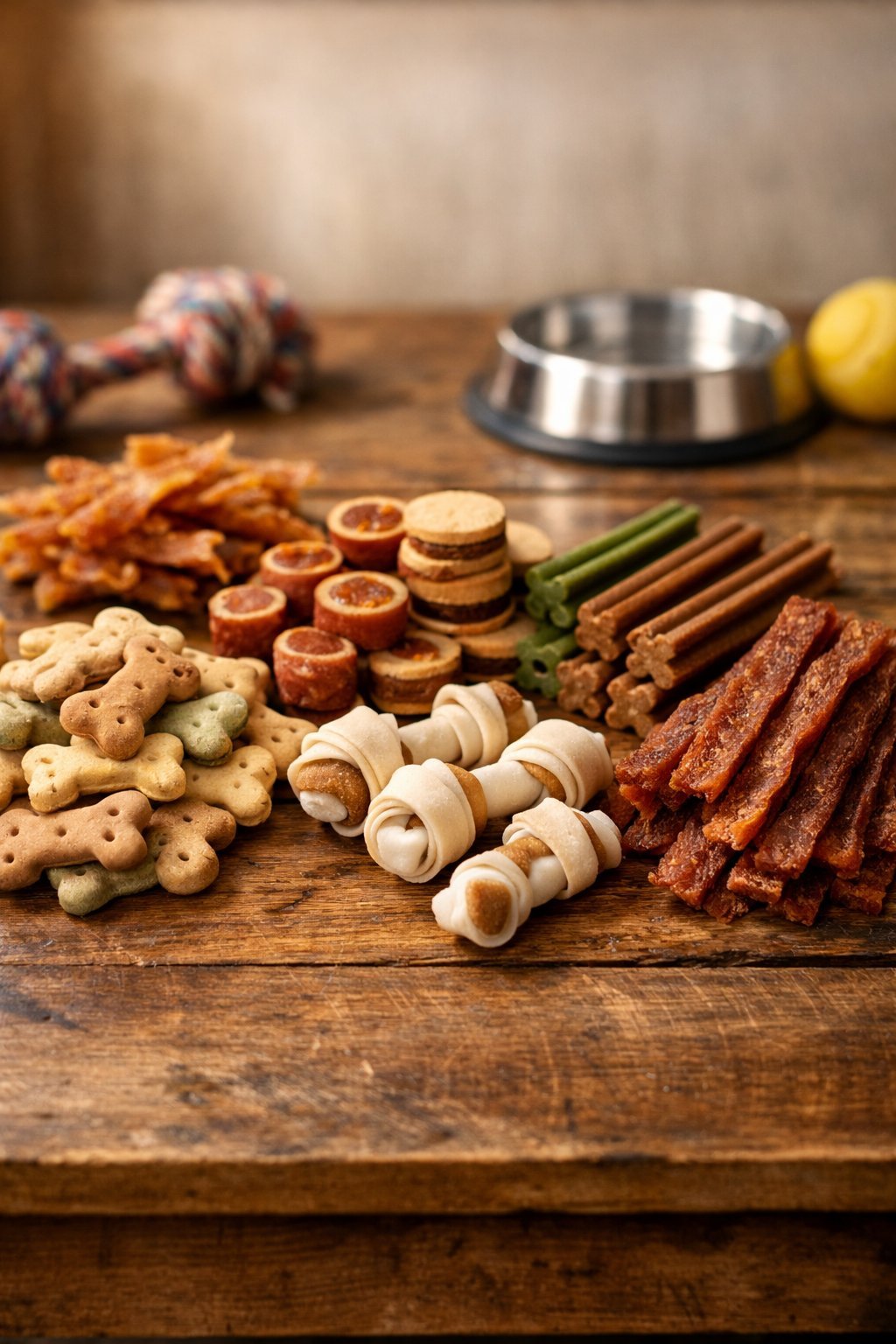
Dog treats come in different textures and forms to match your pup’s preferences and needs. The main categories include crunchy biscuits for dental health, soft chews for easy eating, jerky treats for protein-rich rewards, and freeze-dried options that preserve natural nutrients.
Crunchy Dog Treats
Crunchy biscuits are one of the most common treat types I see dog owners use. These hard treats help clean your dog’s teeth as they chew, which can reduce plaque and tartar buildup.
The firm texture makes them last longer than soft options. They work well for training because they don’t crumble easily in your pocket or treat pouch.
Crunchy dog treats come in many shapes and sizes. You can find small training biscuits or larger treats meant for extended chewing sessions.
Most crunchy treats contain simple ingredients like whole grains, meat meals, and vegetables. They typically have a longer shelf life than soft treats because of their low moisture content.
Soft Chews
Soft chews have a chewy, moist texture that many dogs prefer over hard biscuits. These treats are easy to bite through and swallow quickly, making them perfect for training sessions.
I find soft chews especially useful for senior dogs or puppies who might struggle with hard treats. Dogs with dental problems or missing teeth can enjoy these without difficulty.
The soft texture makes them ideal for training because your dog can eat them fast and stay focused. You can break larger soft chews into smaller pieces to control portions during training.
Many soft chews contain added ingredients for health benefits. Some include glucosamine for joints, while others have calming ingredients like chamomile or melatonin.
Jerky Treats
Jerky treats are made from real meat that’s been dried or dehydrated. These protein-rich treats have a strong smell that most dogs find hard to resist.
The chewy texture gives dogs something to work on without being too hard on their teeth. Popular jerky options include chicken, beef, turkey, and fish varieties.
I recommend checking the ingredient list carefully when buying jerky. Look for treats made with simple, whole ingredients without artificial colors or preservatives.
Some jerky treats are made in countries with different safety standards, so I always check where they’re manufactured. Quality jerky should list real meat as the first ingredient without fillers or by-products.
Freeze-Dried Treats
Freeze-dried treats preserve raw ingredients through a special process that removes moisture while keeping nutrients intact. This method maintains the natural flavor and nutrition of the original ingredients.
These treats are lightweight and shelf-stable without needing refrigeration. Many freeze-dried options use single ingredients like liver, chicken, or fish, making them good for dogs with food sensitivities.
The freeze-dried variety breaks apart easily, letting you adjust portion sizes for training or rewards. They rehydrate quickly in your dog’s mouth, releasing intense flavors.
I find these treats particularly useful as high-value rewards because their strong smell and taste capture my dog’s attention. They cost more than regular treats but offer concentrated nutrition in small portions.
Choosing the Best Dog Treats
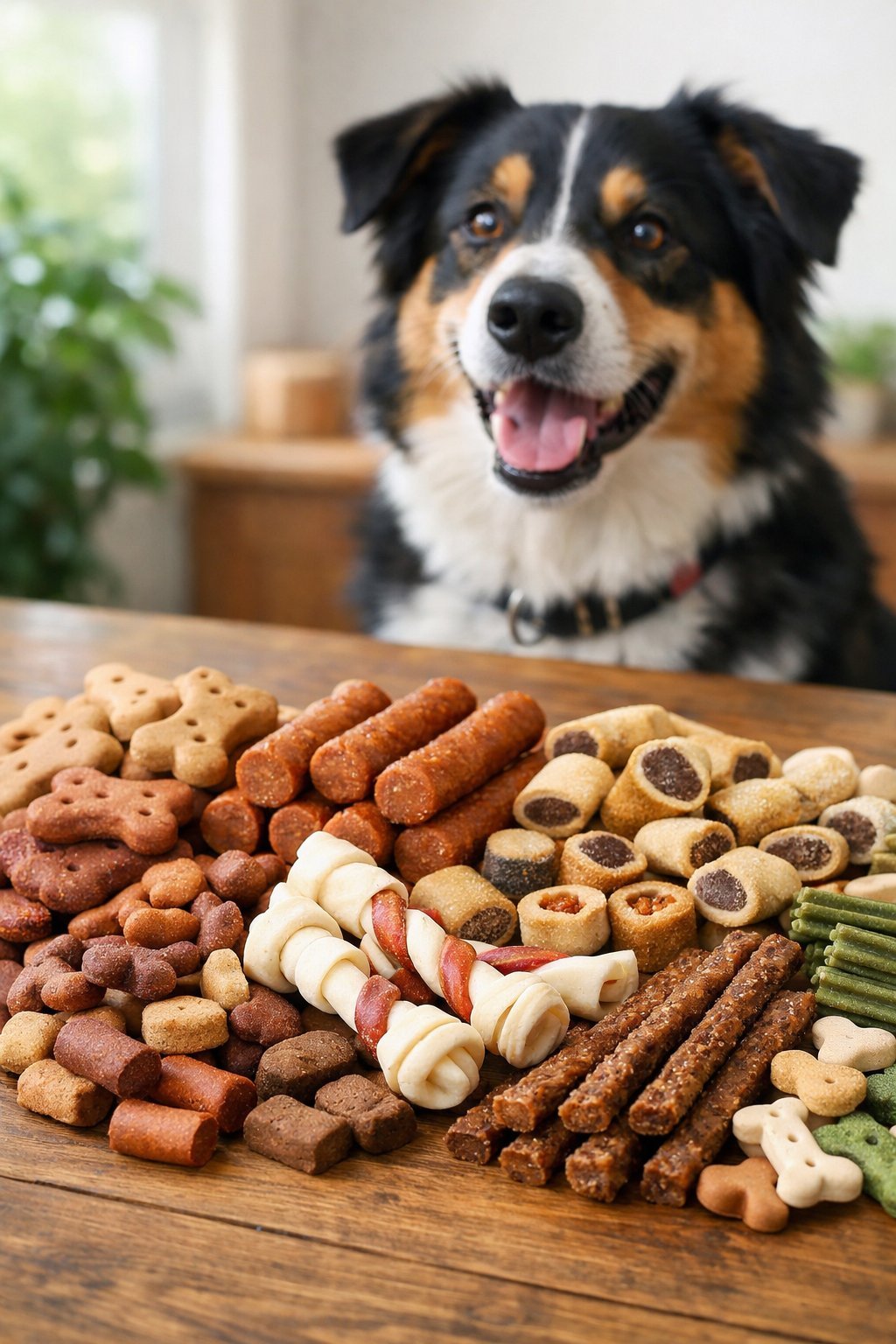
When I’m picking out treats for my dog, I focus on healthy ingredients that provide real nutritional value. The best options contain high-quality proteins from real meat sources and use human-grade ingredients without artificial additives.
Healthy Dog Treats
I always check the ingredient list when shopping for healthy dog treats. The first ingredient should be a recognizable protein source like chicken, beef, or fish.
Treats should make up no more than 10% of my dog’s daily diet. This means I need to pay attention to calories per treat.
I look for options that are low in calories so I can reward my dog throughout the day without overfeeding. I avoid treats with artificial colors, flavors, or preservatives.
Natural dog treats with simple ingredient lists are easier for my dog to digest. Some brands use pea flour as a binding agent, which is a better choice than wheat or corn fillers.
Blue Buffalo Bits offer a good example of treats made with real meat as the first ingredient. I also consider treats that serve multiple purposes, like dental chews that help clean teeth or treats with added glucosamine for joint health.
Human-Grade Ingredients
Human-grade ingredients meet the same safety standards as food made for people. When I choose treats with this designation, I know they’ve been processed and handled in facilities that follow strict quality controls.
The Honest Kitchen Bone Broth Bites use human-grade ingredients and provide hydration along with flavor. These types of treats often cost more, but I’m paying for better quality and safety.
I find that human-grade treats typically have shorter ingredient lists with recognizable items I could eat myself. They skip the by-products and mystery meals that appear in lower-quality options.
This transparency gives me confidence about what I’m feeding my dog.
High-Quality Proteins
High-quality proteins should be the main ingredient in the best dog treats. I look for specific meat sources like “chicken” or “beef” rather than vague terms like “meat meal” or “animal by-products.”
Real meat provides essential amino acids my dog needs. Single-source proteins work best if my dog has food sensitivities.
I can easily identify what’s causing a reaction when the treat contains only one type of protein. The protein content should be high relative to fillers and carbohydrates.
I check that meat appears as one of the first three ingredients on the label. This ensures my dog gets nutritional value instead of just empty calories from grains or starches.
Specialized Dog Treats by Purpose
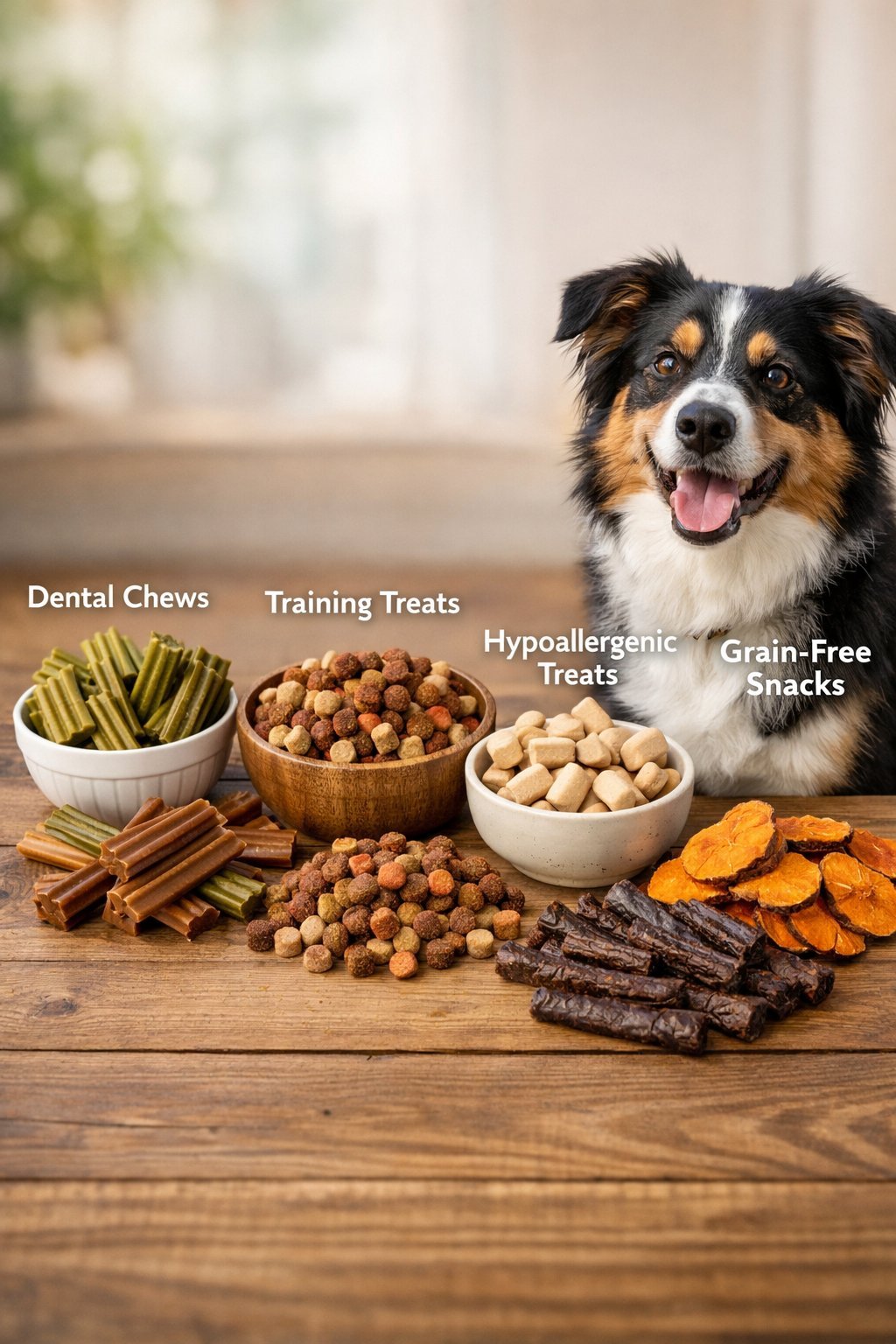
Different treats serve different needs for your dog. Training treats need to be small and low in calories, dental treats help clean teeth, and long-lasting chews keep dogs busy for extended periods.
Training Treats
When I’m training my dog, I need treats that work quickly and don’t fill him up too fast. Training treats should be soft or chewy, low-calorie, and bite-size so my dog can swallow them easily and stay focused on learning.
I look for treats that are small enough to give multiple times during a session. Large treats can add too many calories and make training sessions shorter than needed.
Key features I prioritize:
- Size: Small enough to eat in one bite
- Texture: Soft or chewy for quick consumption
- Calories: Low calorie count since I give many during training
- Non-crumbly: Won’t make a mess in my pocket or treat pouch
High-value treats work best because they capture my dog’s attention immediately. These treats have strong smells and high palatability that make my dog stop what he’s doing to get one.
I rotate through different options to keep my dog interested and motivated.
Dental Treats
Dental treats help me maintain my dog’s oral health between vet visits. These treats typically have a harder texture that creates friction against teeth as my dog chews, which helps reduce plaque and tartar buildup.
I always check if dental treats have approval from recognized organizations. Some dental chews focus on tartar control for teeth and include special ingredients or shapes designed to clean.
The texture matters more than I initially thought. Harder treats work better for oral health, but I make sure they’re not so hard they could damage my dog’s teeth.
As my dog gets older, I may need to switch to softer options if his gums become sensitive or if he’s had dental work done.
Long-Lasting Chews
Long-lasting chews keep my dog occupied for extended periods, which helps with boredom and anxiety. These treats take time to gnaw or lick, making them perfect for distraction purposes.
I use these chews when I need my dog to stay busy, like during work calls or when guests visit. They provide mental stimulation and satisfy my dog’s natural urge to chew.
Popular long-lasting options:
- Bully sticks
- Rawhide alternatives
- Frozen treats
- Puzzle treat dispensers
The size needs to match my dog’s weight to prevent choking hazards. I avoid giving treats that are too small for my dog to safely chew or too large for him to manage properly.
Dog Treats for Different Life Stages and Needs
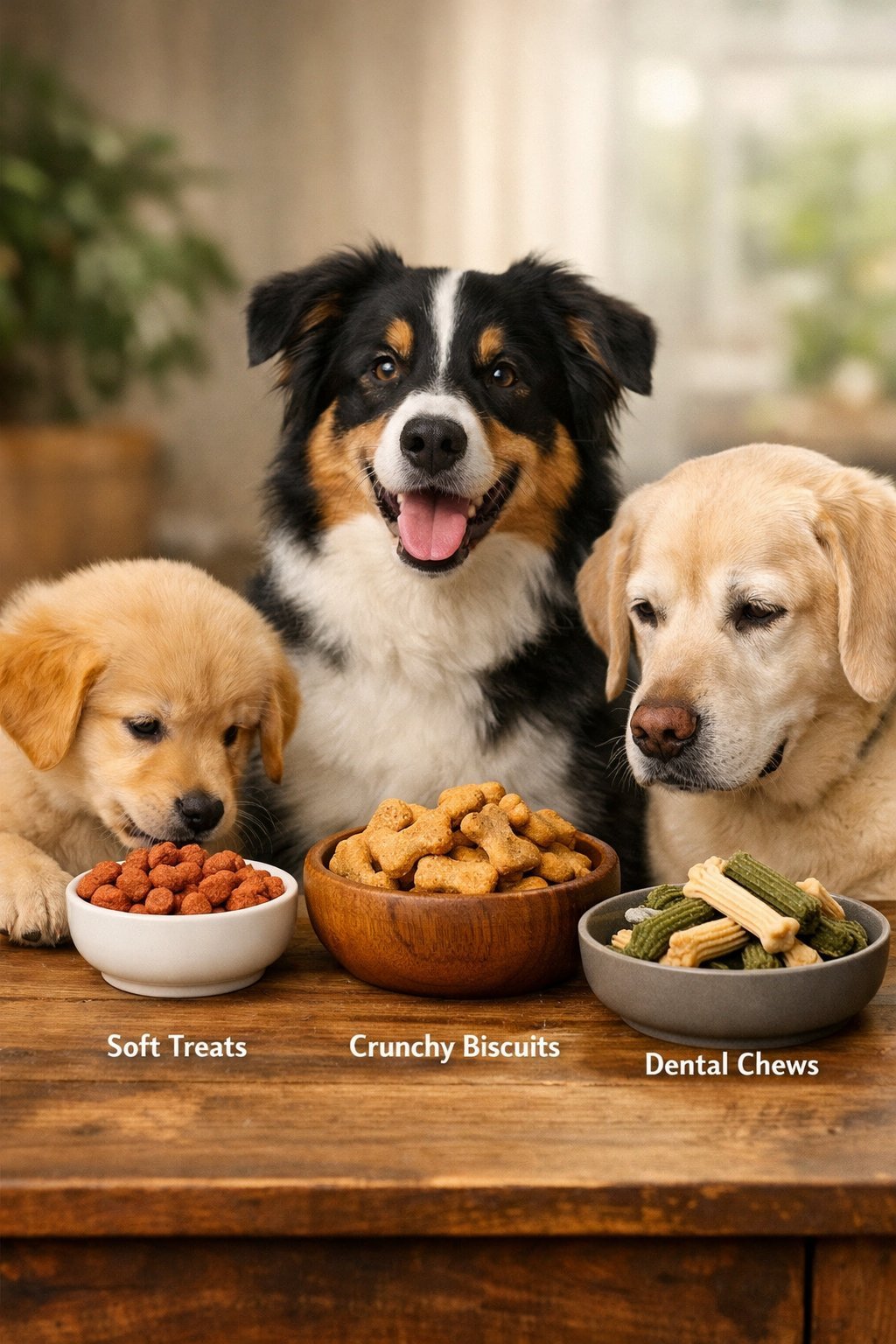
Dogs need different treats as they grow from puppies to adults and then seniors. Nutritional needs and caloric intakes vary based on your dog’s age, size, and activity level.
Puppy Treats
I always look for puppy treats that are soft and easy to chew since young dogs have developing teeth and jaws. These treats should be small enough to prevent choking and quick to eat during training sessions.
Puppies need more calories and protein than adult dogs to support their rapid growth. I choose treats that are nutrient-dense but still appropriate for their tiny stomachs.
Soft treats work best because they’re gentler on puppy teeth and they tend to be smellier, which puppies love. Training is a big part of puppyhood, so I use treats frequently throughout the day.
This means I need to account for treat calories in my puppy’s daily food intake. I break larger treats into smaller pieces to make them last longer during training sessions.
Dog Treats for Large Dogs
Large dogs need treats that match their size and chewing power. I select bigger, firmer options that won’t disappear in one bite.
Big dogs can benefit from harder treats that help reduce tartar and plaque while they chew. I look for durable chews that keep my large dog occupied for a longer time.
However, I always make sure the treat isn’t so hard that it could crack or damage teeth. Calorie control matters even more with large breeds since they’re prone to joint problems when overweight.
I calculate treat calories carefully as part of their total daily intake. Treats should never make up more than 10% of my dog’s diet.
Dog Treats for Seniors
Senior dogs often have different dental health than younger dogs, so I choose softer treats that are easier to chew. Older dogs may have missing teeth or gum disease that makes hard treats uncomfortable or even painful.
I focus on lower-calorie options since senior dogs are less active than they were in their younger years. Treats designed for senior dogs typically have fewer calories to match their reduced activity levels.
I also consider any health conditions my senior dog might have when selecting treats. Some older dogs develop diabetes, kidney disease, or food sensitivities that require specific dietary restrictions.
Health Considerations and Veterinary Advice
Your dog’s health should always come first when selecting treats. Dogs with medical conditions need special attention to avoid ingredients that could worsen their symptoms.
Working with your veterinarian helps ensure treats support rather than harm your dog’s wellbeing.
Dog Gut Health
A healthy digestive system is essential for your dog’s overall wellbeing. When I introduce new treats, I always start with small amounts to see how my dog’s stomach responds.
Sudden changes in treats can upset your dog’s digestive balance. This can lead to diarrhea, vomiting, or gas.
I recommend adding one new treat at a time and watching for any negative reactions over a few days. If your dog has ongoing digestive issues, a dog gut health test can identify problems with their microbiome.
These tests analyze your dog’s stool to check bacterial balance and digestive health. The results help veterinarians recommend specific dietary changes or probiotic supplements.
Signs of poor gut health include:
- Frequent loose stools or diarrhea
- Excessive gas
- Loss of appetite
- Vomiting after eating
- Weight loss
I avoid freeze-dried or dehydrated raw treats because they pose risks for bacterial contamination that can harm both dogs and humans in the household.
Dog Allergy Testing
Food allergies affect many dogs and can make choosing treats challenging. Common allergens include beef, dairy, wheat, chicken, and soy.
A dog allergy testing kit can identify what ingredients trigger reactions in your pet. These kits typically require a small blood sample or saliva swab that you send to a lab.
Results show which proteins and ingredients to avoid.
Common allergy symptoms include:
- Itchy skin or excessive scratching
- Red or inflamed skin
- Ear infections
- Digestive upset
- Hair loss
If my dog shows these signs, I work with my vet before trying elimination diets or new treats. Once I know the specific allergens, I can select treats that don’t contain those ingredients.
Veterinarians’ Recommendations
I always consult my veterinarian before changing my dog’s treats, especially if my dog has health issues.
Veterinarians recommend treats made from wholesome, dog-safe ingredients that match each canine’s individual needs.
If my dog takes prescription food for conditions like pancreatitis or urinary problems, some veterinary diets may not work properly if I add regular treats.
In these cases, my vet might suggest prescription treats designed to work with the special food.
My vet helps me calculate my dog’s daily calorie needs and create a treat budget.
They can also recommend specific brands that meet quality standards for ingredients and manufacturing.
