Easy Dog Treats Recipes: Simple Homemade Snacks for Your Pup

Making homemade dog treats doesn’t have to be complicated or time-consuming. Most easy dog treat recipes use just 3 to 5 simple ingredients you already have in your kitchen, like peanut butter, flour, and eggs, and take less than 30 minutes from start to finish.
I’ve learned that my dog doesn’t care if the treats look perfect or Instagram-worthy. She just wants something tasty made with love.
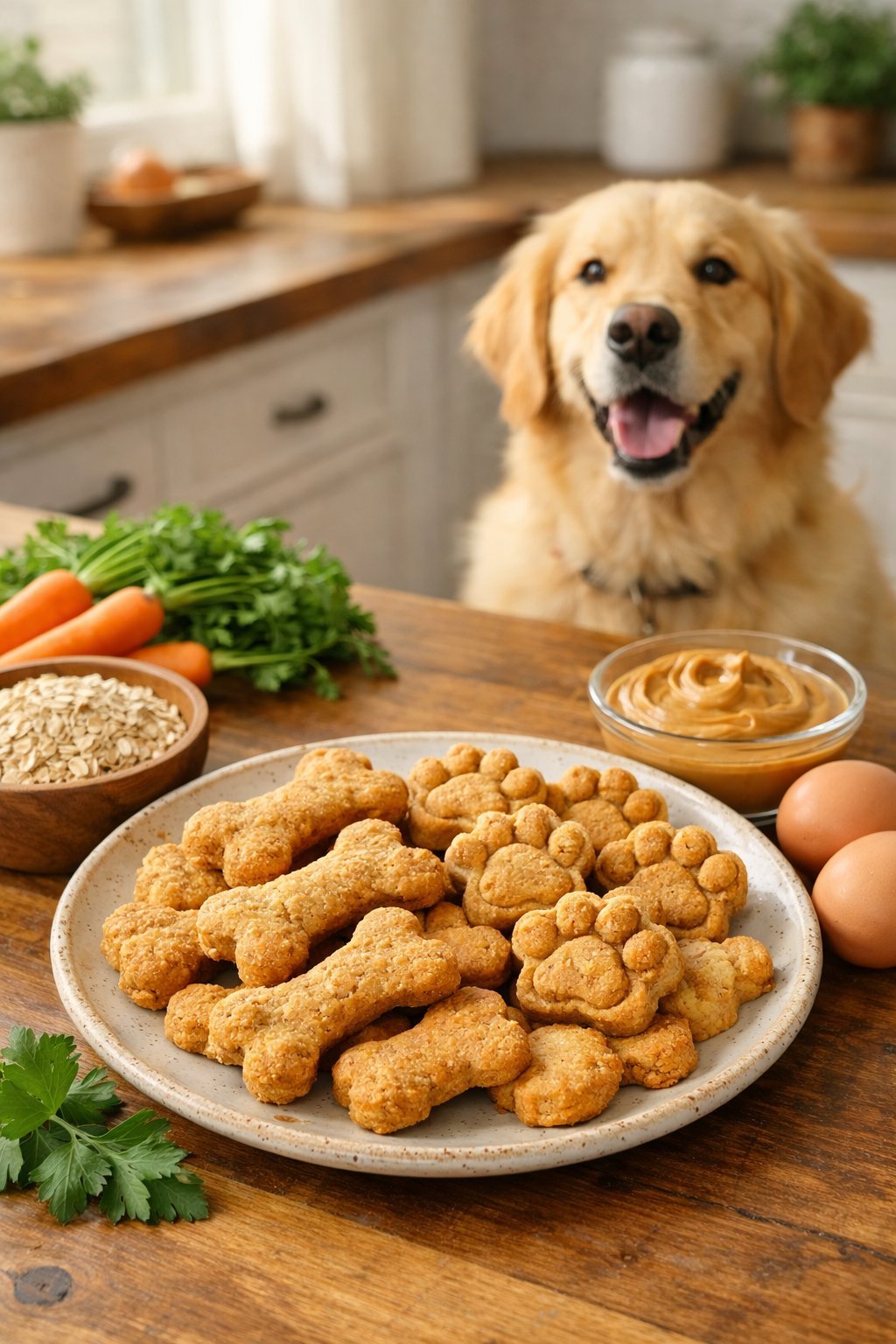
I started making my own dog treats because I wanted to know exactly what my pup was eating. Store-bought treats can be expensive and sometimes contain ingredients I can’t even pronounce.
When I bake homemade dog treats, I control the portion size and can adjust recipes for my dog’s specific needs. Plus, my kitchen smells amazing when these treats are baking.
Whether you’re a beginner baker or someone who burns toast, these recipes will work for you. From frozen treats that require no baking to simple three-ingredient options, there’s something here for every skill level.
Key Takeaways
- Most homemade dog treats need only 3 to 5 basic ingredients and cook in under 30 minutes
- Making your own treats lets you control ingredients, adjust portions, and save money compared to store-bought options
- Recipes range from no-bake frozen treats to baked biscuits suitable for any baking skill level
Why Make Easy Dog Treat Recipes at Home?
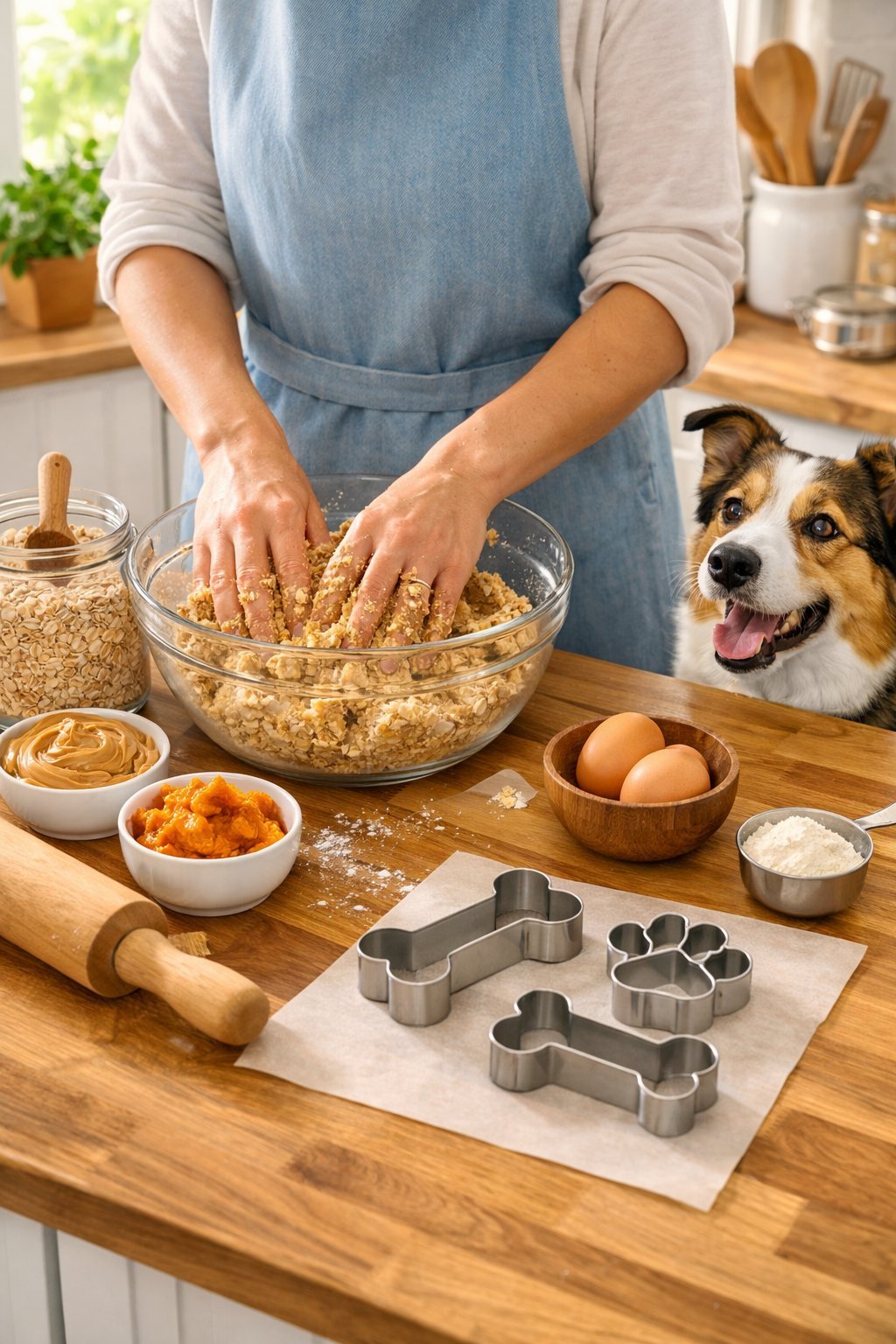
Making treats at home gives you complete control over what goes into your dog’s snacks, saves money compared to store-bought options, and helps you avoid ingredients that might harm or irritate your pet.
Benefits of Homemade Dog Treats
When I make homemade dog treats, I know exactly what my dog is eating. Store-bought treats often contain artificial preservatives, colors, and flavors that can upset sensitive stomachs.
I can customize recipes based on my dog’s preferences and nutritional needs. If my pup loves peanut butter, I can add more.
If they need extra fiber, I can include pumpkin or sweet potato. Making treats at home also strengthens the bond between me and my dog.
The time I spend in the kitchen translates to tail wags and excited barking when those treats come out of the oven. Plus, I can make large batches and store them, ensuring I always have fresh snacks ready.
Cost Savings and Ingredient Control
DIY dog treats cost significantly less than premium store-bought options. A bag of specialty treats can run $15 to $25, while I can make dozens of easy homemade dog treats using pantry staples for just a few dollars.
I often use ingredients I already have at home like oats, eggs, peanut butter, and chicken. This means I’m not buying separate expensive products just for my dog.
By controlling the ingredients, I ensure my dog gets dog-friendly ingredients without fillers or low-quality proteins. I can choose organic flour, free-range eggs, or grass-fed meats if I want to provide the highest quality nutrition.
I also avoid wasting money on treats my dog might not even like.
Avoiding Common Allergens and Harmful Additives
Many dogs have food sensitivities or allergies to common ingredients like wheat, corn, or certain proteins. When I make treats myself, I can easily swap out problem ingredients for dog-safe ingredients that work for my pet.
I never have to worry about xylitol, an artificial sweetener that’s toxic to dogs and sometimes found in commercial products. I also avoid excessive salt, sugar, and chemical preservatives that offer no nutritional value.
For dogs with grain allergies, I use coconut flour or oat flour instead of wheat. For pups sensitive to chicken, I substitute turkey or salmon.
Essential Tips for Easy Dog Treat Recipes
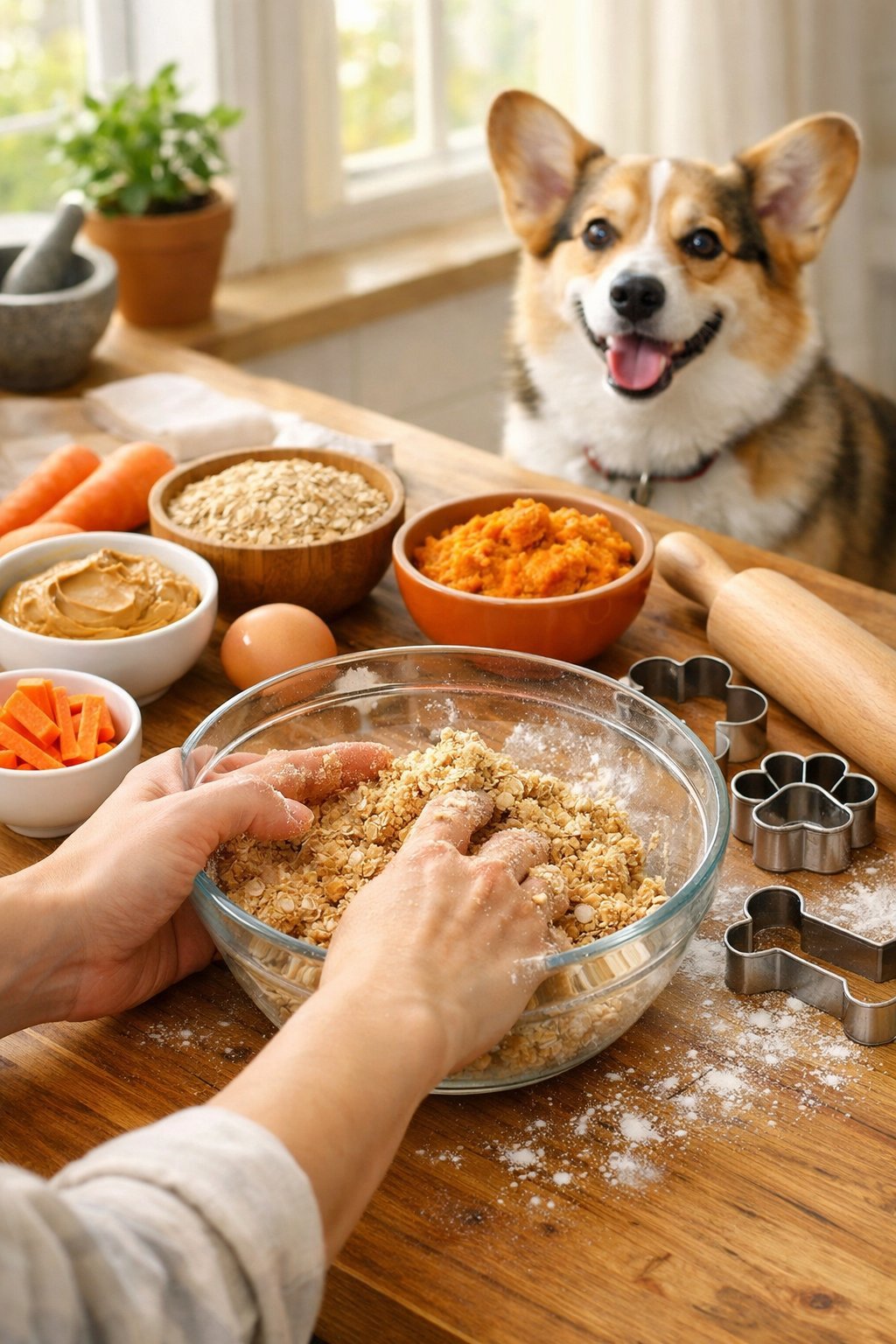
When making homemade treats, I focus on selecting safe ingredients, proper storage methods, and accommodating dogs with dietary restrictions.
Choosing Dog-Safe Ingredients
I always start by confirming which ingredients are safe for dogs before I begin baking. Ripe bananas work wonderfully as a natural sweetener and binding agent in most recipes.
They’re packed with potassium and easy to mash into any dough. Rolled oats are another staple I keep on hand.
They add fiber and texture without causing digestive issues. I prefer using plain, unflavored oats rather than instant varieties with added sugars.
Some ingredients I never use include chocolate, grapes, raisins, onions, garlic, xylitol, and macadamia nuts. These can be toxic to dogs even in small amounts.
I also skip artificial sweeteners and excessive salt. When shopping for dog-friendly ingredients, I choose unsalted peanut butter, plain yogurt, pumpkin puree, sweet potatoes, and fresh blueberries.
Plain cooked chicken or beef also makes excellent protein additions.
Baking and Storage Advice
I set my oven to the temperature specified in each recipe and never rush the baking process. Most treats need 20-30 minutes at 350°F, but dehydrated treats require lower temperatures for longer periods.
After baking, I let treats cool completely on a wire rack. This prevents moisture buildup that can lead to mold.
For storage, I use airtight containers to keep treats fresh. Soft treats last about one week in the refrigerator.
Harder, completely dehydrated treats can stay at room temperature for up to two weeks. I freeze batches I won’t use immediately.
Freezable dog treats maintain quality for up to three months when properly sealed. I portion them before freezing so I can grab just what I need.
Allergy-Friendly Options
I’ve learned to modify recipes when dogs have food sensitivities. For grain allergies, I substitute whole wheat flour with coconut flour, chickpea flour, or oat flour.
Dogs with chicken sensitivities do well with turkey, beef, or fish as protein sources. I’ve also made successful vegetarian treats using only fruits and vegetables.
For dairy-free options, I replace regular yogurt with coconut yogurt or simply use water or broth as the liquid ingredient. Many allergy-friendly treat recipes work perfectly with just three ingredients like sweet potato, coconut flour, and coconut oil.
I always introduce new ingredients slowly. Even with safe foods, some dogs have individual sensitivities.
Starting with small portions helps me identify any problems before making large batches.
Quick and Easy Dog Treat Recipes
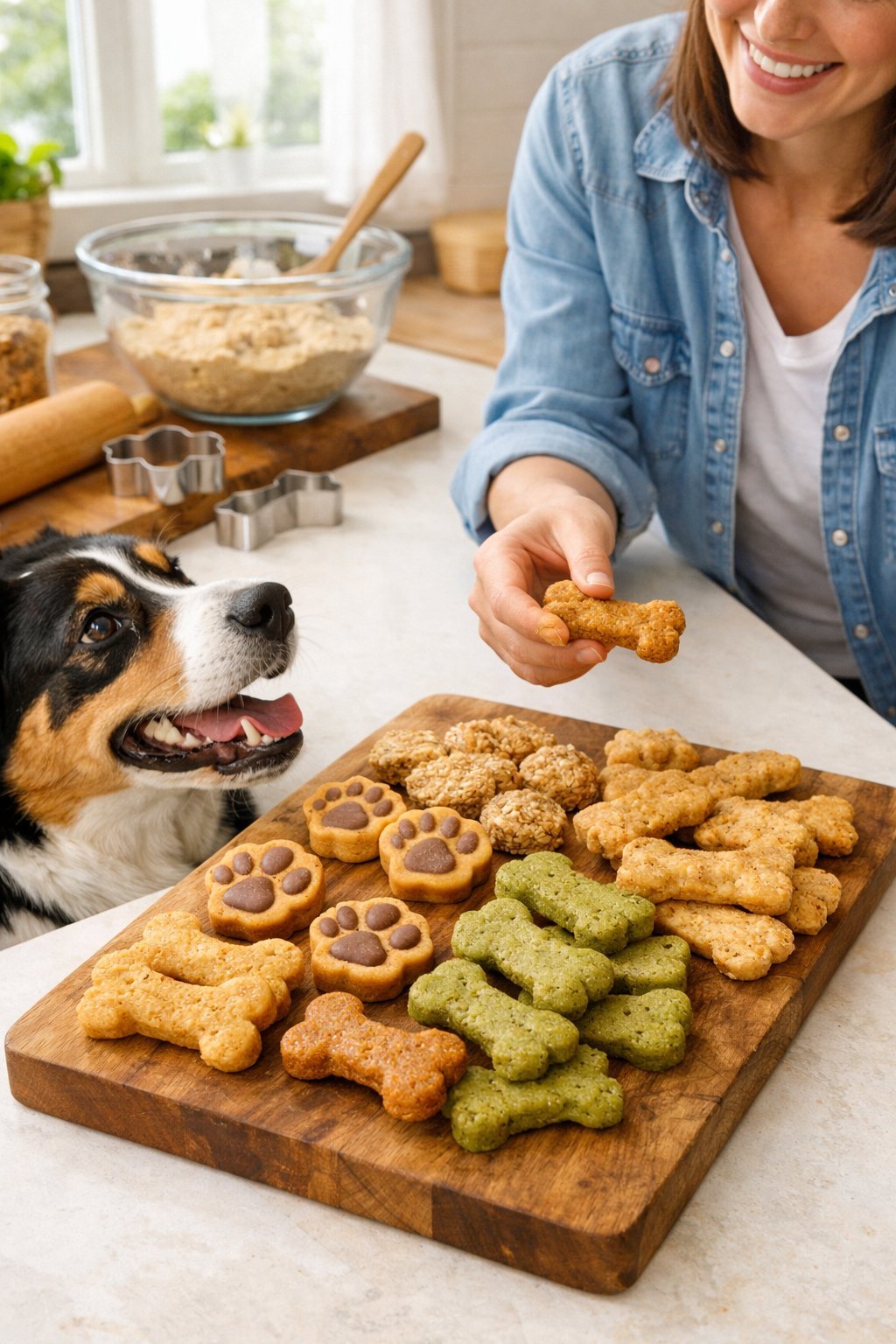
Making homemade dog treats doesn’t have to take hours in the kitchen. These simple recipes use basic ingredients you probably already have at home and require minimal prep time.
Peanut Butter Dog Treats
I love making peanut butter dog treats because they’re one of the easiest recipes to start with. You only need natural peanut butter, whole wheat flour, and an egg to create tasty biscuits your dog will love.
Make sure you use natural peanut butter without xylitol, which is toxic to dogs. Mix two cups of flour with half a cup of peanut butter and one egg until you form a dough.
Roll it out to about a quarter inch thick and cut shapes with cookie cutters. Bake at 350°F for 20 minutes until golden brown.
Peanut butter treats store well in an airtight container for up to a week at room temperature or three weeks in the fridge. For a no-bake version, I sometimes mix peanut butter with rolled oats and mash in a banana.
Roll the mixture into small balls and refrigerate for an hour. These soft treats work great for puppies or older dogs with sensitive teeth.
Sweet Potato Dog Treats
Sweet potatoes make excellent dog treat recipes because they’re packed with vitamins and fiber. I find them incredibly simple to prepare as fries or baked chips.
Wash and peel a large sweet potato, then cut it into thin strips or rounds. Toss the pieces with a tablespoon of coconut oil and spread them on a baking sheet.
Bake at 250°F for about three hours, flipping halfway through, until they’re crispy and dried out. You can also make grain-free sweet potato treats by combining sweet potato puree with coconut flour, eggs, and peanut butter.
The dough comes together quickly and bakes in just 12 to 15 minutes. I like adding a pinch of cinnamon or turmeric to sweet potato fries for extra flavor and health benefits.
Store these treats in the refrigerator to keep them fresh longer.
Chicken Dog Treats
Chicken dog treats are perfect for dogs who prefer savory flavors over sweet ones. I usually use simple ingredients like cooked chicken, rice flour, and an egg to make protein-rich biscuits.
Dice or shred cooked chicken breast and mix it with two cups of rice flour, one egg, and a bit of chicken broth. Form the mixture into small balls or press it into mini muffin tins.
Bake at 350°F for 15 to 20 minutes. For a three-ingredient option, combine whole wheat flour with chicken stock and a tablespoon of oil.
This creates crispy biscuits that dogs find irresistible. You can make them softer by reducing the baking time or letting them cool in the turned-off oven for extra crispiness.
Leftover rotisserie chicken works great for these recipes. Just make sure to remove the skin and bones before using the meat.
Frozen Dog Treats
Frozen dog treats are my go-to during hot weather because they require zero baking. I make simple frozen treats by mixing Greek yogurt with peanut butter and freezing the mixture in ice cube trays or silicone molds.
For fruity frozen treats, I blend watermelon chunks with blueberries and pour the mixture into popsicle molds. You can add a carrot stick or rawhide chew as a handle for easy holding.
Another favorite combines mashed banana with plain yogurt and a spoonful of peanut butter. Layer different colored mixtures in the molds for a fun look.
These treats typically freeze solid in three to four hours. Frozen pup pops made with bone broth are also nutritious and hydrating.
Mix bone broth with pureed vegetables like beets or carrots, pour into molds, and freeze. These treats last for months in the freezer and provide a refreshing snack any time.
Healthy Baked and Soft Dog Treat Recipes
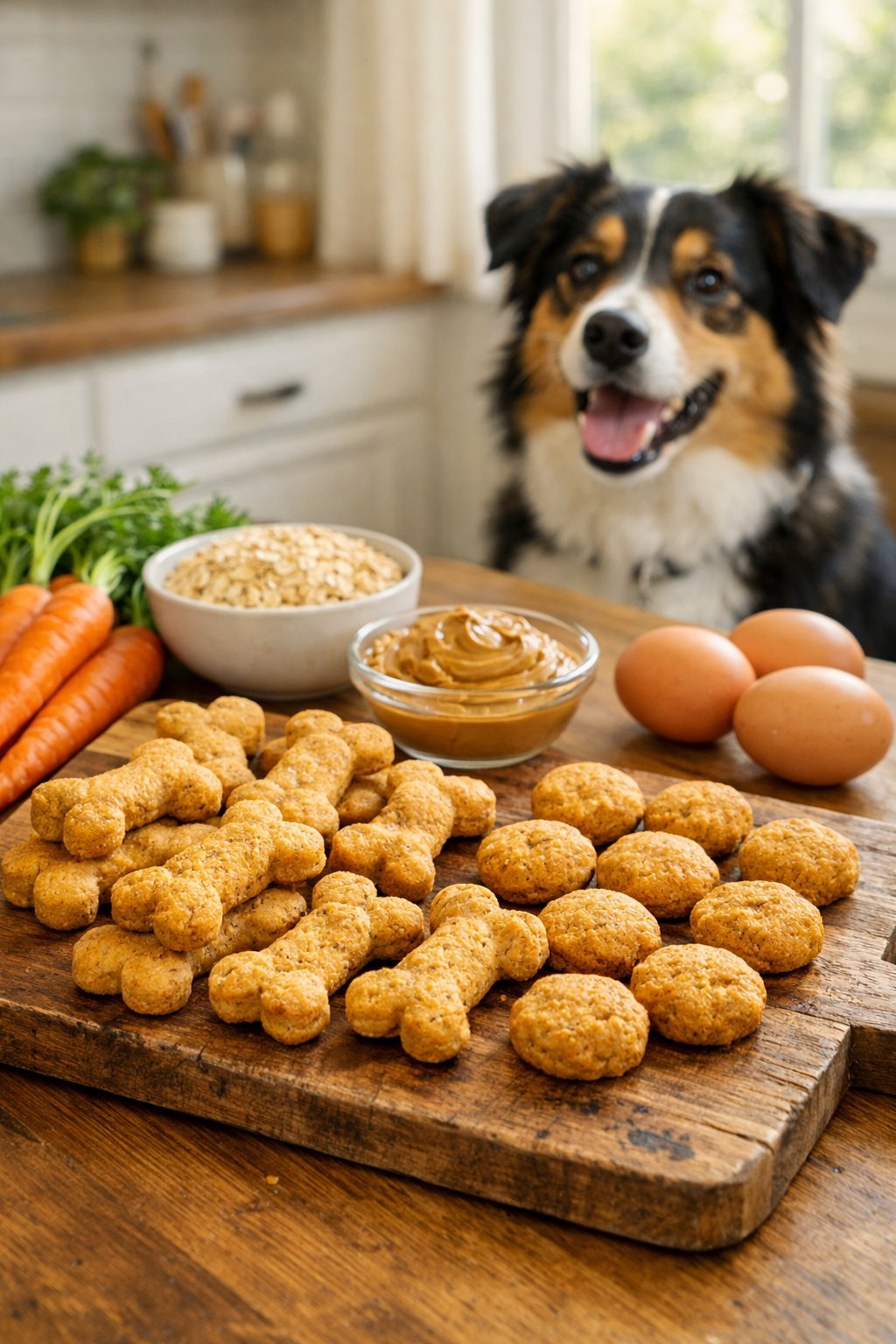
Making treats at home lets you control what goes into your dog’s snacks. These recipes use simple ingredients like pumpkin, peanut butter, and oats to create both crunchy biscuits and soft chews that are packed with nutrition.
Pumpkin Peanut Butter Dog Treats
I love making pumpkin peanut butter dog treats because they combine two ingredients dogs go crazy for. Pumpkin is rich in fiber and helps with digestion, while peanut butter provides protein and healthy fats.
These homemade soft dog treats are especially good for dogs with sensitive stomachs. To make these treats, I mix 1 cup of pure pumpkin puree with 1/2 cup of xylitol-free peanut butter.
Then I add 2 cups of whole wheat flour and 1/4 cup of rolled oats. If the dough feels too dry, I add a tablespoon of water at a time until it comes together.
I roll the dough to about 1/4 inch thick and cut out shapes with cookie cutters. Baking at 350°F for 20-25 minutes gives them a nice golden color.
These treats stay fresh in an airtight container for up to two weeks.
Homemade Dog Biscuits
Homemade dog biscuits are crunchy treats that help clean your dog’s teeth while they chew. I make these easy and healthy dog treats with basic pantry ingredients.
My go-to recipe uses 2 cups of whole wheat flour, 1/2 cup of shredded cheddar cheese, and 1/4 cup of crumbled cooked bacon. I combine these dry ingredients, then add 1/2 cup of unsalted peanut butter, 1/4 cup of chicken broth, and 1 egg.
The dough should be firm but not crumbly. After rolling out the dough, I cut it into bone shapes or small squares.
I bake them at 350°F for 20-25 minutes until they’re golden and crispy. My dogs love the cheesy, bacon flavor.
Pumpkin Oatmeal Dog Treats
Pumpkin oatmeal dog treats are a softer option that works great for older dogs or puppies. Oats provide excellent fiber and help dogs feel full, while pumpkin adds vitamins A and C.
This healthy dog treat recipe is gentle on sensitive tummies. I start by mixing 1 cup of pure pumpkin puree with 1 cup of plain yogurt and 1/2 cup of oats.
For extra flavor, I sometimes add a tablespoon of honey. The mixture should be thick but spoonable.
I drop small amounts onto a parchment-lined baking sheet and bake at 325°F for 15-20 minutes. For softer treats, I bake them for less time.
For chewier treats, I leave them in longer. These treats need to be stored in the refrigerator and used within five days.
Soft Dog Treats
Soft dog treats are perfect for training because they’re easy to break into small pieces. They’re also ideal for dogs with dental issues or senior dogs who struggle with hard biscuits.
My favorite soft treat recipe combines 1 ripe banana, 1 cup of rolled oats, 1/4 cup of peanut butter, and 1/4 cup of whole wheat flour. I mash the banana first, then mix in the other ingredients until I get a thick batter.
The key to keeping these treats soft is not overbaking them. I drop spoonfuls onto a baking sheet and bake at 350°F for just 15 minutes.
They should look slightly underdone when I take them out. These treats have a cake-like texture that dogs find irresistible.
I keep them in the fridge in a sealed container for up to one week, or I freeze them for longer storage.
Creative & Special Easy Dog Treat Recipes
These recipes go beyond basic biscuits to offer something extra special for your pup. From fruity snacks to celebration-worthy cupcakes, these treats work for everyday rewards or dogs with specific dietary needs.
Apple Dog Treats
I love making apple treats because they’re naturally sweet and packed with fiber. Apples give dogs a crunchy snack that helps clean their teeth while they chew.
Before I start, I always remove the seeds and core since apple seeds contain small amounts of cyanide that aren’t safe for dogs. The flesh of the apple is perfectly fine and healthy.
Simple Apple Treat Recipe:
- 1 cup grated apple (seeds removed)
- 2 cups whole wheat flour
- 1 egg
- ¼ cup water
I mix all the ingredients until I get a firm dough. Then I roll it out and cut shapes with cookie cutters.
Baking at 350°F for 20-25 minutes creates a crunchy texture my dog loves. These treats stay fresh in an airtight container for about a week.
I sometimes add a sprinkle of cinnamon for extra flavor since it’s safe for dogs in small amounts.
Dog Cupcakes and Pupcakes
Making dog cupcakes turns any day into a celebration. I bake these for my dog’s birthday and they’re always a hit.
The base is usually made with dog-safe ingredients like whole wheat flour, eggs, and a touch of honey. I skip sugar completely since dogs don’t need it.
Basic Pupcake Recipe:
- 1 cup whole wheat flour
- 1 teaspoon baking powder
- 1 egg
- ¼ cup vegetable oil
- ⅓ cup unsweetened applesauce
- ¼ cup honey
I mix the dry ingredients separately from the wet ones, then combine them. Pouring the batter into mini muffin tins works best since they’re the right size for most dogs.
Baking at 350°F for 15-18 minutes gives me perfectly fluffy pupcakes. I make a simple frosting with plain Greek yogurt or a thin layer of peanut butter on top.
Carrot Peanut Butter Pupcakes
These homemade dog treats combine two of my dog’s favorite flavors in one special treat. Carrots add vitamins while peanut butter brings protein and that irresistible taste.
I always check that my peanut butter doesn’t contain xylitol, which is toxic to dogs. Natural peanut butter with just peanuts is the safest choice.
My Recipe:
- ½ cup grated carrots
- ¼ cup natural peanut butter
- 1 egg
- 1 cup oat flour
- ¼ cup water
The grated carrots keep these pupcakes moist and add a subtle sweetness. I fold them into the batter last to keep them evenly distributed throughout.
These bake in about 18 minutes at 350°F. I let them cool completely before adding a small dollop of peanut butter on top as frosting.
Diabetic Dog Treats
Dogs with diabetes need treats without added sugars or high-carb ingredients. I focus on protein-rich recipes with vegetables that won’t spike blood sugar.
Diabetic-Friendly Treat:
- 1 cup cooked chicken, shredded
- ½ cup green beans, finely chopped
- 1 egg
- ½ cup coconut flour
Coconut flour is lower in carbohydrates than wheat flour. This makes it better for diabetic dogs.
I mix everything together and form small balls or patties. Baking at 325°F for 20 minutes creates firm treats that store well.
I always check with my vet before introducing new treats. This helps make sure they fit my dog’s specific dietary plan.
These treats work well as training rewards since they’re small. I keep portions tiny to avoid affecting my dog’s blood sugar levels.