Husky: Essential Guide to Breed Types, Traits & Care

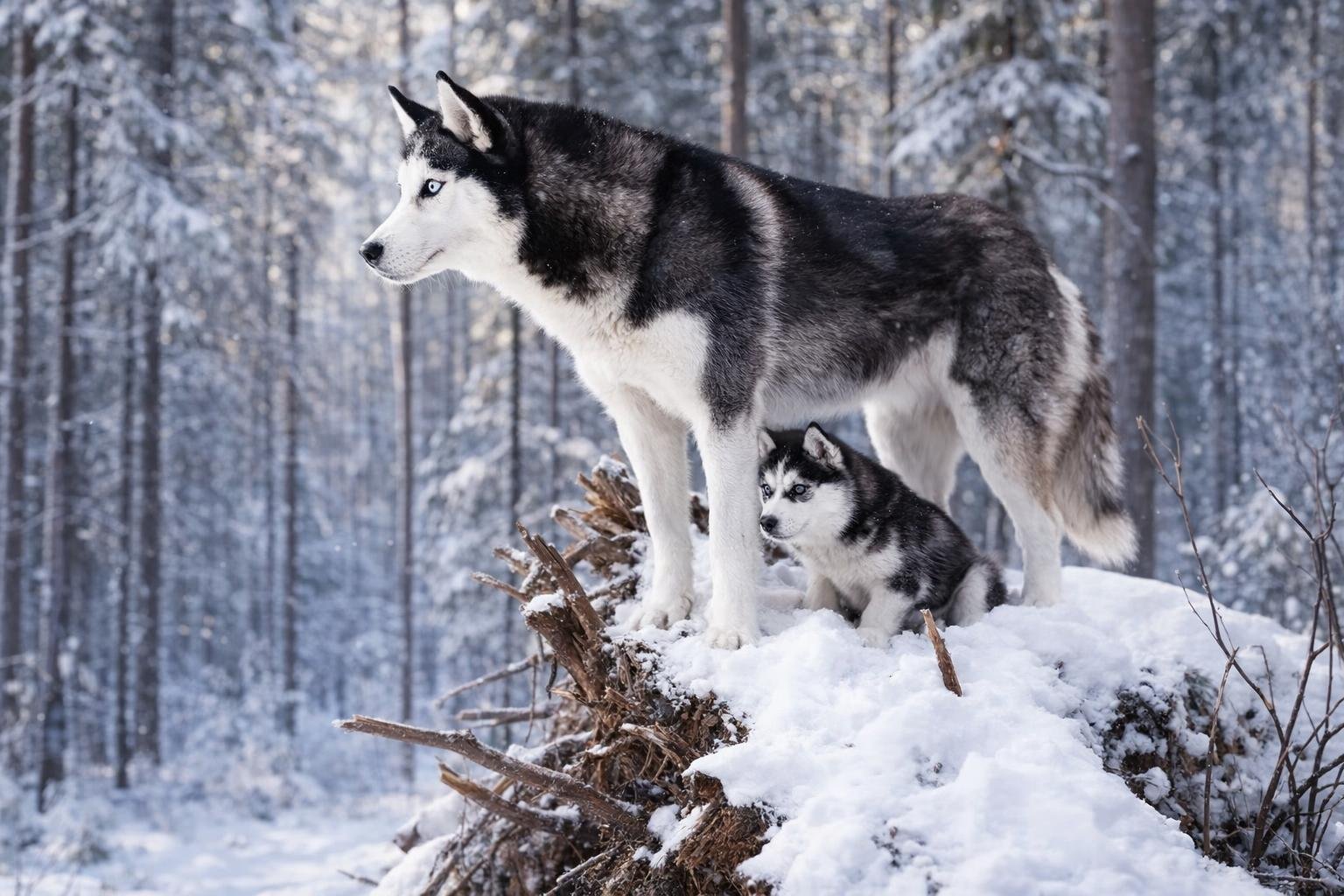
When most people think of a Husky, they picture the beautiful Siberian Husky with its striking blue eyes and thick fluffy coat. But the term “husky” actually refers to several sled dog breeds that were developed to work in cold climates and pull heavy loads across snow and ice.
The Siberian Husky is a medium-sized working dog breed that originated in Northeast Asia, where the Chukchi people bred them for sled pulling and companionship in the harsh Arctic environment.
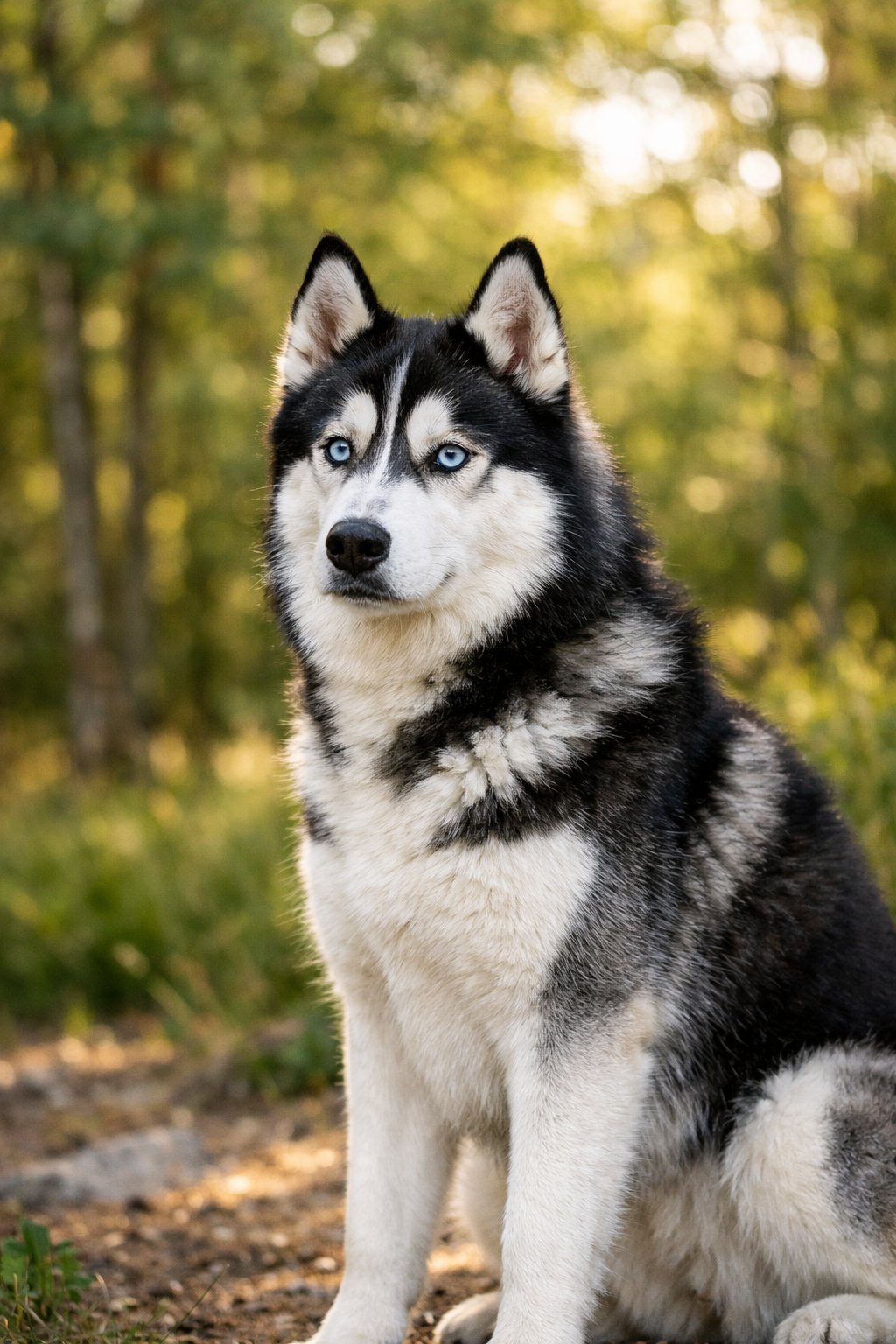
These energetic dogs have become popular family pets around the world. Huskies are known for their friendly personalities, high energy levels, and tendency to howl instead of bark.
They’re also famous escape artists who can dig under fences or jump over them if they get bored. If you’re thinking about getting a Husky or just want to learn more about these amazing dogs, I’ll share everything you need to know.
From their fascinating history in Alaska’s gold rush era to their unique care needs and personality traits, understanding Huskies will help you appreciate why they’re such special dogs.
Key Takeaways
- Huskies are working sled dogs originally bred in Siberia for pulling sleds in extreme cold weather conditions
- These dogs are friendly and energetic but need lots of exercise and mental stimulation to prevent destructive behavior
- Huskies have a life expectancy of about 11 to 12 years and are generally healthy dogs with few genetic health problems
This post contains affiliate links. As an Amazon Associate I earn from qualifying purchases.
Gear worth a look for big dogs:
Extra-large orthopedic dog bed, Heavy-duty leash, No-pull harness for large dogs, Extra-large crate, Slow feeder for large dogs, Tough chew toys.
What Is a Husky?
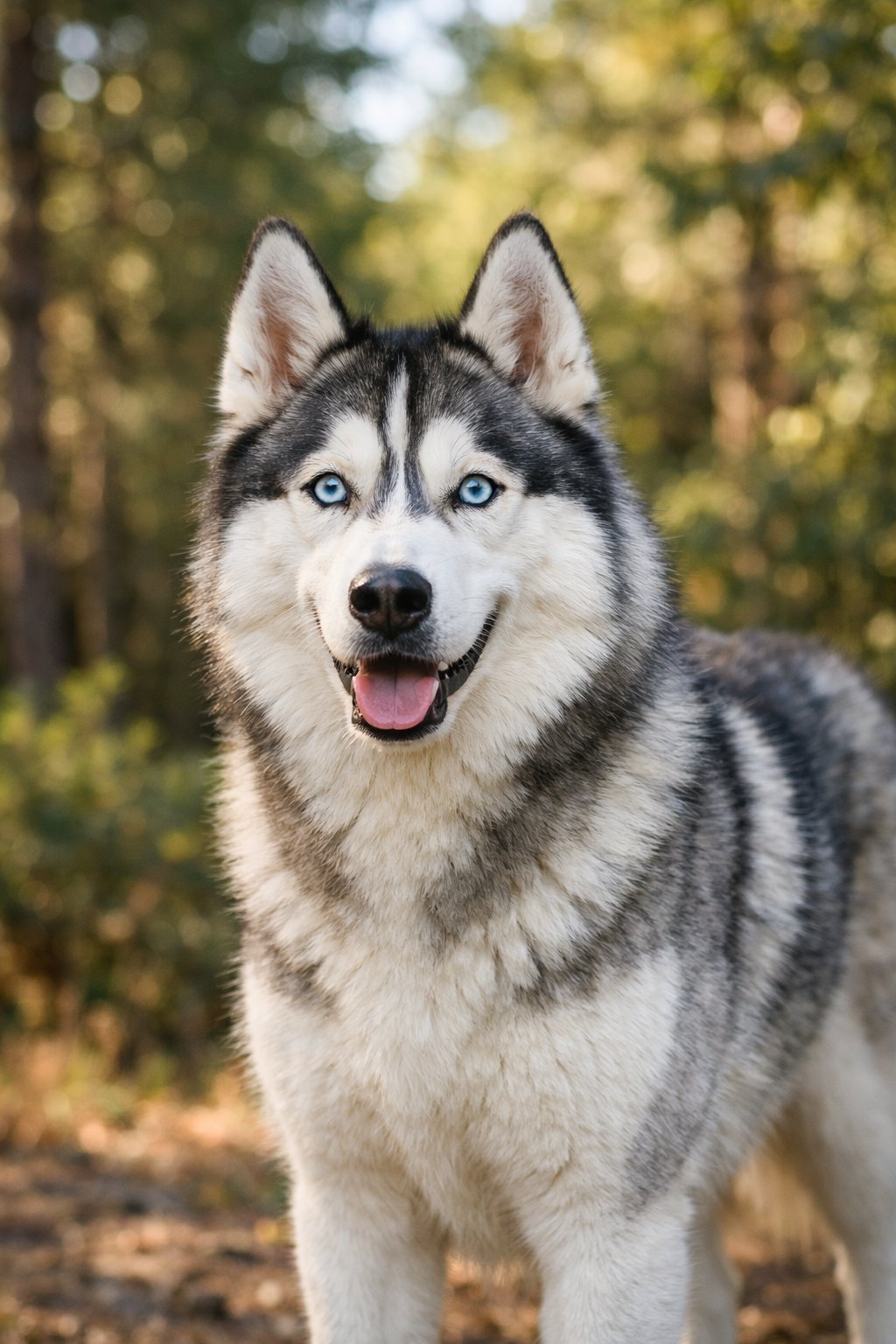
A husky is a type of dog originally developed in cold polar regions for pulling sleds and working alongside people in harsh winter conditions. These athletic and intelligent dogs come from northern areas and are known for their thick coats, striking eyes, and strong work ethic.
Origins and History
The term “husky” first appeared in the mid to late 1700s as a nickname for dogs used by Arctic peoples. The word came from various versions of “Eskimo” like Uskee and Huskemaw, eventually becoming “husky dogs.”
The Siberian Husky breed descends from the Chukchi people of Siberia, who bred these dogs around 2000 BC. The Chukchi people valued them as both sled dogs and companions in their harsh climate.
These dogs were brought to Alaska in 1909 for sled dog races. Siberian Huskies gained fame during Alaska’s Gold Rush when they competed against larger sled dogs and won major races.
Their popularity grew even more after the 1925 serum run to Nome, where husky teams delivered life-saving medicine across dangerous terrain. This heroic effort helped establish the breed in the United States and Canada.
Husky vs. Other Northern Breeds
I often see people confuse huskies with other northern breeds. The Siberian Husky is smaller than the Alaskan Malamute, which is a common mix-up.
The Alaskan Husky is different from the Siberian Husky because it’s not a purebred dog. It’s a mixed breed developed specifically for sled dog racing performance.
These dogs were crossed with English Pointers, German Shepherd Dogs, and Salukis to improve their speed.
Key Differences:
- Siberian Husky: Purebred, 35-60 pounds, bred for appearance and pulling ability
- Alaskan Husky: Mixed breed, 40-75 pounds, bred only for racing performance
- Alaskan Malamute: Larger and heavier than Siberian Huskies, built for heavy freighting
Husky Characteristics
Huskies have thick double coats that protect them in extreme cold. Their coats come in many colors and patterns.
The double coat helps them survive harsh winters, and they shed their undercoat in warmer weather to stay cool. Their eyes are typically pale blue, but they can also be brown, green, yellow, or even two different colors.
This trait makes them instantly recognizable. Huskies are energetic and athletic dogs with independent personalities.
They’re intelligent and learn quickly, but only when they choose to. I find their boldly independent nature makes them fascinating companions.
They stand 20-23.5 inches tall and weigh between 35-60 pounds depending on gender. These dogs control their eating habits based on the season.
In cooler weather, they eat more to generate body heat through digestion. During warmer months, they naturally eat less.
Role as a Working Dog
Huskies were primarily developed for work as sled dogs in polar regions. Their cold-weather tolerance and overall hardiness made them perfect for this demanding job.
Today, huskies continue to serve in sled dog racing competitions. They’re also used by expedition and tour guide businesses that offer dog sledding experiences.
In some rural communities, they still provide essential transportation across snowy terrain. Beyond racing and touring, huskies work in various capacities.
Some pull sleds for recreational mushers who enjoy the sport as a hobby. Their strength and endurance make them excellent working dogs even in modern times.
Many retired racing and adventure-trekking dogs now live as family pets. Organizations help find homes for these working dogs when they finish their careers.
Husky Breeds and Varieties
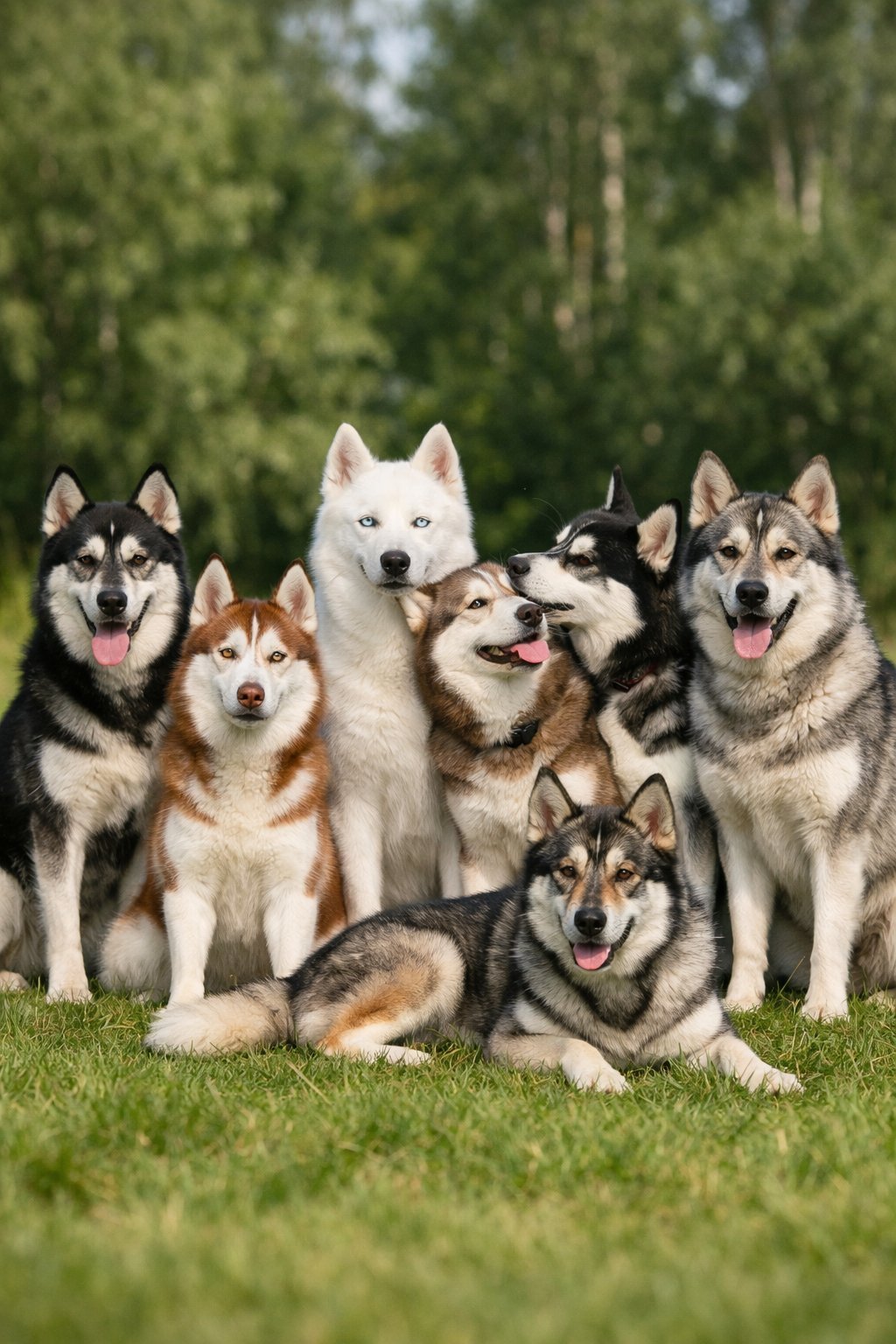
The Siberian Husky is what most people picture when they think of huskies. There are actually many distinct breeds and types.
Each variety has its own unique history, physical traits, and working abilities that set it apart from the others.
Siberian Husky
The Siberian Husky is the original Husky recognized by the American Kennel Club. This medium-sized sled dog stands 20-24 inches tall and weighs between 35-55 pounds.
The Siberian Husky breed originated with the Chukchi people of Northern Siberia. These dogs were bred to haul light loads over long distances in harsh arctic conditions.
They have amazing endurance and are true athletes. Most have thick double coats, pointed ears, and distinctive facial markings.
Their eyes can be blue, brown, or even one of each color. These dogs are very friendly and outgoing.
They’re also extremely vocal and love to howl. The Siberian Husky requires extensive daily exercise and mental stimulation to prevent destructive behavior.
Alaskan Husky
The Alaskan Husky is not currently recognized by the American Kennel Club as an official breed. Instead, it’s a type of dog created by mixing several working breeds to produce superior sled dogs.
Breeders cross Siberian Huskies with high-speed and high-endurance breeds. Common breeds used include Greyhounds, German Shorthair Pointers, and Alaskan Malamutes.
This creates dogs built specifically for performance rather than appearance. Their looks vary greatly based on each dog’s exact mix.
They can have short or long coats in many different colors. There’s no specific breed standard for appearance.
Alaskan Huskies are not good pet dogs for average families. They need an athlete’s exercise routine and do best with very active owners who run, hike, or participate in dog sledding.
Alaskan Malamute
The Alaskan Malamute is the big cousin of the Siberian Husky. Males can reach up to 95 pounds and stand as tall as 26 inches.
This makes them significantly larger than their Siberian relatives. Alaskan Malamutes are one of the oldest sled dog breeds.
They were created 2,000-3,000 years ago by the Mahlemut tribe. Their name comes directly from this tribe.
These dogs descended directly from wolves and retain strong independent traits. The Mahlemut people used them for hunting game, pulling supplies, guarding property, and providing warmth.
They have a wolf-like character that makes them challenging for inexperienced owners. The American Kennel Club accepted the Malamute as a registered breed in 1935.
They need plenty of space and an experienced handler to thrive.
Other Regional Huskies
The Sakhalin Husky from Japan is a nearly extinct sled dog breed. These dogs became famous when two survived being left behind in Antarctica for a year in 1958.
Only a few breeders remain in Japan today. The Labrador Husky originated in the Labrador region of Canada starting in the 1300s.
Despite the name, it’s not a cross between a Labrador Retriever and a Husky. These large dogs can grow up to 100 pounds and have a strong prey drive.
Chukotka sled dogs from Russia are another regional variety closely related to the Siberian Husky origin story. These working dogs still pull sleds in remote arctic regions where modern transportation is difficult.
Physical Features and Appearance
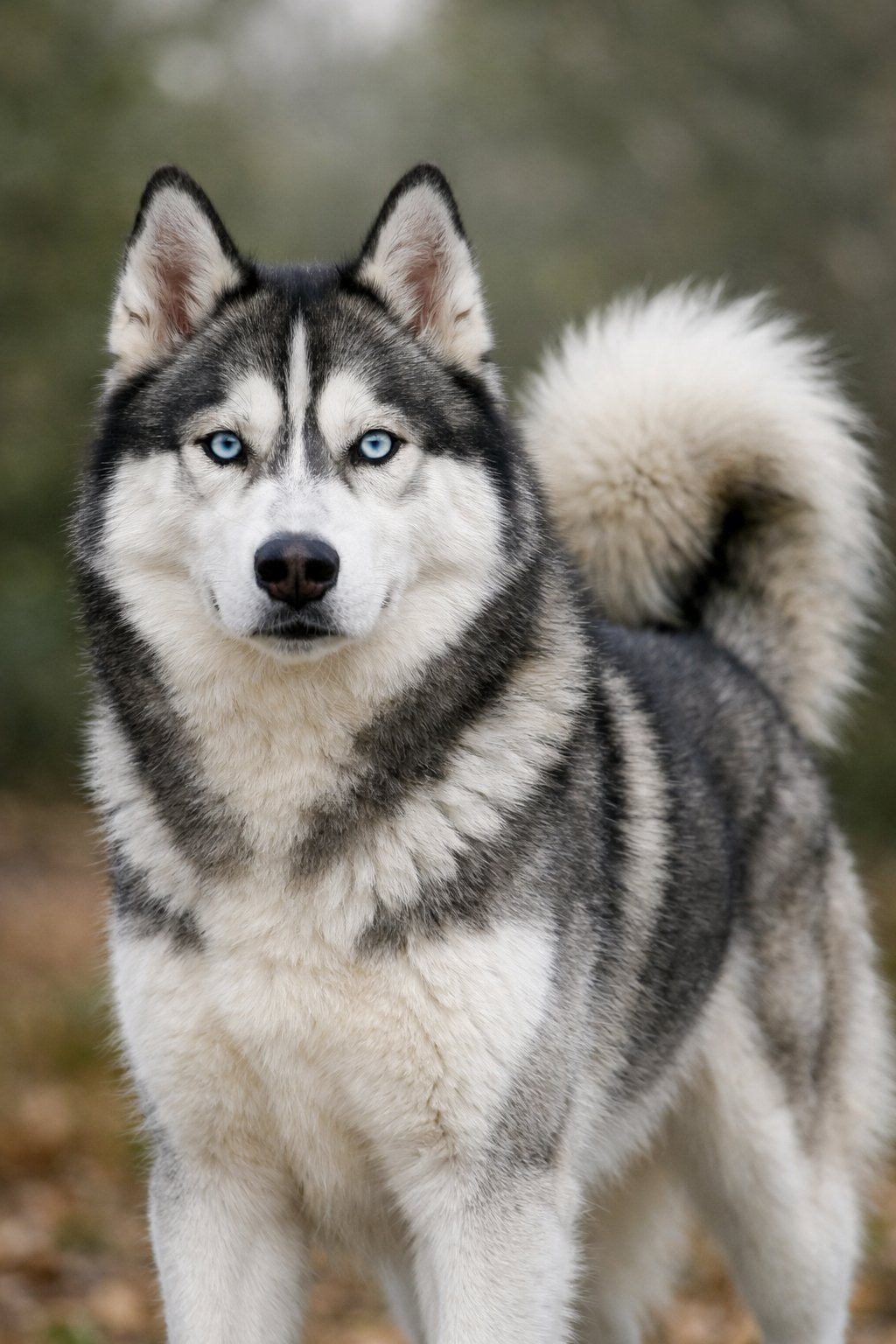
Huskies have a wolf-like appearance that makes them instantly recognizable. Their medium build, thick fur, and striking facial features set them apart from other breeds.
Size and Build
Huskies are a medium-sized dog breed with a compact and athletic body. Males typically stand 21 to 23.5 inches tall at the shoulder and weigh between 45 and 60 pounds.
Females are slightly smaller at 20 to 22 inches tall and 35 to 50 pounds. Despite their medium size, these dogs are incredibly strong and built for endurance.
Their body is well-balanced with a clear definition between the chest and hindquarters. The legs are well-angled with strong muscles designed for pulling sleds over long distances.
Their nimble movements and athletic build allow them to move with grace and agility across different terrains.
Double Coat and Shedding
The most distinctive feature is the thick double coat that protects huskies from extreme weather. The outer coat is straight and medium-length, while the undercoat is dense and soft.
This double coat provides excellent insulation against cold temperatures. Huskies shed their undercoat twice a year during seasonal changes, which people often call “blowing their coat.”
During these periods, the shedding is heavy and requires daily brushing. Between shedding seasons, regular grooming helps maintain their coat.
The fur naturally repels dirt and water, keeping the dog relatively clean. This breed is not suited for hot climates because their coat is designed for Arctic conditions.
Coat Colors and Markings
Huskies come in a wide variety of coat colors that add to their unique appearance. Common colors include black, gray, red, and sable, often combined with white markings.
Many huskies have distinctive facial markings that look like masks around their eyes and face. These mask patterns vary from dog to dog, making each husky unique.
Some have symmetrical markings while others have more random patterns. The coat color can range from pure white to solid black, with many combinations in between.
I’ve seen agouti-colored huskies that have a wild wolf-like appearance with banded hairs.
Husky Eyes and Ears
The eyes are one of the most captivating features I observe in huskies. They can have blue eyes, brown eyes, or even one of each color, which is called heterochromia.
Some huskies have parti-colored eyes with two different colors in the same eye. Their almond-shaped eyes give them an alert and intelligent expression.
The husky ears are medium-sized, triangular, and stand erect on top of their head. The erect triangular ears are covered in thick fur, even on the inside, to protect against cold weather.
I notice the ears are set high and close together, pointing straight up. This gives them an attentive look that reflects their awareness of their surroundings.
Temperament and Family Life
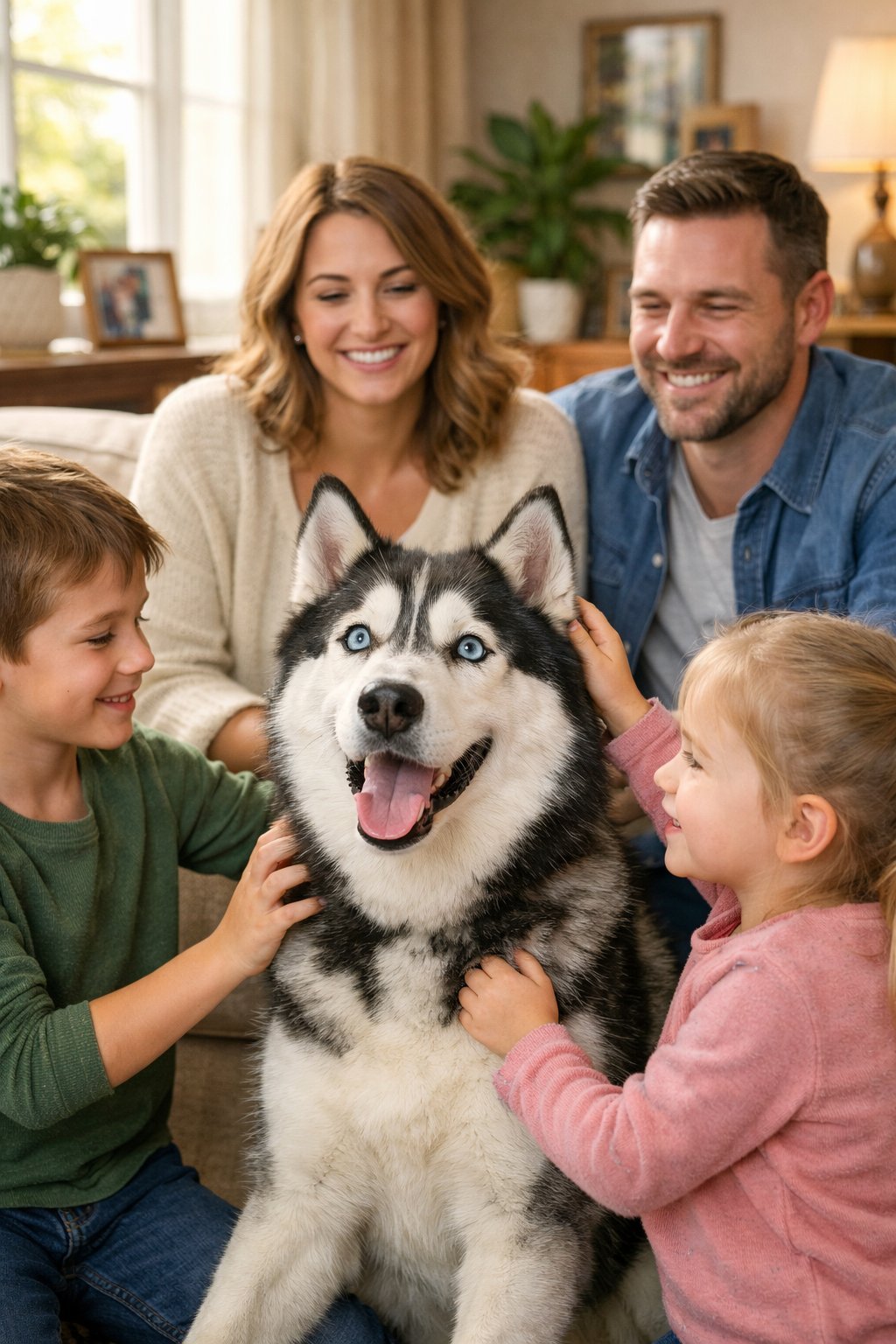
Huskies bring a unique blend of friendly energy and independent thinking to family life. Their social nature makes them great with kids, though their high prey drive requires careful introductions with smaller pets.
Typical Husky Temperament
I’ve found that Huskies are known for their friendly and social nature, which makes them wonderful companions but terrible guard dogs. They rarely show aggression toward strangers and often greet visitors with wagging tails instead of protective barks.
The husky temperament includes a strong independent streak inherited from their working dog background. They were bred to make decisions while pulling sleds across long distances, which explains why they sometimes act like they know better than you do.
Key temperament traits include:
- Playful and energetic personality
- Friendly toward people and other dogs
- Stubborn and independent thinking
- Vocal communicators who howl and “talk”
- Low aggression but high prey drive
Their wolf-like appearance might seem intimidating, but I can tell you these dogs are typically gentle and outgoing. They thrive on social interaction and can develop separation anxiety if left alone too long.
Interaction with Children and Pets
I’ve observed that Huskies tend to get along well with children, forming strong bonds within their human pack. Their patient and tolerant nature makes them excellent playmates for active kids who can match their energy levels.
However, supervision is essential with young children. A Husky’s enthusiasm during play can accidentally knock over small kids.
I always recommend teaching children how to interact respectfully with dogs. When it comes to other pets, the situation gets more complicated.
Huskies generally do well with other dogs, especially when properly socialized from puppyhood. But their strong prey drive means smaller animals like cats, rabbits, or guinea pigs might trigger their chase instinct.
A husky mix may have a slightly different temperament depending on the other breed involved. Some mixes might have lower prey drives or be easier to train.
Husky as a Family Dog
Whether a Husky makes a good family dog depends on your lifestyle. I can’t stress enough how important it is to match their needs with what your family can provide.
Active families who love outdoor adventures will find Huskies to be perfect companions. They’ll happily join you on hikes, runs, and bike rides.
Their energy encourages everyone to stay active and spend time together outside. But if your family prefers quiet evenings at home without much outdoor activity, a Husky will likely become frustrated and destructive.
Best family matches for Huskies:
- Active households with time for daily exercise
- Families with older children who understand dog behavior
- Homes with securely fenced yards
- Patient owners ready for consistent training
Intelligence and Training
Intelligent dogs like Huskies learn commands quickly, which sounds great until you realize they also learn how to outsmart you. I’ve watched Huskies figure out how to open doors, escape from crates, and navigate around obstacles with impressive problem-solving skills.
Their intelligence combined with independence creates training challenges. They understand what you’re asking but might decide their own idea is better.
Positive reinforcement works best with treats, praise, and keeping sessions short and engaging. I recommend starting training early and staying consistent.
Huskies get bored with repetitive drills, so I mix up activities and make training feel like play. Without proper training, their intelligence can work against you as they find creative ways to entertain themselves.
Health and Lifespan
Huskies typically live between 12 to 15 years, which is impressive for a medium-sized breed. Understanding common health problems and how to prevent them helps ensure your husky lives a long and happy life.
Common Health Issues
I’ve learned that while huskies are generally healthy dogs, they can face specific health challenges as they age. Eye problems are particularly common in this breed and require attention.
Eye Conditions include hereditary cataracts where the lens becomes cloudy and vision slowly gets worse. Progressive retinal atrophy causes the cells in the retina to break down, which can lead to blindness over time.
Glaucoma happens when fluid builds up in the eye and damages the optic nerve. Joint Problems also affect many huskies.
Hip dysplasia occurs when the hip joints don’t form correctly, causing the bones to rub together and creating pain and difficulty walking. Elbow dysplasia works similarly but affects the front legs.
Other health concerns I see in huskies include epilepsy, which causes seizures, and high blood pressure in older dogs. Cancer becomes more common as huskies age, including lymphoma and bone cancer.
Genetic Disorders in Huskies
Huskies inherit certain conditions from their parents that I need to watch for throughout their lives. Corneal dystrophy is a genetic eye condition where the cornea develops abnormal deposits or changes its structure.
This usually shows up in both eyes and can affect vision quality. Progressive retinal atrophy is another hereditary problem that gets passed down through families.
It’s a serious condition that gradually destroys the light-sensing cells in the retina. Hip dysplasia also has a strong genetic component.
If a husky’s parents had this condition, there’s a higher chance the puppy will develop it too. That’s why I always recommend checking a breeder’s health testing records before getting a husky puppy.
Caring for Your Husky’s Health
I believe regular vet visits are the most important thing I can do for my husky’s health. These checkups catch problems early before they become serious.
Key health practices include:
- Schedule vet appointments at least once a year
- Keep up with flea, tick, and deworming treatments
- Feed high-quality dog food appropriate for their age
- Provide daily exercise since huskies are high-energy dogs
- Consider spaying or neutering, which studies show helps dogs live longer
I make sure my husky gets plenty of physical activity and mental stimulation. These working dogs need exercise to stay physically and mentally healthy.
Creating a calm, loving home environment matters too. I balance training and discipline with plenty of cuddles and playtime to keep my husky happy and well-adjusted.
Huskies in Modern Culture and Activities
Today’s huskies continue to captivate us through competitive racing events like the Iditarod, heroic stories from history, and ongoing rescue efforts that help these remarkable dogs find loving homes.
Sled Dog Racing and the Iditarod
The Iditarod Trail Sled Dog Race stands as the most famous sled dog competition in the world. This grueling race covers over 1,000 miles across Alaska’s frozen wilderness.
Teams of sled dogs and their mushers face extreme cold, dangerous terrain, and unpredictable weather conditions. The race happens every March and takes between 8 to 15 days to complete.
I find it amazing that these dogs can travel up to 100 miles in a single day while pulling heavy sleds. Sled dog racing isn’t limited to the Iditarod.
Smaller races happen throughout winter in northern regions. These events celebrate the endurance and strength that made huskies essential to Arctic survival for thousands of years.
Famous Huskies in History
Balto remains the most celebrated husky in American history. In 1925, he led a sled dog team on the final leg of a life-saving serum run to Nome, Alaska.
The town faced a deadly diphtheria outbreak, and Balto’s team delivered medicine through a blizzard that saved countless lives. A statue of Balto stands in New York City’s Central Park today.
His story shows the incredible bond between humans and their canine companions. The American Kennel Club officially recognized Siberian Huskies as a breed in the 1930s.
This recognition helped establish breeding standards and increased the breed’s popularity beyond working roles.
Husky Rescue and Adoption
Many huskies end up in rescue organizations because owners underestimate their needs. These high-energy dogs require significant exercise and mental stimulation.
Without proper outlets, they can become destructive or develop behavioral problems. Rescue groups work tirelessly to rehabilitate huskies and match them with suitable families.
They educate potential adopters about the breed’s specific requirements. Adoption fees typically range from $150 to $400.
This cost covers vaccinations, spaying or neutering, and basic health checks. Many rescue huskies make wonderful pets when placed with owners who understand their needs and commit to their care.