Large Dog Breeds: The Ultimate Guide to Big and Gentle Giants

Large dogs have captured the hearts of pet owners for generations. These powerful protectors and gentle giants come in many shapes and sizes, from sleek Greyhounds to fluffy Great Pyrenees.
Large dog breeds typically weigh between 50 to 100 pounds or more, with some giant breeds reaching over 200 pounds. They offer loyal companionship, protection, and loving personalities that make them wonderful family members.
I’ve always been fascinated by how these big dogs can be both intimidating and incredibly gentle at the same time. Whether you’re drawn to the playful nature of a Golden Retriever or the protective instincts of a German Shepherd, large breeds offer unique benefits that smaller dogs can’t match.
Their size alone can deter trouble. Their true strength lies in their devotion to their families.
Before bringing home one of these big dog breeds, it’s important to understand what makes them special. From space requirements to exercise needs, health considerations to temperament traits, choosing the right large breed means finding a perfect match for your lifestyle and home.
Key Takeaways
- Large dog breeds weigh 50 pounds or more and include both working dogs and family companions
- These dogs need adequate space, regular exercise, and proper care to thrive in your home
- Choosing the right large breed depends on your lifestyle, living situation, and what role you want your dog to fill
This post contains affiliate links. As an Amazon Associate I earn from qualifying purchases.
Gear worth a look for big dogs:
Extra-large orthopedic dog bed, Heavy-duty leash, No-pull harness for large dogs, Extra-large crate, Slow feeder for large dogs, Tough chew toys.
What Qualifies as a Large Dog Breed?

When I talk about large dog breeds, I’m referring to dogs that typically weigh over 50-60 pounds and stand around 22 inches tall at the shoulder. The classification goes beyond just weight and height, as it includes specific traits that set these big dogs apart from their smaller counterparts.
Size and Weight Ranges
Large dogs typically weigh over 50-60 pounds and stand approximately 22 inches or taller at the shoulder. Dog breeds fall into clear categories based on their size:
Weight Classifications:
- Large breeds: 50-90 pounds
- Giant dog breeds: 90+ pounds
The tallest dog breed is the Irish Wolfhound, which can stand over 30 inches at the shoulder. Mastiffs often top the list at 200+ pounds in the heaviest dog breed category.
These measurements help plan for important things like food portions, medical care costs, and living space needs. A 60-pound Boxer has very different requirements than a 150-pound Great Dane.
Difference Between Large, Giant, and Medium Breeds
Medium, large, and giant breeds have distinct differences that go beyond simple numbers. Medium breeds usually weigh 30-50 pounds, while large breeds fall in the 50-90 pound range.
Giant dog breeds cross the 90-pound threshold and include dogs like Great Danes, Newfoundlands, and Saint Bernards. These gentle giant dogs often reach 100-200 pounds or more.
The distinction matters because each size category has unique health risks. Giant breeds face more joint problems and shorter lifespans than large breeds.
They also grow at different rates, which affects their puppy food requirements.
Common Traits of Large Dogs
Big dogs share several characteristics beyond their size. Most largest dog breeds were originally bred for working purposes like herding, guarding, or hunting.
These dogs typically need:
- Daily exercise of 30-60 minutes
- Early training to manage their strength
- More food than smaller breeds
- Larger living spaces
Many gentle giant breeds have calm, steady temperaments despite their imposing size. They often form strong bonds with their families and show patience with children.
Their size means it’s important to teach them good manners early. A jumping 80-pound dog creates bigger problems than a jumping 15-pound dog.
Popular Large Dog Breeds Around the World

Large dog breeds capture attention everywhere from city parks to rural farms. Some have become household names while others remain rare treasures.
The most recognized giants like Great Danes and Mastiffs share space with unique breeds such as the Komondor and lesser-known protectors like the Caucasian Shepherd.
List of Most Recognized Large Breeds
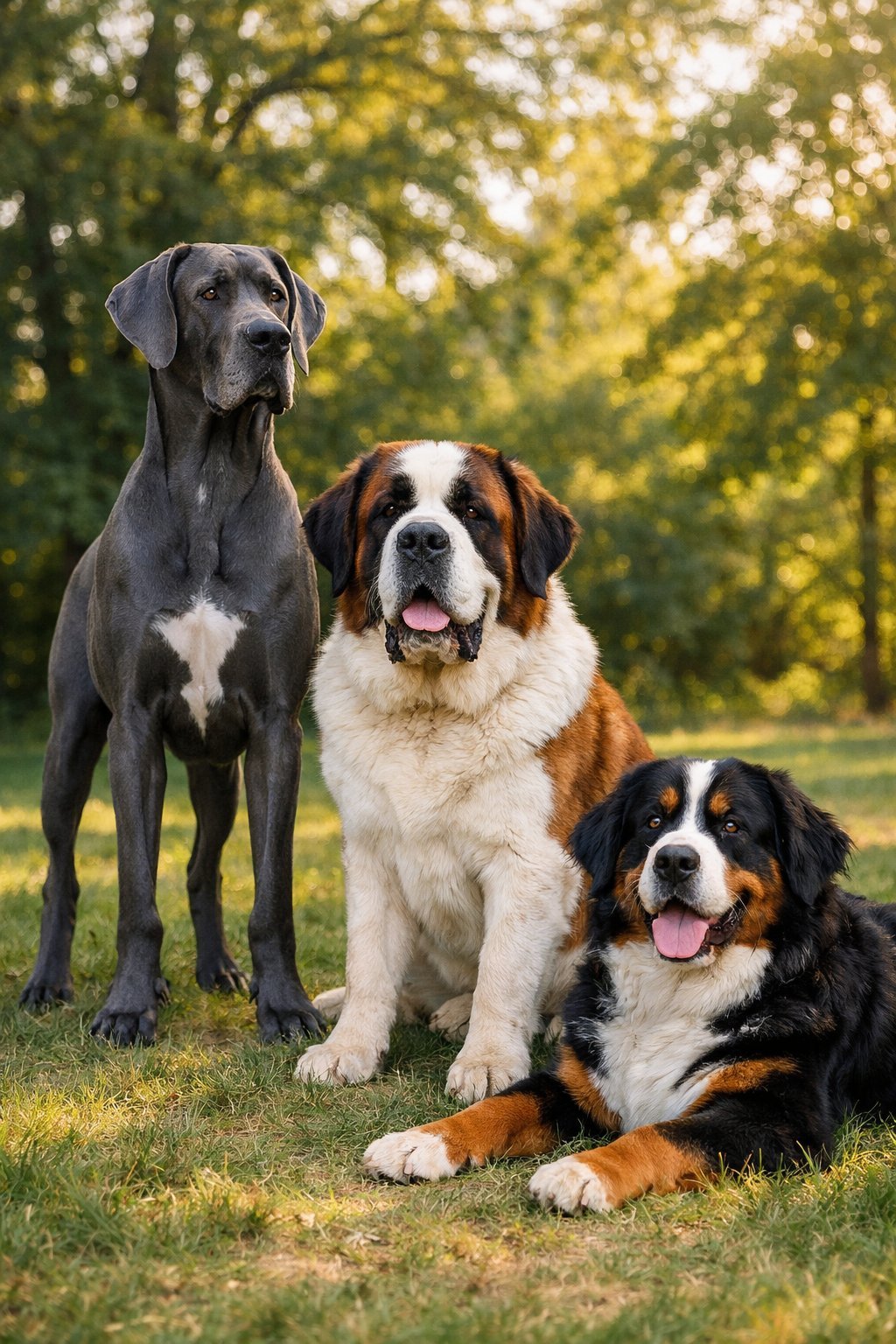
The Great Dane stands as one of the tallest breeds, often reaching over 30 inches at the shoulder. Despite their size, they’re known for gentle temperaments with families.
The English Mastiff holds the title for weight, with some individuals surpassing 200 pounds. The Saint Bernard gained fame as an Alpine rescue dog and remains beloved for patience with children.
Other widely recognized breeds include:
- Bernese Mountain Dog – tri-colored coat, Swiss farm dog heritage
- Newfoundland – powerful swimmer, water rescue specialist
- Irish Wolfhound – among the tallest breeds, originally hunted wolves
- German Shepherd – versatile working dog, highly intelligent
- Boxer – energetic, loyal family companion
- Doberman Pinscher – sleek protector with athletic build
- Akita – dignified Japanese breed, loyal guardian
The Great Pyrenees and Anatolian Shepherd serve as livestock guardians. Many giant breeds like Newfoundlands and Leonbergers are famously gentle with children, making them popular family choices despite their imposing size.
Unique Features of Iconic Big Dogs
The Leonberger was specifically developed in Germany to resemble a lion, complete with a thick mane-like coat around the neck and chest. This breed combines strength with a remarkably calm temperament.
The Tibetan Mastiff has an ancient Himalayan heritage and a thick double coat designed for harsh mountain climates. Their aloof, independent nature sets them apart from more social giants.
The Greyhound is a tall, lean sprinter built for speed rather than bulk. The Scottish Deerhound showcases a rough, wiry coat and graceful build designed for chasing deer across rugged terrain.
Unique physical traits include:
- Komondor – distinctive corded coat resembling dreadlocks
- Neapolitan Mastiff – dramatic loose skin and wrinkles
- Kuvasz – pure white coat, Hungarian guardian heritage
- Black Russian Terrier – dense black coat, Soviet military breeding
- Giant Schnauzer – wiry coat, prominent beard and eyebrows
The Cane Corso and Dogue de Bordeaux both feature powerful, muscular builds with distinctive head shapes that reflect their guarding backgrounds.
Rare and Lesser-Known Large Breeds
The Pyrenean Mastiff from Spain remains rare outside its homeland. It often reaches well over 200 pounds as a livestock guardian.
The Caucasian Shepherd ranks among the most formidable protectors, bred to guard livestock in the Caucasus Mountains. These dogs can weigh up to 200 pounds with fierce protective instincts.
Lesser-known giants worth knowing:
- Boerboel – South African farm dog, powerful build
- Dogo Argentino – white Argentine hunting breed
- Estrela Mountain Dog – Portuguese guardian, thick coat
- Greater Swiss Mountain Dog – tri-colored Swiss draft dog
- American Bulldog – athletic, versatile working breed
- Bullmastiff – English gamekeeper’s companion
The Alaskan Malamute serves as a powerful Arctic sled dog with thick fur and incredible endurance. These breeds often require more space and have higher care costs than popular breeds, which contributes to their rarity in urban areas.
Living With Large Dog Breeds: Lifestyle & Space Considerations

Large dog breeds need more than just food and water to thrive. Understanding their space requirements, exercise needs, and daily care helps create a happy home for both dogs and owners.
Suitable Homes and Environments
Big dogs adapt to different living situations better than most people think. Families have successfully raised large breeds in various settings, from suburban homes to city apartments.
The ideal home provides enough space for a large dog to move comfortably indoors. It’s important to have at least enough room for them to stretch out fully and turn around without bumping into furniture.
Working dogs like German Shepherds and Belgian Malinois need secure outdoor areas where they can patrol and exercise their natural instincts. Family pets such as Golden Retrievers and Labrador Retrievers do well in homes with access to yards, but they primarily want to be near their people.
These breeds are happiest when they can move freely between indoor and outdoor spaces throughout the day. Climate matters too.
Breeds with thick coats like Newfoundlands prefer cooler environments, while short-haired dogs like Great Danes handle various temperatures better. Owners should consider their local weather when choosing a large breed.
Apartment Living with Big Dogs
Some large breeds surprisingly thrive in apartments when their needs are met properly. Energy level matters more than size for apartment dogs.
Greyhounds make excellent apartment dogs despite their racing background. They’re professional nappers who only need short bursts of exercise.
Great Danes, often called gentle giants, love lounging on couches and adapt well to smaller spaces. Low-energy large dog breeds that work well in apartments include:
- Mastiffs (calm and prefer lounging)
- Bullmastiffs (quiet and low-maintenance)
- Bernese Mountain Dogs (gentle and affectionate)
- Saint Bernards (laid-back with moderate exercise needs)
Apartment living with big dogs requires commitment to daily walks. These dogs need regular outdoor time even though they’re calm indoors.
Building management rules about weight limits and breed restrictions also need checking before bringing home a large breed.
Exercise and Activity Needs
Large dog breeds need consistent physical activity, though requirements vary significantly by breed. Matching a dog’s exercise needs to your lifestyle prevents behavior problems.
High-energy large breeds like Belgian Malinois, Border Collies, and German Shorthaired Pointers need 1-2 hours of vigorous exercise daily. These working dogs excel at activities like running, hiking, and agility training.
Moderate-energy breeds such as Labrador Retrievers and Golden Retrievers need 45-60 minutes of daily exercise. These family pets enjoy walks, fetch games, and swimming.
Low-energy large breeds like Mastiffs and Great Danes only need 30-45 minutes of gentle exercise daily. Short walks and light play sessions keep them healthy without overdoing it.
Mental stimulation matters just as much as physical exercise. Puzzle toys, training sessions, and scent work help keep large breeds mentally engaged and prevent boredom.
Travel and Transportation Tips
Traveling with big dogs requires extra planning compared to smaller breeds. Strategies can make trips smoother for everyone involved.
Vehicle considerations are crucial. SUVs or vehicles with enough cargo space for large dogs to lie down comfortably are recommended.
Crate training helps keep dogs safe during car rides, though crates for 100-pound dogs take up significant space. For air travel, most airlines require dogs over 20 pounds to fly as cargo, which can be stressful for both dogs and owners.
Driving is often preferred when possible or finding pet-sitters for longer trips. Hotel stays need advance planning since many hotels have weight restrictions for pets.
Always call ahead to confirm their large dog policy and ask about nearby dog-friendly areas. Bringing familiar bedding, bowls, and toys helps large breeds feel comfortable in new environments.
Temperament and Roles: Family Life, Guarding, and Work

Large dog breeds excel in multiple roles thanks to their unique combination of size, intelligence, and temperament. These dogs can be loving family companions, fierce protectors, and dedicated working animals.
Protective Instincts and Guarding Ability
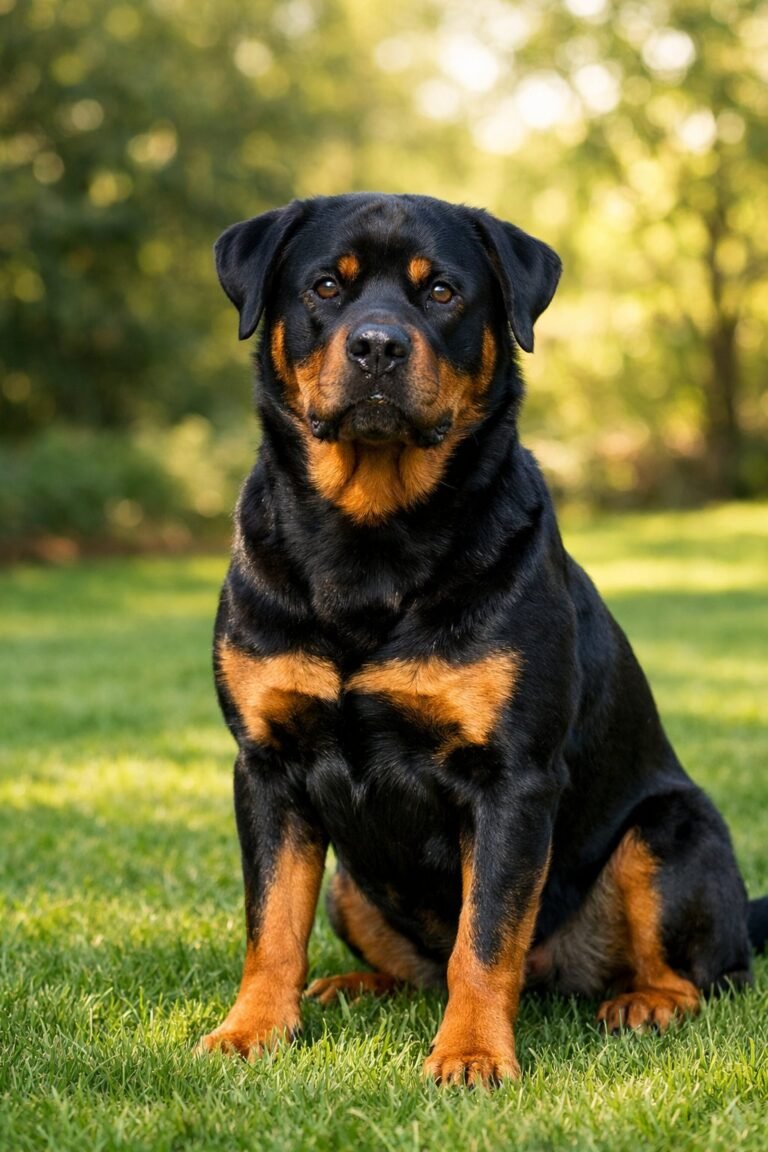
Many large breeds possess natural protective instincts that make them excellent guard dogs. German Shepherds, Rottweilers, and Doberman Pinschers are known for their protective instincts and loyalty to their families.
These protection dogs don’t need much training to watch over their homes. They naturally sense when something seems wrong.
German Shepherds work as police and military dogs because they’re intelligent and respond well to commands. Rottweilers can be playful and loving with their families but stay alert to threats.
They sometimes try to herd children by using their bodies to nudge them in the right direction. Great Danes might look intimidating because of their size, but they’re actually calm and gentle unless their family faces danger.
The best guard dogs balance protection with good judgment. They don’t attack without reason but will defend their family when needed.
Large Dogs as Family Companions
Despite their size, many large breeds are gentle giants that thrive in family settings. Labrador Retrievers and Golden Retrievers rank among the most beloved family-friendly dog breeds in the United States.
Bernese Mountain Dogs are protective but never aggressive. They’re especially gentle with small children and want to be part of every family activity.
Great Danes can weigh up to 200 pounds but only need a few walks each day once they’re full grown. Boxers are affectionate dogs that love attention from their families.
They get excited easily, so training helps if you have young kids. Alaskan Malamutes greet most strangers as friends, which makes them poor guard dogs but wonderful family pets.
Proper training and socialization help maintain good behavior and an even temperament around family members.
Working and Service Roles
Large dog breeds fill important working roles beyond family life. Labrador Retrievers often work as service dogs for blind people, therapy dogs, and search and rescue animals because they’re easy to train.
The American Kennel Club recognizes several working dog groups. German Shepherds serve in police work and military operations thanks to their intelligence and diligent nature.
Golden Retrievers excel as therapy and comfort dogs in hospitals and schools. These working dogs need significant daily engagement and energy to meet their job demands.
Bernese Mountain Dogs were bred to rescue people stranded in the Alps. They risked their lives to save strangers in dangerous conditions.
A German Shepherd might spend the day tracking suspects with police but comes home to play gently with children.
Nanny Dogs and Child Safety
Some large breeds earned the nickname “nanny dogs” for their patient and protective behavior around children. However, it’s important to understand what this term really means.
Breeds like Bernese Mountain Dogs and Golden Retrievers show patience with kids. They tolerate noise, movement, and accidental rough handling better than smaller breeds.
These dogs often position themselves between children and potential dangers. But no dog should be left alone with very young children without supervision.
Even patient dogs can become overwhelmed by excited or rough kids. Children must learn to respect the family dog and give it space when needed.
Rottweilers might be better for families with older children rather than toddlers. They can accidentally knock over smaller kids while trying to herd them.
Some breeds like Akitas, Chow Chows, and Huskies don’t tolerate children who pull their hair or shout around them. The key is matching the right breed to your family’s needs and teaching children how to interact safely with dogs.
Health, Care, and Lifespan of Large Dog Breeds
Large dogs need special attention when it comes to their health and daily care. These gentle giants face unique challenges, from joint problems to shorter lifespans than smaller breeds.
Proper nutrition and preventive care can help them thrive.
Common Health Issues
Large breeds are more prone to certain health problems than smaller dogs. Joint disorders like hip dysplasia and arthritis affect many big dogs, especially breeds like the Bernese Mountain Dog and Great Pyrenees.
Bloat is a serious emergency. This condition, also called gastric dilation-volvulus, happens when a dog’s stomach fills with gas and twists.
Great Danes, Irish Wolfhounds, and other deep-chested breeds face higher risk. Heart disease appears more often in giant breeds.
The English Mastiff and Newfoundland Dog can develop conditions like dilated cardiomyopathy. Regular vet checkups help catch these problems early.
Bone cancer affects large breeds at higher rates than small dogs. The Irish Wolfhound and Giant Schnauzer show increased risk for this devastating disease.
Early detection through regular exams gives the best chance for treatment.
Grooming and Shedding
Grooming needs vary widely among large breeds. The Bernese Mountain Dog and Leonberger have thick double coats that shed heavily twice a year.
Brushing these breeds several times per week, or even daily during shedding season, is recommended. The Great Pyrenees needs regular brushing to prevent mats in their long white coat.
Their fur acts as insulation, so never shave them in summer. Giant Schnauzers require professional grooming every six to eight weeks.
Their wiry coat needs hand-stripping or clipping to maintain its texture and appearance. Short-haired breeds like the Great Dane need minimal grooming.
A weekly brush removes loose hair and keeps their coat shiny. The tallest dog breed by height, Great Danes are surprisingly low-maintenance when it comes to coat care.
All large dogs need regular nail trims, ear cleaning, and dental care regardless of coat type.
Nutrition and Feeding Guidelines
Large-breed puppies need specific nutrition to support proper bone growth. Puppy food with 1.5% calcium content, 30% high-quality protein, and a calcium to phosphorus ratio between 1:1 and 1:3 is ideal.
Adult large dogs need food formulated for their size. The English Mastiff, known as the heaviest dog breed, can weigh over 200 pounds and needs careful portion control.
Obesity puts extra stress on joints and shortens lifespan. Feed large dogs two or three smaller meals instead of one big meal.
This helps prevent bloat, especially in deep-chested breeds like the Irish Wolfhound and Great Dane. Joint supplements containing glucosamine and chondroitin benefit many large breeds.
Omega-3 fatty acids support joint health and reduce inflammation. These supplements can make a real difference in dogs with arthritis.
Never give calcium supplements to large-breed puppies unless your vet recommends them. Too much calcium disrupts proper bone development.
Typical Lifespans of Big Dogs
Large dog breeds live 7 to 16 years, with giant breeds at the shorter end of this range. The Irish Wolfhound typically lives 6 to 8 years, while the Great Dane averages 7 to 10 years.
The Bernese Mountain Dog has a relatively short lifespan of 7 to 10 years. Leonbergers typically live 8 to 9 years.
Newfoundland Dogs average 9 to 10 years. The Great Pyrenees lives slightly longer at 10 to 12 years.
Giant Schnauzers can reach 12 to 15 years with proper care. Regular vet visits, healthy weight management, and preventive care help extend your dog’s life.
Catching health problems early makes a huge difference in treatment success and quality of life.
Choosing the Right Large Breed for Your Needs
Finding the perfect large breed dog means looking at your daily life, home setup, and long-term commitment. Your choice should match your activity level, living space, and family situation.
Factors to Consider Before Adopting
Before bringing home a large dog, consider your budget. Big dogs eat more food than small breeds.
They also need larger supplies like beds, crates, and collars that cost more money. Veterinary care for large breeds tends to be more expensive too.
Medications are dosed by weight, so a 90-pound dog needs more medicine than a 20-pound dog. Plan for possible health issues that affect big dogs more often.
Space matters a lot. While a mansion isn’t necessary, a large breed needs room to move around comfortably.
A small apartment might work for some calmer breeds, but active dogs need more space to stretch out. Time is another big factor.
Most large dog breeds need at least one to two hours of exercise daily. Some working breeds need even more.
Consider if you can commit to daily walks, playtime, and training sessions.
Matchmaking Large Breeds with Lifestyle
Different large dog breeds fit different lifestyles. If you’re an active person who loves hiking and running, breeds like Labrador Retrievers or German Shepherds might be perfect matches.
These energetic family pets thrive with outdoor activities. For a calmer household, consider breeds like Great Danes or Mastiffs.
Despite their size, they’re often lower energy indoors. They still need daily walks but are content to relax at home most of the day.
Family situation matters too. Some breeds are naturally patient with children, while others do better in adult-only homes.
Golden Retrievers and Bernese Mountain Dogs are known for being gentle with kids. If you travel often, think about care arrangements.
Large dogs can’t easily come along on every trip, and boarding costs more for bigger breeds.
Responsible Ownership and Socialization
Early training is essential for any large breed I bring home. A poorly trained 80-pound dog can be difficult to manage.
I should start training as soon as I adopt my puppy or adult dog. Socialization helps my dog feel comfortable around new people, animals, and situations.
I need to expose my puppy to different experiences during the first few months. This prevents fear-based behaviors later in life.
The American Kennel Club provides resources about breed standards and training tips.
Many large dog breeds were originally working dogs, so they need mental stimulation along with physical exercise.
I should use positive reinforcement methods when training. Rewarding good behavior with treats and praise works better than punishment.
Consistency is key—everyone in my household needs to follow the same rules with my dog.