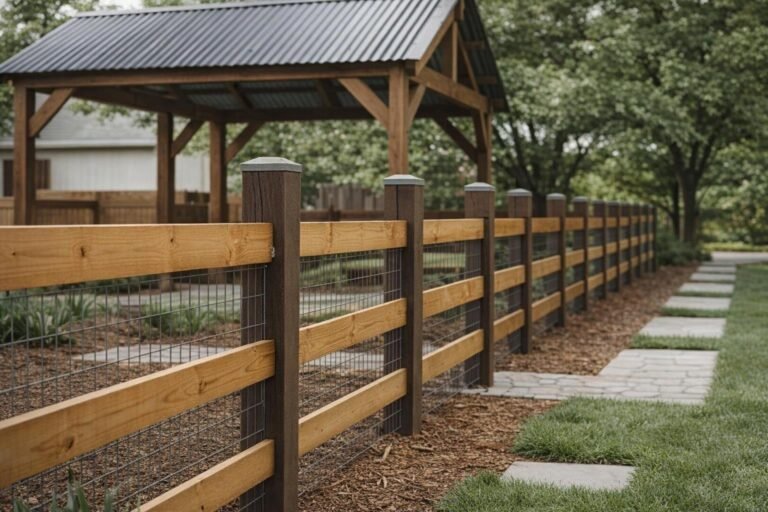
DIY Dog Run: Simple Backyard Projects to Keep Your Pup Happy and Active

Your dog needs space to run and play outside, but letting them roam free can be risky. A DIY dog run is a long, fenced area in your yard that gives your dog a safe place to exercise and enjoy the outdoors without wandering into danger.
You don’t need special skills or a huge budget to build a practical dog run that works for your pup.

I’ve put together this guide to walk you through creating your own backyard dog run from start to finish. Whether you have a small yard or limited funds, you can design a space that keeps your dog happy and secure.
Building your own dog run is easier than you might think. With some basic materials, a weekend of work, and the right plan, you’ll create a controlled outdoor environment where your dog can play safely while you relax knowing they’re protected.
Key Takeaways
- Plan your dog run size and location based on your dog’s breed and your yard space
- Choose durable fencing materials and add shade along with comfortable ground cover for your dog’s safety
- Regular maintenance and proper drainage will keep your dog run clean and functional for years
Planning Your DIY Dog Run

The success of your dog run depends on picking the right spot in your yard. Making it the correct size for your dog and understanding your specific pet’s needs is essential.
Choosing the Right Location
I always look for a spot with good drainage first. Water pooling in your dog’s run creates mud and can lead to health issues.
Pick an area that gets both sun and shade throughout the day. Dogs need shelter from hot afternoon sun, but they also enjoy basking in morning light.
I find that spots near trees or the side of a house work well for natural shade. Keep the run away from property lines if possible to reduce barking at neighbors.
I also avoid placing runs near gardens or areas where my dog might dig under fences. Check for underground utilities before you dig any posts.
Call 811 to get your lines marked for free. The location should be visible from inside your house so you can keep an eye on your dog while they play.
Sizing the Dog Run
I use a simple formula: my dog needs at least 10 feet of length for every 30 pounds of body weight. A 60-pound dog requires a run that’s at least 20 feet long.
Width matters too. I make my runs at least 3 to 4 feet wide for small dogs and 5 to 6 feet wide for larger breeds.
This gives them room to turn around comfortably and move naturally. Consider these minimum sizes:
- Small dogs (under 25 lbs): 3 feet wide × 10 feet long
- Medium dogs (25-50 lbs): 4 feet wide × 15 feet long
- Large dogs (over 50 lbs): 5 feet wide × 20 feet long
I build bigger when I have the space.
Assessing Your Dog’s Needs
I think about my dog’s energy level before I start building. High-energy breeds need more space to burn off steam than calm, older dogs.
My dog’s jumping ability affects fence height. I use 4-foot fencing for small dogs, but large breeds or good jumpers need 6-foot fencing minimum.
Diggers need special attention. I bury fencing 6 to 12 inches underground or lay wire mesh at the base to stop escape attempts.
Think about shade needs based on your dog’s coat. Heavy-coated breeds overheat quickly and need more covered areas.
I also consider my dog’s age since older pets need softer ground surfaces to protect their joints.
Selecting Materials and Tools
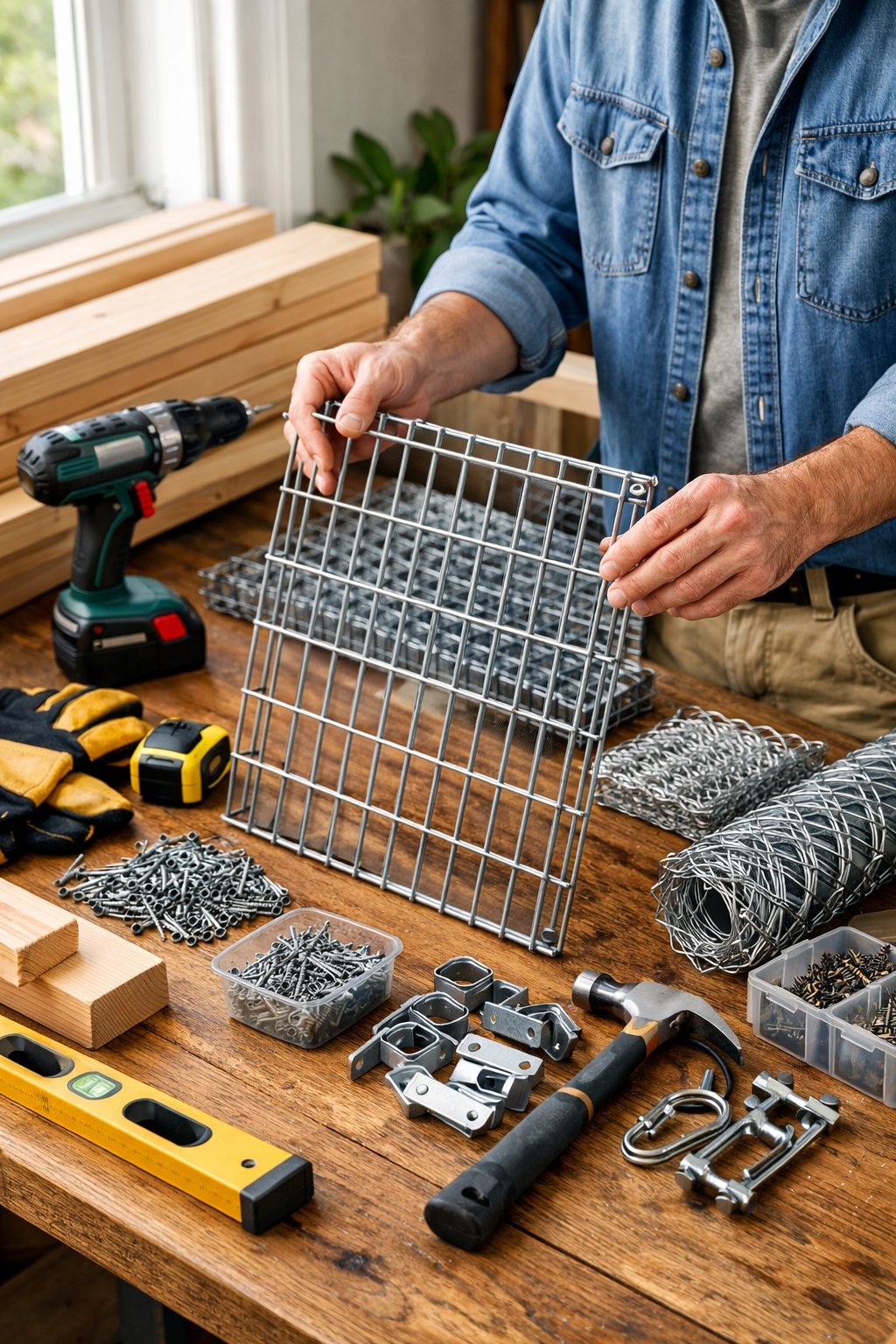
Choosing the right materials and fencing will determine how long your dog run lasts and how safe it keeps your pet. The surface you pick affects your dog’s comfort and how easy cleanup will be.
Best Fencing Options
I recommend chain link fencing for most dog runs because it’s affordable and lets your dog see outside. Chain link or welded wire works well for standard installations.
The fence height matters based on your dog’s size and jumping ability. I suggest 4 feet minimum for small dogs and 6 feet for larger or athletic breeds.
Popular fencing choices include:
- Chain link: Durable, affordable, and widely available
- Welded wire: Stronger than chain link but costs more
- Wood panels: Offers privacy but requires more maintenance
- Vinyl-coated wire: Gentler on paws and noses
For posts, metal is stronger than wood and won’t rot over time. Space your fence posts 6 to 8 feet apart for stability.
Surface Materials
The ground surface inside your dog run needs to drain well and stay comfortable for your paws. I’ve found that choosing the right flooring material prevents mud and makes cleaning easier.
Gravel offers excellent drainage and costs less than most options. Use pea gravel or rounded stones rather than sharp rocks that could hurt your dog’s paws.
Pour it 3 to 4 inches deep over landscape fabric. Concrete is the easiest to clean and lasts forever, but it gets hot in summer and hard on joints.
Grass looks nice but turns to mud quickly in high-traffic areas.
Material comparison:
| Material | Pros | Cons |
|---|---|---|
| Gravel | Good drainage, affordable | Needs refilling, can get messy |
| Concrete | Easy cleaning, permanent | Expensive, hard surface |
| Grass | Natural, soft | Turns muddy, hard to maintain |
| Wood chips | Soft, natural smell | Needs replacing, can mold |
Essential Tools Checklist
I need specific tools to build my dog run properly without making extra trips to the hardware store. A post hole digger is the most important tool for setting fence posts deep enough.
My must-have tools:
- Post hole digger or power auger
- Bolt cutters for cutting wire fencing
- Small sledge hammer for driving posts
- Level to keep posts straight
- Measuring tape
- Work gloves for handling wire
- Concrete mix and mixing bucket
- Drill with bits for attaching hardware
I also keep zip ties or fence clips handy for securing wire to posts. A helper makes the job much easier when holding posts or stretching fencing.
Step-By-Step Construction Guide

Building a dog run requires careful planning and execution to create a safe space for your pet. I’ll walk you through each phase from ground preparation to the final security checks.
Preparing the Area
I always start by measuring and marking the boundaries of my dog run with stakes and string. The ideal size depends on my dog’s breed, but I make sure it’s at least 3 feet wide and 10 feet long for small dogs, while larger breeds need more space.
I remove all grass, weeds, and debris from the marked area. This prevents mud and makes cleaning easier later.
I dig down about 2-4 inches to create a level surface. Next, I lay down landscape fabric over the entire area.
This blocks weeds from growing through while allowing water to drain. I add 2-3 inches of pea gravel, crushed stone, or sand on top of the fabric for good drainage and comfort.
Some people prefer concrete, but I find it gets too hot in summer and can hurt my dog’s paws. If I want extra comfort, I leave one section with artificial turf or rubber mats.
Building the Frame
I purchase treated lumber posts (4×4 inches) for the corners and any mid-span supports needed. For a basic dog run construction, I need at least four corner posts, but I add extra posts every 6-8 feet for stability.
I dig holes for each post about 2-3 feet deep using a post hole digger. The depth depends on my local frost line and how tall I want the fence.
I pour 4-6 inches of gravel into each hole for drainage. I set the posts in the holes and check that they’re level and plumb with a carpenter’s level.
I fill the holes with concrete mix and let it cure for 24-48 hours before continuing. This keeps the posts from shifting or leaning over time.
Once the concrete sets, I attach horizontal rails between the posts using galvanized screws or bolts. I typically use 2×4 lumber for top and bottom rails.
These rails provide the structure for attaching fencing material.
Installing Gates and Entryways
I position my gate in the most convenient spot for access, usually closest to my house. The gate opening should be at least 3 feet wide so I can easily walk through with my dog or bring in cleaning supplies.
I purchase a pre-made chain link gate or build my own wooden frame gate. Pre-made options save time and come with all necessary hardware.
I attach heavy-duty hinges to the gate post, making sure they’re rated to handle the gate’s weight. I hang the gate and check that it swings freely without scraping the ground.
I install a secure latch at the top that my dog can’t reach or accidentally open. Many dog run builders recommend double latches for extra security.
I add a spring-loaded closer so the gate automatically shuts behind me. This prevents my dog from escaping if I forget to close it.
Securing the Perimeter
I attach chain link fencing, welded wire panels, or wooden boards to my frame. Chain link is my top choice because it’s durable, affordable, and lets me see my dog.
I use fence ties or hog rings every 12-18 inches to secure chain link to the posts and rails. I make sure the fencing extends all the way to the ground with no gaps.
Some dogs are diggers, so I bury the bottom edge 6-12 inches underground or attach an L-footer that extends inward. This stops my dog from digging out.
I walk around the entire perimeter and check for sharp edges, loose wires, or protruding nails. I file down or cover anything that could hurt my dog.
I test the fence strength by pushing on it firmly in several places. I add a roof or top cover if my dog is a jumper or if I want shade.
I use chain link fencing, wire panels, or shade cloth stretched across the top and secured to the posts.
Safety and Comfort Considerations

Your dog needs protection from weather, good drainage to stay dry, and shaded areas to rest. These elements work together to create a space where your furry friend can play safely in any conditions.
Weather Protection Options
I recommend installing a roof or canopy over at least part of your dog run. Metal roofing panels are affordable and last for years without much maintenance.
They keep rain, snow, and harsh sun off your dog’s back. Tarps offer a budget-friendly alternative.
I secure mine with bungee cords to sturdy posts, making sure they’re pulled tight so water doesn’t pool on top. Replace tarps every year or two since weather breaks them down.
Windbreaks matter too, especially in colder climates. I add solid panels or weather-resistant fabric to one or two sides of the run.
This blocks cold gusts while still allowing air to flow through. For extreme temperatures, consider adding removable side panels.
These turn your safe backyard space into a more enclosed shelter when needed.
Ensuring Proper Drainage
Poor drainage creates muddy messes and health problems for dogs. I always slope the ground slightly away from any sheltered areas so water runs off naturally.
A grade of about 2% works well without being too steep. Gravel makes an excellent base layer.
I spread 2-3 inches of pea gravel or crushed stone before adding other flooring materials. This lets water filter down instead of sitting on the surface.
French drains help in areas with heavy rainfall. I dig a trench along the low side of the run, fill it with gravel, and add a perforated pipe.
The water collects and flows away from the dog run. Some flooring materials drain better than others.
Concrete needs proper sloping, while artificial turf designed for pets has built-in drainage holes. Sand drains well but can get messy.
Adding Shade and Shelter
Dogs need shade during hot weather to prevent overheating. I make sure at least 50% of my dog run has shaded coverage throughout the day.
Trees provide natural shade if you have them, but they’re not always enough. A doghouse gives your pet a private retreat.
I choose one that’s big enough for my dog to stand up, turn around, and lie down comfortably. Raised floors keep it dry and warmer in winter.
Shade sails are stylish and effective. I mount them at angles to cover different areas as the sun moves.
They come in various colors and block up to 95% of UV rays. For creating a secure play area, I add water bowls in shaded spots.
I also place comfortable bedding or cooling mats inside sheltered areas where my dog can rest.
Finishing Touches and Maintenance
Regular maintenance prevents wear and tear while enrichment items keep your dog mentally stimulated.
Toys and Enrichment Features
I recommend rotating different toys throughout the week to keep my dog interested. Durable chew toys, rope toys, and puzzle feeders work well in outdoor spaces.
Adding shade structures makes the run more comfortable during hot weather. I use a tarp roof or shade cloth attached to posts to create cool spots where my dog can rest.
Water access is essential. I installed a mounted water bowl that stays clean and doesn’t tip over easily.
Some dog owners prefer automatic waterers that refill throughout the day. Consider adding elevated platforms or sturdy benches.
My dog loves having different levels to explore and perch on while watching the yard.
I also included digging-friendly zones with sand or loose dirt. This gives my dog an acceptable place to dig instead of destroying other areas.
Cleaning and Upkeep Tips
I pick up waste daily to prevent odors and bacteria buildup. Using a pooper scooper makes this task quick and simple.
Weekly hosing keeps the dog run fresh and clean. I spray down all surfaces including fencing, flooring, and any furniture pieces.
Monthly deep cleaning involves using pet-safe disinfectant on hard surfaces. I scrub water bowls thoroughly.
I check all equipment for damage or rust. Inspect fencing and gates regularly for loose posts, holes, or sharp edges.
I tighten bolts and repair any weak spots immediately to prevent escapes or injuries. Ground cover needs attention too.
I rake gravel to redistribute it evenly and add fresh material when needed. For grass runs, I reseed bare patches and trim overgrown areas.