
Dog Leash Essentials: A Friendly Guide to Choosing the Perfect Walk Companion for Your Pup

Picking the right dog leash might seem simple, but the wrong choice can make walks stressful for both you and your pup. A good dog leash keeps your dog safe, gives you control, and makes daily walks more enjoyable for everyone involved.
With so many types of dog leashes available, from basic to retractable to hands-free options, it’s easy to feel overwhelmed.
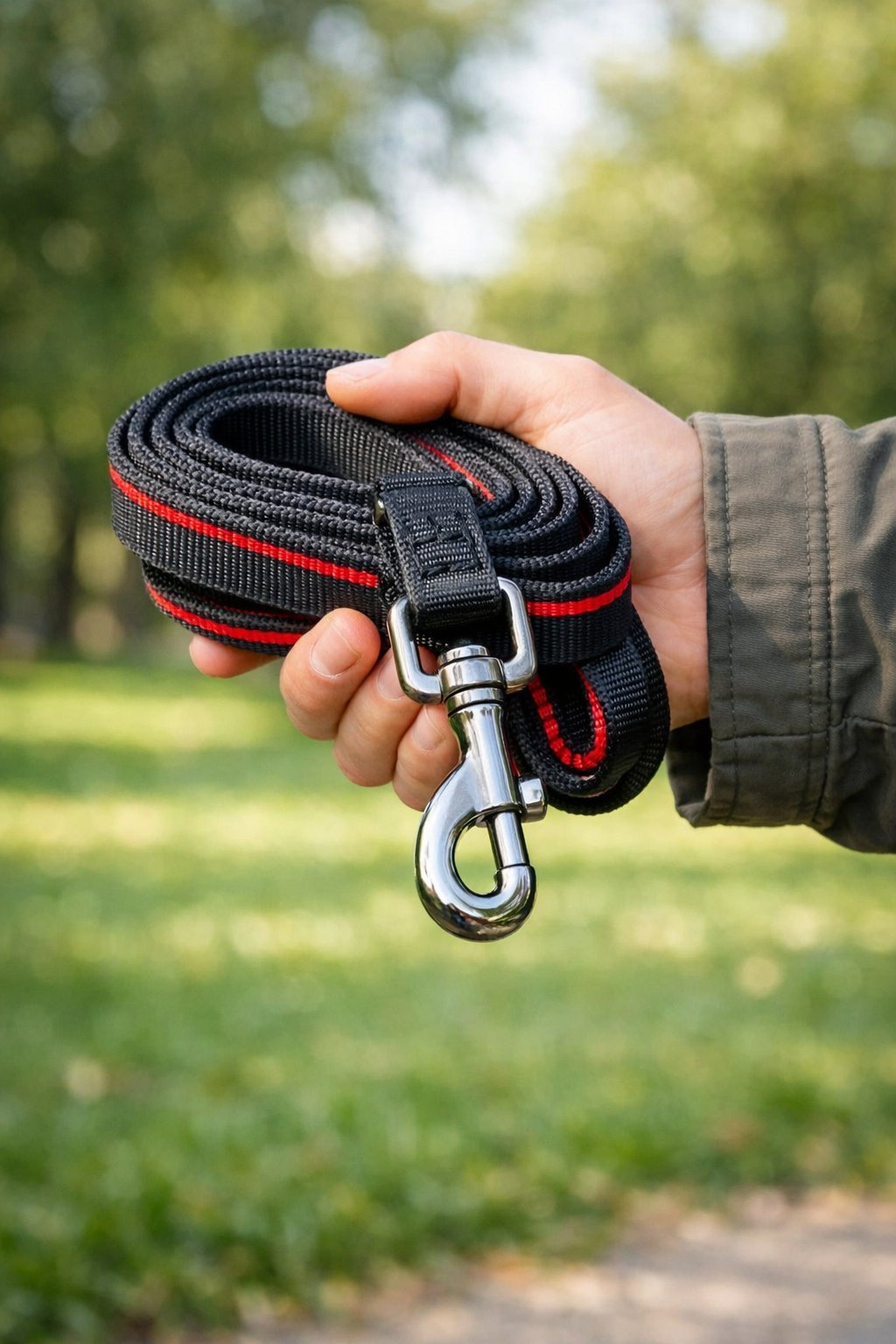
I’ve spent years walking dogs of all sizes and energy levels. Through trial and error, I’ve learned that the best leash depends on your dog’s size, behavior, and where you plan to walk.
A leash that works great for a calm golden retriever might be a disaster for a small, energetic terrier. In this guide, I’ll walk you through everything you need to know about dog leashes.
You’ll learn about different leash types, how to pick the right one for your situation, and tips for safe use. Whether you’re shopping for your first puppy or looking to upgrade your current gear, I’ll help you make the best choice.
Key Takeaways
- Different leash types serve different purposes, so match your leash to your dog’s size and behavior
- The right leash length and material can prevent injuries and give you better control during walks
- Regular leash maintenance and proper handling techniques keep both you and your dog safer
Types of Dog Leashes
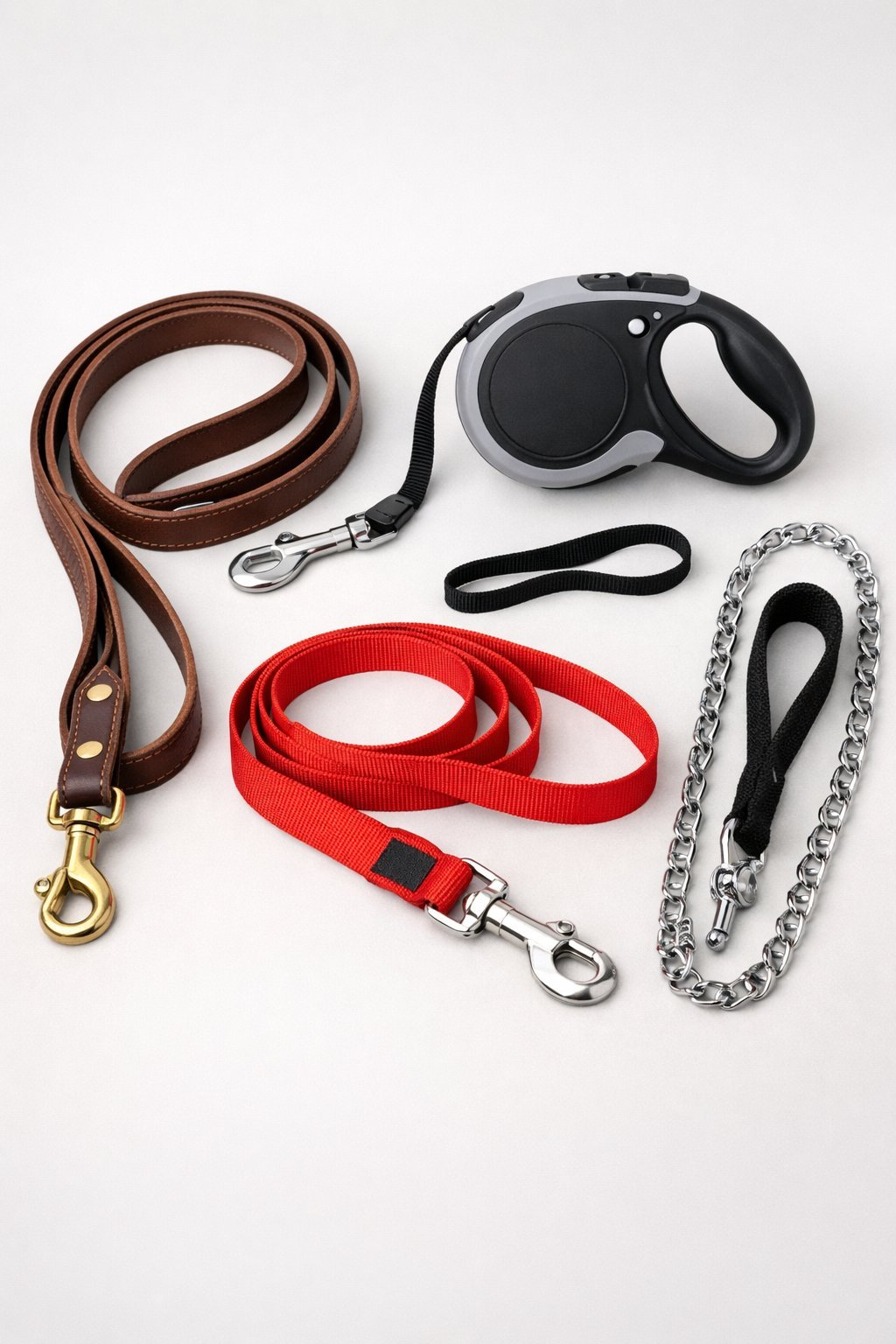
Dog leashes come in several styles, each designed for different walking situations and training needs. The right leash depends on your dog’s size, behavior, and where you plan to walk together.
Standard Leashes
I recommend standard leashes for most everyday walks with dogs. These leashes typically come in lengths of 4 to 6 feet and attach directly to your dog’s collar or harness with a single clip.
Standard leashes give me good control over my dog while still allowing some freedom to move around. They work well for training because the fixed length helps me maintain consistent boundaries.
I’ve found that different materials and lengths serve various purposes. Nylon leashes are lightweight and affordable, while leather leashes are more durable and comfortable to hold.
For larger, stronger dogs, I suggest thicker leashes that can handle more pulling force. The 6-foot length is the most popular choice because it gives dogs enough room to sniff and explore without getting too far away.
I use shorter 4-foot leashes in crowded areas where I need my dog closer to me.
Retractable Leashes
Retractable leashes let me extend and retract the leash length using a spring-loaded handle. These leashes can reach 15 to 30 feet, giving my dog much more space to roam.
I use retractable leashes in open areas like parks or beaches where my dog can safely explore at greater distances. The locking button lets me stop the leash at any length I want.
However, I’m careful with these leashes because they have some drawbacks. The thin cord can cause rope burns if it wraps around my hand or my dog’s legs.
I also have less control if my dog suddenly lunges or runs toward something dangerous. I don’t recommend retractable leashes for training puppies or dogs that pull.
The constant tension teaches dogs to pull more rather than walk calmly beside me.
Hands-Free Leashes
Hands-free leashes wrap around my waist or clip across my body like a seatbelt. This design lets me walk or run with my dog without holding anything in my hands.
I love using hands-free leashes when I go jogging with my dog. My arms stay free to move naturally, which makes running more comfortable.
Some hands-free leashes also have pockets or pouches where I can store my phone, keys, and treats. These leashes work best with dogs that already know how to walk politely without pulling.
If my dog suddenly pulls hard, the force goes directly to my waist or torso, which can throw me off balance. I choose hands-free leashes with bungee sections that absorb shock when my dog moves.
This makes the walk more comfortable for both of us.
Adjustable Leashes
Adjustable leashes have multiple clips and rings that let me change the length and configuration. I can make them shorter for city walking or longer for open spaces.
These versatile leashes adapt to different situations without needing to carry multiple leashes. Some adjustable leashes convert into hands-free styles by clipping around my waist.
I also use adjustable leashes to walk two dogs at once by attaching both ends to separate collars. The middle handle gives me control over both dogs from one central point.
The extra hardware on adjustable leashes makes them heavier than standard leashes. I check the clips regularly to make sure they’re working properly and won’t come undone during walks.
Choosing the Right Dog Leash
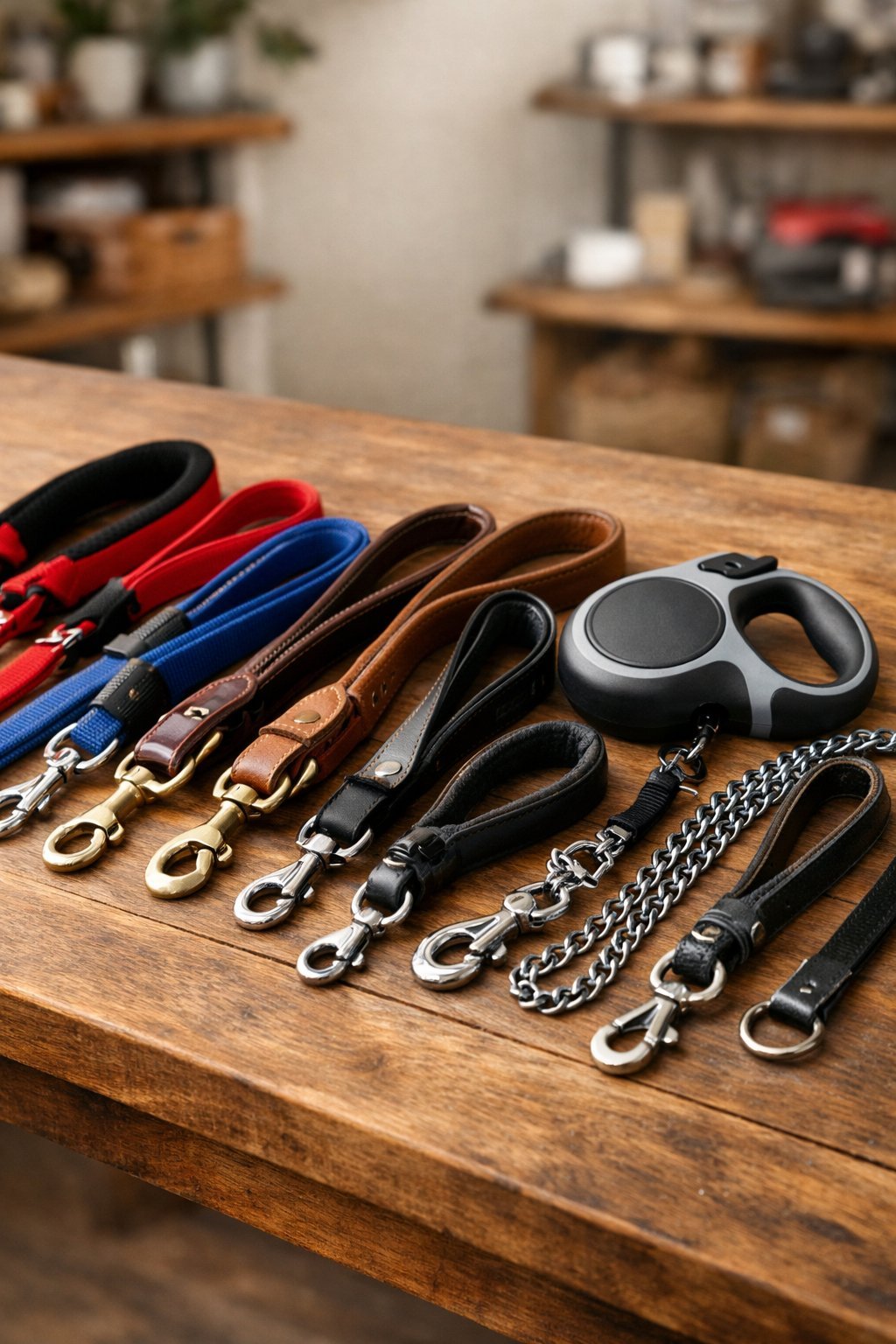
I’ve found that picking the right leash depends on the material that fits your lifestyle, the length that works for your walking style, and the size that matches your dog’s build and strength.
Leash Materials
When I’m shopping for a leash, I look at three main materials. Nylon leashes are affordable and come in lots of colors, but they can cause rope burn if my dog pulls hard.
Leather leashes feel great in my hands and last for years when I take care of them, though they cost more upfront. Chain leashes work well if my dog likes to chew through everything.
They’re harder to grip comfortably for long walks. I always check how the leash feels in my hand before buying it.
Selecting the right type of dog leash affects whether my walks are relaxing or stressful. The clasp matters too – I prefer metal clips over plastic ones because they don’t break as easily.
Appropriate Leash Lengths
Standard leashes measure 4 to 6 feet long. I use a 6-foot leash for most daily walks because it gives my dog some freedom while keeping him close enough for control.
Short leashes around 4 feet work best when I walk through crowded areas or need my dog right beside me. Long training leashes stretch 15 to 30 feet and help when I’m working on recall commands in open spaces.
I never use retractable leashes in busy areas because they extend too far and make it hard to react quickly. Different types of dog leashes serve different purposes.
I pick my leash length based on where I’m walking and what training I’m doing that day.
Matching Leashes to Dog Size and Breed
I choose leash width based on my dog’s weight and strength. Small dogs under 25 pounds do well with leashes that are 3/8 to 1/2 inch wide.
Medium dogs between 25 and 75 pounds need leashes around 5/8 to 3/4 inch wide. Large dogs over 75 pounds require sturdy leashes at least 1 inch wide.
I learned this after a thinner leash snapped when my friend’s mastiff lunged at a squirrel. Breed behavior matters too.
My high-energy terrier needs a shorter leash during training, while my neighbor’s calm golden retriever handles a longer leash just fine. Choosing based on your dog’s size, behavior, and walking style keeps both of us safe and comfortable.
Safety Tips and Proper Leash Use
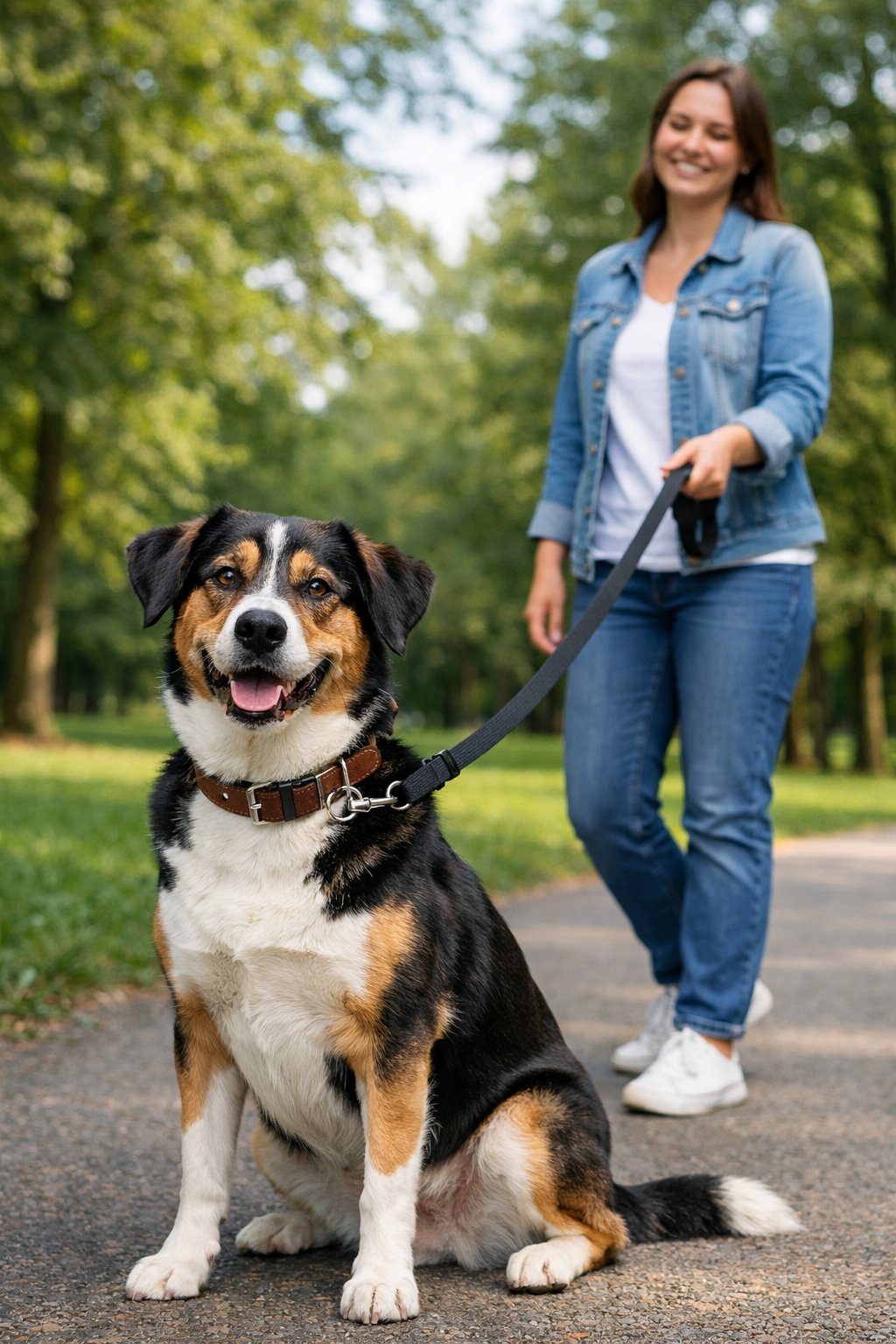
Using a leash correctly protects both you and your dog from potential hazards during walks. Proper handling techniques, awareness in crowded spaces, and strategies to reduce pulling create a safer and more enjoyable experience for everyone.
Correct Leash Handling
I always hold the leash with my right hand through the loop at the end, which gives me a secure anchor point. My left hand stays free to grab the leash closer to my dog when I need extra control in tight situations.
Proper leash holding prevents you from losing your grip if your dog suddenly pulls. I never wrap the leash around my hand or wrist because this can cause serious injuries if my dog bolts unexpectedly.
I keep a slight bend in the leash rather than holding it tight like a rope. This gives my dog a little freedom while I maintain control.
When I need more control, I simply slide my hand down the leash instead of yanking back.
Key hand positions:
- Primary hand holds the loop
- Support hand guides 1-2 feet from the collar
- Never tie the leash to your body
I recommend using a standard 4-6 foot leash for regular walks. Retractable leashes can create safety risks because they give you less control if something unexpected happens.
Walking in Busy Areas
I shorten my leash to about 3-4 feet when walking through crowded sidewalks or busy intersections. This keeps my dog close to my side and prevents them from wandering into traffic or jumping on strangers.
Before crossing any street, I stop at the curb and make my dog sit. This simple habit has saved me from several close calls with cars.
I stay extra alert in areas with lots of distractions like other dogs, bikes, or children. My eyes constantly scan ahead so I can prepare for potential problems before they happen.
Busy area checklist:
- Keep leash short and controlled
- Walk on the side away from traffic
- Stop at all curbs and crosswalks
- Watch for approaching dogs or cyclists
I avoid using my phone while walking in high-traffic areas. My full attention needs to be on my dog and the surroundings.
Even a few seconds of distraction can lead to dangerous situations.
Preventing Leash Pulling
I stop walking immediately whenever my dog starts pulling ahead. I stand still and wait until the leash relaxes before moving forward again.
This teaches my dog that pulling doesn’t get them where they want to go faster. When my dog walks calmly beside me, I reward them with praise or a small treat.
Positive reinforcement works better than constantly correcting bad behavior. I change direction frequently during walks to keep my dog focused on me.
If my dog starts pulling toward something, I turn and walk the opposite way. This keeps their attention on following me instead of dragging me around.
Anti-pulling strategies:
- Stop moving when tension increases
- Reward calm walking with treats
- Change directions unexpectedly
- Practice in quiet areas first
I never yank or jerk the leash backward as punishment. This can hurt my dog’s neck and damage the trust between us.
Instead, I focus on teaching my dog what I want them to do rather than just correcting mistakes.
Training and Behavioral Considerations
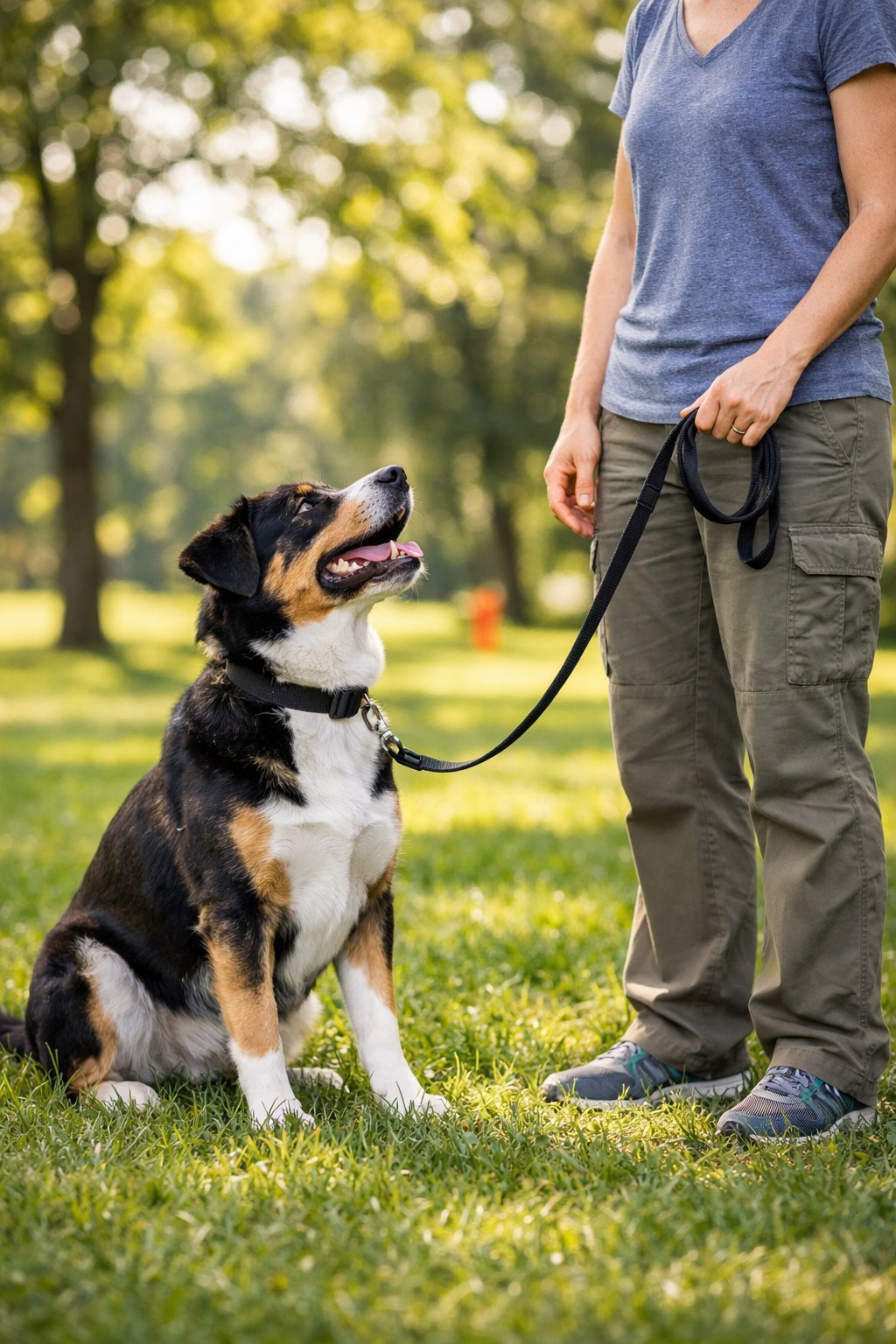
Proper leash training builds the foundation for enjoyable walks and prevents common problems like pulling, lunging, and fear-based reactions. Dogs need consistent guidance to learn appropriate leash behavior in different environments.
Training Puppies to Walk on Leash
I recommend starting leash training as early as possible to prevent bad habits from forming. Young puppies learn faster and adapt more easily to new experiences than older dogs.
Begin training indoors where distractions are minimal. I let my puppy wear the collar or harness for short periods first, so they get comfortable with the feeling.
Then I attach a lightweight leash and let them drag it around under supervision. Key training steps include:
- Rewarding your puppy for walking beside you
- Using high-value treats to maintain attention
- Keeping initial sessions short (5-10 minutes)
- Practicing the stop-and-go method when pulling occurs
Walking on a leash is not something dogs naturally know, so patience is essential. I stop moving immediately when my puppy pulls and only resume walking when the leash loosens.
This teaches them that pulling doesn’t get them where they want to go.
Correcting Leash Reactivity
Leash reactivity happens when dogs bark, lunge, or act aggressively toward other dogs, people, or objects while on leash. This often stems from fear, frustration, or lack of socialization rather than true aggression.
The first step is identifying triggers. I keep track of what causes my dog to react, whether it’s other dogs, bicycles, or specific sounds.
This helps me create a training plan around those situations.
Effective management techniques:
- Maintaining enough distance from triggers
- Redirecting attention before reactions occur
- Using high-value rewards for calm behavior
- Gradually decreasing distance as comfort improves
I focus on counter-conditioning by creating positive associations with triggers. When I see another dog approaching, I offer treats before my dog reacts.
This builds a new emotional response over time.
I never punish reactive behavior, as this increases stress and can worsen the problem.
Leash Etiquette for Public Spaces
Good leash manners make public spaces safer and more pleasant for everyone. I always keep my dog on a leash in areas where it’s required, even if my dog has perfect recall.
I maintain a leash length that gives my dog some freedom while keeping them under control. In crowded areas, I shorten the leash to prevent my dog from jumping on people or getting tangled with others.
Important etiquette rules:
- Not allowing my dog to approach others without permission
- Picking up waste immediately
- Keeping my dog out of restaurant patios and store entrances
- Staying to one side of paths and trails
I observe my dog’s body language to assess their comfort level during walks. Signs of stress include pulled-back ears, tucked tail, or excessive panting.
When I notice these, I create more space or remove my dog from the situation.
Off-leash areas exist specifically for free play, so I save that activity for designated spaces.
Caring for Your Dog Leash
A clean leash lasts longer and stays safer for daily walks. Proper storage prevents damage and keeps your gear ready to use.
Cleaning and Maintenance
I recommend cleaning your dog leash regularly to remove dirt, bacteria, and odors that build up over time. The cleaning method depends on what material your leash is made from.
For nylon leashes, I wash them in warm soapy water using mild dish soap. I scrub any dirty spots with a soft brush, then rinse thoroughly and hang to air dry.
Leather leashes need gentler care. I wipe them down with a damp cloth and apply leather conditioner every few months to prevent cracking and drying.
I check my leash before each walk for signs of wear. Inspecting and repairing damage early helps prevent accidents during walks.
What to look for:
- Frayed edges or loose stitching
- Weak spots in the material
- Rust or damage on metal clips
- Cracks in leather
I replace my leash immediately if I find any serious damage. A broken leash during a walk can put my dog at risk.
Storage Solutions
I never leave my leash on the floor or outside where it can get stepped on or damaged by weather. Proper storage prevents unnecessary wear and keeps the leash in good shape.
I hang my leash on a hook near the door where it stays dry and easy to grab. This keeps it from getting tangled or crushed under other items.
If my leash gets wet during a walk, I always dry it completely before putting it away. Moisture can cause mold on fabric leashes and damage leather ones.
I keep my leash away from direct sunlight when storing it long-term. UV rays can weaken the material and fade colors over time.
