Small Dogs: The Complete Guide to Choosing and Caring for Your Perfect Petite Companion

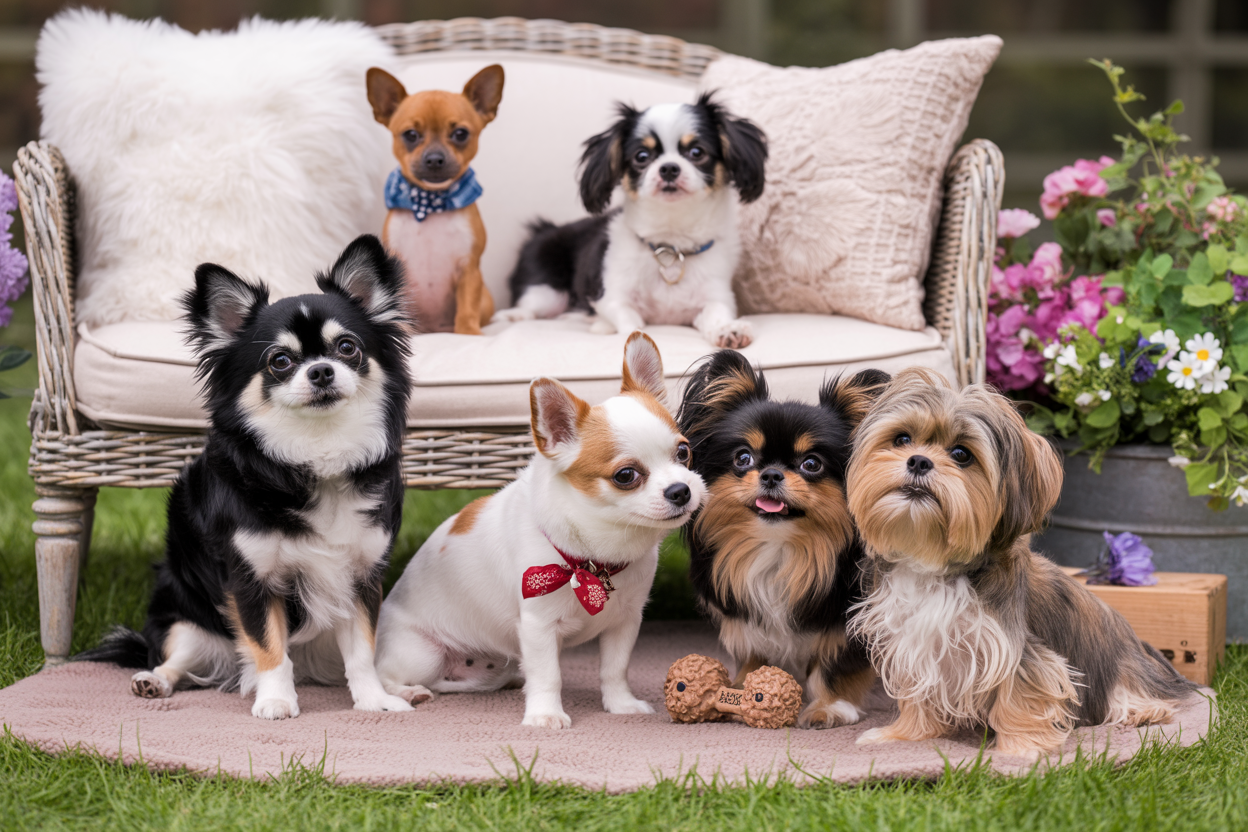
Small dogs bring big joy to millions of homes around the world. These compact companions typically weigh under 25 pounds and stand less than 16 inches tall at the shoulder.
Small dog breeds offer the perfect solution for people living in apartments, seniors wanting manageable pets, and families looking for dogs that take up less space while still providing plenty of love and personality.
I’ve found that small dog breeds adapt easily to smaller homes and often live longer than their larger counterparts. They cost less to feed and are easier to travel with on trips.
Many people think small dogs are just lap dogs, but these little pups come in all personality types. From the sassy Chihuahua to the playful Pomeranian, over 90 tiny dog breeds exist for you to choose from.
Each breed has unique traits, care needs, and energy levels. I’ll help you learn about the most popular small breeds, their health requirements, and what it’s really like to share your life with a pint-sized pup.
Key Takeaways
- Small dogs under 25 pounds are ideal for apartment living and require less food and space than larger breeds
- Different small breed dogs have varying personalities and energy levels, from calm lap dogs to active terriers
- Proper training, socialization, and regular vet care help small dogs live long, healthy lives
Overview of Small Dogs
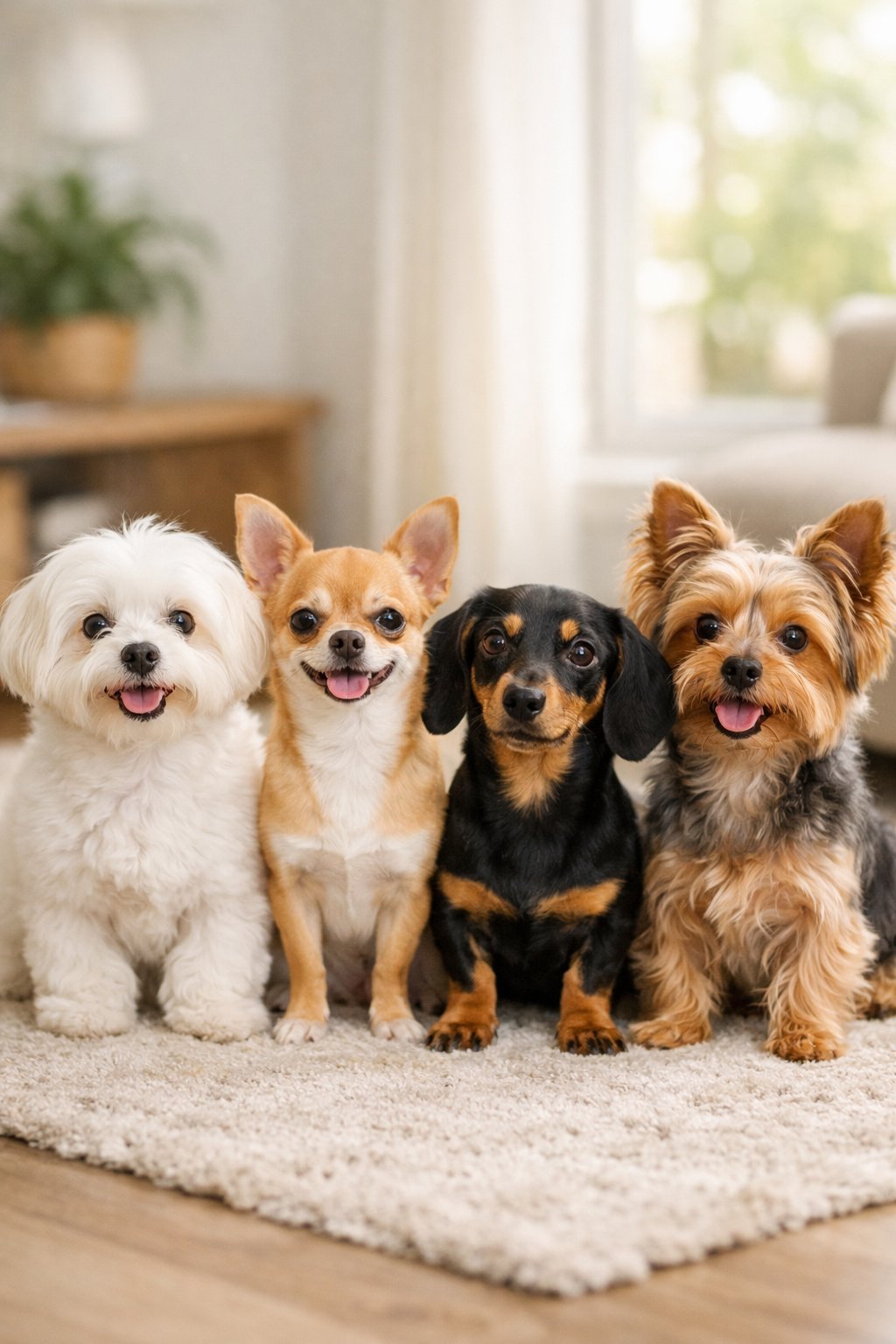
Small dogs typically weigh under 25 pounds and stand less than 16 inches tall at the shoulder. This makes them ideal companions for various living situations and lifestyles.
Defining Small Dog Breeds
When I talk about small dog breeds, I’m referring to dogs that typically weigh between 5 and 25 pounds when fully grown. Most of these breeds stand under 16 inches tall at the shoulder.
The category includes toy breeds, which are the tiniest dogs weighing under 10 pounds, and small breeds that fall in the 10 to 25 pound range. According to comprehensive breed listings, there are around 90 purebred small dog breeds recognized today.
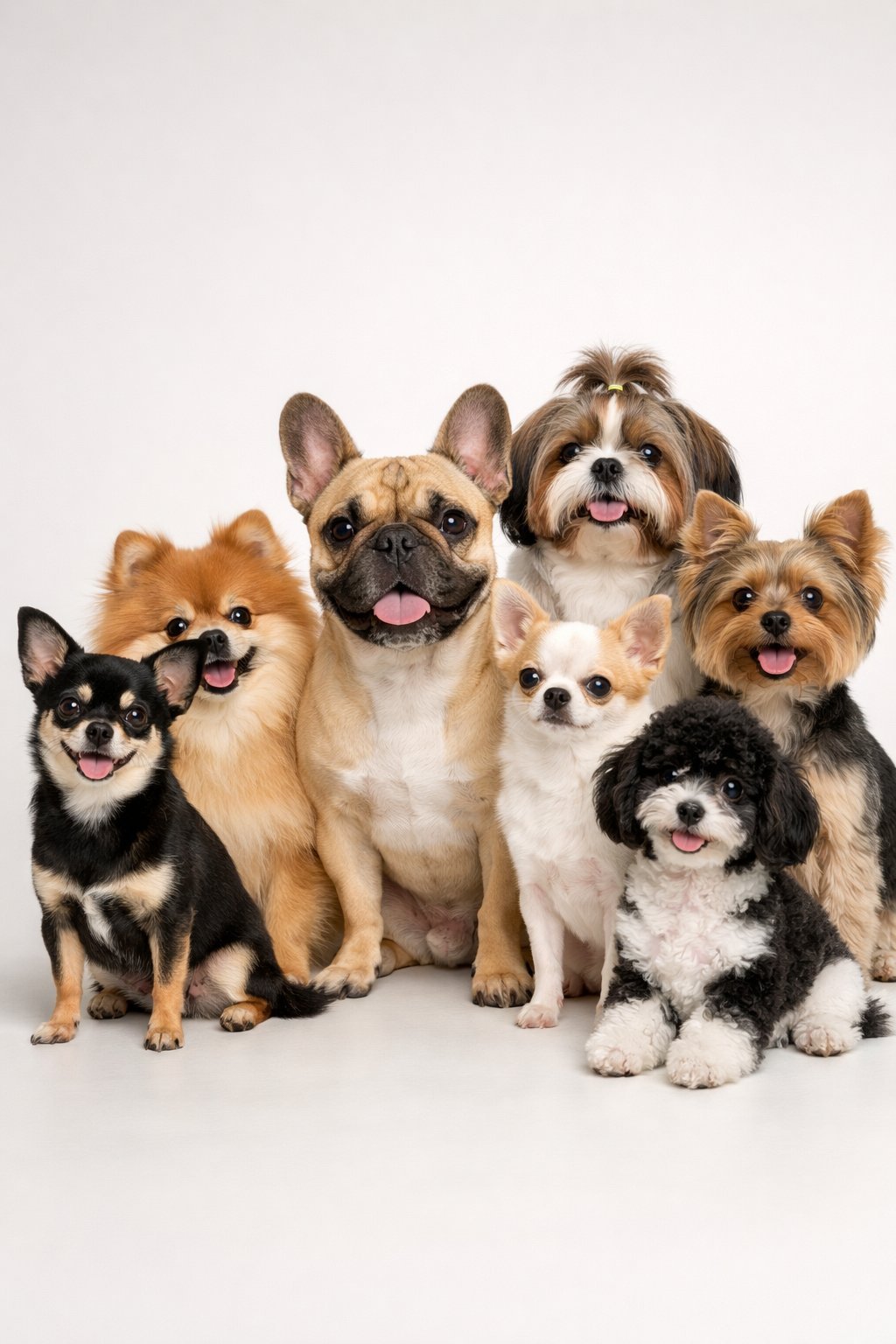
These compact canines include popular breeds like Chihuahuas, Yorkshire Terriers, Pomeranians, and French Bulldogs. Small dog breeds stay compact their entire lives, maintaining their petite size from puppyhood through adulthood.
Common Characteristics
Research shows that small dogs display distinct behavioral patterns compared to their larger counterparts. A study from the University of Veterinary Medicine in Vienna found that small dogs are more excitable and tend to bark or growl more frequently at strangers and other dogs.
Despite their size, these little companions pack big personalities. They often bond strongly with their owners and can be quite protective of their territory.
Small breeds typically have longer lifespans than large dogs, often living 12 to 16 years or more. They require less food and take up less space, making them perfect for apartments and limited living spaces.
Many small dogs need regular grooming, especially breeds with long or curly coats. They also require daily exercise, though their needs are generally less demanding than larger breeds.
History and Origins
Small dogs have been companions to humans for thousands of years. Ancient civilizations bred small dogs for various purposes, from companionship to hunting small game.
Many toy breeds were developed specifically as lap dogs for nobility and royalty. The Pekingese, for example, was bred in ancient China exclusively for Chinese emperors.
Other small breeds like terriers were originally working dogs. They hunted rats and other vermin on farms and in homes.
Over time, breeders refined these working dogs into the compact companion breeds I see today.
Popular Breeds of Small Dogs

The French Bulldog currently ranks as the number one small breed, followed by favorites like the Dachshund and other compact companions.
These breeds offer distinct personalities and care needs that make them suited for different living situations.
Chihuahua
I find Chihuahuas fascinating because they pack so much personality into such a tiny body. They typically weigh between 2 to 6 pounds and stand about 5 to 8 inches tall.
These little dogs form strong bonds with their owners. They often attach themselves to one person in the household and can be quite protective despite their small size.
Chihuahuas need minimal exercise compared to larger breeds. A few short walks and indoor playtime usually meet their activity needs.
They’re well-suited for apartment living because of their compact size.
Key traits:
- Long lifespan of 14 to 16 years
- Can be stubborn during training
- Sensitive to cold weather
- Need early socialization
I’ve noticed that Chihuahuas can develop a bold attitude if not properly trained. They benefit from consistent training starting at a young age to prevent small dog syndrome behaviors.
Pomeranian
Pomeranians are fluffy balls of energy that weigh between 3 to 7 pounds. Their thick double coat requires regular grooming to prevent matting and tangles.
I appreciate how alert and intelligent these dogs are. They make excellent watchdogs because they’re quick to bark at anything unusual.
This trait can be managed through training. These dogs are surprisingly active for their size.
They enjoy daily walks and interactive play sessions. Pomeranians are social and generally get along well with family members.
Grooming needs:
- Brush 2-3 times per week
- Professional grooming every 4-6 weeks
- Regular nail trimming
- Dental care is important
Their friendly nature makes them good companions. However, I recommend supervising them around young children because of their delicate size.
Pomeranians thrive on attention and don’t like being left alone for long periods.
French Bulldog
The French Bulldog has become incredibly popular in recent years. I can see why they’ve captured so many hearts with their bat-like ears and muscular build.
These dogs typically weigh under 28 pounds. They have a calm, friendly temperament that works well for families and apartment dwellers.
French Bulldogs don’t require much exercise, making them ideal for less active owners.
Important health considerations:
- Prone to breathing problems due to flat faces
- Can overheat easily
- May need special care during hot weather
- Regular vet checkups are essential
I’ve learned that French Bulldogs are affectionate and playful. They love being around people and often follow their owners from room to room.
These dogs rarely bark excessively, which neighbors appreciate. Their short coat is easy to maintain.
A quick weekly brushing keeps them looking good. French Bulldogs do well with other small dog breeds that have adaptable personalities.
Dachshund
Dachshunds have distinctive long bodies and short legs. I find their unique appearance both charming and practical for their original purpose of hunting badgers.
These dogs come in three coat types: smooth, long-haired, and wire-haired. They also come in two sizes, with miniature Dachshunds weighing 11 pounds or less and standard ones weighing 16 to 32 pounds.
Dachshunds are brave and sometimes stubborn. They need patient, consistent training to overcome their independent streak.
Early socialization helps them become well-rounded pets.
Exercise and care:
- Moderate daily walks
- Avoid jumping from heights
- Watch for back problems
- Keep at healthy weight
I always emphasize the importance of protecting their backs. Their long spines make them vulnerable to disc problems.
Using ramps instead of stairs and preventing excessive jumping helps keep them healthy. These dogs are loyal and form strong family bonds.
They can be vocal, alerting their owners to visitors or unusual sounds.
Health and Wellness for Small Dogs
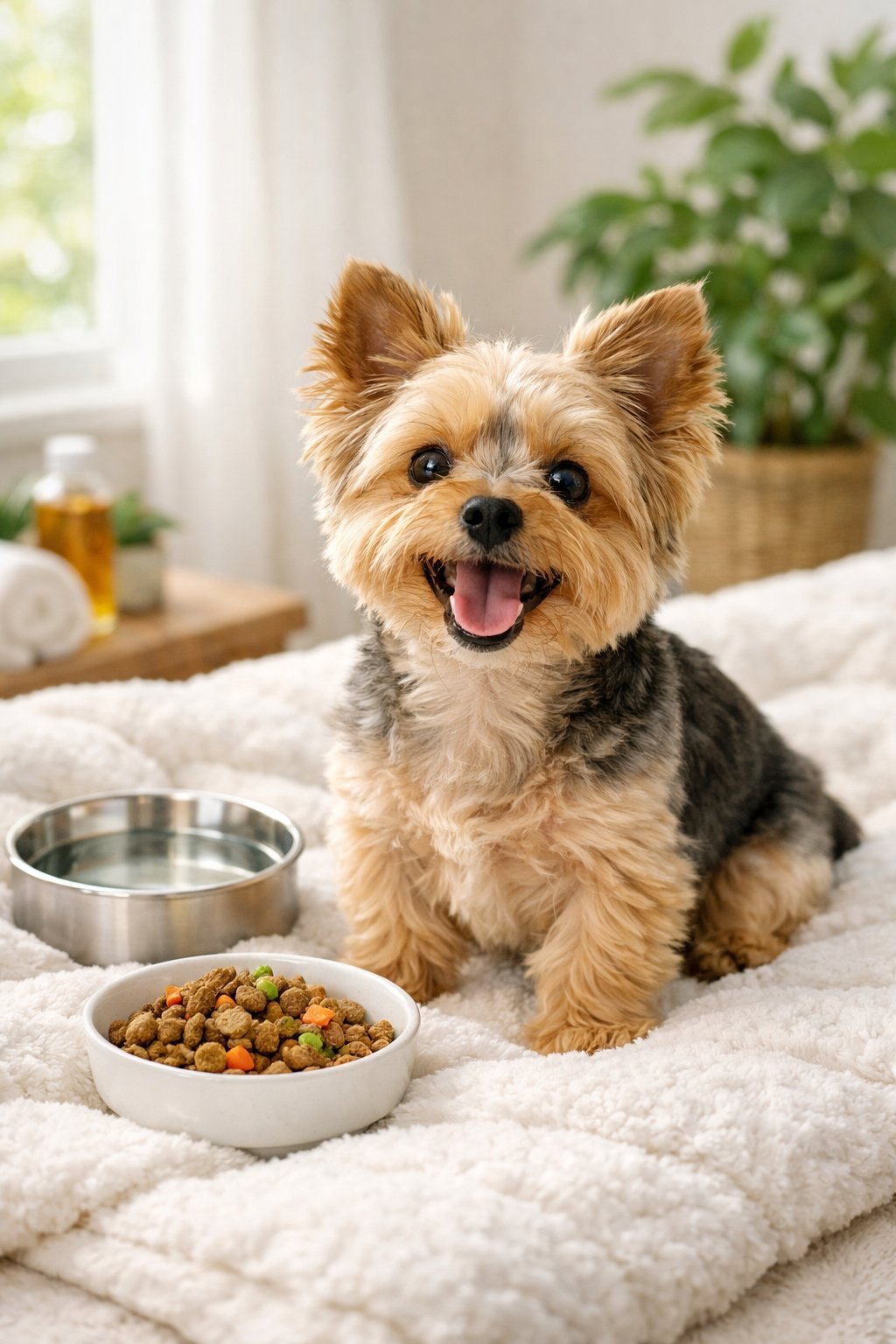
Small dogs need special attention when it comes to their diet, activity levels, and medical care. Their smaller bodies process food differently than larger breeds, and they face unique health challenges that require careful monitoring.
Nutritional Needs
Small dogs burn calories faster than large breeds because of their higher metabolism. I’ve learned that they need more calories per pound of body weight compared to bigger dogs.
Their tiny mouths and teeth mean they need smaller kibble sizes. Regular dog food pieces can be too large and create choking hazards.
Small dog breeds have specific nutritional needs due to their compact size. Puppies face an extra risk called hypoglycemia, which happens when blood sugar drops too low.
I recommend feeding small breed puppies three to four times per day to prevent this dangerous condition. Adult small dogs do well with two meals daily.
Key nutrients for small dogs include:
- High-quality protein for muscle maintenance
- Omega-3 fatty acids for coat and skin health
- Calcium and phosphorus for bone strength
- Easily digestible carbohydrates for energy
Portion control matters a lot for small breeds. Even an extra ounce or two of food can lead to weight gain on their tiny frames.
Exercise Requirements
Small dogs don’t need as much exercise as large breeds, but they still need daily activity. I find that 20 to 30 minutes of walking per day works well for most small breeds.
Short, gentle walks are better than long, intense exercise sessions. Their little legs tire out faster, and they can overheat quickly in warm weather.
Breaking up exercise into two or three short sessions throughout the day keeps them happy without wearing them out. Mental stimulation is just as important as physical activity.
Puzzle toys, training sessions, and interactive games help prevent boredom and behavioral problems. I like to mix physical walks with indoor play to give my small dog variety.
Good exercise options include:
- Short neighborhood walks
- Indoor fetch games
- Hide-and-seek with treats
- Gentle tug-of-war
Watch for signs of exhaustion like excessive panting, lagging behind, or lying down during walks. Small dogs can’t always keep up with what their owners want them to do.
Common Health Issues
Dental disease is one of the biggest problems I see in small dogs. Their small mouths crowd teeth together, making plaque buildup worse.
Managing dental disease becomes critical as small dogs age. Patellar luxation affects many small breeds.
This condition happens when the kneecap slips out of place, causing limping or skipping steps. Some cases need surgery, while mild cases can be managed with weight control and limited jumping.
Collapsed trachea is another concern for toy breeds. The windpipe weakens and flattens, causing a honking cough.
Using a harness instead of a collar helps protect the delicate throat area.
Other health concerns include:
- Heart murmurs and valve disease
- Eye problems like cataracts
- Liver shunt conditions
- Intervertebral disc disease
Regular vet checkups catch problems early. I schedule wellness visits twice per year for my small dog because health issues can progress quickly in tiny bodies.
Understanding common health problems for small breeds helps me watch for warning signs between vet visits.
Living with Small Dogs
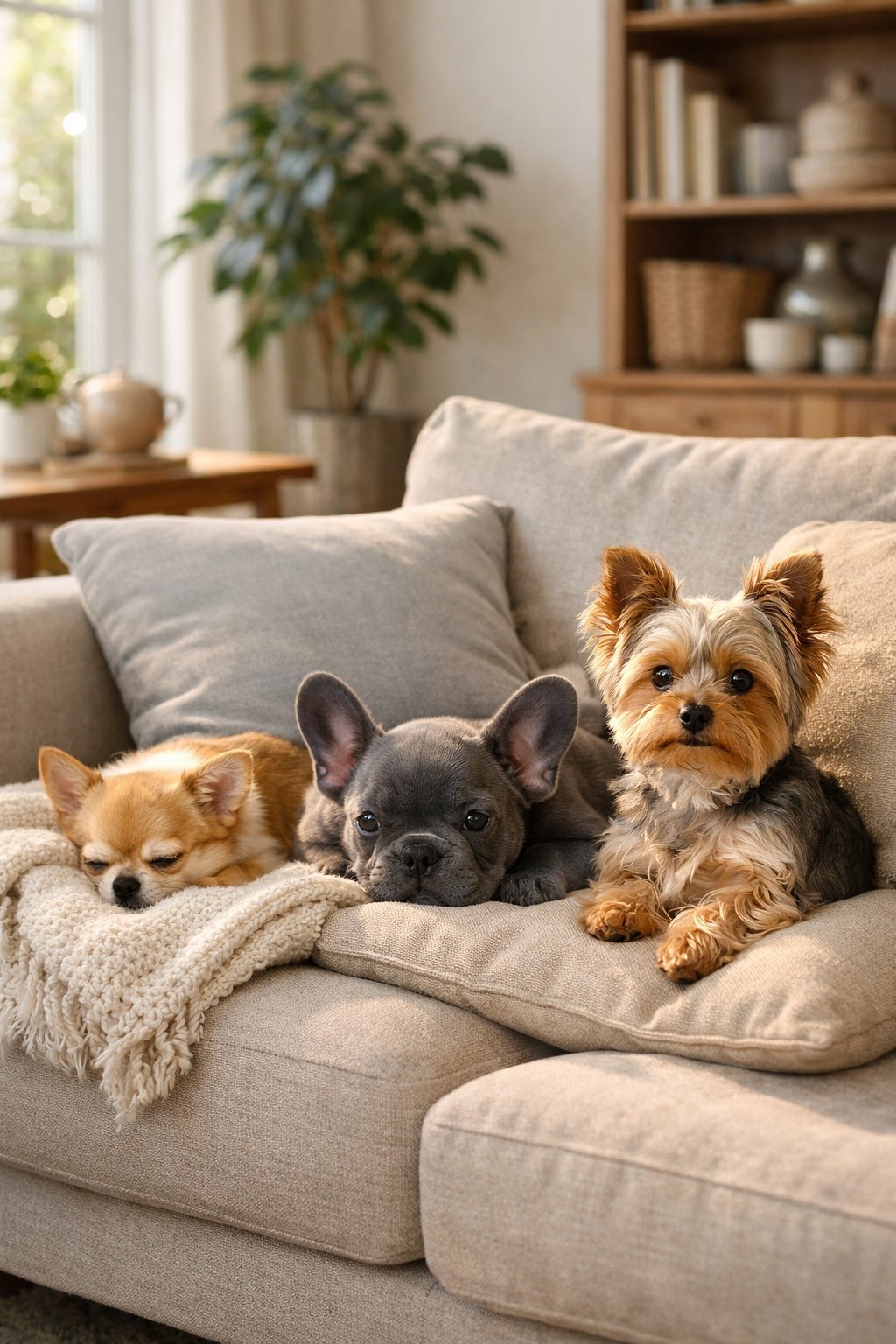
Small dogs adapt well to various living situations. They require specific care routines that differ from larger breeds.
Their compact size makes daily tasks like grooming and travel more manageable. They still need attention to thrive.
Ideal Home Environments
I’ve found that small dogs thrive in apartments and compact spaces because they don’t need as much room to move around. They can get enough exercise indoors with play sessions and short walks.
Small breeds do well in homes with limited outdoor space. A small yard or even just access to a nearby park works fine for their exercise needs.
Temperature control matters more for small dogs than large ones. I make sure my home stays comfortable because small breeds lose body heat faster and can get cold easily.
Small dogs aren’t just miniature versions of large breeds – they have unique needs. I create safe spaces by removing hazards they could squeeze into or items they might knock over.
Small dogs can fit under furniture and into tight spots where they might get stuck.
Traveling with Small Dogs
I can bring my small dog almost anywhere because most airlines allow small breeds in the cabin. They fit comfortably in carriers that slide under airplane seats.
Car trips are easier with small dogs. I use a secured carrier or harness to keep them safe, and they take up minimal space in the vehicle.
Hotels and rentals often welcome small dogs more than large ones. I’ve noticed many places have weight limits around 25-30 pounds, which most small breeds meet easily.
I pack essentials like food, water bowls, medications, and favorite toys. Small dogs need familiar items to feel comfortable in new places.
Their compact supplies don’t take up much luggage space.
Grooming and Care
Grooming needs vary by breed. Some small dogs have long coats that need daily brushing, while short-haired breeds only need weekly attention.
Common grooming tasks:
- Brushing (daily to weekly depending on coat type)
- Nail trimming every 3-4 weeks
- Teeth brushing 2-3 times per week
- Bathing every 4-6 weeks
- Ear cleaning as needed
I handle my small dog easily during grooming because I can lift them onto tables or hold them in my lap. Their size makes nail trimming and teeth brushing less physically demanding than with larger dogs.
Small breeds often have dental problems. I brush their teeth regularly because their small mouths can develop tartar buildup and gum disease faster than large breeds.
Training and Socialization
Small dogs need consistent training and social exposure from an early age to prevent unwanted behaviors and build confidence.
House Training Tips
House training my small dog requires patience and a consistent schedule. I take my dog outside first thing in the morning, after meals, after playtime, and before bed.
Small dogs have smaller bladders, so I need to provide more frequent bathroom breaks than larger breeds would need. I use a designated potty spot outside to help my dog understand where to go.
When my dog goes in the right place, I give immediate praise and a small treat. Accidents will happen, but I never punish my dog for them since this creates fear and confusion.
Crate training helps with house training because dogs naturally avoid soiling their sleeping area. I make sure the crate is just large enough for my dog to stand, turn around, and lie down.
If it’s too big, my dog might use one end as a bathroom. I watch for signs that my dog needs to go out, like sniffing, circling, or whining.
Taking my dog out right away when I see these behaviors prevents accidents and reinforces good habits.
Behavioral Challenges
Small dogs often develop behaviors like excessive barking, jumping, and separation anxiety if not properly trained. I address these issues early because they become harder to fix over time.
Many people accidentally encourage bad behavior in small dogs by picking them up when they bark or letting them jump because they’re cute. I treat my small dog the same way I would treat a larger dog during training.
Small dogs need just as much training and socialization as bigger breeds to become well-adjusted companions. I set clear boundaries and stick to them consistently.
When my dog barks excessively, I identify the trigger and redirect the behavior. I reward quiet behavior instead of giving attention when barking happens.
For jumping, I turn away and ignore my dog until all four paws are on the ground, then I give praise. Small dog syndrome happens when owners treat small dogs differently than large dogs.
I avoid carrying my dog everywhere or letting aggressive behavior slide just because my dog is small.
Socializing with People and Pets
Early socialization prevents behavioral concerns related to fear and anxiety in dogs. I start exposing my small dog to different people, animals, sounds, and environments as early as safely possible.
The critical socialization period happens between 3 and 14 weeks of age. I use positive reinforcement training techniques by rewarding calm, friendly behavior around new people and pets.
I let my dog approach at their own pace rather than forcing interactions. If my dog seems scared, I create more distance and try again later.
Puppy socialization classes teach important social skills like politely greeting people and other dogs. I look for classes with safety protocols that require up-to-date vaccinations and health checks for all participants.
I expose my small dog to various situations in a controlled way. This includes different floor surfaces, car rides, busy streets, parks, and indoor spaces.