Dog Cake Recipes Your Pup Will Love for Their Special Day

Your dog deserves a special treat on their birthday or any celebration. Dog cakes are homemade baked goods made with dog-safe ingredients like peanut butter, carrots, and whole wheat flour that give your pup a tasty way to join in the fun. These cakes look like regular human cakes but use only ingredients that are healthy and safe for dogs to eat.
I’ve found that making a dog birthday cake is easier than you might think. Many recipes use just three or four simple ingredients you probably already have in your kitchen. You don’t need fancy baking skills or expensive supplies to create something your dog will love.
The best part about homemade dog cakes is knowing exactly what goes into them. You can avoid ingredients that might upset your dog’s stomach and choose options that fit their dietary needs. Whether you want a simple single-layer cake or an elaborate two-layer frosted creation, there’s a recipe that works for you and your pup.
Key Takeaways
- Dog cakes are made with safe ingredients like peanut butter, carrots, and whole wheat flour instead of sugar and chocolate
- Most dog cake recipes need only three to four basic ingredients and take less than 30 minutes to make
- You can customize dog cakes based on your pet’s dietary needs and food sensitivities
What Is A Dog Cake?
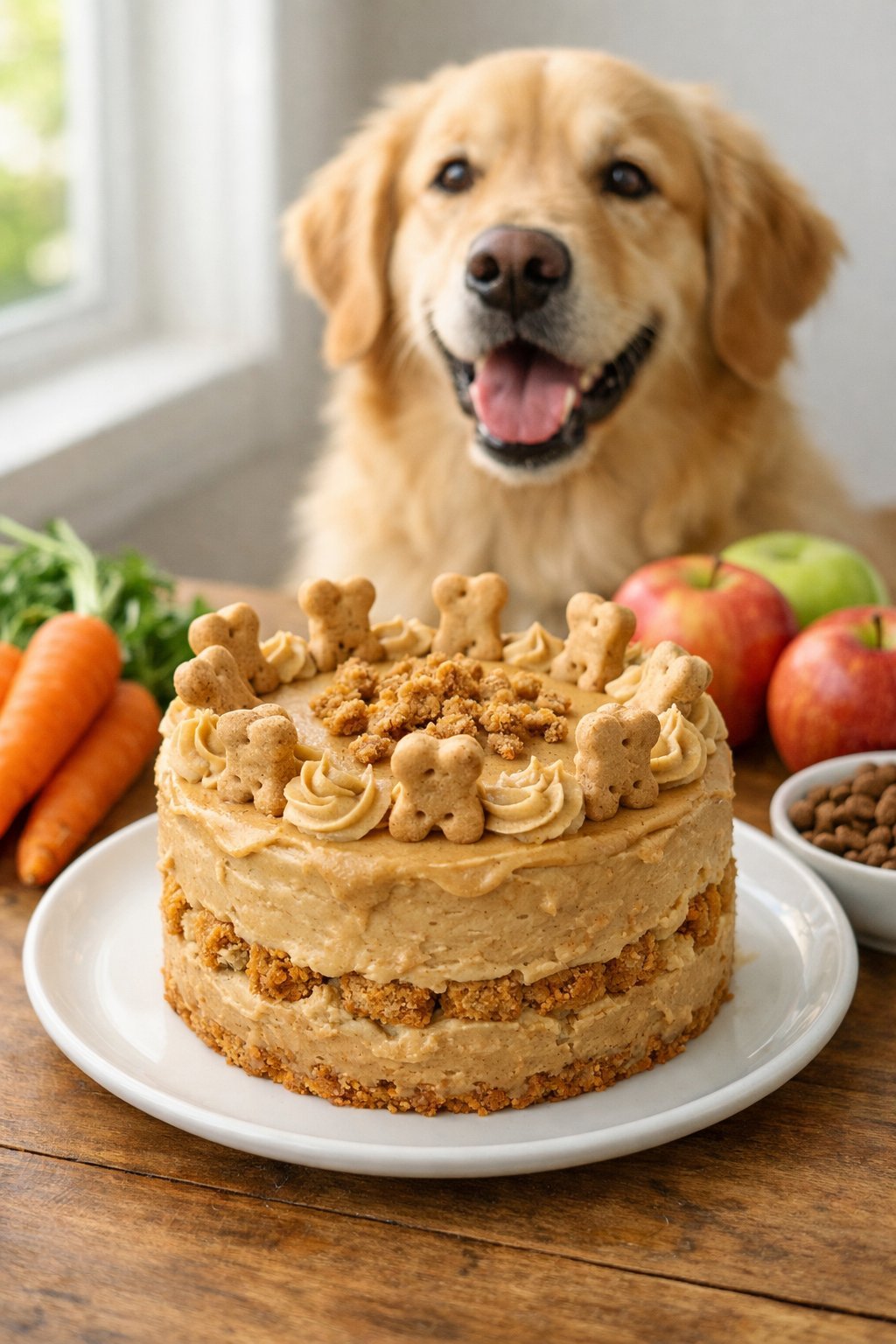
A dog cake is a special treat made specifically for dogs using safe, pet-friendly ingredients that won’t harm their digestive systems. These cakes look similar to human birthday cakes but contain ingredients that dogs can safely eat and enjoy.
Differences Between Dog Cakes and Human Cakes
The biggest difference between dog cakes and human cakes comes down to the ingredients. While I might use wheat flour, sugar, and chocolate in a regular cake, dog cakes typically use coconut flour, oat flour, or whole wheat flour instead. Dog cakes use safe ingredients like pumpkin instead of processed sugars.
Dog cakes completely avoid toxic ingredients that I’d find in human desserts. Chocolate, xylitol, raisins, and artificial sweeteners can seriously harm dogs. Instead, dog cakes rely on natural sweetness from fruits like bananas or applesauce.
The texture differs too. Dog cakes tend to be denser and less fluffy than human cakes because they don’t use the same leavening agents. I’ve noticed they’re often more bread-like or biscuit-like in consistency, which dogs actually prefer for chewing.
Purpose of Dog Cakes
I make dog cakes primarily to celebrate special occasions like birthdays, adoption anniversaries, or major milestones in my dog’s life. These treats make celebrations feel more inclusive when my furry friend can enjoy their own cake.
Dog cakes also serve as high-value rewards for training achievements or recovery from illness. Some pet owners use them to mark the end of a difficult period, like completing medical treatment.
Beyond celebrations, homemade dog cakes provide nutritious options that I control completely. I know exactly what goes into each cake, avoiding preservatives and fillers found in store-bought treats. This matters especially for dogs with food sensitivities or allergies.
Popular Dog Cake Flavors
Peanut butter ranks as the most popular dog cake flavor because most dogs go crazy for it. I combine it with banana for a classic combo that’s naturally sweet and protein-rich.
Pumpkin-based cakes come in second place. Pumpkin is gentle on dog stomachs and adds moisture without needing much fat. I often pair it with cinnamon for extra flavor.
Other favorites include:
- Sweet potato – Naturally sweet and packed with vitamins
- Apple and carrot – Crunchy texture and mild sweetness
- Bacon – Savory option for dogs who prefer meat flavors
- Blueberry – Antioxidant-rich and slightly tart
Simple 3-ingredient dog cakes often combine just one base flavor with eggs and flour. I’ve found these minimalist recipes work great for dogs with sensitive stomachs who need limited ingredients.
Ingredients Safe For Dogs
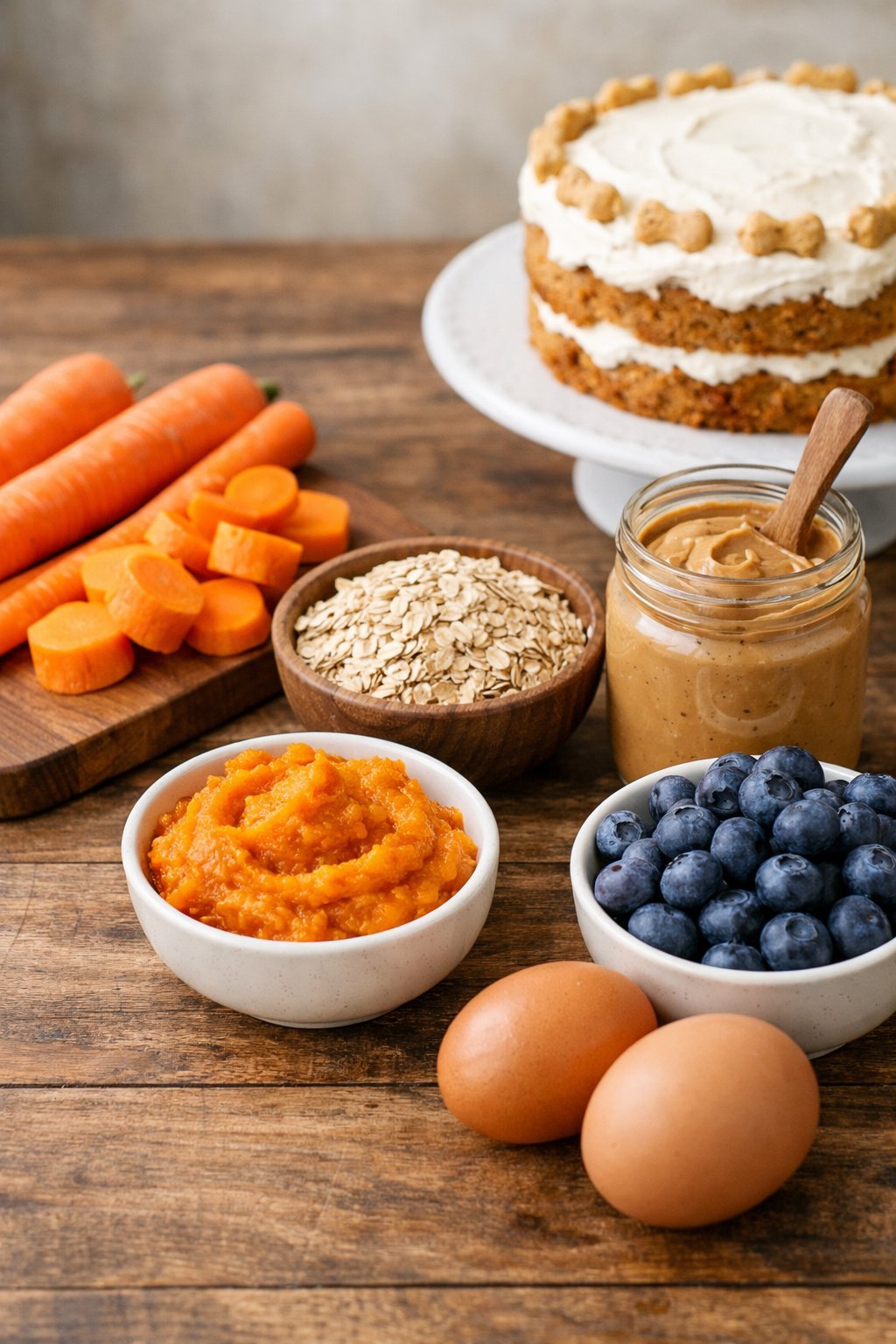
When I bake cakes for dogs, I focus on whole food ingredients that provide nutrition without harmful additives. The key is choosing dog-friendly flours, natural sweeteners, and safe toppings that won’t upset your pup’s stomach.
Dog-Friendly Flours
I recommend using whole-grain flours as the base for any dog cake. Wheat flour, oat flour, and barley flour work perfectly and give the cake structure while adding fiber. These flours are safe and provide more nutrients than processed white flour.
Oat flour is my top choice because it’s gentle on sensitive stomachs. I can make it at home by grinding regular oats in a food processor. Rice flour works well too, especially for dogs with grain sensitivities.
For dogs with allergies, I turn to non-grain options. Chickpea flour and coconut flour are both safe alternatives. Peanut flour adds protein and flavor that dogs love, but I make sure it doesn’t contain xylitol first.
Healthy Sweeteners and Add-Ins
Dogs don’t need much sweetness, but I add small amounts of natural ingredients for flavor. Unsweetened applesauce is my go-to sweetener. It adds moisture and a hint of sweetness without any sugar.
Mashed bananas work great in vet-approved dog cake recipes. They provide natural sweetness and potassium. Pumpkin puree is another excellent choice that adds fiber and vitamins.
I use eggs to bind ingredients together and add protein. Plain yogurt or cottage cheese gives cakes a creamy texture and adds calcium. Carrots and sweet potatoes can be grated into the batter for extra nutrition and natural sweetness.
Toppings and Decorations
For frosting, I use plain Greek yogurt or whipped cottage cheese. These dairy options are safe in moderation and dogs enjoy the taste. I can mix in a small amount of peanut butter for extra flavor.
Fresh fruits make colorful decorations. I use small pieces of banana, apple slices, or blueberries on top. Shredded carrots add bright orange color.
I avoid chocolate, artificial sweeteners, and sugary frostings completely. Small dog treats or biscuits can be pressed into the top as decorations. A thin layer of unsweetened peanut butter works as an adhesive to hold toppings in place.
How To Make A Dog Cake
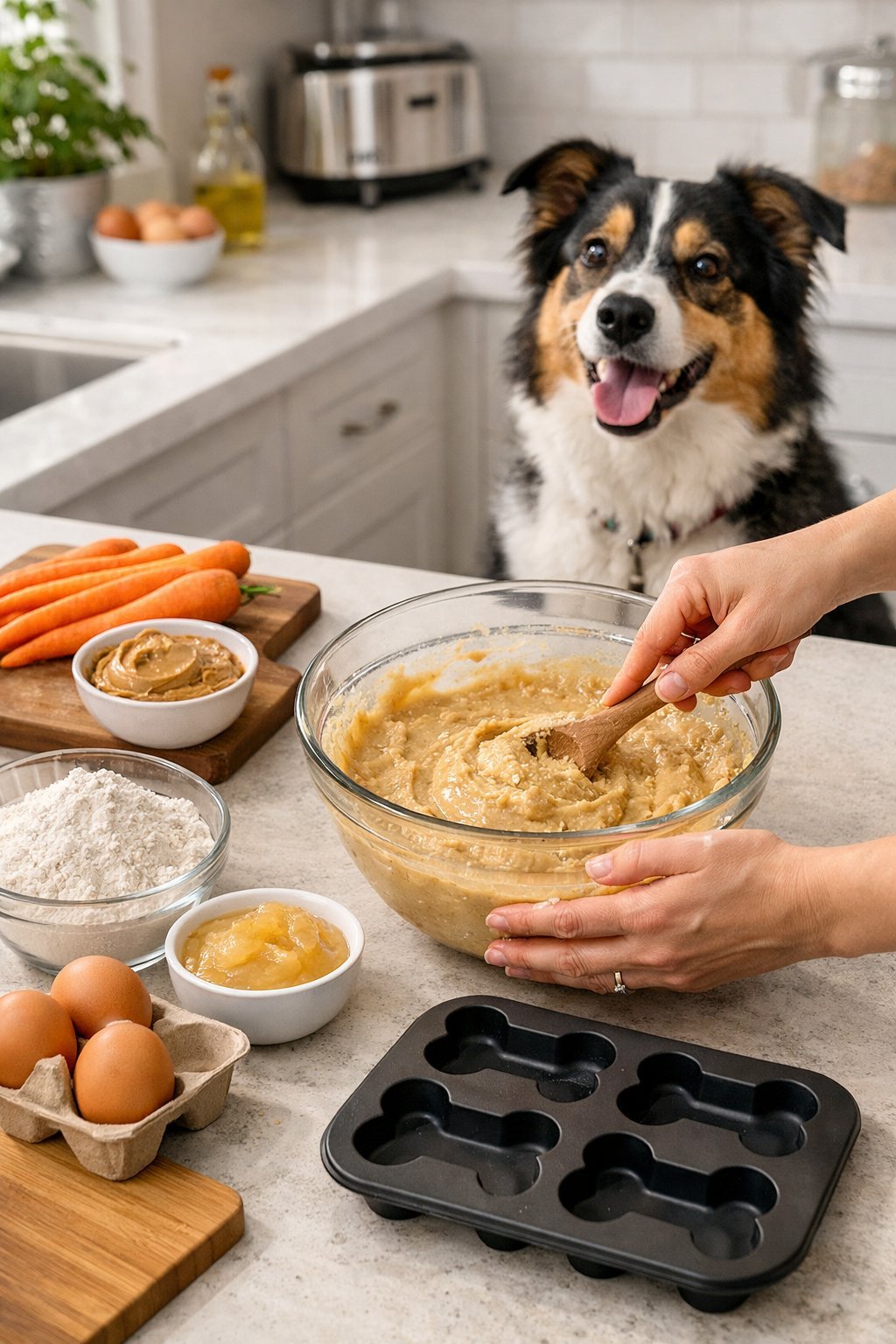
Making a dog cake requires basic baking equipment and dog-safe ingredients like flour, eggs, and peanut butter. The process takes about 30 minutes from start to finish, and proper storage keeps the cake fresh for up to a week.
Essential Tools and Supplies
I always start by gathering my baking pans before I begin. A 6-inch round cake pan works well for small to medium dogs, while larger breeds might need an 8-inch pan. Cupcake tins are also useful if I want to make individual portions.
My basic ingredient list includes whole wheat or oat flour, eggs, and unsweetened applesauce. I keep peanut butter on hand as long as it doesn’t contain xylitol, which is toxic to dogs. Bananas and pumpkin puree add moisture and flavor.
For mixing, I use standard bowls and a whisk or hand mixer. I line my pans with parchment paper to prevent sticking. A toothpick helps me check if the cake is done, and a wire rack is essential for cooling.
Step-By-Step Baking Guide
I preheat my oven to 350°F before I start mixing ingredients. In a large bowl, I combine 1 cup of flour with 1 teaspoon of baking soda. I mix the dry ingredients thoroughly to avoid lumps.
In a separate bowl, I whisk together 1 egg, 1/4 cup of peanut butter, 1/4 cup of oil, and 1/3 cup of unsweetened applesauce. Some dog cake recipes use just three ingredients to keep things simple. I add the wet ingredients to the dry and stir until just combined.
I pour the batter into my greased pan and bake for 20-25 minutes. The cake is ready when a toothpick inserted in the center comes out clean. I let it cool completely on a wire rack before removing it from the pan.
For frosting, I use plain Greek yogurt or a mixture of softened cream cheese and mashed banana. I spread it on the cooled cake and add dog treats as decoration.
Storage and Shelf Life
I store leftover dog cake in an airtight container in the refrigerator. The cake stays fresh for 3-5 days when properly refrigerated. I check it daily for any signs of mold or spoilage.
For longer storage, I wrap individual slices in plastic wrap and freeze them for up to 3 months. I thaw frozen slices in the refrigerator overnight before serving. This method works well when I make dog birthday cakes in advance of special occasions.
I never leave the cake at room temperature for more than 2 hours. Ingredients like eggs and dairy can spoil quickly in warm conditions.
Creative Dog Cake Ideas
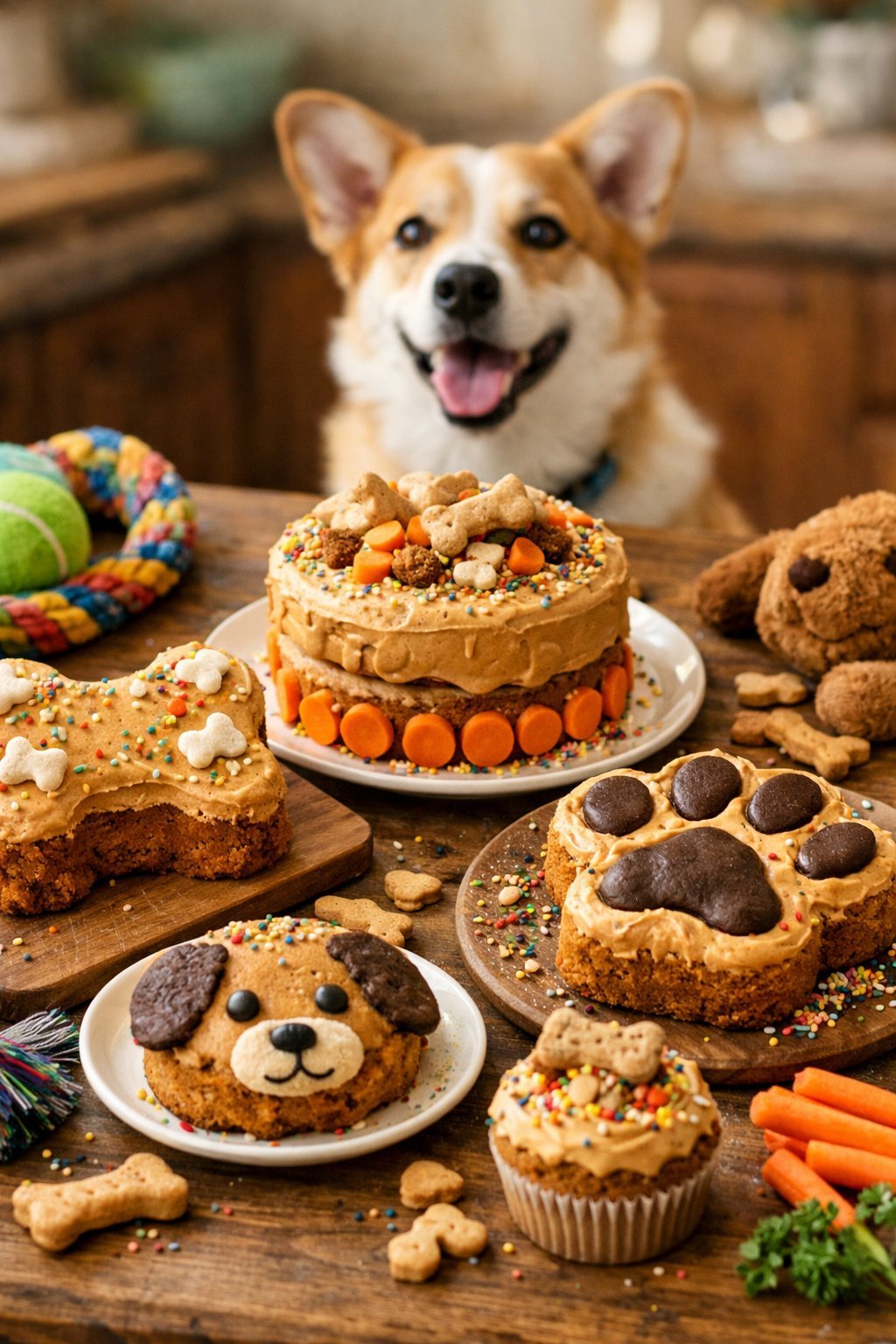
Dog cakes can take countless forms, from puppy-shaped treats to breed-specific designs. The right design depends on your dog’s personality, the occasion, and how much time you want to spend decorating.
Fun Shapes and Themes
I love creating cakes shaped like bones, fire hydrants, and dog bowls. These classic shapes work well for any dog celebration and are easier to make than complex designs.
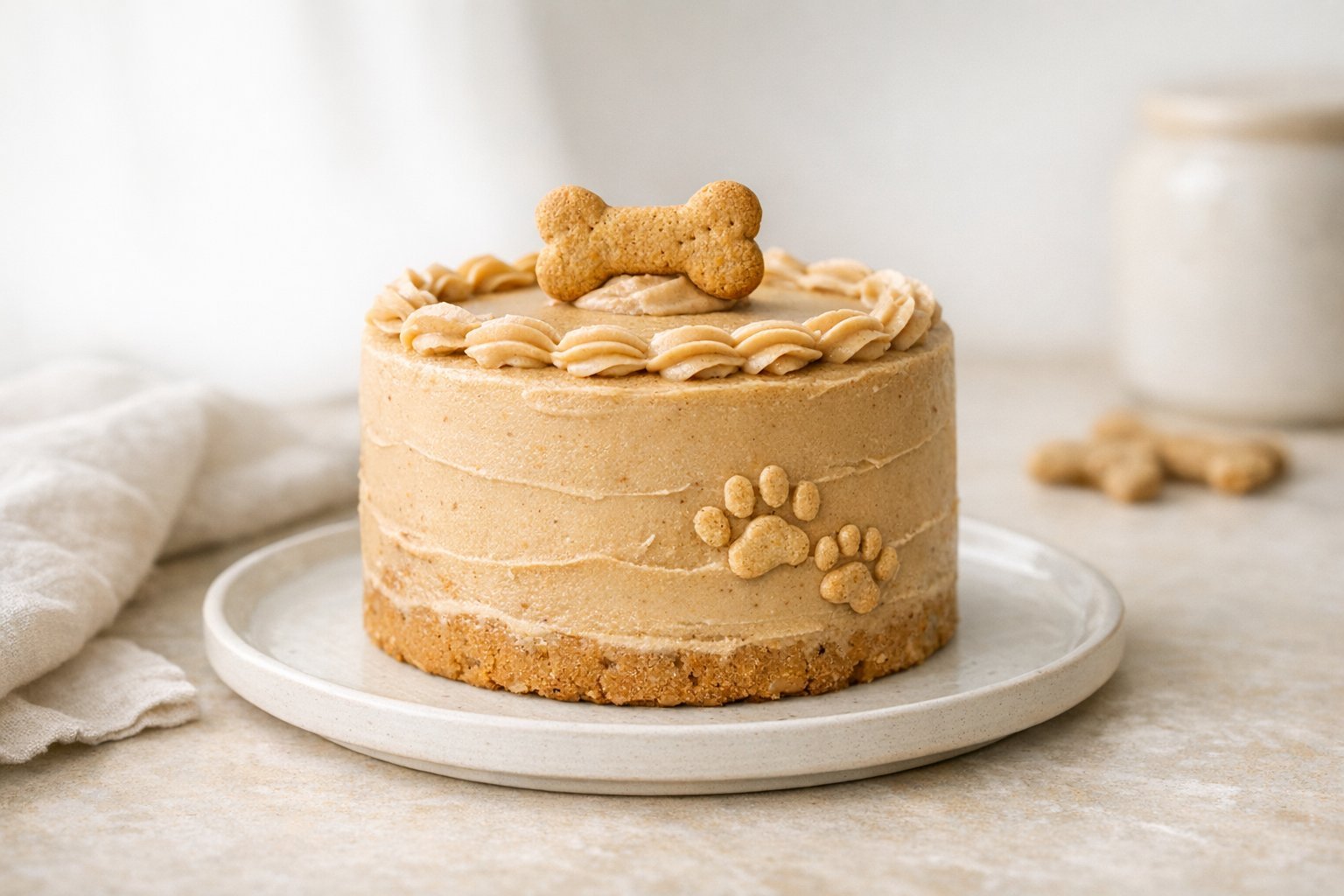
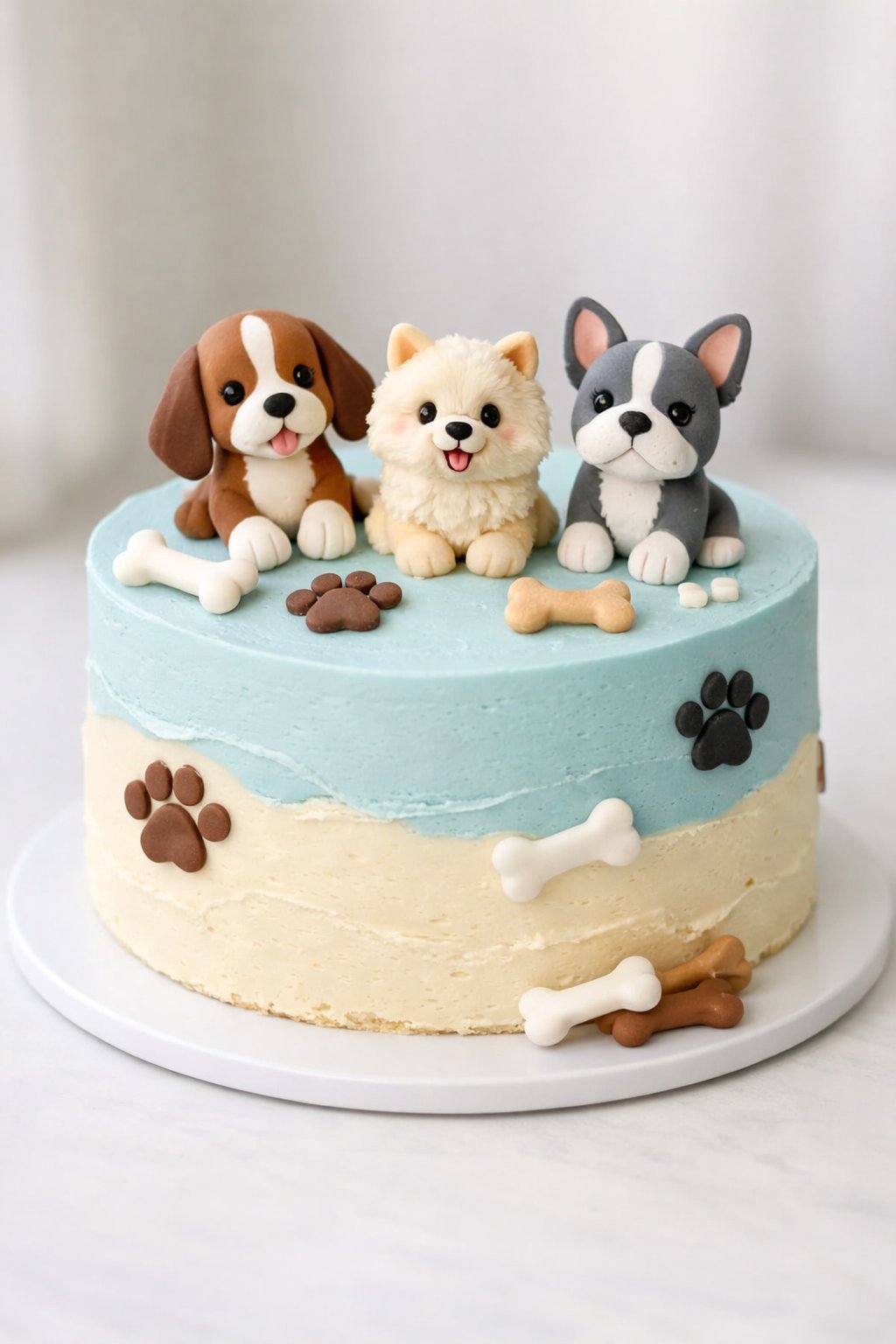
Paw print patterns are another popular choice. I can pipe them onto the frosting or use stencils for a cleaner look. Some dog cake designs feature puppy faces with fondant or frosting details like ears, noses, and tongues.
Three-dimensional cakes shaped like actual dogs require more skill but create amazing results. I’ve seen bakers form the cake into a sitting puppy or lying dog using carved layers.
Food bowl cakes are fun and simple. I bake the cake in a bowl-shaped pan and decorate it to look like kibble or dog food spilling out.
Holiday and Birthday Designs
Birthday cakes for dogs can include number candles, colorful balloons made from fondant, and “Happy Birthday” messages written in dog-safe frosting. I often use a two-tier design with pink and white colors for a festive look.
Christmas dog cakes work well with red and green color schemes. I add fondant decorations like Santa hats, bones wrapped as presents, or tiny dog stockings.
Halloween brings opportunities for pumpkin-flavored cakes decorated with orange frosting and black paw prints. Valentine’s Day cakes can feature heart shapes with pink or red frosting.
Summer parties call for beach-themed cakes with blue frosting “water” and fondant beach balls. These seasonal designs make celebrations feel more special for both dogs and their owners.
Personalizing For Your Dog
I always consider my dog’s breed when designing cakes. Breed-specific cake designs can capture unique features like a pug’s wrinkled face or a dalmatian’s spots.
Adding my dog’s name to the cake makes it extra special. I pipe it onto the top layer or create letter-shaped treats to place around the cake.
Color choices matter too. I pick frosting colors that match my dog’s fur or favorite toys. A golden retriever might get a yellow cake while a black lab inspires chocolate-colored frosting.
Including elements my dog loves helps personalize the design. If my pup adores tennis balls, I add fondant versions to the decoration. Dogs who love swimming might get a pool-themed cake with blue waves.
Serving Your Dog Cake
When it comes time to give your dog their special cake, the amount you serve depends on their size and weight. I recommend treating cake as an occasional treat rather than a regular part of your dog’s diet.
Portion Sizes Based On Dog Size
I always adjust cake portions based on how much my dog weighs. Small dogs under 20 pounds should get no more than a couple of tablespoons or one small cupcake-sized portion. Medium dogs between 20-50 pounds can have about a quarter cup or one regular slice.
Large dogs over 50 pounds can enjoy up to half a cup or two slices. These amounts keep treats under 10% of your dog’s daily calories.
I cut the cake into bite-sized pieces that match my dog’s mouth size to prevent choking. For tiny dogs, I make pieces about the size of a nickel. Larger dogs can handle bigger chunks.
Remember to consider your dog’s dietary restrictions and allergies when deciding how much to serve. If your dog has never eaten the ingredients before, I suggest starting with just a taste to watch for any reactions.
How Often Can Dogs Eat Cake?
I save dog cake for special occasions only. Birthdays, adoption anniversaries, or major holidays are perfect times to offer this treat.
Feeding cake too often can lead to weight gain and upset stomachs. I stick to serving cake no more than once a month, and even less frequently is better. Most of the time, I give my dog their regular healthy treats instead.
Between cake servings, I make sure my dog eats their normal balanced diet. Cake shouldn’t replace meals or become an expected daily food. When I do serve cake, I reduce my dog’s regular food slightly that day to account for the extra calories.