
Mini Bernedoodle: Your Complete Guide to This Adorable Designer Breed

I’ve spent years studying different dog breeds, and the Mini Bernedoodle has become one of the most popular choices for families looking for a smaller companion dog. A Mini Bernedoodle is a crossbreed between a Bernese Mountain Dog and a Miniature Poodle, typically weighing between 25 to 49 pounds when fully grown and standing 18 to 22 inches tall.
These dogs combine the friendly nature of the Bernese Mountain Dog with the intelligence of the Poodle in a more manageable size.
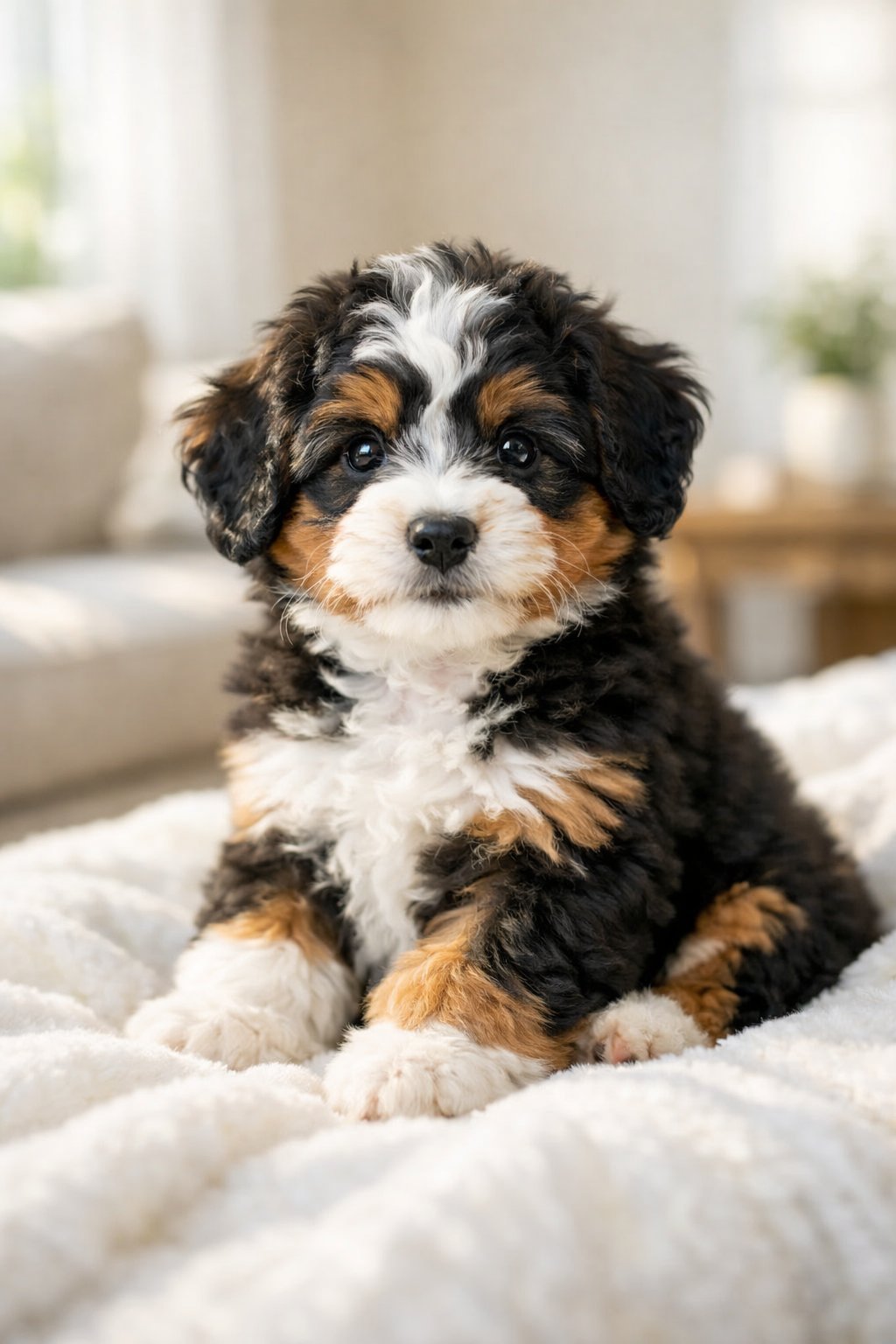
What makes these dogs stand out is their adaptable personality and lower shedding coat compared to purebred Bernese Mountain Dogs. People are drawn to their teddy bear appearance and gentle temperament.
They work well in apartments and houses alike, as long as they get proper exercise and attention.
Before you decide if a Mini Bernedoodle is right for you, there are important things to know about their care, training needs, and health considerations. I’ll walk you through everything from their temperament and personality traits to daily grooming requirements.
Key Takeaways
- Mini Bernedoodles are a crossbreed that combines the best traits of both parent breeds in a compact size perfect for various living situations.
- These dogs require regular grooming, consistent training, and daily exercise to stay healthy and happy.
- Understanding their potential health issues and lifespan helps you prepare for long-term care and find a responsible breeder.
What Is a Mini Bernedoodle?

A Mini Bernedoodle is a crossbreed dog that combines a Bernese Mountain Dog with a Miniature Poodle, creating a smaller version of the standard Bernedoodle. These dogs typically weigh between 25 to 50 pounds and offer the intelligence of Poodles along with the loyal, affectionate personality of Bernese Mountain Dogs.
Mini Bernedoodle Origins
The Mini Bernedoodle is a hybrid breed that was created by intentionally crossing two purebred parent dogs. Breeders started developing this mix to combine the best traits of both breeds into one compact package.
The goal was to create a dog that had the Poodle’s hypoallergenic coat and the Bernese Mountain Dog’s gentle, friendly nature. Breeders specifically chose the Miniature Poodle rather than the Standard Poodle to keep the size manageable for more families.
This crossbreed has become increasingly popular over the past decade. People wanted the lovable Bernedoodle personality in a smaller, more apartment-friendly size.
Physical Characteristics
Mini Bernedoodles typically weigh between 25 to 50 pounds and stand about 18 to 22 inches tall at the shoulder. Their coat is usually wavy or curly and comes in various colors including black, white, and brown combinations.
One of their most appealing features is their low- to non-shedding coat, making them a good choice for people with allergies. The coat texture can vary depending on which parent the puppy takes after more.
Their appearance often includes the distinctive tri-color pattern of the Bernese Mountain Dog mixed with the Poodle’s coat texture. They have expressive eyes and floppy ears that give them an adorable, teddy bear-like appearance.
Common Size Variations
While Mini Bernedoodles are already the smaller version, there’s actually an even tinier option available. Micro Mini Bernedoodles typically weigh 10-25 pounds and stand 10-17 inches tall, making them the smallest variation.
The size variations depend on the specific Poodle parent used in breeding:
- Mini Bernedoodle: 25-50 lbs, bred with Miniature Poodle
- Micro Mini Bernedoodle: 10-25 lbs, bred with Toy or Miniature Poodle
Standard Bernedoodles are created by crossing a Standard Poodle with a Bernese Mountain Dog, resulting in much larger dogs. The generation also matters—F1B Bernedoodles (75% Poodle, 25% Bernese) tend to be smaller and shed even less than F1 generations.
Personality and Temperament
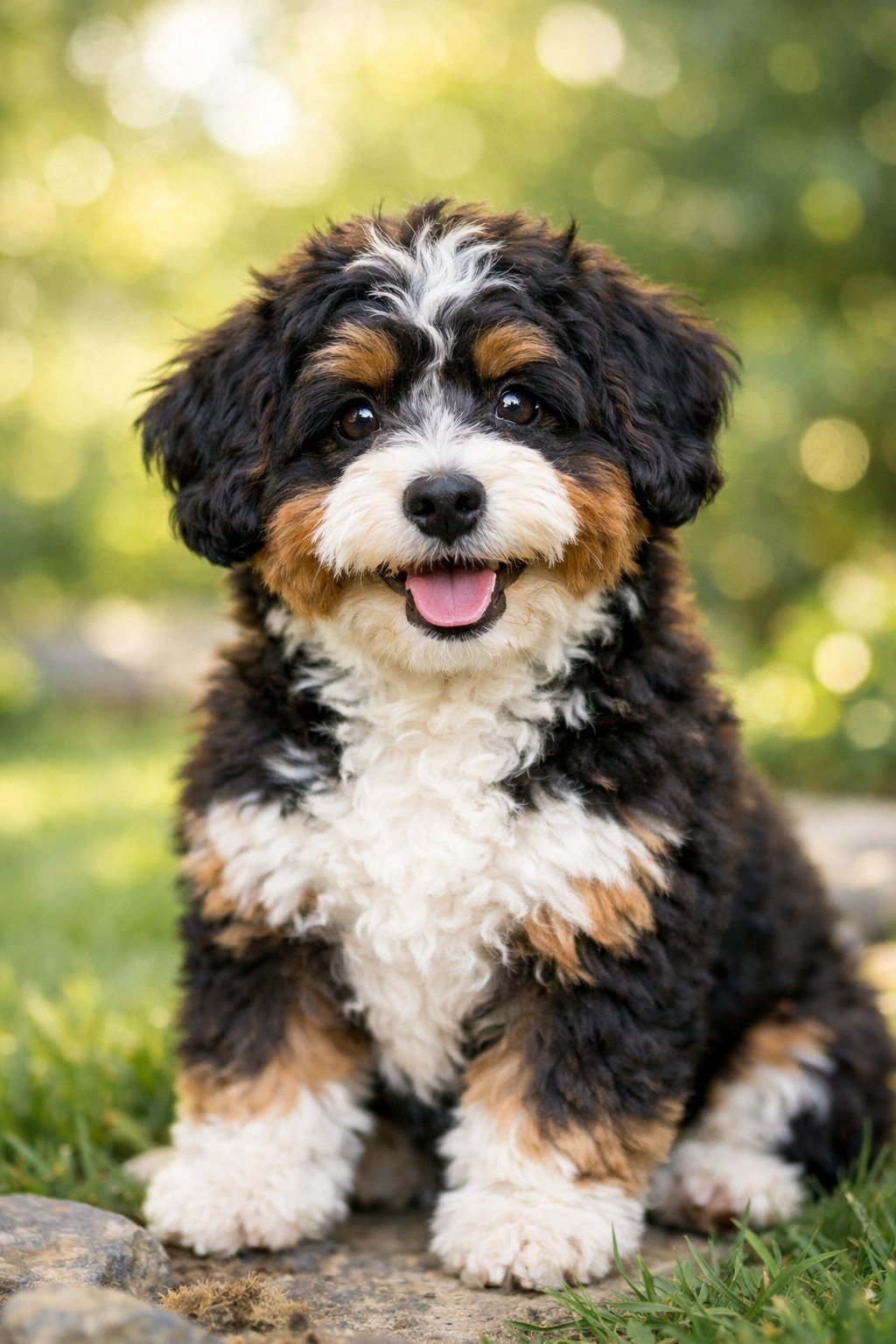
Mini Bernedoodles are affectionate, intelligent, and playful dogs that bring joy to their families. Their friendly nature and adaptability make them excellent companions for various living situations.
Family Compatibility
Mini Bernedoodles excel as family pets because of their gentle and loving disposition. They form strong bonds with all family members and show particular patience with children.
These dogs thrive on human interaction and prefer to be included in daily activities rather than left alone for long periods. Their friendly and sociable nature makes them well-suited for first-time dog owners.
Mini Bernedoodles are eager to please, which makes training easier compared to more stubborn breeds. They respond well to positive reinforcement and enjoy learning new tricks.
These dogs can develop separation anxiety if left alone too frequently. They do best in homes where someone is around for most of the day or where they can accompany their owners on errands.
Interaction with Other Pets
Mini Bernedoodles typically get along well with other dogs and household pets when properly socialized. Introducing them to other animals early in puppyhood helps ensure positive relationships.
Their gentle temperament means they rarely show aggression toward other pets. These dogs enjoy having playmates and often do better with a companion animal in the home.
They match their energy level to other pets during playtime, showing appropriate caution with smaller animals. Proper supervision during initial introductions helps establish peaceful coexistence.
Energy Levels
Mini Bernedoodles have moderate energy levels that require daily exercise and mental stimulation. They need about 30 to 60 minutes of activity each day, which can include walks, playtime, or training sessions.
They’re active enough to enjoy outdoor adventures but calm enough to relax indoors afterward. Their personality changes throughout different life stages, with puppies showing more exuberance than adults.
Young Mini Bernedoodles can be quite playful and sometimes rambunctious during their first two years. Adult dogs typically settle into a more balanced routine with predictable energy patterns.
These dogs aren’t hyperactive but do need regular physical and mental challenges to prevent boredom. Without adequate stimulation, they may develop unwanted behaviors like excessive barking or chewing.
Health and Lifespan
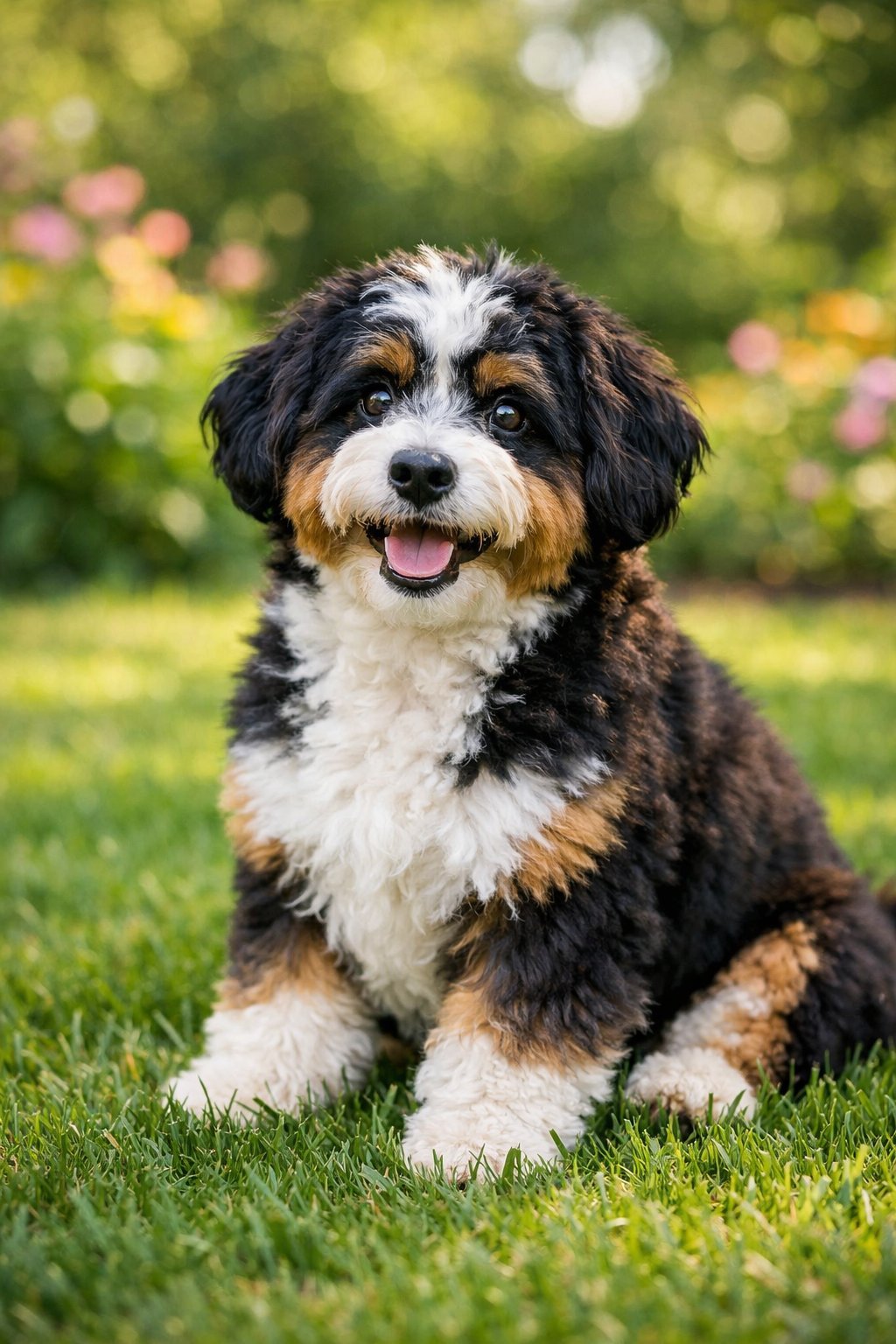
Mini Bernedoodles typically live 12-18 years and face some breed-specific health concerns that require attention. Proper preventative care and early detection can help these dogs live longer, healthier lives.
Common Health Concerns
Mini Bernedoodles can inherit health issues from both their Bernese Mountain Dog and Poodle parents. Hip dysplasia is one of the most common problems in this breed.
This condition affects the hip joint and can cause pain or difficulty walking. Heart issues and certain cancers are other concerns that affect Mini Bernedoodles.
Elbow dysplasia, which is similar to hip dysplasia but affects the front legs, also appears in some dogs. Eye problems like progressive retinal atrophy can lead to vision loss over time.
Skin conditions are fairly common too, especially since Poodles are prone to allergies. Working with a reputable breeder who tests their breeding dogs for these genetic conditions is important.
Expected Lifespan
Mini Bernedoodles generally live 12-18 years, which is longer than their standard-sized relatives. The smaller size works in their favor when it comes to longevity.
Mini Bernedoodles often reach 15-18 years with proper care. Tiny or Micro-Mini versions may live even longer, sometimes up to 18 years.
This is because smaller dogs typically have longer lifespans than larger breeds. Genetics play a big role, which is why choosing a good breeder matters.
Diet, exercise, and regular vet care also make a real difference in your dog’s lifespan.
Preventative Care Tips
Regular vet checkups should be scheduled at least once a year, or twice yearly for senior dogs. These visits help catch health problems early when they’re easier to treat.
A balanced diet suited to your dog’s age and activity level is important. Avoid overfeeding since obesity shortens lifespan and worsens joint problems.
Daily exercise keeps Mini Bernedoodles at a healthy weight and supports joint health. Mental stimulation matters just as much as physical activity.
Provide puzzle toys, training sessions, and social interaction. Keep up with dental care by brushing teeth regularly and getting professional cleanings.
Ask your breeder about health testing results for the parents. Good breeders screen for hip dysplasia, eye problems, and heart conditions before breeding.
Grooming and Maintenance

Mini Bernedoodles need regular grooming to keep their coats healthy and prevent matting. The amount of care required depends on their coat type.
All Mini Bernedoodles benefit from consistent brushing and professional grooming every 6-8 weeks.
Coat Types
Mini Bernedoodles can have three different coat types: curly, wavy, or straight. The curly coat looks similar to a Poodle’s fur and requires the most maintenance.
curly coats need more grooming than the other types because they mat easily. The wavy coat is the most common type.
It falls somewhere between curly and straight in terms of texture and grooming needs. Straight coats are the rarest and look more like a Bernese Mountain Dog’s fur.
They’re typically easier to maintain but shed more than curly coats. You can usually tell what coat type your Mini Bernedoodle will have by 6-8 weeks of age.
Shedding and Allergies
Mini Bernedoodles are often considered low-shedding dogs, but this varies by coat type. Curly-coated dogs shed the least and are the best choice for people with allergies.
Wavy coats shed a bit more but still less than many other breeds. Straight-coated Mini Bernedoodles shed the most because they inherit more Bernese Mountain Dog traits.
No dog is truly hypoallergenic, but curly-coated Mini Bernedoodles come close. The amount of Poodle genetics in your dog affects shedding levels.
F1B Mini Bernedoodles (75% Poodle) typically shed less than F1 generation dogs (50% Poodle).
Recommended Grooming Routine
I recommend brushing your Mini Bernedoodle at least 3-4 times per week. Dogs with curly coats need daily brushing to prevent mats and tangles.
Basic grooming tasks include:
- Brushing the coat thoroughly
- Cleaning ears weekly
- Trimming nails every 3-4 weeks
- Brushing teeth daily or several times per week
- Cleaning around the eyes to prevent tear stains
Professional grooming should happen every 6-8 weeks. During these visits, your groomer will trim the coat, clean the ears, and handle tasks that are difficult to do at home.
Between professional visits, I bathe my Mini Bernedoodle every 4-6 weeks or when they get dirty. Use a dog-specific shampoo to protect their skin and coat.
Training and Exercise Needs
Mini Bernedoodles inherit intelligence from both parent breeds. They are highly trainable dogs that respond well to positive reinforcement.
They need daily physical activity and mental stimulation to stay happy and healthy.
Basic Training Tips
I recommend starting training as early as possible with your Mini Bernedoodle puppy. These dogs are smart and eager to please, which makes them fantastic learners when you use the right approach.
Positive reinforcement works best with this breed. I always use treats, praise, and play to reward good behavior.
Focus on these essential commands first:
- Sit – The foundation for all other training
- Stay – Builds impulse control
- Come – Critical for safety
- Down – Helps with calm behavior
- Leave it – Prevents unwanted chewing or eating
Keep training sessions short and fun. I aim for 5-10 minute sessions several times per day rather than one long session.
Consistency is key when training your Mini Bernedoodle. Everyone in your household should use the same commands and rules.
Socialization Approach
I start socializing my Mini Bernedoodle puppies as early as 8 weeks old. Early exposure to different people, animals, sounds, and environments helps them grow into confident adult dogs.
Introduce your puppy to various experiences gradually. I make sure each new situation feels positive and not overwhelming.
Take your Mini Bernedoodle to different locations like parks, pet stores, and outdoor cafes. Let them meet friendly dogs and people of all ages.
Puppy classes offer structured socialization opportunities. I find these classes helpful for both training and meeting other dogs in a controlled setting.
Watch your puppy’s body language during socialization. If they seem scared or stressed, I slow down and give them more time to adjust.
Exercise Requirements
Adult Mini Bernedoodles need 30-60 minutes of exercise per day. I usually split this into two or three sessions to keep them engaged without overdoing it.
Puppies need less exercise than adults. I follow the rule of 5 minutes of exercise per month of age, 1-3 times daily.
Age-Based Exercise Guide:
| Age | Exercise Duration | Frequency |
|---|---|---|
| 2-3 months | 10-15 minutes | 2-3 times daily |
| 4-6 months | 20-30 minutes | 2-3 times daily |
| Adult | 30-60 minutes | 1-2 times daily |
I mix different activities to keep my Mini Bernedoodle mentally and physically stimulated. Walking, fetch, swimming, and puzzle toys all work well.
Mental exercise is just as important as physical activity. I use training sessions, food puzzles, and interactive games to tire out their smart minds.
Choosing a Mini Bernedoodle
Getting a Mini Bernedoodle requires careful planning and research. I’ll walk you through the essential steps of finding the right breeder, considering adoption options, and knowing what questions to ask.
Finding a Reputable Breeder
I always recommend starting your search with breeders who perform health testing on both parent dogs. A good breeder will test for hip dysplasia, elbow dysplasia, eye conditions, and von Willebrand’s disease.
These tests help reduce the risk of genetic health problems. Look for breeders who raise puppies in their home rather than kennels.
Puppies need early socialization with people and household sounds to develop into confident dogs. I suggest visiting the breeder’s facility in person to see where the puppies live and meet the parent dogs.
Ask to see health certificates and genetic testing results for both parents. Reputable breeders will gladly share this information and answer all your questions.
They should also provide a health guarantee for your puppy, typically covering at least the first two years. Watch out for red flags like breeders who won’t let you visit, have multiple litters available at once, or can’t provide health documentation.
When choosing between Mini and Standard Bernedoodles, a quality breeder will help match you with the right size for your lifestyle.
Adoption Considerations
Adopting a Mini Bernedoodle from a rescue can be a rewarding experience. I’ve found that rescue dogs often cost less than puppies from breeders, usually ranging from $300 to $600 in adoption fees.
Many doodle-specific rescues and general dog rescues have Bernedoodles available. Search for breed-specific rescues in your area or check websites like Petfinder and Adopt-a-Pet.
These organizations often have adult dogs who are already house-trained and past the puppy chewing stage. Keep in mind that rescue dogs may come with unknown histories.
Some might need extra training or patience as they adjust to their new home. I recommend asking the rescue about the dog’s temperament, any behavioral issues, and their experience with children or other pets.
Adult Mini Bernedoodles from rescues can make excellent companions. They’re often calmer than puppies and their personality is already fully developed, so you’ll know exactly what you’re getting.
Questions to Ask Before Bringing Home
I always prepare a list of questions before committing to a Mini Bernedoodle. Start by asking about the puppy’s parents and their temperaments.
The parents’ personalities often indicate how your puppy will behave as an adult.
Essential questions to ask:
- What health testing was done on both parents?
- Can I see the health certificates and test results?
- What is included in the health guarantee?
- Has the puppy been socialized with children and other pets?
- What vaccinations has the puppy received?
- What food is the puppy currently eating?
Ask about the puppy’s generation (F1, F1B, F2). This tells you the mix of Bernese Mountain Dog and Poodle genetics.
The generation affects coat type and shedding. F1B Mini Bernedoodles have more Poodle genetics and typically shed less.
I also recommend asking what support the breeder offers after you take the puppy home. Good breeders stay available to answer questions and provide guidance throughout your dog’s life.
They should be willing to take the dog back if circumstances change and you can’t keep them.
