
Dog Nutrition: A Friendly Guide to Feeding Your Furry Friend the Right Way

Dog Nutrition – Your dog’s health depends largely on what goes in their food bowl every day. Just like humans need balanced meals to stay healthy, dogs require specific nutrients to thrive at every stage of life.
Many pet owners feel confused by conflicting advice about commercial foods, raw diets, supplements, and portion sizes.
Dogs need six essential nutrients to maintain their health: protein, carbohydrates, fats, vitamins, minerals, and water. Getting the right balance of these nutrients helps your dog maintain a healthy weight, strong immune system, and good energy levels.
This guide will help you understand what your dog really needs and how to provide it.
Understanding what your dog should eat doesn’t have to be complicated. Here are the basics of dog nutrition, how to pick quality food, and practical feeding tips.
Key Takeaways
- Dogs require six core nutrients in their diet to support overall health and body functions.
- The right food choice depends on your dog’s age, size, activity level, and any special health conditions.
- Following proper feeding guidelines and avoiding common myths helps prevent nutrition-related health problems.
This post contains affiliate links. As an Amazon Associate I earn from qualifying purchases.
What you’ll need to make it:
Large slow cooker, Digital kitchen scale, Freezer-safe meal prep containers, Silicone freezer portion trays, Fish oil for dogs, Nutrient mix for homemade dog food.
Understanding Dog Nutrition

Dogs need specific nutrients to stay healthy. Getting the balance right means understanding what proteins, fats, carbohydrates, vitamins, and minerals do for their bodies.
Dog nutrition encompasses balanced diets, tailored supplements, and proper feeding practices to support your dog’s physical and mental well-being.
Essential Nutrients for Dogs
Every dog needs six basic types of nutrients to survive and thrive. These include water, proteins, fats, carbohydrates, vitamins, and minerals.
Water is the most important nutrient of all. Dogs generally need about 1 ounce of water per pound of body weight each day, though this changes based on activity level and climate.
Protein builds and repairs muscles, organs, and tissues. It also supports the immune system and provides energy when needed.
Dogs get protein from meat, fish, eggs, and some plant sources.
Fats give dogs concentrated energy and help their bodies absorb certain vitamins. Fats also keep skin healthy and fur shiny.
Carbohydrates provide quick energy and help with digestion through fiber. While dogs don’t technically need carbs to survive, they can use them efficiently for fuel.
The Role of Macronutrients
Macronutrients are the nutrients dogs need in large amounts: proteins, fats, and carbohydrates. Each one plays a specific role in keeping your dog healthy.
Protein supports muscles, the immune system, and energy production. It’s made up of amino acids, which are like building blocks for your dog’s body.
Dogs need 22 different amino acids, and 10 of these must come from food because their bodies can’t make them.
Fats provide more than twice the energy of proteins or carbs per gram. They supply essential fatty acids like omega-3 and omega-6, which reduce inflammation and support brain function.
Carbohydrates break down into glucose, giving dogs instant energy for play and activity. Fiber, a type of carb, feeds good bacteria in the gut and helps with regular bowel movements.
Micronutrients and Their Benefits
Micronutrients include vitamins and minerals that dogs need in smaller amounts but are just as important for health.
Vitamins help with vision, bone growth, blood clotting, and immune function. Dogs need vitamins A, D, E, K, and B-complex vitamins.
Vitamin A supports eye health, while vitamin D helps absorb calcium for strong bones.
Minerals like calcium, phosphorus, magnesium, and zinc support bone development, nerve function, and enzyme activity. Understanding essential nutrients like vitamins and minerals for immunity helps prevent deficiencies.
Calcium and phosphorus work together to build strong bones and teeth. The ratio between them matters more than the amount of each.
Too much or too little of either mineral can cause skeletal problems, especially in growing puppies.
Choosing the Right Dog Food
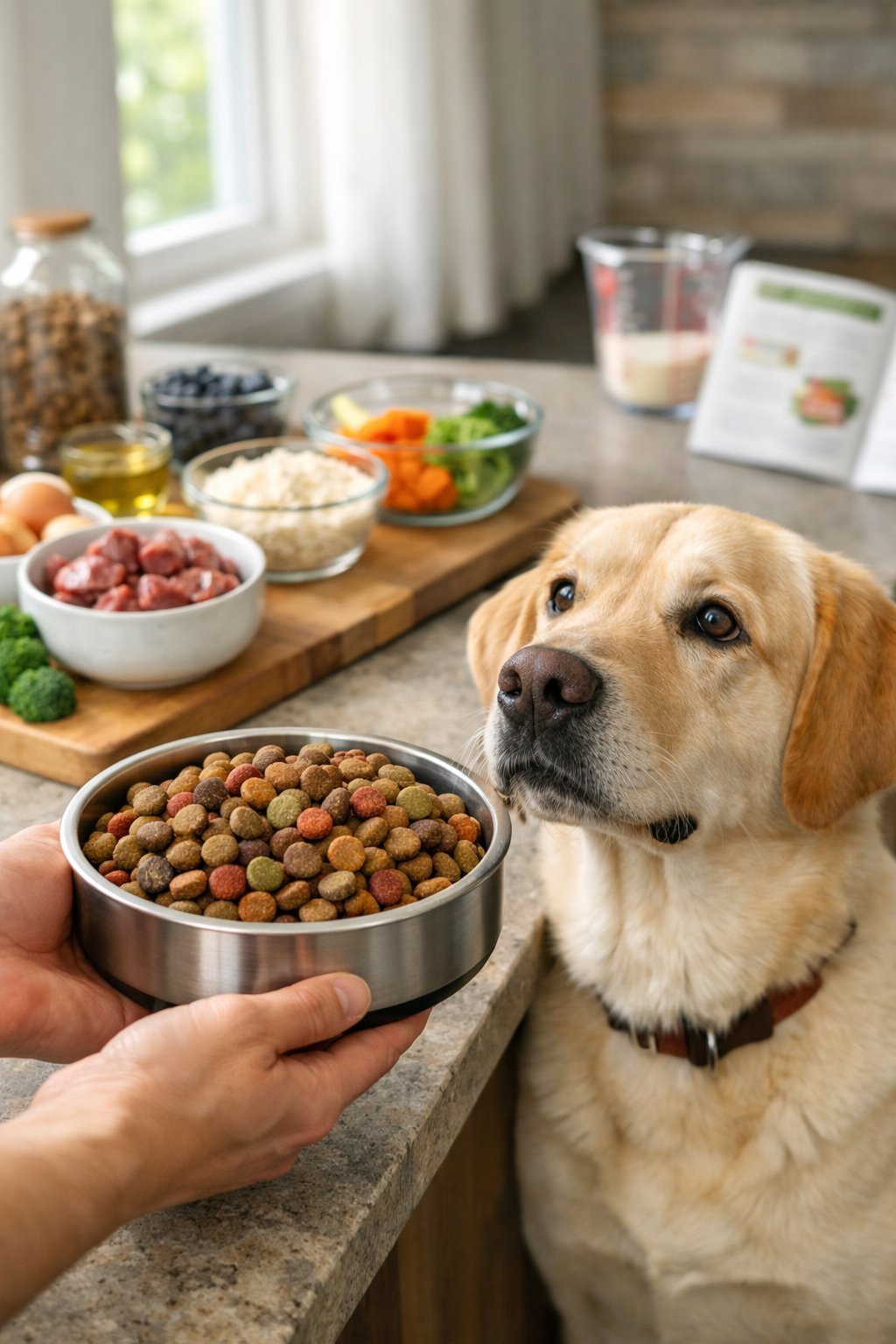
Picking the right food involves understanding different diet types, learning to read labels properly, and matching food to your dog’s age and needs.
Comparing Commercial and Homemade Diets
Commercial dog foods offer convenience and balanced nutrition that meets industry standards. Most brands formulate their recipes to include the right amounts of protein, fat, carbohydrates, vitamins, and minerals your dog needs.
You can choose from dry kibble, wet canned food, or fresh options. Kibble costs less and helps keep teeth clean.
Canned food has more moisture and tastes better to picky eaters.
Homemade diets give you full control over ingredients. You know exactly what goes into your dog’s bowl.
But making balanced homemade meals takes serious planning and work. Consult with a veterinary nutritionist before switching to homemade food.
Missing key nutrients can cause health problems over time. Getting the calcium-to-phosphorus ratio wrong or leaving out essential vitamins creates real risks.
How to Read Dog Food Labels
The ingredient list shows items in order by weight. Meat should appear in the first few ingredients for proper protein content.
Look for specific meat sources like “chicken” or “beef” rather than vague terms like “meat meal.” Understanding what food provides the most nutrients helps you make better choices.
The guaranteed analysis shows minimum percentages of protein and fat plus maximum percentages of fiber and moisture. Adult dogs typically need at least 18% protein and 5% fat.
Key label elements to check:
- AAFCO statement confirming complete and balanced nutrition
- Feeding guidelines based on weight
- Calorie content per cup
- Expiration date
Avoid foods with excessive fillers, artificial colors, or too many by-products. The fewer mystery ingredients, the better.
Selecting Food for Life Stages
Puppies need more calories, protein, and fat than adult dogs to support their growth. Feed puppy-specific formulas until your dog reaches about 80% of their expected adult size.
Large breed puppies require special formulas with controlled calcium levels. Too much calcium causes bone growth problems in big dogs.
Adult dogs from age one to seven need maintenance formulas. Choosing a diet that meets your dog’s life stage prevents both deficiencies and excesses.
Senior dogs over seven years old benefit from lower calorie foods to prevent weight gain. Their food should include joint-supporting ingredients and easy-to-digest proteins.
Pregnant or nursing dogs need puppy food because of higher energy demands. Active working dogs also require more calories than couch potatoes.
Special Dietary Needs
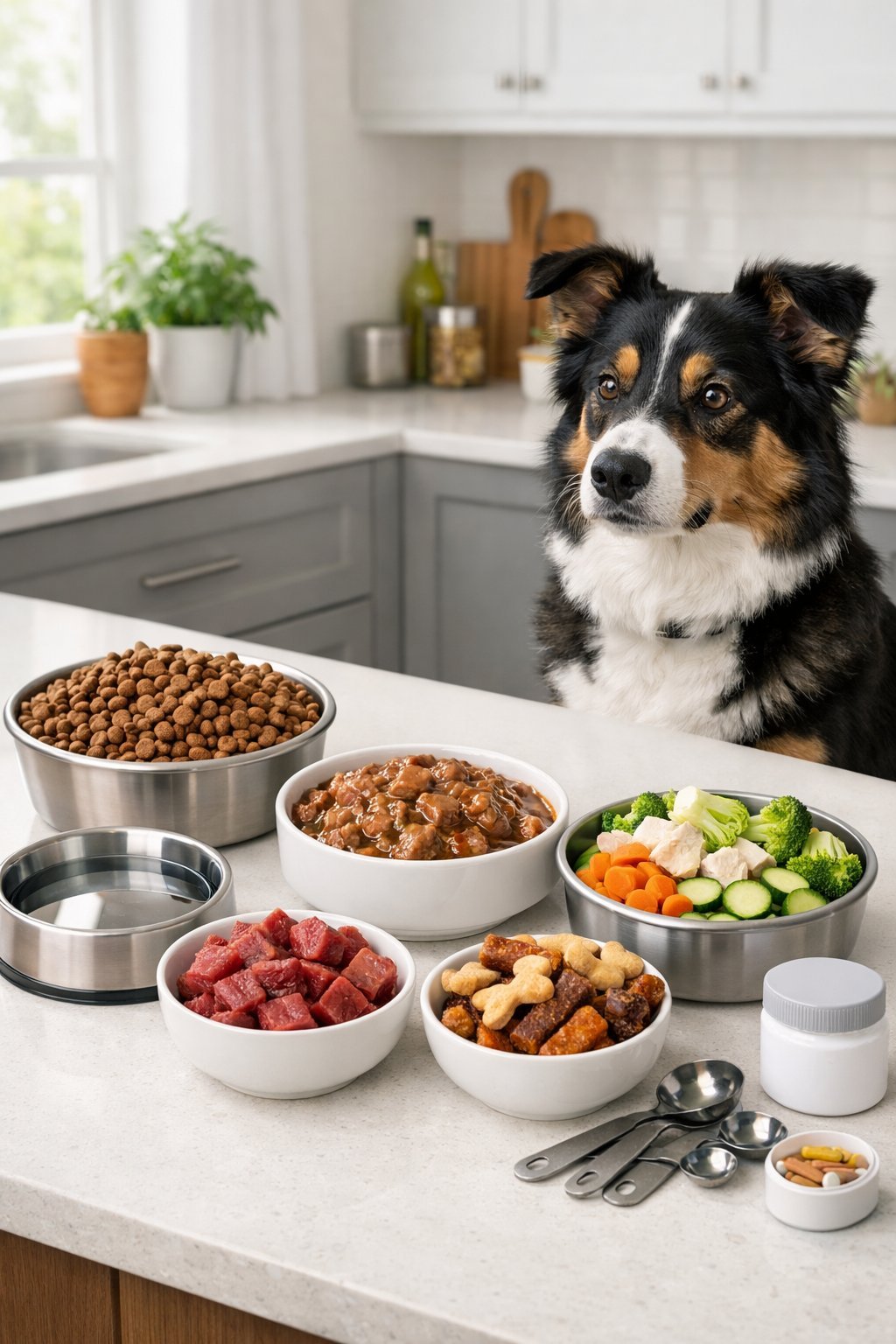
Dogs at different life stages and with various health conditions require specific nutrients in different amounts. Understanding these unique requirements helps you provide the best possible nutrition for your dog’s individual circumstances.
Nutritional Considerations for Puppies
Puppies need more calories and protein per pound of body weight than adult dogs because they’re growing rapidly. Make sure your puppy gets food specifically formulated for growth, which contains higher levels of calcium and phosphorus for bone development.
The right balance matters. Too much calcium can cause skeletal problems in large breed puppies, while too little can affect all puppies negatively.
Feed your puppy three to four times daily until they’re about six months old. This frequent feeding schedule supports their faster metabolism and smaller stomach capacity.
Puppy food should contain at least 22% protein and 8% fat to support proper development.
Large breed puppies have different needs than small breeds. Choose food labeled specifically for their size category to prevent growth disorders.
Nutrition for Senior Dogs
As dogs age past seven years, their metabolism slows down and they become less active. Adjust portions to prevent weight gain while maintaining muscle mass through adequate protein intake.
Senior dogs often benefit from foods with lower calories but higher quality protein. Joint support ingredients like glucosamine and chondroitin help with mobility issues.
Watch for signs your senior dog needs dietary changes. Dental problems may require softer food, while kidney function changes might need reduced phosphorus levels.
Antioxidants like vitamins E and C support aging immune systems. Look for senior formulas that include these nutrients along with omega-3 fatty acids for brain health.
Feeding Dogs with Health Conditions
Dogs with specific health conditions require tailored nutrition to manage their symptoms and support overall well-being. Work closely with your veterinarian to determine the right diet plan.
Common conditions requiring special diets include:
- Kidney disease (reduced protein and phosphorus)
- Diabetes (high fiber, complex carbohydrates)
- Food allergies (limited ingredient diets)
- Digestive issues (easily digestible proteins)
- Heart disease (reduced sodium)
Many commercial dog foods are designed for specific health conditions and dietary needs. Choose prescription diets when recommended by your vet for serious conditions.
Monitor your dog’s response to dietary changes carefully. Weight, energy levels, and symptom improvement tell you if the new diet is working effectively.
Feeding Guidelines and Best Practices

Establishing a consistent feeding routine helps maintain your dog’s health and prevents nutrition problems. The right portion sizes, treat limits, and feeding frequency depend on your dog’s age, size, and activity level.
How Much and How Often to Feed
Feed adult dogs twice a day, once in the morning and once in the evening. Puppies need more frequent meals—three to four times daily until they’re about six months old.
The amount of food your dog needs depends on several factors. A dog’s weight, age, and activity level all affect portion sizes.
Most dog food bags include feeding charts, but these are general guidelines. Start with the recommended amount and adjust based on your dog’s body condition.
You should be able to feel your dog’s ribs without pressing hard, but they shouldn’t be visible. If your dog is gaining weight, reduce portions by 10-25%.
If they’re losing weight or seem hungry, increase food gradually. Active dogs burn more calories and need larger portions than less active dogs.
Working dogs or highly active breeds may need 20-40% more food than the package suggests.
Safe Treats and Snacks
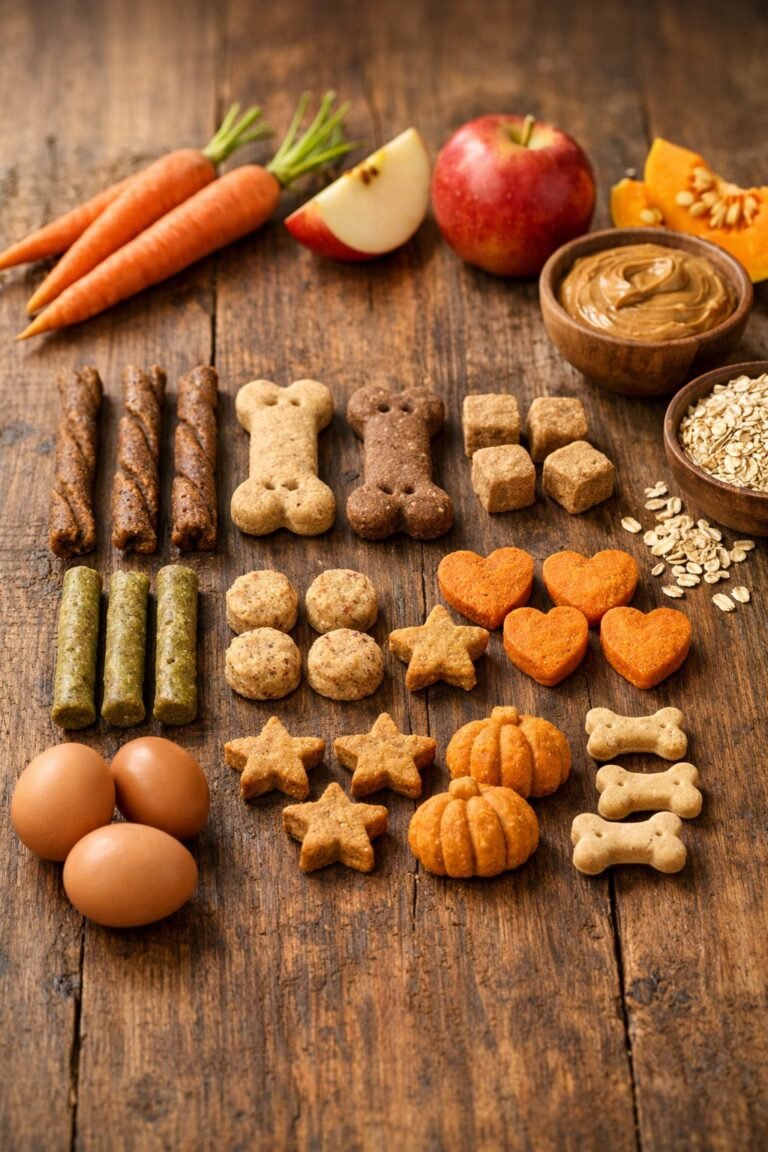
Keep treats to less than 10% of your dog’s daily calorie intake. This prevents weight gain and ensures they get most nutrients from their main meals.
Safe treat options include:
- Small pieces of cooked chicken, turkey, or lean beef
- Carrots, green beans, or apple slices (no seeds)
- Plain cooked sweet potato
- Small amounts of plain yogurt or pumpkin
- Commercial dog treats (low-calorie varieties)
Avoid giving your dog chocolate, grapes, raisins, onions, garlic, xylitol, macadamia nuts, or cooked bones. These foods are toxic and can cause serious health problems.
When using treats for training, count them as part of the daily food allowance. Break treats into smaller pieces so your dog gets rewards without extra calories.
Avoiding Overfeeding
Overfeeding leads to obesity, which affects over half of all dogs. Extra weight puts stress on joints and organs, and can shorten your dog’s life by up to two years.
I measure every meal with a standard measuring cup instead of eyeballing portions. Calorie density varies between brands, so what looks like the same amount might contain very different calorie counts.
I watch for signs of overfeeding like weight gain, difficulty breathing during exercise, or reluctance to play. If I notice these signs, I reduce portions by 10% and monitor for two weeks.
Free feeding (leaving food out all day) makes it hard to control portions. I stick to scheduled meal times and remove uneaten food after 15-20 minutes.
This helps me track exactly how much my dog eats and prevents grazing behavior that leads to weight gain.
Common Dietary Myths and Mistakes
Dog owners often make feeding choices based on incorrect information that can harm their pets’ health. Understanding what’s true and what’s false about protein needs, grain-free options, and human food helps you make better decisions for your dog.
Misconceptions About Protein
I’ve heard many dog owners worry that too much protein will damage their dog’s kidneys. This is one of the most persistent myths about dog nutrition that simply isn’t true for healthy dogs.
High-quality protein supports your dog’s muscles, organs, and immune system. Dogs are designed to process protein efficiently, and excess protein is safely broken down and eliminated.
The real concern is protein quality, not quantity. Look for named meat sources like chicken, beef, or fish as the first ingredients.
Generic terms like “meat meal” or “animal by-products” indicate lower quality protein. Cooking meat concentrates nutrients and provides more protein, calcium, phosphorus, and thiamine than raw meat.
This makes cooked protein easier for your dog to digest and absorb. Only dogs with existing kidney disease need protein restrictions, and even then, your vet should guide those decisions.
Myths About Grain-Free Diets
Grain-free dog foods became popular based on the idea that grains cause allergies and aren’t natural for dogs. I need to clear up these common misconceptions about grain-free diets because they can lead to serious health problems.
True grain allergies are actually rare in dogs. Most food allergies involve proteins like beef, dairy, or chicken rather than grains like rice or wheat.
The FDA investigated a link between grain-free diets and a heart condition called dilated cardiomyopathy (DCM). Many grain-free foods replace grains with peas, lentils, and potatoes, which may interfere with heart health.
Unless your dog has a diagnosed grain allergy, whole grains provide valuable nutrients:
- Fiber for digestive health
- B vitamins for energy
- Essential minerals
- Easy-to-digest carbohydrates
Dangers of Table Scraps
I understand the temptation to share your meal with those pleading eyes. Table scraps create multiple problems for your dog’s health and behavior.
Toxic foods commonly found in human meals include onions, garlic, grapes, raisins, chocolate, and xylitol. Even small amounts can cause serious illness or death.
Cooked bones splinter and can puncture your dog’s digestive tract.
Nutritional imbalance occurs when table scraps make up more than 10% of your dog’s diet. Human food disrupts the careful balance of nutrients in commercial dog food.
This can lead to deficiencies or excesses over time.
Fatty foods like bacon, fried items, or gravies can trigger pancreatitis, a painful and potentially life-threatening inflammation. High sodium content in processed human foods also puts stress on your dog’s kidneys and heart.
Behavioral issues develop when I feed from the table. Dogs learn to beg, steal food, or refuse their own meals.
This makes training harder and creates tension during family mealtimes.
If I want to give treats, I stick to dog-safe options like plain cooked chicken, carrots, or green beans. These should still stay under 10% of daily calories.