Big Dog Breeds: Your Complete Guide to Gentle Giants and Loyal Companions

Big dogs bring something special to a home. They have large personalities to match their size.
Many people love these gentle giants for their loyalty and calm nature.
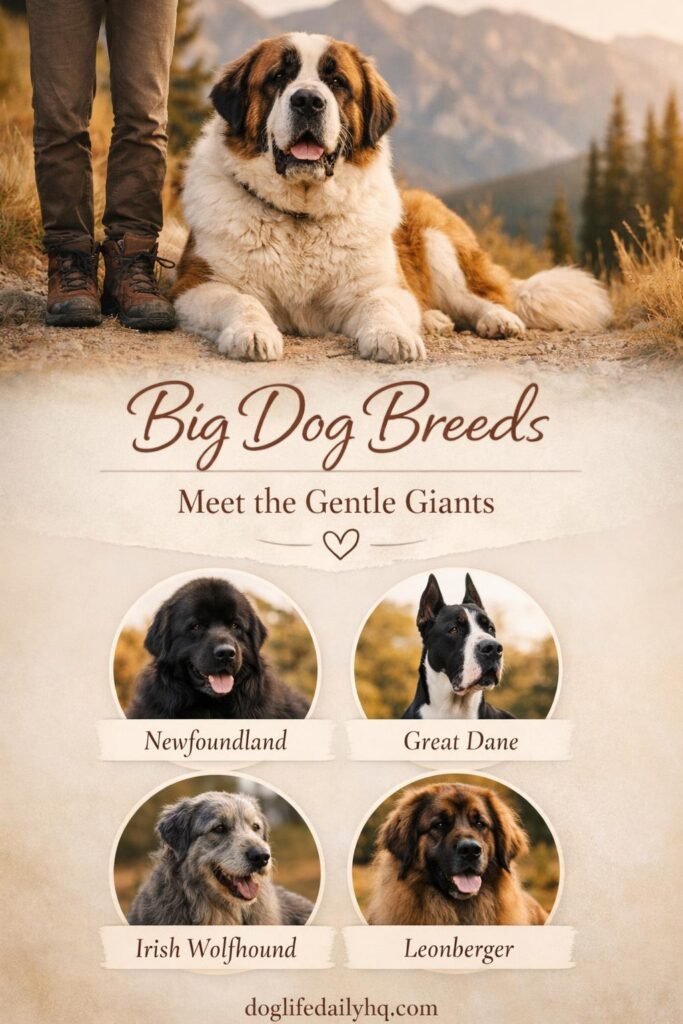
Big dog breeds include popular types like Great Danes, Mastiffs, Newfoundlands, and Irish Wolfhounds, with most weighing between 50 to over 200 pounds depending on the breed. These dogs need more space, food, and exercise than smaller breeds.
They also require early training and socialization to help them become well-behaved companions. I’ve put together this guide to help you learn about different large dog breeds and what it takes to care for them.
Whether you want a protective guard dog or a friendly family pet, you’ll find helpful information about choosing and living with a big dog.
Key Takeaways
- Big dog breeds range from 50 to over 200 pounds and include many different types with unique personalities and traits
- Large dogs need more food, space, exercise, and veterinary care than smaller breeds throughout their lives
- Early training and socialization are critical for big dogs to prevent behavioral problems and ensure they’re safe around people and other pets
Overview of Big Dog Breeds
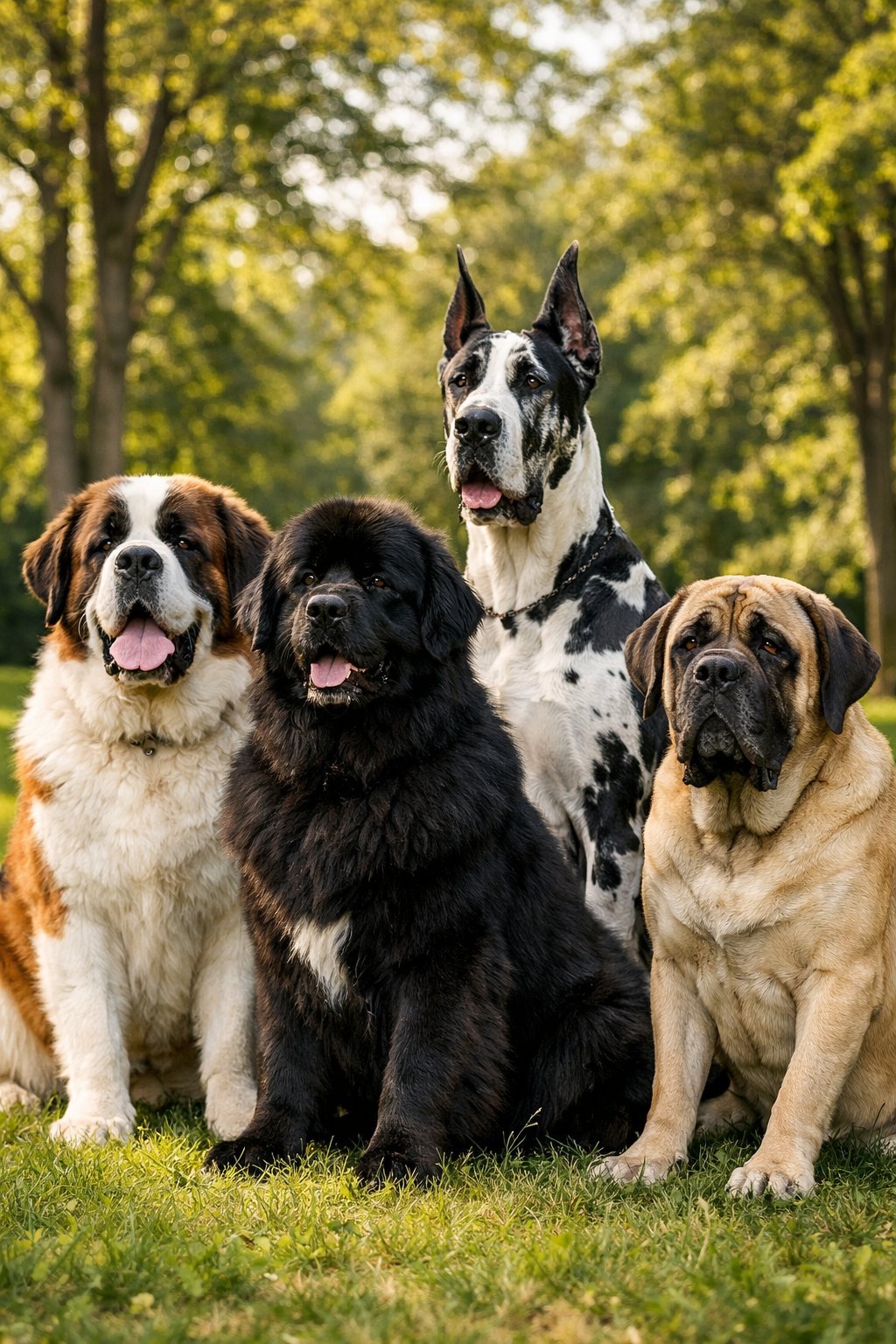
Large breed dogs typically weigh over 50 pounds when fully grown and often stand more than 22 inches tall at the shoulder. These impressive canines have diverse backgrounds, from working alongside humans for centuries to serving as loyal family companions.
Defining Large Breed Dogs
I consider a dog to be a large breed when it weighs between 50 and 100 pounds at full maturity. Giant breeds go even further, often exceeding 100 pounds or more.
Height is another factor I look at when defining large dog breeds. Most stand at least 22 to 26 inches tall at the shoulder.
Some giant breeds like Great Danes can reach 30 inches or taller. Veterinarians and breed organizations use these measurements to classify dogs.
This matters because large breeds have different nutritional needs, health concerns, and care requirements than smaller dogs. Body structure also plays a role.
Some large breeds have heavy, muscular builds while others are tall and lean.
Characteristics of Big Dog Breeds
I find that most big dogs prefer to relax throughout the day despite their massive size. They often have calm, gentle temperaments that make them wonderful family pets.
Many large breeds were developed as working dogs. This means they’re intelligent and trainable, though some can be stubborn.
They need regular exercise but usually not as much as high-energy smaller breeds.
Common traits include:
- Loyal and protective nature
- Patient with children
- Need for space due to size
- Deep, loud barks
- Shorter lifespans (typically 7-10 years)
Large breeds eat significantly more food than small dogs. They also need bigger beds, crates, and other supplies.
Their size means higher costs for food, medications, and veterinary care.
History and Origins
Humans bred large dog breeds for specific jobs throughout history. Many worked as livestock guardians, protecting sheep and cattle from predators.
Others pulled carts, hunted large game, or guarded property. The Mastiff family has ancient roots dating back thousands of years.
These dogs served in war and as estate guardians across Europe and Asia. Mountain breeds like the Bernese Mountain Dog and Great Pyrenees developed in harsh climates.
They needed size and strength to work in difficult terrain. Hunting breeds such as Irish Wolfhounds were bred tall and fast to chase down wolves and deer.
Some large breeds started as royal companions. The Great Dane, despite its name, originated in Germany as a boar-hunting dog for nobility.
Today, most large breeds have transitioned from working roles to family companions, though many still retain their protective instincts.
Popular Types of Big Dog Breeds
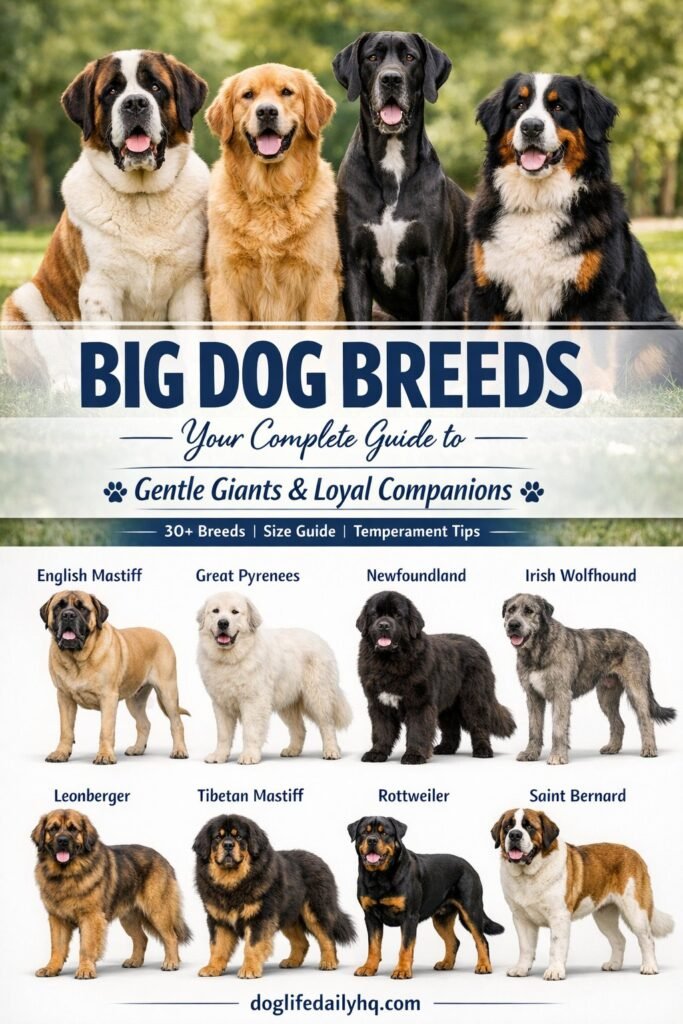
Large dogs serve many different roles, from protecting property to being loving family pets. Some breeds excel at specific jobs while others are known for their calm and friendly nature.
Working Breeds
Working breeds are dogs that were bred to perform specific tasks like pulling sleds, guarding livestock, or rescuing people. These dogs are smart and need a job to stay happy.
The Bernese Mountain Dog is one of many large dog breeds that falls into this category. They originally pulled carts and herded cattle in Switzerland.
The Siberian Husky and Alaskan Malamute were bred to pull sleds across long distances in cold weather. Rottweilers started as cattle drovers and guard dogs.
They’re strong and confident workers. Saint Bernards were famous rescue dogs in the Swiss Alps, saving travelers lost in the snow.
These breeds need regular exercise and mental challenges. I recommend giving them tasks to complete or training them for dog sports.
Without enough activity, working breeds can become bored and develop behavior problems.
Guard Dogs
Guard dogs protect homes and families with their natural protective instincts. They’re loyal and alert, always watching for potential threats.
The German Shepherd is one of the most popular guard dogs. They work with police and military units around the world.
Doberman Pinschers are fast and fearless protectors with a sleek appearance. Mastiffs have been guarding property for thousands of years.
Their size alone scares away most intruders. The Great Pyrenees guards livestock and property with a calm but firm approach.
Guard dogs need proper training and socialization from a young age. These dogs must learn to tell the difference between real threats and normal situations.
They should be confident but not aggressive toward friendly visitors.
Family-Friendly Large Breeds
Some big dogs are known for being gentle and patient with children. These breeds make wonderful family companions.
The Golden Retriever and Labrador Retriever top the list of family dogs. They’re playful, patient, and easy to train.
These dogs love spending time with all family members and get along well with kids. The Newfoundland is famous for being sweet and protective of children.
They’re sometimes called “nanny dogs” because of their gentle nature. Collies are another family favorite, known for their loyalty and intelligence.
Boxers bring energy and fun to active families. They’re playful and protective without being overly aggressive.
Irish Setters are friendly and outgoing dogs that thrive in busy households.
Gentle Giants
Gentle giants are the largest dog breeds that have calm and sweet personalities. Despite their size, they’re known for being relaxed and loving.
The Great Dane is often called the “Apollo of Dogs” for its impressive height. They can weigh over 100 pounds but act like lap dogs at home.
English Mastiffs are even heavier but move slowly and prefer lounging around the house. The Leonberger is a less common gentle giant with a lion-like appearance.
They’re patient and calm with everyone they meet. Scottish Deerhounds are tall, elegant dogs with a quiet and dignified nature.
These dogs need space because of their size, but they don’t require as much exercise as you might think. Most gentle giants prefer to relax all day rather than run around constantly.
They do need short daily walks and comfortable places to rest their large bodies.
Care Needs for Large Dogs
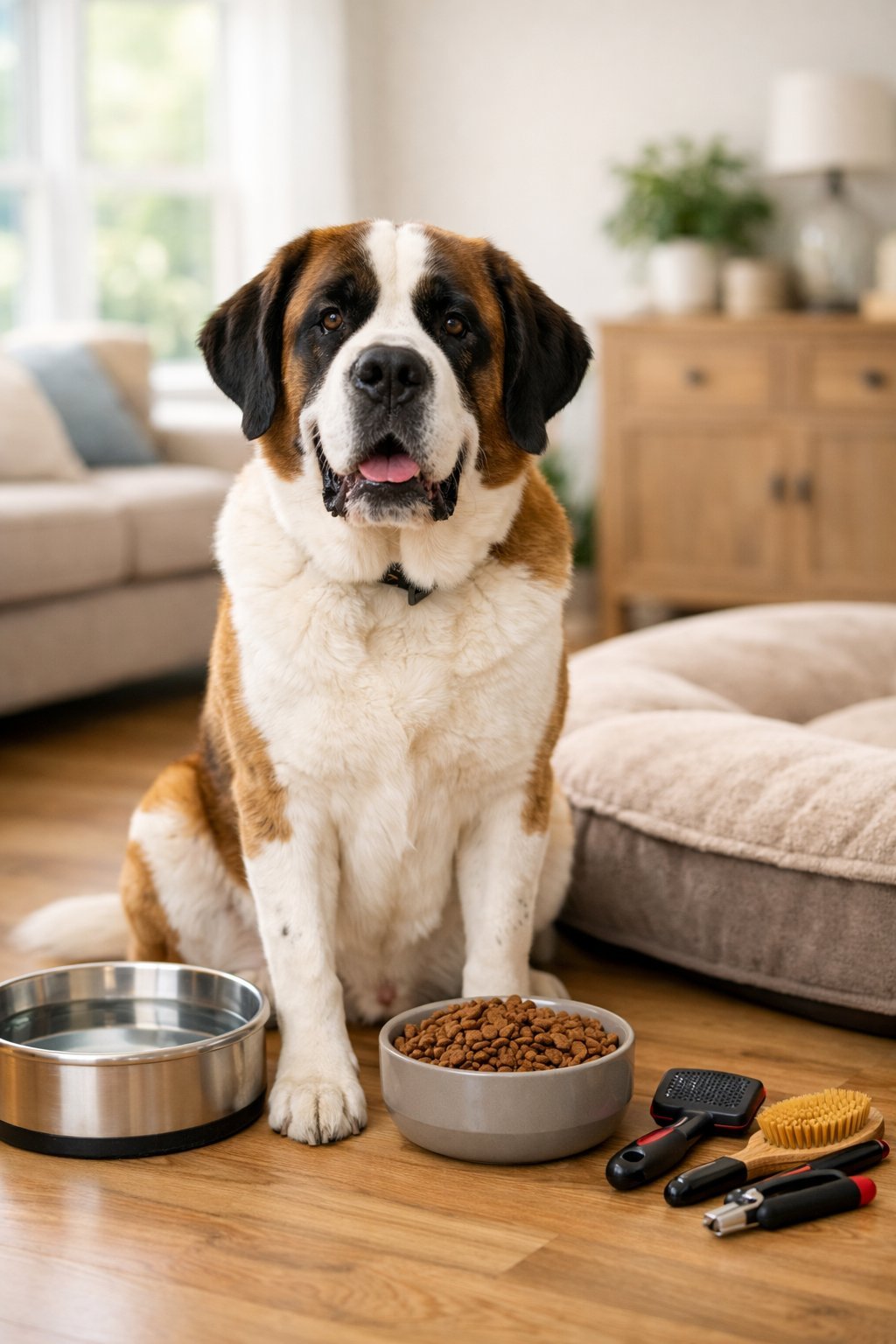
Large dogs need more food, space, and attention than smaller breeds. Their size creates special challenges with feeding costs, exercise demands, and grooming routines.
Nutrition Requirements
Large dog breeds need more food than smaller dogs, which means higher monthly costs. I recommend choosing a dog food made specifically for large breeds because these formulas have the right balance of nutrients to support their bigger bones and joints.
Giant breed puppies grow fast, so they need careful feeding. Too much food too quickly can cause bone and joint problems.
I suggest feeding adult large dogs two meals per day instead of one big meal to reduce the risk of bloat, a serious condition where the stomach twists. The amount of food depends on your dog’s weight, age, and activity level.
Most large dogs eat 3 to 6 cups of food daily. Your vet can help you figure out the exact amount your dog needs.
Key feeding tips:
- Use slow-feed bowls to prevent eating too fast
- Avoid exercise right before or after meals
- Provide fresh water at all times
- Monitor weight regularly
Exercise and Activity
Large dogs need lots of exercise to stay healthy and happy. Most large breeds need 60 to 90 minutes of activity each day.
This can include walks, playtime in the yard, or swimming. Low-impact activities work best for giant breeds because they’re easier on the joints.
Swimming is perfect for large dogs because it builds muscle without stressing their bones. Walking on soft surfaces like grass or dirt trails is better than concrete.
Young large breed dogs shouldn’t do too much jumping or running on hard surfaces. Their bones are still growing, and too much impact can cause permanent damage.
Wait until your dog is fully grown before starting intense activities like jogging.
Grooming Basics
Grooming large dogs takes more time and supplies than grooming small dogs. I brush my large dog at least twice a week to prevent mats and reduce shedding.
Dogs with longer coats need daily brushing. Bathing a big dog requires planning.
Many large dogs don’t fit in regular tubs, so I use a walk-in shower or outdoor space with a hose. Professional grooming is an option, but it costs more for larger dogs.
Nail trimming is important but can be tricky with a big dog. I trim nails every 3 to 4 weeks to keep them from getting too long.
Check ears weekly for dirt or infection, and brush teeth several times a week to prevent dental disease.
Health Considerations for Big Dogs
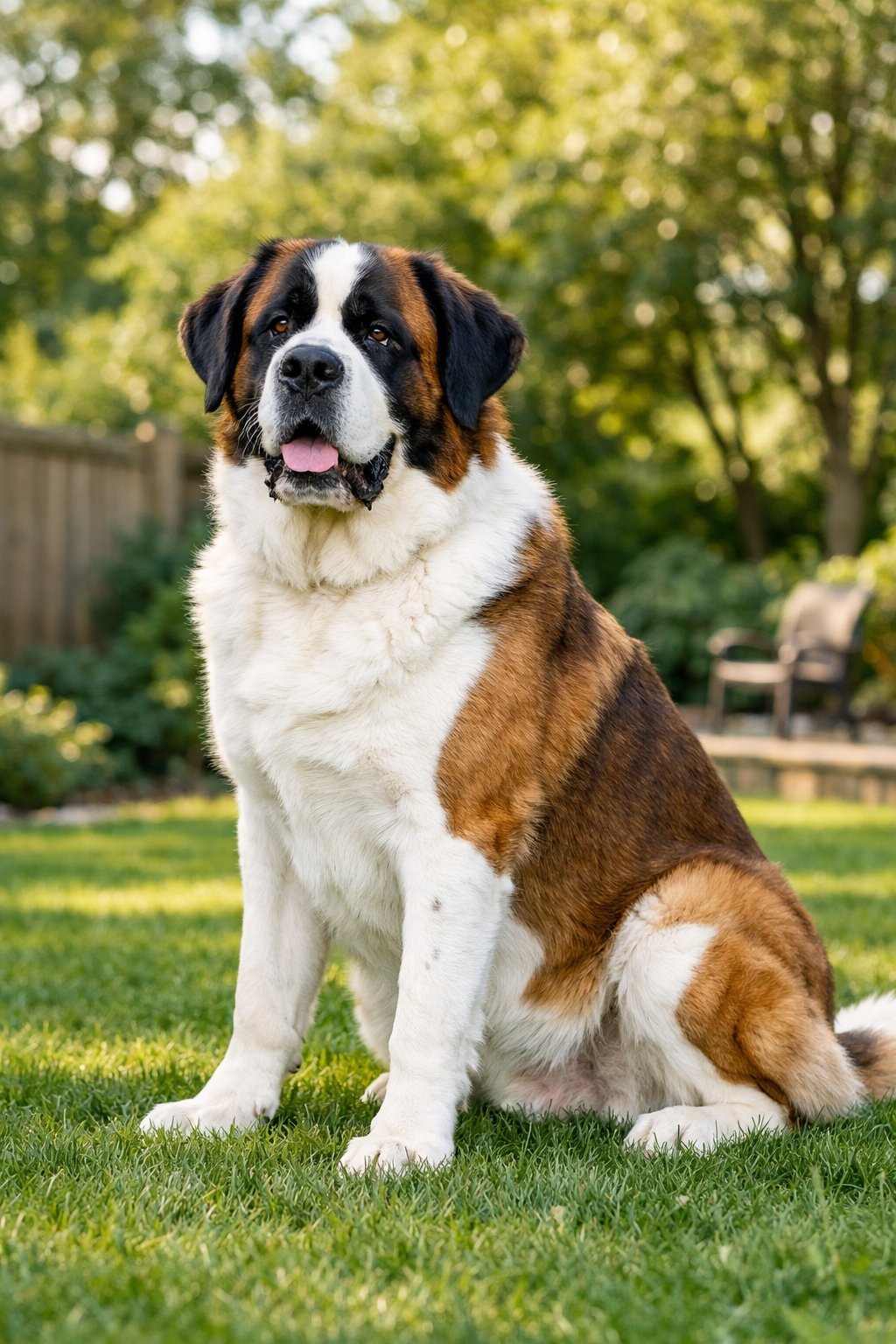
Large dogs face specific health challenges related to their size, particularly with their joints and bones. They also tend to have shorter lifespans than smaller breeds and are prone to certain medical conditions that require careful monitoring.
Joint and Bone Health
Hip dysplasia and arthritis are among the most common problems in big dogs. Hip dysplasia happens when the hip joint doesn’t form correctly, causing pain and difficulty moving.
This condition is especially common in breeds like German Shepherds, Golden Retrievers, and Labrador Retrievers. Arthritis often develops as large dogs age, but it can start earlier in bigger breeds due to the extra stress on their joints.
Keeping your dog at a healthy weight is one of the best ways to protect their joints. Elbow dysplasia is another joint issue that affects large breeds.
It causes lameness and pain in the front legs. Early detection through regular vet checkups helps manage these conditions before they become severe.
Common Medical Issues
Bloat is a life-threatening emergency that affects large and giant breed dogs. This condition happens when the stomach fills with gas and sometimes twists, cutting off blood flow.
Breeds with deep chests like Great Danes, Saint Bernards, and Standard Poodles are at highest risk. Heart disease is another concern I watch for in big dogs.
Dilated cardiomyopathy affects breeds like Doberman Pinschers, Boxers, and Irish Wolfhounds. This condition weakens the heart muscle and reduces its ability to pump blood effectively.
Large breed dogs also face increased risks for bone cancer, particularly osteosarcoma. This aggressive cancer typically affects the legs and requires prompt veterinary attention.
Lifespan and Aging
Big dogs age faster than small breeds. A Great Dane might live only 7 to 10 years, while a Chihuahua can live 15 years or more.
I consider large dogs to be seniors around age 6 or 7. At this stage, they need more frequent vet visits and adjustments to their care routine.
Their nutritional needs change, and they may need supplements for joint support. Weight management becomes even more important as big dogs age.
Extra pounds put additional strain on already stressed joints and organs. Regular but gentle exercise helps maintain muscle mass and keeps them mobile longer.
Training and Socialization
Large dogs need structure and positive experiences from day one to grow into well-mannered companions. Their size makes early training essential, as a 150-pound adult dog with poor manners becomes difficult to manage.
Early Training Tips
I recommend starting training between 8 and 11 weeks old when puppies are most receptive to learning. This early window helps establish good habits before your puppy grows into their full size.
Basic commands like sit, stay, and come form the foundation of good behavior. I focus on positive reinforcement methods using treats and praise rather than punishment.
Consistency matters more than long training sessions. Three 10-minute sessions daily work better than one exhausting hour.
Crate training and housebreaking require patience with large breeds. Their bigger bodies mean they need more frequent bathroom breaks as puppies.
I always use appropriately sized crates that give them room to stand and turn around comfortably.
Socializing Large Breeds
Early socialization helps large dogs feel comfortable around different people, animals, and environments. I expose puppies to various situations during their critical socialization period before 16 weeks of age.
I introduce my large breed puppies to:
- Children of different ages
- Other dogs and pets
- Various surfaces (grass, concrete, gravel)
- Different sounds (traffic, appliances, sirens)
- New locations beyond our home
Controlled introductions prevent fear-based behaviors later in life. I keep experiences positive and never force interactions if my puppy seems uncomfortable.
Managing Size and Strength
Teaching leash manners early prevents pulling problems when your dog reaches full size. I practice loose-leash walking daily and reward my dog for staying by my side.
Jumping up might seem cute in puppies, but it becomes dangerous when a full-grown large dog knocks people over. I teach alternative greetings like sitting for attention.
This habit protects both guests and my dog from accidents.
Body awareness exercises help large dogs navigate tight spaces without bumping into furniture or people. I guide my dog through doorways and around obstacles to build spatial awareness.
