Rottweiler Training Tips: A Complete Guide for New Owners

The Rottweiler is a powerful, medium-to-large breed with a rich history that dates back to ancient Rome. These dogs were originally bred to herd livestock and pull carts filled with meat to market, which explains their strong, muscular build and incredible work ethic.
Today, they serve as loyal family companions, guard dogs, and even police dogs.

Rottweilers are known for their protective nature, intelligence, and deep loyalty to their families, making them excellent companions when properly trained and socialized. While they have a reputation for being tough, many Rotties are actually affectionate and playful with the people they trust.
I’ve put together this guide to help you understand what makes Rottweilers special. Whether you’re thinking about adding a Rottie to your family or you just want to learn more about this amazing breed, I’ll cover everything from their physical traits to their care needs and health concerns.
Key Takeaways
- Rottweilers are strong, loyal dogs that originated as working animals for Roman cattle drivers and butchers
- These dogs need proper training and socialization to become well-behaved, affectionate family companions
- Rottweilers require regular exercise, consistent care, and attention to specific health issues common to the breed
Rottweiler History and Origin
The Rottweiler’s story spans over 2,000 years, beginning with Roman cattle drovers and evolving into the loyal companion we know today. This breed’s journey took it from the Alps to modern homes worldwide.
Ancient Roots and Development
The Rottweiler’s ancestors traveled with Roman legions as they crossed the Alps during their military campaigns. These dogs served as herders and protectors for both cattle and soldiers.
When the Romans abandoned the region around the 2nd century CE, their dogs remained in what is now Rottweil, Germany. The town of Rottweil became a center for cattle trading, and the dogs continued their work driving livestock to market.
Local butchers relied on them to pull carts loaded with meat. The breed nearly disappeared in the 1800s when cattle driving by rail replaced traditional methods.
Fortunately, the Rottweiler’s working abilities saved it from extinction.
Breed Recognition and Standards
The turning point came in 1901 when the International Club for Leonbergers and Rottweiler Dogs created the first breed standard. This marked the beginning of formal recognition for Rottweilers.
Several breed clubs formed in Germany during the early 1900s. These organizations worked to preserve and promote the Rottweiler’s best qualities.
The breed standard outlined the physical traits and temperament that define a proper Rottweiler. Early breeders focused on maintaining the dog’s working ability alongside its appearance.
Rottweiler’s Role in Society
Today’s Rottweilers serve as guard dogs, draft dogs, rescue dogs, and police dogs. Their versatility makes them valuable in many fields.
Police departments worldwide use them for detection work and protection. Rottweilers excel in search and rescue operations due to their keen sense of smell and determination.
They also work as therapy dogs, providing comfort to people in hospitals and nursing homes. Many families choose Rottweilers as loyal companions and protectors of their homes.
Physical Characteristics of Rottweilers

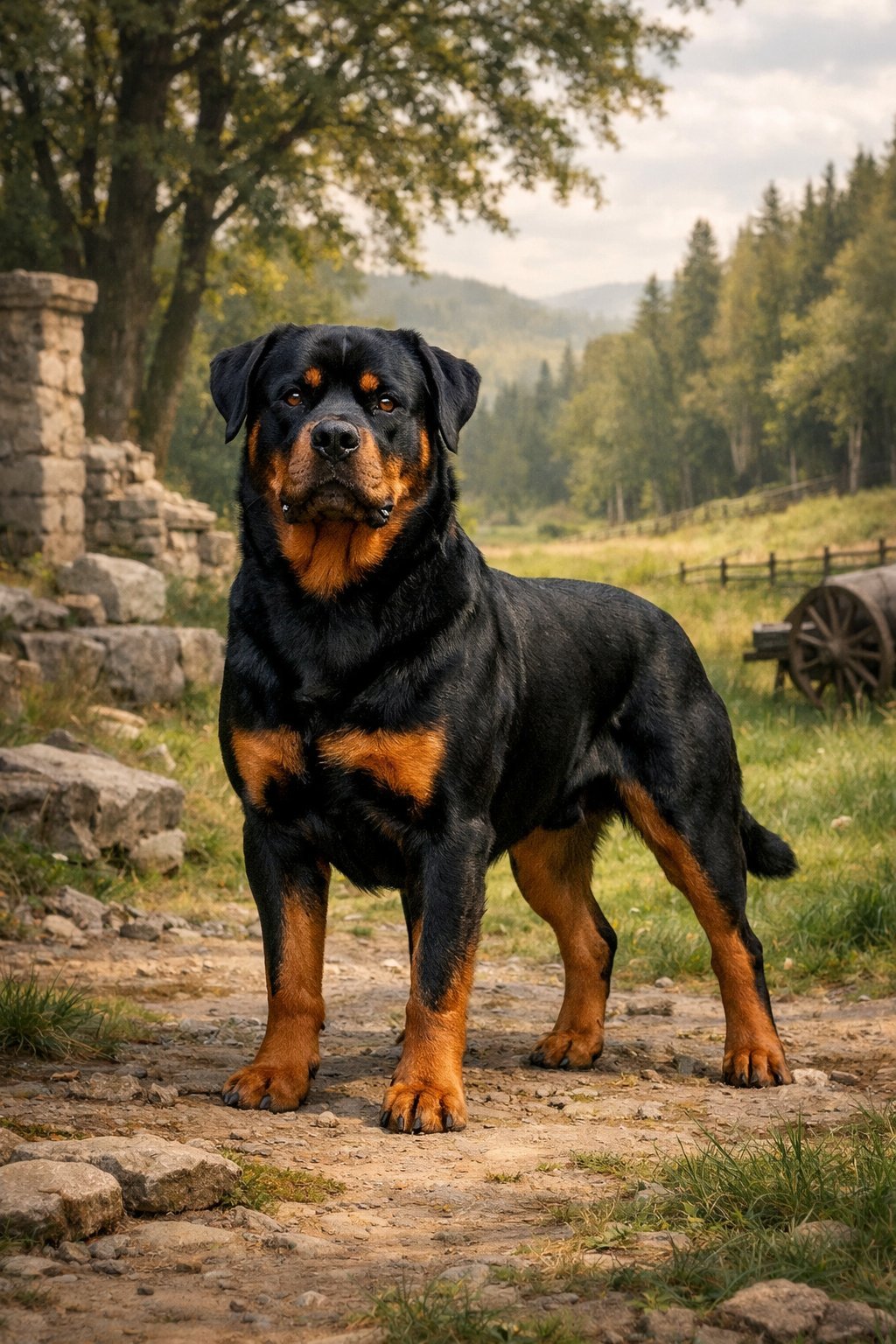
Rottweilers are large, powerful dogs with a muscular frame and a distinctive black and tan coat. Their strong build and confident appearance make them easy to recognize.
Size and Build
Rottweilers are considered a large breed, with males typically standing between 24 to 27 inches tall at the shoulder. Females are usually slightly smaller at 22 to 25 inches.
When it comes to weight, these dogs are substantial, ranging from 80 to 135 pounds depending on their sex and individual genetics. The Rottweiler has a strong, athletic build with several notable features.
Their broad chest, thick neck, and muscular frame give them a powerful, grounded appearance. Their head is broad and blocky with a straight, strong muzzle.
Their body is compact and well-proportioned. The stocky build helps them perform the work they were originally bred for, including herding and guarding.
Coat and Color
All Rottweilers have a black coat with rust to mahogany accents. Their splotches of color have clearly defined borders.
The coat itself is short and dense, which makes grooming relatively simple. The tan markings appear in specific locations on the body.
They are most notable on the cheeks, legs, and eyebrows. The eyebrow markings are particularly expressive and add to their alert facial appearance.
The short coat lies flat against the body and provides good protection from weather. It requires minimal maintenance compared to longer-haired breeds.
Distinguishing Features
The Rottweiler’s dark, almond-shaped eyes contribute to their intelligent and watchful expression. Their triangular ears hang naturally next to their cheeks, framing their face.
The combination of their blocky head, expressive eyebrows, and alert eyes creates a look that commands attention. Their overall appearance reflects both strength and agility.
Rottweiler Temperament and Personality
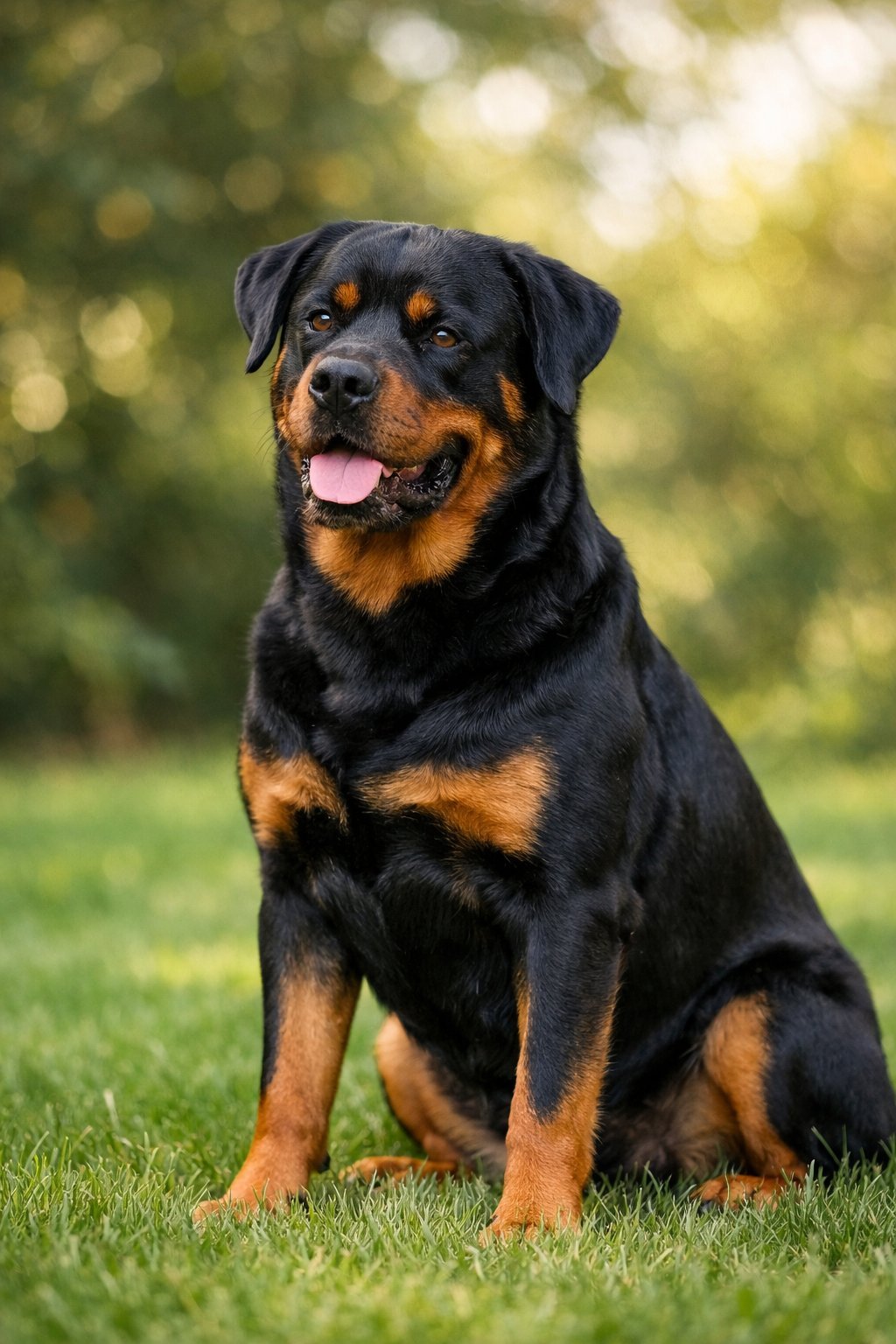
Rottweilers blend loyalty and confidence with a protective nature that makes them stand out among dog breeds. Their temperament can range from playful and affectionate to reserved and watchful, depending on the individual dog and their upbringing.
Main Personality Traits
Rottweilers are known for their loyal, protective, and confident personality. These dogs form strong bonds with their families and take their guardian role seriously.
The typical Rottweiler temperament ranges from natural clowns, affectionate to almost everyone, to the very reserved one-person dog. Each Rottie has their own unique personality.
Some are goofy and love everyone they meet, while others prefer to stick close to one special person. Intelligence is another key trait in this breed.
Rottweilers learn quickly and respond well to clear training. They need mental stimulation to stay happy and avoid boredom.
Their protective instinct is natural and strong. This makes them excellent watchdogs, but it also means they need proper guidance to understand when protection is necessary and when it’s not.
Socialization Needs
Early socialization is critical for Rottweilers. Start when they’re puppies, ideally between 3 and 14 weeks old.
Without proper socialization, Rottweilers can become overly suspicious of strangers or new situations. This can lead to behavioral problems that are hard to fix later.
Exposing your Rottie to different people, places, sounds, and experiences helps them develop into well-adjusted adults. Take them to puppy classes, introduce them to friendly dogs, and let them meet various people in positive settings.
Ongoing socialization throughout their life keeps them comfortable in different environments. Even adult Rottweilers benefit from new experiences and controlled interactions with other dogs and people.
Interaction with Families
Rottweilers make wonderful family companions when raised properly. They’re gentle with children they know and often become protective of the kids in their household.
Supervision is important when Rottweilers interact with young children. Their size and strength mean they can accidentally knock over small kids during play.
Rottweilers should only be housed with dogs who are similar in size, temperament, and energy level to prevent injuries during playtime. They have high prey drives and may chase smaller pets.
These dogs thrive on being part of family activities. They don’t do well when left alone for long periods and prefer to be near their people.
A Rottweiler who feels included in daily life is typically a happy, well-behaved dog.
Essential Rottweiler Care

Rottweilers need high-quality protein in their diet, daily physical activity, regular brushing despite their short coat, and consistent training from an early age to become well-behaved companions.
Diet and Nutrition
Feed Rottweilers a diet rich in high-quality protein sources like chicken, beef, or fish. These large, muscular dogs need protein to maintain their strong build and energy levels.
Adult Rottweilers typically eat 4 to 10 cups of food per day, split into two meals. The exact amount depends on their age, weight, and activity level.
Stick to a regular feeding schedule to help with digestion.
Key nutritional needs include:
- Protein: 22-26% for adults, higher for puppies
- Fat: 12-16% for energy and coat health
- Calcium and phosphorus: Important for bone health
- Vitamins and minerals: Essential for overall wellbeing
Avoid overfeeding because Rottweilers can easily become overweight, which puts extra stress on their joints. Fresh water should always be available throughout the day.
Exercise Requirements
Rottweilers need at least 60-90 minutes of exercise daily to stay healthy and happy. These are working dogs with high energy levels that need regular physical activity.
Brisk walks, jogging, fetch games, and agility training are great activities. Mix up the routine to keep things interesting and challenge both their body and mind.
Mental stimulation is just as important as physical exercise. Use puzzle toys, training sessions, and nose work games to keep your dog engaged.
Without enough activity, Rottweilers can develop destructive behaviors like chewing or digging. Never over-exercise puppies under 18 months old because their joints are still developing.
Short, frequent play sessions work better than long, intense workouts for young dogs.
Grooming Routine
Brush your Rottweiler’s short coat once or twice a week using a firm bristle brush. This removes loose hair and distributes natural oils that keep their coat shiny.
Rottweilers shed moderately year-round and more heavily during spring and fall. Increase brushing to every other day during shedding seasons to manage the loose fur.
Grooming checklist:
- Bathing every 6-8 weeks or when dirty
- Checking and cleaning ears weekly
- Trimming nails every 3-4 weeks
- Brushing teeth several times per week
Pay special attention to their ears since their floppy shape can trap moisture and debris. Wipe them gently with a damp cloth and check for any redness or odor that might signal an infection.
Training Tips
I start training my Rottweiler as early as 8 weeks old because early socialization and consistent training are critical for this breed.
Their natural protective instincts need proper guidance.
Positive reinforcement works best with Rottweilers.
I use treats, praise, and play as rewards for good behavior.
Harsh corrections can damage the trust between me and my dog.
Basic commands I teach first include sit, stay, come, down, and heel.
I keep training sessions short (10-15 minutes) but frequent to maintain their attention and enthusiasm.
Socialization is non-negotiable for Rottweilers.
I expose my dog to different people, animals, environments, and situations from puppyhood.
This prevents fear-based aggression and helps them become confident, well-adjusted adults.
I enroll in obedience classes for structured learning and additional socialization opportunities.
Professional guidance helps me address any behavioral issues early on.
Health and Lifespan of Rottweilers
Rottweilers face specific health challenges that owners should understand to provide the best care.
Their average lifespan ranges from 8 to 12 years, influenced by genetics, diet, exercise, and preventive healthcare.
Common Health Issues
I’ve learned that Rottweilers are prone to several health conditions that can significantly impact their quality of life.
Hip and elbow dysplasia are among the most common problems, causing joint pain and mobility issues as dogs age.
Heart conditions also affect this breed frequently.
These can range from minor issues to serious problems that require ongoing management and medication.
Cancer is unfortunately common in Rottweilers and remains one of the leading causes of death in the breed.
Bloat, also called gastric dilatation-volvulus, is another serious concern that requires immediate emergency care.
Female Rottweilers may experience slightly fewer joint problems due to their smaller size compared to males.
All Rottweilers benefit from early health screening and preventive care regardless of sex.
Lifespan and Longevity Factors
Rottweilers typically live 8 to 10 years, though some can reach 12 years or more with proper care.
I find that several key factors determine how long a Rottweiler will live.
Genetics plays the biggest role in longevity.
Dogs from healthy bloodlines with delayed disease onset tend to live longer lives.
Diet and exercise are critical factors I can control as an owner.
A well-balanced diet prevents obesity and related health problems.
Regular exercise keeps joints healthy and maintains proper weight.
Spaying and neutering practices also affect lifespan, though the timing of these procedures matters.
Healthcare quality, including preventive care and early disease detection, extends life expectancy significantly.
Veterinary Care Recommendations
I recommend regular veterinary check-ups at least twice per year for adult Rottweilers.
Senior dogs over seven years old benefit from more frequent visits every four to six months.
Essential preventive care includes:
-
Annual or bi-annual wellness exams
-
Hip and elbow screening starting at two years old
-
Heart health monitoring
-
Cancer screenings as dogs age
-
Dental cleanings to prevent infection
-
Weight management consultations
Joint supplements can help prevent or slow the progression of dysplasia.
Starting these supplements early, even before symptoms appear, provides the best results.
Blood work should be done annually to catch internal problems early.
X-rays and other imaging help detect bone and joint issues before they become severe.

