The Papillon Dog Is Way More Amazing Than Most People Realize: Discover Their Hidden Intelligence and Charm

When most people see a Papillon dog, they notice the adorable butterfly-shaped ears and small size. But these tiny dogs pack way more personality, intelligence, and talent than their delicate appearance suggests.
They’re not just lap dogs that look pretty. There’s a lot more going on beneath those fluffy ears!
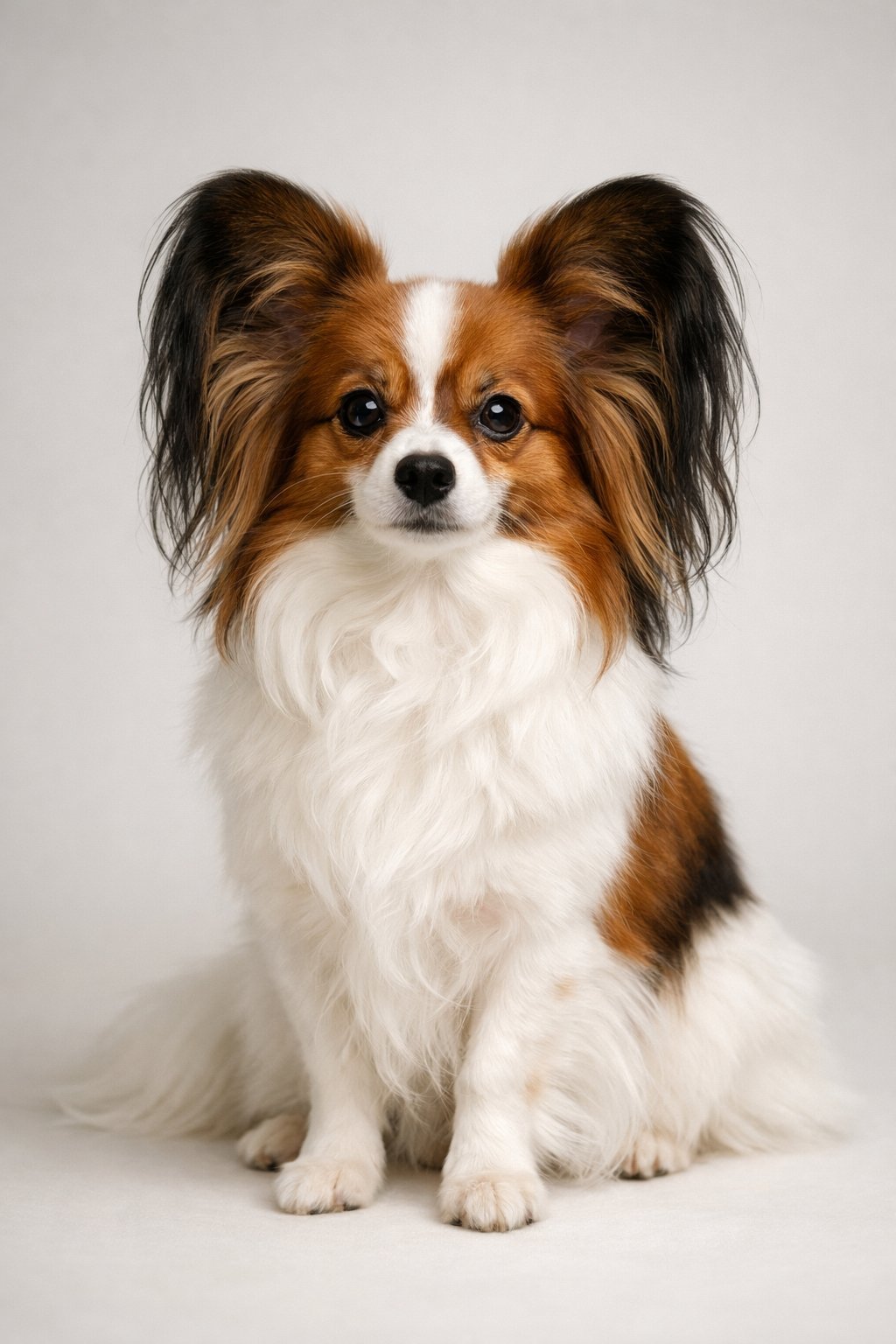
The Papillon is actually one of the smartest toy breeds, ranking among the top ten most intelligent dogs of all breeds. They excel in agility, obedience, and other canine sports despite weighing only 5 to 10 pounds.
These small yet mighty dogs have charmed royalty for centuries and continue to surprise modern dog owners with their abilities. What makes them truly special goes far beyond their butterfly ears.
From their mysterious origins to their success in competitive sports, Papillons prove that big things really do come in small packages. Whether you’re thinking about adding one to your family or just want to learn more about this breed, here’s why these dogs deserve way more credit than they typically get.
Key Takeaways
- Papillons are highly intelligent toy dogs with butterfly-shaped ears that excel in canine sports and obedience training.
- These small dogs combine elegance with athleticism and can be trained to perform various tasks despite their delicate appearance.
- Papillons make excellent companions due to their friendly personality, adaptability, and centuries-long history as beloved pets.
What Makes The Papillon Dog Unique
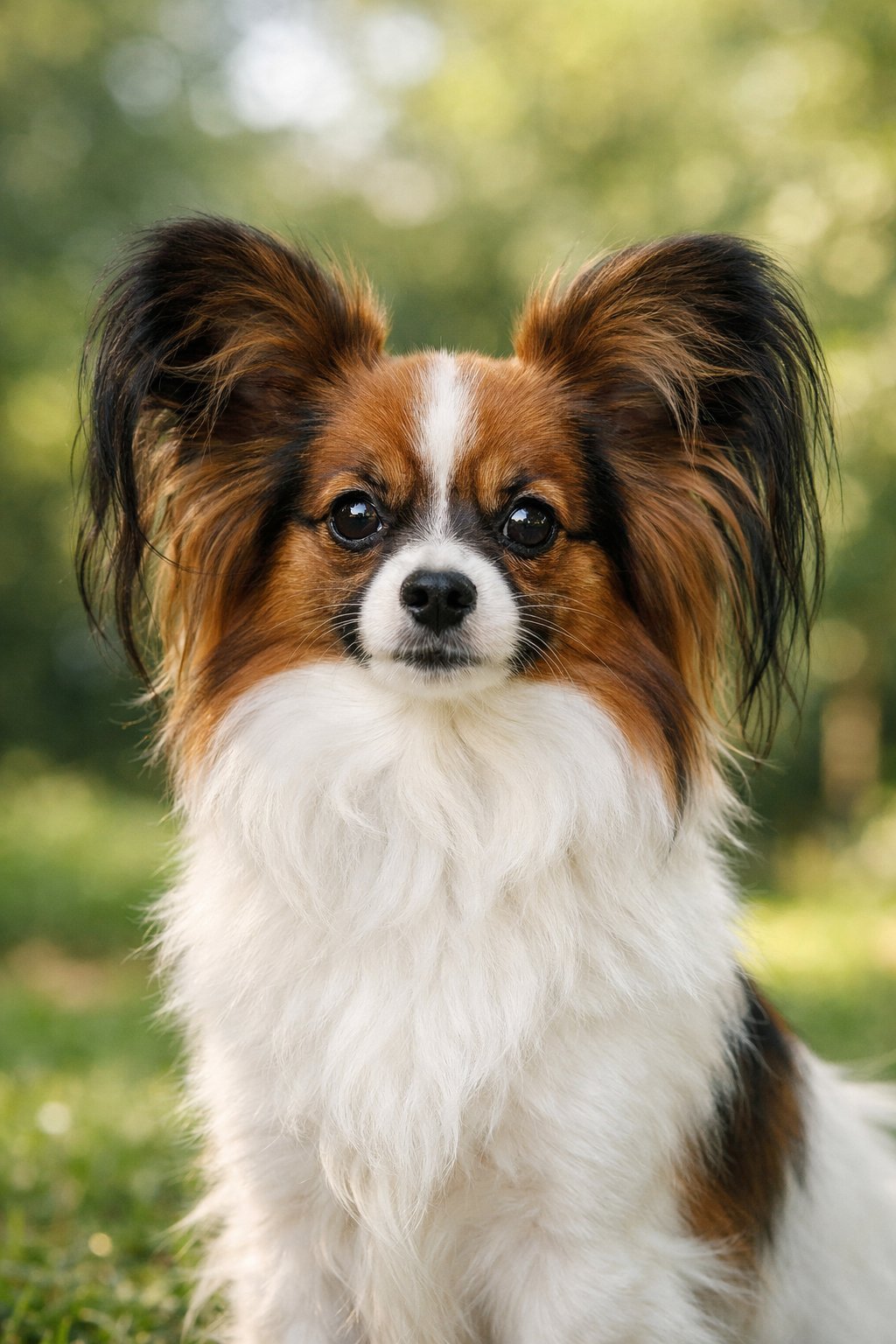
The Papillon stands out among toy breeds thanks to its signature wing-shaped ears, sharp mind, and confident attitude that defies its small stature. These traits create a dog that’s both elegant and surprisingly capable.
Distinctive Butterfly-Like Ears
The most recognizable feature of the Papillon is its large, butterfly-like ears that give the breed its name. “Papillon” comes from French and means “butterfly,” which perfectly describes how the long, fringed hair on the ears resembles fluttering wings.
These ears sit high on the head and stand erect, creating an alert and expressive look. The Continental Toy Spaniel breed actually includes two ear varieties.
While most people know the upright-eared version, dogs with dropped ears are called Phalenes. The ears aren’t just decorative—they’re covered in silky, flowing hair that adds to the breed’s overall elegance.
This striking feature has made Papillons favorites in art and among European nobility for centuries.
Intelligent and Trainable Personality
Papillons rank among the smartest toy breeds. They learn commands quickly and excel in obedience training.
Their intelligence and affectionate nature make them excellent companions. These dogs thrive on mental challenges and need regular training sessions to stay happy.
Unlike some toy breeds that can be stubborn, Papillons genuinely enjoy learning new tricks and behaviors. They also perform well in dog sports despite their small size.
Many Papillons compete successfully in agility and obedience trials. Their eagerness to please and quick thinking help them master complex tasks that surprise people who underestimate toy breeds.
Compact Size With a Big Presence
Papillons typically weigh between 5 and 10 pounds, but they carry themselves with remarkable confidence. Their surprisingly athletic nature sets them apart from other toy breeds.
These dogs move with a distinctive strut that shows off their bold personality. They don’t seem to realize they’re small dogs.
They approach life with courage and curiosity that matches breeds many times their size. Their compact frame makes them practical for apartment living and easy to travel with.
Yet they possess enough energy and stamina to keep up on long walks and outdoor adventures. This combination of portability and athleticism makes them versatile companions for various lifestyles.
Papillon History and Origin
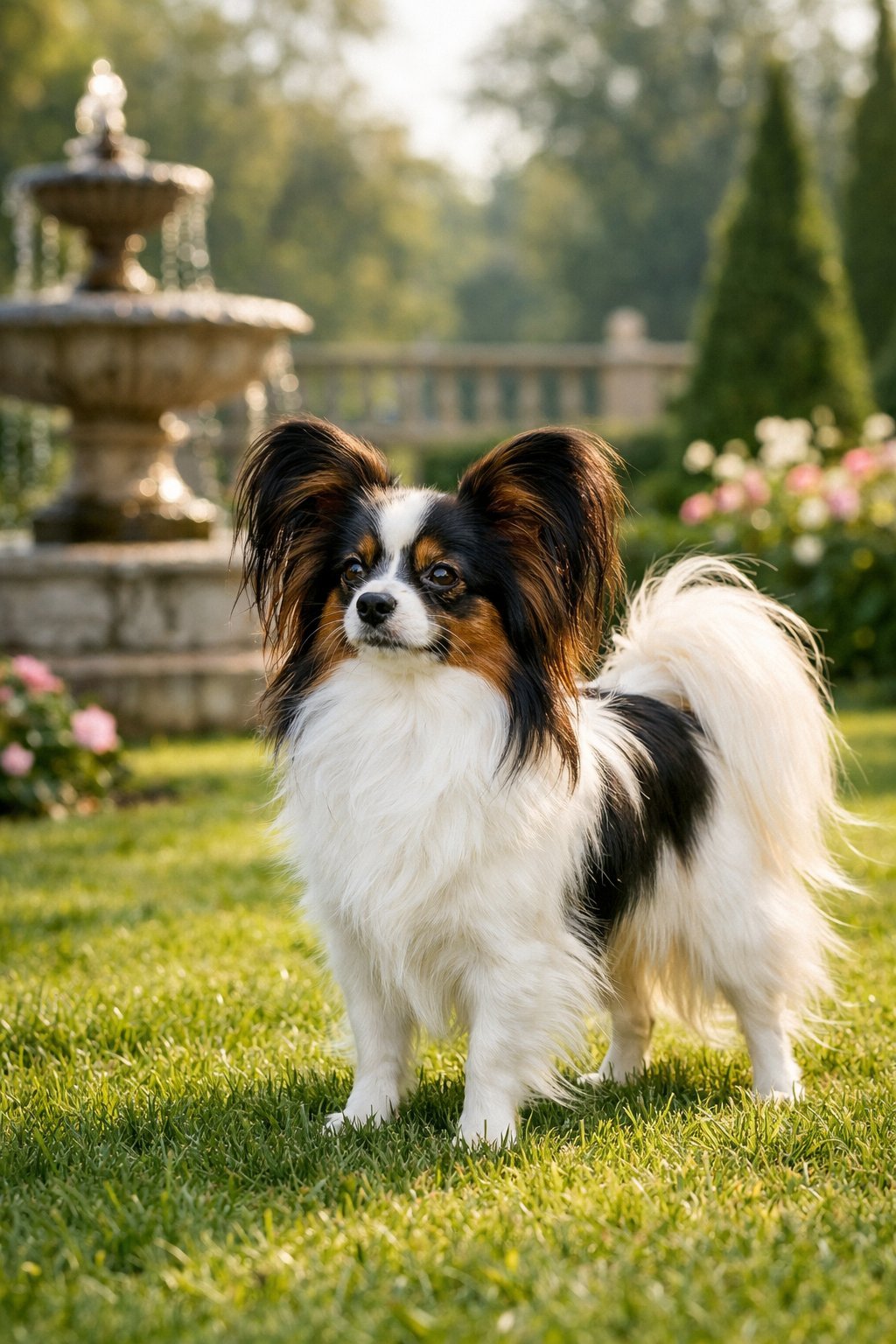
The Papillon’s story spans over 500 years, beginning as a favored companion of European aristocrats and evolving into the intelligent, butterfly-eared breed we know today. This tiny dog’s journey from Renaissance paintings to modern dog shows is pretty fascinating.
Royal Roots and Elite Companions
Papillons appear in paintings by Old Masters dating back to the early 1500s. Artists like Titian painted these small spaniels alongside nobility throughout Western Europe.
During the Renaissance, Papillons became extremely popular companions for women, especially among the nobility. These dogs weren’t just pets—they were status symbols that reflected wealth and refinement.
The breed held such prestige that royal families across Europe kept them. French and Spanish courts especially favored these tiny spaniels.
They appeared in portraits with queens, princesses, and other members of the upper class, cementing their place in European high society.
Evolution Of The Breed
The Papillon we see today looks quite different from its ancestors. Early versions of the breed had droopy ears rather than the signature upright ones.
The erect-eared Papillon didn’t become prominent until the late 19th century. Breeders likely used selective breeding practices and possibly crossed the breed with spitz-type dogs to achieve those distinctive butterfly ears.
This is actually when the breed received its French name “Papillon,” meaning “butterfly”, because the large, flaring ears resembled butterfly wings. The drop-eared variety still exists today and is called the Phalene.
Recognition in Modern Canine Circles
The Papillon gained formal recognition from kennel clubs in the late 1800s and early 1900s. Major organizations established breed standards that defined the characteristics we associate with Papillons today.
The breed is considered the smartest and most trainable of all toy breeds. This intelligence has helped Papillons excel in modern dog sports and competitions.
Today, the Papillon ranks consistently among popular toy breeds worldwide. Their combination of historical prestige, striking appearance, and exceptional trainability has kept them relevant for over five centuries.
Papillon Temperament and Behavior
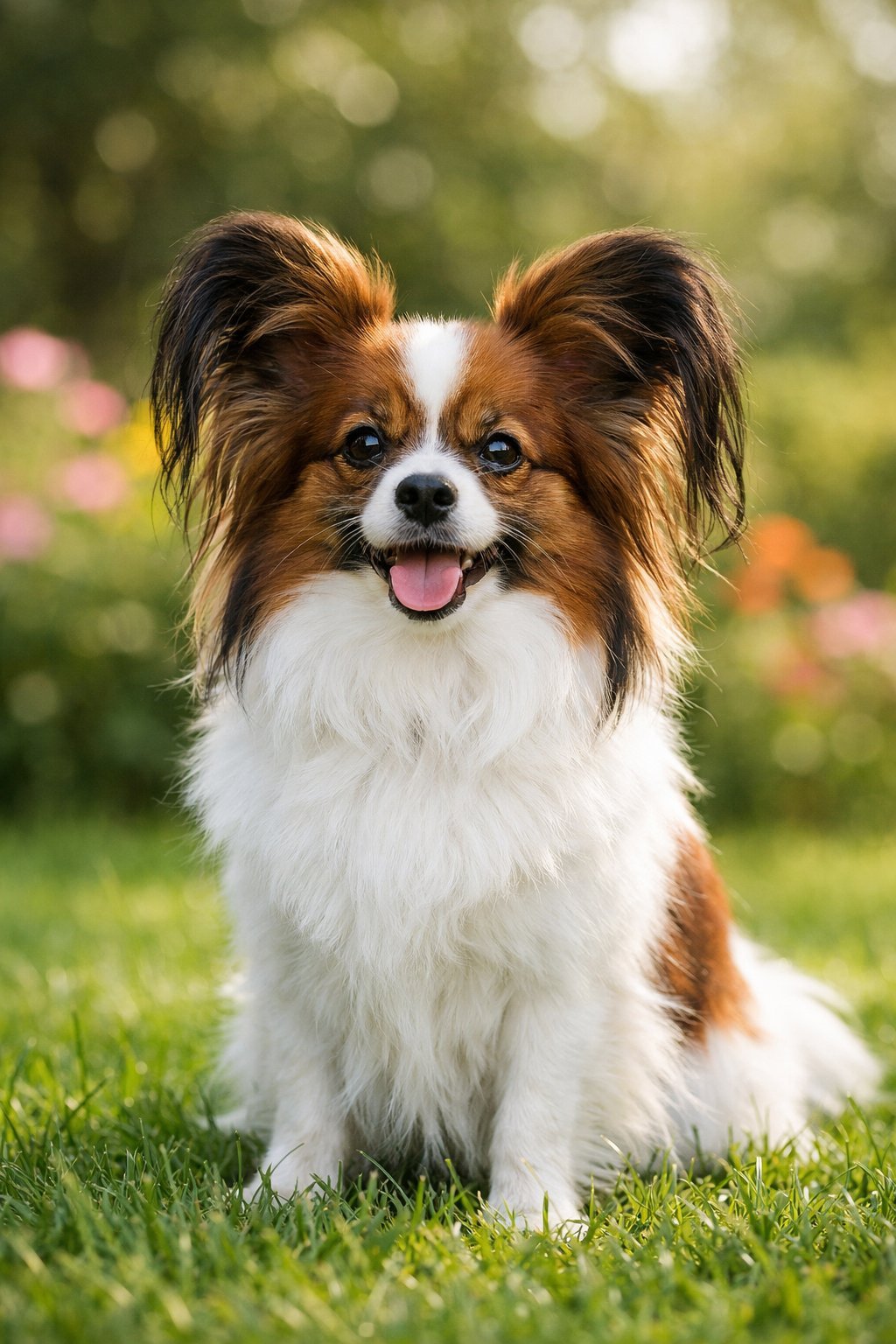
Papillons pack incredible personality into their small frames. They combine deep affection with surprising social confidence and boundless energy.
Affectionate and Loyal Companions
Papillons form incredibly strong bonds with their families. These dogs thrive on human companionship and often follow their favorite people from room to room.
They’re not the type to sit quietly in the corner. Instead, they want to be involved in everything you do.
They’re happiest when curled up on a lap or snuggled next to their owner on the couch. Their intelligent and alert nature means they’re highly responsive to their owner’s emotions.
They pick up on your mood quickly and often try to comfort you when you’re feeling down. Their loyalty runs deep despite their small size.
They’re protective of their families without being overly aggressive. They announce visitors with enthusiasm while remaining gentle with the people they know and trust.
Social Skills With People and Pets
Papillons generally do well with strangers when properly socialized. Their friendly demeanor makes them approachable at dog parks and social gatherings.
Early socialization is key. It’s a good idea to expose your Papillon to different people, animals, and environments from puppyhood.
This helps prevent shyness or excessive barking around new faces. With other pets, they usually adapt well.
They can live happily with other dogs and even cats when introduced properly. Their confident personality means they don’t let their small size hold them back.
I always recommend monitoring interactions with much larger dogs to prevent accidental injuries.
Energetic Playfulness Indoors and Out
These little dogs have a surprising amount of energy. Don’t let their toy breed classification fool you—Papillons need regular exercise and mental stimulation to stay happy.
Indoors, they love interactive games like fetch, hide-and-seek, and puzzle toys. Their playful spirit keeps them active throughout the day.
They’re always ready for a game. Outside, they enjoy walks, light jogging, and exploring new environments.
About 30 to 45 minutes of daily exercise keeps them content. They also excel at dog sports like agility and obedience, where their intelligence shines.
These aren’t delicate lap dogs that need constant coddling—they’re sturdy little athletes who can jump surprisingly high and move with impressive speed.
Papillon Care and Training Essentials
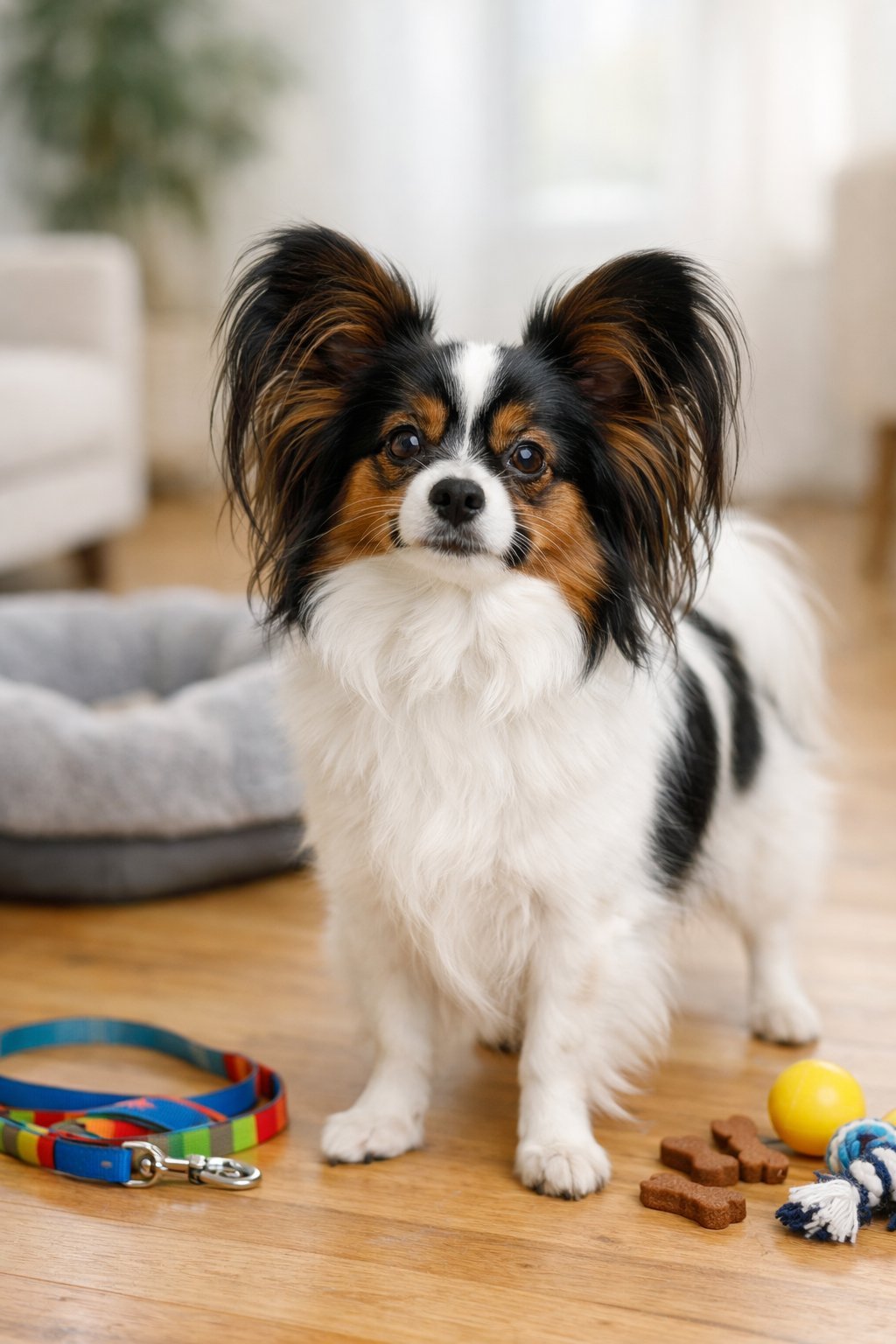
Papillons need regular exercise despite their small size. They respond well to positive training methods and require consistent grooming to maintain their beautiful coats.
Let’s go through the most important aspects of keeping your Papillon healthy and well-trained.
Exercise and Activity Needs
Papillons are surprisingly energetic dogs that need daily physical and mental activity. Aim for at least 30 to 45 minutes of exercise each day, split between walks and playtime.
These dogs love interactive games like fetch, hide-and-seek, and puzzle toys. Their high energy levels mean they can keep up with active families easily.
Mental exercise is just as important as physical activity for Papillons. I suggest rotating different toys and games to keep them interested.
Indoor play works well for bad weather days. Short training sessions, agility courses in your living room, or interactive treat-dispensing toys can tire them out mentally.
Grooming Tips for Silky Coats
Papillons have beautiful long, silky coats that need regular brushing to prevent tangles and mats. Brush your Papillon at least three times per week, though daily brushing is even better.
Their coat doesn’t have an undercoat, which makes grooming easier than some other breeds. Focus on the areas behind the ears, under the legs, and around the tail where mats form most often.
Use a pin brush or slicker brush for best results. Bathing should happen every four to six weeks or when they get dirty.
Use a gentle dog shampoo and make sure to rinse thoroughly. Their nails need trimming every three to four weeks to prevent overgrowth.
Don’t forget dental care. Brush their teeth several times a week to prevent dental disease, which is common in small breeds.
Check their ears weekly and clean them if you notice any dirt or wax buildup.
Training Methods for Quick Learners
Papillons are incredibly smart dogs that pick up new commands quickly. I always use positive reinforcement methods because they respond much better to rewards than harsh corrections.
Start training early when they’re puppies. Focus on basic commands like sit, stay, come, and down first.
Keep training sessions short, around 5 to 10 minutes, since they can lose focus with longer sessions. These dogs are eager to please, which makes them excellent students.
I use small treats, praise, and play as rewards during training. Consistency is key with Papillons.
Training them to understand when it’s time to quiet down saves stress later since they can be vocal. Socialization is also important starting from puppyhood.
Expose them to different people, animals, and environments to build their confidence.
Common Health Considerations
Papillons are generally healthy dogs that often live 12 to 16 years. However, I watch for certain health issues that can affect the breed.
Common Health Issues:
- Patellar luxation (kneecap dislocation)
- Dental problems
- Progressive retinal atrophy
- Hypoglycemia in puppies
- Heart conditions
Regular vet checkups help catch problems early. I take my Papillon for annual exams and stay current on vaccinations.
Dental checkups are especially important since small breeds are prone to tooth decay. Watch their weight carefully.
Even a pound or two extra on such a small dog can cause health problems. I monitor their food portions and adjust based on their activity level.
Their small size means they can get injured easily. I’m careful about letting them jump from high surfaces to prevent leg injuries.
Keep an eye on their energy levels and eating habits, as changes can signal health issues.
Why Papillon Dogs Excel at Canine Sports
I’ve watched these little dogs dominate competitions that many people assume are only for larger breeds. Papillons combine lightning-fast reflexes with sharp intelligence, making them natural athletes in organized dog sports.
Agility Course Champions
I’m always impressed when I see Papillons competing in agility courses because they move with incredible speed and precision. Their small size actually gives them an advantage on tight turns and quick direction changes.
These dogs weigh only 5 to 10 pounds, but their athletic ability rivals breeds twice their size. I’ve noticed that Papillons use their quick reflexes to navigate jumps, tunnels, and weave poles with ease.
Their fine-boned frame and light build help them accelerate quickly between obstacles. What makes them especially successful is their intense focus during runs.
I find that Papillons are becoming stars in the agility world despite their toy breed classification. They can maintain concentration throughout an entire course without getting distracted.
Obedience and Trick Training Pros
I’ve found that Papillons learn new commands faster than most other breeds. Their intelligence ranks among the top 10 dog breeds.
Papillons excel in obedience and rally competitions thanks to their eagerness to please their handlers. I love working with these dogs because they respond well to positive reinforcement.
They can master complex trick sequences in just a few training sessions. Their mental stamina matches their physical energy.
I’ve seen Papillons perform extended obedience routines without losing enthusiasm or accuracy. They really thrive on the mental challenge that advanced training provides.