
The Dog Toys My Dog Never Gets Tired Of: A Pet Owner’s Guide to Lasting Entertainment

Dogs can get bored with their toys just like kids do. But I’ve found some special dog toys that my dog plays with again and again.
The best toys for keeping dogs interested are those that engage their natural instincts, like sniffing, chewing, and problem-solving, while offering variety in how they can be used.

When dogs don’t have good toys to play with, they can start showing problem behaviors like chewing furniture or digging. I learned this the hard way when my dog destroyed my favorite shoes.
That’s when I started looking for toys that would actually hold my dog’s attention. Through lots of trial and error, I’ve discovered which toys my dog comes back to day after day.
Some toys sit in the corner untouched, but others get played with every single day. Here’s what makes these toys so special and why my dog never seems to get bored of them.
Key Takeaways
- The most engaging dog toys tap into natural behaviors like hunting and problem-solving.
- Rotating toys every few days keeps your dog interested and excited about playtime.
- Choosing the right toy depends on your dog’s size, personality, and play style.
Understanding Your Dog’s Play Preferences
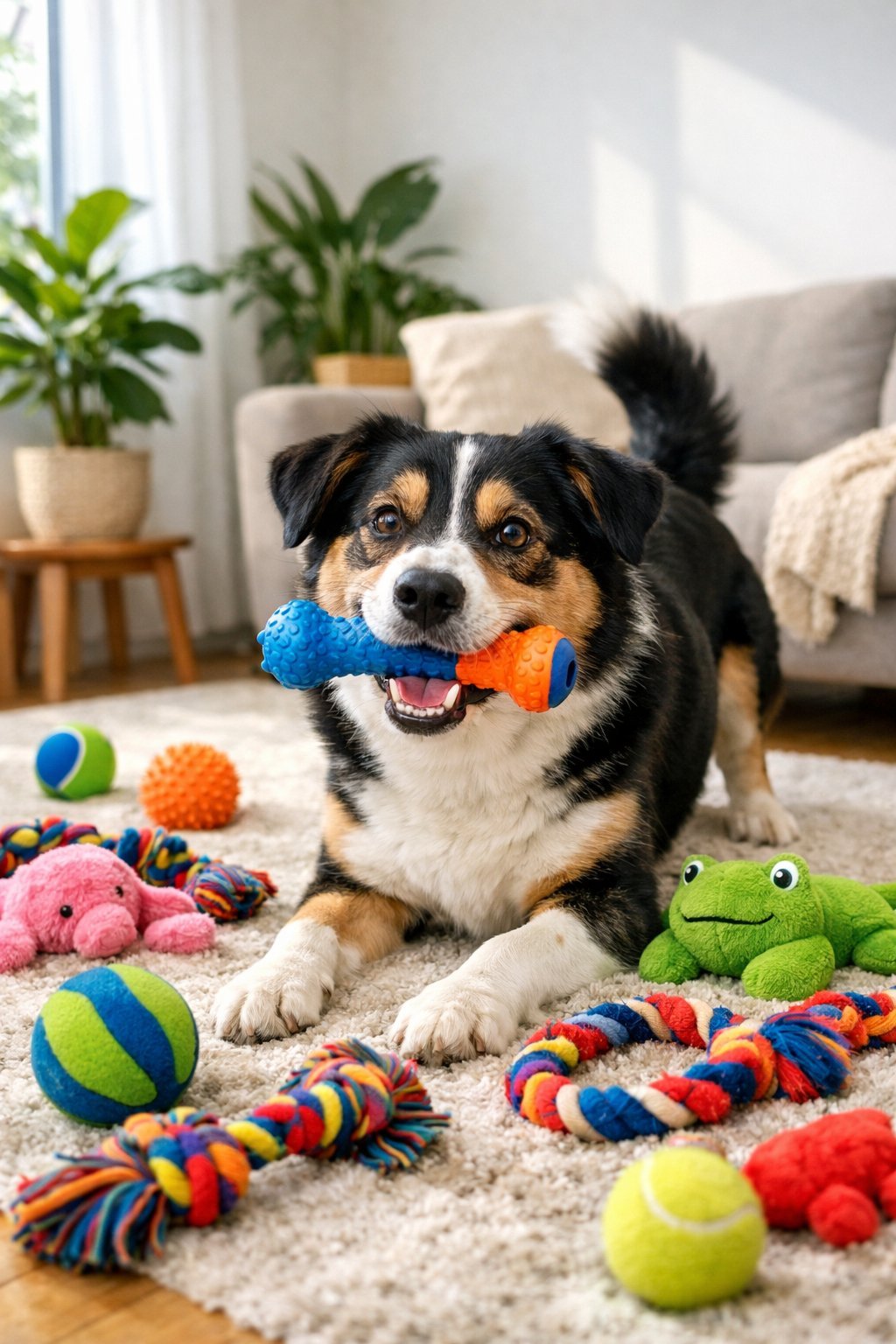
Dogs show clear patterns in how they interact with toys. Recognizing these preferences helps you choose toys that won’t end up forgotten in the corner.
How Play Style Influences Toy Choices
I’ve noticed that dogs fall into distinct play categories, and matching toys to these styles makes all the difference.
Chewers need durable rubber toys or nylon bones that can withstand constant gnawing. These dogs often ignore plush toys because they want something they can really sink their teeth into.
I look for toys made from tough materials like natural rubber or hard nylon. Fetchers prefer lightweight balls and flying discs they can chase and retrieve.
They lose interest in stationary toys quickly. Tennis balls, rubber fetch balls, and soft frisbees work best for these high-energy players.
Shakers love plush toys they can grab and shake vigorously. These dogs enjoy toys with squeakers or crinkle material inside.
Lack of early socialization can affect whether a dog develops these play behaviors, so rescued dogs might need time to discover their style. Tuggers want rope toys or durable fabric toys they can pull on during interactive play.
They prefer games that involve me rather than solo play.
Common Signs Your Dog Loves a Toy
My dog shows obvious signals when a toy becomes a favorite. The most telling sign is when my dog brings the same toy repeatedly throughout the day.
This toy often appears at my feet during playtime or gets carried from room to room. I also notice my dog sleeping next to preferred toys or keeping them nearby during rest time.
Another clear indicator is play duration. When my dog stays engaged with a toy for 10 minutes or more without losing interest, that’s a winner.
Physical enthusiasm matters too. My dog’s body language changes with beloved toys—tail wags, play bows, and excited whines all ramp up.
These signs of engagement help me identify which toys deserve duplicates.
Why Some Toys Keep Dogs Engaged Longer
Certain features make toys more captivating over time. Texture variety keeps things interesting.
Toys combining rubber, rope, and fabric elements provide multiple sensory experiences in one item. My dog explores different parts of these toys during separate play sessions.
Unpredictable movement maintains excitement. Toys that bounce erratically or roll in unexpected directions trigger my dog’s chase instinct.
Wobble toys and uneven balls never move the same way twice. Interactive elements like treat dispensers turn playtime into a rewarding experience that combines mental stimulation with physical activity.
My dog returns to puzzle toys because they offer a challenge and a payoff. Appropriate difficulty level prevents frustration while maintaining interest.
Toys that are too easy become boring, while overly difficult ones lead to abandonment. I choose toys that my dog can succeed with after some effort.
Top Dog Toys My Dog Never Gets Tired Of
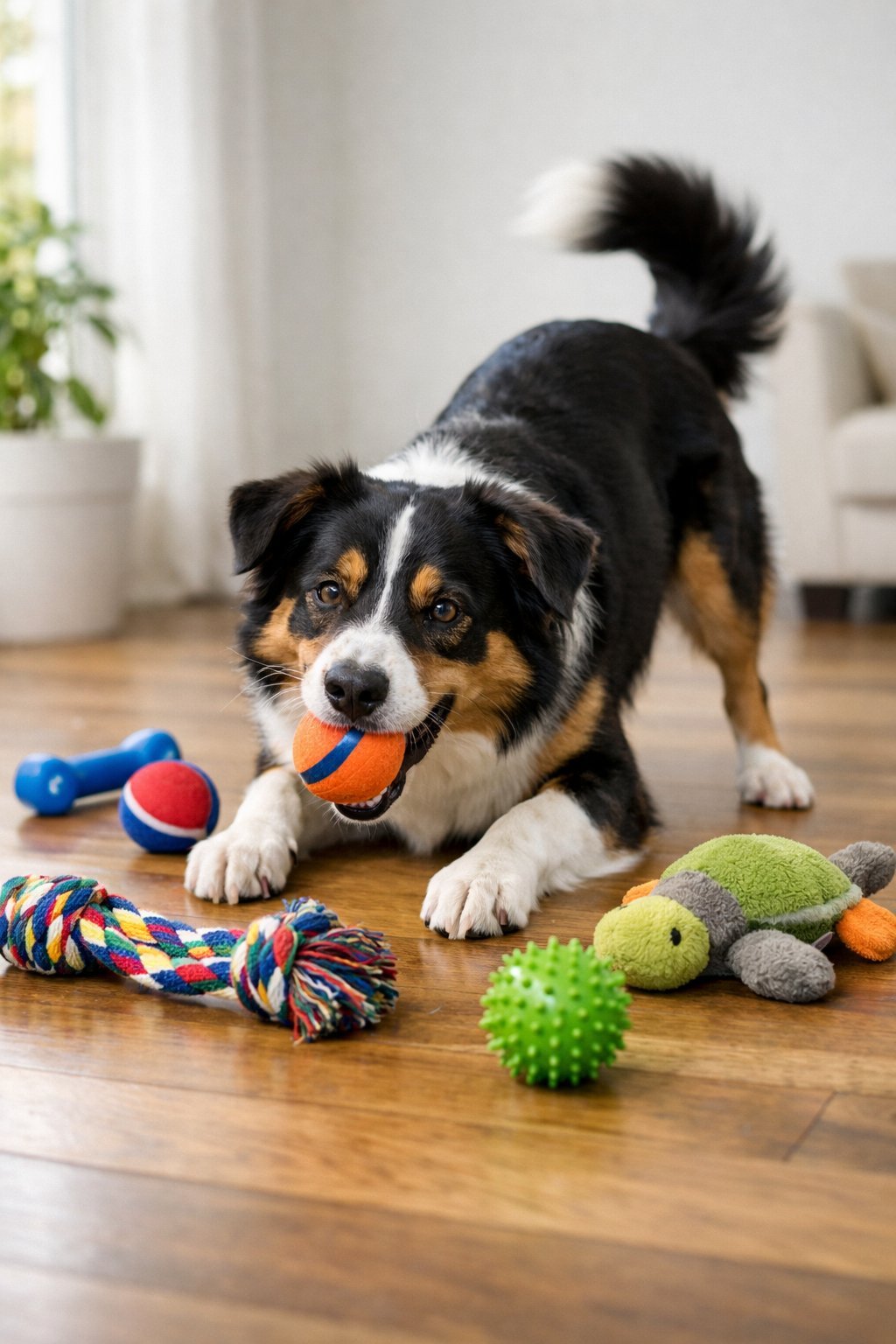
My dog has tested countless toys over the years, and only a few have truly stood the test of time. The winners fall into three categories: puzzles that challenge her brain, tough chewers that survive her powerful jaws, and soft toys that she carries around like treasured companions.
Interactive Puzzle Toys
My dog gets excited every time I pull out her puzzle toys. These toys hide treats inside compartments that she has to figure out how to open.
I rotate between different difficulty levels to keep her interested. The simple ones have sliding panels she can move with her nose.
The harder puzzles require her to lift flaps, spin wheels, or remove pieces in a specific order. Interactive puzzle toys provide mental stimulation that tires her out just as much as physical exercise.
A 15-minute puzzle session leaves her calm and satisfied for hours. She never seems to get bored because I can refill them with different treats each time.
I’ve noticed she’s gotten smarter at solving them over time. She remembers the tricks from previous sessions and applies them to new puzzles.
Durable Chew Toys
My dog is a power chewer, so most toys last about five minutes in her mouth. The rubber chew toys I keep in my house are the only ones that survive.
I stick with thick rubber options that can handle serious gnawing. My dog chews on these daily, and they show barely any wear after months of use.
I stuff them with peanut butter or frozen treats to make them even more appealing. The texture seems to satisfy her need to chew.
She’ll work on the same toy for 30 minutes at a time, which saves my furniture from her attention. Durable chew toys need to match your dog’s chewing strength.
I wash them in the dishwasher to keep them clean. They’re worth the higher price because I’m not constantly replacing destroyed toys.
Squeaky and Plush Favorites
My dog has a soft spot for plush toys with squeakers inside. She carries her favorite stuffed animals around the house and sleeps with them at night.
I buy reinforced plush toys with extra stitching because regular ones fall apart quickly. The squeaker keeps her entertained during solo play sessions.
She’ll toss the toy in the air and pounce on it repeatedly. What surprises me is how gentle she is with these compared to other toys.
She seems to understand they’re more delicate. I have to supervise her with plush toys since she could swallow stuffing or squeakers if they rip open.
Her collection has grown to about six favorites that she rotates through. Each one gets carried to different spots in the house throughout the day.
What Makes Certain Toys Irresistible

Dogs don’t pick their favorite toys at random. The toys that keep my dog coming back again and again have specific qualities that tap into natural instincts and provide the right kind of sensory experience.
Texture and Material Appeal
My dog’s mouth has tons of nerve endings, which means texture matters more than I ever realized. Some dogs love soft, plush toys they can gently chew and carry around.
Others go crazy for rubber or nylon toys that feel firm and satisfying in their mouth. The texture of a toy greatly influences their choice, with different dogs showing clear preferences.
My own dog ignores anything too hard but will chew on medium-firm rubber toys for hours. Some pups like toys that compress easily when they bite down, while others want something that pushes back.
Material also affects durability and scent. Toys made from natural rubber tend to hold up better for aggressive chewers.
Fabric toys absorb smells over time, which can make them even more appealing to some dogs.
Engagement Through Movement
Toys that move unpredictably hold my dog’s attention longer than static ones. Balls that bounce in random directions trigger the chase instinct.
Rope toys that swing and fly through the air during tug-of-war sessions activate hunting behaviors. Toys that resemble prey can trigger natural instincts, making them more appealing than other options.
I’ve seen my dog shake stuffed toys the same way wild dogs shake prey animals. Squeaky toys add another layer of engagement because the sound mimics the noise of small animals.
Movement-based toys work best when I’m involved in play too. My dog shows way more interest in a simple tennis ball when I throw it than when it just sits in the toy basket.
Reward-Based Motivation
Dogs learn to love toys that come with positive experiences. When a toy is associated with playtime or treats, my dog develops a stronger preference for it.
I’ve accidentally created toy favorites just by using certain ones during our best play sessions together. The attention my dog gets while playing with specific toys reinforces the behavior.
Dogs sometimes fixate on objects because they know it gets their owner’s attention. My dog figured out that bringing me his rope toy always results in a game of tug.
Familiar toys also provide comfort and security. The scent and feel of a well-loved toy creates stability in my dog’s routine, especially during stressful times like thunderstorms or when meeting new people.
Tips for Rotating and Refreshing Toys
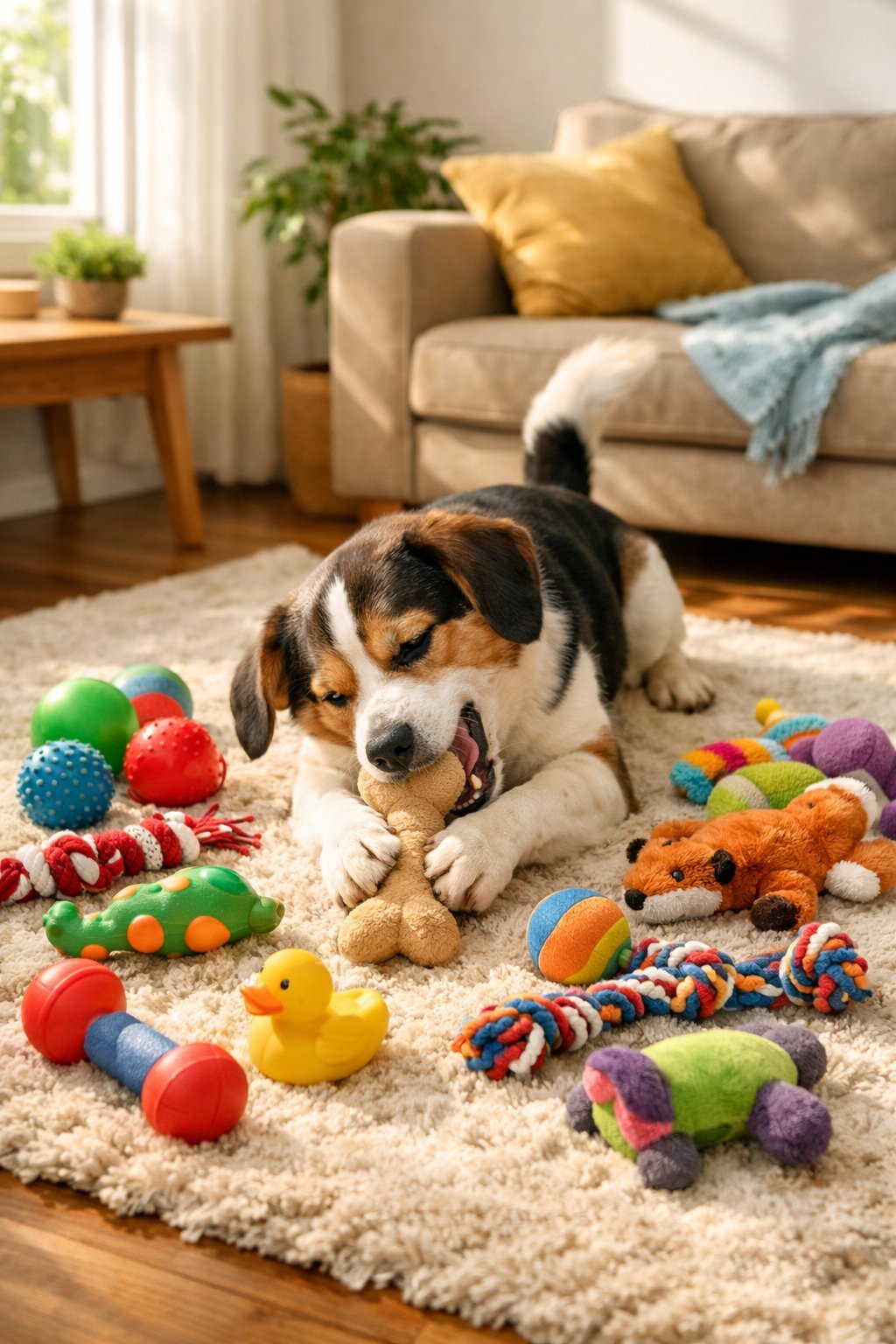
I’ve found that keeping toys available all the time makes my dog lose interest quickly. Switching them out every week or two keeps him excited about playtime like they’re brand new.
Establishing a Toy Rotation Schedule
I keep only three to five toys out at a time for my dog. The rest go into a closed bin or closet where he can’t see them.
Every week or two, I swap out the current toys for different ones from storage. Rotating toys every 1-2 weeks works best to maintain novelty.
I organize my rotation using a simple system. I divide all the toys into three or four groups with a mix of different types in each group.
One group might have a rope toy, a squeaky ball, and a puzzle toy. This schedule helps me avoid the cluttered mess of toys everywhere.
My dog stays more engaged because each toy feels special when it comes back into rotation.
Introducing New Toys the Right Way
When I buy a new toy, I add it at the start of a rotation cycle instead of just tossing it in with everything else. This keeps my dog’s interest high.
I introduce new toys gradually, giving him one per rotation cycle. If I add too many at once, my dog gets overwhelmed and doesn’t play with any of them properly.
I also make old toys feel new again by adding simple twists. Stuffing a plush toy with treats or freezing a chew toy changes how my dog interacts with it.
These small changes cost nothing but create fresh excitement.
Keeping Playtime Exciting
I vary the types of toys in each rotation to give my dog different ways to play. One week might focus on chew toys and puzzles, while the next includes more active toys like balls and tug ropes.
Playing with my dog using the rotated toys makes them even more appealing. Interactive play sessions create positive associations that make toys more interesting than if my dog just plays alone.
I pay attention to which toys my dog ignores during a rotation. Those toys either need a refresh with treats or scents, or they might not be a good fit for him.
Sometimes I hide toys around the house for my dog to find during the rotation. This turns playtime into a game that adds mental stimulation beyond just chewing or fetching.
Keeping Your Dog Toys Clean and Safe
Regular cleaning protects your pup from harmful bacteria and helps toys last longer. I always check toys for damage before each play session to keep my dog safe.
Proper Cleaning Methods
The way I clean my dog’s toys depends on what they’re made of. I always check the toy’s packaging first to see if there are any specific cleaning instructions from the manufacturer.
For plush toys, I toss them in the washing machine every 1-2 weeks with pet-safe detergent. I use hot water when possible to kill bacteria and let them air dry completely before giving them back to my dog.
Rubber and plastic toys get a different treatment. I soak them in warm water mixed with mild dish soap for about 10 minutes.
Then I scrub them with a brush to get into all the grooves where dirt hides. For sanitizing, I use equal parts white vinegar and water instead of bleach or harsh chemicals.
This solution is safe if my dog licks the toys and still kills germs effectively. I spray it on, let it sit for a few minutes, then rinse thoroughly with clean water.
Inspecting for Wear and Tear
Before every play session, I look over each toy for signs of damage. I check for loose threads on plush toys and cracks in rubber toys.
I also look for frayed sections on rope toys. Small pieces that could break off are a choking hazard.
If I can pull stuffing out of a plush toy or see exposed squeakers, I either repair it right away or throw it out. Sharp edges on plastic or rubber toys can cut my dog’s mouth and gums.
I run my fingers over every surface to feel for rough spots or cracks. I replace toys when they start falling apart, even if my dog still loves them.
