Indoor Dog Potty DIY: Simple Solutions for Training Your Pup at Home

Indoor Dog Potty Diy – Not everyone has a yard or the ability to take their dog outside every few hours. Small dogs, senior pups, and puppies in cold climates need a bathroom solution that works indoors.
That’s where a DIY indoor dog potty comes in handy.
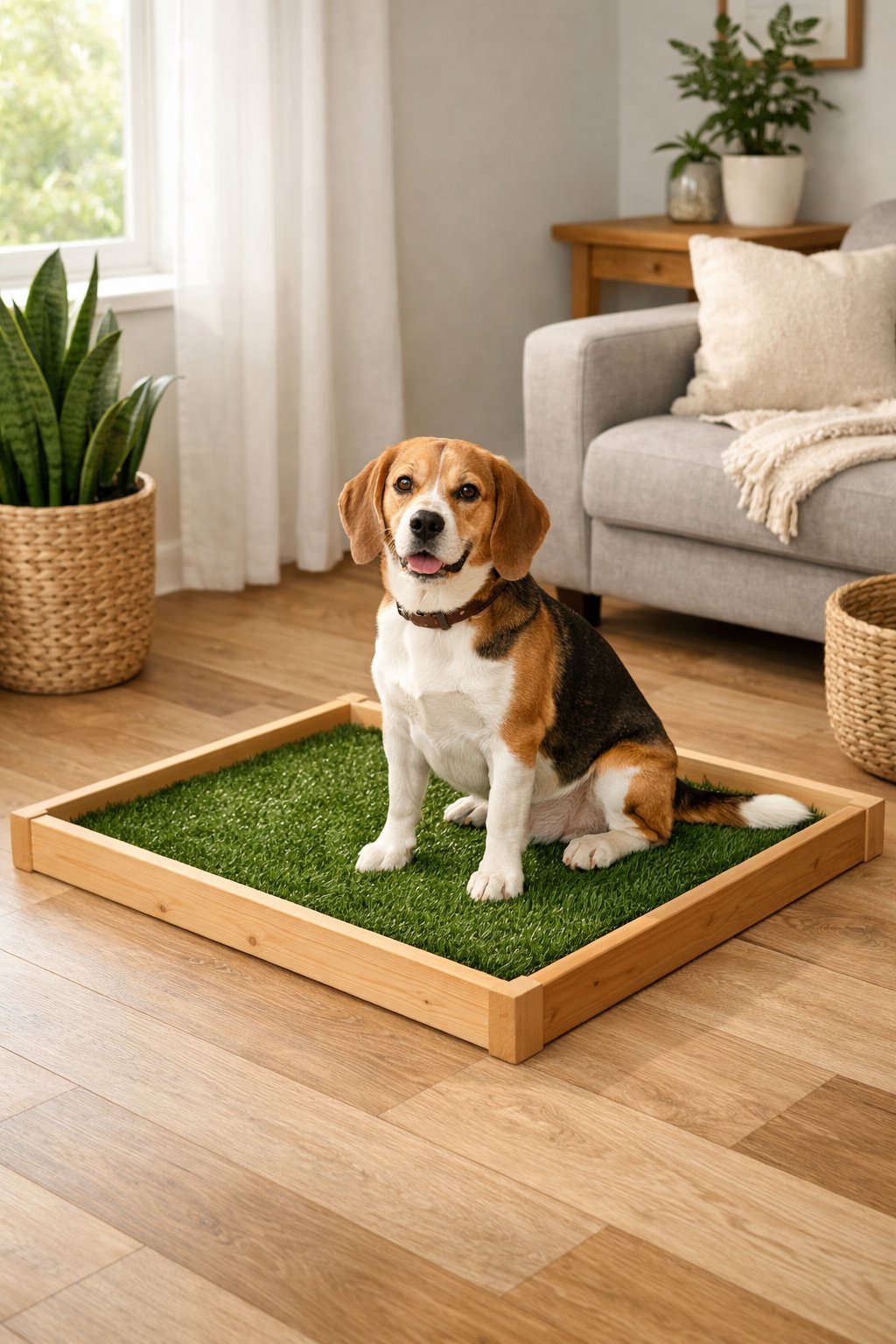
You can build an indoor potty area for your dog using simple materials like a shallow tray, artificial grass or sod, and basic drainage supplies. Creating an indoor dog potty doesn’t have to be expensive or complicated.
Many pet owners make their own for a fraction of what commercial options cost. Whether you live in an apartment, have mobility issues, or just want a backup plan for bad weather, a homemade indoor potty can make life easier for you and your dog.
Key Takeaways
- You can create an effective indoor dog potty using affordable household items and basic supplies.
- Training your dog to use the indoor potty requires consistency and positive reinforcement over several weeks.
- Regular cleaning and proper drainage keep your DIY dog potty fresh and odor-free.
Benefits of an Indoor Dog Potty DIY
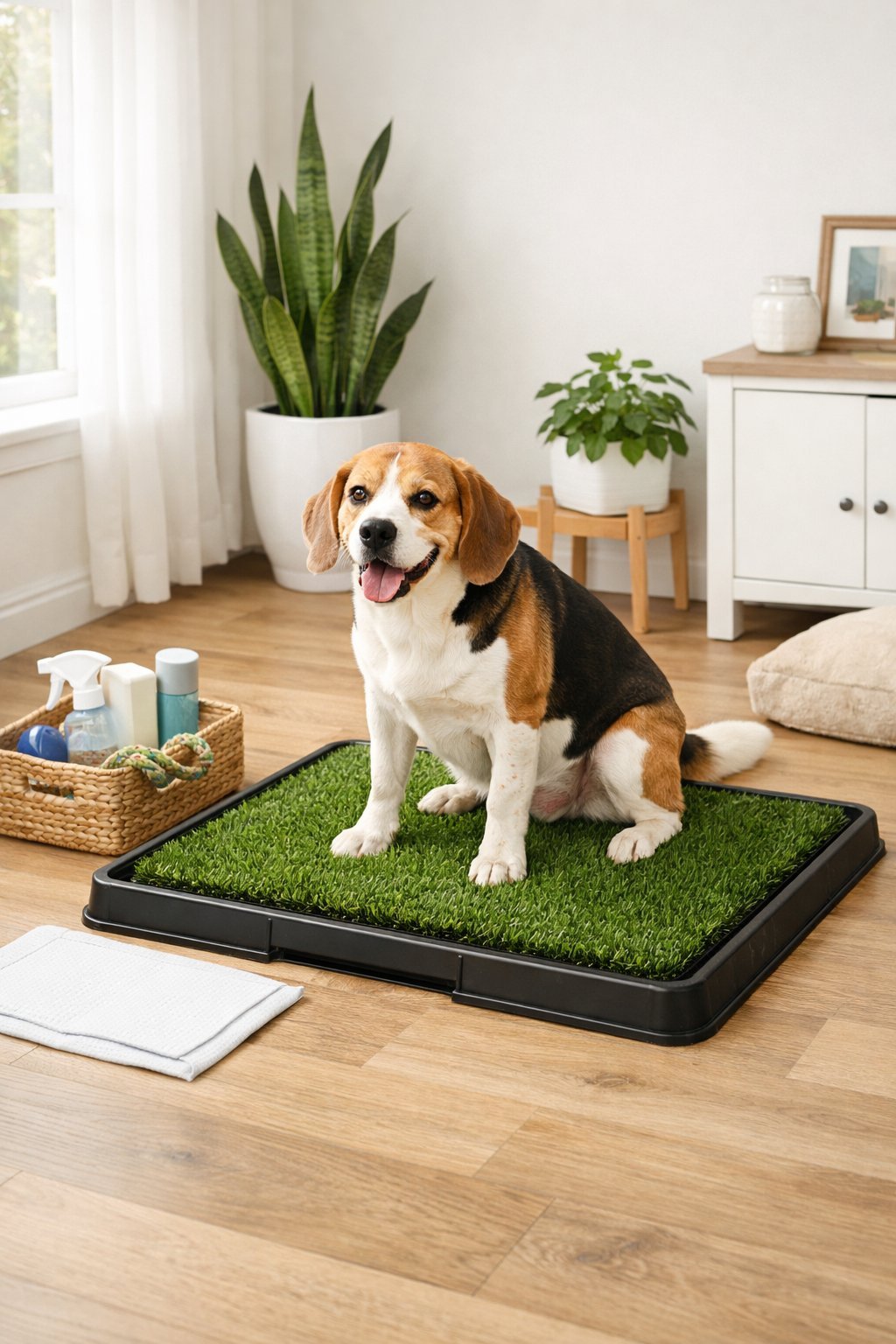
An indoor dog potty offers practical solutions for many common challenges pet owners face. From saving time during busy mornings to providing a reliable backup during bad weather, these systems make life easier for both you and your dog.
Convenience for Pet Owners
Having an indoor potty saves me countless trips outside during hectic days. When I’m working from home or rushing to get ready in the morning, my dog can relieve himself without waiting for me to put on shoes and a coat.
This setup is especially helpful during late-night bathroom needs. Instead of getting fully dressed at 2 AM, I can let my dog use his indoor spot while I stay warm inside.
The time savings add up quickly throughout the week. I no longer worry about rushing home during my lunch break or finding someone to let my dog out when I’m stuck in traffic.
Ideal for Apartment Living
Living in an apartment without easy yard access makes indoor potty solutions a practical necessity. I don’t have to navigate multiple floors, wait for elevators, or walk through long hallways every time my dog needs to go.
High-rise apartments present unique challenges for potty training. An indoor option eliminates the stress of reaching ground level quickly, especially during the puppy training phase when accidents happen more frequently.
My senior dog also benefits from this setup. He struggles with stairs and long walks, so having a nearby indoor spot reduces strain on his joints and gives him more independence.
Emergency Potty Solutions
Bad weather no longer disrupts my dog’s bathroom routine. During heavy rainstorms, snowstorms, or extreme heat, I have a reliable indoor bathroom space ready to use.
Unexpected situations happen to all pet owners. When I’m sick or injured and can’t easily get outside, my dog still has a clean place to relieve himself.
Extended work hours or schedule changes don’t create anxiety anymore. My dog has a consistent spot available regardless of when I can make it home.
Health and Cleanliness Advantages
Managing your dog’s potty needs indoors helps maintain better hygiene in your home. I can control exactly where accidents happen and clean them up immediately with proper materials.
Senior dogs with mobility issues or incontinence benefit greatly from nearby potty access. My older dog doesn’t have to hold it as long, which reduces bladder infections and discomfort.
Key health benefits include:
- Reduced exposure to extreme temperatures
- Less contact with outdoor parasites and diseases
- Easier monitoring of urine and stool for health issues
- Decreased accidents on carpets and furniture
I can also spot health problems faster by checking the indoor potty regularly. Changes in my dog’s bathroom habits become obvious right away, letting me catch potential issues early.
Choosing Materials for DIY Dog Potties
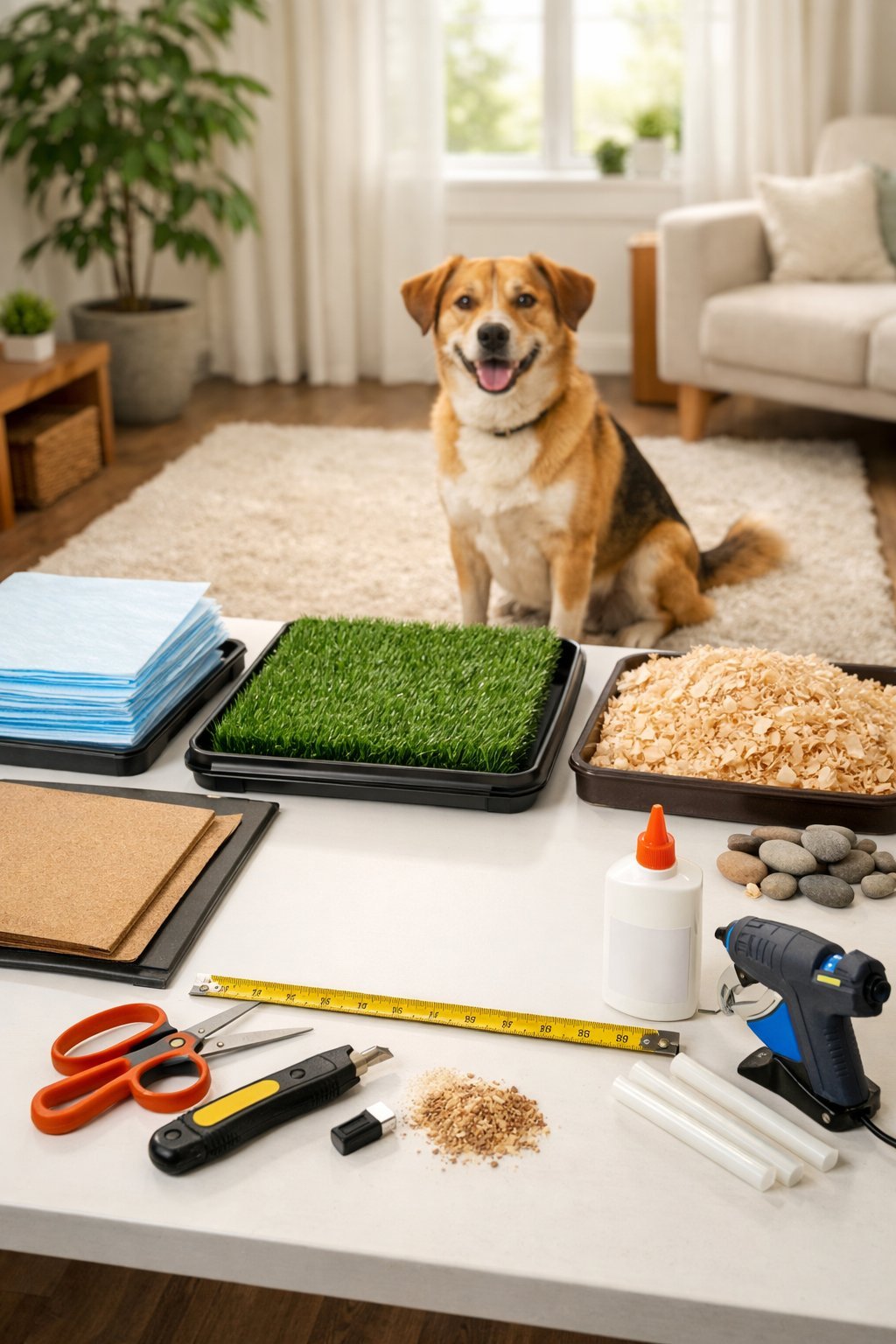
Picking the right materials makes a huge difference in how well your indoor dog potty works. The surface your dog uses, the container that holds everything, and the safety of all products matter for both you and your pup.
Comparing Fake Grass and Real Grass Options
Artificial turf gives you a low-maintenance option that doesn’t need watering or sunlight. It stays green all the time and cleans up easily with a hose or pet-safe cleaner.
Artificial turf looks like real grass, which helps your dog feel comfortable using it. Real grass offers the most natural experience for dogs.
Many pups prefer it because it smells and feels like going outside. You can buy sod patches from garden centers or use grass delivery services made for indoor potty systems.
The downside is that real grass needs regular replacement every few weeks. It also requires drainage and can get messy indoors.
I find that artificial turf works better for most people because it lasts longer and needs less work.
Selecting the Best Base and Tray
A solid base keeps everything contained and protects your floors from leaks. Plastic storage bins, large boot trays, or cement mixing pans all work well as bases.
The container needs raised edges of at least 2-3 inches to prevent spills. Size matters when choosing your tray.
Small dogs need about 20×30 inches of space, while larger breeds require 30×40 inches or bigger. Make sure your dog can turn around comfortably in the potty area.
Drainage is important for keeping things fresh. Some people drill small holes in the bottom of their tray and place it inside a larger container.
Others use a grated insert that lets liquid flow through to an absorbent pad underneath.
Non-Toxic and Pet-Safe Products
I always check that cleaning products don’t contain harsh chemicals that could harm my dog. Enzyme-based cleaners work best because they break down odors naturally without toxic ingredients.
Avoid anything with bleach, ammonia, or strong fragrances. The grass or turf you pick should be free from pesticides and chemical treatments.
Many artificial turf products contain lead or other harmful substances, so look for pet-specific options with safety certifications. Glues and adhesives used in assembly need to be non-toxic too.
Water-based products dry safely, while some construction adhesives release fumes that bother dogs. Using recycled materials saves money and often provides safer options than brand-new supplies.
Step-by-Step Guide to Building an Indoor Dog Potty
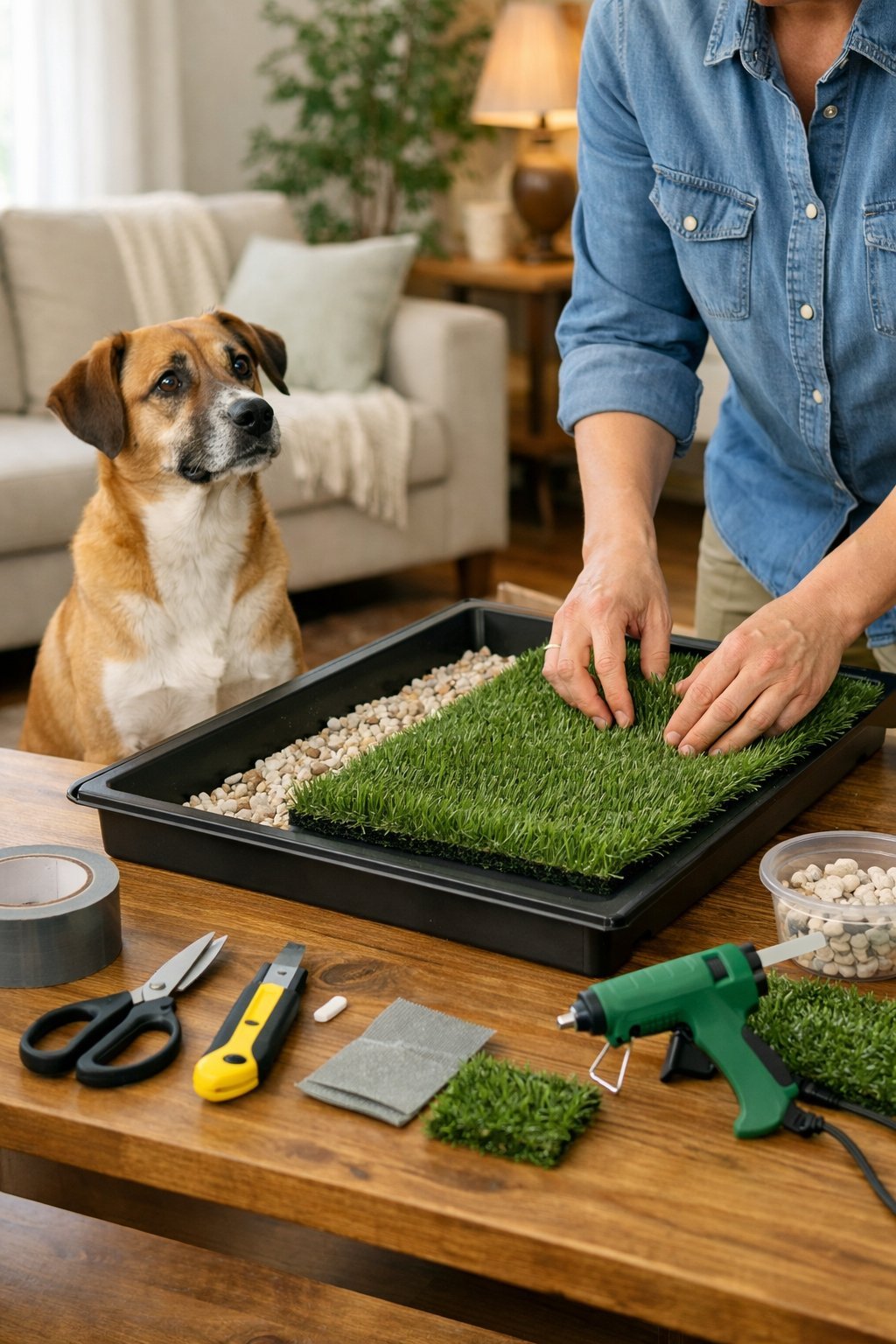
Building your own indoor dog potty requires careful planning of your available space, collecting the right materials, and putting everything together properly. I’ll walk you through each step to create a functional potty area that works for your home and your dog.
Measuring and Planning the Space
I always start by measuring my dog from nose to tail and adding at least 6 inches on each side. This gives enough room for my dog to turn around comfortably.
The quiet corner away from the food bowl works best in my experience. I look for spots with easy-to-clean flooring like tile or vinyl instead of carpet.
Bathrooms, laundry rooms, and enclosed balconies are good options. I measure the exact floor space and write down the dimensions.
For small dogs, I usually plan for a 2×2 foot area. Medium dogs need about 3×3 feet, and large dogs require 4×4 feet or more.
Good lighting and ventilation matter too. I make sure the spot gets enough air flow to prevent odors from building up.
Gathering Supplies and Tools
I need a shallow plastic tray or under-bed storage bin as the base. The container should have sides that are 2 to 4 inches tall to contain mess but low enough for my dog to step in easily.
Basic supplies I gather:
- Plastic tray or storage bin
- Puppy pads or newspaper
- Fake grass mat or real grass sod
- Scissors or utility knife
- Measuring tape
The fake grass or real turf sits on top of the absorbent layer. I can find artificial grass at hardware stores or online.
Real grass sod from garden centers works well but needs replacing every few weeks. I also keep cleaning supplies nearby including enzyme cleaner, paper towels, and disposable gloves.
Assembling the Structure
I place the plastic tray in my chosen spot first. Then I cut puppy pads to fit the bottom of the tray completely with no gaps showing.
Next, I measure and cut the grass mat to fit inside the tray. The grass should cover the entire surface but not hang over the edges.
I trim any excess with scissors. I layer the materials in this order: plastic tray on bottom, puppy pads in the middle, and grass mat on top.
The puppy pads catch moisture and prevent leaks while the grass gives my dog a familiar surface. I test the setup by pressing down on the grass to make sure it feels stable.
The whole thing should sit flat without wobbling or sliding around.
Training Your Dog to Use the Indoor Potty
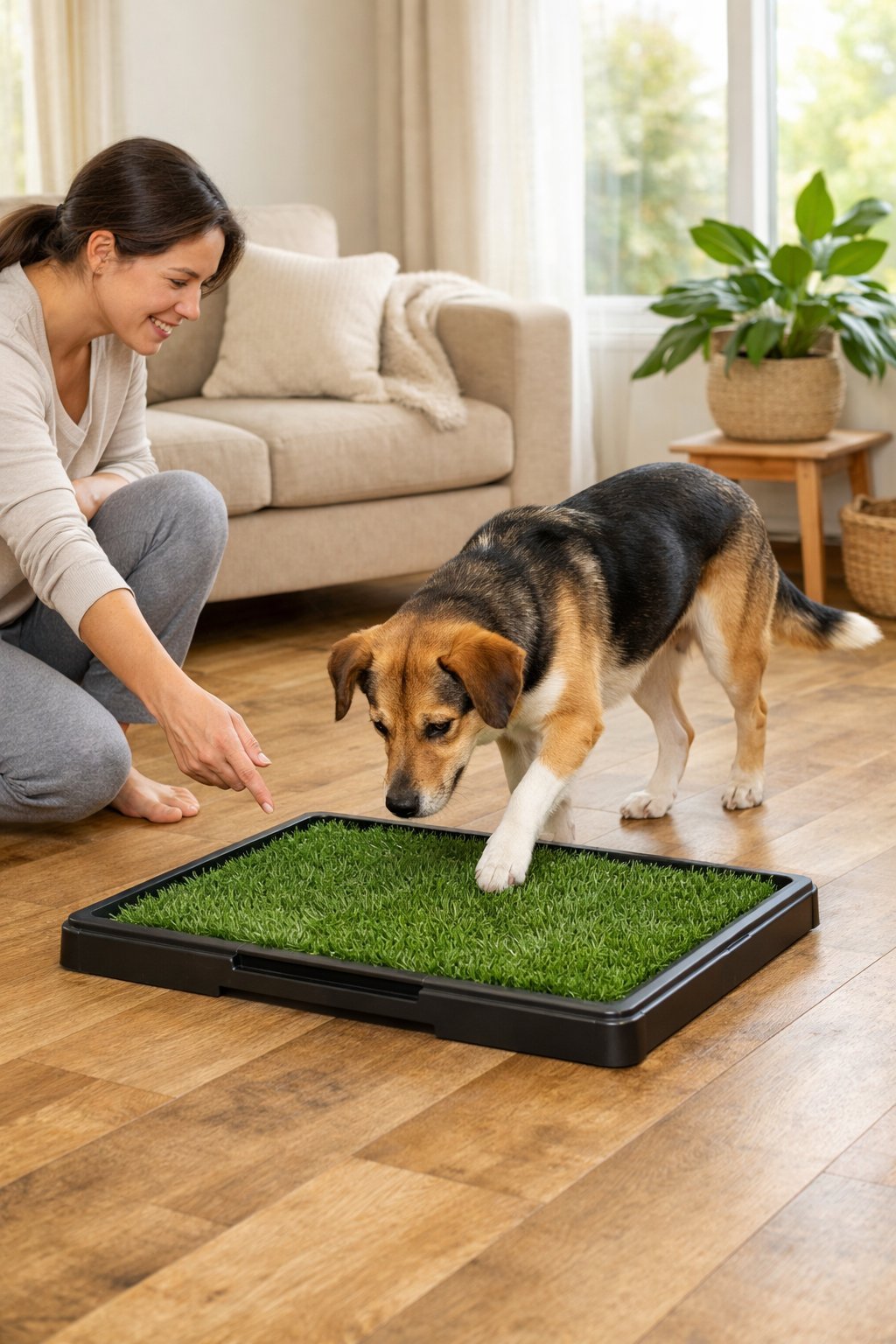
Success with indoor potty training depends on patience and consistency when teaching your dog where to go. Rewarding your dog for good behavior makes the training process much easier and faster.
Positive Reinforcement Techniques
I always start by introducing the potty area to my dog and rewarding them with treats and praise whenever they approach it or show interest. The key is to catch them doing the right thing and reward immediately.
When my dog uses the indoor potty correctly, I give them a high-value treat within seconds. This creates a strong connection between the behavior and the reward.
I also use excited verbal praise like “good potty” in a happy voice. I keep treats near the potty area so I’m always ready to reward.
Consistency matters more than anything else. Every single time my dog uses the indoor potty correctly, they get rewarded without exception.
I never punish accidents or scold my dog for mistakes. This only creates fear and confusion.
Instead, I quietly clean up accidents and focus on rewarding the correct behavior next time.
Transitioning from Outdoor to Indoor Use
Training older dogs to use an indoor potty can be challenging since they’re conditioned to go outside. I start by bringing something from outside that smells like their usual potty spot, like grass or dirt, and placing it on the indoor potty.
I take my dog to the indoor potty area at the same times I would normally take them outside. This includes right after waking up, after meals, and before bedtime.
The familiar schedule helps them understand what’s expected. When moving the toilet area indoors, I gradually reduce outdoor potty breaks while increasing indoor opportunities.
I watch for signs like sniffing or circling and immediately guide my dog to the indoor potty. With patience, most dogs adapt within a few weeks.
Cleaning and Maintaining Your DIY Dog Potty
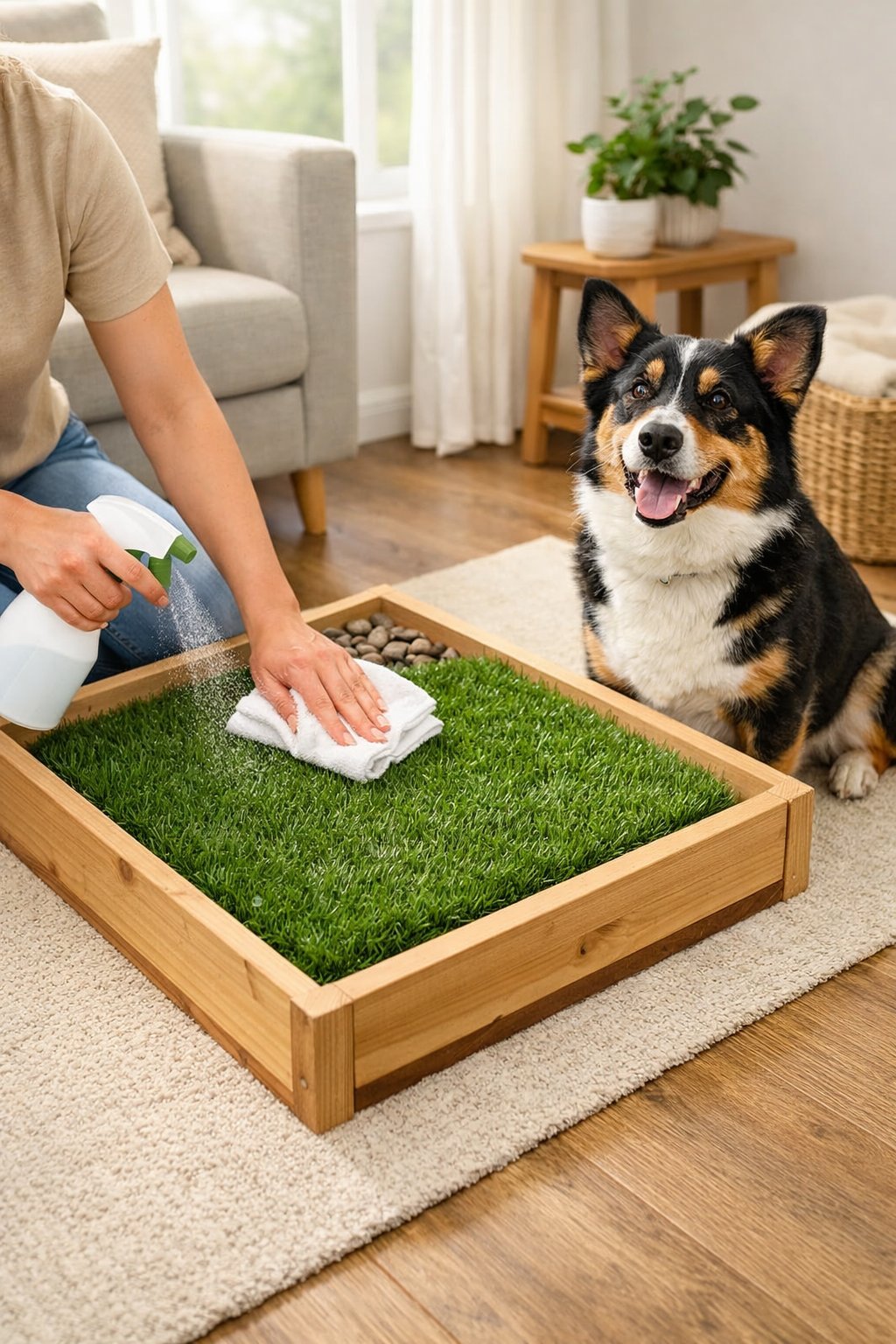
Keeping your indoor potty fresh means staying on top of waste removal and odor control every day. Regular cleaning stops bacteria from building up and keeps your home smelling good.
Odor Control Strategies
Try sprinkling baking soda on the potty surface after each cleaning. It absorbs moisture and neutralizes smells without any harsh chemicals.
For grass-based potties, spray a mix of equal parts water and white vinegar on the surface once a week. Let it sit for five minutes, then rinse well.
Placing an air purifier near the potty area helps keep things fresh. Enzyme-based cleaners are great for breaking down urine crystals—just apply them to soiled spots and let them sit for 10-15 minutes.
Keep a small lidded trash can close by for tossing solid waste right away. Using scented bags in the trash can makes a big difference until it’s time to take out the garbage.
Routine Cleaning Tips
Remove solid waste as soon as you see it using disposable gloves and paper towels. This quick step prevents stains and keeps odors down.
For daily cleaning, rinse the potty surface with warm water and mild dish soap. Use a brush that’s just for this job to scrub it down.
Once a week, give everything a deep clean. Take out all materials and wash them separately. Artificial grass can soak in warm soapy water for 20 minutes, and pee pads should be replaced.
Check the drainage system once a month to make sure it’s not clogged. Flush the drain with hot water and a little dish soap to clear out any buildup.
Creative Customization Ideas
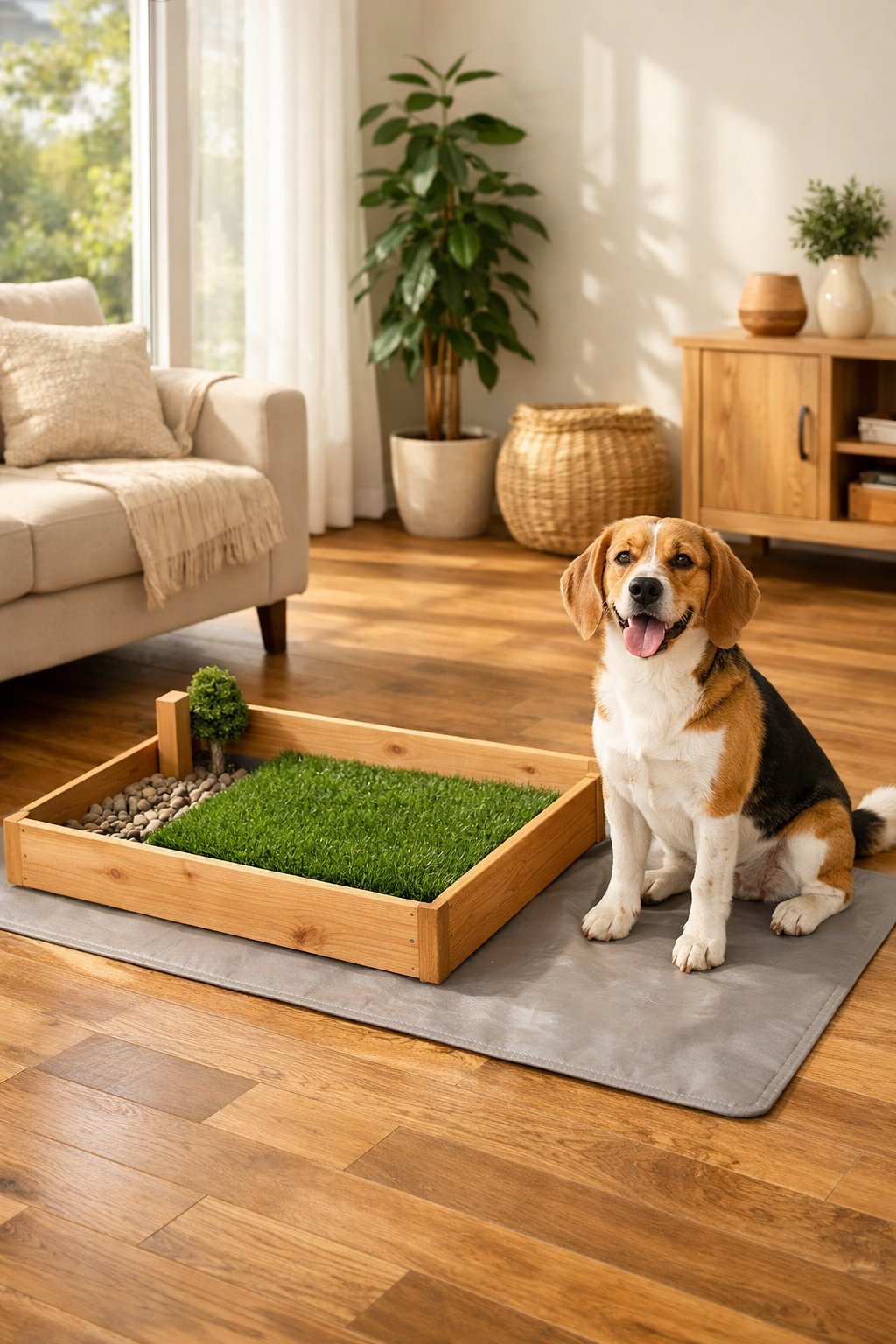
Personalizing your DIY indoor dog potty helps it fit right in with your home’s style. You can add decorative touches or use smart designs to make the most of small spaces.
Decorative Design Inspirations
Think of your dog’s potty area as part of your home decor, not just a necessity. Paint wooden frames to match your walls or furniture, or stain them in natural tones like oak or walnut for a classy look.
Decorative borders can make the area look intentional. Try river rocks, tiles, or small planters around the edges.
Some people hide the potty inside furniture pieces like end tables or cabinets. You can also pick turf in different shades of green to match your style.
A small storage basket that matches your decor is handy for keeping cleaning supplies and waste bags nearby.
Space-Saving Solutions
Small apartments need smart solutions that don’t take up too much floor space. Corner designs are awesome because they use space that usually goes unused.
I can fit a triangular potty box in my bathroom corner without blocking any pathways. Wall-mounted options or DIY indoor dog potties that fold up when not in use save even more room.
Under-furniture designs let you slide the potty box under a raised bed or console table when guests visit. Vertical storage attached to the potty frame holds supplies without needing extra space.
Multi-level designs are handy if you have more than one small dog. Shallow trays can stack or nest together for easy storage.
Sliding drawer systems also keep the potty hidden inside existing furniture pieces.