
Dog Breath Treats: Safe Ingredients That Help Freshen Breath Naturally and Keep Your Pup Healthy

Bad dog breath is more than just unpleasant. It can be a sign of dental problems or health issues that need attention.
Many pet owners don’t realize that what their dog eats plays a big role in how their breath smells.
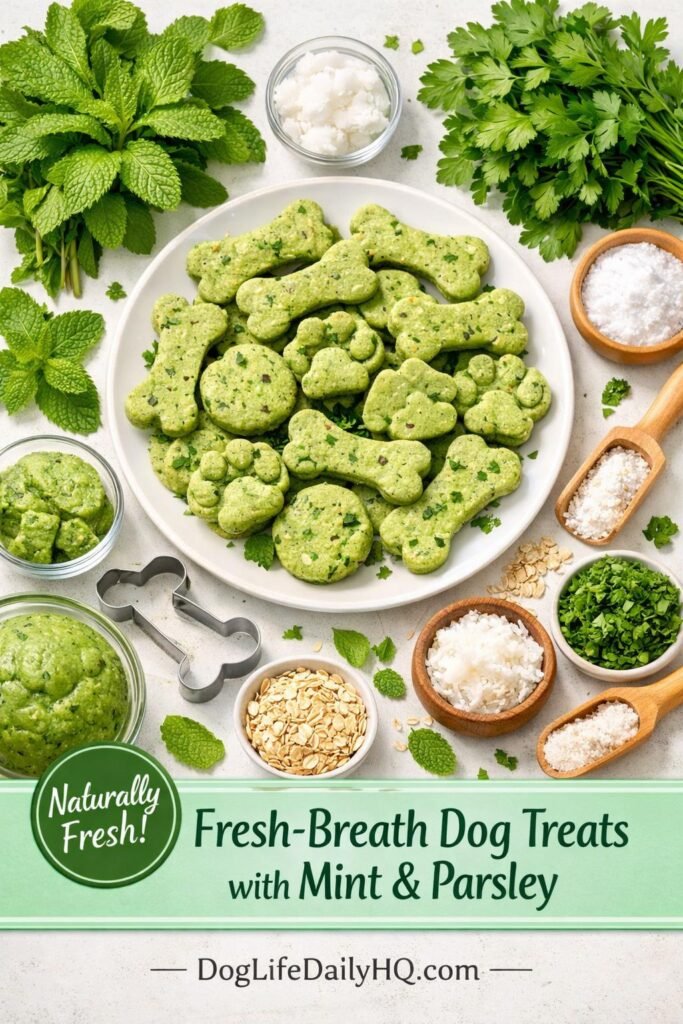
Dog breath treats made with natural ingredients like parsley, mint, and coconut oil can help freshen your dog’s breath while supporting their dental health.
These treats work by reducing bacteria in the mouth and cleaning teeth as your dog chews.
Some ingredients also help with digestion, which can improve breath from the inside out.
Not all breath-freshening treats are created equal. Some contain harmful ingredients that can actually hurt your dog.
Knowing which ingredients are safe and which ones to avoid will help you choose the best dog breath fresheners for your pet.
You can even make your own treats at home using simple, dog-safe ingredients.
Key Takeaways
- Natural ingredients like parsley, mint, and fennel safely freshen dog breath while supporting oral health
- Avoid treats with artificial sweeteners, excessive sugar, and ingredients toxic to dogs like xylitol
- Regular dental care combined with breath-freshening treats helps prevent serious health problems in dogs
Why Fresh Breath Matters for Your Dog
Bad breath in dogs isn’t just unpleasant during cuddle time. It often signals deeper health problems that need attention.
Keeping your dog’s mouth clean can prevent serious issues down the road.
Health Benefits of Fresh Breath
Fresh breath usually means your dog has a healthy mouth. When your dog’s breath smells clean, it indicates that harmful bacteria aren’t building up on their teeth and gums.
Bad breath can be an early warning sign of dental disease, which affects over 80% of dogs by age three.
Maintaining oral hygiene through breath care helps reduce plaque and tartar buildup before it becomes a bigger problem.
Clean teeth and fresh breath mean your dog is less likely to develop painful infections. These infections can make eating difficult and reduce your dog’s quality of life.
Regular breath care can also save you money on expensive dental cleanings and treatments at the vet.
Link Between Oral Hygiene and Overall Wellbeing
Your dog’s mouth health directly affects their whole body. Bacteria from dental disease can enter the bloodstream and travel to major organs like the heart, liver, and kidneys.
Studies show that dogs with poor oral hygiene have a higher risk of heart disease.
The same bacteria that cause gum inflammation can damage heart valves and cause serious complications.
Bad breath doesn’t just stay in the mouth – it can spread when dogs groom themselves, leading to odor on their coat.
When you address oral health early, you’re protecting multiple body systems at once.
Dogs with clean mouths tend to be more active, eat better, and live longer, healthier lives.
Common Causes of Bad Breath in Dogs
Poor dental hygiene is the number one cause of bad breath. Food particles and bacteria accumulate on teeth, forming plaque that hardens into tartar if not removed.
Diet plays a big role too. Low-quality foods or table scraps can stick to teeth and cause odor.
Some dogs also eat things they shouldn’t, like garbage or feces, which creates immediate breath problems.
Medical conditions can cause bad breath as well:
- Gum disease (gingivitis and periodontitis)
- Kidney disease (creates a urine-like smell)
- Diabetes (produces a sweet or fruity odor)
- Liver problems (causes a musty smell)
- Digestive issues (including acid reflux)
Sometimes bad breath comes from objects stuck between teeth or oral tumors.
If your dog’s breath suddenly changes or smells unusually bad, I recommend visiting your vet to rule out serious health issues.
Natural breath fresheners can help with mild cases, but persistent bad breath needs professional evaluation.
Safe Ingredients for Dog Breath Treats
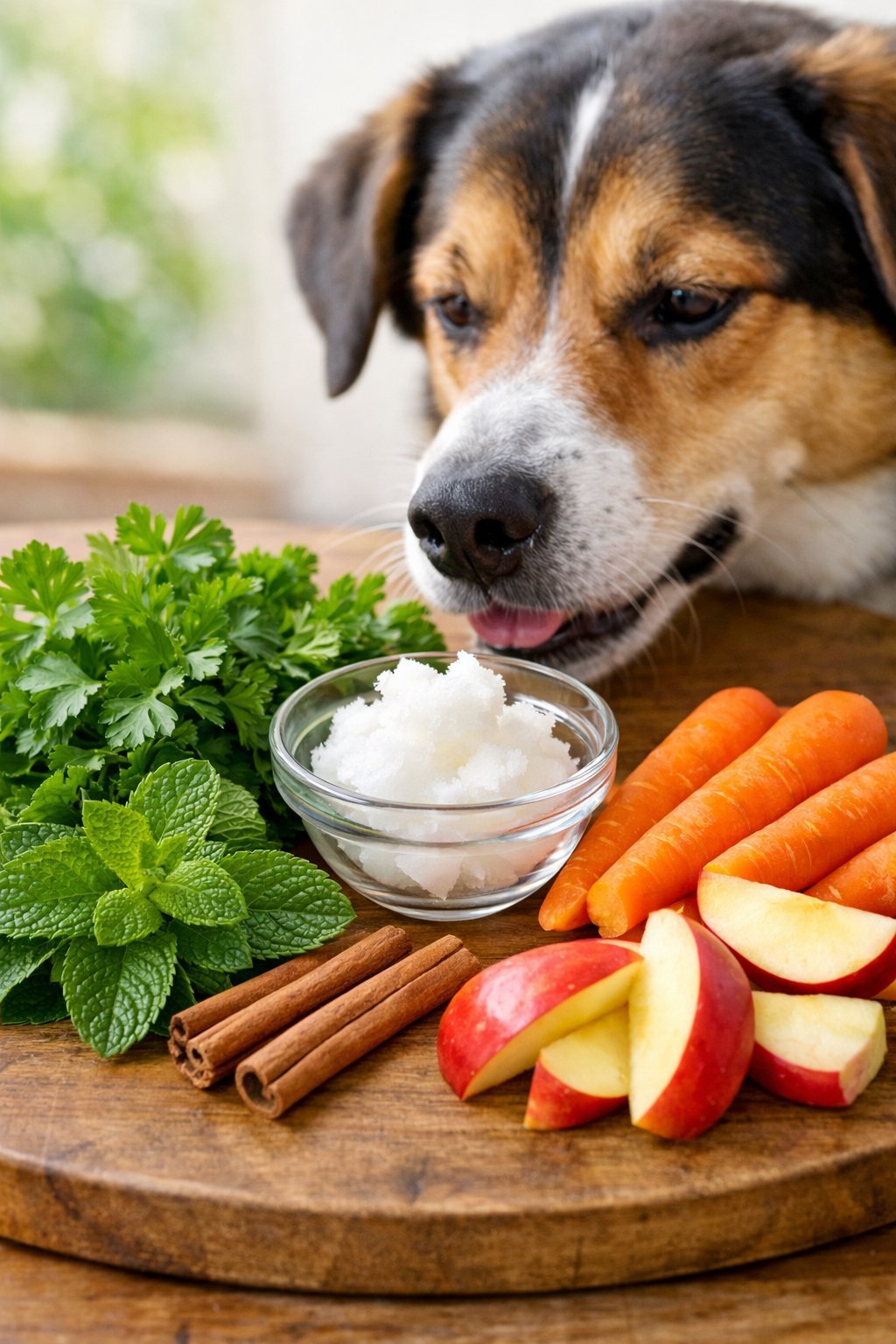
The right ingredients can make a big difference in freshening your dog’s breath naturally.
Some foods work by neutralizing odors in the digestive system, while others contain compounds that fight bacteria in the mouth or support overall dental health.
Natural Ingredients That Neutralize Odor
Chlorophyll-rich foods are among the most effective natural odor fighters for dogs.
Parsley is regarded as one of the most effective home remedies because it contains lots of chlorophyll, which works almost like nature’s deodorizer.
I like adding fresh parsley to homemade treats because it tackles bad breath at its source.
Carrots are another simple option that helps freshen breath. The crunchy texture scrapes away plaque as your dog chews, and the natural fiber helps clean the digestive system where many odors start.
Raw carrots make great low-calorie treats between meals.
Plain yogurt with active cultures can also help neutralize bad breath.
The beneficial bacteria in yogurt support healthy digestion and can reduce the buildup of odor-causing bacteria in your dog’s mouth.
Just make sure to choose unsweetened varieties without artificial sweeteners, especially xylitol, which is toxic to dogs.
Herbs and Spices Used in Freshening Treats
Several herbs and spices are safe and effective for freshening dog breath.
MiNTiES Dental Dog Treats use five natural ingredients including peppermint, alfalfa, fennel, dill, and parsley to combat bad breath.
Common breath-freshening herbs include:
- Peppermint – Contains menthol that naturally freshens breath and may soothe upset stomachs
- Fennel – Has antimicrobial properties that fight odor-causing bacteria
- Dill – Contains chlorophyll and helps settle digestion
- Alfalfa – Rich in chlorophyll and supports overall health
- Cinnamon – Has antibacterial properties but should be used in very small amounts
I always use these herbs in moderation because too much can upset a dog’s stomach.
Parsley seed oil helps minimize bad breath and is often included in commercial dental treats.
Mint should be used carefully. Small amounts of peppermint or spearmint are safe, but avoid pennyroyal mint, which is toxic to dogs.
Vitamins and Minerals Supporting Oral Health
Certain vitamins and minerals play important roles in maintaining healthy teeth and gums.
Calcium strengthens tooth enamel and supports jawbone health.
I include calcium-rich ingredients like plain yogurt or cottage cheese in homemade breath treats.
Vitamin C supports gum health and helps fight inflammation.
Dogs produce their own vitamin C, but adding small amounts through ingredients like blueberries or strawberries can provide extra support for oral tissues.
Vitamin D works alongside calcium to maintain strong teeth and bones. It also supports immune function, which helps fight bacteria in the mouth.
Key minerals for oral health:
| Mineral | Benefits | Safe Food Sources |
|---|---|---|
| Calcium | Strengthens teeth and bones | Plain yogurt, cheese (small amounts) |
| Phosphorus | Works with calcium for dental health | Eggs, meat |
| Zinc | Supports immune function and wound healing | Beef, chicken |
| Magnesium | Helps calcium absorption | Pumpkin seeds (ground), spinach |
Coconut oil deserves special mention.
It contains lauric acid, which has antibacterial properties that may help reduce plaque buildup.
I add a small amount to treats, but too much can cause digestive upset or weight gain.
Ingredients to Avoid in Dog Breath Treats
Not all breath treats are safe for your dog.
Some contain harmful additives, toxic human foods, or common allergens that can cause serious health problems instead of helping.
Harmful Additives and Preservatives
I always check labels carefully because some preservatives can harm dogs.
Artificial preservatives like BHA, BHT, and ethoxyquin have been linked to health issues in pets.
These chemicals extend shelf life but may cause liver or kidney problems over time.
Artificial colors and dyes serve no purpose except making treats look appealing to humans.
Red 40, Yellow 5, and Blue 2 can trigger allergic reactions in some dogs.
I avoid these completely since they offer zero nutritional value.
Propylene glycol is another additive I steer clear of. It’s used to keep treats moist, but it can reduce red blood cell count in dogs.
Sodium nitrite, often used as a preservative in meat-based treats, can be toxic in large amounts.
Look for treats preserved with natural options like vitamin E (mixed tocopherols) or vitamin C instead.
These are much safer choices that won’t put your dog’s health at risk.
Human Foods Dangerous for Dogs
Some ingredients that freshen human breath are extremely dangerous for dogs.
Garlic and onions should be avoided because they contain compounds that destroy red blood cells and can cause anemia.
Even small amounts in treats can be harmful.
Xylitol is one of the most dangerous ingredients I watch for. This artificial sweetener causes rapid insulin release in dogs, leading to low blood sugar, seizures, or liver failure.
It’s sometimes hidden in peanut butter or mint-flavored products.
Grapes and raisins cause kidney failure in dogs, though scientists still don’t know exactly why.
I never give treats containing these fruits.
Chocolate and caffeine are also toxic because dogs can’t process them like humans do.
Macadamia nuts can cause weakness, vomiting, and tremors in dogs.
Fatty meats and sugary treats may not be immediately toxic, but they worsen bad breath and lead to obesity and dental disease over time.
Common Allergens in Dog Treats
Dogs can develop allergies to certain ingredients just like people do.
Wheat, corn, and soy are the most common grain allergens I see in dog breath treats.
These can cause itching, digestive upset, or skin problems in sensitive dogs.
Dairy products like milk, cheese, and yogurt cause issues for many dogs because they’re lactose intolerant.
Symptoms include diarrhea, gas, and stomach pain.
Some treats use dairy to improve taste, but it’s not worth the risk for dogs with sensitivities.
Beef and chicken are surprisingly common protein allergens.
If your dog has food allergies, I recommend trying treats with novel proteins like duck, venison, or fish instead.
Eggs can also trigger reactions in some dogs.
Pay attention to how your dog reacts after eating new treats.
Watch for scratching, ear infections, or digestive changes.
These signs mean you should stop using that product and consult your vet about alternatives.
DIY Dog Breath Treat Recipes
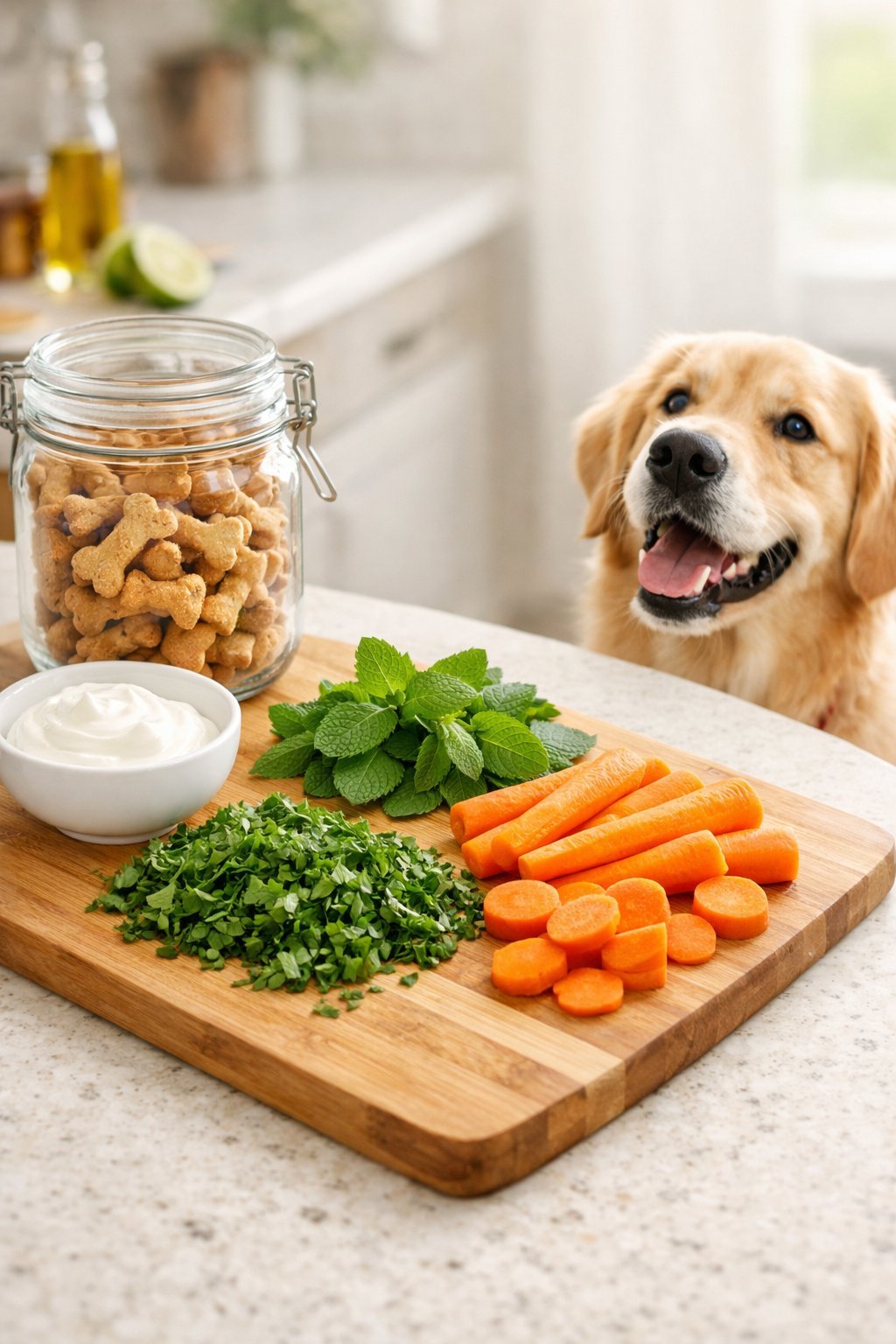
Making your own breath-freshening treats at home gives you control over ingredients.
It ensures your dog gets wholesome snacks without artificial additives.
These recipes use simple pantry staples combined with natural breath fresheners like mint and parsley.
Simple Homemade Treat Ideas
I’ve found that homemade treats with natural breath-freshening ingredients work great alongside regular dental care. The trick is to use herbs and ingredients that naturally fight odor-causing bacteria.
Parsley Mint Biscuits are one of my favorites. Fresh parsley has chlorophyll, which helps neutralize bad breath. Mint adds a cool, fresh twist.
Coconut Oil Chews are another solid choice. Coconut oil’s antimicrobial properties help reduce bacteria in your dog’s mouth. I like to mix it with oat flour for a chewy bite.
If your pup likes softer snacks, frozen fresh breath dog treats are perfect. They’re especially nice in warm weather and are easy to portion out.
Activated Charcoal Treats can help absorb toxins and odors. When mixed in small amounts with pumpkin and peanut butter, you get a healthy dental treat that supports oral hygiene.
Fresh Breath Parsley Mint Treats
🍳 Cook/Bake: 25 min
⏰ Total: 35 min
🦴 Yield: 30 small treats
📊 Difficulty: Easy
🥘 Ingredients
- 2 cups whole wheat flour
- 1/2 cup fresh parsley, finely chopped
- 2 tablespoons fresh mint leaves, finely chopped
- 1 egg
- 1/4 cup water (add more if needed)
- 2 tablespoons coconut oil, melted
👩🍳 Instructions
- Preheat your oven to 350°F and line a baking sheet with parchment paper.
- Mix the flour, chopped parsley, and mint in a large bowl.
- In a separate bowl, whisk together the egg, water, and melted coconut oil.
- Pour the wet ingredients into the dry ingredients and stir until a dough forms. Add more water one tablespoon at a time if the dough is too dry.
- Roll out the dough on a floured surface to about 1/4 inch thickness.
- Cut into small shapes using cookie cutters or a knife.
- Place treats on the prepared baking sheet and bake for 25 minutes until golden and crispy.
- Let cool completely on a wire rack before serving.
📦 Storage
Store in an airtight container in the refrigerator for up to 2 weeks. For longer storage, freeze treats for up to 3 months.
💪 Key Nutritional Benefits for Dogs
Parsley provides chlorophyll for natural breath freshening and vitamins A, C, and K. Mint soothes digestion and adds antibacterial properties. Coconut oil offers healthy fats and antimicrobial benefits for oral health.
⚠️ Important Notes
Use only fresh parsley and mint, not spring parsley which can be toxic. These treats are best for adult dogs. Consult your vet before giving to puppies or dogs with food sensitivities.
Storing and Serving Homemade Treats
Proper storage keeps your homemade treats fresh and safe for your pup. Always use an airtight container and refrigerate or freeze if you’re making a large batch.
How to Choose Commercial Dog Breath Treats
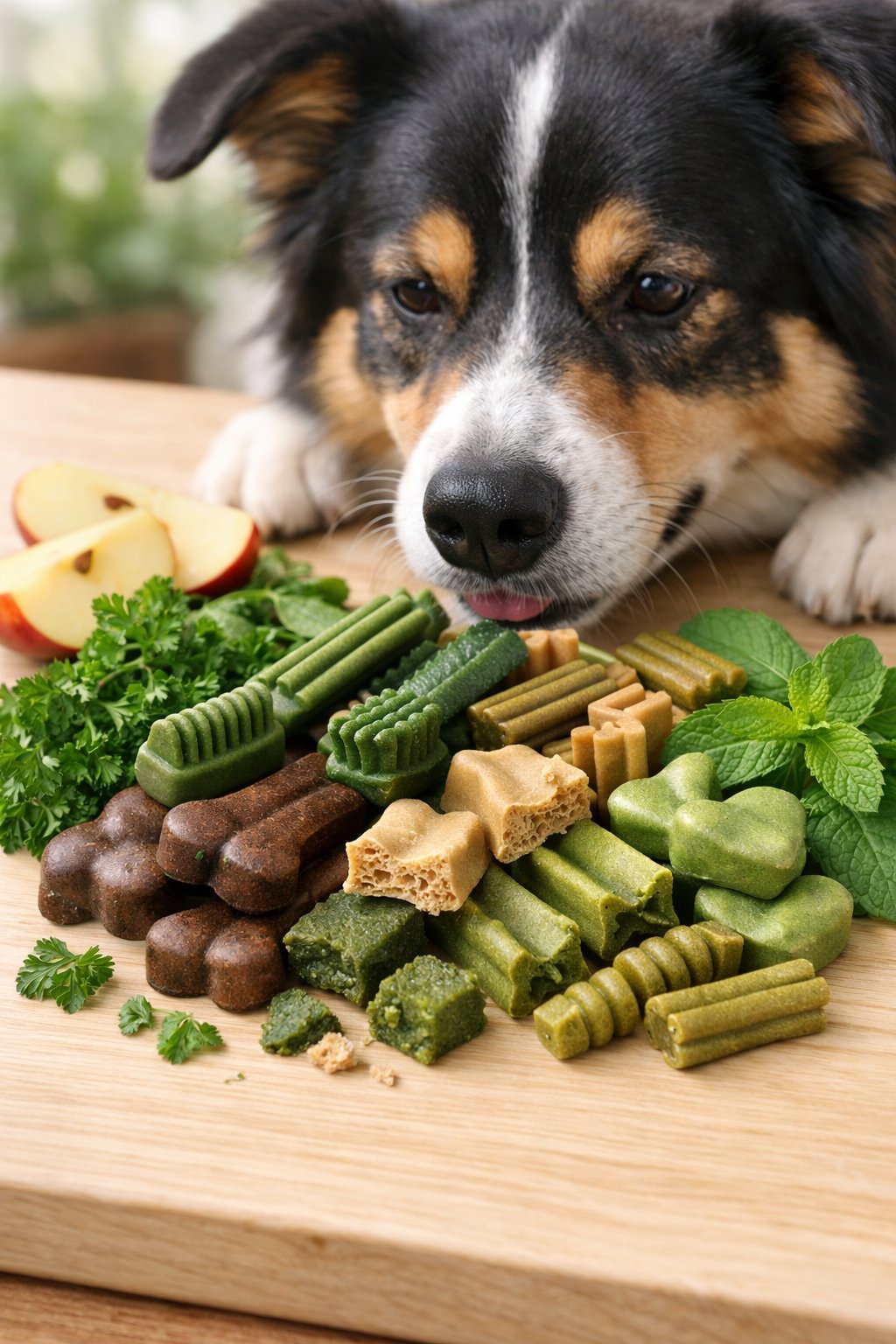
When I shop for dog breath treats, I pay attention to three main things: what’s in the product, quality certifications, and whether the treats fit my dog’s health needs.
Reading Ingredient Labels
I always flip the package over to check the ingredient list before buying any breath treat. The first few ingredients are the most important since they make up most of the treat.
I look for natural breath fresheners like parsley, mint, and fennel near the top. These herbs fight odor without harsh chemicals.
Ingredients that support oral health include enzymes like glucose oxidase, which help break down odor-causing buildup. I skip treats with artificial colors, flavors, or preservatives.
Red flags for me are BHA, BHT, and ethoxyquin. I also avoid products that use vague terms like “meat by-products” or “animal digest.”
Good ingredients to spot:
- Chlorophyll (natural deodorizer)
- Probiotics (for digestive health)
- Coconut oil (antimicrobial)
- Cinnamon (fights bacteria)
Short and simple ingredient lists are best. If I can’t pronounce half the ingredients or the list is super long, I move on.
Recognizing Quality Certifications
I trust treats with quality certifications because they’ve been independently tested. The NASC (National Animal Supplement Council) seal is a good sign that the company follows strict standards.
USDA Organic certification means the ingredients are grown without synthetic pesticides. I also like seeing the “Made in USA” label, which usually means tighter manufacturing controls.
Third-party testing seals from groups like ConsumerLab.com give me extra peace of mind.
Certifications to look for:
- NASC Quality Seal
- USDA Organic
- Non-GMO Project Verified
- Made in USA or specific country of origin
I’ll check the brand’s website to confirm any claims. Reliable companies are transparent about their sourcing and testing.
Choosing Treats for Special Dietary Needs
My shopping strategy changes if my dog has special health needs. For dogs with grain sensitivities, I go for grain-free options made with things like sweet potato or chickpea flour.
If my dog has protein allergies, I pick treats with novel proteins like duck, venison, or fish. I avoid common allergens like chicken, beef, and dairy when needed.
For overweight dogs, I count the treat calories as part of their daily intake. Low-calorie treats usually have less than 10 calories each. Senior dogs do better with softer chews that are gentle on their teeth.
Special dietary options:
- Grain-free: For wheat or corn allergies
- Limited ingredient: Lowers allergy risk
- Low-calorie: Under 10 calories for weight management
- Soft chews: Easier for puppies and seniors
If my dog has a medical condition, I always check with my vet before trying new treats. Some ingredients can interact with medications or affect certain health issues.
Tips for Maintaining Your Dog’s Oral Health
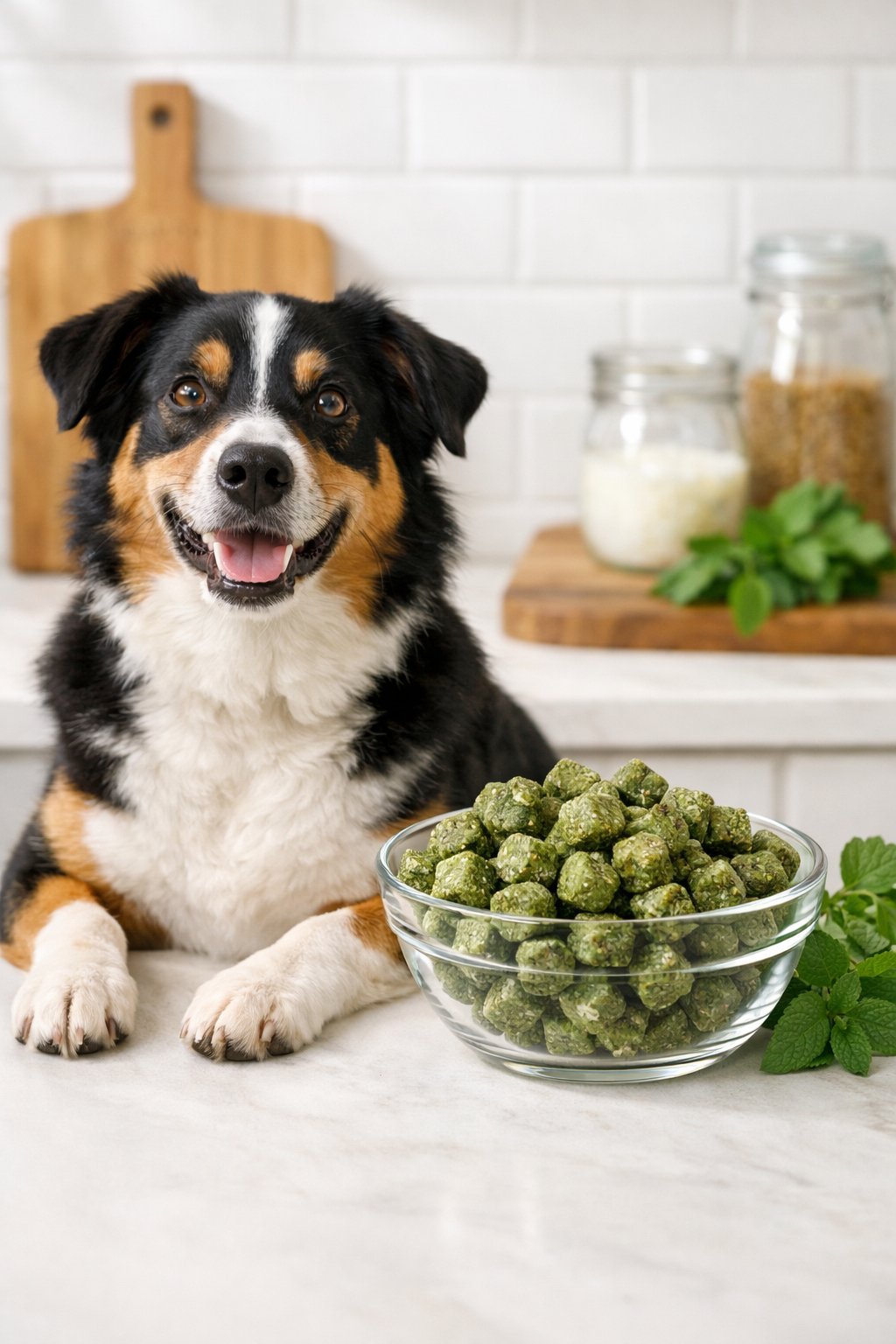
Keeping your dog’s teeth clean is all about daily habits and the right tools. Brushing and giving safe chews can really cut down on plaque and keep their breath fresh.
Establishing a Dental Care Routine
Brushing your dog’s teeth at least three times a week is a great goal, but daily brushing is even better. Use a dog toothbrush with soft bristles and dog-safe toothpaste in flavors your pup likes.
If your dog’s new to brushing, start slow. Let them taste the toothpaste and gently touch their gums. Work up to brushing the front teeth, then move to the back.
My brushing routine:
- Morning: Quick 30-second brush of the front teeth
- Evening: Full 2-minute session
- Weekly: Check gums for redness or swelling
Short, regular sessions make a big difference. Consistency is key, even if you can’t brush every single day.
Incorporating Chew Toys and Safe Chews
Chew toys help clean teeth while your dog plays. I like rubber toys with ridges or nubs to massage gums and get between teeth.
Rope toys are great too, since the fibers work like floss. For chews, try raw carrots, apple slices (no seeds), and dental chews made for dogs.
Skip cooked bones and super hard items like antlers—they can break teeth. Pick chews that match your dog’s size.
Best chews by size:
- Small dogs: Soft rubber toys, baby carrots
- Medium dogs: Rope toys, dental chews
- Large dogs: Large rubber bones, whole carrots
When picking treats for fresh breath and dental health, I look for the Veterinary Oral Health Council seal. That means the product meets standards for reducing plaque and tartar.
Frequently Asked Questions
Dog owners often wonder how to keep their pet’s breath fresh, from safe home remedies to when bad breath might mean a bigger issue. Natural ingredients like parsley and some probiotics can help, but ongoing bad breath could need a vet visit.
What are some home remedies for freshening my dog’s breath?
Certain foods can freshen dog breath naturally, no store-bought products needed. Crunchy veggies like carrots and apples help clean teeth as your dog chews.
Fresh parsley is an easy home remedy. Just chop a little and mix it into your dog’s food or water. The chlorophyll helps neutralize smells from the inside out.
Coconut oil is another simple option. Add a small amount to your dog’s meals to help reduce mouth bacteria. Start slow to make sure your dog’s tummy handles it well.
What ingredients are safe to use in homemade dog breath fresheners?
When I make homemade breath fresheners, I stick to ingredients I know are safe for dogs. Parsley, mint, and fennel are herbs that naturally combat bad breath without causing harm.
Probiotics like plain, unsweetened yogurt support healthy bacteria in your dog’s mouth and gut. I always avoid any products containing xylitol, which is extremely toxic to dogs.
Chlorophyllins work on your dog’s digestive system to neutralize mouth odors from the inside out. Pumpkin puree is another safe ingredient that aids digestion and can indirectly improve breath.
Are there any quick solutions to improve my dog’s breath?
For immediate breath improvement, I suggest giving your dog a dental chew or treat designed for breath freshening. These treats help reduce tartar buildup, clean teeth, and freshen breath through their unique textures.
Water additives offer another quick fix. Fresh breath water additives are liquids added to your dog’s water bowl that reduce odor-causing compounds throughout the day.
I also keep raw carrots on hand as a fast, natural solution. The crunchy texture helps scrape away surface plaque while your dog enjoys a healthy snack.
How can I tell if my dog’s bad breath is a sign of a more serious health issue?
Watch for breath that smells unusually foul or different from typical “dog breath.” A sweet or fruity smell can indicate diabetes, while a smell like urine might signal kidney problems.
If your dog’s bad breath comes with other symptoms, that’s a red flag. Drooling, difficulty eating, pawing at the mouth, or bleeding gums all require immediate veterinary attention.
What are the best products available for combating bad breath in dogs?
I’ve seen great results with dental chews that have a textured, X-shaped design. These treats offer triple action cleaning power by reducing tartar, cleaning teeth, and freshening breath as dogs chew them.
Products containing parsley seed oil help minimize bad breath naturally. I also look for treats with pumice, which helps reduce plaque buildup on teeth.
Water additives are convenient for dogs who won’t tolerate tooth brushing. Probiotic supplements work from the inside to balance oral bacteria and improve overall digestive health.
Can yogurt be used as a remedy for a dog’s bad breath, and how effective is it?
Yes, I use plain, unsweetened yogurt as a natural breath freshener for dogs.
The beneficial bacteria in yogurt help balance the microbiome in your dog’s mouth and digestive tract.
I usually add a spoonful to my dog’s meals a few times per week.
The probiotics can help crowd out odor-causing bacteria, which may improve breath over time.
Yogurt isn’t an instant fix, but I’ve noticed improvements after about two weeks of regular use.
Just make sure you choose yogurt without artificial sweeteners, especially xylitol, and stick to plain varieties with no added sugars or flavors.
Printable Recipe Card
Want just the essential recipe details without scrolling through the article? Get our printable recipe card with just the ingredients and instructions.
