Puppy Potty Training Schedule: A Simple Guide to Timing and Frequency for Success

Puppy Potty Training Schedule – Getting a new puppy is super exciting, but potty training can feel like a big challenge. The good news? Most potty training issues are about timing, not bad behavior.
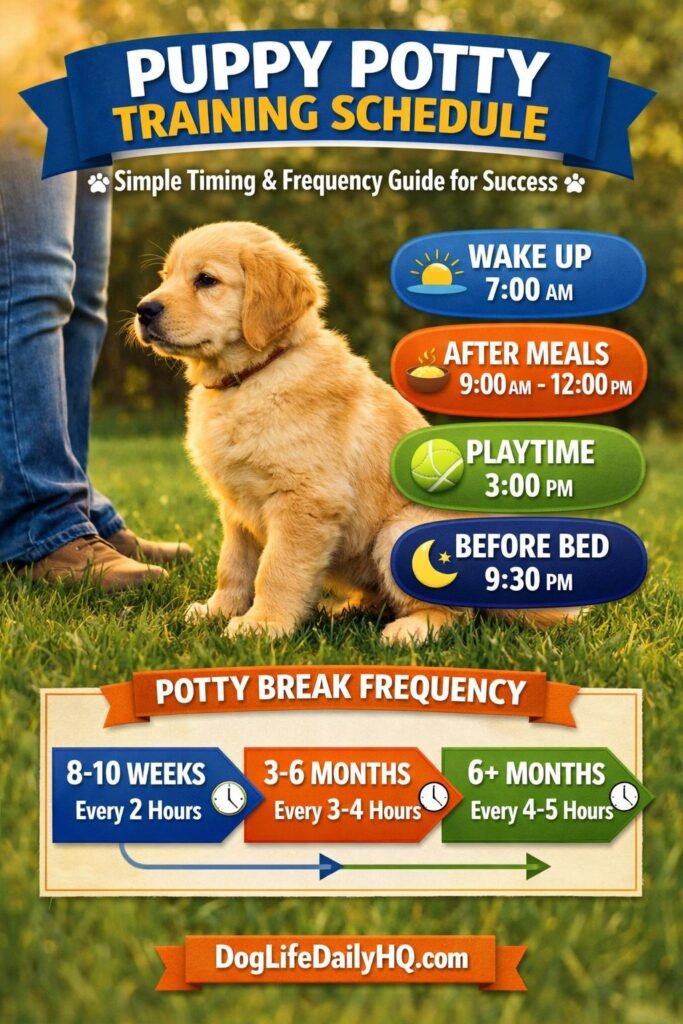
Young puppies need to go outside every 1-2 hours during the day. They also need to go right after waking up, eating, drinking, and playing.
Your puppy’s tiny bladder just can’t hold much. Puppies don’t have the same bathroom control as adult dogs.
Creating a set schedule with regular meal times, walks, and play makes it easier to predict when your pup needs to go out. The real secret is patience and sticking to the routine.
Let’s break down when to take your puppy outside, how to spot the signs they need to go, and what to do when accidents happen.
Key Takeaways
- Puppies need frequent potty breaks based on their age and small bladder size.
- A daily schedule with set meal times and potty breaks helps avoid most accidents.
- Positive reinforcement and patience work way better than punishment.
Understanding Your Puppy’s Bathroom Needs
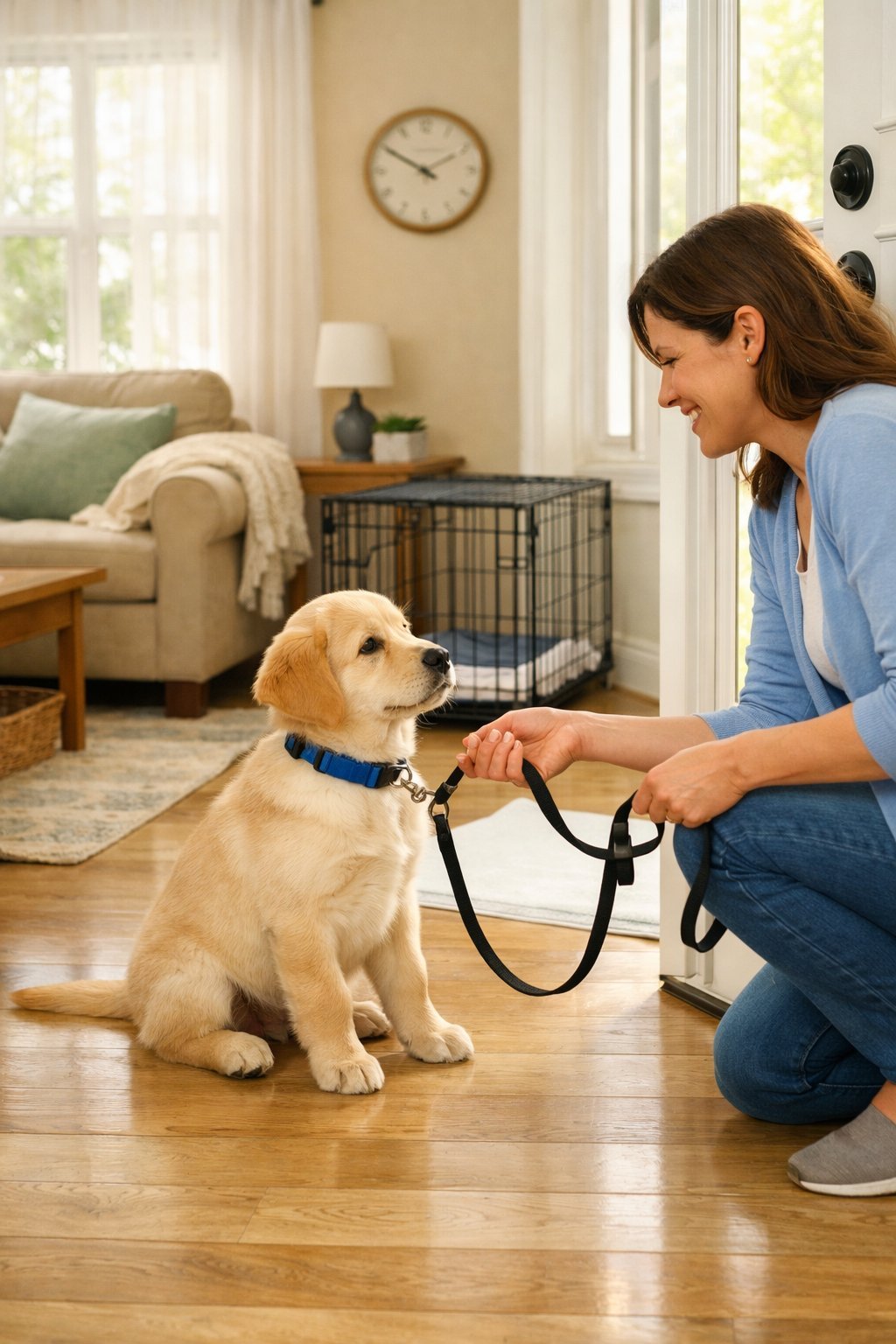
Young puppies have limited bladder control, and it takes a while for them to develop. They’ll show you when they need to go with certain body language.
The size and breed of your puppy also affect how often they need bathroom breaks.
Typical Bladder Control by Age
Puppies can usually hold their bladder for about one hour per month of age, plus one. So, a two-month-old puppy can go about three hours, and a three-month-old can wait around four.
Newborn to eight-week-old puppies need to go out every 30 to 60 minutes when awake. From eight to sixteen weeks, you can start stretching the time between breaks a bit.
By four to six months, most puppies can hold it for four to six hours during the day. Nighttime is a little different—most puppies can sleep through the night without accidents around four months old, but some need until six months.
Signs Your Puppy Needs to Go
Watch for sniffing the ground, circling, and whining—these are big clues. Your puppy might also walk to the door, bark, or suddenly stop playing.
Some puppies get restless or start pacing. Others might squat or lift their leg a little.
Pawing at you or giving you a serious stare can also mean it’s time to go out. Puppies often need to go right after waking up, within 15 minutes of eating or drinking, and after play.
Differences Between Breeds and Sizes
Smaller breeds have smaller bladders and faster metabolisms, so they need more frequent breaks. A Chihuahua puppy might need to go out every hour, while a German Shepherd puppy of the same age could wait longer.
Toy and small breeds sometimes take longer to fully potty train. They might not have full bladder control until about eight months.
Large and giant breeds mature slower but often catch on to potty training concepts faster. Every puppy is different, so adjust your routine to fit your pup.
Building an Effective Puppy Potty Training Schedule
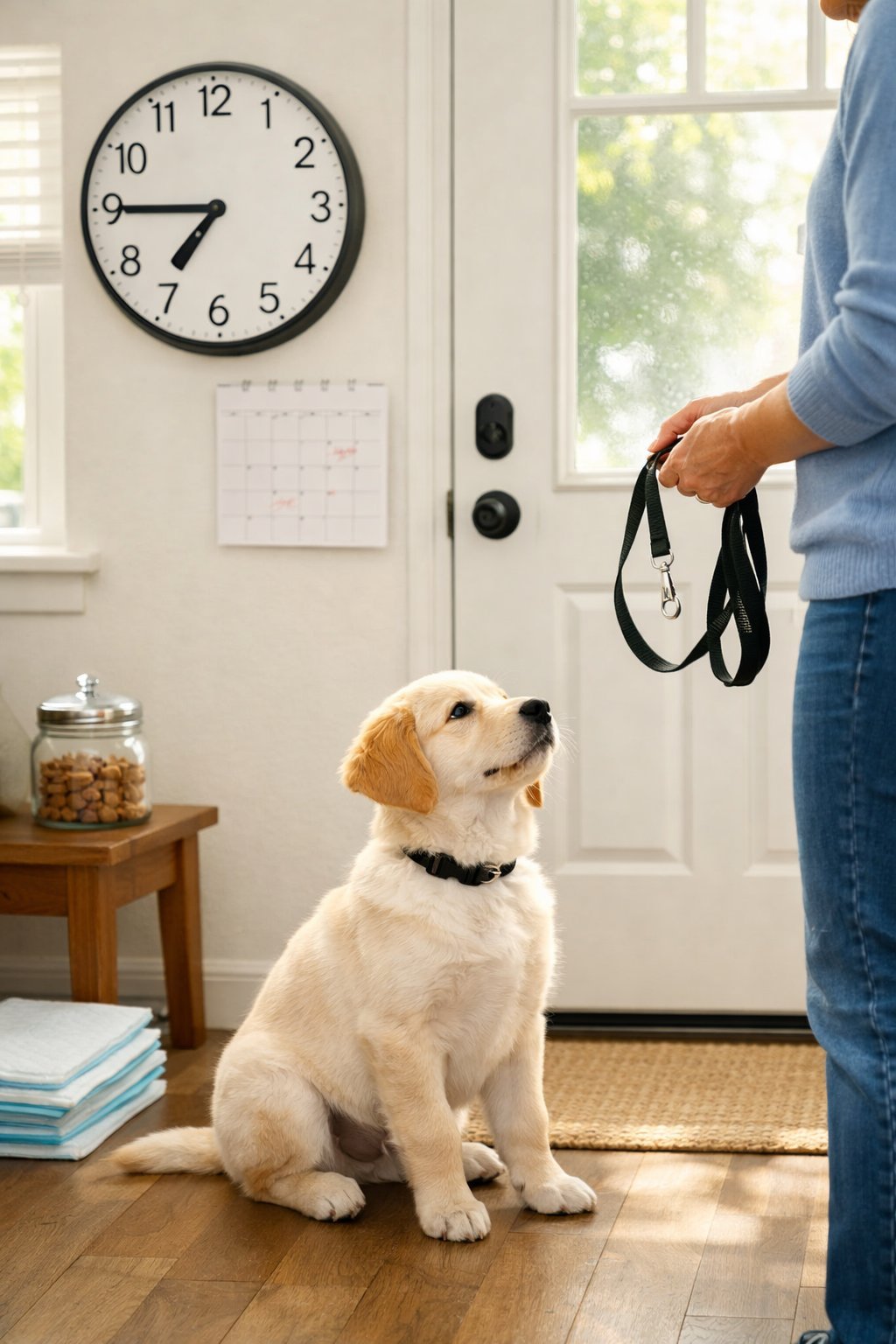
Puppies need lots of trips outside, especially when they’re young. Morning routines are extra important since puppies can’t hold it overnight.
Recommended Frequency at Different Ages
For 8-week-old puppies, I go outside every 1-2 hours during the day. Their bladders are tiny and can’t wait long.
At 3 months old, you can stretch it to every 2-3 hours. By 4-6 months, most puppies can wait 3-4 hours between potty breaks.
Here’s a simple schedule by age:
| Puppy Age | Daytime Frequency | Maximum Hold Time |
|---|---|---|
| 8-10 weeks | Every 1-2 hours | 1-2 hours |
| 10-12 weeks | Every 2-3 hours | 2-3 hours |
| 3-4 months | Every 3-4 hours | 3-4 hours |
| 4-6 months | Every 4-5 hours | 4-6 hours |
Besides regular intervals, always take your puppy out after waking up, within 15 minutes after eating or drinking, after playtime, and right before bed. Keeping meals, walks, and play on a set schedule makes everything easier.
Morning and Nighttime Guidelines
Take your puppy out immediately when you wake up. This is the most important trip of the day.
At night, limit water about 2 hours before bed. The last potty break should be right before you go to sleep, usually around 10-11 PM.
For very young puppies under 12 weeks, set an alarm for a quick, quiet middle-of-the-night potty break. No playing or treats—just business and back to bed.
Keep nighttime trips calm and boring so your puppy learns nighttime is for sleeping.
Adjusting the Schedule as Your Puppy Grows
As your puppy matures, slowly add 15-30 minutes between breaks if there haven’t been accidents for 2-3 weeks. If accidents happen, go back to the old schedule for a bit.
By 6 months, most puppies can do 4-5 breaks per day like adult dogs. Larger breeds may get there a little sooner, while smaller breeds might take a bit longer.
Adjust your routine to fit your puppy’s needs. Some days, you’ll need more frequent trips, especially during growth spurts or changes in routine.
Best Times to Take Your Pup Outside
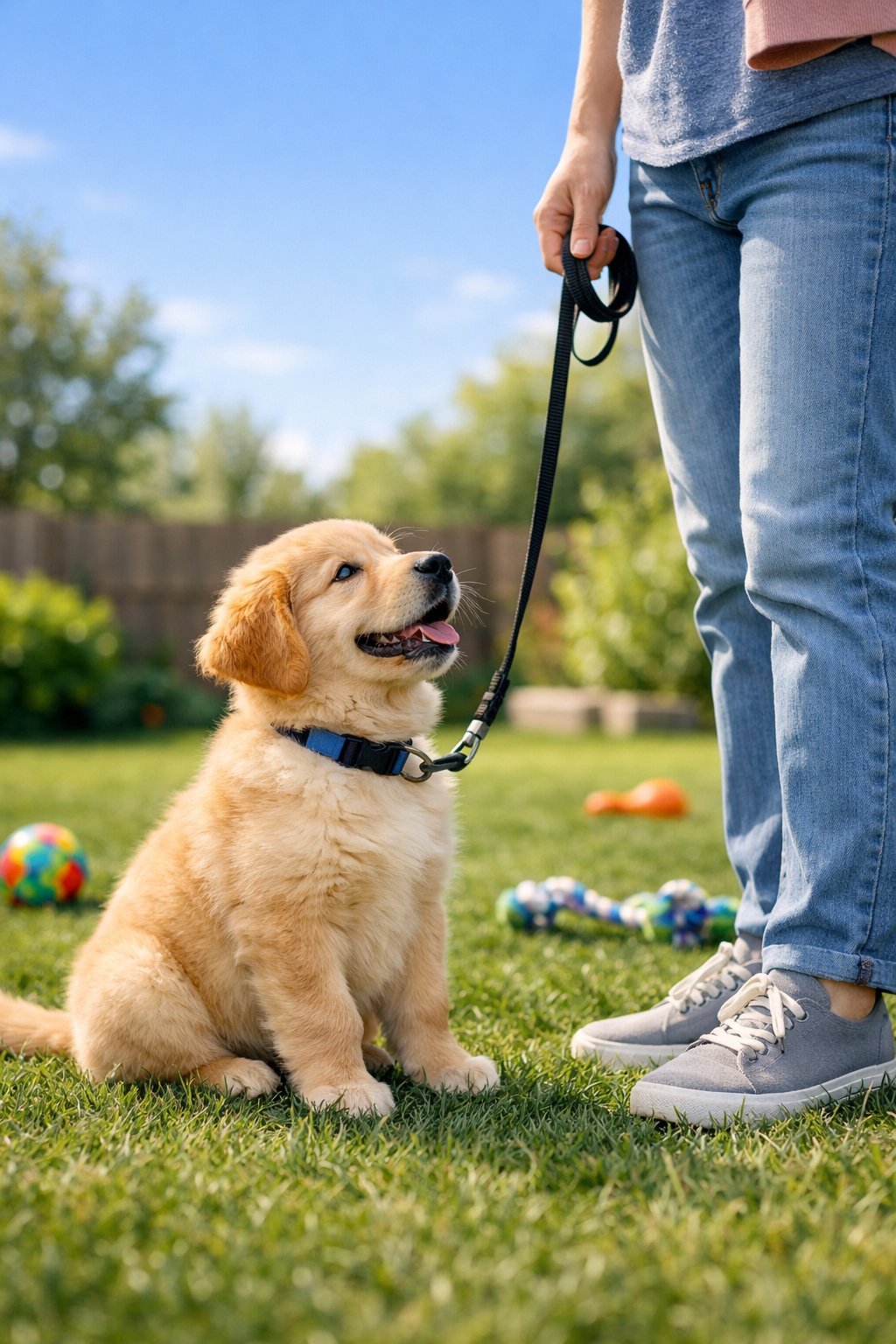
Puppies need to go out at predictable times during the day. Hitting these key moments helps prevent accidents and speeds up training.
After Meals and Drinking
Take your puppy outside within 15 minutes after eating. Their digestive system is fast, so they’ll need to go soon after meals.
Same goes for drinking—a long drink means a full bladder. Don’t wait too long after eating or drinking, or you’ll risk an accident.
Most puppies eat three to four times a day, so you’ll be heading out at least that many times just for post-meal breaks. Keeping a consistent routine with feeding and play helps a lot.
Before and After Naps
Puppies always need to pee right after waking up. Their bladder has been holding it during sleep, and they can’t wait long.
Carry your puppy outside as soon as they wake up—even a short delay can lead to an accident. Since young puppies nap a lot, you’ll get plenty of chances to reinforce good habits.
Taking your puppy out before naps is helpful too. An empty bladder means they’ll sleep longer without discomfort.
Following Play Sessions
Playtime gets everything moving for your puppy. After active play, they’ll usually need to go potty within 10 to 15 minutes.
Running, wrestling, and games put pressure on their bladder and bowels. Treat every play session as a potty opportunity.
Even short bursts of play count. If your puppy has been zooming around for just a few minutes, take them out right after.
Setting Up for Successful Potty Breaks
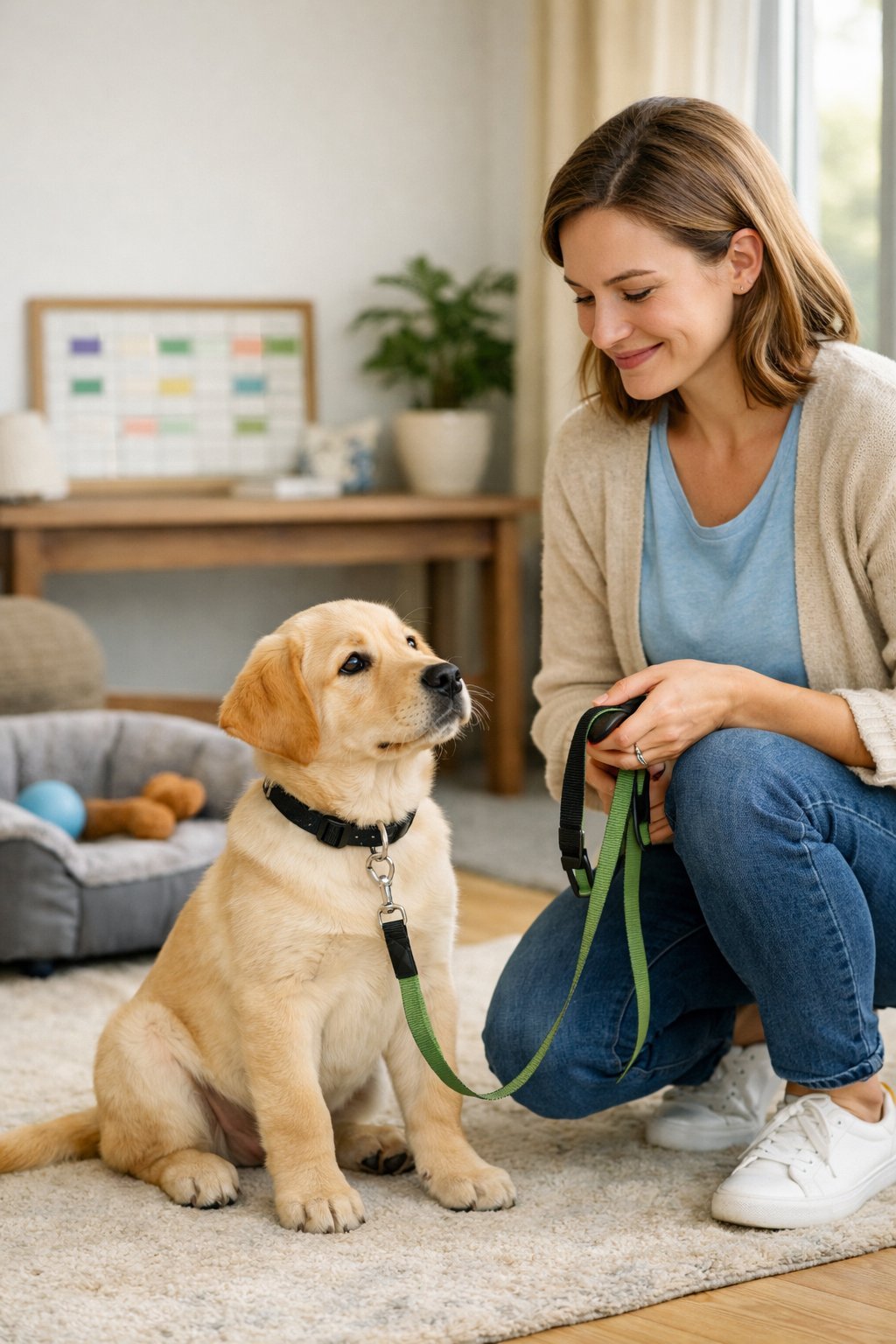
Getting the basics right from the start makes potty training way easier. Pick a good spot, have your supplies ready, and know when to take your pup out.
Choosing the Right Potty Spot
Pick one specific area in your yard as your puppy’s potty spot. This helps your puppy learn exactly where to go.
Choose a spot that’s easy to reach from the door, about 10-15 feet away if you can. Good drainage is important so it doesn’t get muddy.
Grass is great, but gravel or mulch can work too. Stick with the same surface so your puppy knows what to expect.
Start with a small area, like 6 feet by 6 feet, so your puppy doesn’t get distracted. Always take your puppy to this same spot to build a strong habit.
Essential Potty Training Supplies
Keep a few key items handy. Treats are a must for rewarding your puppy right after they go potty outside.
Use small, soft treats that your puppy loves. Save these just for potty training to keep them special.
A leash is important, even in a fenced yard. A 6-foot leash keeps your puppy focused on the task.
Have cleaning supplies ready for any accidents inside. An enzyme cleaner gets rid of odors so your puppy isn’t tempted to go in the same spot again.
Some people use a bell by the door to teach their puppy to signal when they need to go out. This can work well once your puppy gets the hang of the basics.
Supervising and Timing Outdoor Trips
Don’t let your puppy wander outside alone during potty training. Stay with them so you know if they actually went.
Young puppies need to go out every 1-2 hours when awake. Also take them out after waking up, after eating, and after play.
Give your puppy about 5 minutes to do their business. If nothing happens, bring them back inside, keep an eye on them, and try again in 10-15 minutes.
When to take your puppy out:
- First thing in the morning
- After every meal
- After naps
- After play sessions
- Before bedtime
- Every 1-2 hours during the day
Keep things quiet and calm during potty breaks so your puppy doesn’t think it’s playtime. As soon as they go, give them lots of praise and a treat right away.
Troubleshooting Common Potty Training Challenges
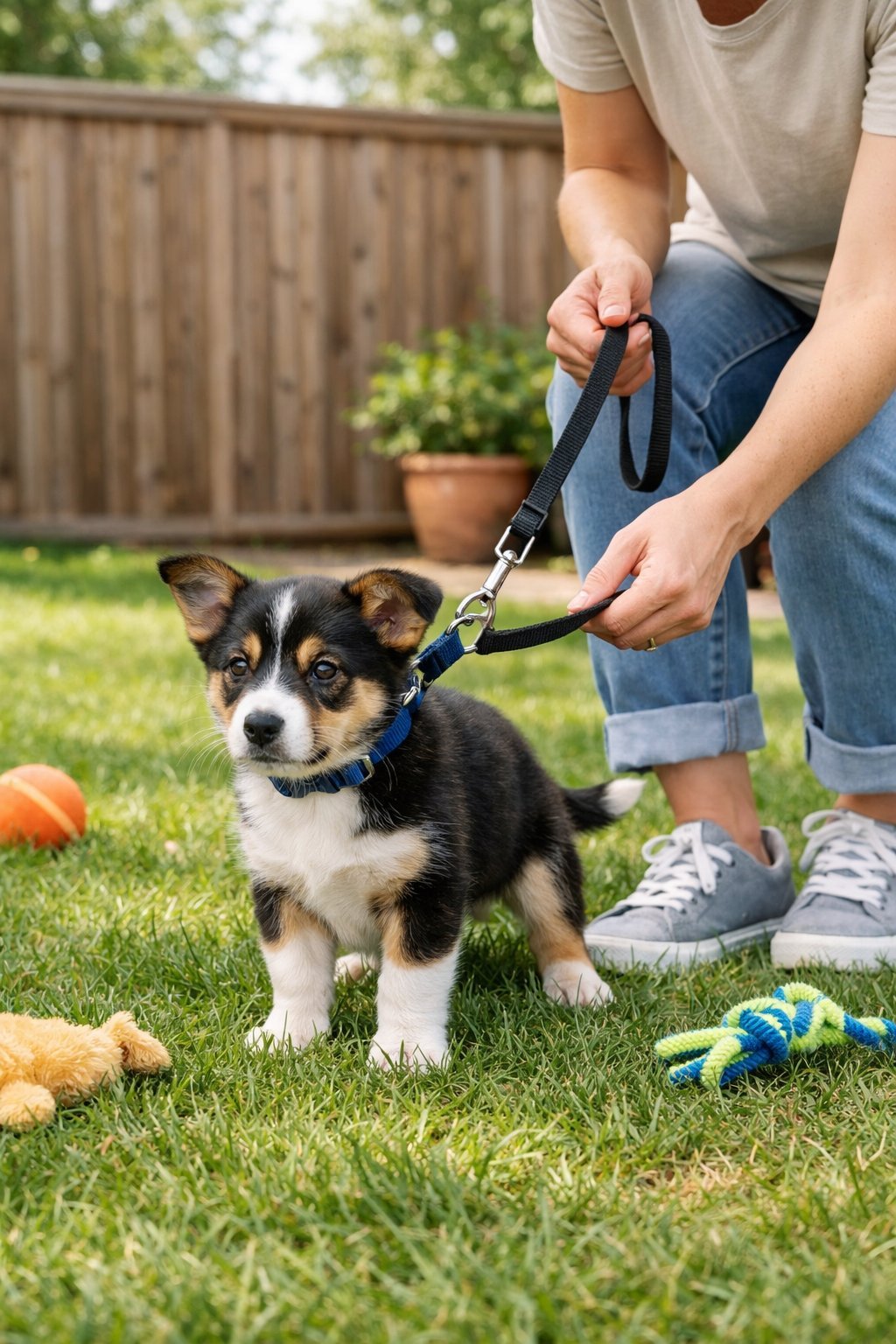
Even with a solid schedule, accidents can still happen. Progress isn’t always smooth, but knowing how to handle setbacks makes a big difference.
Handling Accidents Calmly
It’s definitely frustrating to find a surprise puddle on your carpet, but getting angry won’t teach your puppy anything. Dogs just don’t understand punishment after the fact, even if it’s only been a couple of minutes.
If I catch my puppy in the act, I calmly say “oops” and take them outside right away. If they finish outside, I give lots of praise.
Never yell, rub your puppy’s nose in the mess, or use any physical punishment. These approaches hurt your bond and can actually make potty training harder.
Your puppy might just start hiding when they need to go. For cleaning up, I always use an enzyme cleaner made for pet accidents.
Regular cleaners don’t get rid of the scent markers that tell your puppy it’s an okay spot to go again. Getting rid of the smell completely helps prevent repeat accidents in the same place.
Dealing With Setbacks
Setbacks are totally normal, especially when your puppy’s routine changes. Moving, a new work schedule, or even a change in the weather can throw things off.
If accidents suddenly start happening more often, I go back to basics. I take my puppy out more often, keep a closer eye on them inside, and sometimes limit their freedom to a smaller area.
Sometimes this means going back to crate training for a bit. Medical issues can also cause setbacks.
Urinary tract infections, parasites, or tummy troubles can make it tough for puppies to hold it. If my puppy suddenly starts having frequent accidents after doing well, I book a vet visit right away.
Consistency and Positive Reinforcement
Doing the same thing every time is the real secret to success. My puppy learns faster when everyone in the house uses the same rules and commands.
I always take my puppy to the same potty spot and use a consistent phrase like “go potty.” This routine helps them understand what’s expected.
Scheduling meals, walks, and playtime at the same times each day makes bathroom times more predictable. Rewarding good behavior is way more effective than punishing mistakes.
When my puppy goes in the right spot, I immediately give praise, treats, or a quick play session. The reward has to happen within seconds so they connect it to the right action.
I keep treats in my pocket during potty breaks so I’m ready. Over time, I can use treats less often, but I always offer verbal praise.
Frequently Asked Questions
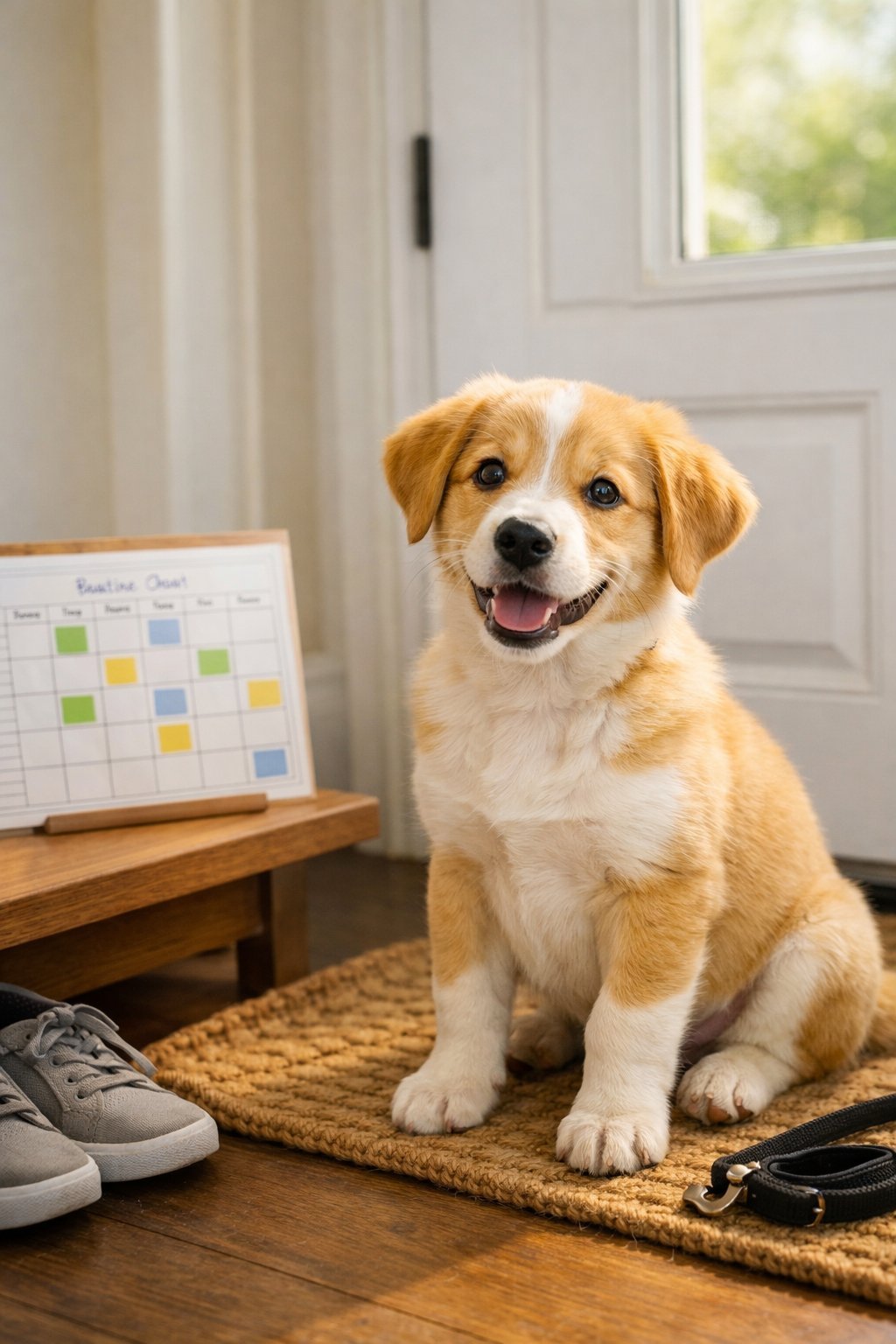
New puppy owners usually have questions about timing, frequency, and what to expect. Most puppies need to go out every 1-2 hours during the day, but it depends on their age and development.
What is an effective potty training schedule for a new puppy?
I suggest taking your puppy out first thing in the morning, right after meals, after playtime, and before bed. Young puppies need bathroom breaks every 1-2 hours during the day.
Having a set daily routine for meals, walks, and playtime helps both you and your puppy succeed. Sticking to the same times each day teaches your puppy when to expect potty breaks.
I always reward my puppy right after they go potty outside. That way, they learn that going in the right spot is a good thing.
At what age should I start potty training my puppy, and how does the schedule change as they grow?
I start potty training as soon as I bring my puppy home, usually around 8 weeks old. At this stage, puppies need to go out every hour or two because their bladders are tiny.
By 12-16 weeks, most puppies can hold it a bit longer. I slowly increase the time between potty breaks as my puppy gets older and gains better bladder control.
Older puppies, around 4-6 months, can usually wait 4-6 hours between bathroom breaks during the day. The schedule gets easier as your puppy matures.
Can you potty train a puppy within a week, and if so, how?
No puppy is perfect in just one week, but you can lay a strong foundation in seven days with structure and consistency. The main goal is to prevent bad habits from forming.
I take my puppy out every hour, watch closely for signs they need to go, and reward every successful potty outside. This focused approach helps kick-start the training process.
Some puppies pick it up faster than others. A week of solid training builds good habits, but most puppies need several weeks or even months to be totally reliable.
During potty training, how frequently does a puppy need to be taken outside to pee, particularly at night?
During the day, I take young puppies out every 1-2 hours. Really young puppies, around 8 weeks old, might need even more frequent breaks.
At night, many puppies can hold it overnight by 12-16 weeks, but not all are ready that soon. I only wake my puppy for nighttime potty breaks if they’re having accidents in their crate or sleeping area.
I make sure the last potty break is right before bedtime. Then I take my puppy outside as soon as they wake up in the morning.
What are the signs that my puppy needs to go out to poop during potty training?
I watch for my puppy sniffing the ground in circles—that’s a big clue they need to go. Puppies might also pace, whine, or head toward the door when it’s time for a bathroom break.
Sometimes, my puppy suddenly stops playing and looks distracted. If they start circling or squatting, I know it’s time to get outside fast.
I’ve noticed puppies often need to poop within 15-30 minutes after eating. Taking them out after meals helps prevent most accidents.
How long does it typically take to successfully potty train a puppy using pads?
Potty pad training can take anywhere from a few weeks to several months depending on the puppy.
Small breeds often take longer because they have smaller bladders.
Pad training can sometimes make the process longer if you eventually want your puppy to go outside.
The puppy needs to learn pads first, then make the switch to outdoor potty breaks.
Some puppies pick up pad training quickly but can get confused about where they’re supposed to go.
It’s a good idea to decide early on whether you want to stick with indoor pads or aim for outdoor training as your main goal.