
Puppy Biting Training Tips: Quick Methods to End Nipping and Mouthing Behavior

Puppy Biting Training Tips – Puppies are adorable bundles of joy, but those sharp little teeth can make playtime a bit painful. If your puppy is constantly nipping at your hands, feet, or clothes, you’re definitely not alone.
Most puppy owners deal with this, and the good news is that puppy biting is normal behavior. With the right approach, you can help your puppy learn better habits.
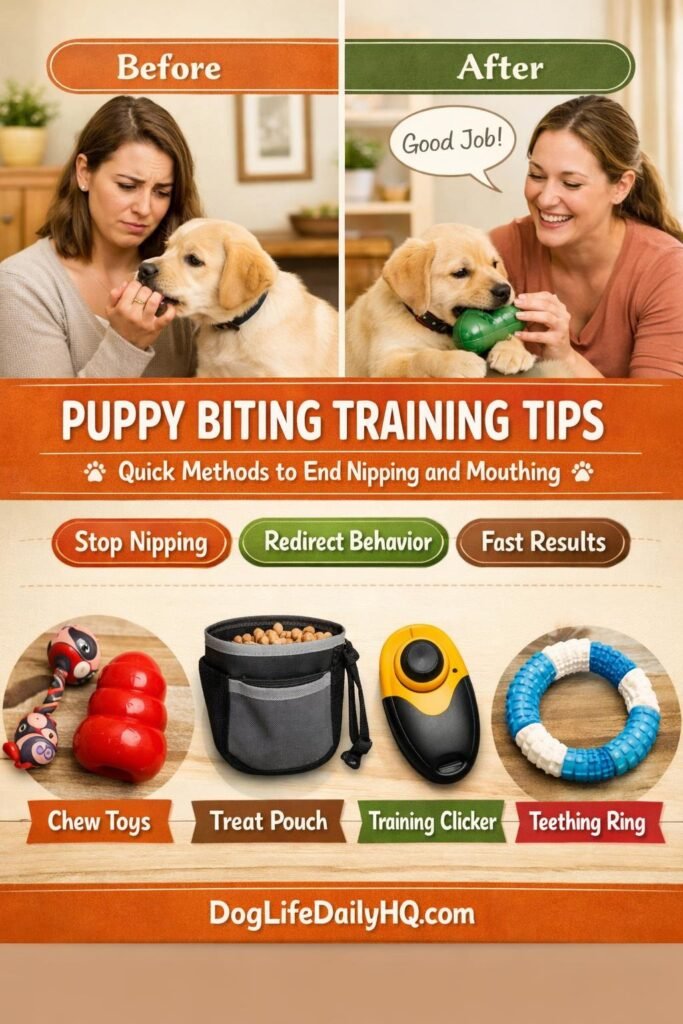
The trick to stopping puppy biting is teaching bite inhibition early, redirecting their energy to chew toys, and using consistent training methods that reward gentle behavior. Patience and good timing really help when working with young puppies.
In this guide, I’ll share proven techniques to stop your puppy from nipping and biting quickly and effectively. You’ll learn why puppies bite, what mistakes to avoid, and how to help your puppy develop gentle mouth manners.
Key Takeaways
- Puppies bite naturally while exploring, but you can teach them bite inhibition with consistent training and chew toys.
- Positive reinforcement and stopping play when biting happens helps your puppy learn that gentle behavior gets rewarded.
- Socializing with other puppies and having controlled play sessions teaches your puppy how to interact without using their teeth.
Understanding Puppy Biting
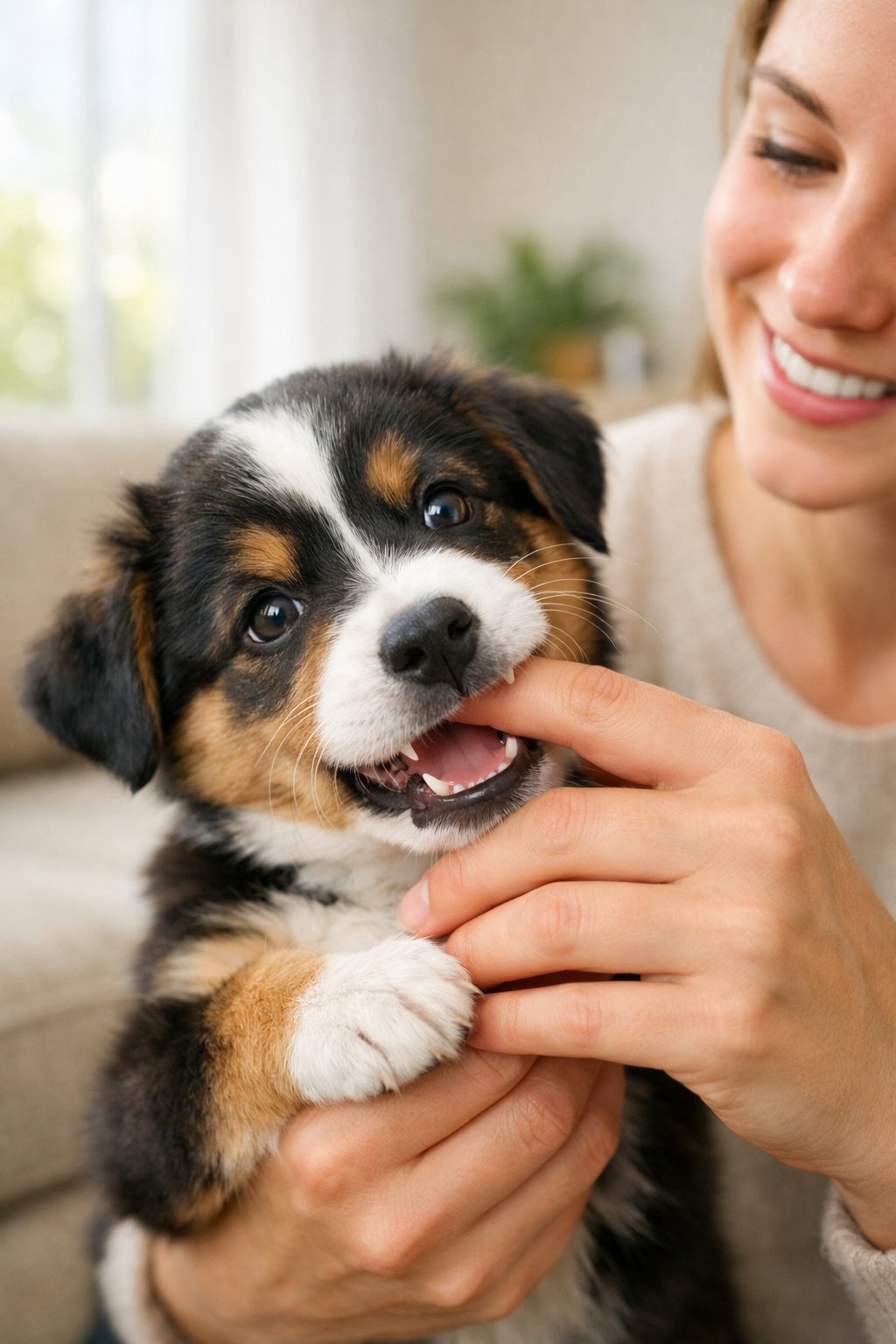
Puppies explore the world with their mouths, so biting is just part of their development. Knowing why they bite and what’s normal helps you respond the right way.
Why Puppies Nip and Mouth
Puppies use their mouths like babies use their hands. When my puppy nips at me, he’s just learning about his world—not being mean.
Mouthing and nipping are normal puppy behaviors. Puppies bite during play because that’s what they did with their littermates.
They also bite when they’re teething, which starts around three weeks old and can last until they’re six months old. Excitement is another reason—when I come home or start playing, my puppy sometimes gets so wound up that he mouths my hands or clothes.
Puppies also bite to get attention or when they’re tired and overstimulated.
Developmental Phases of Biting
Puppy biting changes as they grow. From three to twelve weeks old, puppies learn bite inhibition from their mom and siblings.
When a puppy bites too hard during play, the other puppy yelps and stops playing. The teething phase hits hardest between three and six months.
During this time, my puppy’s adult teeth come in, and his gums hurt, so he wants to chew on everything. After six months, puppy biting should decrease naturally as adult teeth finish coming in.
If biting keeps happening past this age, it’s time to tweak your training approach.
Normal vs. Problematic Biting
Normal puppy biting is playful, not aggressive. My puppy’s body is loose and wiggly, his tail wags, and he might make play sounds.
Signs of normal biting:
- Soft mouth pressure
- Playful body language
- Stops when redirected
- Happens during play or teething
Problematic biting looks different. The puppy’s body gets stiff, and he might growl seriously.
This kind of biting can become a problem if you don’t address it early. If biting gets harder over time, doesn’t stop when redirected, or happens when guarding food or toys, it’s best to get help from a professional trainer.
Effective Puppy Biting Training Tips
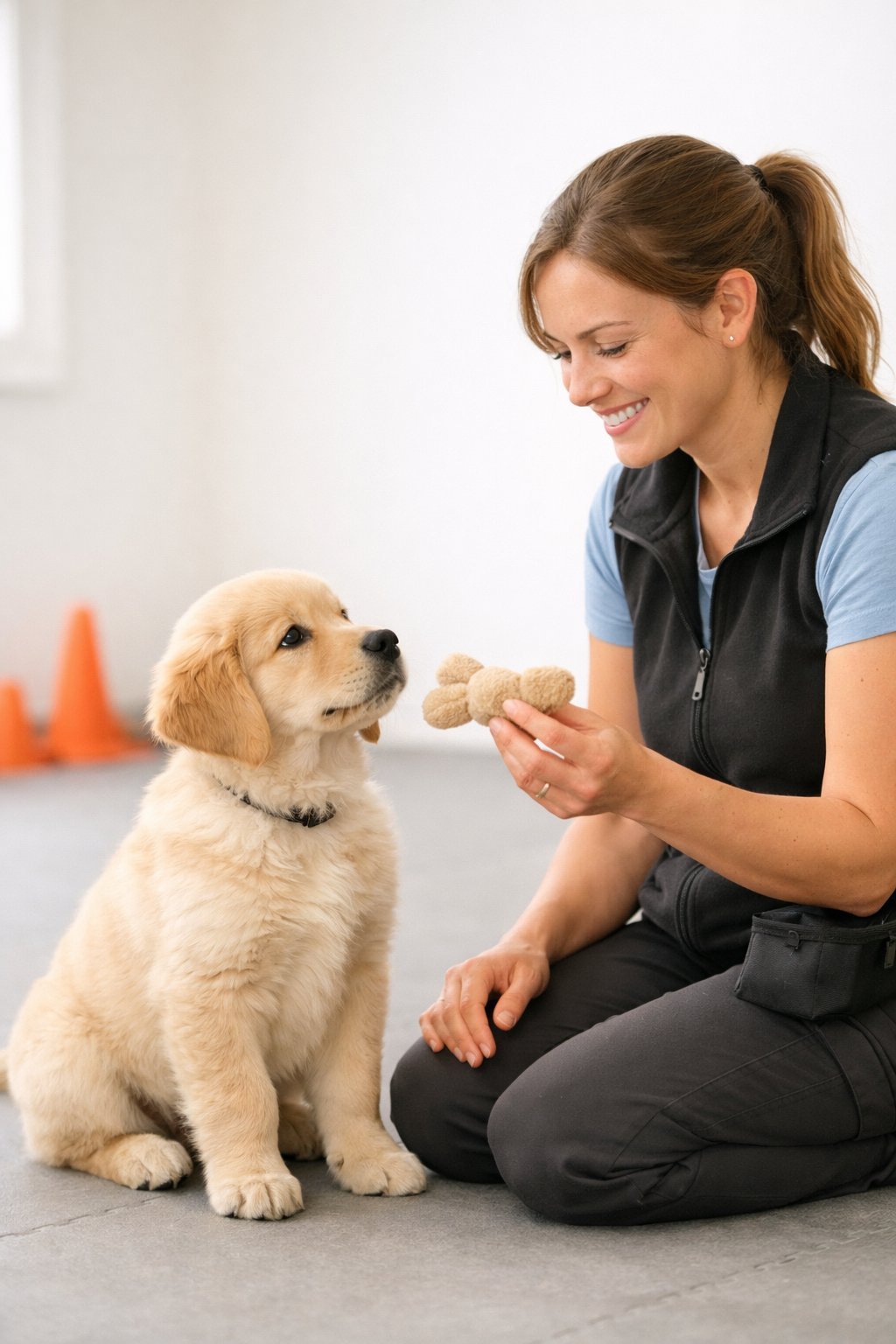
When I work with puppies, I focus on three main methods to teach them better mouth behavior. These techniques help puppies control their bite pressure, give them good things to chew on, and reward them for making smart choices.
Teaching Bite Inhibition
Bite inhibition is when your puppy learns to control how hard they bite. This is super important because it helps prevent injuries later if your dog ever mouths during play or stress.
I let my puppy play and mouth my hands gently. When they bite too hard, I make a high-pitched “ow!” sound and stop playing for 10-20 seconds.
This mimics how their littermates would react. After a few repetitions, most puppies start to realize that hard bites end the fun.
I gradually lower my tolerance for bite pressure over time. At first, I only react to hard bites, then to medium bites, and finally work toward very gentle mouthing or none at all.
Redirecting Attention with Toys
I always have chew toys nearby when playing with my puppy. If they start mouthing my hands or clothes, I offer a toy right away.
Timing is everything. I try to redirect before the biting starts, or at the very first nip.
I use a mix of toys to keep things interesting—rope toys for tug, rubber toys for chewing, and plush toys for puppies who like to carry things. When my puppy chooses the toy over my hand, I give lots of praise.
Making the toy move or playing a quick game helps keep their attention on the right thing.
Using Positive Reinforcement
I reward my puppy every time they make a good choice with their mouth. That might be licking instead of biting, playing gently, or walking away when they feel nippy.
Rewards I use:
- Small training treats
- Excited verbal praise
- Petting and attention
- A favorite toy
- A quick game
I keep training sessions short—about 5-10 minutes. Puppies have short attention spans, and I want to end on a positive note.
Consistency is key. Everyone in my house follows the same rules about mouthing so my puppy doesn’t get mixed signals.
Preventing Common Mistakes
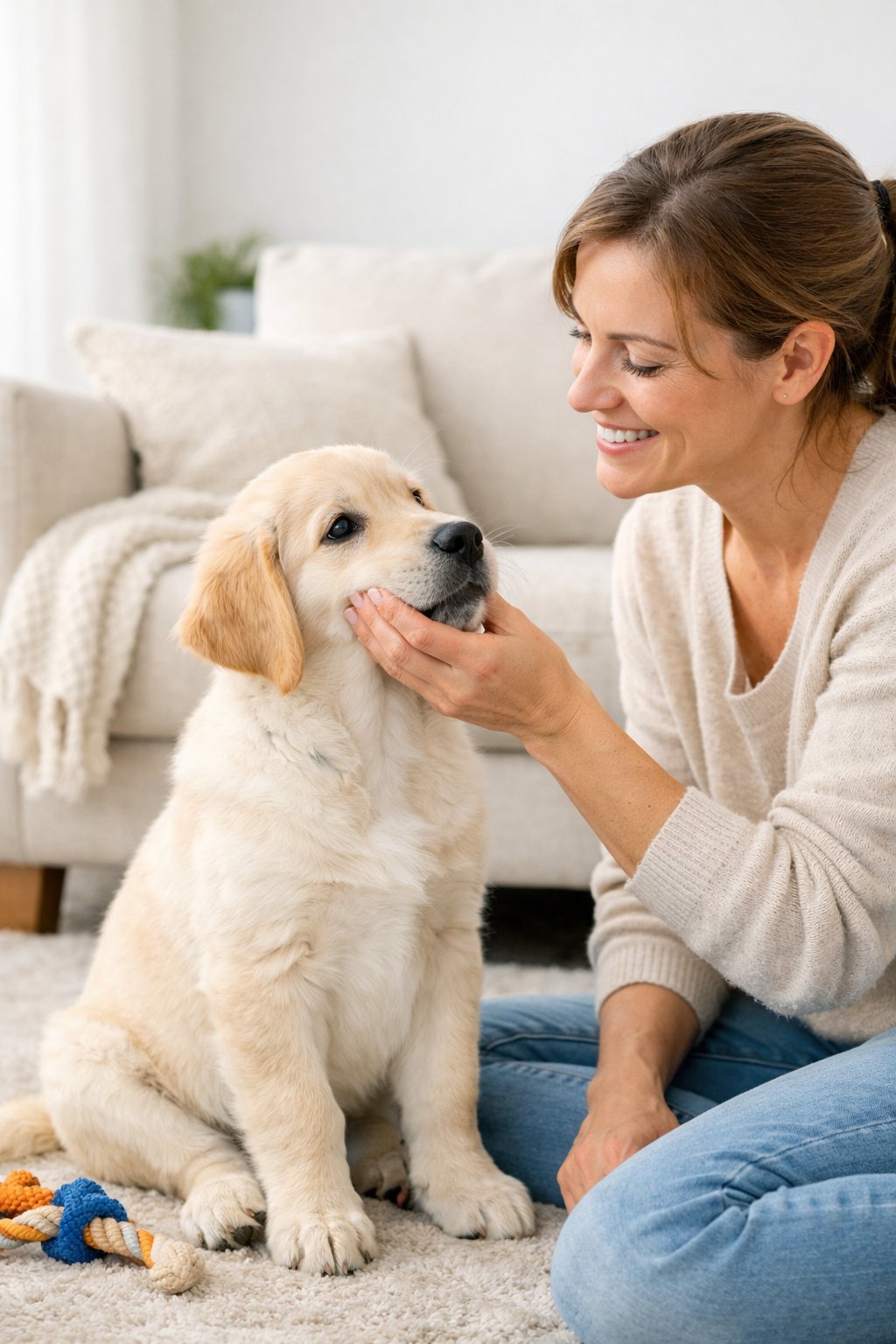
Training a puppy not to bite takes patience and the right approach. Sometimes, well-meaning owners make things harder by reacting the wrong way or switching up methods too quickly.
Avoiding Punitive Reactions
I’ve seen a lot of owners yell at or physically punish their puppies for biting, but this usually backfires. Puppies don’t understand punishment the way we think, and harsh reactions can make them fearful or even more nippy.
When your puppy bites, don’t hit, tap their nose, or grab their muzzle. These actions break trust and can cause anxiety or defensive behavior.
Instead, use a calm “ouch” or yelp, then stop play immediately. If you’re feeling frustrated, take a break and give your puppy some downtime in their crate or a safe space.
Consistency in Training Approaches
Switching between different training methods confuses puppies and slows progress. I pick one approach and stick with it for at least two weeks before deciding if it’s working.
Everyone in your household needs to follow the same rules. If I yelp and stop play when my puppy bites, but someone else laughs and keeps playing, the puppy gets mixed messages.
Key areas where consistency matters:
- Response to biting: Everyone uses the same verbal cue and action.
- Redirect timing: Offer chew toys right after stopping play.
- Play rules: No rough hand games that encourage biting.
- Enforcement: Apply rules during all interactions, not just training.
Short, frequent training sessions work best. Five minutes of practice three times a day is better than one long session.
Reading Your Puppy’s Signals
Puppies communicate a lot through body language. Noticing these signals can help you prevent biting before it happens.
Watch for signs your puppy needs a break:
- Hyperactive behavior, jumping, or wild movements
- Ignoring toys and going for hands or clothes
- Dilated pupils or increased panting
- Ears back or tail tucked
Puppies bite more when they’re tired, hungry, or need to potty. Keeping a schedule for meals, naps, and bathroom breaks helps prevent these situations.
Most puppies under four months need a nap after being awake for just an hour. Gentle mouthing during calm moments is different from hard, frantic biting during play, so I adjust my response based on what my puppy is trying to tell me.
Socialization and Controlled Play
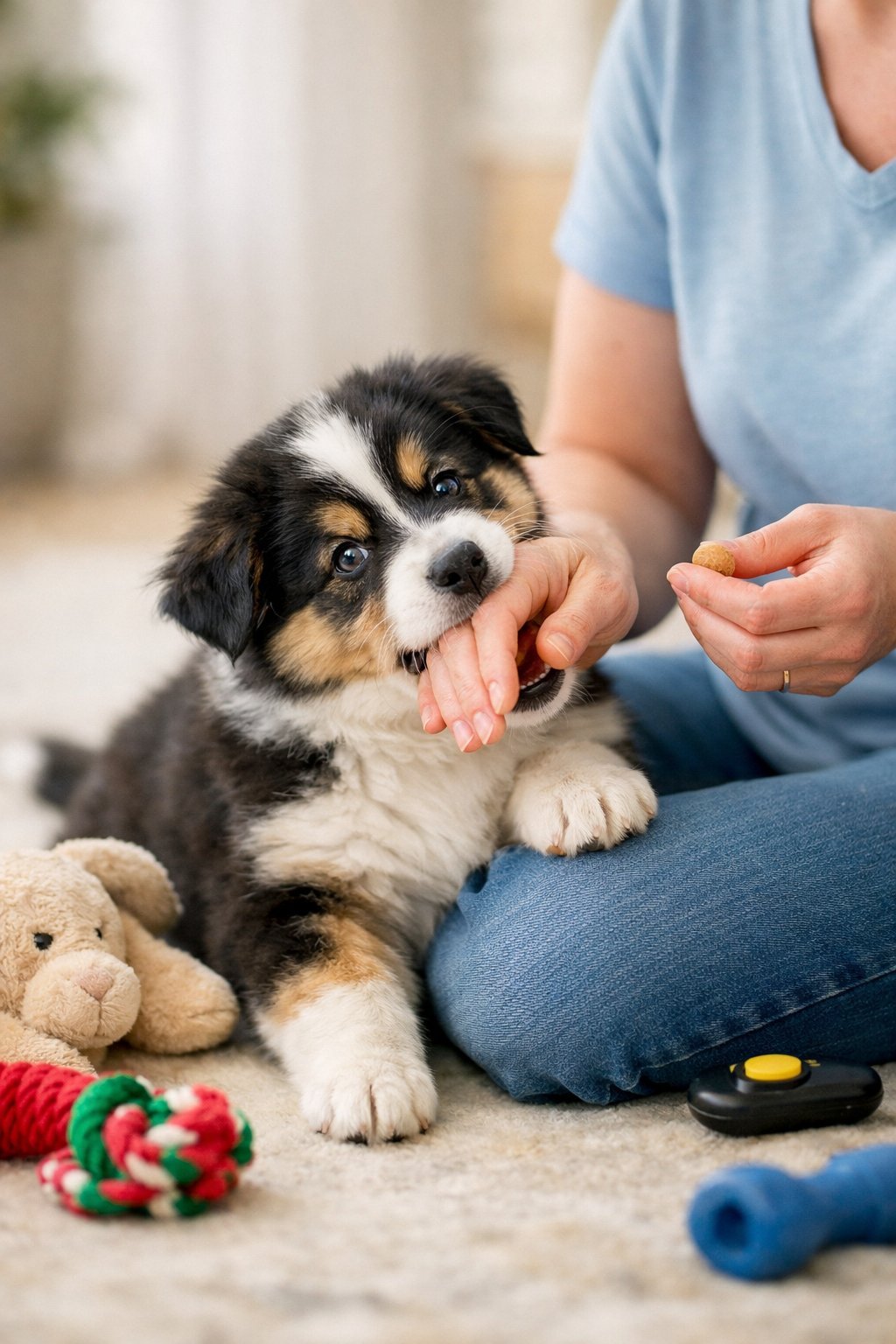
Introducing your puppy to other dogs and people in structured settings helps them learn good play behavior. Supervised interactions give your puppy a chance to develop social skills and get natural feedback.
Safe Puppy Playdates
Setting up playdates with other vaccinated puppies of similar size and energy is a great idea. These sessions teach your puppy that biting too hard ends the fun, since other puppies will yelp and stop playing.
Keep playdates short—about 15 to 20 minutes—to prevent overstimulation. Watch for signs your puppy is getting too excited, like nonstop barking or ignoring another puppy’s signals.
Choose neutral spots like a friend’s yard or a quiet park. Remove toys that could cause arguments and make sure there’s space for puppies to take breaks if needed.
If play gets too rough, I give my puppy a quick timeout—about 30 seconds to a minute—before starting play again.
Supervised Interactions with Children
Kids move fast and make high-pitched noises, which can trigger a puppy’s instinct to chase and nip. I show children how to pet gently, usually on the puppy’s chest or back, instead of reaching over their head.
When my puppy starts to get mouthy, I redirect them to a toy and praise calm behavior around kids. I never leave young children alone with my puppy, even for a minute.
Kids under six don’t always recognize when a puppy is getting too excited. I make sure my puppy has a safe space away from children when they need to rest.
Tired puppies are more likely to bite, so I stick to regular nap times in a crate or a separate room.
Addressing Persistent Nipping
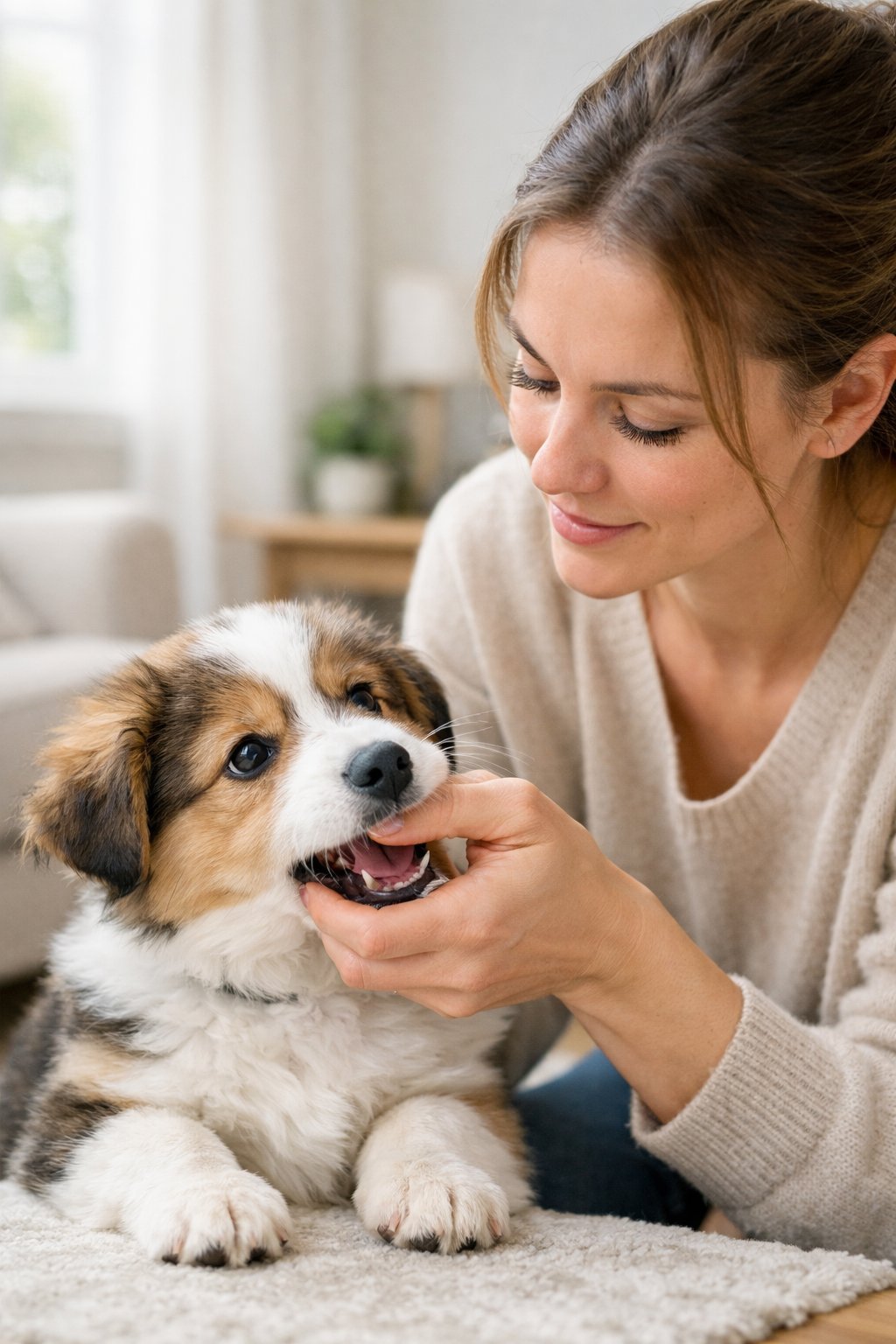
Some puppies need extra help to break the nipping habit, especially when teething pain has them wanting to chew everything. Knowing when to get expert support and how to ease teething discomfort can make a big difference.
When to Seek Professional Help
If your puppy’s nipping continues beyond six months of age, it’s a good idea to reach out to a professional dog trainer. Puppy nipping can easily become a habit without the right training.
You should also get help if the biting is getting harder or more frequent instead of improving. If your puppy shows signs of aggression like growling, stiff body language, or biting that breaks skin, contact a certified dog trainer or veterinary behaviorist right away.
Signs you need professional support:
- Nipping that draws blood regularly
- Puppy refuses to stop when you yelp or say “no”
- Aggressive body language during biting episodes
- Biting continues past 7-8 months of age
- Family members feel unsafe around the puppy
Trainers can use proven methods that work within a couple of weeks for lasting results. They’ll assess your situation and create a custom training plan.
Managing Teething Discomfort
Teething usually starts around 3-4 months and lasts until about 6-7 months. During this time, make sure to provide safe outlets for your puppy’s need to chew.
Effective teething solutions:
- Frozen washcloths (wet them first, then freeze)
- Rubber teething toys filled with frozen peanut butter
- Ice cubes or frozen carrots for supervised chewing
- Cold chew toys kept in the freezer
Rotate different textures of chew toys throughout the day to keep your puppy interested. Soft rubber toys are great for sore gums, while harder nylon toys help with the urge to chomp.
Keep multiple appropriate toys in every room your puppy spends time in. This makes it easy to quickly redirect nipping to a chew item.
Never give old shoes or clothing as chew toys since puppies can’t tell the difference between old and new items.
Frequently Asked Questions
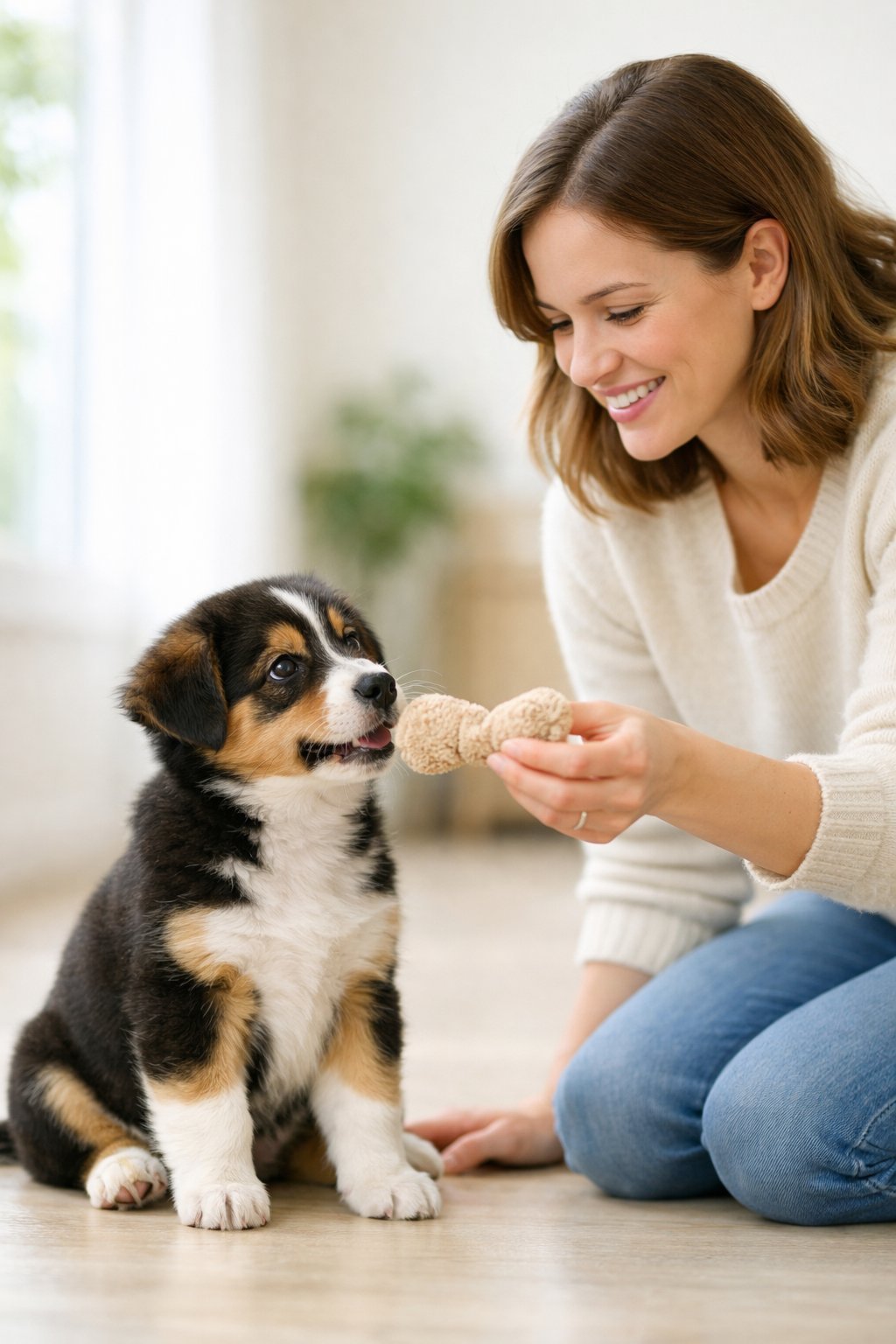
Puppy biting happens for a bunch of reasons, from normal play to teething discomfort. The right training can help your puppy learn gentle mouth habits.
What techniques can I use to stop my puppy from biting my hands and feet?
Redirection is your best friend here. When your puppy bites your hands or feet, stop moving and immediately redirect them to a chew toy.
The yelp method can help too. Make a high-pitched “ow” sound and pull your hand away, just like another puppy would.
Teach bite inhibition by rewarding gentle mouth behavior. When your puppy licks instead of bites, give lots of praise and treats.
Consistency is key. Everyone in your household should use the same approach so your puppy doesn’t get mixed signals.
Why does my puppy bite me aggressively, and what should I do about it?
Most puppy biting isn’t actually aggressive. Puppies explore with their mouths and don’t realize their teeth hurt us.
If your puppy gets worked up and starts biting harder during play, end the interaction immediately. Walk away and ignore your puppy for 30 to 60 seconds.
Watch for signs of overstimulation like dilated pupils, stiff posture, or frantic movements. Give your puppy a break if you see these signs.
Some puppies bite more when they’re tired or hungry. Make sure your puppy gets enough rest and regular meals.
If the biting comes with growling or lunging, it’s time to consult a professional dog trainer or veterinary behaviorist.
How can I quickly teach my puppy to stop nipping and mouthing?
Make nipping unrewarding for your puppy. If teeth touch skin, stop all interaction and turn away for 10 to 20 seconds.
Keep chew toys close by at all times. Swap out your hand for a toy as soon as your puppy starts to mouth you.
Training bite inhibition takes patience, but puppies can learn quickly with consistent practice. Reward calm and gentle behavior with treats and praise.
Short training sessions work best. Practice for five minutes several times a day instead of one long session.
What can I do if my puppy is biting my clothes and won’t stop?
Stop moving right away when your puppy grabs your clothes. Movement makes it more exciting for them.
Once you’re still, redirect your puppy to a tug toy or rope. This gives them a good outlet for their urge to grab and pull.
You can also spray bitter apple deterrent on pant legs and sleeves your puppy targets the most. The bad taste discourages clothes biting.
If your puppy won’t let go, don’t pull back. Move toward your puppy to make the game boring, then offer a toy trade.
Is there a way to immediately stop my puppy from biting?
There’s no instant fix, but you can interrupt biting right away. Use a firm “no” or “off” command and redirect to a toy.
Removing yourself from the situation works too. Stand up and walk away without saying anything if your puppy bites.
Time-outs can help stop biting episodes fast. Calmly take your puppy to a quiet space for 30 to 60 seconds if biting gets too rough.
While these methods help in the moment, consistent training over time is what really works. Most puppies need several weeks of practice to develop good mouth habits.
How can I prevent my puppy from biting my feet while I’m walking?
I keep a toy in my pocket when I’m walking around the house. As soon as my puppy shows interest in my feet, I toss the toy in the opposite direction.
Teaching a “sit” or “stay” command can help manage this behavior. I ask my puppy to sit before I start walking, then reward them for staying calm.
Moving slowly helps reduce the urge to chase and bite. Quick movements can trigger my puppy’s prey drive and make my feet look like fun toys.
I also make sure my puppy gets plenty of exercise and mental stimulation. A tired puppy is less likely to chase feet out of boredom.
When my puppy bites my feet, I stop immediately and stand still. Once they let go, I redirect them to an appropriate toy or activity.
