Dog Bowl: Transform Your Pet’s Mealtime with These Top Feeding Dishes

Your dog’s food bowl might seem like a simple choice, but the right feeding dish can make a big difference in your pet’s health and happiness.
The best dog bowls combine the right material, size, and design features to prevent spills, slow down fast eaters, and make mealtimes more comfortable for your furry friend.
I’ve spent time looking at what makes a great feeding dish, from basic stainless steel options to elevated designs and slow-feeder bowls.
Whether you have a tiny puppy or a large breed dog, picking the right bowl involves more than just grabbing the first one you see at the store.
Choosing a dog bowl means thinking about your dog’s specific needs, eating habits, and any health concerns they might have.
Some dogs need raised bowls to help with digestion, while others benefit from slow-feeder designs that prevent bloating.
I’ll walk you through everything you need to know about selecting the best dog bowls for your pet.
From understanding different materials to knowing which features actually matter, you’ll learn how to pick a feeding dish that works perfectly for your dog’s daily routine.
Key Takeaways
- The right dog bowl improves your pet’s health by addressing eating speed, digestion, and comfort during meals.
- Different bowl materials, sizes, and designs serve specific needs based on your dog’s breed, age, and eating habits.
- Introducing a new feeding dish gradually helps your dog adjust while choosing quality features ensures long-term benefits.
Why Choosing the Right Dog Bowl Matters
I’ve learned that picking the right bowl affects more than just where my dog eats.
The bowl I choose can impact my pet’s digestion, posture, and even long-term joint health.
Impact on Your Dog’s Health
The material and design of a dog bowl directly affects my pet’s physical well-being.
Bowls that sit too low on the ground force my dog to bend down awkwardly, which puts strain on the neck, back, and joints.
This is especially hard on larger breeds and older dogs with arthritis.
The bowl’s height matters for digestion too.
When my dog eats from a raised bowl, food moves more easily through the esophagus into the stomach, which can help reduce gas and bloating.
Bowl material affects health and well-being in ways I didn’t expect.
Plastic bowls can harbor bacteria in scratches and may cause skin irritation around my dog’s mouth.
Stainless steel and ceramic options stay cleaner and don’t hold onto germs as easily.
The size of the bowl also plays a role.
If my dog’s bowl is too small, he might eat too fast trying to get all the food, while a bowl that’s too large makes portion control harder for me to manage.
Behavioral Benefits of Proper Feeding Dishes
I’ve noticed that the right bowl can change how my dog behaves at mealtime.
Dogs that eat too quickly often gulp air along with their food, which leads to uncomfortable gas and increases the risk of bloat.
Slow-feeder bowls with ridges or obstacles make my dog work for each bite.
This slows down eating speed and turns mealtime into a small mental challenge.
My dog seems more satisfied after eating from these bowls.
Non-slip bowls stay in place while my dog eats, which means less mess for me to clean up and less frustration for my pet.
Dogs that chase their bowls around the kitchen often eat less calmly.
The right bowl also helps establish a routine.
When I use the same quality bowl in the same spot each day, my dog knows what to expect.
This creates a sense of security around food.
Common Issues with Poor-Quality Bowls
Cheap plastic bowls crack and develop scratches where bacteria grow.
I’ve seen these scratches turn into breeding grounds for germs that can make my dog sick.
The plastic can also absorb odors from food over time.
Some materials contain harmful chemicals that leak into food and water.
BPA and other toxins found in low-quality plastics may affect my dog’s health over years of use.
Lightweight bowls tip over easily and create messes.
I spend more time cleaning up spilled water and scattered kibble when I use flimsy dishes.
Bowls that aren’t dishwasher-safe are harder for me to keep clean.
Hand-washing every day takes extra time, and I might not scrub thoroughly enough to remove all bacteria.
This puts my dog at risk for stomach upset and infections.
Types of Dog Bowls: Finding the Perfect Match
I’ve learned that different bowl types serve different purposes, from the material they’re made of to special designs that solve feeding problems.
The right choice depends on your dog’s size, eating habits, and your lifestyle needs.
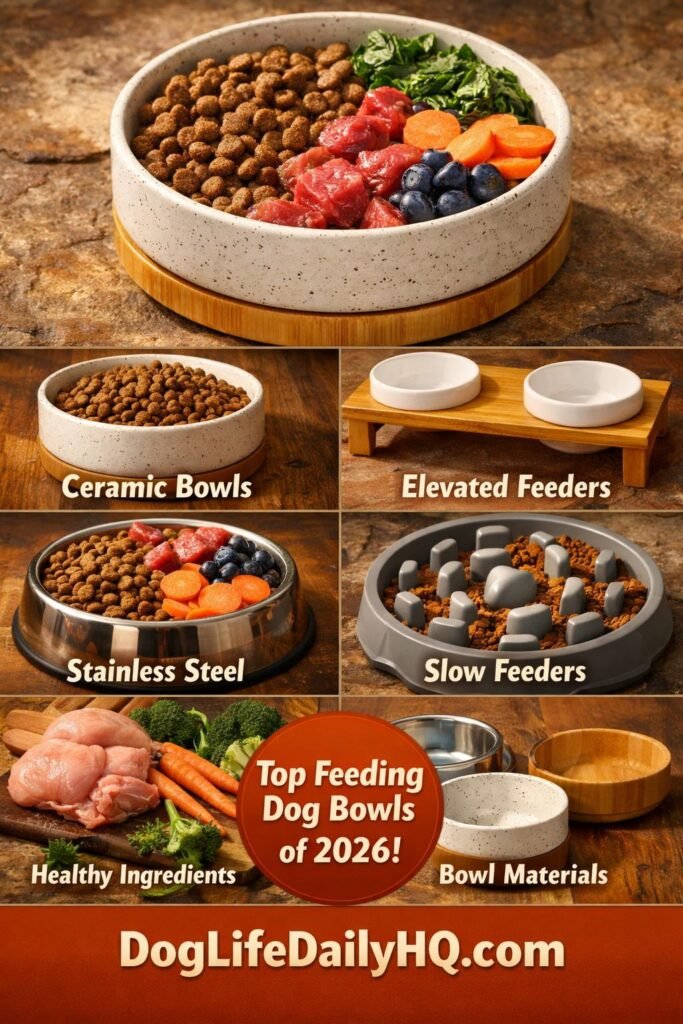
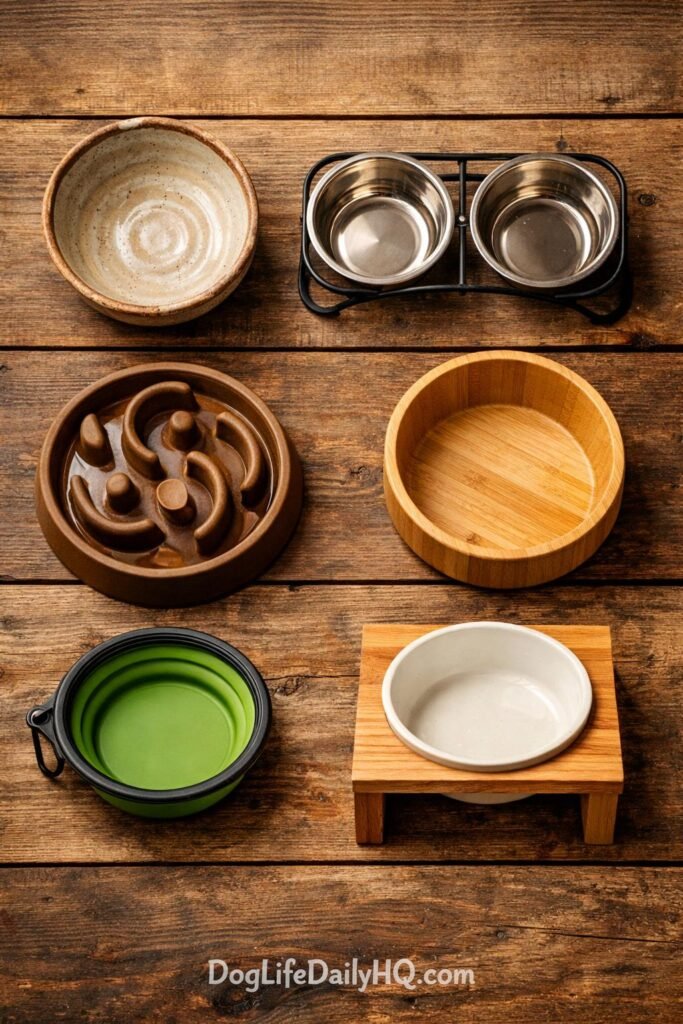
Material Options: Stainless Steel, Ceramic, and Plastic
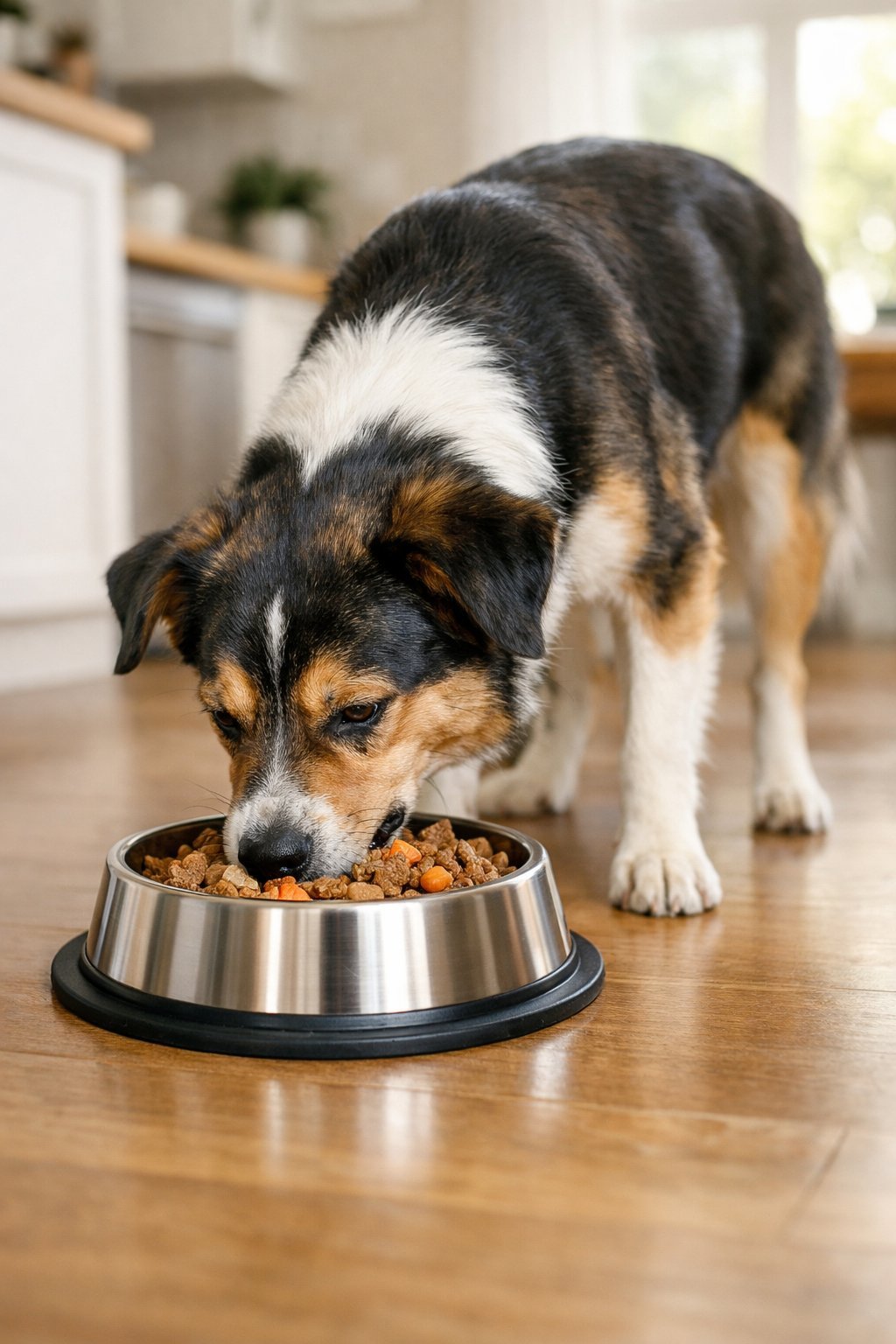
Stainless steel bowls are my top recommendation for most dogs.
They don’t break easily, resist bacteria, and last for years.
I can toss them in the dishwasher without worry.
Ceramic bowls offer weight and stability, which works well for dogs that push their dishes around.
They come in beautiful designs too.
However, they can chip or crack if dropped, and cracks can harbor bacteria.
Plastic bowls are the most affordable option.
They’re lightweight and come in many colors.
But I’ve seen dogs develop chin acne from plastic bowls because they can scratch easily and trap bacteria in those tiny grooves.
Pros and Cons by Material:
| Material | Pros | Cons |
|---|---|---|
| Stainless Steel | Durable, dishwasher safe, bacteria-resistant | Can be noisy, may slide around |
| Ceramic | Heavy and stable, attractive designs | Can chip or crack, harbors bacteria if damaged |
| Plastic | Inexpensive, lightweight | Scratches easily, may cause allergies or acne |
Elevated vs. Standard Dog Bowls
Elevated bowls lift food and water off the ground.
I find them helpful for large dogs and senior pets with arthritis or neck pain.
They reduce the strain of bending down to eat.
Some elevated designs help certain dogs eat more comfortably.
The height should align with your dog’s chest when standing, which makes swallowing easier.
Standard bowls sit on the floor and work fine for most healthy dogs, especially smaller breeds.
I use them for puppies since they’re learning to eat and drink.
I should mention that elevated bowls aren’t right for every dog.
Deep-chested breeds may have increased bloat risk with raised feeders, so I always check with my vet first.
Slow Feed Bowls for Fast Eaters
My dog used to gulp down food in seconds, which worried me.
Slow feed bowls have ridges, maze patterns, or obstacles inside that make dogs work around them to reach their kibble.
These bowls turn mealtime into a puzzle.
They help prevent potential health problems from eating too fast, like choking, vomiting, and bloat.
I noticed my dog takes five times longer to finish meals now.
The design forces smaller bites.
Dogs have to use their tongues to navigate around the barriers, which mimics more natural foraging behavior.
I look for bowls with patterns that match my dog’s snout size.
Wide, shallow mazes work for flat-faced breeds, while deeper patterns suit dogs with longer noses.
Travel and Portable Feeding Dishes
I need feeding solutions when we’re on the go.
Collapsible silicone bowls fold flat and fit in my bag or car.
They pop open when needed and clean up easily.
Portable bowls come in different styles.
Some clip to backpacks for hiking, while others have lids to prevent spills during car rides.
I keep one in my vehicle at all times.
Travel feeding options should be lightweight and durable.
I prefer ones that hold at least two cups of water or food.
The material should be safe and easy to rinse.
Stainless steel travel bowls last longer than fabric or thin plastic ones, but they take up more space.
I choose based on the length of my trip and how much room I have.
Features to Look for in the Best Dog Bowl
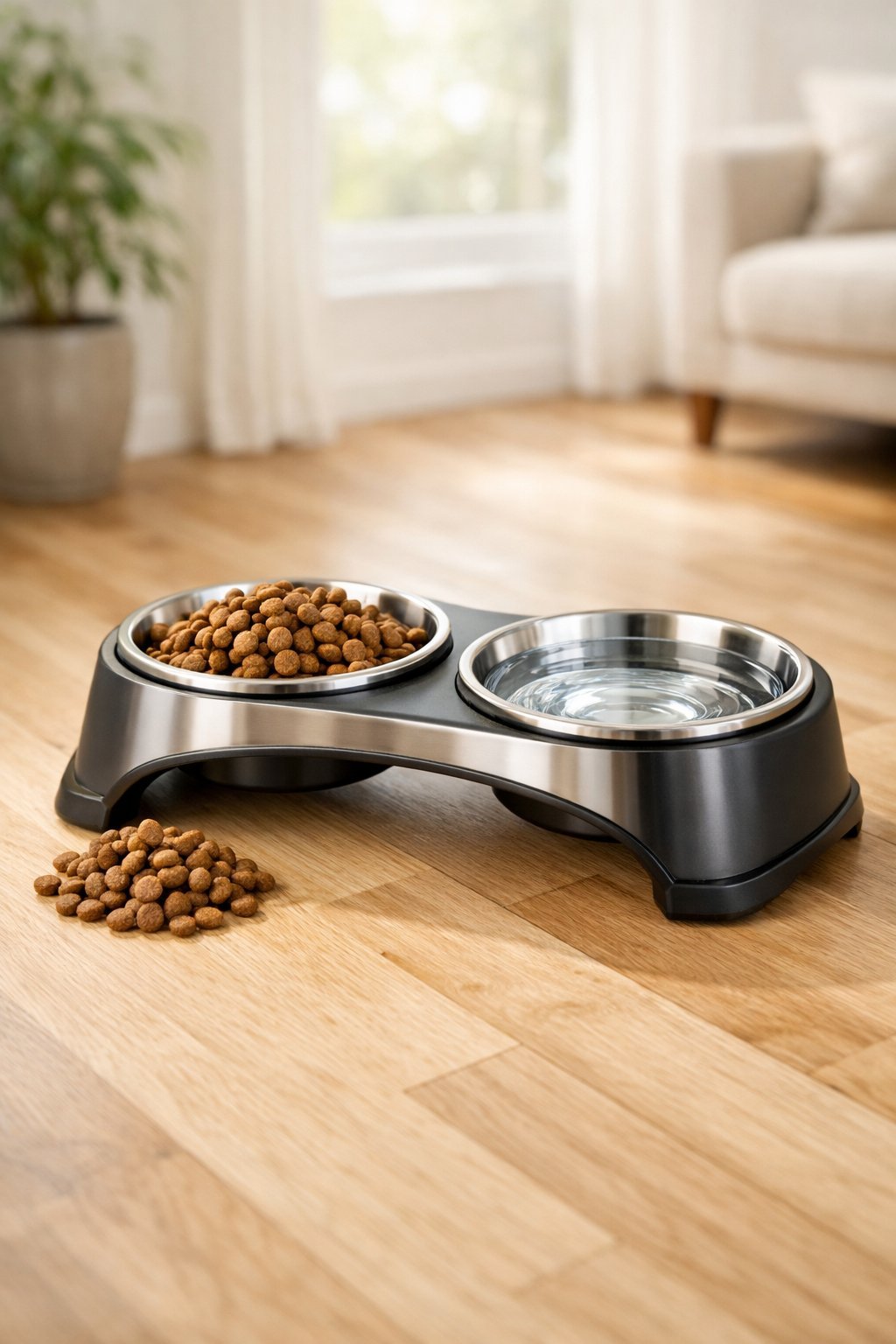
The right bowl makes feeding time easier for both you and your dog.
I’ve found that paying attention to size, stability, and maintenance requirements helps narrow down the best options.
Size and Capacity Choices
I always match bowl size to my dog’s breed and eating habits.
Small dogs need bowls that hold 1-2 cups of food, while medium dogs do well with 2-4 cup capacities.
Large and giant breeds require bowls that can hold 4-8 cups or more.
The bowl’s diameter matters just as much as depth.
Flat-faced breeds like Pugs and Bulldogs need wider, shallower bowls so they can reach their food easily.
Dogs with long ears benefit from narrower, deeper bowls that keep their ears out of the food.
I measure my dog’s daily food portion before buying a bowl.
Choosing bowls based on your dog’s specific needs prevents overfeeding and ensures comfortable eating.
I also consider whether my dog eats quickly or slowly, as this affects the style I pick.
Non-Slip and Spill-Proof Designs
My dog used to push his bowl across the floor during meals until I switched to one with a rubber base.
Non-slip bottoms keep bowls in place and protect floors from scratches.
Weighted bowls work well for enthusiastic eaters.
I prefer ones with silicone rings around the bottom edge because they grip smooth surfaces better than simple rubber pads.
Raised edges and splash guards help contain water and prevent spills.
Bowls with slightly inward-curving rims reduce the mess around the feeding area.
Some designs include spill-proof lips that catch drips before they hit the floor.
Ease of Cleaning and Durability
I look for bowls that can go in the dishwasher because hand-washing daily gets tedious.
Stainless steel bowls are my top choice since they resist bacteria, don’t hold odors, and last for years.
Ceramic bowls clean easily but can chip or crack if dropped.
I avoid plastic bowls because they scratch easily and those tiny grooves harbor bacteria even after washing.
Seamless designs without crevices make cleaning simpler.
I check that water bowls don’t have textured bottoms where slime builds up.
The best materials for dog bowls combine safety with low maintenance requirements.
How to Introduce a New Feeding Dish to Your Dog
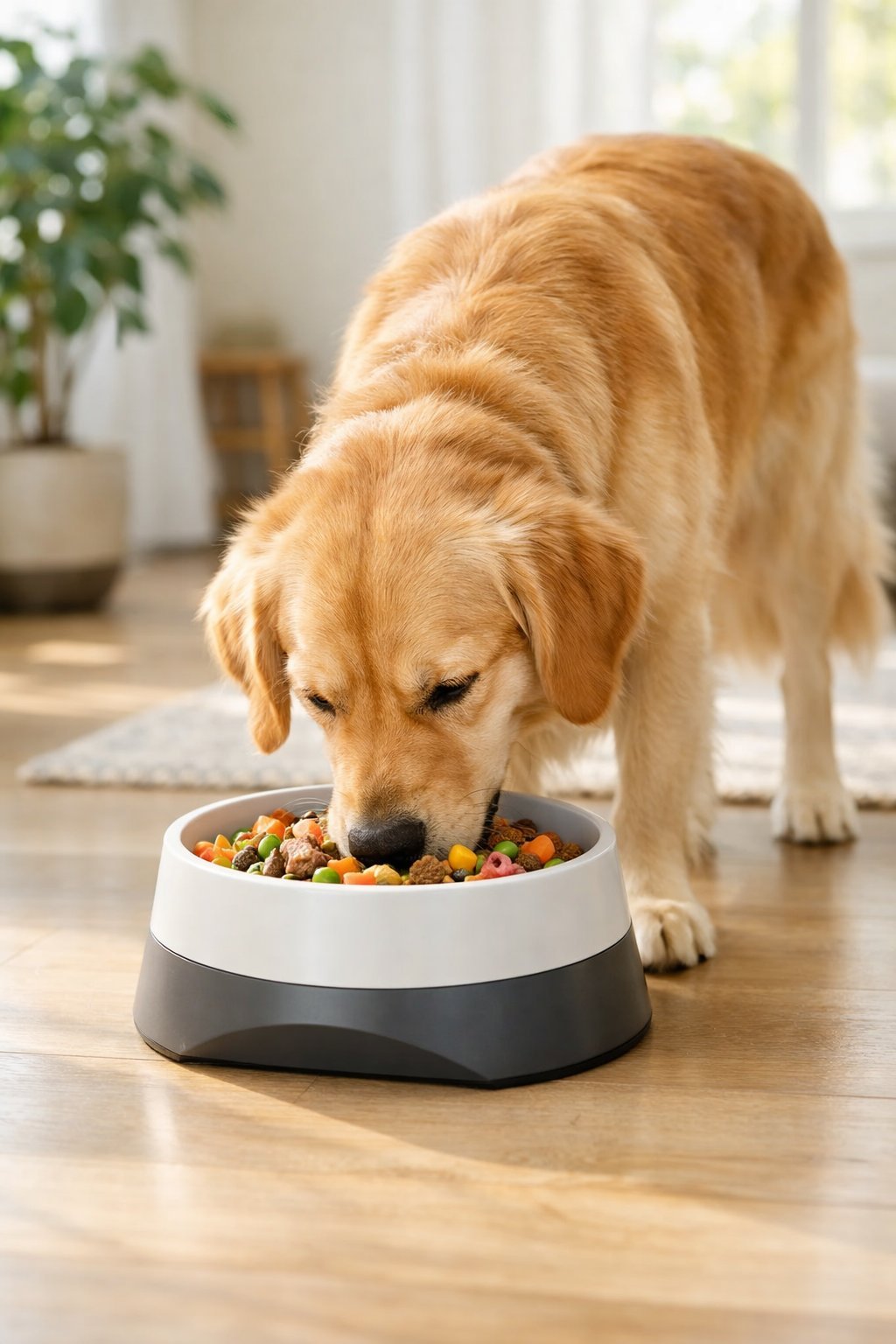
When you bring home a new bowl, your dog might feel uncertain about the change.
I’ll show you how to make the transition smooth and create positive associations with the new dish.
Making the Switch Seamless
Start by placing the new bowl next to your dog’s current dish during feeding time. This way, your pet gets used to seeing it without any pressure.
After a few days, put a small amount of food in the new bowl while keeping most of the meal in the old one. Gradually increase the amount of food in the new bowl each day, and reduce what’s in the old dish.
By the end of the week, your dog should be eating comfortably from the new bowl. Some dogs adapt quickly, while others need more time.
If your pet refuses to eat from the new dish, don’t force it. Try washing the bowl thoroughly to remove any chemical smells from manufacturing.
You can also rub a little chicken broth on the rim to make it more appealing.
Encouraging Positive Mealtime Experiences
Stay calm and positive when introducing your dog to their new bowl. Your energy really affects how your pet responds to changes.
Place the bowl in a quiet, familiar spot where your dog normally eats. This helps reduce distractions.
Here’s what works well for building positive associations:
- Use praise and gentle encouragement when your dog approaches the new bowl.
- Keep feeding times consistent so your pet knows what to expect.
- Avoid standing over your dog while they eat, which can create pressure.
- Add a favorite treat or a little wet food on top of their regular meal.
If elevated bowls are new to your dog, they might need extra time to adjust to the different height. Let your dog sniff and explore the bowl before adding food.
Patient repetition helps them understand this is their new feeding station.
Top Picks: Dog Bowls That Will Transform Your Pet’s Mealtime
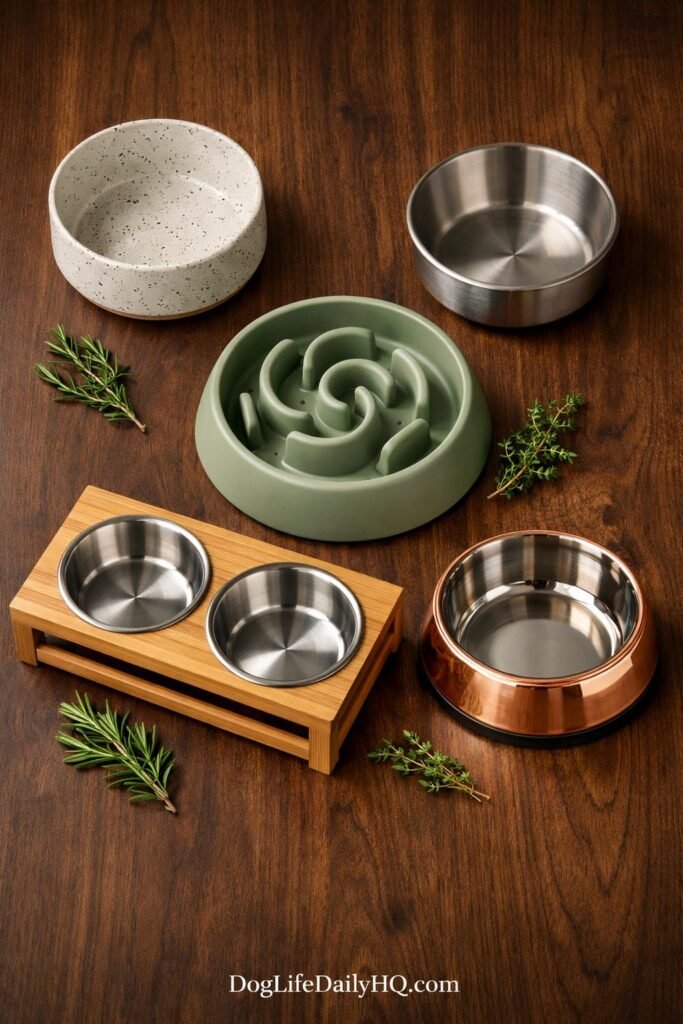
The right bowl depends on your dog’s size, eating habits, and specific needs. From durable stainless steel options to slow-feeder designs, different bowls serve different purposes.
Best Overall Dog Bowl Recommendations
Stainless steel bowls are a top choice for most dogs. They’re easy to clean, don’t harbor bacteria, and last for years.
Multiple experts tested dozens of dog bowls to find options that balance safety, durability, and design. The best bowls include non-slip bases to prevent sliding during meals.
This feature keeps food contained and reduces mess. Look for bowls that are dishwasher safe for quick cleanup.
Safety and health considerations matter when choosing feeding dishes. Check that bowls are made from food-safe materials without harmful chemicals.
BPA-free plastic or high-quality stainless steel work best. For dogs who eat too quickly, try slow-feeder bowls with raised sections.
The JASGOOD Dog Feeder uses food-safe ABS plastic with rubber feet to prevent movement. These designs help reduce bloating by making dogs eat at a healthier pace.
Bowls for Puppies and Small Breeds
Small dogs need shallow bowls that match their size. Puppies usually do better with bowls between 1-2 cups in capacity.
Their smaller mouths and shorter snouts require easier access to food and water. Lightweight bowls can tip over easily with energetic puppies.
Choose options with rubber bottoms or weighted bases to prevent spills. This keeps mealtime less messy.
Elevated feeders aren’t necessary for most small breeds. Keeping bowls at ground level works well for puppies and toy breeds.
For puppies still learning mealtime manners, stainless steel is a solid choice. Teething puppies might chew plastic bowls, which can be unsafe.
Metal bowls stand up to puppy teeth and are easy to clean after messy meals.
Ideal Options for Large Dogs
Large breeds need bigger, sturdier bowls that hold more food. Look for bowls with at least 6-8 cup capacity for big dogs.
Heavy-duty stainless steel works best because it won’t crack or break. Elevated bowls help larger dogs eat more comfortably.
Raised feeders can reduce neck strain for breeds like Great Danes or Mastiffs. The bowl should sit at chest height when your dog stands naturally.
Wide, shallow bowls work better than deep, narrow ones for large breeds. Choose bowls that are at least 8-10 inches in diameter.
Anti-tip features are important with powerful dogs. Go for extra-heavy bowls or those with non-slip rubber rings to prevent spills.
Frequently Asked Questions
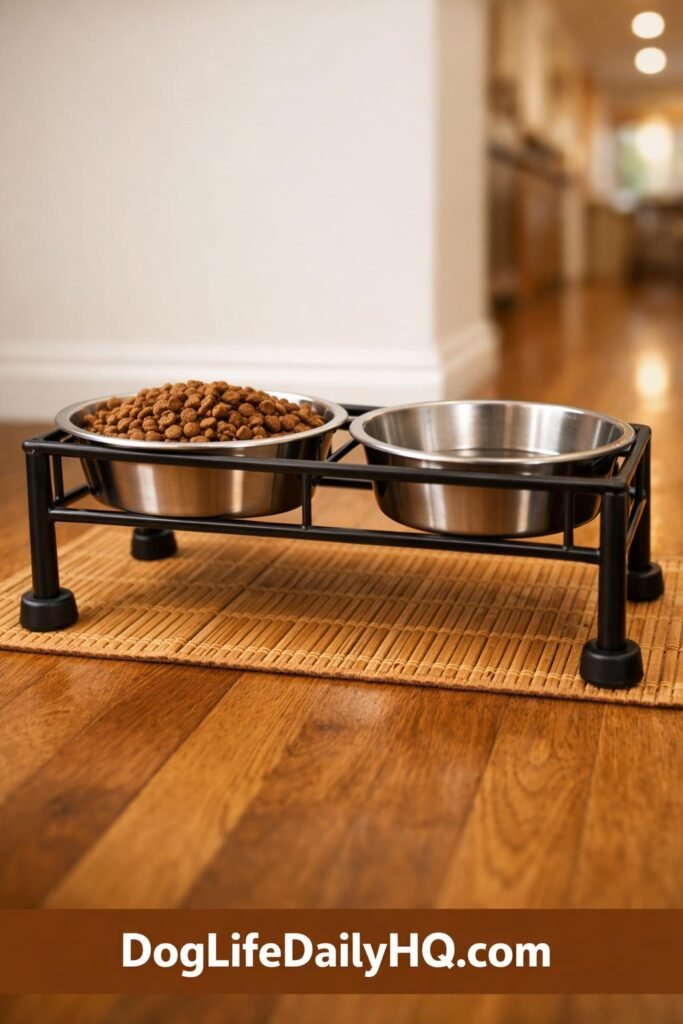
Choosing the right feeding dish means thinking about bowl design, material, and features that support your dog’s health.
What are the benefits of slow feeder dog bowls for pets?
Slow feeder bowls help dogs eat at a safer pace by adding obstacles or ridges inside the dish. When dogs eat too quickly, they can choke, vomit, or develop bloat.
These bowls turn mealtime into a puzzle that keeps dogs engaged. The maze patterns make pets work around obstacles to reach their food.
Slow feeders also provide mental stimulation during meals. Dogs who finish their food in seconds might benefit from the extra challenge.
Why might stainless steel be the best material for dog feeding dishes?
Stainless steel resists bacteria growth better than plastic or ceramic. The smooth, non-porous surface doesn’t develop scratches where germs can hide.
These bowls last for years without breaking, chipping, or rusting. You can put them in the dishwasher without worrying about damage.
Stainless steel doesn’t absorb odors or stains from food. Some dogs have allergies to plastic, so metal bowls are a safer option.
How can the right dog bowl promote healthier eating habits in dogs?
The correct bowl height helps dogs maintain better posture while eating. Elevated bowls work well for large breeds or older dogs with joint problems.
Bowl size matters for portion control and comfort. A properly sized dish helps your dog eat without food spilling everywhere.
Different bowl types and materials serve specific purposes based on eating behaviors. A dog who gulps food needs a different setup than one who eats slowly.
What features should I look for when selecting a dog bowl for my pet?
Non-slip bases prevent bowls from sliding across the floor during meals. Look for rubber bottoms or weighted designs that stay in place.
Easy-to-clean materials and designs save time and keep things hygienic. Dishwasher-safe bowls with smooth surfaces are the easiest to maintain.
Size matters based on your dog’s breed and appetite. Small dogs need shallow bowls, while large breeds need bigger capacity dishes.
Always check that the bowl is made from safe, non-toxic materials.
Are there specific types of dog bowls that vets recommend for hygiene and health?
Veterinarians often suggest stainless steel bowls because they’re the most sanitary option. These dishes don’t harbor bacteria in cracks or scratches like plastic can.
Elevated feeders are recommended for dogs with arthritis or neck problems. The raised position reduces strain on joints and makes swallowing easier.
Vets warn against plastic bowls for dogs prone to skin conditions. Some dogs develop chin acne or allergic reactions from certain plastics.
How do different dog bowl designs affect a pet’s mealtime experience?
Wide, shallow bowls work better for flat-faced breeds like pugs and bulldogs. These dogs struggle with deep dishes because of their short snouts.
Narrow, deeper bowls suit dogs with long ears like spaniels and basset hounds. The design keeps ears from dragging through food and water during meals.
Bowl design can impact comfort and eating behavior in a few ways. Heavy ceramic dishes stay put for enthusiastic eaters.
Lightweight options work well for calm dogs. Raised feeders change the eating angle, which helps larger dogs avoid neck strain and may reduce the amount of air they swallow with their food.