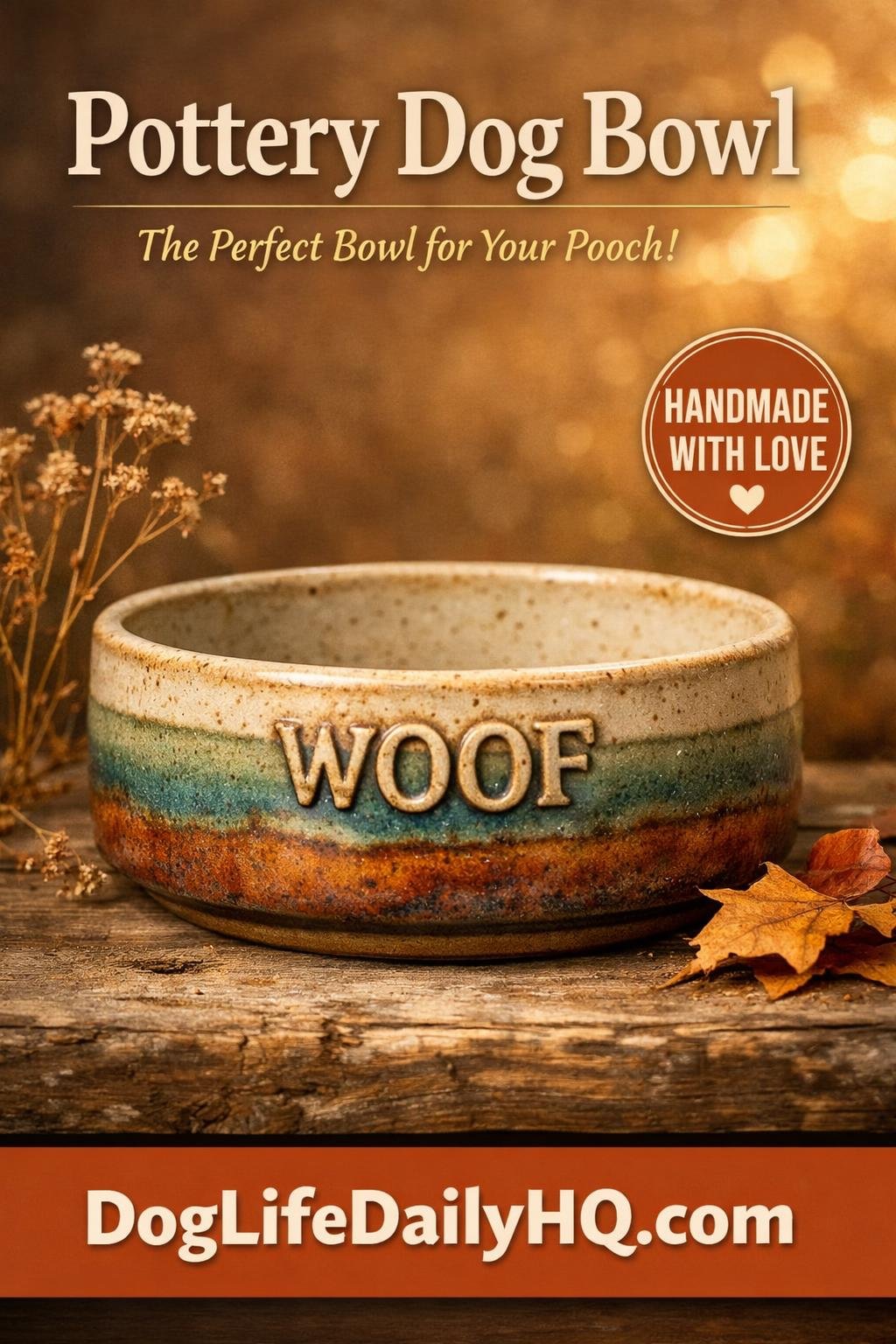
Pottery Dog Bowl: Handcrafted Feeding Dishes That Combine Beauty and Function for Your Beloved Pet

Your dog eats from their bowl every day, so why stick with a plain plastic dish? You could upgrade to something beautiful and unique.
I’ve spent years admiring handmade pottery, and I can tell you that handmade ceramic dog bowls bring craftsmanship and care to your pet’s mealtime. They really are like little pieces of art for your home.
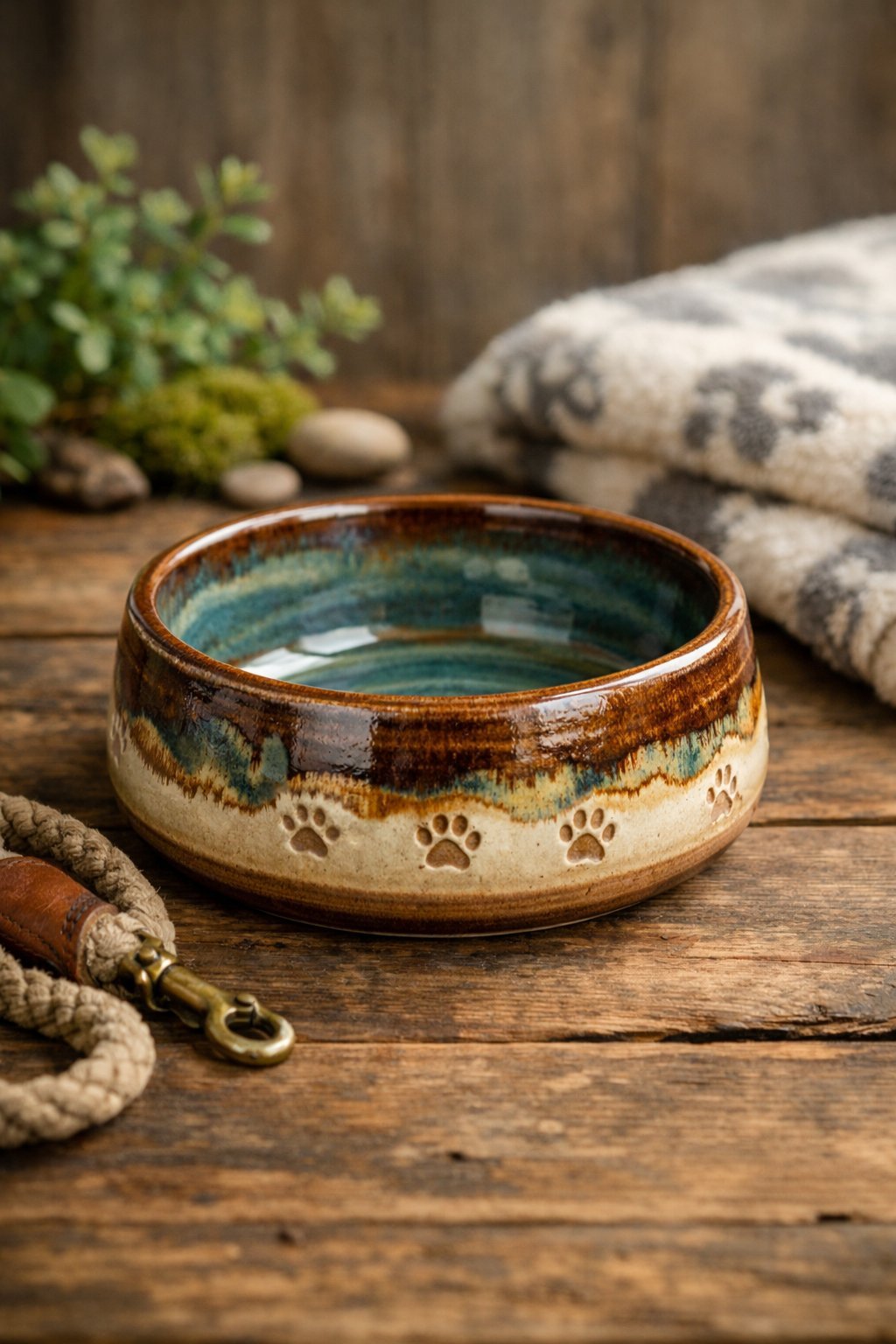
Pottery dog bowls combine durability, safety, and stunning design in ways that mass-produced bowls simply can’t match. Each piece is shaped by hand, fired at high temperatures, and glazed with non-toxic materials to keep your pup safe.
I love how these bowls add character to my kitchen while giving my dog a safer, more stable place to eat. Whether you want a rustic farmhouse style or a personalized bowl with your dog’s name, handmade pottery offers options you won’t find anywhere else.
The weight of stoneware keeps the bowl from sliding across the floor during mealtime. Plus, you’re supporting real artists who pour their skill into every piece.
Key Takeaways
- Handmade pottery dog bowls are crafted from durable, non-toxic materials that keep your pet safe during every meal.
- Each ceramic bowl is unique and adds beautiful design to your home while providing a stable, heavy base that won’t slide around.
- You can find personalized and custom options from independent artists who create these bowls with care and attention to detail.
This post contains affiliate links. As an Amazon Associate I earn from qualifying purchases.
Feeding gear worth a look:
Elevated dog bowl stand, Stainless steel dog bowls, Slow feeder bowl, Ceramic dog bowl, Waterproof feeding mat, Airtight food storage container.
Why Choose a Pottery Dog Bowl?
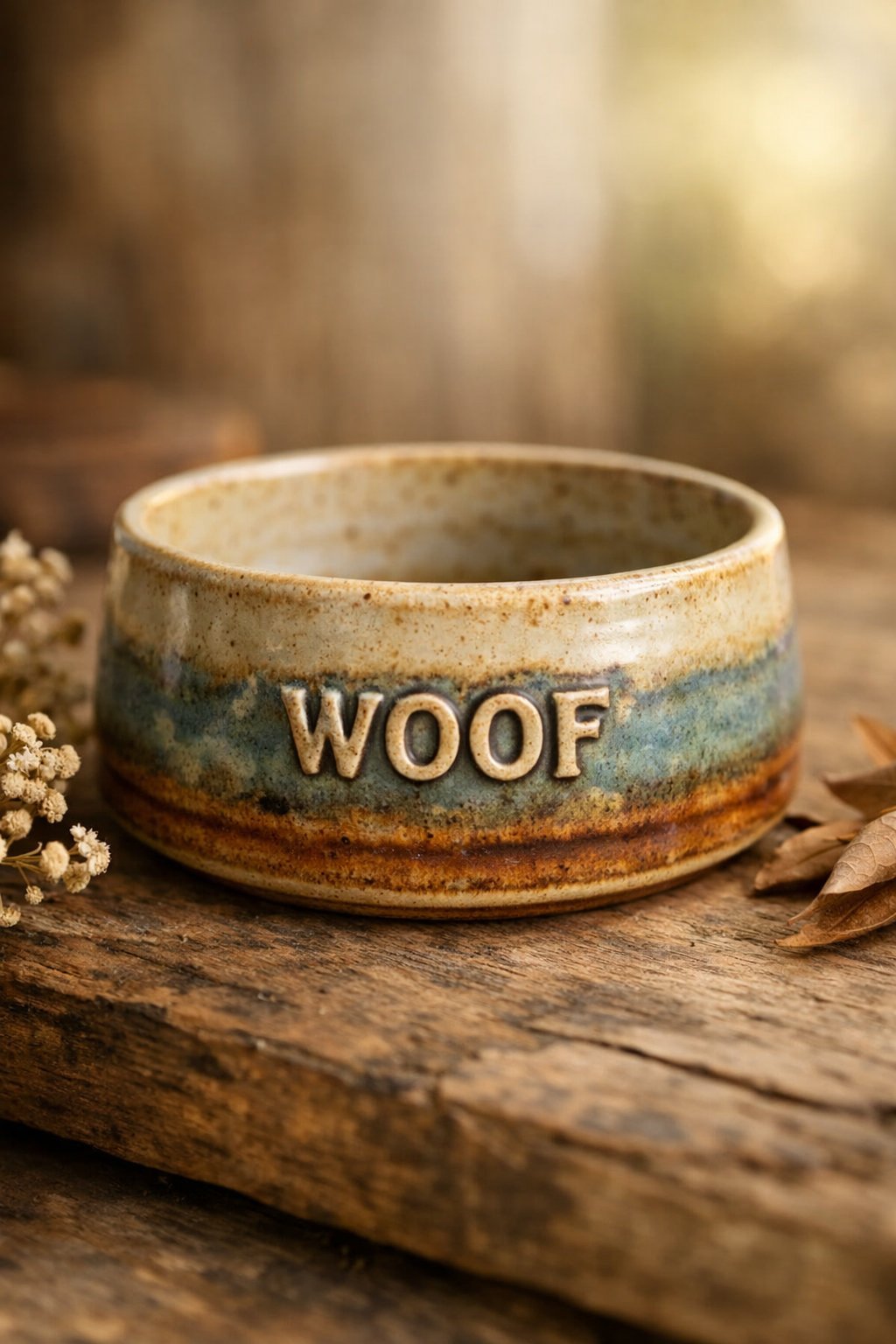
Pottery dog bowls offer real advantages that go beyond looks. They’re safer for your pet, more stable during mealtime, and built to last for years.
Benefits of Handmade Pottery
Handmade pottery bowls bring something special to my dog’s feeding routine. Each handcrafted ceramic bowl is made by skilled artisans who shape and fire the clay with care.
No two bowls are exactly alike. The firing process makes these bowls incredibly durable, so they resist scratches and chips better than plastic.
I don’t have to worry about replacing them every few months. Ceramic dog bowls are non-toxic, which gives me peace of mind.
The glazes used on quality pottery are food-safe and lead-free. These bowls are also dishwasher safe, so I can toss them in with my regular dishes without any special care instructions.
Distinctive Qualities of Ceramic Dog Bowls
The weight of a ceramic bowl is one of its best features. My dog used to push his plastic bowl across the floor while eating, but a ceramic bowl’s weight provides stability, keeping it firmly in place.
I appreciate how these bowls coordinate beautifully with home decor. They come in gorgeous glazes and hand-painted designs that match my kitchen style.
Some artisans offer tri-color glazes or farmhouse designs that look like decorative pieces. Ceramic keeps food and water cooler than plastic or metal bowls, which is great during warm months.
The material doesn’t hold onto odors either, so the bowl stays fresh between washings.
Luxury and Comfort for Your Pet
My dog deserves more than a basic feeding dish. Handmade stoneware bowls combine function with artisan quality.
The smooth ceramic surface is gentle on my dog’s nose and whiskers. Some materials can irritate sensitive skin, but pottery provides a comfortable eating experience.
The bowl edges are typically rounded and carefully finished. I also love that USA-made ceramic bowls support local artists and small businesses.
When I buy a handcrafted bowl, I’m investing in quality craftsmanship rather than mass production. These pieces often become conversation starters when guests visit and notice the beautiful bowl in my kitchen.
Unique Features of Handmade Pottery Dog Bowls
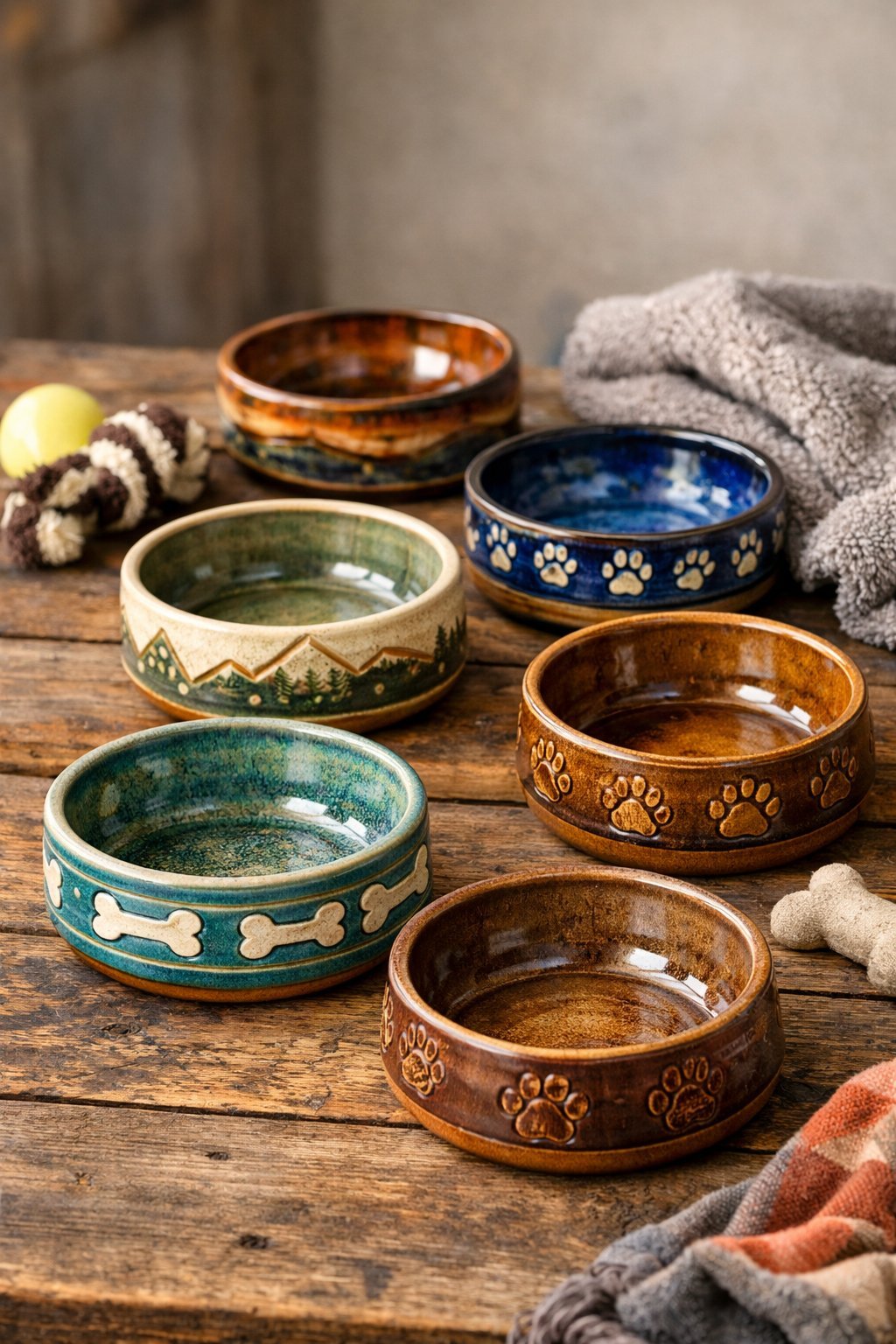
Handmade pottery dog bowls stand apart from mass-produced options through their craftsmanship, safe materials, and lasting quality. Each bowl brings together traditional techniques and pet-friendly design choices that benefit both dogs and their owners.
Artisan Techniques and Craftsmanship
When I look at handmade ceramic dog bowls, I can see the individual care that goes into each piece. Skilled potters hand-throw these bowls in small batches, so no two are exactly alike.
The process starts with shaping clay on a pottery wheel. Artisans use their hands to form the bowl’s walls and create a stable base.
This hands-on approach lets them adjust thickness and weight for durability. After shaping, potters apply glazes by hand.
Some use hand-painted designs while others dip or brush on colorful finishes. The tri-color glazes created by artisans like WillaBees Pottery show how multiple colors can blend together during firing.
High-temperature firing hardens the clay and sets the glaze. This transforms soft clay into sturdy stoneware that can handle daily use.
Natural Materials Used in Pottery
I find it reassuring that pottery dog bowls use simple, natural ingredients. The main material is clay dug from the earth, which potters refine and prepare for shaping.
Premium pottery clay forms the base of quality dog bowls. This natural material contains minerals that become strong when fired at high temperatures.
Some potters select specific clay bodies for their strength or color. The glazes also come from natural sources and typically contain silica, metal oxides for color, and other minerals.
When fired, these materials melt and form a glass-like coating.
Common natural materials in pottery:
- Earthenware or stoneware clay
- Silica for glaze formation
- Metal oxides (iron, copper, cobalt) for colors
- Feldspar as a flux
- Kaolin for white bases
These ingredients have been used for thousands of years and don’t contain synthetic chemicals or plastics.
Non-Toxic and Eco-Friendly Options
Safety matters when my dog eats and drinks from a bowl every day. Lead-safe ceramic bowls ensure that no harmful substances leach into food or water.
Reputable potters use food-safe glazes tested for heavy metals. These glazes meet the same standards as human dinnerware.
The eco-friendly nature of pottery appeals to me too. Clay is a renewable resource that doesn’t deplete the environment.
The production process uses less energy than manufacturing plastic or metal bowls. Pottery bowls last for years, which reduces waste.
Unlike plastic bowls that crack or retain odors, a well-made ceramic bowl stays in good condition. When it eventually breaks, the pieces return to the earth without leaving microplastics behind.
Durability and Practical Benefits
I’ve found that durable stoneware pottery holds up better than I expected. The high firing temperature creates a dense material that resists chips and cracks.
The weight of pottery bowls keeps them in place during meals. My dog can’t push the bowl around the floor while eating.
This stability means less mess and quieter mealtimes. Ceramic surfaces don’t absorb odors or bacteria like plastic does.
Food smells don’t linger after washing. The smooth glazed finish wipes clean easily and goes in the dishwasher without damage.
Practical advantages:
- Weight: Stays put during use
- Cleaning: Dishwasher safe
- Temperature: Keeps water cool longer
- Size options: Available for small to medium pets at 7 inches wide
The double-glazed finish on quality bowls creates a smooth surface that doesn’t scratch easily. This means the bowl maintains its appearance and hygiene over time.
I appreciate that these bowls serve their purpose while looking good in my home.
Designs and Customization Options

Pottery dog bowls come in different sizes, shapes, and colors to match your home and your dog’s needs. You can add personal touches like your pet’s name or choose from different glaze finishes to make the bowl truly special.
Finding the Perfect Size and Shape
I always recommend measuring your dog before picking a bowl size. Small bowls work well for toy breeds and cats, while medium bowls fit most dogs under 50 pounds.
Large breeds need bigger, deeper bowls to comfortably eat and drink. Most ceramic dog bowls come in multiple sizes to fit different pets.
The shape matters too. Wide, shallow bowls help dogs with flat faces breathe easier while eating.
Deeper bowls keep long-eared dogs cleaner during meals. Some pottery bowls have straight sides while others curve outward.
The weight of ceramic helps prevent tipping, which is great for enthusiastic eaters. I find that heavier bowls stay in place better than lightweight options.
Color Choices and Glazing Styles
Pottery bowls offer amazing color variety. You can find fun glazes and hand-painted designs in almost any shade you want.
Bright colors like turquoise, yellow, and coral add a playful touch to your space. Whimsical and colorful options from pottery makers range from solid colors to patterns.
Some bowls feature speckled finishes or two-tone designs. The glaze protects the bowl and makes it dishwasher safe.
I love that ceramic bowls can match your kitchen decor. You can pick neutral tones for a subtle look or bold colors that stand out as statement pieces.
Personalized Engravings and Finishes
Personalized bowls with your pet’s name create a unique feeding station. Many pottery artists offer custom text, paw prints, or special designs.
You can find custom dog bowls where you submit your own artwork or photos. Hand-painted details make each bowl one-of-a-kind.
Some potters add decorative borders, bones, or breed-specific art. The personalization typically appears on the outside of the bowl where it won’t wear down from use.
Custom pottery dog bowls on sites like Etsy let you work directly with makers to create exactly what you want. This makes them perfect gifts for dog lovers who appreciate handmade items.
Caring for Your Pottery Dog Bowl

Pottery dog bowls need proper care to stay beautiful and safe for your pup. I’ll walk you through the best cleaning methods, how to keep your bowl looking great for years, and important safety tips for daily use.
Cleaning and Maintenance Tips
I always recommend hand washing pottery dog bowls with warm water and mild dish soap. This keeps the glaze intact and prevents any damage that might happen in a dishwasher.
Use a soft sponge or cloth instead of abrasive scrubbers. Rough materials can scratch the glaze surface over time.
If food gets stuck on the bowl, I soak it in warm soapy water for 10-15 minutes before washing.
Daily cleaning routine:
- Rinse the bowl after each meal
- Wash with soap and warm water
- Dry thoroughly before refilling
- Check for any chips or cracks weekly
I never put pottery bowls in the microwave unless they’re specifically marked as microwave-safe. Most handmade pottery dog bowls aren’t designed for microwave use.
Enhancing Longevity and Appearance
I store my dog’s pottery bowl in a stable spot where it won’t get knocked over or bumped. Placing it on a rubber mat helps prevent sliding and protects the bottom from wear.
Temperature changes can crack pottery. I avoid filling a cold bowl with hot water or putting a warm bowl in the refrigerator right away.
Let the bowl reach room temperature first. The glaze naturally develops a patina over time, which adds character.
But if you notice staining, I mix baking soda with a little water to make a paste. Gently rub it on the stained areas and rinse well.
Tips to protect your bowl:
- Keep it away from edges where it might fall
- Don’t stack heavy items on top
- Avoid extreme temperature shifts
- Handle with clean, dry hands
Safe Usage for Food and Water
I make sure any pottery bowl I use for my dog is made with food-safe glazes. Lead-free glazes are essential for pet bowls since dogs lick them constantly.
Check your bowl regularly for chips or cracks. Even small damage can harbor bacteria or create sharp edges that might hurt your pup’s tongue.
If I find any damage, I retire that bowl immediately. For water bowls, I change the water at least once daily and wash the bowl each time.
Bacteria grows quickly in standing water, even in clean-looking pottery. Food bowls need washing after every meal.
Wet food especially can leave residue that attracts bacteria. I never let food sit in a pottery bowl for hours between meals.
Where to Find the Most Gorgeous Pottery Dog Bowls

I’ve found that handmade pottery dog bowls are available from talented artisans at craft fairs, local makers who pour their heart into each piece, and trusted online shops that specialize in ceramic pet products.
Discovering Talented Artisans
I love hunting for pottery dog bowls at local craft fairs and art shows. These events let me meet the artists who actually make the bowls, and I can ask them about their glazing techniques and clay types.
Farmer’s markets often have pottery vendors who create pet bowls alongside their other work. I find this is where I get the most unique pieces because each artist has their own style.
Art festivals and pottery studio tours are goldmines for finding one-of-a-kind bowls. Many potters will even take custom orders if I want specific colors or sizes.
I’ve commissioned bowls with my dog’s name hand-carved into the side, which makes feeding time feel extra special. Local pottery studios sometimes sell finished pieces in their showrooms.
I can usually watch the potters work, which helps me appreciate the skill that goes into each bowl.
Supporting Local Makers and Small Businesses
I make it a point to buy from small pottery businesses because the quality is consistently better than mass-produced options. These makers use lead-free glazes that are safe for pets and properly fire their ceramics.
Independent pet boutiques in my area carry handmade ceramic bowls from local artists. The shop owners can tell me about each potter’s background and techniques.
I’ve also discovered that buying directly from small businesses means I’m supporting someone’s livelihood. Many potters work from home studios and rely on bowl sales as part of their income.
The money I spend goes straight to the artist rather than a corporate retailer.
Trusted Online Shops and Galleries
When I can’t shop locally, I turn to online marketplaces that specialize in handmade goods. Etsy features pottery dog bowls from artists around the world, and I can read reviews from other pet owners before buying.
Specialty websites like Waggo offer ceramic dog bowls in multiple sizes with FDA-approved glazes that are dishwasher safe. I appreciate that these shops provide detailed product descriptions and care instructions.
Farmhouse Pottery creates durable stoneware bowls that combine rustic charm with practical design. I’ve ordered from them and the shipping was secure with plenty of protective packaging.
Some online galleries curate collections from multiple potters, which saves me time browsing. I can compare styles and prices all in one place instead of visiting dozens of individual websites.
Frequently Asked Questions
Handmade pottery dog bowls raise some common questions about their unique qualities, proper care, and what to look for when buying one. I’ll answer the most important things you should know before choosing the perfect bowl for your pup.
What makes a dog bowl truly unique when it’s handmade?
Each handmade pottery bowl is one of a kind because of how it’s made. When a potter creates a bowl by hand on a wheel or using traditional techniques, small differences happen naturally in the shape, size, and glaze.
No two bowls will look exactly the same. The glaze colors might vary slightly from one bowl to another, and the overall finish will have its own character.
This means your dog gets a bowl that no other pet in the world has. Handmade ceramic dog bowls are made in small batches rather than mass-produced in factories.
The potter spends time on each individual piece, giving it attention and care that factory-made bowls don’t receive.
How do I care for and maintain a pottery dog bowl?
Most pottery dog bowls are dishwasher safe, which makes cleaning easy. I recommend checking with the maker first to confirm, but many ceramic dog bowls are FDA approved and safe for the dishwasher.
You can also wash pottery bowls by hand with regular dish soap and warm water. Avoid using harsh scrubbing pads that might scratch the glaze over time.
Pottery is durable but can crack or chip if dropped on hard floors. I suggest placing the bowl on a mat or rug to prevent sliding and to protect it if it tips over.
What are some design options for a handmade pottery dog bowl?
Handmade pottery bowls come in many bright and fun colors to match your home decor. You can find solid colors, multi-color glazes, and hand-painted designs that add personality to your pet’s feeding area.
Some potters offer personalization options where you can add your dog’s name to the bowl. Personalized ceramic dog bowls often feature the name in cute designs like bone shapes.
You’ll find different sizes available from small to large to fit your dog’s needs. The bowls come in various styles from modern and simple to decorative patterns that coordinate with pottery collections in your home.
Are there any benefits to using ceramic bowls for pets?
Ceramic bowls are heavier than plastic or metal bowls, so they don’t slide around as much when your dog eats. This weight keeps the bowl stable and prevents spills.
Pottery doesn’t hold odors or bacteria the way plastic can over time. The glazed surface stays cleaner and more sanitary with regular washing.
Many handmade ceramic bowls use natural and non-toxic materials. Lead-free pottery dog bowls made in the USA meet safety standards for your pet’s health.
How can I tell if a pottery dog bowl is of high quality?
High-quality pottery bowls are high-fired, which makes them stronger and more durable. The firing process hardens the clay so it won’t crack easily with daily use.
Look for bowls with smooth, even glazes that don’t have rough spots or bubbles. The glaze should cover the inside completely to create a waterproof surface.
Quality pottery feels substantial and heavy in your hands. Check that the bottom is flat and stable so the bowl won’t tip over easily when your dog eats or drinks.
What should I consider when purchasing a pottery dog bowl for my puppy?
Choose a size that fits your puppy’s current needs, but keep in mind they’ll grow quickly.
Starting with a medium-sized bowl usually works well for puppies who will become medium to large dogs.
Make sure the bowl height is comfortable for your puppy to reach without straining their neck.
The rim should be low enough for easy access to food and water.
Consider getting two bowls from the start—one for food and one for water.
Some potters sell matching sets that look great together and coordinate with your home’s style.
Printable Recipe Card
Want just the essential recipe details without scrolling through the article? Get our printable recipe card with just the ingredients and instructions.