
Homemade Pet Treats: Easy Recipes Your Furry Friends Will Love More Than Store-Bought

Making treats for your pets at home means you control every ingredient that goes into their snacks. Store-bought options often have preservatives, fillers, and artificial additives you might want to avoid.
When you make homemade pet treats, you know exactly what your dog or cat is eating. You can also customize recipes based on their dietary needs and taste preferences.

Making your own pet treats saves money compared to buying expensive premium treats at the store. You probably already have many of the ingredients in your pantry, like peanut butter, pumpkin, and oats.
The process is simpler than you might think, with both baked and no-bake options available. Your pets will love the fresh taste of homemade treats, and you’ll feel good knowing you’re giving them wholesome snacks.
From protein-packed tuna fudge to banana peanut butter bites, the recipes I’ll share are easy to make and use safe, nutritious ingredients. Let me show you how to create treats so tasty your pets will turn their noses up at store-bought options.
Key Takeaways
- Homemade pet treats give you complete control over ingredients and help you avoid harmful additives found in many store-bought options
- Most recipes use simple pantry staples and can be customized to match your pet’s dietary needs and preferences
- Proper storage techniques keep homemade treats fresh while ensuring your pets enjoy safe, wholesome snacks
Benefits of Homemade Pet Treats
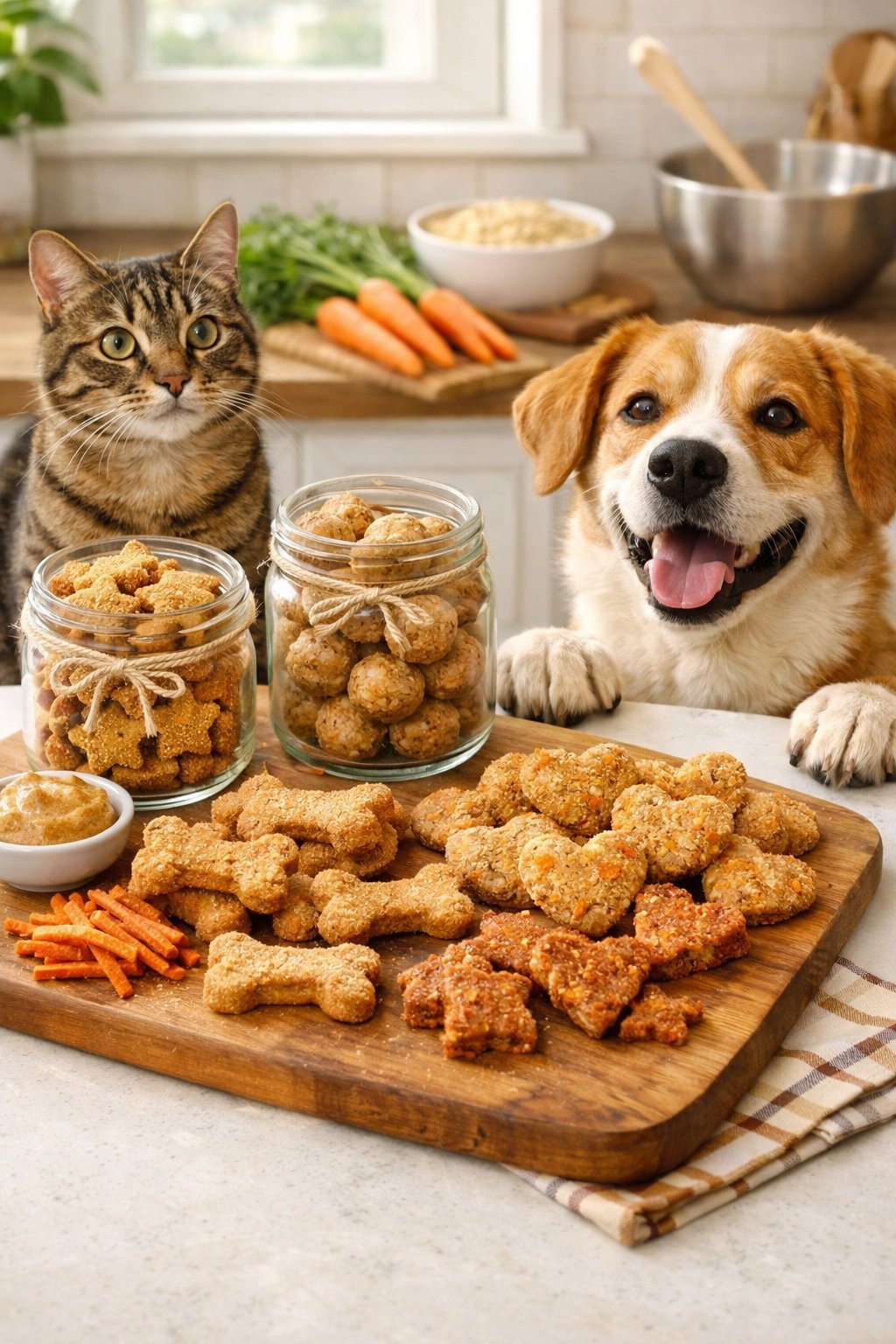
Making treats at home gives me complete control over what my pets eat. It helps me meet their specific health needs and keeps harmful ingredients out of their diet.
Healthier Ingredients for Pets
When I make treats in my own kitchen, I know exactly what goes into each batch. I can use fresh, whole ingredients like lean meats, vegetables, and whole grains instead of mystery ingredients with names I can’t pronounce.
Store-bought treats often contain excess sodium and chemical preservatives that can harm pets with kidney disease, heart problems, or weight issues. I avoid these risks entirely by choosing quality ingredients myself.
I also skip artificial colors, flavors, and fillers that offer no nutritional value. My pets get real food with vitamins, minerals, and protein they actually need.
Customization for Dietary Needs
Homemade treats let me tailor recipes to match my pet’s unique needs perfectly. If my dog needs more protein or my cat requires a low-fat diet, I adjust the ingredients accordingly.
I can control portion sizes and manage my pet’s weight by making smaller treats or using lighter ingredients. For pets with medical conditions, I can work with my vet to create treats that support their treatment plan.
Senior pets, puppies, and animals with dental issues each need different textures and nutrient profiles. I can make soft treats for older pets or crunchy ones for dogs who need dental benefits.
Allergen and Additive Control
Many pets suffer from food allergies or sensitivities that make store-bought treats problematic. When I make treats myself, I eliminate ingredients that trigger reactions in my pets.
If my pet can’t tolerate chicken, wheat, or dairy, I simply don’t use those ingredients. For pets with allergies or sensitivities, homemade treats are the better option because I maintain complete ingredient transparency.
I also avoid preservatives, stabilizers, and binding agents that can cause digestive upset or allergic reactions. Even one store-bought snack may trigger complications in pets needing strict dietary management.
Choosing Wholesome Ingredients
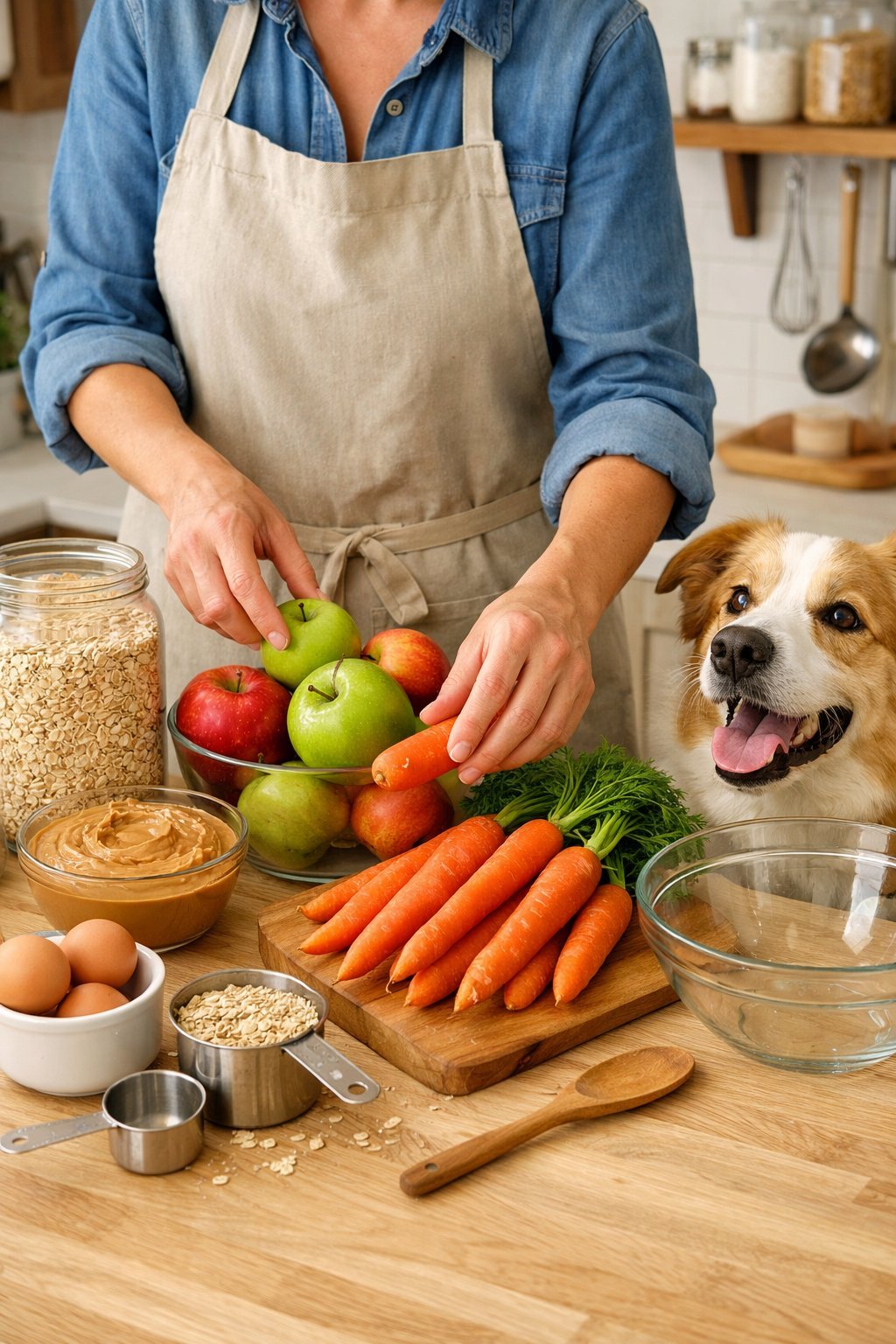
The foundation of any great homemade pet treat starts with selecting quality ingredients that are both safe and nutritious. I focus on fresh proteins, natural grains, and properly sourced items to create treats my pets actually benefit from eating.
Natural Proteins and Fresh Produce
I always start with lean proteins like chicken, turkey, or beef as the base of my pet treats. These provide essential amino acids that support muscle health and energy levels.
Fish like salmon works great too, offering omega-3 fatty acids for a shiny coat. For vegetables, I stick with pet-safe options.
Pumpkin is my go-to because it’s packed with fiber and helps with digestion. Sweet potatoes offer vitamins A and C, while carrots give a satisfying crunch dogs love.
I avoid anything toxic to pets. That means no onions, garlic, grapes, or raisins in my recipes.
Fresh produce should be washed thoroughly and cooked when needed to make it easier to digest.
Pet-Friendly Grains and Alternatives
Oats are one of the best ingredients for homemade dog treats because they’re gentle on the stomach and provide good fiber. I use rolled oats in most of my baked treat recipes.
Whole wheat flour works well for most pets, but I keep grain-free alternatives on hand for those with sensitivities. Rice flour, coconut flour, and chickpea flour all make excellent substitutes.
Each brings different textures and nutrients to the final treat. For pets with allergies, I’ve found that combining multiple grain-free flours gives better results than using just one.
The treats hold together better and have a more appealing texture.
Ingredient Safety and Sourcing
I buy organic ingredients when possible to avoid harmful additives and pesticides. Local farmers’ markets often have fresh produce at good prices, and I can ask questions about how items were grown.
Reading labels matters even for basic ingredients. I check that peanut butter contains no xylitol, a sweetener that’s deadly to dogs.
Natural, unsalted versions are always my choice. I store ingredients properly to maintain freshness.
Flours go in airtight containers, and I refrigerate opened items like peanut butter. Fresh proteins get used within a few days or frozen for later batches.
Easy Homemade Treat Recipes
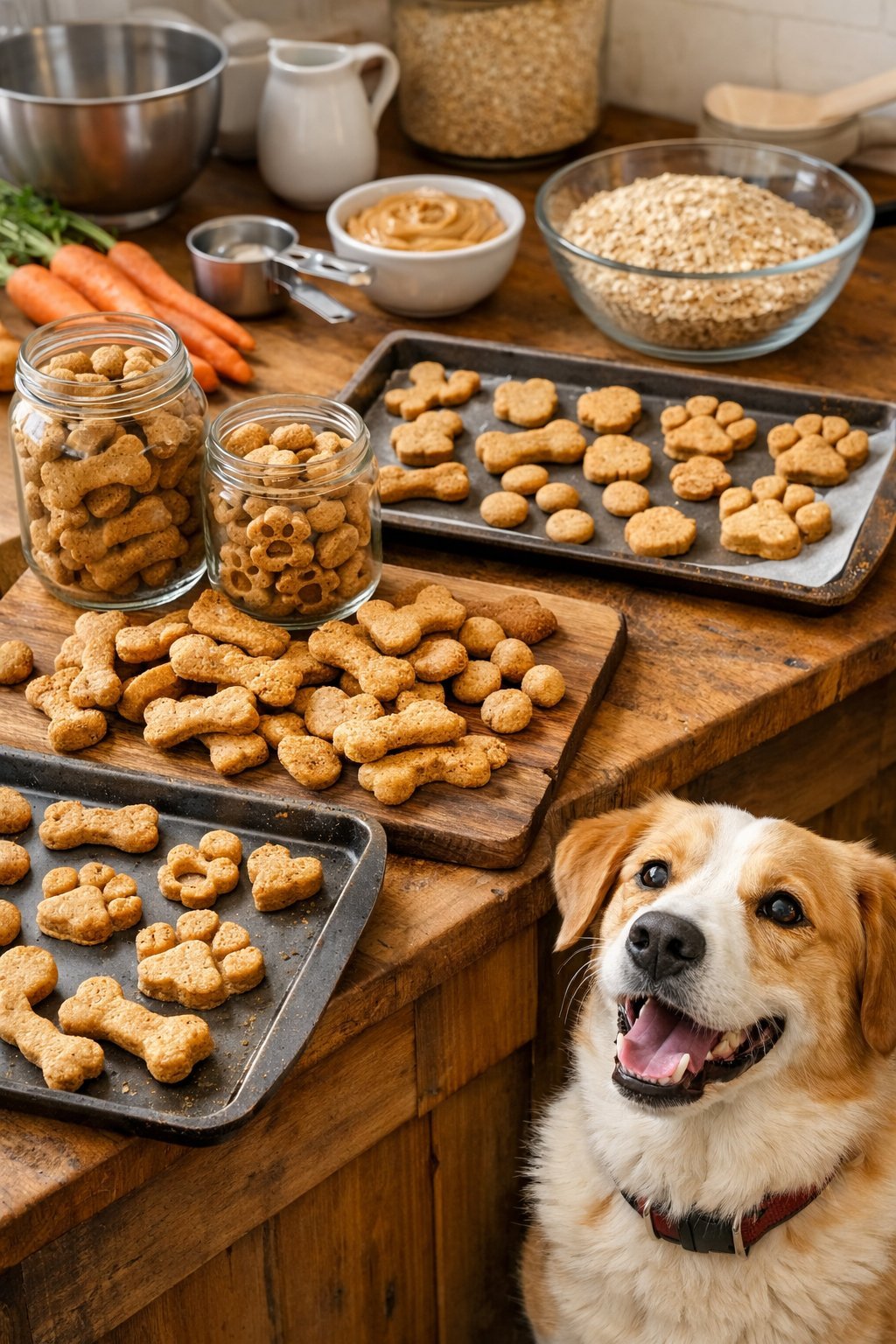
Making treats at home lets you control what goes into your pet’s snacks. You can bake simple dog treats with just a few ingredients or create no-bake options for your cat that take minutes to prepare.
Simple Baking Ideas for Dogs
I love making peanut butter and oatmeal dog treats because they only need a few pantry staples. You’ll need rolled oats, natural peanut butter (without xylitol), and an egg.
Mix two cups of oats with half a cup of peanut butter and one egg until it forms a dough. Roll the dough flat and cut it into small squares.
Bake them at 350°F for about 15 minutes until they’re golden brown. Another easy option uses pumpkin puree instead of peanut butter.
Grain-free pumpkin treats work well for dogs with sensitivities. Mix one cup of pumpkin puree with two cups of oat flour and one egg.
I store my homemade dog treats in an airtight container in the fridge for up to two weeks. They’re much cheaper than store-bought treats and I know exactly what my dog is eating.
Nutritious No-Bake Treats for Cats
Cats need different nutrients than dogs, so I make special no-bake treats just for them. Tuna treats are my go-to recipe because cats love fish.
I drain a can of tuna in water and mix it with one egg and a tablespoon of whole wheat flour. Shape the mixture into tiny balls and refrigerate them for at least two hours.
These treats stay fresh in the fridge for about five days. Another option is mixing canned salmon with a small amount of cooked sweet potato.
Mash them together until smooth and form into bite-sized pieces. My cat prefers these cold, straight from the refrigerator.
I also make chicken liver treats by pureeing cooked liver with a bit of water. Freeze the mixture in ice cube trays for small portions.
Just thaw one cube at a time when your cat deserves a reward.
Tips for Making Irresistible Treats
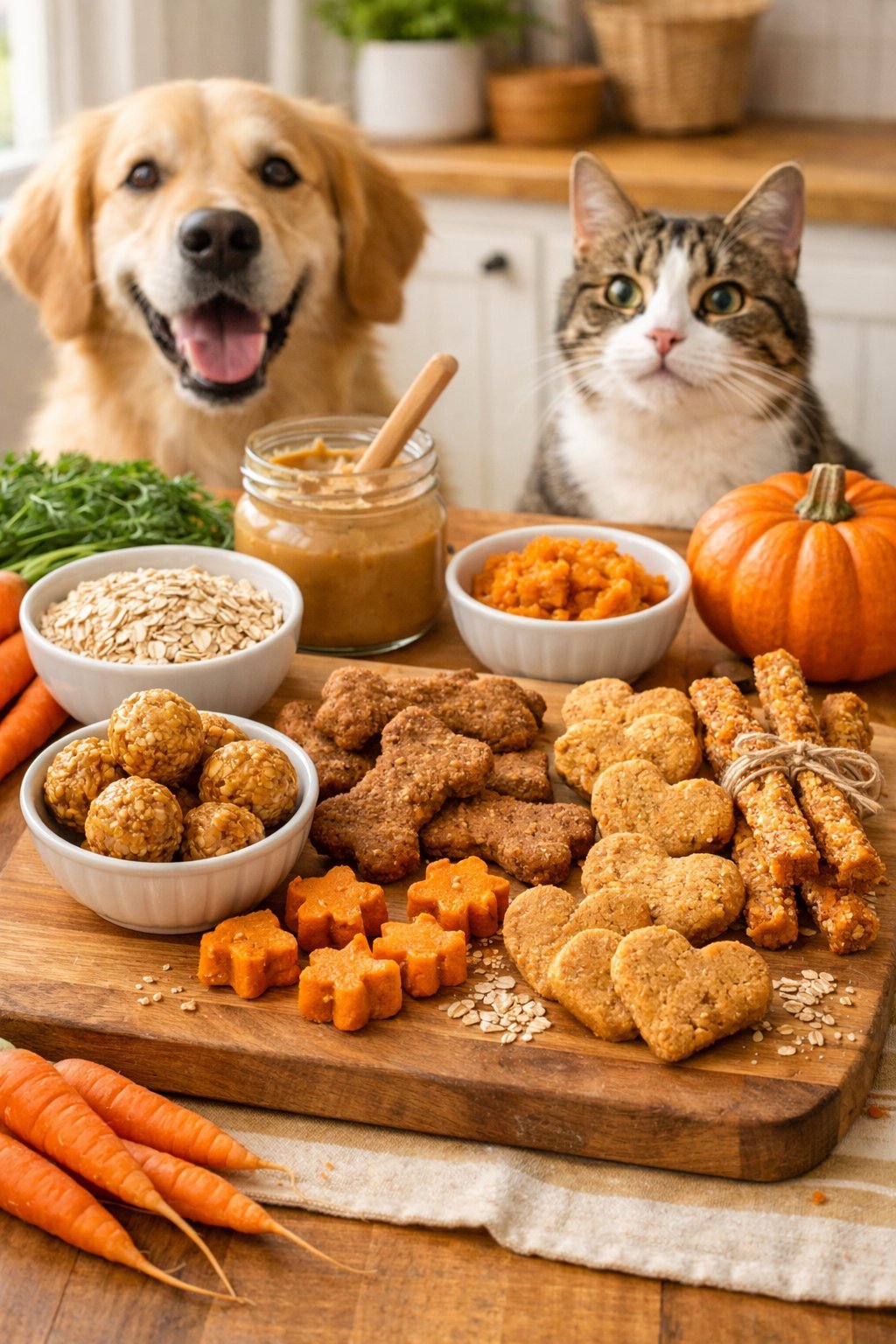
The secret to treats your pets will beg for comes down to two things: picking flavors they naturally crave and getting the texture just right so they want to eat every bite.
Flavor Combinations Pets Love
I’ve learned that dogs go crazy for savory and meaty flavors. Peanut butter mixed with banana creates a protein-packed combination that works great for training rewards.
Sweet potato paired with a small amount of turmeric gives treats an anti-inflammatory boost while tasting delicious. For cats, I stick with fish-based flavors like tuna or salmon.
They also enjoy chicken mixed with a tiny bit of catnip. Avoid onions, garlic, chocolate, grapes, and artificial sweeteners like xylitol—these are toxic to pets.
I recommend using real meat, vegetables, and fruits as your base ingredients. A touch of honey or unsweetened applesauce adds natural sweetness that dogs love.
Cheese works well in small amounts for both cats and dogs. The key is keeping it simple.
Two or three complementary flavors work better than mixing too many ingredients together.
Getting the Perfect Texture
Texture matters just as much as flavor when I’m making homemade treats. Dogs usually prefer crunchy treats they can chew, while cats often like softer, bite-sized pieces.
For crunchy dog treats, I bake them longer at a lower temperature until they’re fully dry. Rolling the dough thin helps get that satisfying crunch.
If I want chewy treats, I take them out of the oven while they’re still a bit soft in the center. That way, they stay chewy instead of turning hard.
Cats need treats they can easily bite through. I make mine small—about the size of a pea—and keep them on the softer side.
Mixing wet and dry ingredients to form a dough that’s not too sticky works best. I always test the texture before storing treats.
They should break cleanly without crumbling into dust or feeling too hard.
Safe Storage and Treat Shelf Life
Homemade treats don’t have the preservatives found in store-bought options, so they need careful storage to stay fresh and safe. Knowing how long different types of treats last and what warning signs to watch for helps keep my pet healthy.
Proper Storage Methods
I store my baked treats in airtight containers at room temperature for up to two weeks. Glass jars or sealed plastic containers work best because they keep moisture out.
For treats with moisture, like meat-based recipes, I always refrigerate them. These homemade dog treats last three to five days in the fridge when stored properly.
Freezing extends shelf life a lot. I freeze treats in small batches using freezer bags or containers, and they stay good for up to six months.
I label each batch with the date so I can rotate them properly. Dehydrated treats last the longest at room temperature because they contain very little moisture.
I keep mine in sealed containers with desiccant packets to control moisture and prevent mold. I make smaller batches more often instead of large quantities.
This way, my pet always gets fresh treats without waste.
Signs of Spoilage in Homemade Treats
I check treats regularly for any changes that signal they’ve gone bad. Mold shows up as fuzzy spots in white, green, or black, and means the whole batch needs to go.
A sour or rancid smell is another sign, especially in treats with oils or fats. Fresh treats should smell pleasant and appetizing.
Texture changes matter too. Soft treats that become slimy or sticky are spoiled.
Hard treats that develop unusual moisture also need to be tossed. I watch for discoloration or dark spots that weren’t there before.
Any visible changes in color suggest bacterial growth or oxidation.
Frequently Asked Questions
Making treats at home is easier than most people think. You can create healthy snacks with just a few basic ingredients from your kitchen.
These answers cover simple recipes, vet-approved options, and solutions for dogs with special dietary needs.
What are some simple three-ingredient recipes for dog treats?
I love making peanut butter banana bites with just one ripe banana, two tablespoons of natural peanut butter, and one cup of oat flour. Mash the banana, mix in the peanut butter, add the oat flour, and bake small drops at 350°F for 12-15 minutes.
Another easy option uses two cups of whole wheat flour, one egg, and half a cup of unsweetened applesauce. Roll out the dough, cut into shapes, and bake at 350°F for 20-25 minutes until crispy.
Sweet potato chews require just one ingredient. Slice sweet potatoes into quarter-inch rounds and bake at 250°F for three hours, flipping halfway through.
Can you recommend vet-approved treats I can make at home for my dog?
I recommend vet-approved homemade dog treat recipes that use human-grade ingredients like lean chicken, pumpkin, and oats. These are safe and provide nutritional benefits without fillers or preservatives.
Chicken and rice treats work well for most dogs. Mix two cups of cooked brown rice, one cup of shredded cooked chicken breast, and one egg, then form into small balls and bake at 350°F for 15 minutes.
Pumpkin oat treats combine one cup of pure pumpkin puree, two and a half cups of oat flour, and one egg. Roll out the dough, cut into shapes, and bake at 350°F for 25-30 minutes.
How can I make homemade dog treats that help improve my pet’s skin health?
I add ingredients rich in omega-3 fatty acids to support healthy skin and coat. Salmon and sweet potato treats combine one can of boneless salmon, one cup of mashed sweet potato, and two cups of whole wheat flour.
Mix everything together, roll out the dough to quarter-inch thickness, and cut into small squares. Bake at 350°F for 20 minutes until firm.
Coconut oil is great for skin health too. I add one tablespoon to any treat recipe for extra moisture and healthy fats.
Do you have any sweet homemade dessert recipes suitable for dogs?
I make frozen banana yogurt treats by blending two ripe bananas with one cup of plain unsweetened yogurt. Pour the mixture into ice cube trays or silicone molds and freeze for at least four hours.
Apple cinnamon cookies taste sweet without added sugar. Mix two cups of whole wheat flour, half a cup of unsweetened applesauce, one grated apple, one egg, and a quarter teaspoon of cinnamon.
Roll out and bake at 350°F for 25 minutes. Carob is a safe chocolate alternative for dogs.
I combine one cup of carob powder, two cups of oat flour, one egg, and half a cup of water to make carob chip cookies.
What healthy ingredients are best to include in DIY dog treats?
I use wholesome ingredients like pumpkin, lean chicken, and oats to create high-value rewards. These provide protein, fiber, and essential nutrients without artificial additives.
Eggs add protein and help bind ingredients together. Plain yogurt gives probiotics for digestive health.
Vegetables like carrots, green beans, and spinach add vitamins and fiber. I also include blueberries for antioxidants and sweet potatoes for vitamin A.
Peanut butter works great as a flavoring, but I always check that it doesn’t contain xylitol, which is toxic to dogs.
What are some gentle homemade dog treat recipes for dogs with sensitive stomachs?
I like to use simple, easily digestible ingredients for dogs with sensitive stomachs. Plain boiled chicken and rice treats are a great option—just mix cooked white rice, boiled chicken breast, and a bit of chicken broth to hold them together.
Pumpkin is gentle on the stomach and can help with digestion. For pumpkin rice treats, combine one cup of pure pumpkin puree, two cups of cooked white rice, and one egg.
Shape the mixture into small patties and bake at 300°F for about 30 minutes.
Sweet potato slices are another good choice since they’re just one ingredient.
I steer clear of recipes with multiple proteins, dairy, or wheat if my dog has shown any sensitivity to those foods.
