
Dog Biscuits Homemade: Easy Recipes Your Pup Will Love

Dog Biscuits Homemade – Making dog treats at home might sound complicated, but it’s actually one of the easiest ways to show your pup some extra love. When you make homemade dog biscuits, you control exactly what goes into them.
This means no weird preservatives or ingredients you can’t pronounce. Plus, your dog doesn’t care if the shapes are perfect or if you’re a baking expert.
I’ve found that homemade biscuits allow you to avoid additives and preservatives found in many store-bought options. The best part is that most recipes use simple ingredients you probably already have in your kitchen.
Whether you want to try easy 3-ingredient dog biscuits or experiment with different flavors, the process is quick and rewarding. Your dog will go absolutely crazy for these treats, and you’ll feel good knowing exactly what they’re eating.
I’ll walk you through everything from picking the right ingredients to customizing flavors your pup will love.
Key Takeaways
- Homemade dog biscuits let you control ingredients and avoid preservatives found in store-bought treats
- Most recipes use simple ingredients you already have and take just minutes to prepare
- You can customize flavors and textures to match your dog’s preferences and dietary needs
This post contains affiliate links. As an Amazon Associate I earn from qualifying purchases.
Helpful tools for homemade dog treats:
Dog bone cookie cutters, Silicone dog treat molds, Silicone baking mat, Xylitol-free peanut butter for dogs, Oat flour, Airtight treat jar.
Why Make Dog Biscuits Homemade
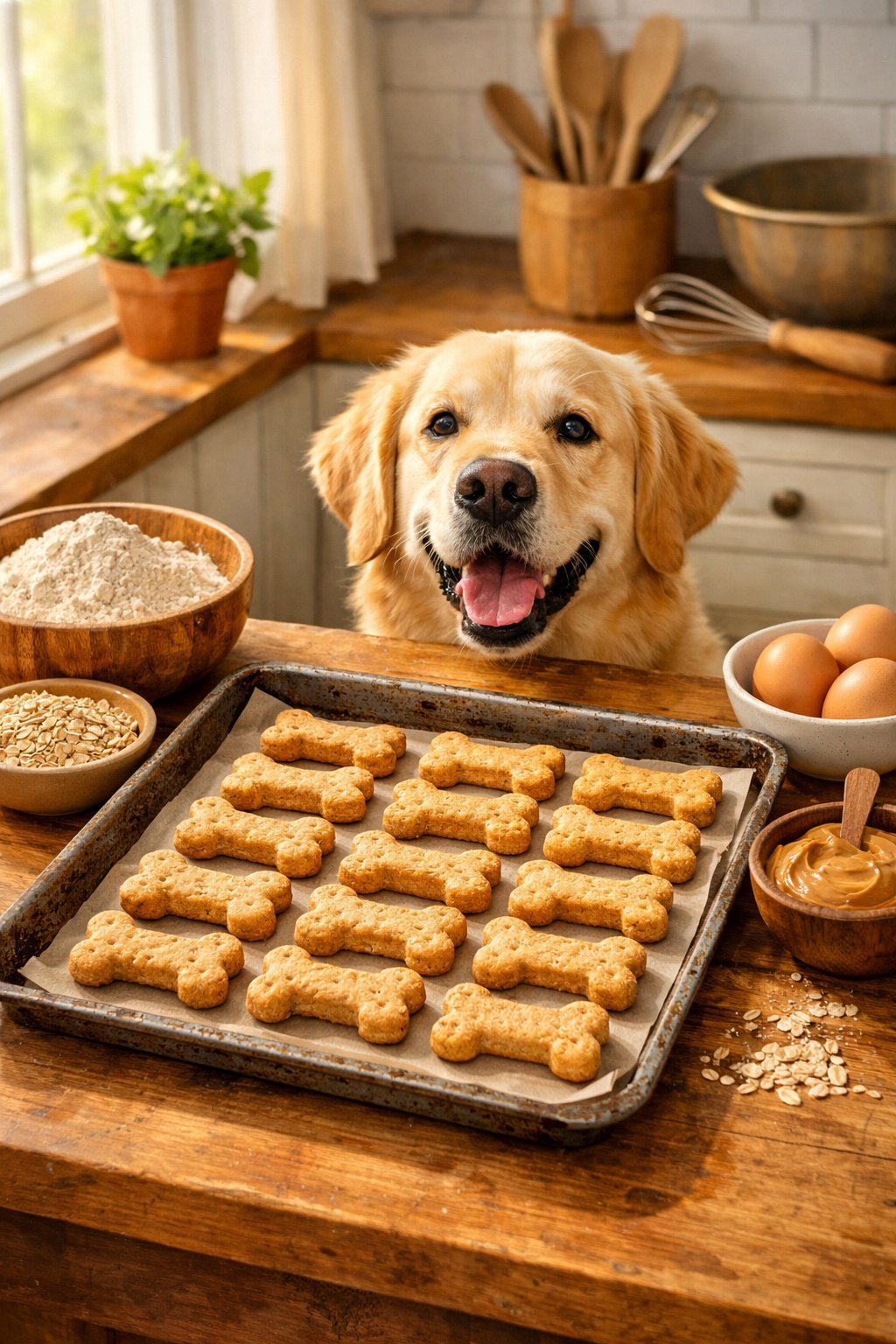
Making dog biscuits at home gives you complete control over what goes into your dog’s treats. You’ll know exactly which ingredients your pup is eating, and you can adjust recipes to fit their specific needs.
Benefits of Homemade Dog Biscuits
When I make homemade dog biscuits, I know exactly what my dog is eating. There are no mystery ingredients or chemicals I can’t pronounce.
I can choose fresh, whole ingredients that support my dog’s health. Things like oats, pumpkin, and peanut butter provide real nutrition instead of empty calories.
Key benefits include:
- Full ingredient control – I pick what goes in and what stays out
- Allergy-friendly options – I can avoid ingredients that upset my dog’s stomach
- Cost savings – Homemade treats cost less than premium store brands
- Freshness – I bake them fresh without preservatives
If my dog has food sensitivities, I can easily swap ingredients. I might use rice flour instead of wheat or skip certain proteins that cause problems.
Comparing Homemade and Store-Bought Biscuits
Store-bought treats often contain preservatives and fillers that extend shelf life but don’t help my dog. Many commercial biscuits have added sugars, artificial colors, and binding agents.
| Homemade Biscuits | Store-Bought Biscuits |
|---|---|
| Fresh ingredients | Preservatives for long shelf life |
| No artificial additives | May contain artificial colors |
| Customizable recipes | Fixed formulas |
| Lower cost per treat | Higher price for quality brands |
| Made with love | Mass-produced |
I can make treats specifically for training by cutting them into tiny pieces. Store-bought training treats often come in sizes that don’t work for every dog.
Healthy Treat Alternatives
I use simple, wholesome recipes with common pantry items to create nutritious alternatives. Sweet potato, chicken, and oats make excellent bases for healthy biscuits.
For dogs watching their weight, I can reduce the size of each treat or use lower-calorie ingredients. Pumpkin adds fiber and keeps calories down while still tasting great.
Important: I always check peanut butter labels to make sure they don’t contain xylitol, which is toxic to dogs.
I can bake softer treats for older dogs with dental issues by reducing baking time. For dogs who need extra protein, I add lean meats or eggs to boost nutrition.
Essential Ingredients for Wholesome Dog Biscuits
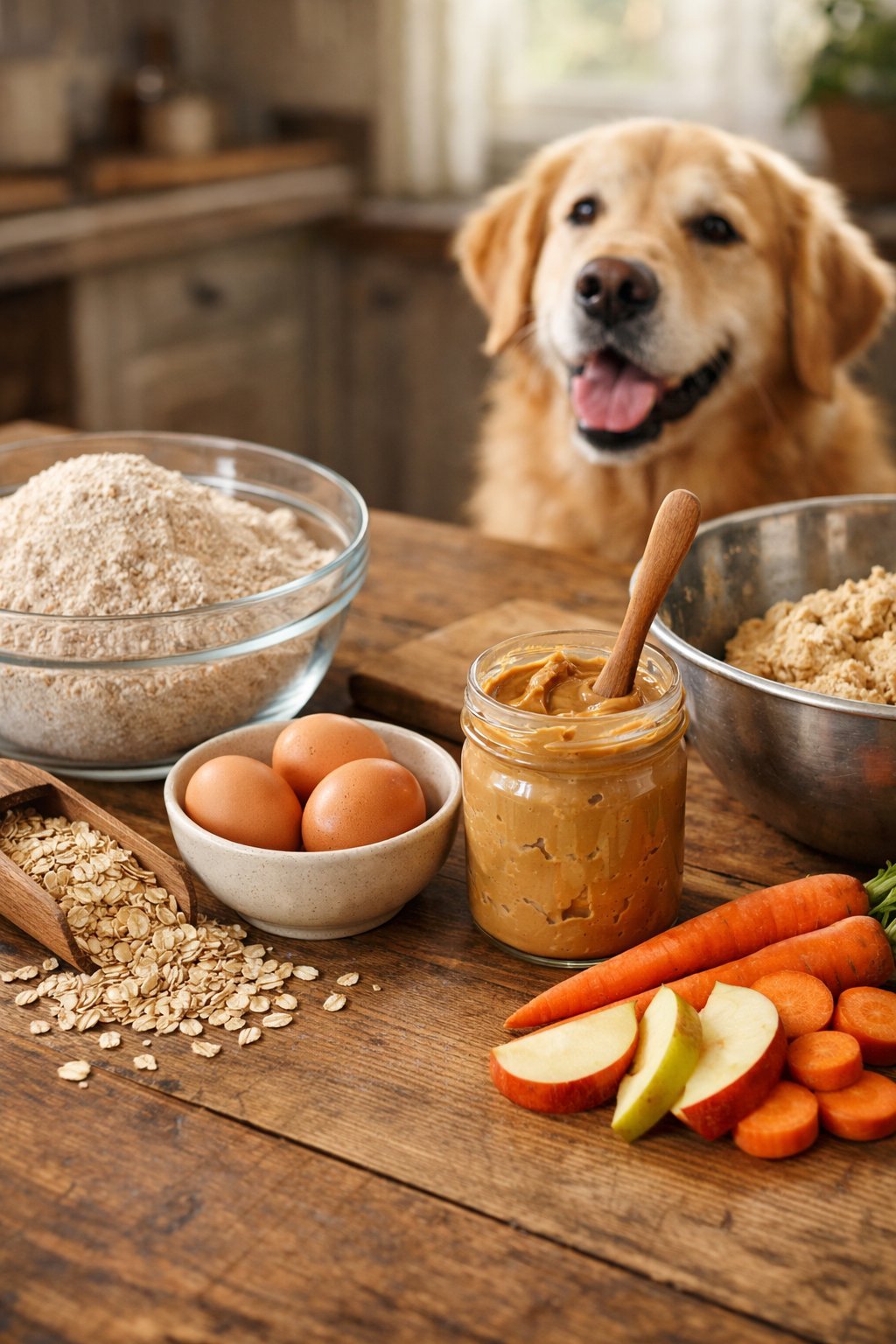
When I make dog biscuits at home, I focus on ingredients that provide real nutrition and taste great to my pup. The right ingredients keep treats safe, healthy, and delicious while avoiding anything that could harm your dog.
Choosing Dog-Safe and Nutritious Ingredients
I always start with whole grain flours like whole wheat, oat, or rice flour as my base. These provide fiber and energy without empty calories.
For protein, I add eggs or lean meats like chicken or turkey. Peanut butter is one of my go-to ingredients because dogs love it and it works as both a binder and flavor booster.
I make sure to choose unsalted, natural peanut butter. Pumpkin puree adds vitamins A and C while supporting digestion.
Sweet potatoes are another favorite of mine. They’re packed with vitamins and give biscuits a naturally sweet flavor dogs enjoy.
I also use bananas for potassium and natural sweetness. For 3-ingredient dog biscuits, I stick with a simple carb, a binder, and a protein or flavor booster.
This keeps things simple and reduces the risk of digestive issues.
Common Ingredients to Avoid
I never use chocolate, grapes, raisins, or onions in my dog treats. These are toxic to dogs and can cause serious health problems.
Xylitol is extremely dangerous for dogs. This artificial sweetener appears in some peanut butters and baked goods, so I always check labels carefully.
Even small amounts can be life-threatening. I skip garlic and macadamia nuts too.
While garlic might seem harmless, it can damage red blood cells in dogs. Macadamia nuts cause weakness and vomiting.
Salt and sugar should be avoided as well. Dogs don’t need added sodium or sweeteners, and too much can lead to health issues over time.
Allergen-Friendly Alternatives
Some dogs have grain sensitivities, so I use almond flour, coconut flour, or chickpea flour instead. These grain-free options work well and provide good nutrition.
For dogs allergic to chicken, I substitute turkey, beef, or fish. Salmon is especially good because it contains omega-3 fatty acids for coat health.
If your dog can’t have peanut butter, try sunflower seed butter or pumpkin puree as a replacement. Both bind ingredients together and add flavor without common allergens.
I replace eggs with mashed banana or unsweetened applesauce for dogs with egg allergies. Use about 1/4 cup of either to replace one egg in recipes.
Step-by-Step Guide: Baking Homemade Dog Biscuits
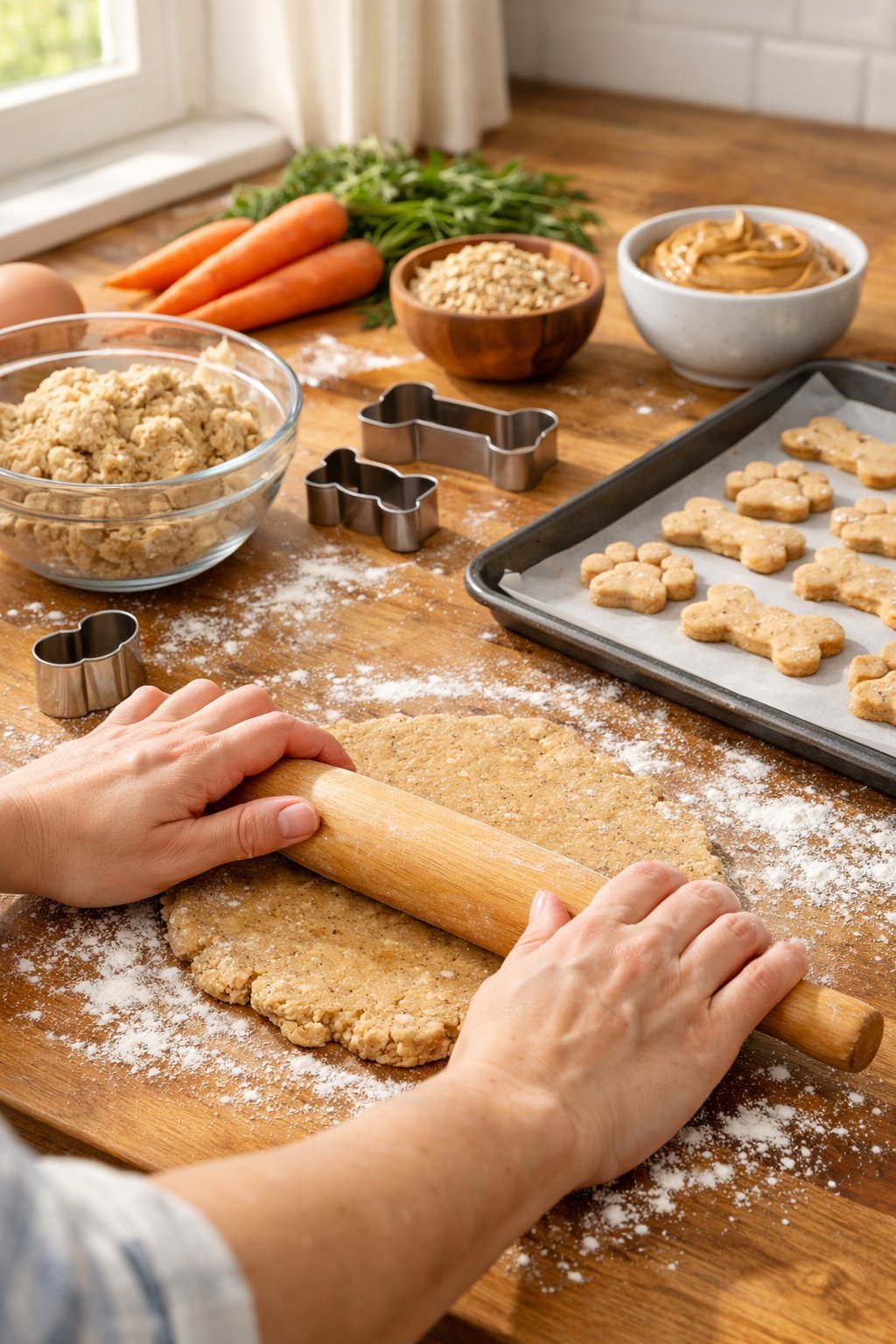
I’ve found that making dog biscuits at home is easier than most people think. You just need a few basic ingredients and simple techniques.
The key is mixing your dough to the right consistency, shaping treats that bake evenly, and storing them properly so they stay fresh for weeks.
Basic Recipe Instructions
I start by preheating my oven to 350°F and lining a baking sheet with parchment paper. For a simple batch, I combine 2 cups of whole wheat flour, 1 cup of rolled oats, 1/3 cup of peanut butter, and 1 cup of low-sodium broth or water in a large bowl.
Before I use peanut butter, I always check the label to make sure it doesn’t contain xylitol, which is toxic to dogs. I mix everything together until it forms a dough that’s firm but not crumbly.
If my dough feels too sticky, I add a tablespoon of flour at a time. If it’s too dry and won’t hold together, I add water one teaspoon at a time.
The dough should feel like play dough when it’s ready. I knead the dough on a floured surface for about 2-3 minutes until it’s smooth.
Then I roll it out to about 1/4 inch thick for crunchy biscuits or 1/2 inch thick for softer treats.
Tips for Shaping and Baking
I use cookie cutters to make fun shapes, though simple squares cut with a knife work just as well. Small training treats should be about 1/2 inch across, while regular treats can be 2-3 inches.
I place the cut shapes on my prepared baking sheet about 1/2 inch apart. They don’t spread much during baking, so they can sit fairly close together.
For crunchy biscuits that last longer, I bake them for 25-30 minutes, then turn off the oven and let them sit inside for another hour to dry out completely.
For softer treats, I just bake for 20-25 minutes and remove them right away. I know they’re done when the edges turn golden brown and they feel firm to the touch.
Thicker biscuits need a few extra minutes.
Storage and Freshness Tips
I let my biscuits cool completely on a wire rack before storing them. Any warmth left in the treats can create moisture in the container, which leads to mold.
I store crunchy biscuits in an airtight container at room temperature for up to 3 weeks. Softer treats last about 1 week at room temperature or 2 weeks in the refrigerator.
For longer storage, I freeze biscuits in freezer bags for up to 3 months. I just pull out what I need and let them thaw for 10-15 minutes.
If my biscuits ever smell off or show any signs of mold, I throw them out immediately.
Creative Flavors and Customization Ideas
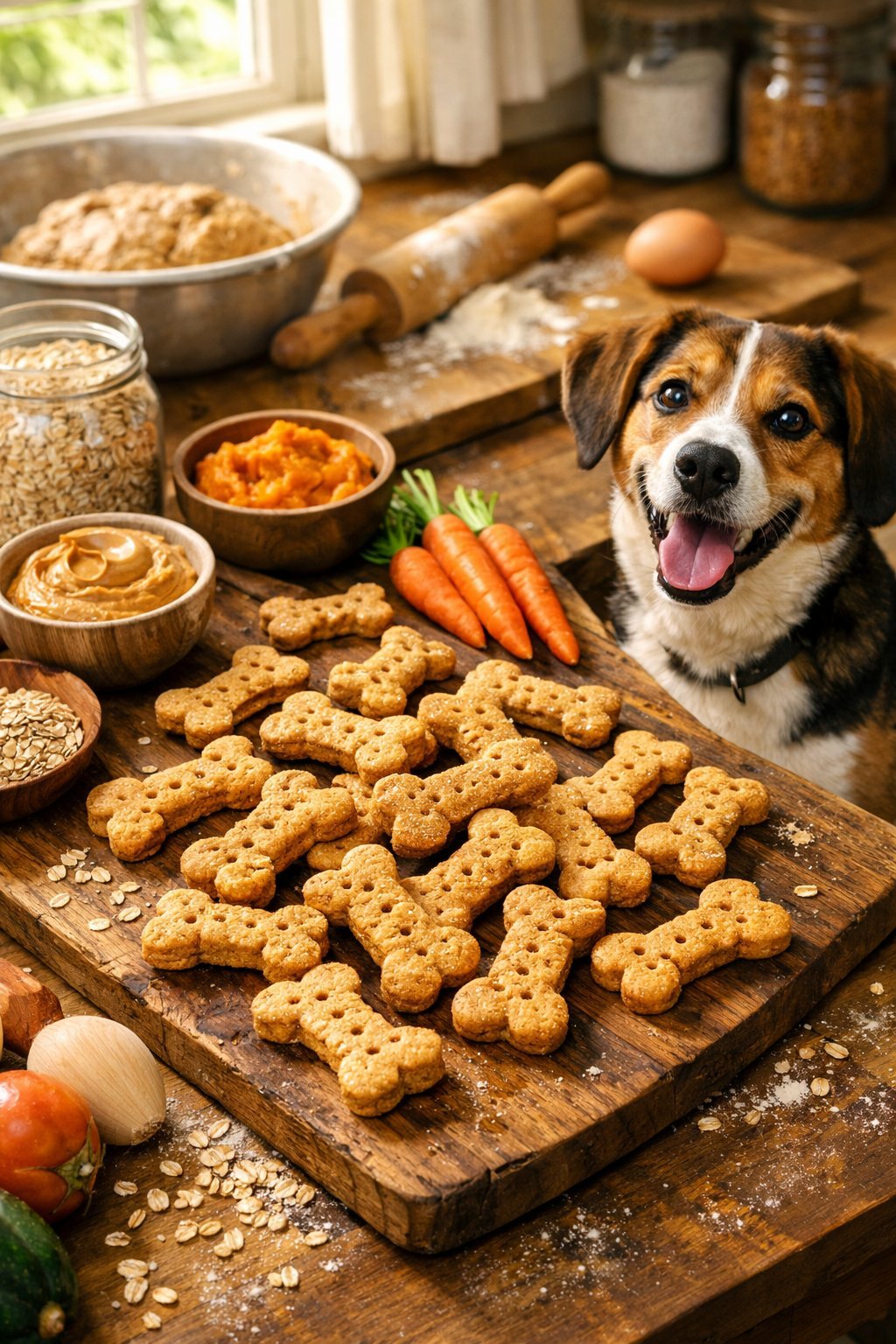
Making homemade dog biscuits gives you full control over what goes into your pup’s treats. The best part is experimenting with flavors they’ll love.
You can adjust recipes based on your dog’s preferences, dietary needs, and even what’s in season.
Flavor Enhancers Dogs Love
I’ve found that certain ingredients make my dog go absolutely wild every time I open the treat jar. Peanut butter stands out as the top favorite—just make sure it doesn’t contain xylitol, which is toxic to dogs.
Bacon bits or bacon grease mixed into the dough creates an irresistible smell that has dogs running to the kitchen. I use just a small amount since bacon is high in fat.
Other powerful flavor boosters include:
- Chicken or beef broth (low-sodium only)
- Parmesan cheese (grated and mixed into dough)
- Dried liver powder (especially good for training treats)
- Cinnamon (a small pinch adds warmth)
Pumpkin puree works great as both a flavor and a binding ingredient. When creating customized homemade dog biscuits, I often combine two or three of these enhancers for variety.
Incorporating Seasonal Ingredients
I like to switch up my recipes based on what’s available during different times of year. In fall, I add fresh pumpkin or sweet potato to my biscuit dough—both are rich in fiber and vitamins.
Winter calls for warming ingredients like oats and a tiny bit of honey. Spring brings fresh blueberries and strawberries, which I mash into the dough for antioxidant benefits.
Summer is perfect for frozen treats. I make regular biscuit dough and add watermelon or apple pieces before freezing them for a cooling snack.
Using seasonal ingredients in your dog biscuit recipes keeps things interesting for your pup and can save money at the grocery store.
Personalizing Treats for Your Dog
Every dog has unique needs, so I customize my biscuits based on what my dog requires. For older dogs with sensitive teeth, I make softer biscuits by adding more moisture and reducing baking time.
Puppies benefit from smaller, bite-sized treats that are easier to chew. I use mini cookie cutters or simply cut the dough into tiny squares.
If your dog has allergies, you can swap ingredients easily:
- Replace wheat flour with rice flour or oat flour
- Use coconut oil instead of butter
- Skip eggs and use mashed banana as a binder
For high-energy dogs, I add protein-rich ingredients like ground turkey or salmon. Senior dogs do well with joint-supporting additions like turmeric or ground flaxseed mixed into the dough.
Making Treat Time Special for Your Dog
Homemade biscuits can do more than just fill your dog’s belly. They work great as training rewards and make thoughtful gifts for other pet owners in your life.
Training with Homemade Biscuits
I’ve found that homemade biscuits are perfect for training sessions because you control the size and ingredients. You can break them into smaller pieces for frequent rewards without overfeeding your pup.
The key is making biscuits that are small and quick to eat. I cut mine into quarter-inch pieces for training so my dog doesn’t get distracted by chewing.
Store training treats in a small pouch or container that’s easy to reach. I keep mine in my pocket during walks and practice sessions.
The homemade versions work better than store-bought because you can adjust the crunchiness and avoid ingredients that might upset your dog’s stomach. Making treats with simple pantry staples means you always have training rewards ready.
I bake a batch every two weeks and freeze half for later use.
Gift Ideas for Fellow Dog Owners
I love giving homemade dog biscuits as gifts to friends and family with dogs. Package them in mason jars with a ribbon and a label listing the ingredients.
You can also create gift baskets with different treat varieties. I include a mix of flavors like peanut butter, pumpkin, and sweet potato so the dog can try different options.
Add a handwritten recipe card so they can make their own batch later. For special occasions, I shape the biscuits with cookie cutters.
Hearts for Valentine’s Day or bones for birthdays make the gifts more personal. Store the packaged treats in an airtight container with a note about keeping them fresh for up to two weeks at room temperature or longer in the freezer.
Frequently Asked Questions
Making dog biscuits at home brings up common questions about ingredients, safety, and nutrition. I’ve answered the most frequent concerns to help you bake treats your pup will love.
What are some simple recipes for 3 ingredient homemade dog treats?
I love making treats with just three ingredients because they’re quick and my dog can’t get enough of them. One of my go-to recipes combines two cups of whole wheat flour, one mashed banana, and one egg.
Mix everything together, roll out the dough, cut into shapes, and bake at 350°F for about 20 minutes until crispy. Another simple option uses peanut butter, oats, and water.
I mix one cup of oat flour with half a cup of natural peanut butter and add water until I get a workable dough. Just make sure your peanut butter doesn’t contain xylitol, which is toxic to dogs.
How can I make homemade dog biscuits that are vet approved?
I always start with whole food ingredients that vets recommend for dogs. Whole wheat flour or oat flour provides healthy carbohydrates, while eggs add protein and help bind the dough.
I add dog-safe fruits and vegetables like pumpkin, sweet potato, or blueberries for vitamins and fiber. When baking healthy homemade dog biscuits, I avoid adding salt, sugar, or any artificial additives.
I keep the treats simple and nutritious. Treats should only make up about 10% of my dog’s daily calorie intake, which keeps them healthy without overfeeding.
Are there any no-bake homemade dog treat recipes that are easy to prepare?
I make no-bake treats all the time when I don’t want to turn on the oven. My simplest recipe combines one cup of natural peanut butter with two cups of oats and a tablespoon of honey.
I roll the mixture into balls and refrigerate them for an hour until firm. Another no-bake option I use is frozen treats.
I blend plain yogurt with mashed banana or pureed pumpkin, pour the mixture into ice cube trays, and freeze. These frozen treats are perfect for hot days and take less than five minutes to prepare.
My dog loves them straight from the freezer.
What are the key ingredients to avoid when making healthy dog biscuits at home?
I never use xylitol, an artificial sweetener found in some peanut butters and baked goods. It’s extremely toxic to dogs and can cause liver failure even in small amounts.
Chocolate, raisins, grapes, onions, and garlic are also on my never-use list. These ingredients can cause serious health problems ranging from kidney failure to anemia in dogs.
I also avoid adding salt, sugar, or excessive fats to my dog biscuits. When choosing natural, unsweetened peanut butter free from xylitol, I always check the label carefully before using it in recipes.
How can I ensure my homemade dog biscuits are shelf-stable and safe for my dog?
I always bake my biscuits until they’re completely dry and crunchy. The drier they are, the longer they’ll last without spoiling.
I typically bake at 350°F and then turn off the oven, leaving the biscuits inside for an extra hour to dry out completely. After cooling, I store the biscuits in an airtight container at room temperature.
Stored airtight at room temperature, homemade crunchy dog biscuits generally stay fresh for about two weeks. For longer storage, I freeze portions in freezer bags for up to three months.
I just thaw what I need and keep the rest frozen until my dog is ready for more treats.
Can you share a healthy dog biscuit recipe that supports the 90/10 nutritional rule for dogs?
I follow the 90/10 rule, which means treats should make up only 10% of my dog’s daily calories. Regular food provides the other 90%.
For a healthy recipe, I use two cups of whole wheat flour and one cup of rolled oats. I also add one egg, half a cup of unsweetened applesauce, and a quarter cup of water.
First, I mix the dry ingredients together. Then I add the wet ingredients and knead everything until I get a firm dough.
Next, I roll the dough out to about a quarter-inch thickness. I cut small shapes for the treats.
I bake these at 350°F for 25-30 minutes until they’re golden and crispy. Each small biscuit has about 15-20 calories.
For my 50-pound dog, I give about 3-4 treats per day to stay within the 10% guideline. If you have a smaller dog, you can cut the treats into tinier pieces or just give fewer treats.
Printable Recipe Card
Want just the essential recipe details without scrolling through the article? Get our printable recipe card with just the ingredients and instructions.