12 Dog Care Aesthetic Tips That Make Happy, Healthy Dogs Shine

Dog Care Aesthetic – Taking care of your dog goes beyond basic health needs. When you combine proper grooming with simple aesthetic touches, your dog stays healthier and looks their best.
I’ve learned that the art of dog grooming isn’t about making your pup look perfect for social media. It’s really about routines that keep them comfy and glowing from the inside out.
These 12 tips are all about practical care that does double duty. Each one helps your dog’s health and gives them that naturally polished look.
I’m talking about brushing to prevent mats and add shine, or paw care that keeps joints protected and looking clean. You don’t need fancy products or pro skills to start.
My approach uses simple methods that fit into your daily routine. These essential dog care practices work for any breed and budget, turning basic maintenance into bonding time.
Key Takeaways
- Regular grooming keeps your dog healthy and looking great.
- Simple daily routines prevent health issues and keep your pup comfy.
- Basic grooming techniques help you bond with your dog.
This post contains affiliate links. As an Amazon Associate I earn from qualifying purchases.
Stylish picks worth a look:
Matching collar and leash set, Stylish dog bed, Ceramic dog bowls, Dog mom tote bag, Dog bandana set, Ceramic treat jar.
Mastering the Art of Dog Care Aesthetic
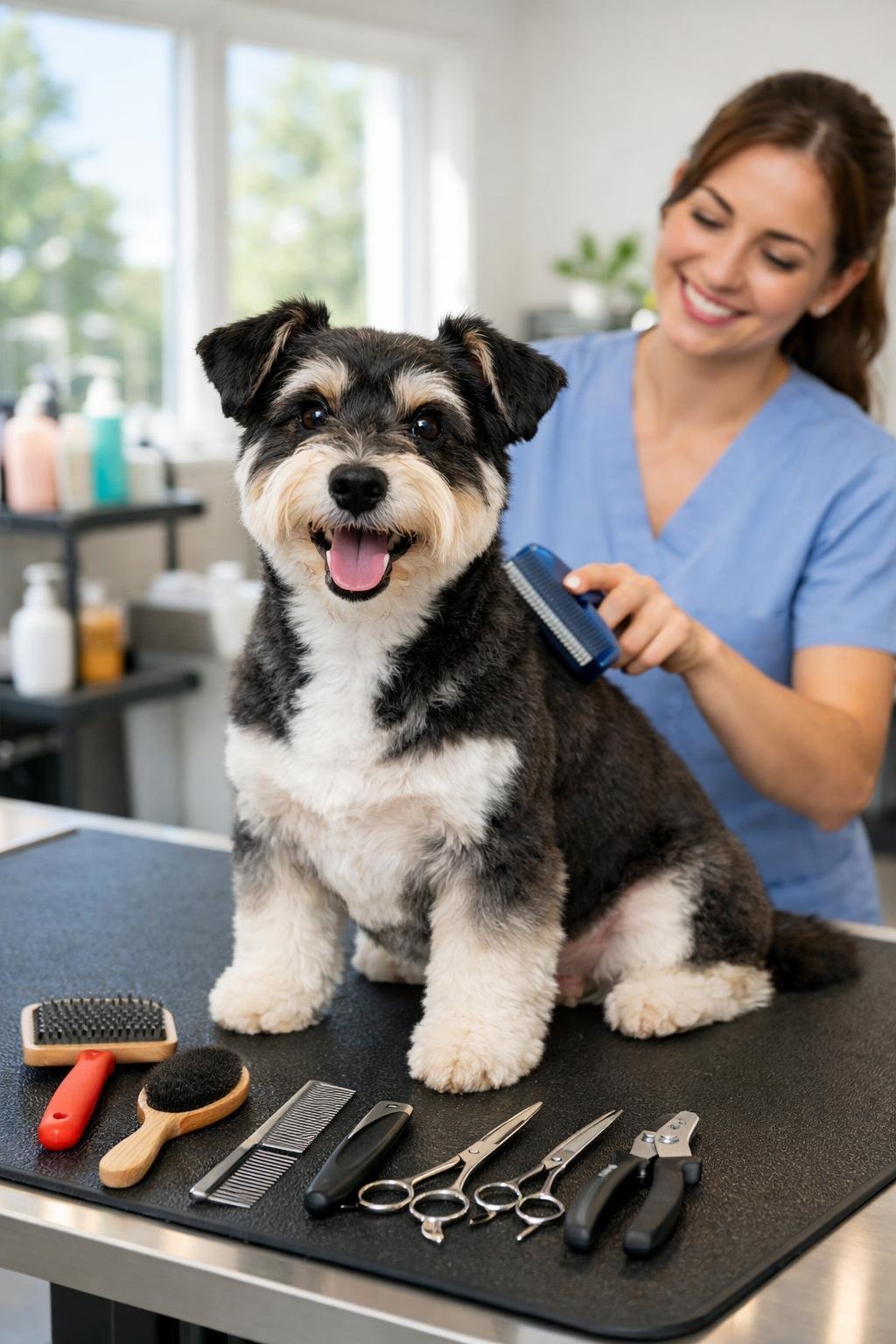
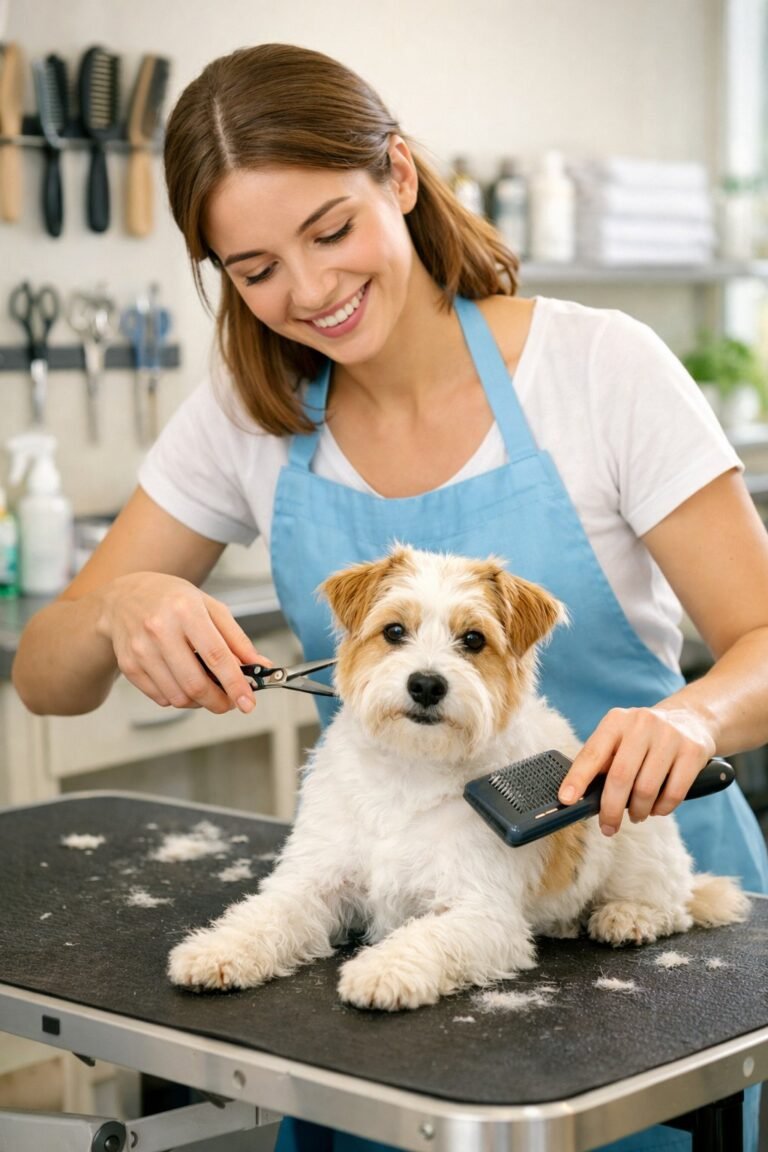
Regular grooming keeps your dog healthy and comfortable. With the right tools and a steady routine, home grooming can actually be pretty fun.
Benefits of Regular Grooming
Brushing removes dirt and spreads natural oils, keeping skin clean and irritation-free. It also gives you a chance to spot fleas, ticks, or any weird lumps early.
Grooming promotes subordination and strengthens your relationship, especially when they’re young. Dogs feel way better when their coats are free of mats and tangles.
Regular nail trimming prevents painful overgrowth and walking problems. Brushing your dog’s teeth a few times a week helps avoid dental disease.
These sessions also let you check for any changes in your dog’s body that might need a vet’s attention.
Establishing a Grooming Routine
I keep grooming sessions short if my dog isn’t used to them. No need to do everything at once.
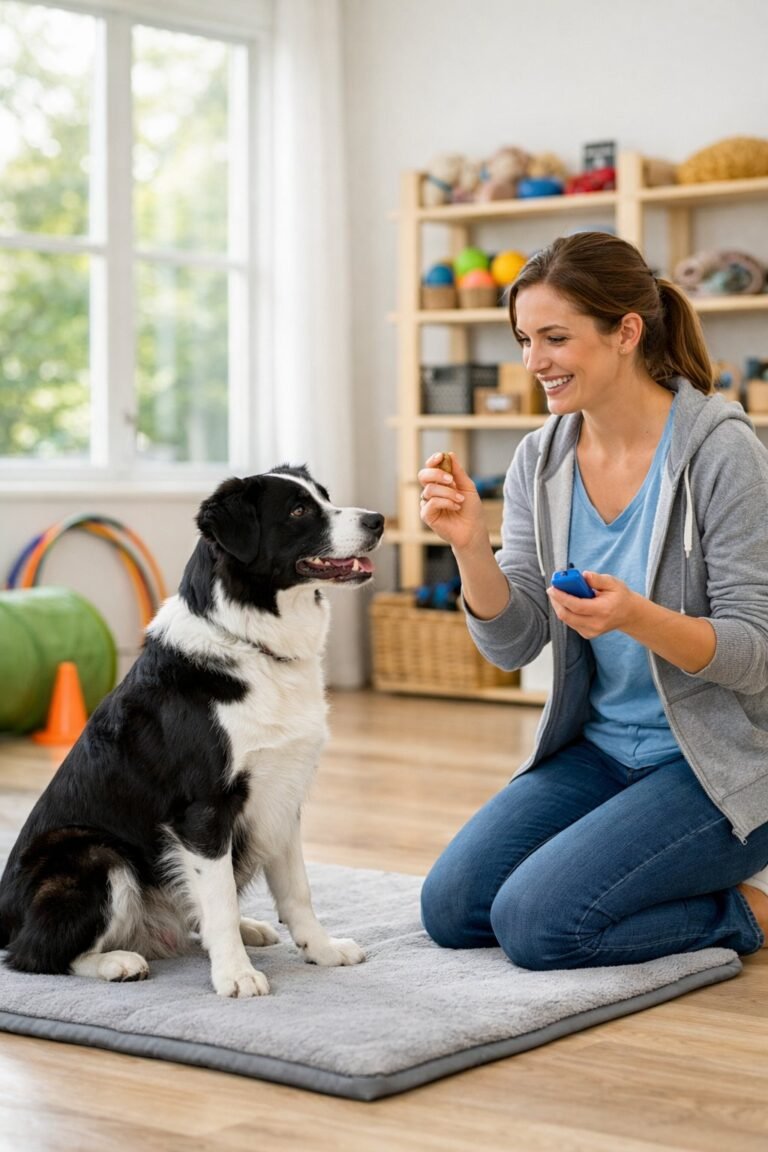
I focus on one task per session when introducing new dogs to grooming. Staying calm is key—dogs pick up on our vibes, so I use treats for calm behavior.
Basic commands like sit, stand, and lie down make things smoother. I always get my supplies ready before starting—shampoo, conditioner, towels, nail clippers, and toothbrush.
Brushing frequency depends on your dog’s coat type, but I always brush before a bath to remove mats. Most dogs don’t need daily baths, but I adjust based on their activities.
Essential Dog Grooming Tools
I keep these basics for home grooming:
Brushes and Combs
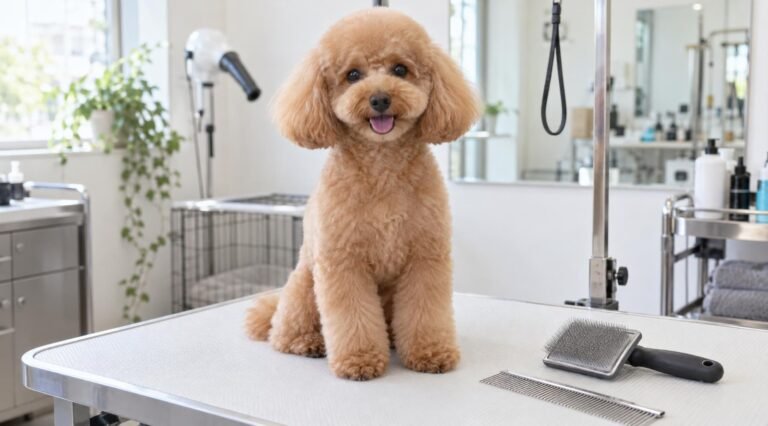
- Slicker brush for tangles
- Pin brush for long coats
- Bristle brush for short coats
- Metal comb for finishing
Bath Supplies
- Dog-specific shampoo (not human shampoo)
- Conditioner for longer coats
- Non-slip bath mat
- Towels
Maintenance Tools
- Nail clippers or grinder
- Dog toothbrush and toothpaste
- Grooming wipes for quick cleanups
- Scissors for trimming paws and face
Quality tools last longer and work better, so I invest in good ones. Cheap clippers can pull hair and make grooming uncomfortable.
I also keep a hairdryer handy for drying, but only use it on the cold setting to avoid burning sensitive skin.
Brushing Techniques for a Radiant Coat
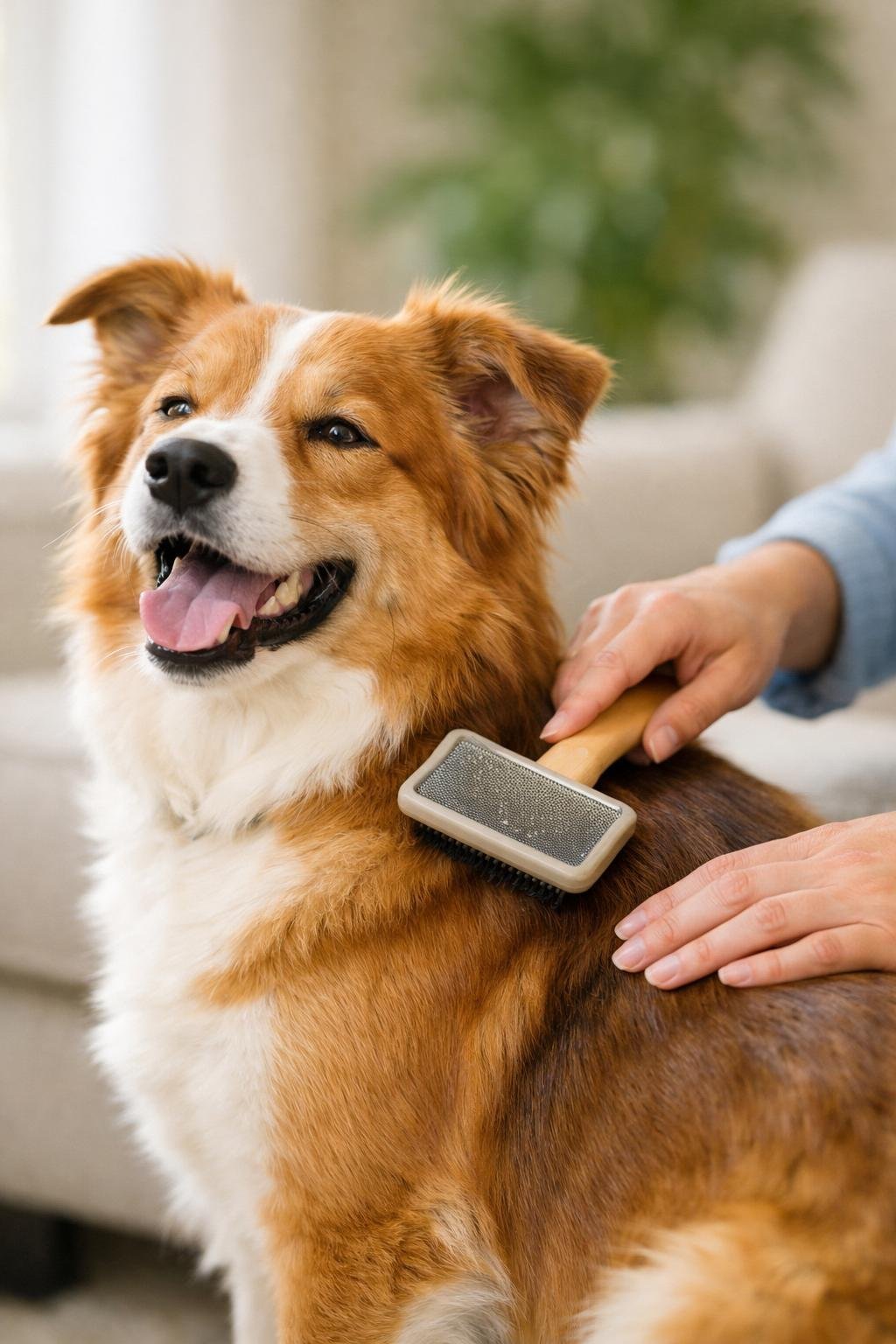
The right brush and technique can turn your dog’s coat from dull to shiny. Matching tools to coat type and brushing smart makes a big difference.
Choosing the Right Brush for Your Dog
I always start by figuring out my dog’s coat type since different coats need different tools. For short, smooth coats, I use a bristle brush or rubber curry brush to remove loose hair and spread natural oils.
Long-coated dogs need a slicker brush for detangling and a pin brush for finishing. Double-coated breeds like Huskies do best with an undercoat rake and a slicker brush.
For curly coats like Poodles, I use a slicker brush and a wide-tooth comb to check for tangles.
Effective Brushing Strategies
Proper brushing technique matters just as much as the right tool. For long coats, I work in small sections from the ends up to the skin to avoid pulling tangles tighter.
I brush in the direction of hair growth with smooth, even strokes. For double coats, I brush more during heavy shedding seasons.
Problem areas like behind the ears, under the legs, around the collar, and the tail need extra attention. I brush these spots more often to avoid mats.
Preventing Mats and Shedding
To prevent matting, I stick to a schedule based on coat type. Short coats get weekly sessions, long coats need 3–4 times per week, and curly coats usually need daily or every-other-day brushing.
If I find a mat, I gently work it out with my fingers or a mat splitter before brushing. I never use scissors close to the skin.
During shedding season, I brush more often, especially for double coats. I finish by running a soft cloth over short coats or doing a final comb-through on long coats to catch loose hair and add shine.
Skin and Coat Health Essentials
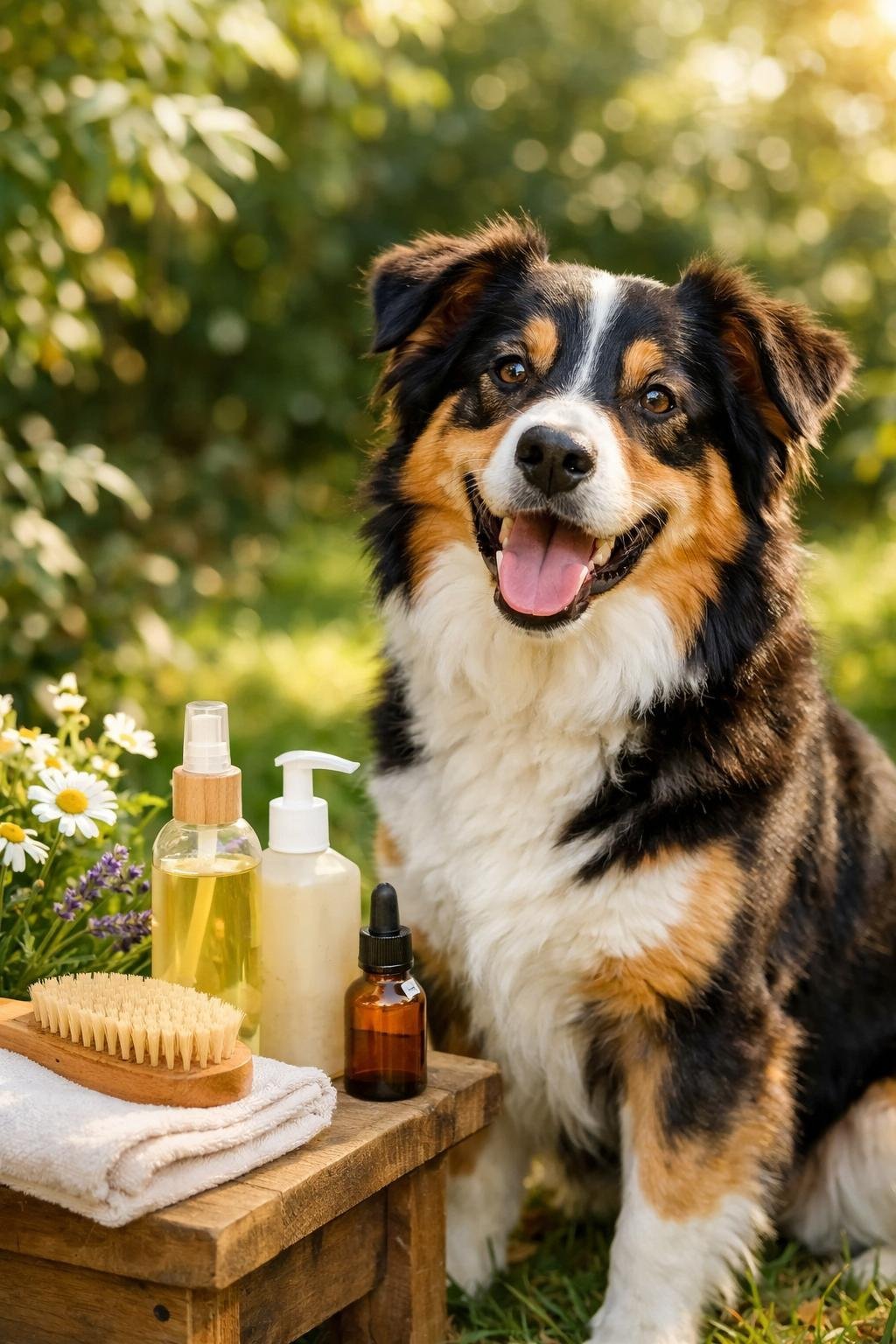
A dog’s skin and coat show how healthy they are, so it’s important to have the right bathing routine and nutrition.
Bathing for Healthy Skin
Bathing frequency depends on your dog’s lifestyle and coat type. Most dogs need a bath every 4–8 weeks, but active pups may need more.
Use a gentle, dog-specific shampoo that matches your dog’s skin pH. Human shampoos can strip oils and cause irritation.
Lukewarm water works best, since hot water can dry out skin. Between baths, regular brushing is key to keeping the coat shiny and reducing how often you need to bathe your dog.
Watch for signs of skin issues like redness, flaking, or lots of scratching. These might mean allergies or other problems that need a vet.
After a bath, dry your dog well to avoid skin problems from leftover moisture. Use a towel or a low-heat dryer, especially in skin folds.
Nourishing the Coat from Within
Up to 35% of a dog’s daily protein goes to skin and coat health. I make sure my dog’s food has high-quality protein like chicken, fish, or beef.
Omega-3 fatty acids are key for skin and coat. Fish oil supplements or foods with salmon help reduce inflammation and add shine.
I also look for foods with vitamins A and E, which support skin cell growth and protect against damage. Hydration matters too—fresh water keeps skin moist from the inside out.
If your dog’s coat looks dull or they’re shedding a lot, talk to your vet about possible nutritional gaps. Sometimes diet tweaks or supplements can make a big difference fast.
Nail and Paw Perfection
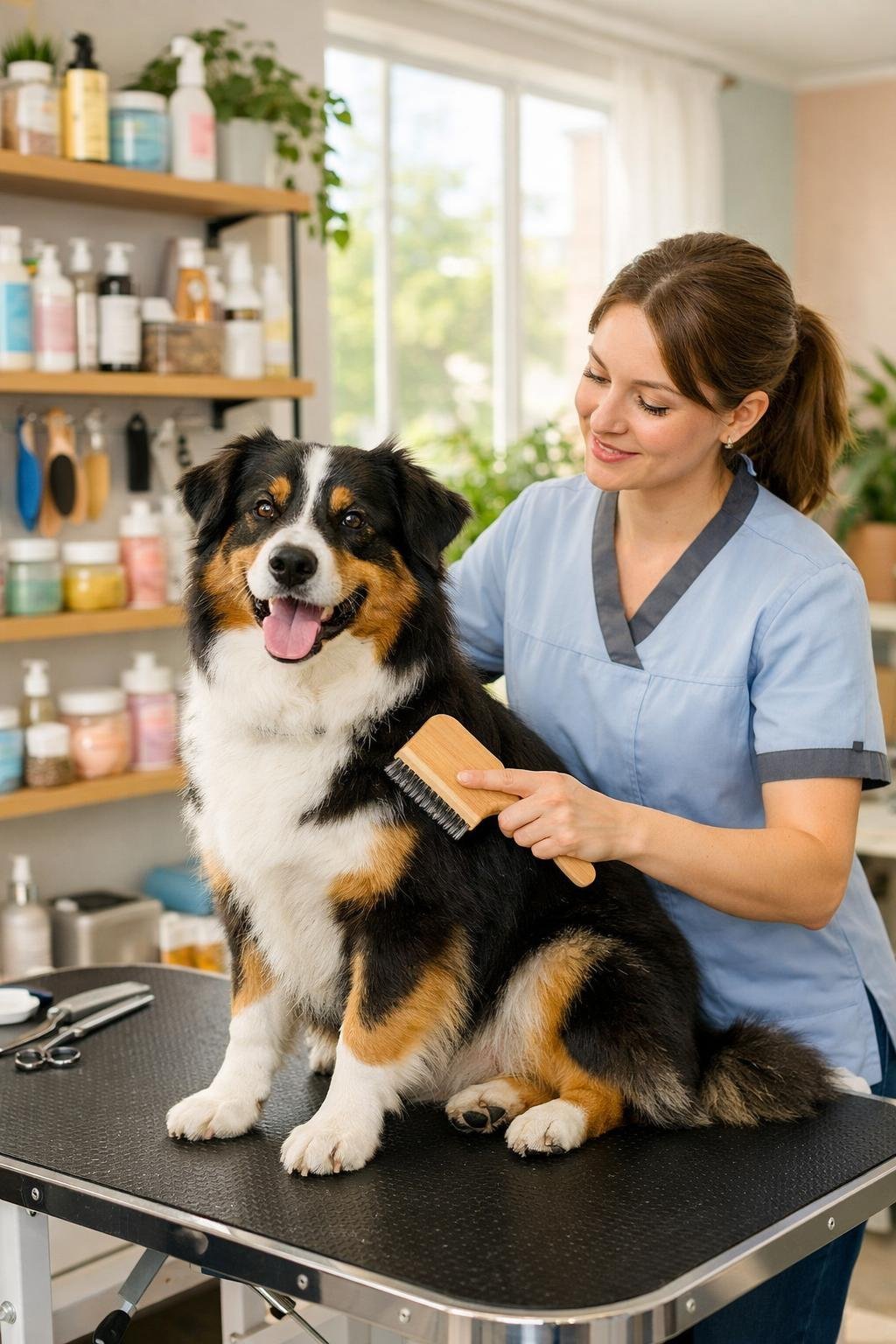
Regular nail care stops pain and mobility issues. Good paw maintenance protects against cracks, infections, and injuries.
Nail Trimming Best Practices
Trim your dog’s nails every 2–4 weeks to keep them at a healthy length. Long nails can split or even grow into the paw pads.
Pick the right tools for your dog’s size. Guillotine clippers are great for small dogs, while scissor-style clippers work for bigger nails.
If your dog gets anxious, try a grinder—it’s quieter and more gradual. The key is to avoid the quick, which is the blood vessel in each nail.
For light nails, you can see the quick easily. For dark nails, trim tiny bits at a time and look for a gray or chalky ring in the center.
I always have styptic powder nearby just in case. A tired dog is easier to trim, so I do it after a walk or play session and use treats for good behavior.
Caring for Paws and Pads
I check my dog’s paws weekly for cuts, cracks, or stuff stuck between the toes. Things like small stones, ice balls, or burrs can cause limping.
After walks, I wipe paws with a damp cloth to get rid of dirt, salt, or chemicals. In winter, road salt can dry out pads, and in summer, hot pavement can burn them.
When pads look dry or cracked, I use pet-safe paw balm or moisturizer. Sometimes the fur between pads needs trimming—excess hair can mat and collect debris.
I trim carefully with blunt-tip scissors to avoid cutting the skin.
Key paw care steps:
- Check between toes for foreign objects
- Trim excess fur between pads
- Moisturize dry or cracked pads
- Protect paws from extreme temperatures
Grooming Special Features: Ears, Eyes, and Teeth
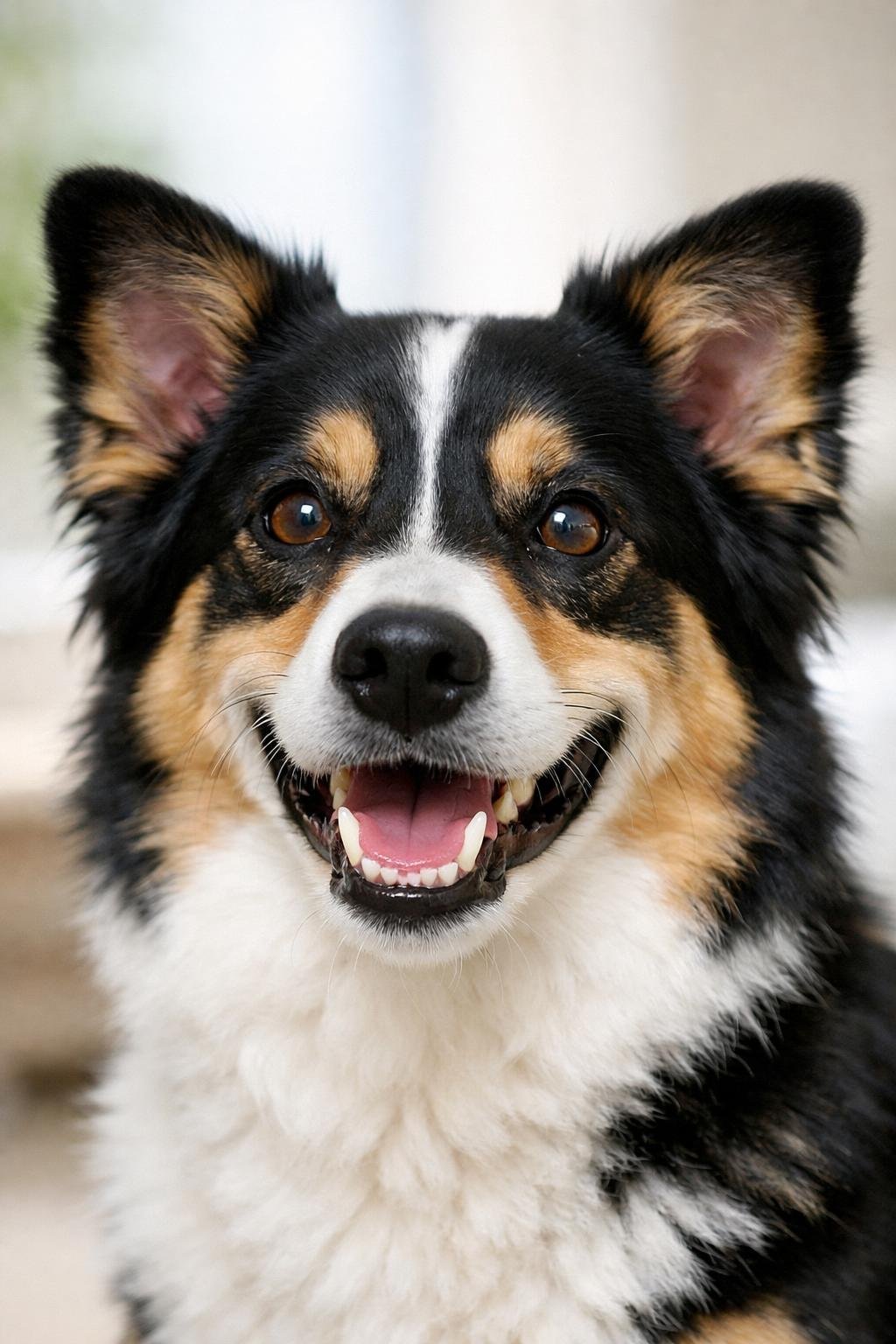
Paying attention to your dog’s ears, eyes, and teeth helps prevent infections and catches health problems early. Each of these areas needs its own cleaning method to keep your pup comfortable and healthy.
Ear Cleaning and Maintenance
I clean my dog’s ears once a month with a damp cloth or a cotton ball soaked in mineral oil. I only clean the outer ear and never put anything deep into the ear canal.
When cleaning your dog’s ears, take a good look inside and give each ear a sniff. If you notice severe redness, swelling, debris, or any brown or yellow discharge, it’s time to call the vet.
A bad or yeasty smell can also mean there’s an infection. Some dogs need hair plucked just inside the ear for better airflow, but I always ask my vet if that’s needed for my dog’s breed.
After baths or swimming, I make sure to dry my dog’s ears well since leftover moisture can lead to infections.
Eye Care for Bright Eyes
During each grooming session, I check my dog’s eyes for redness or irritation. I gently wipe away any discharge in the corners with a cotton ball or soft washcloth moistened with warm water.
I never rub directly over the eye itself. I only use products made for dogs, like eye wipes or dog-safe eye wash, since human products can be harmful.
Oral Hygiene and Dental Care
I brush my dog’s teeth with a toothbrush and toothpaste made specifically for dogs. Human toothpaste is toxic to dogs and should never be used.
Best practices for dental care:
- Brush daily if possible, or at least a few times per week
- Start slow by rubbing teeth and gums with your finger
- Let your dog sniff and taste the toothpaste first
- Use dental treats or chew toys between brushings
Plaque builds up after 48 hours, so sticking to a routine is important. If my dog doesn’t like the toothbrush, I wrap my finger with gauze or a washcloth to wipe the teeth and massage the gums.
Dental problems in dogs can lead to bigger health issues like heart or kidney disease. Getting your dog used to teeth cleaning early can save you on vet bills and keep your pup healthier.
Frequently Asked Questions
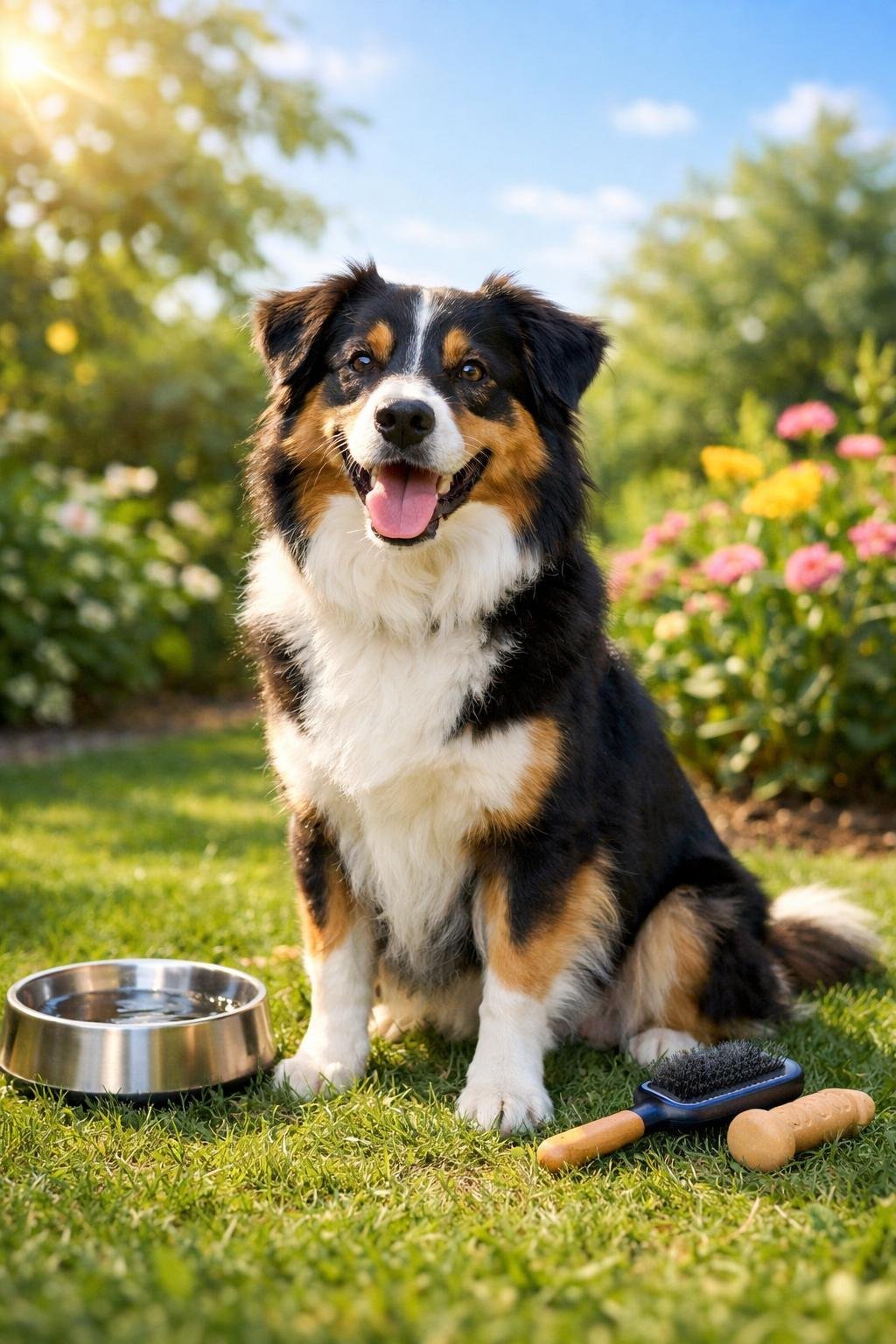
Dogs show their health through bright eyes, good energy, and shiny coats. Keeping them looking and feeling their best comes down to practical care habits.
The 7-7-7 rule helps new dogs settle in, and simple daily routines help them stay healthy.
What are the most common signs that a dog is healthy and thriving?
I look for bright, clear eyes with no discharge or cloudiness. A healthy dog has a shiny coat that’s not dry or patchy.
Good energy levels are important too. My dog should be playful and interested in activities, not tired all the time.
A healthy appetite matters as well. Thriving dogs eat regularly and maintain a steady weight.
I also check my dog’s nose to make sure it’s moist but not dripping. Their gums should be pink, and their breath shouldn’t smell awful.
What simple daily habits can help keep my dog happy and healthy?
I brush my dog regularly based on their coat type. Short-coated dogs need brushing once a week, while longer coats need daily attention.
Fresh water should always be available, and I change my dog’s water bowl at least once a day.
Daily walks keep my dog active and mentally engaged. Even a short 15-minute walk makes a difference.
I spend time playing with my dog every day to strengthen our bond and keep boredom away.
Regular teeth cleaning helps prevent bad breath and health problems. I aim to brush my dog’s teeth several times a week.
How can I make my dog’s coat look naturally shiny and well-groomed without overdoing it?
Proper nutrition makes a big difference. Quality dog food with the right nutrients gives my dog a naturally glossy coat.
I brush my dog regularly to spread natural oils throughout their fur. This helps create a healthy shine without extra products.
Bathing my dog once every three months is usually enough. Too many baths can strip away natural oils and leave the coat dull.
After towel drying, I let my dog’s coat air dry whenever possible. This avoids heat damage and keeps the hair looking natural.
What are some safe ways to keep my dog smelling fresh between baths?
I brush my dog to remove dirt and dead hair, which helps get rid of odors. This simple step often does the trick.
Wiping my dog’s paws after walks keeps outdoor smells from spreading in the house. I use a damp cloth or pet-safe wipes for this.
Regular ear cleaning helps prevent smelly bacteria. I gently wipe the outer ear with a damp cotton ball.
For dogs with facial wrinkles, I clean between the folds with damp cotton and dry thoroughly to prevent bacteria buildup.
I also wash my dog’s bedding once a week. Clean bedding means fewer odors on your pup.
Which pet health tips and tricks actually make a noticeable difference over time?
Consistent grooming routines prevent health issues before they start. Regular brushing helps me spot skin problems, lumps, or parasites early.
Quality food shows up in my dog’s coat, energy, and overall health. Cheap food with fillers often leads to dull coats and skin problems.
Daily dental care prevents expensive vet bills down the road. Dogs with clean teeth have fewer infections and better health overall.
Regular exercise keeps my dog at a healthy weight. Even moderate daily activity helps prevent joint problems and supports a longer life.
Routine vet checkups catch problems early. I schedule annual visits even if my dog seems perfectly healthy.
What is the 7 7 7 rule for dogs, and how can it help my dog settle in and feel secure?
The 7-7-7 rule helps new dogs adjust to their homes through three phases. The first seven days are all about decompression, when the dog might feel overwhelmed and uncertain.
During that first week, it’s best to keep things calm and quiet. Your new dog is just figuring out where to eat, sleep, and go to the bathroom.
After seven weeks, your dog usually starts to feel more comfortable. They get the hang of the household routine and begin to show their real personality.
At seven months, most dogs feel fully secure in their new home. They trust you and have really settled in as part of the family.
This rule is a great way to set realistic expectations. Giving your dog time to adjust helps prevent stress and setbacks.