11 Dog Mommy Essentials That Will Make Your Pup the Happiest Dog on the Block: The Ultimate Must-Have List

Dog Mommy – Being a dog mom means you want the absolute best for your furry best friend. Having the right supplies makes life easier for both of you and keeps your pup happy, healthy, and safe.
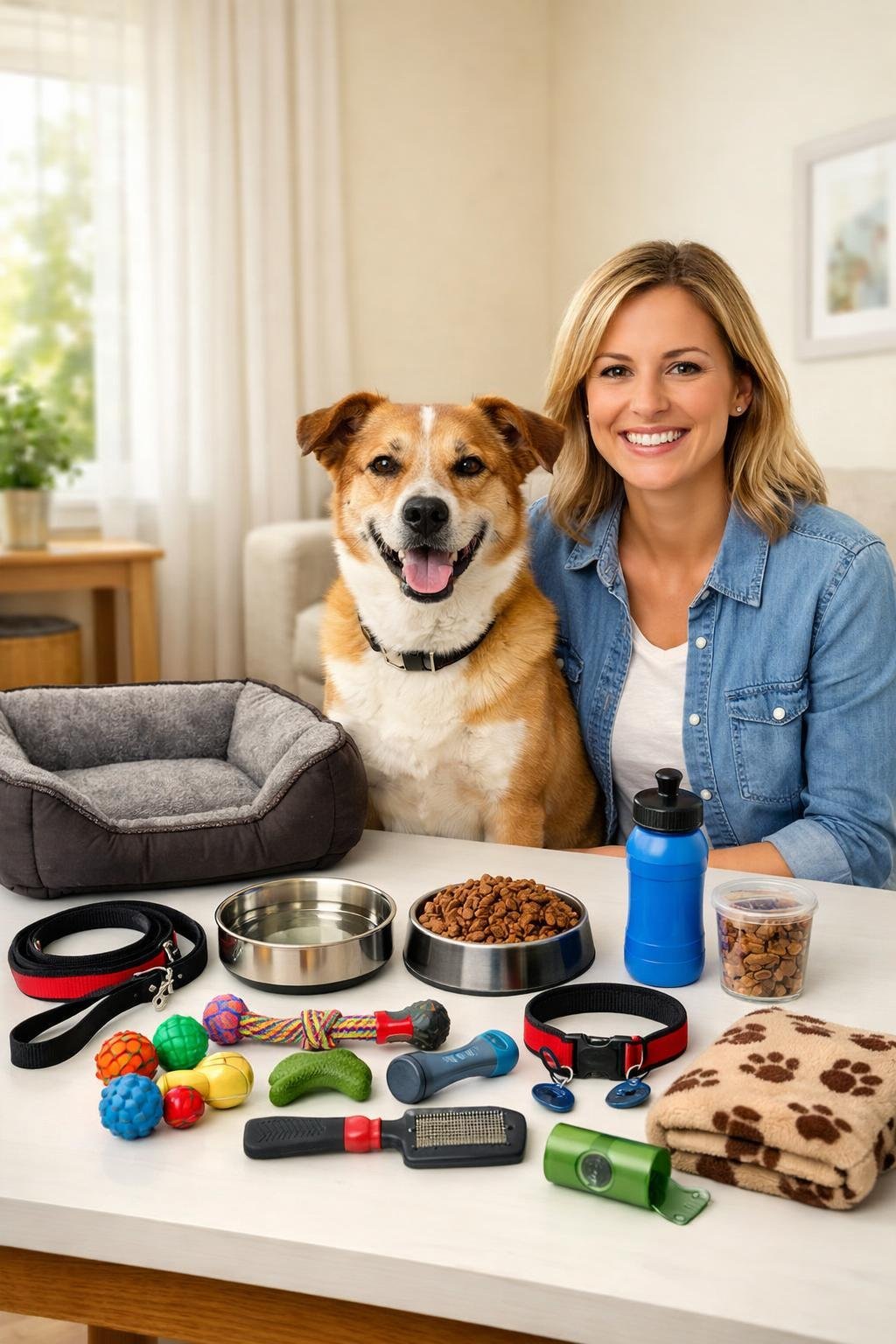
The essentials you need include comfortable bedding, quality food and bowls, a proper harness and leash, grooming supplies, chew toys, training tools, a crate, a collar with ID tag, a carrier for travel, and items that support your dog’s health and happiness. This guide is based on what every new dog owner needs to create a loving home for their pup.
Whether you’re bringing home your first dog or you’re a seasoned dog mom looking to upgrade, this list has you covered. I’ll walk you through each must-have item and explain why it matters for your dog’s well-being.
Key Takeaways
- Your dog needs a safe space to rest, quality food and bowls, and proper walking gear to stay comfortable and secure.
- Health and hygiene supplies like grooming tools and chew toys keep your pup clean, healthy, and entertained.
Cozy Comfort: Bedding, Crates, and Safe Spaces
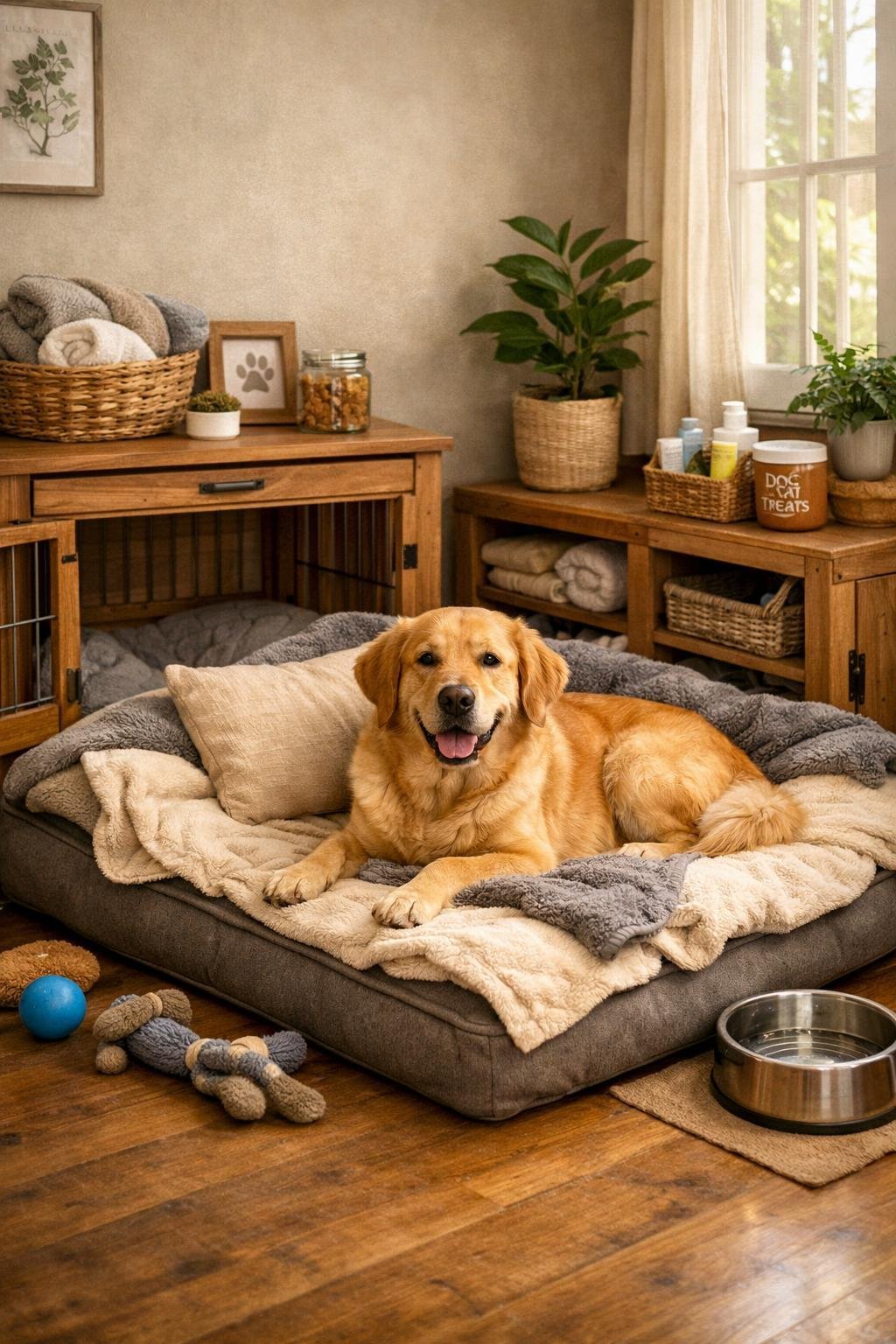
Every dog needs their own special spot where they can rest and feel secure. The right bedding and crate setup makes a huge difference in your pup’s daily comfort.
Choosing the Perfect Dog Bed
Size comes first when picking out a dog bed for comfort and support. Your pup should be able to stretch out without hanging off the edges.
Material matters too. Dogs who curl up usually like soft, plush fabrics like fleece, while sprawlers might prefer cooling or breathable options.
Orthopedic beds with supportive foam are awesome for older dogs or those with joint issues. Washability is a must—removable, machine-washable covers save time and keep things fresh.
Non-slip bottoms help prevent the bed from sliding around. For dogs who chew, stick to durable, chew-resistant materials.
Benefits of a Dog Crate
Crates aren’t just for training—they’re safe spaces for dogs to relax. My dog treats her crate like her own bedroom.
Crates help with house training since dogs naturally avoid soiling their sleeping area. They also provide security during stressful times, like when guests visit or during storms.
Travel is easier with a crate-trained dog. I always add soft bedding and accessories to make the crate extra cozy.
Creating a Calming Space for Your Pup
I set up a specific corner or room where my dog can escape when she needs downtime. This spot stays quiet and away from the busiest parts of the house.
Key elements I include:
- Comfortable bedding or a plush dog bed
- Favorite toys and chew items
A water bowl is always nearby. Soft lighting or natural light from a window makes the space feel inviting.
I avoid loud appliances or doorways for this area. The goal is to create a cozy dog space that feels separate from household chaos.
Familiar scents help, so I keep a blanket or something with my scent nearby. Some dogs also love calming music or white noise.
When my pup is in her space, I let her enjoy it without interruption. This teaches her it’s truly her safe zone.
Smart Feeding: Food, Bowls, and Treats
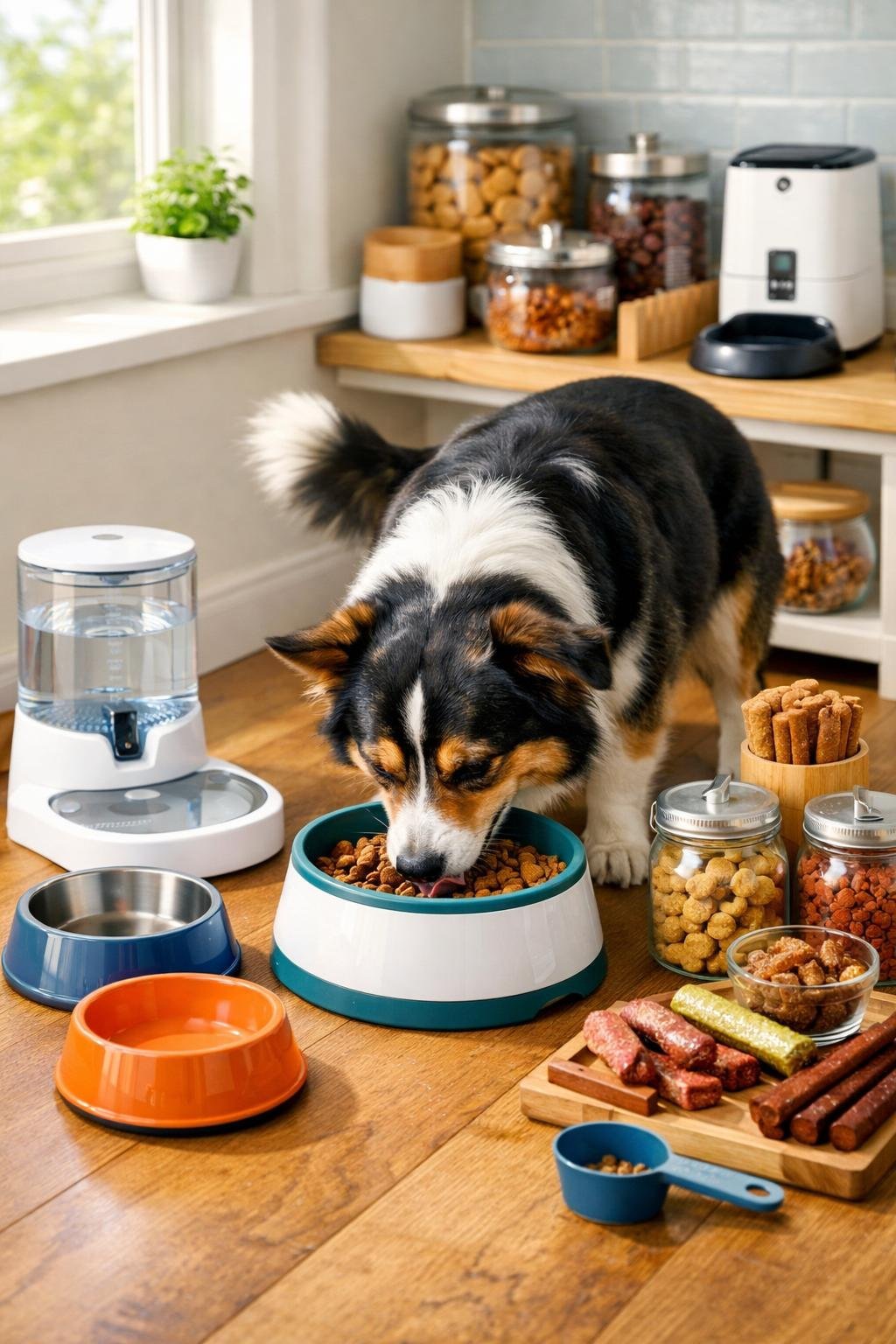
Quality nutrition and the right feeding tools keep your dog healthy and happy. The bowls you choose can improve digestion, and the right treats make training and bonding more fun.
Selecting Quality Dog Food
I look for dog food with real meat as the first ingredient. Chicken, beef, or fish should be at the top—not fillers like corn or wheat.
Protein content depends on your dog’s age and activity. Puppies need more, while adults do well with a bit less. I always check the guaranteed analysis panel before buying.
Grain-free food is great for dogs with sensitivities, but whole grains like brown rice and oatmeal are good for many pups. I steer clear of foods with artificial colors, flavors, or preservatives.
Fresh ingredients and natural preservatives like vitamin E are best. No one needs red dye number 40 in their kibble!
Interactive and Slow Feed Bowls
Smart feeders and slow feeding bowls help prevent bloating and encourage better digestion. I switched to a slow feeder when my dog started gulping food.
Puzzle feeders make mealtime more engaging with ridges or compartments that make your dog work for each bite. This slows down eating and provides mental stimulation.
Automatic feeders with app control help with portion control when I’m out. Some can schedule multiple meals a day and adjust serving sizes.
Stainless steel bowls are my favorite—they don’t harbor bacteria like plastic and are easy to clean.
Nourishing Dog Treats for Happiness
Treats are perfect for training and bonding. Single-ingredient treats like freeze-dried chicken or sweet potato make me feel good about what my dog is eating.
Dental chews help freshen breath and reduce plaque. I give them a few times a week to keep my dog’s teeth cleaner between vet visits.
The 10% rule keeps treats in check—they shouldn’t make up more than 10% of your dog’s daily calories. For training, I keep treats tiny so I can reward often without overfeeding.
Dog Mom On-the-Go: Essential Walking & Travel Gear
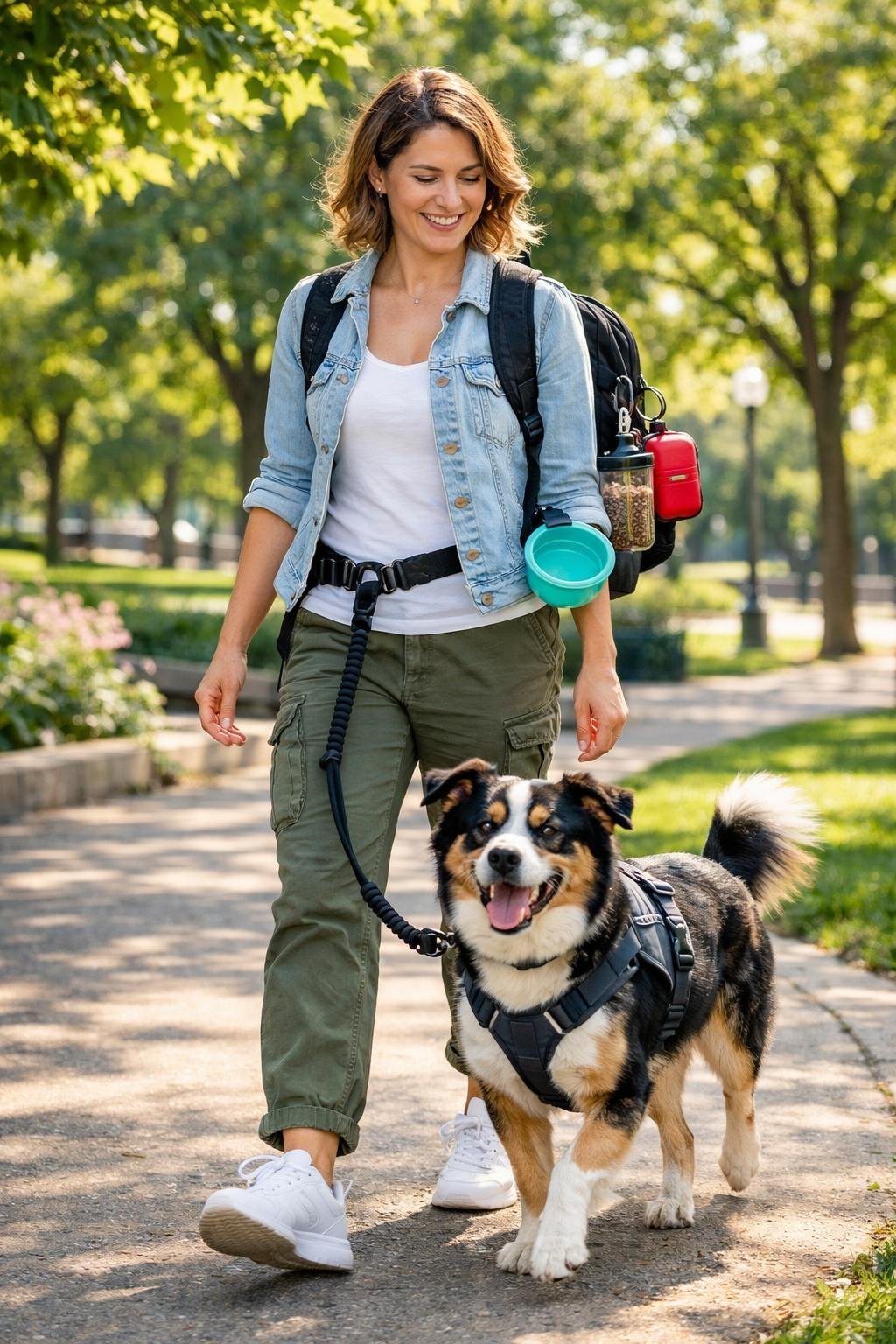
Having the right walking and travel gear keeps your dog safe and makes outings more enjoyable. A good harness prevents injuries, waste bags keep things clean, and car seats make rides safer.
No-Pull Harness Choices
Harnesses are better than collars for walks since they spread pressure across your dog’s chest instead of their neck. No-pull harnesses redirect your dog’s momentum, making walks more pleasant.
Look for harnesses with a front clip attachment—it helps steer your dog back toward you if they pull. Vet-approved harnesses with Y-front designs allow full movement and prevent rubbing.
I like harnesses with both front and back clips. The front clip is great for training, while the back clip works for calmer walks.
Key features to look for:
- Padded chest and belly panels
- Multiple adjustable straps
- Durable hardware
- Reflective stitching for nighttime walks
Poop Bags for Every Walk
Poop bags are a must for every walk. I stash them everywhere—on my leash, in my car, and in my pockets.
Leash clip dispensers make grabbing a bag easy. Some hands-free accessories have dual pockets for treats and waste bags.
I go for biodegradable bags—they break down faster and are better for the planet. Thicker bags are less likely to rip, and some come with a light scent.
Storage options:
- Clip-on dispensers
- Bone-shaped holders
- Pouches with built-in compartments
Keeping Adventures Safe with Dog Car Seats
Dogs need restraints in cars just like people. An unrestrained dog can be dangerous in a sudden stop or accident.
Dog car seats are best for small to medium pups. They raise your dog so they can look out the window and keep them secure.
Most car seats attach to your vehicle’s seatbelt and connect to your dog’s harness. For bigger dogs, I use harness and seatbelt tether systems for safety.
Car safety must-haves:
- Crash-tested restraints
- Waterproof or washable materials
- Storage pockets for toys and treats
- Non-slip bottoms
Pup Health and Hygiene Must-Haves
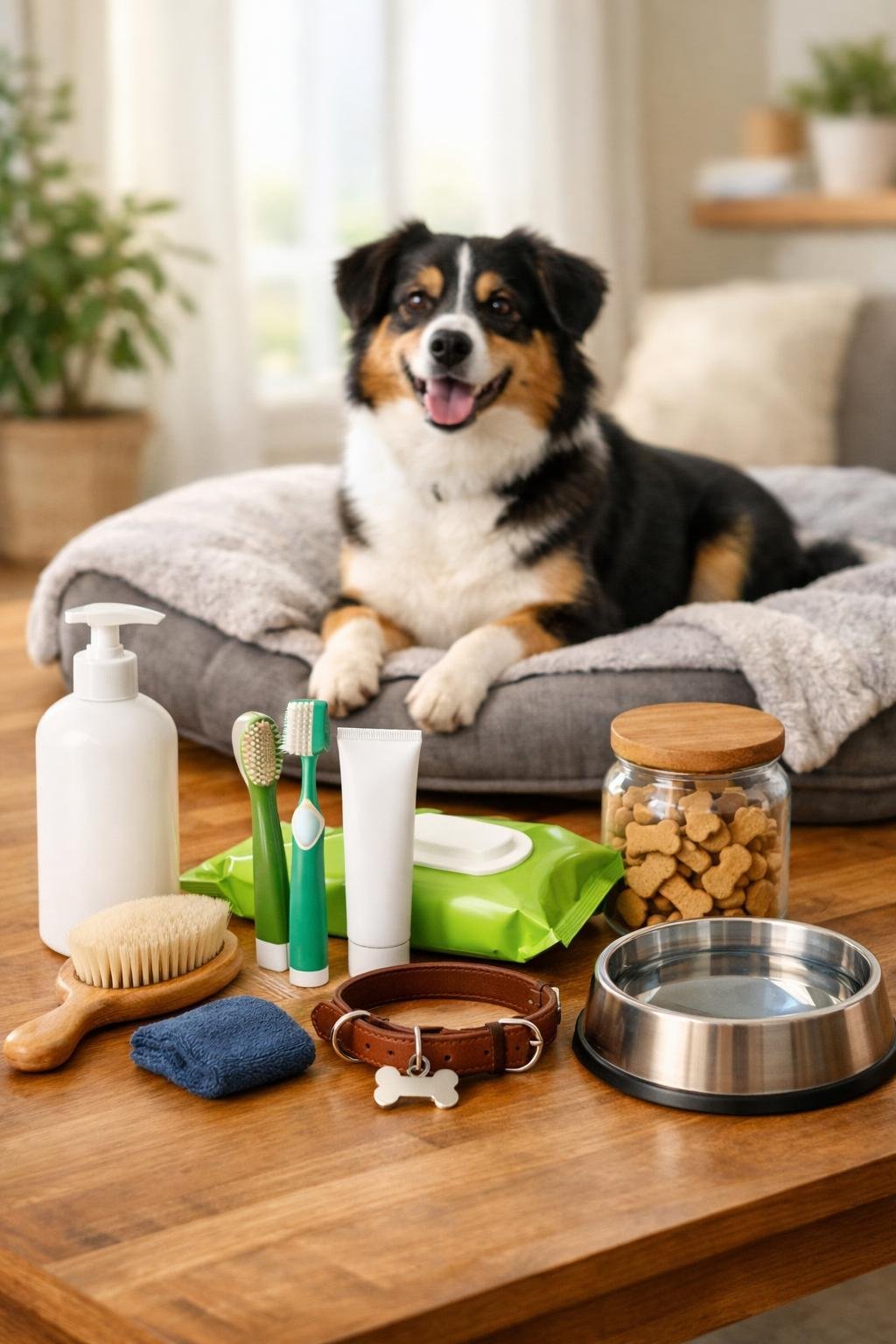
Keeping your dog healthy is about more than just vet visits. Daily care items like dental chews and protective gear help prevent problems before they start.
Dental Chews for Oral Care
Dental health is easy to overlook, but it’s super important. Dogs need regular teeth cleaning, but brushing isn’t always simple.
Dental chews are a great solution—they clean teeth while your pup enjoys a treat. The chewing action helps scrape away plaque and tartar.
What to look for in dental chews:
- Size appropriate for your dog’s breed
- VORP (Veterinary Oral Health Council) seal
- Natural ingredients without artificial colors
- Texture that actually cleans teeth
I give my dog dental chews three or four times a week. They’re not a full replacement for brushing, but they help a lot. For dogs with a strong bite, I pick tougher chews that last longer.
Dog Boots for Weather Protection
Dog boots might seem unnecessary, but they really do protect your pup’s paws from harm. I didn’t think my dog needed them until I saw her limping after a winter walk.
Hot pavement in summer can burn paw pads badly. If the ground is too hot for your bare hand, it’s too hot for your dog’s paws.
In winter, salt and ice-melting chemicals can cause painful cracks and irritation. Boots also help prevent cuts from sharp objects and give better traction on slippery surfaces.
Getting your dog used to boots takes patience. Start by having them wear the boots indoors for short periods.
Most dogs adjust within a week or two. Take it slow and offer lots of treats and praise.
Maintaining Daily Cleanliness
I keep grooming wipes on hand for quick cleanups between baths. They’re perfect for dirty paws after walks, muddy bellies, and messy faces after meals.
A self-cleaning brush makes regular grooming so much easier. The retractable bristles let you remove collected fur with one button press.
I brush my dog every other day to prevent matting and reduce shedding. Quick brush sessions help keep my home cleaner.
My daily hygiene routine includes:
- Wiping paws after outdoor time
- Checking ears for dirt or redness
I also clean the eye area when needed. These small habits take less than five minutes but make a big difference.
Dog Mommy Starter Kit: Setting Up for Success
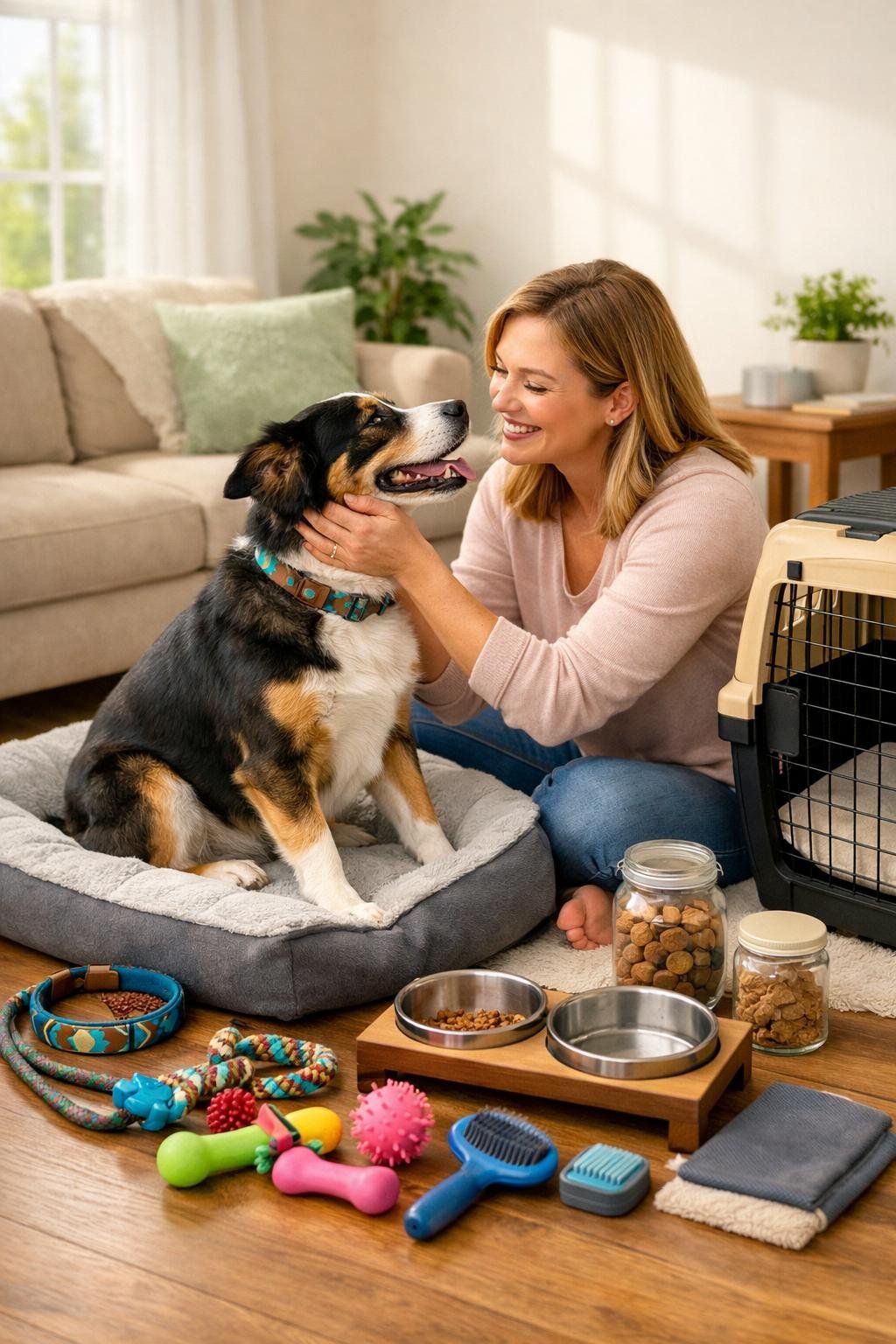
Getting organized before your pup arrives home makes those first weeks so much easier. A solid checklist keeps you prepared and helps your dog adjust smoothly.
Why Every Dog Mom Needs a Puppy Checklist
I learned the hard way that winging it with a new puppy leads to stress. Having a starter checklist reduces anxiety for both you and your dog.
A puppy checklist helps you buy the right gear before your dog comes home. You won’t find yourself scrambling at 10pm because you forgot food bowls or a crate.
The essentials I always include are:
- Food and water bowls in stainless steel or ceramic
- High-quality puppy food recommended by your vet
- Collar with ID tags that include your phone number
- Crate and bedding for safe sleeping and house training
- Basic grooming supplies like a brush and nail clippers
I also stock up on cleaning supplies right away. Accidents will happen, so enzyme cleaners are essential for removing odors and stopping repeat mistakes.
Building Routines and Enrichment
Dogs feel most secure when they know what to expect each day. I set feeding times, walk schedules, and play sessions at consistent hours from day one.
Mental stimulation through toys keeps puppies from getting bored and destructive. I rotate between chew toys, puzzle feeders, and treat-dispensing toys to keep things interesting.
Daily routine checklist:
- Morning potty break and breakfast
- Training session (10-15 minutes)
- Midday walk and playtime
- Afternoon rest in crate
- Evening meal and play
- Final potty break before bed
I keep enrichment simple at first. A frozen Kong stuffed with peanut butter or kibble gives my pup something to do while I work.
Training Tools for Confident Pups
Basic training gear makes teaching commands and good behavior much easier. I invest in quality items that won’t let me down.
My essential training tools include:
- Soft training treats cut into pea-sized pieces
- Clicker for marking good behavior
- 6-foot leash for practicing loose-leash walking
- Long training line (15-30 feet) for recall practice
- Treat pouch that clips to my waist
I avoid retractable leashes during training because they teach dogs to pull. A standard leash gives me better control and helps my pup learn to walk calmly beside me.
Positive reinforcement works best for building confidence. I reward behaviors I want to see more of, rather than focusing on punishment.
Frequently Asked Questions
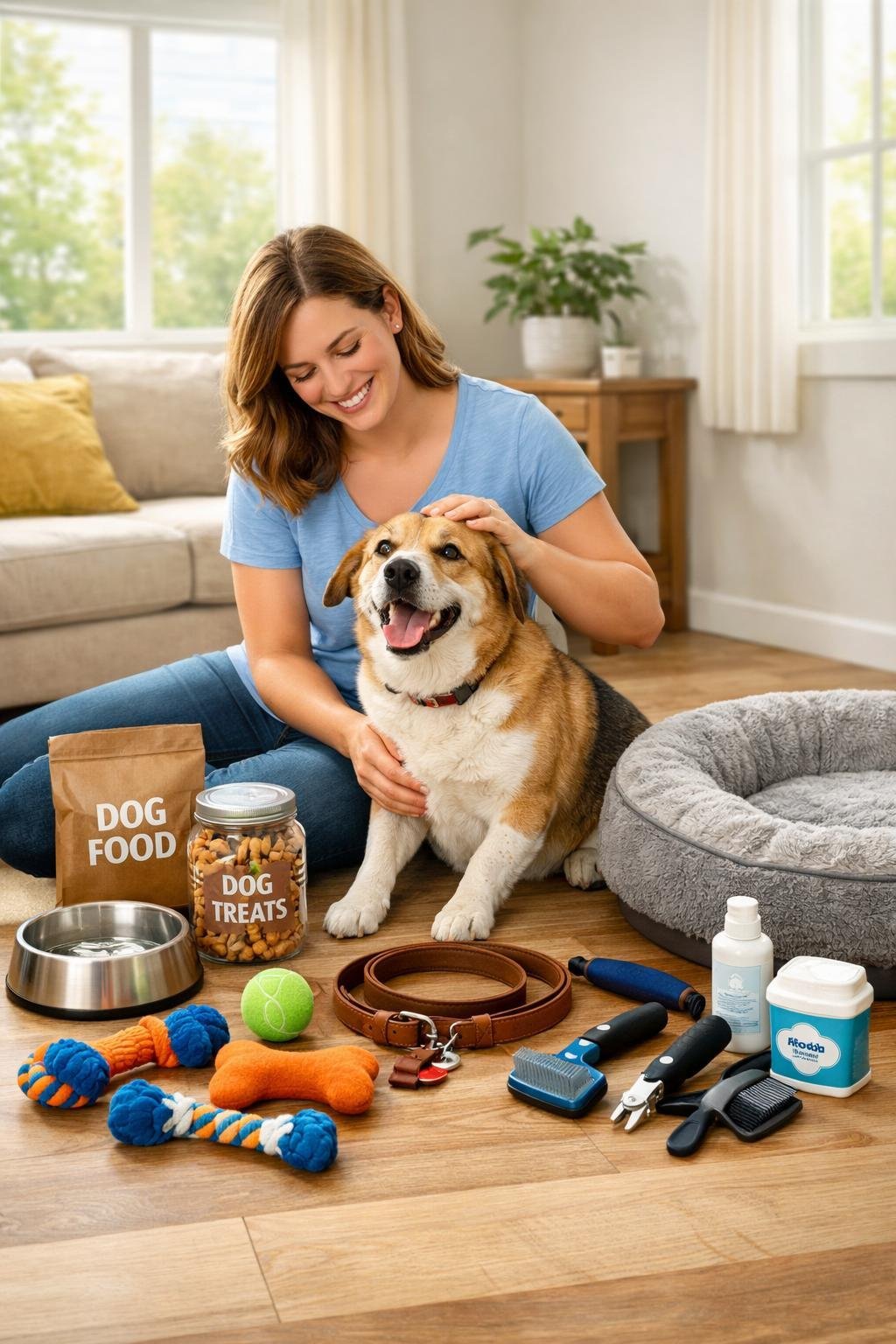
Dog moms face similar challenges when it comes to keeping their pups happy, healthy, and well-cared for. Here are some common questions and answers to help you out.
What are the must-have everyday essentials every dog mom should keep on hand?
I always keep fresh water available in clean bowls throughout my home. My dog needs access to water at all times, especially after walks or playtime.
Quality food is my top priority. I store my dog’s kibble in an airtight container to keep it fresh and measure portions to maintain a healthy weight.
I keep waste bags near my door so I never forget them on walks. Running out at the wrong time is embarrassing and irresponsible.
A sturdy leash and properly fitted collar or harness are non-negotiable items. I check these regularly for wear and tear because safety equipment needs to be reliable.
I also keep grooming supplies like brushes and nail clippers on hand for regular maintenance. My first aid kit sits in an easy-to-reach spot for minor injuries.
How can I make my dog the happiest dog ever at home and on walks?
Daily exercise is the foundation of my dog’s happiness. I make sure my pup gets at least 30 minutes to two hours of physical activity depending on breed and energy level.
Mental stimulation matters just as much as physical exercise. I rotate puzzle toys, practice training commands, and play nose work games to keep my dog’s brain engaged.
On walks, I let my dog sniff and explore within reason. These outings are for my dog’s enrichment, not just bathroom breaks.
I create a comfortable space at home where my dog can relax. A quality bed in a quiet corner gives my pup a safe retreat.
Consistent routines make dogs feel secure. I feed, walk, and play with my dog at roughly the same times each day.
What should I pack in a dog mom “go bag” for outings and travel?
I pack collapsible water and food bowls for longer outings. Keeping my dog hydrated away from home prevents health issues.
My go bag includes enough food for the trip plus extra in case of delays. I bring my dog’s regular food to avoid digestive upset from sudden diet changes.
I carry copies of vaccination records and my vet’s contact information. Emergency clinics need this information quickly if something goes wrong.
A spare leash and collar go in my bag as backup. Equipment can break at the worst possible moments.
I include familiar items like a favorite toy or blanket. These comfort items help my dog feel secure in new environments.
Medications, if my dog takes any, are essential. I bring enough for the entire trip plus a few extra days.
Which toys and enrichment items keep dogs entertained and mentally stimulated?
Puzzle toys that dispense treats challenge my dog to think and problem-solve. I use these during times when I need my pup occupied.
Interactive toys like tug ropes and balls create bonding opportunities. Playing together strengthens our relationship while providing exercise.
Chew toys satisfy my dog’s natural urge to gnaw. I choose size-appropriate options made from safe materials.
I rotate toys every few days to keep things interesting. Dogs get bored with the same toys just like we do.
Snuffle mats engage my dog’s sense of smell and natural foraging instincts. Hiding kibble or treats in these mats turns mealtime into an activity.
Training sessions count as mental enrichment too. Learning new commands or tricks keeps my dog’s mind sharp.
How do I choose the right grooming tools to keep my dog comfortable and clean?
I select brushes based on my dog’s coat type. Short-haired dogs need different tools than long-haired or curly-coated breeds.
Nail clippers or grinders should match my dog’s size and my comfort level. I prefer grinders because they reduce the risk of cutting the quick.
Dog-specific shampoo maintains proper skin pH balance. I never use human products because they can cause skin irritation.
I invest in quality tools that will last. Cheap grooming supplies often break quickly or work poorly.
For breeds that need professional grooming, I still keep basic brushes at home. Regular brushing between appointments prevents matting and keeps my dog comfortable.
What is the 7-7-7 rule for dogs, and how can it help my dog settle into a new home?
The 7-7-7 rule is a guideline for helping dogs adjust to new environments. It suggests dogs need 7 days to decompress, 7 weeks to learn routines, and 7 months to fully settle in.
During the first 7 days, it’s best to keep things calm and low-key. Your dog might feel overwhelmed, scared, or shut down during this initial period.
Don’t expect perfect behavior right away. Your new dog is going through a big life change and needs time to feel safe.
In the first 7 weeks, start establishing consistent routines for feeding, walking, and bedtime. Your dog will begin to understand what to expect and when.
Training can begin during this phase, but keep expectations reasonable. Building trust is more important than perfect obedience at this stage.
By 7 months, your dog will likely feel truly at home. Their real personality will start to shine as they become more confident and comfortable in your household.
Remember, every dog adjusts at their own pace. Some may need more or less time than the guideline suggests.