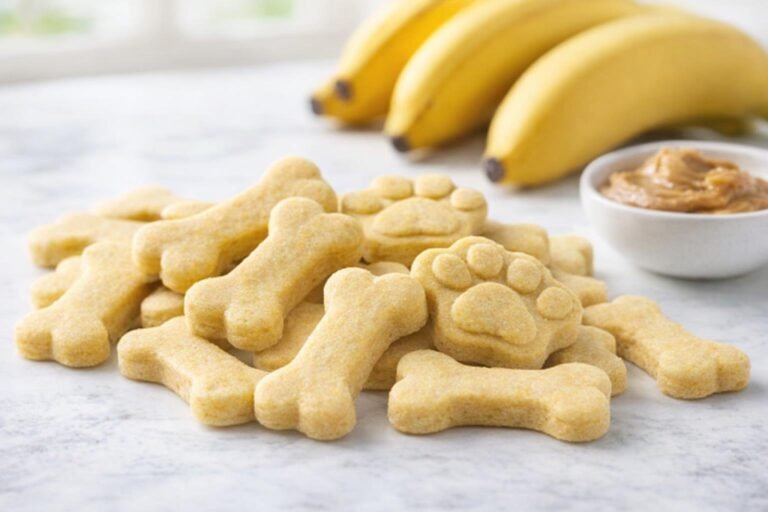
12 Baked Dog Treats Recipes Using Pantry Staples That Your Pup Will Love

Baked Dog Treats Recipes – Making treats for your dog doesn’t require a trip to specialty stores or hard-to-find ingredients. You can bake healthy, delicious dog treats using simple pantry staples like peanut butter, flour, oats, and eggs that you probably already have at home.
I’ve put together 12 easy recipes that skip the mystery ingredients and preservatives found in store-bought options.
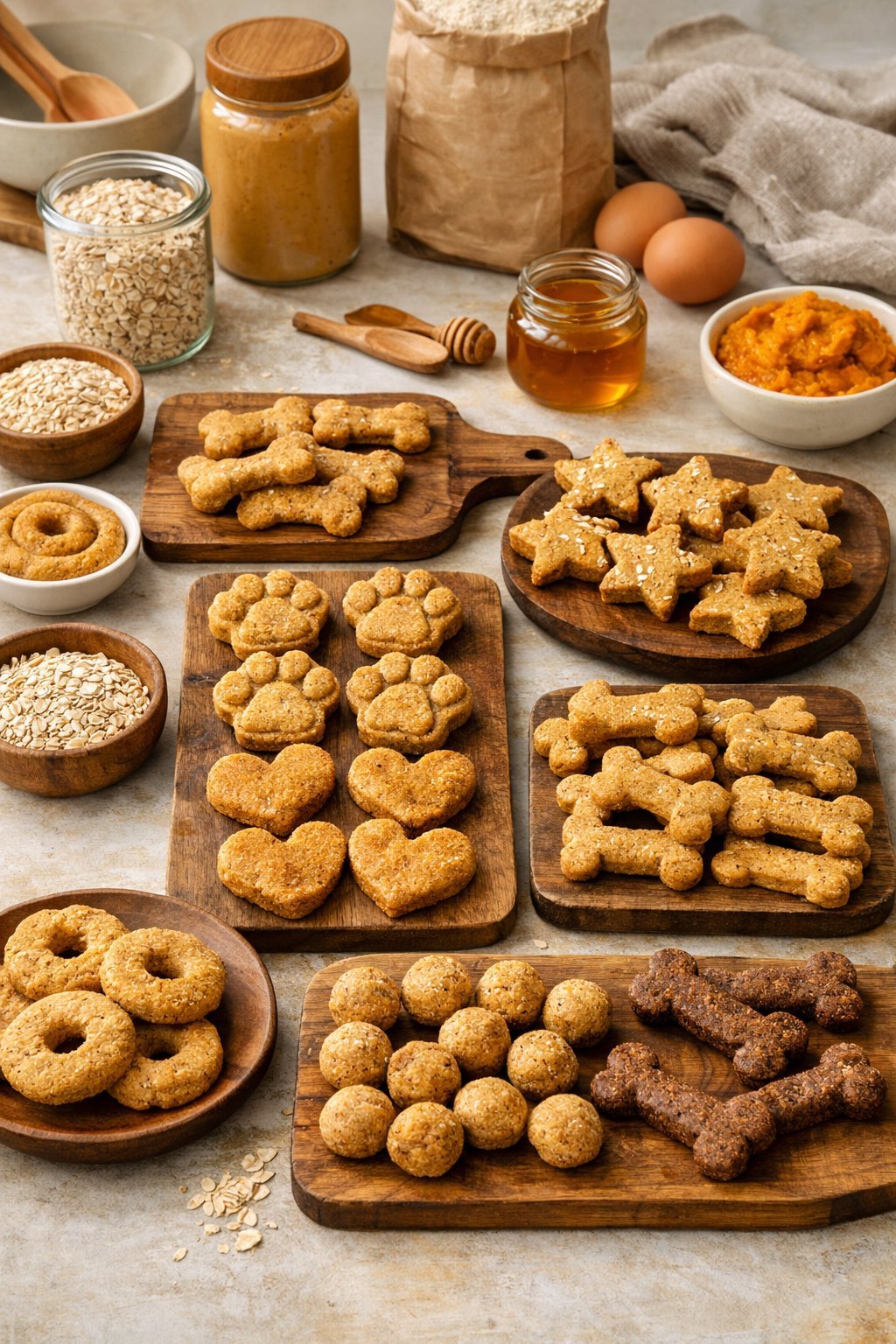
Baking your own dog treats gives you control over what goes into your dog’s snacks. You’ll save money compared to buying bags of treats from the store.
Your dog gets fresh, wholesome snacks made with real food. These recipes work for any skill level in the kitchen.
Most take less than 30 minutes of active time. I’ll show you how to mix, bake, and store homemade dog treats that will have your pup’s tail wagging.
Key Takeaways
- You can make healthy dog treats with common pantry ingredients like peanut butter, flour, and oats
- Homemade treats let you avoid artificial preservatives and control exactly what your dog eats
- These 12 simple recipes work for beginners and include creative flavor options for any occasion
Essential Pantry Staples for Dog Treats
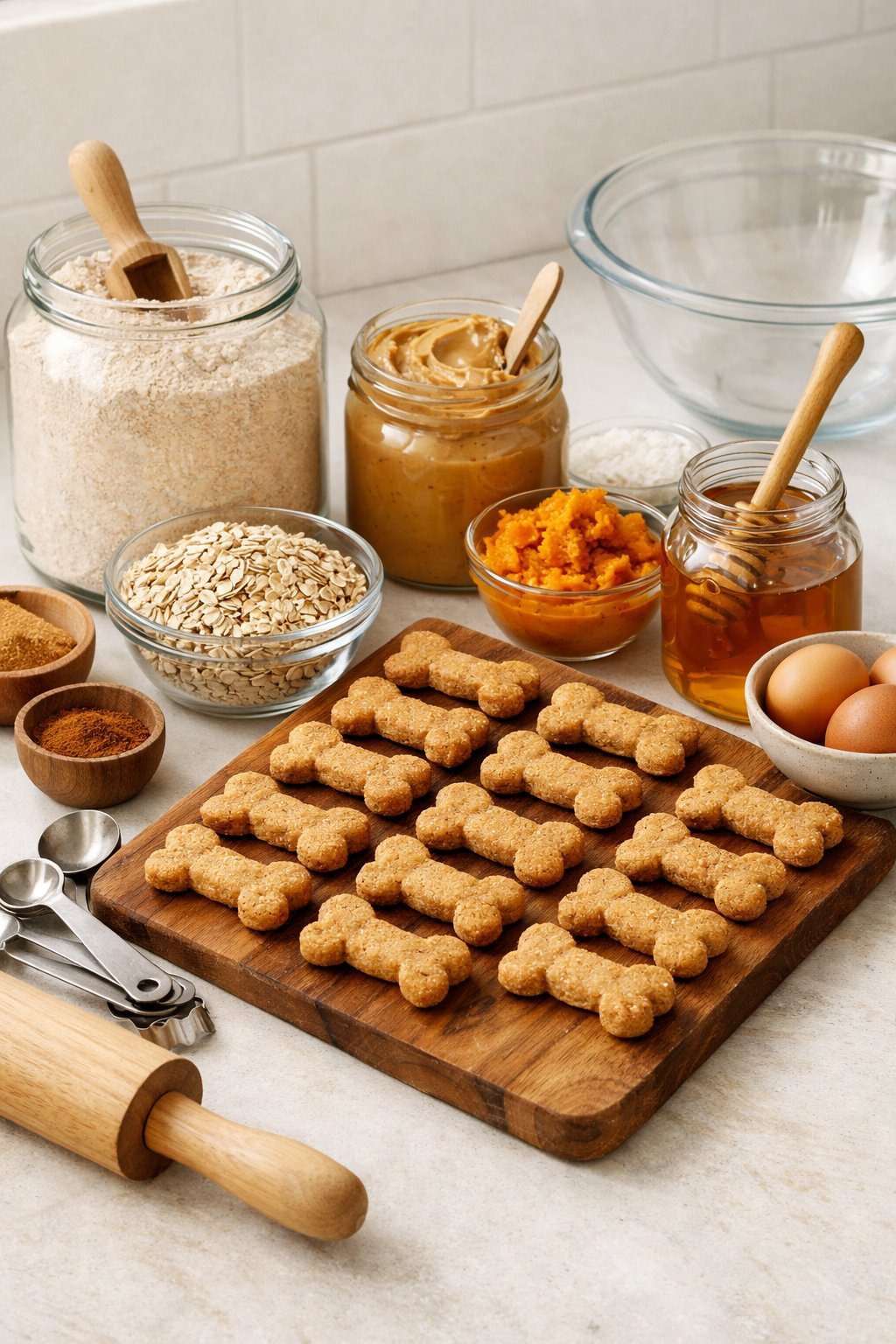
Making treats at home gets easier when you stock basic ingredients that work for both human and dog recipes. The right pantry items help you skip the store run and whip up something tasty in minutes.
Common Ingredients to Keep on Hand
I always keep whole wheat flour or oat flour in my pantry since they form the base of most baked treats. Regular all-purpose flour works too, but whole wheat adds more fiber.
Rolled oats are another staple I reach for constantly. They blend into flour or add texture to crunchy treats.
Oats and peanut butter work well together in simple recipes. Peanut butter ranks high on my list, but I only use versions without xylitol.
This sweetener is toxic to dogs. Natural peanut butter with just peanuts and salt is safest.
I stock canned pumpkin (not pie filling) year-round. It aids digestion and adds moisture to recipes.
Eggs bind ingredients together and provide protein. Cinnamon is the only spice I add regularly since it’s safe and smells great.
I avoid nutmeg, garlic powder, and onion powder completely.
Ingredient Safety for Dogs
Some human foods pose serious risks to dogs. Xylitol tops my danger list since even small amounts cause liver failure and low blood sugar.
Chocolate, grapes, raisins, onions, and garlic never belong in dog treats. Macadamia nuts also make dogs sick.
I check every peanut butter label before buying. Many sugar-free versions contain xylitol.
The ingredients list should show only peanuts and maybe salt. Dairy products like cheese work in small amounts, but many dogs handle them poorly.
I use them sparingly or skip them if my dog has a sensitive stomach. Salt should stay minimal in homemade baked dog treats.
Too much causes excessive thirst and other problems. I measure carefully rather than guessing.
Simple Substitutions for Pantry Staples
When I run out of whole wheat flour, I blend oats in my food processor until they turn into powder. This swap works in almost any recipe.
Applesauce replaces pumpkin in equal amounts. Both add moisture and natural sweetness.
Mashed banana works too, though it changes the flavor more noticeably. If I’m out of eggs, I mix one tablespoon of ground flaxseed with three tablespoons of water per egg.
I let it sit for five minutes until it gets thick and gooey. Sunflower seed butter or almond butter substitute for peanut butter.
I always verify these contain no xylitol first. Some dogs prefer the taste of sunflower seed butter anyway.
Sweet potato can replace pumpkin in most recipes. I cook and mash it first, then use the same measurements the recipe calls for.
Baking Tips for Homemade Dog Treats
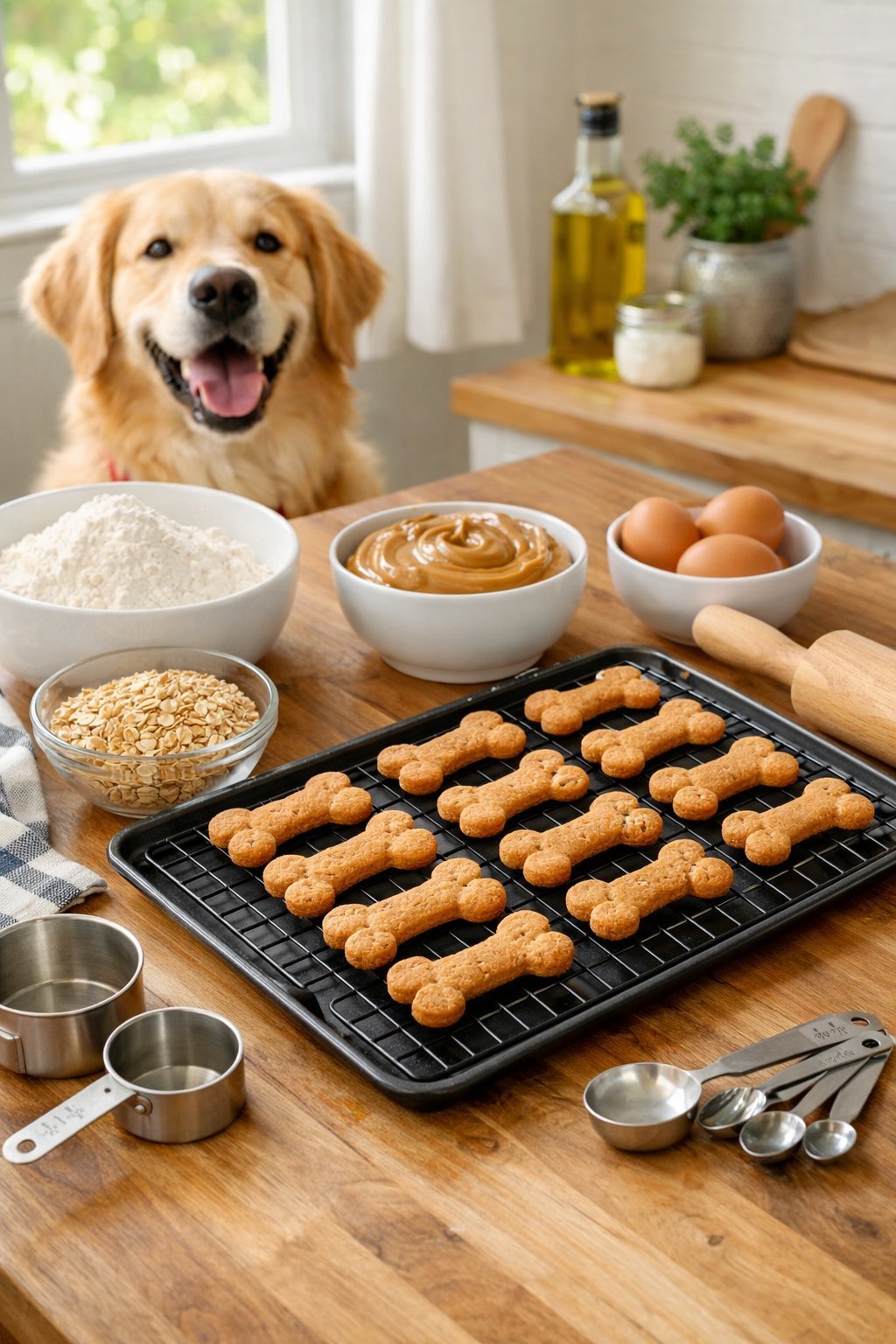
The right bakeware and proper storage can make the difference between treats that last weeks or spoil in days. I’ll share my tested techniques for choosing pans, adjusting temperatures, and keeping your homemade baked dog treats fresh.
How to Choose the Right Bakeware
I always recommend stainless steel or silicone baking sheets for dog treats. These materials don’t react with ingredients and clean up easily.
Non-stick pans work fine, but I avoid ones with damaged coatings. My dogs don’t need flaking Teflon in their snacks.
For shaped treats, I use silicone molds designed for cookies or ice cubes. They pop out cleanly and work great for portion control.
Cookie cutters should be metal or food-grade plastic. I like bone shapes, but simple circles work just as well and waste less dough.
Glass or ceramic pans heat more evenly than metal for bar-style treats. I cut them into squares after baking and cooling completely.
Dog-Friendly Baking Techniques
I set my oven to 300-350°F for most dog treats. Lower temperatures dry them out better than high heat, which creates a crunchy texture dogs love.
Thinner treats need 15-20 minutes while thicker biscuits take 30-40 minutes. I check them halfway through and flip if needed.
Rolling dough to ¼ inch thickness gives the best crunch-to-chew ratio. Thicker treats stay soft inside, which some dogs prefer.
I always let treats cool completely on the baking sheet. They firm up as they cool down.
For extra crispiness, I turn off the oven and leave treats inside for another hour. This dries them out without burning.
Storage and Shelf Life Advice
I store completely cooled treats in airtight containers at room temperature for up to two weeks. Any moisture creates mold quickly.
Glass jars or plastic containers with tight-fitting lids work best. I avoid bags because they let in too much air.
Refrigerated treats last 3-4 weeks in sealed containers. I bring them to room temperature before serving so they taste better.
For longer storage, I freeze treats in freezer bags for up to 6 months. I remove as much air as possible before sealing.
Soft treats with meat or cheese spoil faster than dry biscuits. I refrigerate these within two hours of baking and use them within one week.
12 Easy Baked Dog Treats Recipes Using Pantry Staples
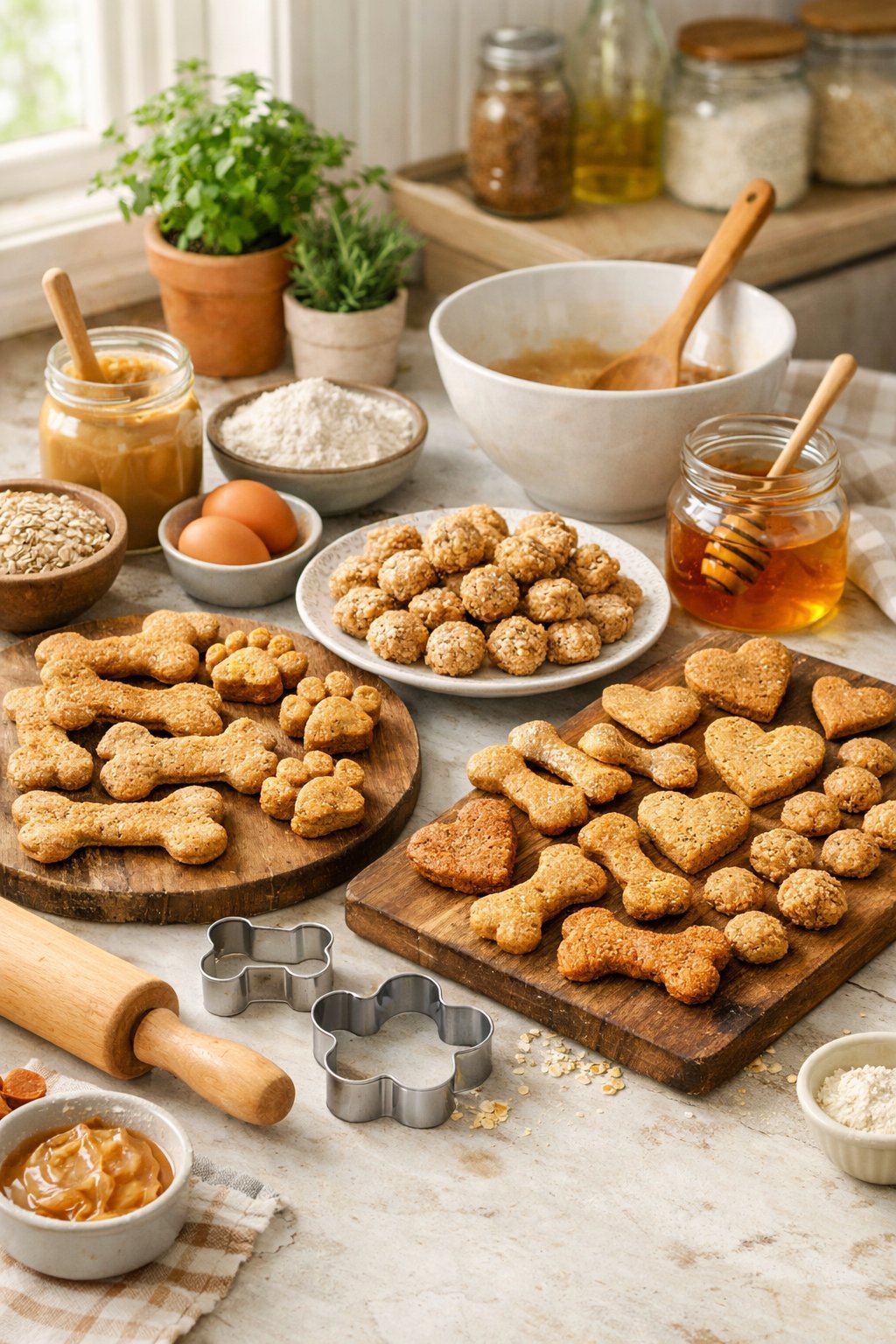
I’ve found that making homemade dog treats doesn’t require special ingredients or complicated techniques. These four recipes rely on common kitchen items like peanut butter, oats, cheese, and pumpkin that most of us already have on hand.
Peanut Butter Biscuits
I love making peanut butter biscuits because they’re the simplest treat to start with. You only need whole wheat flour, natural peanut butter (make sure it doesn’t contain xylitol), and eggs.
I mix 2 cups of whole wheat flour with 1/2 cup of peanut butter and 2 eggs until the dough comes together. If the mixture feels too dry, I add water one tablespoon at a time.
Rolling and Cutting:
- Roll dough to 1/4 inch thickness
- Cut into shapes with cookie cutters
- Place on parchment-lined baking sheet
I bake these at 350°F for 20 minutes until they’re golden and firm. The treats get crunchier as they cool, which my dog absolutely loves.
Oat and Apple Nuggets
Oats and apples create a fiber-rich treat that’s gentle on sensitive stomachs. I use rolled oats, unsweetened applesauce, and a bit of cinnamon for flavor.
My go-to ratio is 2 cups of oats, 1 cup of applesauce, and 1/4 teaspoon of cinnamon. I blend the oats in a food processor to make oat flour first, then mix everything together.
I form small balls and flatten them slightly on the baking sheet. These treats bake at 325°F for 25 minutes.
The applesauce keeps them soft and chewy inside while the outside gets crispy. I never add sugar because applesauce provides enough natural sweetness.
These nuggets stay fresh in an airtight container for about a week.
Cheddar Cheese Bones
Cheese treats are always a hit with my picky eater. I combine 1 cup of shredded cheddar cheese with 1 1/2 cups of whole wheat flour and 1/4 cup of water.
The cheese makes the dough slightly sticky but easier to work with than other recipes. I roll it out and use bone-shaped cutters for fun.
| Ingredient | Amount |
|---|---|
| Shredded Cheddar | 1 cup |
| Whole Wheat Flour | 1 1/2 cups |
| Water | 1/4 cup |
I bake these at 375°F for 15-18 minutes until the edges turn golden brown. The cheese smell fills my kitchen and drives my dog crazy with excitement.
These baked dog treats made with simple ingredients are perfect for training rewards.
Pumpkin and Banana Bites
Pumpkin and banana together create a naturally sweet treat packed with vitamins. I mash one ripe banana with 1/2 cup of pure pumpkin puree (not pie filling) and add 2 cups of oat flour.
This mixture is softer than other doughs, so I use a small cookie scoop to drop portions onto the baking sheet. I bake them at 350°F for 20-25 minutes.
The treats will still feel slightly soft when hot but firm up as they cool. I store these in the refrigerator because of the moisture content, and they last about five days.
My dog goes wild for the pumpkin flavor, and I feel good knowing these support digestive health.
Creative Flavors and Variations
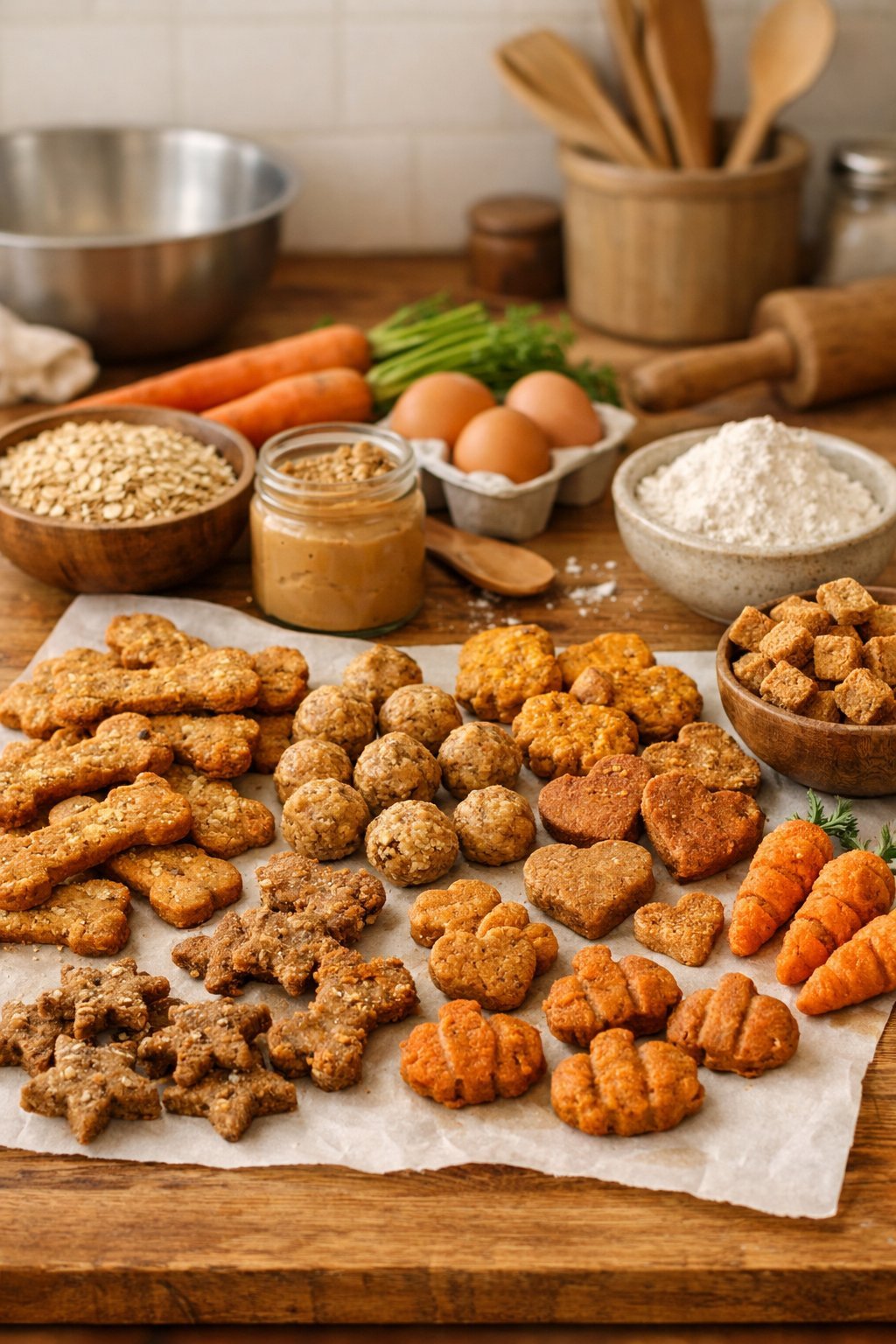
You can transform basic dog treat recipes into exciting flavors by adding herbs, fruits, vegetables, or swapping out traditional grains. These additions boost nutrition while keeping your pantry staples as the foundation.
Using Herbs for Extra Flavor
I love adding fresh or dried herbs to my dog treat recipes because they bring natural flavor without any artificial ingredients. Parsley is my go-to choice since it freshens breath and adds a mild taste that most dogs enjoy.
I usually mix in about one tablespoon of fresh chopped parsley or one teaspoon of dried parsley per cup of flour. Rosemary works well in savory treats and offers antioxidants for your dog’s health.
I use it sparingly since the flavor is strong—about half a teaspoon of dried rosemary per batch is plenty. Basil and mint are other herbs I rotate through my recipes.
Basil has anti-inflammatory properties, while mint can help with digestion. I add these fresh herbs finely chopped, about one to two tablespoons per recipe batch.
Incorporating Fruits and Vegetables
I like to mix pureed pumpkin into my baked dog treats using pantry staples. It’s gentle on stomachs and adds a nice bit of moisture.
About a quarter cup of pumpkin puree can replace some of the wet ingredients in most recipes. Sweet potato works the same way if you mash or puree it first.
Grated carrots are awesome for crunch and a touch of sweetness. I usually fold in half a cup of finely grated carrots per two cups of flour.
Apples are another go-to. I peel, core, and dice them into tiny pieces before mixing them into the dough.
Blueberries and bananas are perfect for softer treats. One ripe banana, mashed, or a quarter cup of fresh or frozen blueberries adds vitamins and a bit of natural sweetness.
These fruits make the treats sweet enough, so there’s no need for sugar or honey.
Grain-Free Options
If your dog has sensitivities, you can swap regular wheat flour for grain-free alternatives. Coconut flour soaks up a lot of liquid, so I use about one-third the amount of regular flour and add extra eggs or water.
One cup of wheat flour is roughly equal to one-third cup of coconut flour, but you’ll need to tweak the wet ingredients.
Oat flour is super easy—just grind rolled oats in a blender. You can substitute it one-to-one for wheat flour in any recipe.
Almond flour makes treats rich and crumbly, but you’ll want to add an extra egg or another binder to hold everything together.
Chickpea flour is great for savory treats and adds protein. I use it in equal amounts to replace wheat flour, though the texture is a bit denser.
Serving Suggestions and Special Occasions
I always keep my dog’s size and the time of year in mind when handing out treats. Special days like birthdays call for homemade dog treats, but I still adjust portions for my pup’s needs.
Portion Sizes for Different Dogs
Treats should be no more than 10% of your dog’s daily calories. For small dogs under 20 pounds, I give one to two small treats per day.
Medium dogs between 20-50 pounds can have two to three treats. Large dogs over 50 pounds can enjoy three to four treats daily.
For my small dog, I break larger baked treats into smaller pieces. This helps with portion control and keeps training sessions fun.
When trying a new recipe, I start with small portions to watch for any sensitivities.
Size-Based Portions:
- Small dogs: 1-2 treats (bite-sized pieces)
- Medium dogs: 2-3 treats (medium-sized pieces)
- Large dogs: 3-4 treats (full-sized pieces)
If I’m giving extra treats, I just cut back a little on my dog’s regular meals that day.
Celebrating Birthdays and Holidays
I bake special dog cakes using simple pantry ingredients for my pup’s birthday each year. Peanut butter and pumpkin make great cake bases that my dog loves.
I invite my friends’ dogs over and serve individual mini cakes instead of one large cake to control portions.
For holidays, I shape my baked treats to match the theme. I use bone-shaped cookie cutters for Halloween and heart shapes for Valentine’s Day.
During Christmas, I make pumpkin and peanut butter biscuits as gifts for my neighbors’ dogs.
I freeze extra treats after big baking sessions. This way, I always have fresh treats ready when it’s time to celebrate.