
Best Dog Breeds: Top Choices, Popularity & How to Find Your Match

Choosing a dog means finding a companion who fits your life, your home, and your family.
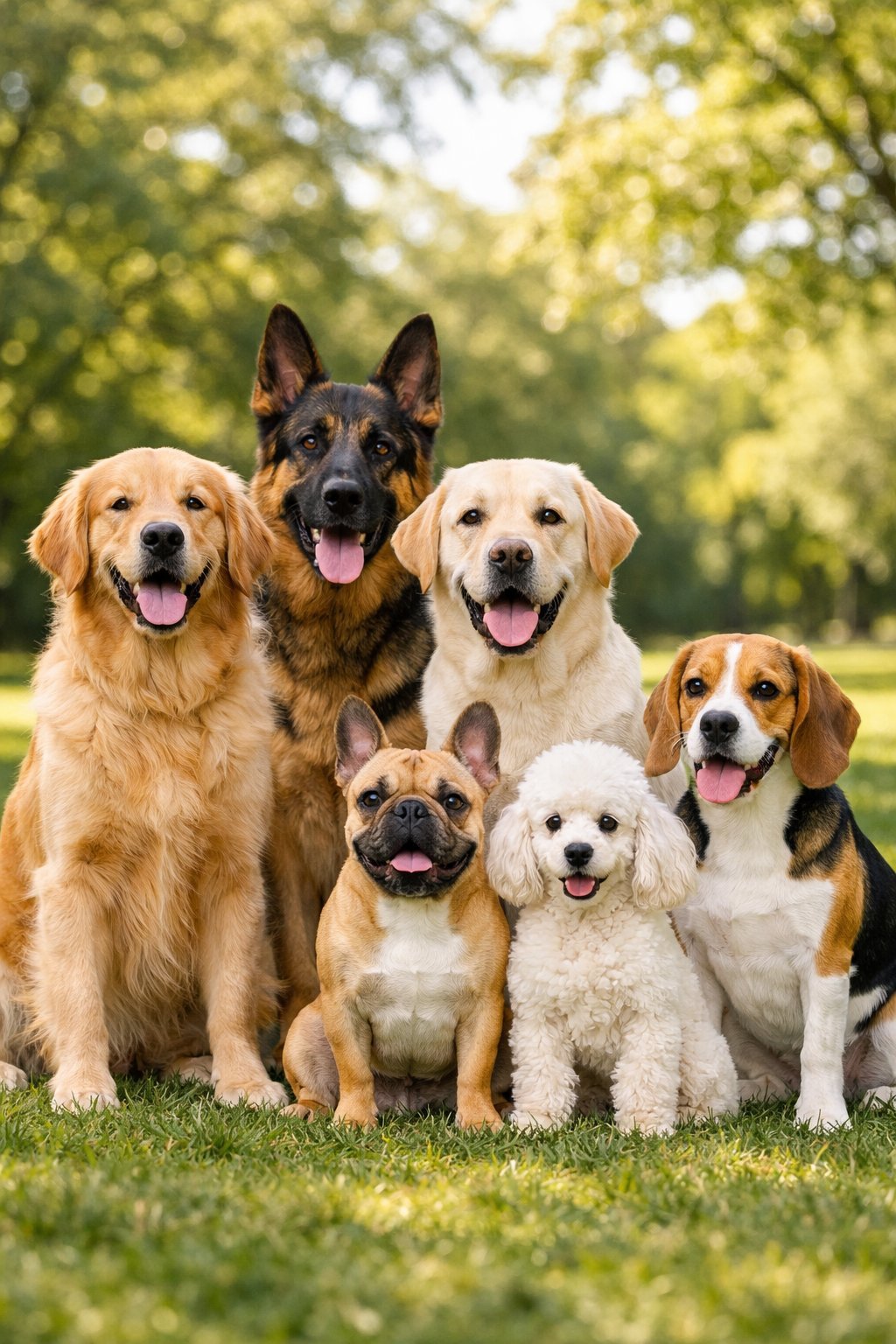
The best dog breeds include Labrador Retrievers, Golden Retrievers, French Bulldogs, Beagles, and German Shepherds, though the right choice depends on your lifestyle, living space, and experience level.
Some dogs need lots of exercise and room to run, while others do well in apartments and prefer quiet time on the couch.
I’ve put together this guide to help you understand what makes certain breeds stand out.
Whether you’re looking for a family-friendly companion, a working dog, or just want to know which breeds are most popular in America, I’ll walk you through the options that might work for you.
The right dog can bring years of joy and friendship to your life.
From energetic puppies who love to play to calm adults who just want to be near you, there’s a breed that matches what you’re looking for.
Key Takeaways
- Popular breeds like Labs and Golden Retrievers earn their reputation through friendly temperaments and adaptability to different homes
- Matching a dog’s energy level, size, and care needs to your lifestyle helps ensure a happy relationship for both you and your pet
- Family dogs, working breeds, and mixed breeds each offer unique benefits depending on your specific needs and living situation
Most Popular Dog Breeds Today
The French Bulldog now holds the top spot after ending the Labrador Retriever’s 31-year reign.
Labs and Golden Retrievers continue to rank high alongside breeds like German Shepherds, Poodles, and Beagles.
French Bulldog: The New Favorite
The French Bulldog has secured the number one spot as America’s most popular dog breed for three years in a row.
I’ve noticed these dogs everywhere from city apartments to suburban homes.
French Bulldogs took over the top position in 2022 from the Labrador Retriever.
Their rise has been steady over the past decade.
In 2012, they ranked 14th, and by 2021 they had climbed to second place.
What makes them so popular:
- Compact size fits any living space
- Playful and friendly nature
- Distinctive bat-shaped ears
- Adaptable to different lifestyles
The American Kennel Club recognized French Bulldogs back in 1898.
They’re especially common in cities, but their small size and easygoing personality work well in rural areas too.
Labrador Retriever: Timeless Appeal
The Labrador Retriever held the number one spot for 31 consecutive years before the French Bulldog took over.
I still see Labs everywhere because they remain the second most popular dog breed in America.
Labs are known for their friendly temperament and versatility.
They work as family pets, service dogs, hunting companions, and therapy animals.
Their eager-to-please attitude makes training easier than with many other breeds.
These dogs need regular exercise and love being active with their families.
They come in three colors: yellow, black, and chocolate.
Labs typically weigh between 55 and 80 pounds depending on whether they’re male or female.
Golden Retriever: The Family Classic
Golden Retrievers rank third in popularity and have stayed in the top five for years.
I consider them one of the best family dogs because of their gentle and patient nature with children.
These dogs are intelligent and easy to train.
They excel in obedience competitions and make excellent service dogs.
Golden Retrievers have a beautiful golden coat that requires regular brushing to prevent matting.
They need daily exercise and mental stimulation to stay happy.
Goldens are social dogs that don’t do well when left alone for long periods.
They typically live 10 to 12 years and weigh between 55 and 75 pounds.
Other Highly Ranked Breeds
The German Shepherd ranks fourth and the Poodle comes in fifth according to AKC registration data.
German Shepherds are loyal, intelligent, and often work in police and military roles.
Poodles come in three sizes and are known for being smart and hypoallergenic.
The Dachshund holds the sixth spot, followed by the Beagle at seventh.
Dachshunds have distinctive long bodies and short legs.
Beagles are friendly, curious dogs with excellent noses for tracking scents.
Rottweilers rank eighth and Bulldogs come in ninth.
The German Shorthaired Pointer rounds out the top 10.
These rankings from the American Kennel Club are based on actual registration numbers, so they reflect real ownership trends across the United States.
How to Choose the Best Dog Breed for You
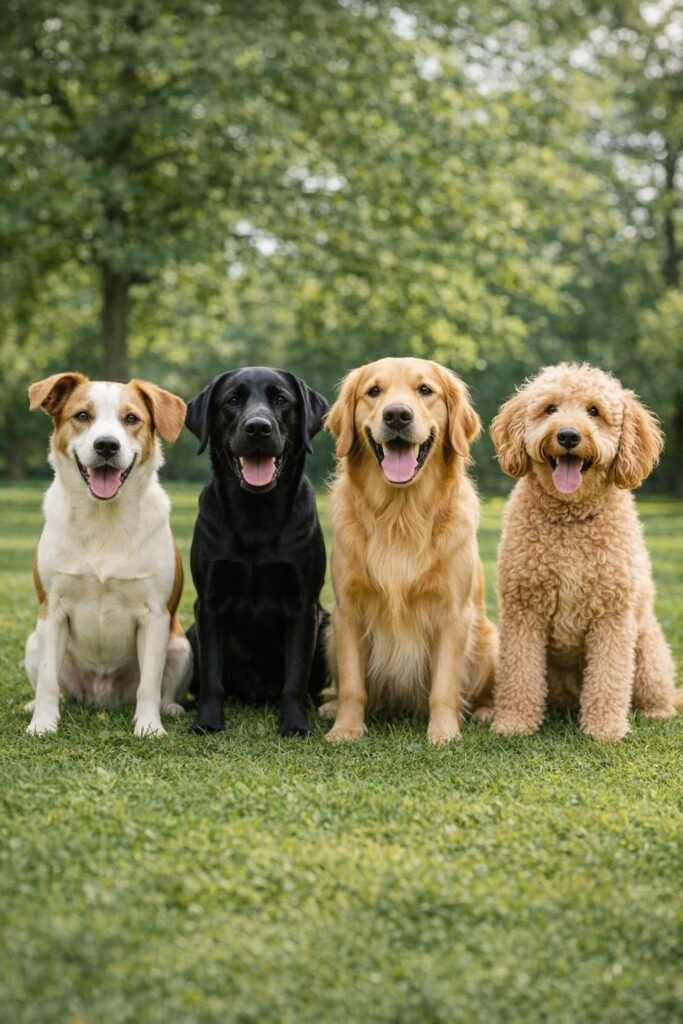
Finding the right dog involves matching your daily routine with a breed’s energy needs.
Consider your living space, account for allergies and maintenance requirements, and honestly assess your experience with dogs.
Lifestyle and Activity Level
Your daily routine plays a huge role in determining which dog breeds will thrive in your home.
I recommend thinking about how much time you can dedicate to exercise and play each day.
High-energy breeds like Border Collies, Australian Shepherds, and Labrador Retrievers need 60-90 minutes of vigorous activity daily.
These dogs excel with active families who enjoy hiking, running, or outdoor adventures.
If you work long hours or prefer relaxing at home, these breeds might feel frustrated and develop behavioral issues.
Moderate-energy dogs such as Beagles, Cocker Spaniels, and most medium-sized dogs fit well with people who enjoy daily walks but don’t need extreme activity levels.
These breeds make excellent family pets for households with a balanced lifestyle.
Low-energy breeds like Bulldogs, Basset Hounds, and Shih Tzus suit apartment dwellers or seniors who prefer shorter, gentler walks.
I find these dogs perfect for people who want companionship without intense exercise demands.
Consider your work schedule too.
Dogs left alone for 8-10 hours daily need independence and lower separation anxiety.
Using a dog breed selector can help you match your activity level with compatible breeds.
Space and Size Considerations
Your living space directly impacts which dog breeds will be comfortable and happy in your home.
I always tell people that size matters, but it’s not the only factor.
Large dog breeds like Great Danes, German Shepherds, and Golden Retrievers typically need homes with yards where they can stretch and move freely.
These dogs often weigh 50-100+ pounds and require space to turn around comfortably indoors.
Some giant breeds like Mastiffs have lower energy and adapt to apartments better than you’d expect.
Medium-sized dogs offer flexibility for various living situations.
Breeds like Border Collies, Bulldogs, and Cocker Spaniels (25-50 pounds) work in both houses and larger apartments.
I’ve seen these dogs thrive in cities when they get adequate exercise.
Small breeds including Chihuahuas, Pugs, and Yorkshire Terriers fit easily into apartments and condos.
They need less floor space but still require daily activity and mental stimulation.
Don’t forget about outdoor access.
A fenced yard benefits most breeds, but choosing the right dog breed for apartment living means prioritizing breeds with lower barking tendencies and moderate energy levels.
Check your lease or HOA rules about breed restrictions before falling in love with a specific dog.
Allergies and Grooming
Grooming needs and allergy concerns significantly affect your daily life with a dog.
I want you to understand the maintenance commitment before bringing a dog home.
Hypoallergenic breeds like Poodles, Portuguese Water Dogs, and Bichon Frises produce less dander and shed minimally.
While no dog is 100% allergen-free, these breeds work better for people with mild to moderate allergies.
They require professional grooming every 6-8 weeks, which costs $50-100 per visit.
Low-shedding dogs including Schnauzers, Maltese, and Yorkshire Terriers keep your furniture cleaner but need regular brushing and trimming.
I recommend daily brushing for these breeds to prevent matting.
Heavy shedders like German Shepherds, Huskies, and Golden Retrievers lose fur constantly and “blow” their coats twice yearly.
You’ll vacuum daily and find hair on everything.
These dogs need weekly brushing, increasing to daily during shedding seasons.
Grooming frequency matters:
- Daily: Long-haired breeds, dogs prone to matting
- Weekly: Most medium and large dog breeds
- Monthly: Short-haired breeds like Beagles and Boxers
Consider grooming costs in your budget.
Professional grooming runs $300-1,200 annually depending on breed size and coat type.
Some best dog breeds require minimal maintenance while others demand significant time and money for proper coat care.
Experience Level: First-Time Owners vs. Expert Handlers
Your experience with dogs should guide your breed selection since some dogs need more training expertise than others.
I believe first-time dog owners should prioritize trainable, forgiving breeds.
Best breeds for first-time dog owners include Labrador Retrievers, Golden Retrievers, Cavalier King Charles Spaniels, and Pugs.
These dogs forgive training mistakes, have stable temperaments, and genuinely want to please you.
They respond well to basic positive reinforcement training.
Moderate-difficulty breeds like Beagles, Cocker Spaniels, and most terriers have independent streaks but remain manageable with consistency.
These dogs work for owners willing to attend training classes and invest time in learning proper techniques.
Expert-level breeds including Akitas, Chow Chows, Belgian Malinois, and Siberian Huskies require experienced handlers.
These dogs have strong wills, high intelligence, or protective instincts that demand confident leadership.
I’ve seen too many dog lovers struggle with these breeds due to inadequate preparation.
Consider these factors when evaluating your experience level:
- Previous dog ownership
- Training knowledge
- Time available for socialization
- Patience with stubborn behaviors
Mixed breeds from shelters often make wonderful family pets for beginners since their temperaments are typically more moderate than purebreds bred for specific working traits.
Best Dog Breeds for Families
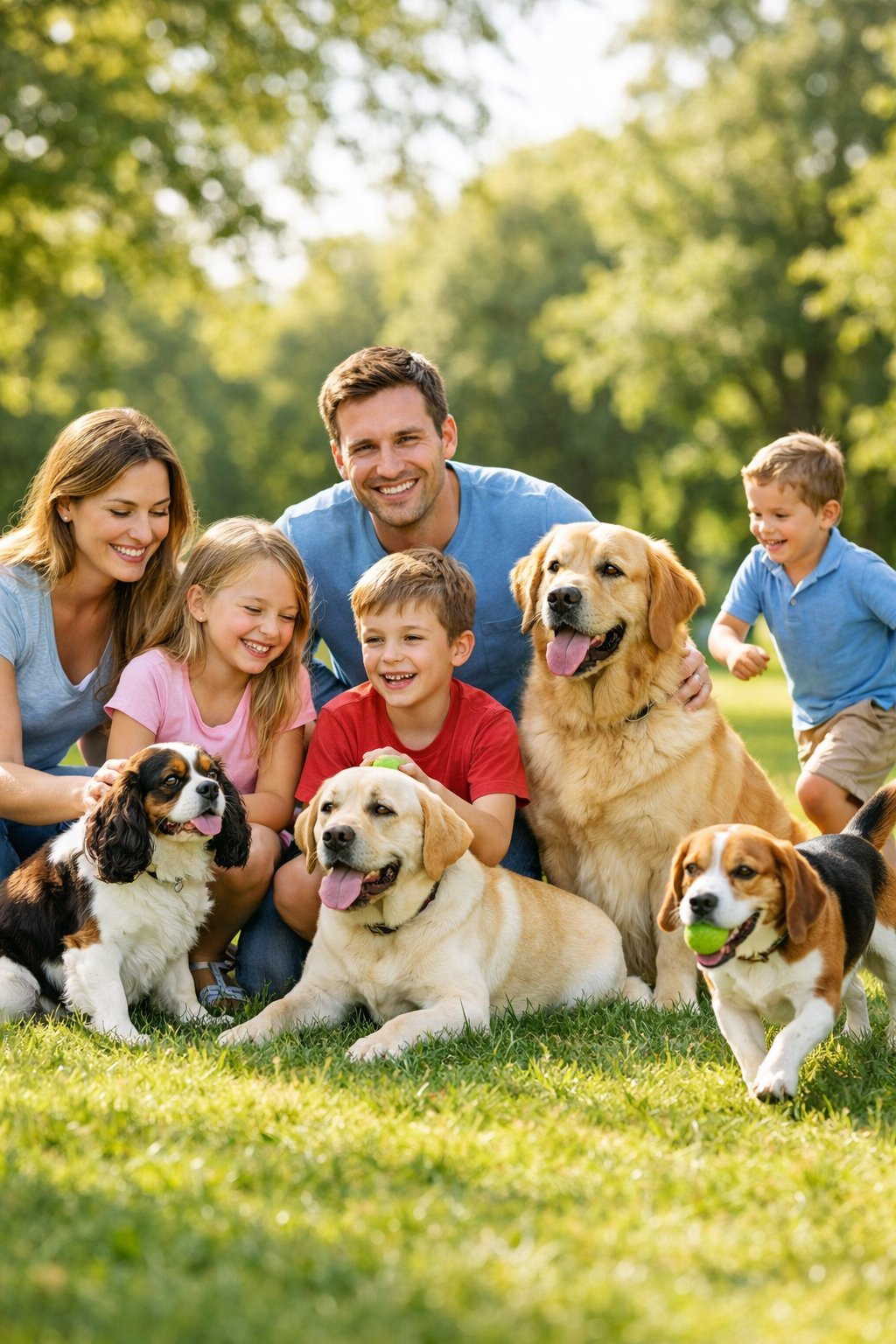
I’ve found that the right family dog combines patience, playfulness, and adaptability to fit your household’s unique needs.
From energetic retrievers to calm lap dogs, certain breeds excel at bonding with children and adults alike.
Top Family-Friendly Breeds
The Labrador Retriever stands out as one of the most popular family dogs in America for good reason.
I’ve seen Labs display remarkable patience with children while maintaining enthusiasm for family activities.
These dogs are affectionate, trainable, and eager to please.
Golden Retrievers offer similar benefits with their intelligent and agreeable personalities.
They excel in many activities and adapt well to active families who enjoy outdoor adventures.
The Beagle makes an excellent choice for families seeking a medium-sized companion.
Their compact size and short coat require minimal grooming.
I recommend Beagles for households where someone is home regularly, as these loyal dogs prefer constant company.
Collies bring intelligence and devotion to family life.
They’re responsive to training and balance high energy with a willingness to relax at home.
The Newfoundland earns its reputation as a patient and sweet-natured giant, demonstrating remarkable gentleness with children despite their large size.
Small Breeds for Children
The Cavalier King Charles Spaniel adapts well to various living situations and shows natural affection toward children. I’ve noticed these spaniels thrive on interaction and make ideal companions for families in apartments or houses.
Pugs pack personality into a small frame, displaying special affinity for children. They don’t require intense exercise but need regular walks and playtime.
Their adaptable nature works well in both city apartments and country homes.
The Yorkshire Terrier (Yorkie) offers a confident, spirited personality in a tiny package. While small, they possess brave hearts and form strong bonds with family members.
Shih Tzus were bred as companion dogs and excel in that role. I find them particularly suitable for families wanting a devoted lap dog that still enjoys interactive play.
Their friendly temperament makes them patient with children who treat them gently.
Large and Protective Companions
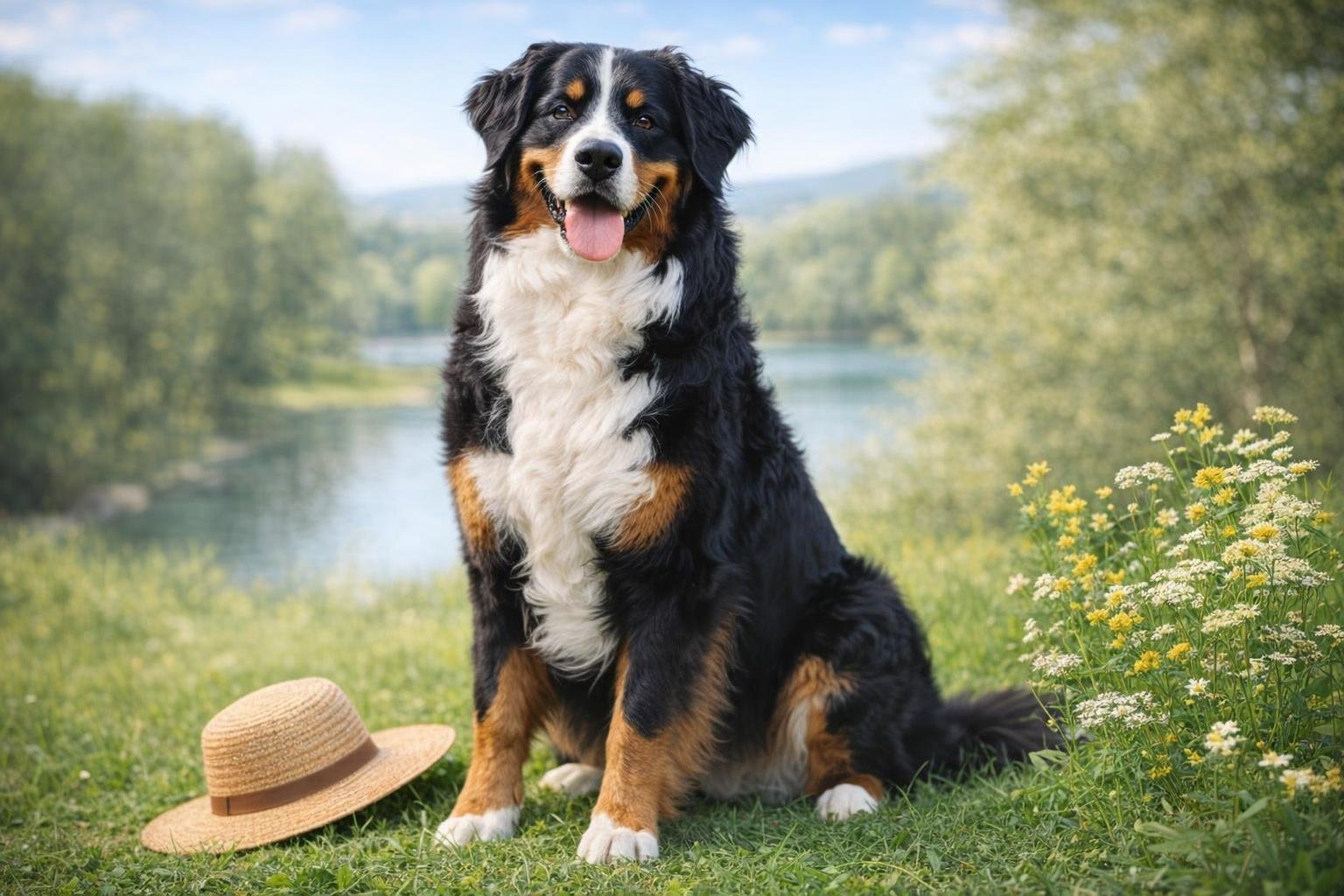
The Bernese Mountain Dog combines size with gentleness, making them wonderful family pets for homes with space. These dogs show loyalty and calmness that reassures children while their protective instincts keep families feeling secure.
Boxers bring energy and devotion to active households. I’ve observed their patient nature with children and natural protective instincts.
They require regular exercise and thrive when included in family activities.
The Bulldog adapts to most atmospheres despite their sturdy appearance. Their calm and courageous personality suits families in cities or countryside.
They don’t demand intense exercise but benefit from regular walks and occasional play sessions.
Working Dogs, Service Dogs, and Specialized Roles
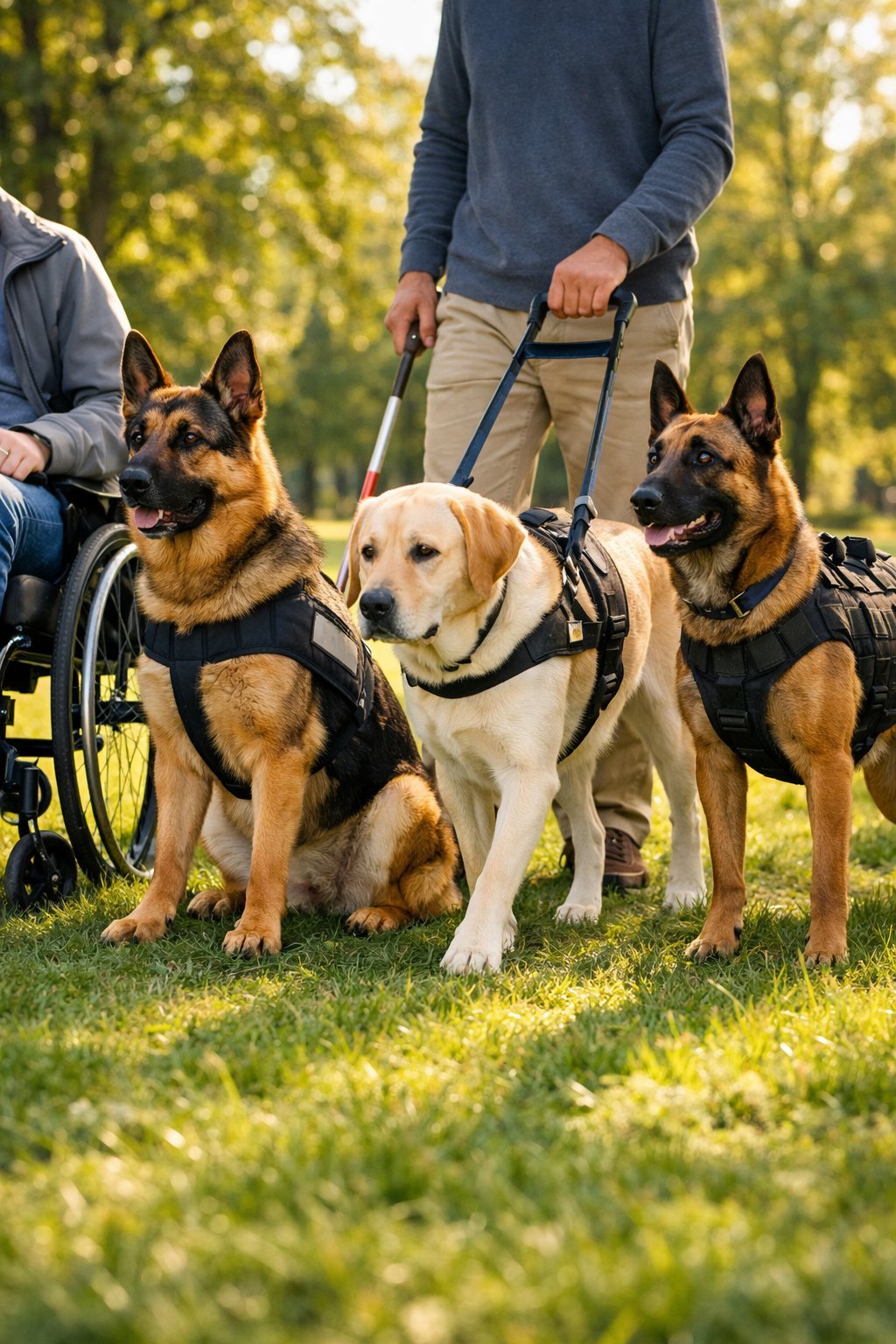
Some breeds excel at jobs that go far beyond companionship, using their intelligence and natural instincts to perform essential tasks. From herding livestock to providing medical support, these dogs demonstrate remarkable abilities when properly trained.
Working and Herding Breeds
I’ve seen herding dogs demonstrate incredible focus when managing livestock. The Border Collie stands out as one of the most intelligent herding breeds, practically born with the instinct to control sheep and cattle movements.
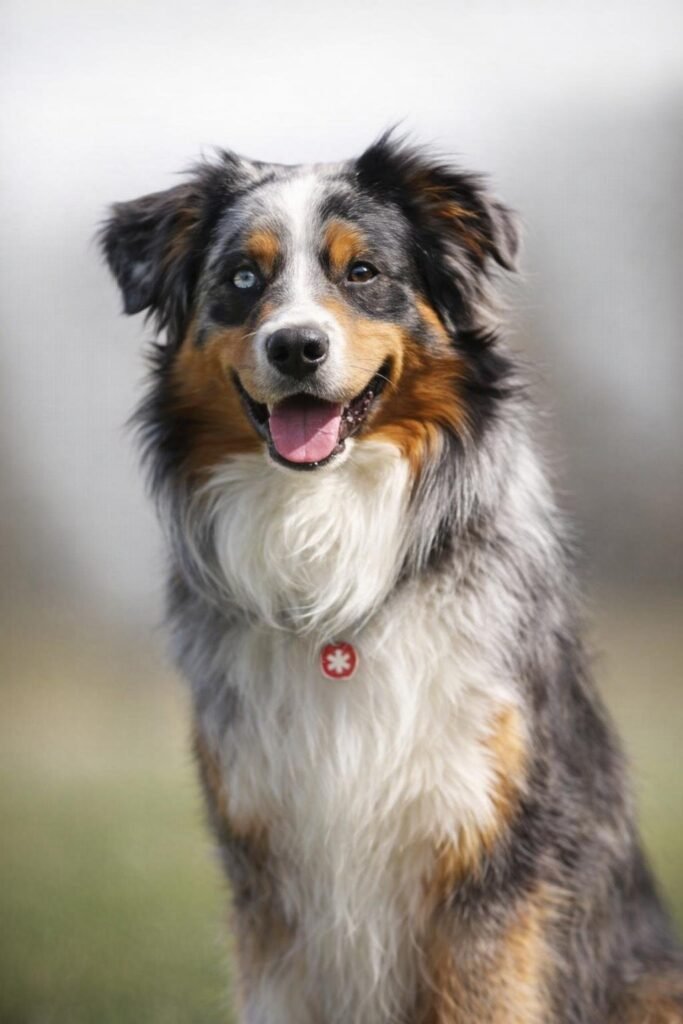
The Australian Shepherd brings similar herding capabilities with boundless energy. These dogs need constant mental stimulation and physical activity to stay happy.
Without a job to do, they can become destructive.
The Pembroke Welsh Corgi might look small, but I find their herding skills impressive. Their low stature helps them nip at cattle heels while avoiding kicks.
Sled dog breeds like the Siberian Husky and Alaskan Malamute were bred for endurance in harsh climates. These powerful dogs can pull heavy loads across snow for miles.
They require extensive exercise and do best in cooler environments.
The German Shorthaired Pointer excels as a versatile hunting companion. This breed combines pointing, retrieving, and tracking abilities in one athletic package.
Service and Therapy Dogs
Service dogs perform life-changing work for people with disabilities. Guide dogs help individuals with visual impairments navigate safely, while mobility-assistance dogs can open doors, retrieve items, and provide balance support.
The German Shepherd frequently serves in medical alert roles, detecting seizures or blood sugar changes before they become dangerous. I appreciate how these dogs remain calm and focused in any environment.
Common service dog breeds include:
- Golden Retriever
- Labrador Retriever
- Standard Poodle
- German Shepherd
Therapy dogs provide emotional support in hospitals, nursing homes, and schools. Unlike service dogs, they don’t have special public access rights.
These dogs need exceptional temperaments and must enjoy interacting with strangers.
Obedience training forms the foundation for all service work. My experience shows that successful service dogs require hundreds of hours of specialized training beyond basic commands.
Guard Dogs and Protection Breeds
The German Shepherd remains the gold standard for protection work. Their loyalty, intelligence, and trainability make them favorites for police and military roles.
I consider the Rottweiler one of the most effective guard dogs for property protection. These powerful dogs are naturally protective but need proper socialization to distinguish real threats from normal situations.
Protection breeds require:
- Early socialization with people and animals
- Consistent leadership and boundaries
- Regular mental and physical exercise
- Professional dog training guidance
The Doberman Pinscher combines speed with protective instincts. These alert dogs bond closely with their families while maintaining natural wariness of strangers.
Guard dogs shouldn’t show aggression without reason. The best protection breeds remain calm and confident, only acting when genuine threats appear.
Dog sports like Schutzhund help channel their protective drives appropriately.
Unique and Mixed Dog Breeds
Beyond popular purebreds, there’s a whole world of mixed breeds, designer crosses, and rare dogs that make wonderful companions. Mixed breed dogs bring together traits from multiple lineages, while some purebreds remain surprisingly uncommon despite their amazing qualities.
Designer Dogs and Hybrid Breeds
I’ve noticed that designer dogs are intentionally bred from two different purebred parents to combine their best traits. These aren’t random mixes but carefully planned crosses.
Popular designer breeds include the Goldendoodle, Aussiedoodle, and Bernedoodle, which pair Poodles with other breeds to create low-shedding companions. The Boxador mixes Boxer and Labrador Retriever traits into an intelligent, playful dog that can weigh up to 110 pounds.
Smaller designer dogs like the Bochi combine Boston Terrier and Chihuahua characteristics. I find that these hybrid breeds often have health advantages over purebreds because mixing genetics can reduce inherited disease risks.
Rescue and Mixed-Breed Dogs
Rescue dogs and mixed breeds make up a huge portion of adoptable pets. I’ve learned that mixed breed dogs can be just as beautiful and intelligent as purebreds.
The main difference between mixed breeds and designer dogs is intentionality. Mixed breeds have varied lineages that may not be fully known, while designer dogs have specific parentage.
Without genetic testing, it can be hard to know a mixed breed’s exact background.
I recommend rescue dogs because they often come house-trained and past the destructive puppy stage. Many shelter dogs are mixes that combine multiple breeds, giving them unique appearances and temperaments.
Unusual and Lesser-Known Purebreds
Some purebred dogs remain rare despite having wonderful qualities.
The Basenji is known as the “barkless dog” because it makes yodeling sounds instead of typical barking.
This breed can be a good choice for apartment dwellers who want a quieter companion.
The Papillon is a tiny dog with distinctive butterfly-shaped ears.
It is incredibly smart and trainable.
The Bichon Frise offers a hypoallergenic coat and cheerful personality in a small package.
The Cane Corso is a powerful Italian mastiff that makes an excellent guardian but needs experienced handling.
The Weimaraner attracts attention with its striking silver-gray coat and high energy level.
The Miniature Schnauzer combines a compact size with a bold, friendly personality.
Even the Basset Hound with its droopy ears and the American Staffordshire Terrier with its muscular build remain less common than you might expect in certain regions.
