
Cane Corso: The Ultimate Guide to This Loyal Italian Mastiff Breed

The Cane Corso is a large Italian mastiff breed that was originally used for hunting, herding, and guarding property. These powerful dogs trace their roots back to ancient Roman war dogs and have been working alongside humans for centuries.
Today, they serve primarily as loyal companions and protective family guardians.

The Cane Corso is a mastiff breed from Italy known for its protective nature, intelligence, and strong bond with its family. I find this breed fascinating because they combine incredible strength with a gentle, affectionate personality when properly trained and socialized.
They’re not the right fit for every home, but for experienced dog owners who understand their needs, they can be amazing pets.
If you’re considering bringing a Cane Corso into your life, you need to understand what makes this breed special. From their stable and dependable personality to their exercise requirements and health considerations, there’s a lot to learn.
Let me walk you through everything you need to know about living with and caring for these impressive dogs.
Key Takeaways
- The Cane Corso is a large Italian mastiff that needs an experienced owner who can provide firm, consistent training and early socialization
- These dogs are naturally protective and form strong bonds with their families, making them excellent guardians when properly raised
- Cane Corsos require regular exercise, proper nutrition, and routine health care to thrive as healthy, well-adjusted companions
Cane Corso Breed Overview
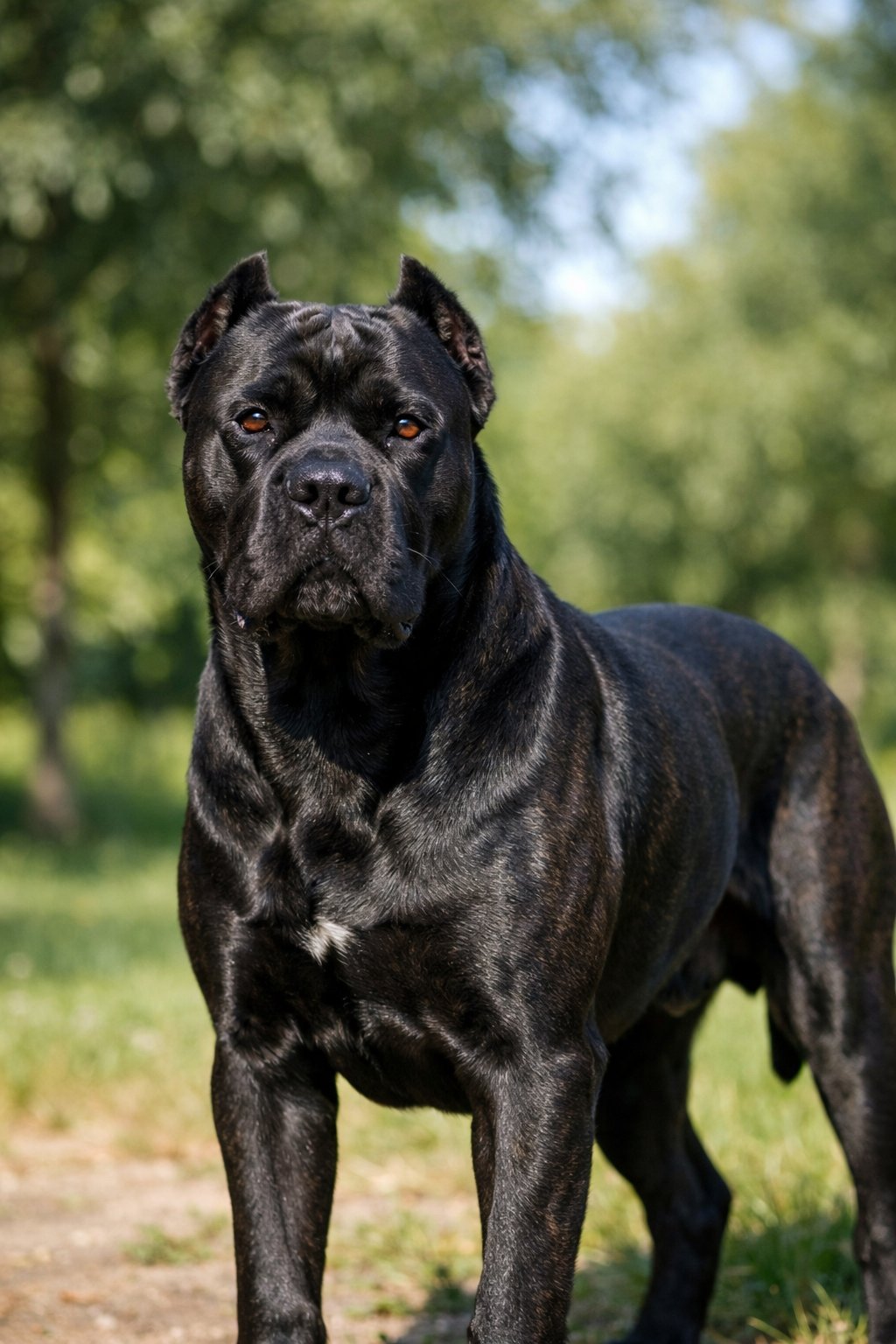
The Cane Corso is an Italian mastiff with ancient Roman roots that has served as both a working farm dog and guardian for centuries. This large, muscular breed combines strength with loyalty and requires an experienced owner who understands its protective nature.
History and Origins
The Cane Corso descended from Molossian war dogs that ancient Romans used in battle. After the fall of the Roman Empire, these dogs found new purposes on Italian farms.
I find it interesting that the breed was used for hunting large game and herding cattle throughout Italy’s countryside. Farmers valued these dogs for their versatility.
They could guard property, move livestock, and help with hunts. The breed nearly disappeared in the mid-20th century as farming methods changed.
A small group of Italian enthusiasts worked to save the Cane Corso in the 1970s. They tracked down remaining dogs in rural southern Italy and started careful breeding programs.
The breed gained recognition from kennel clubs in the 1990s. Today, the Cane Corso serves primarily as a companion and guard dog rather than a farm worker.
Physical Characteristics
The Cane Corso is a large, powerful dog with a muscular and athletic build. Males typically stand 25 to 27.5 inches tall at the shoulder, while females measure 23.5 to 26 inches.
Size and Weight:
- Males: 99-110 pounds
- Females: 88-99 pounds
The breed has a broad head with a short, square muzzle. I notice that their ears are often cropped, though natural ears are medium-sized and hang down.
Their coat is short and stiff, providing protection in various weather conditions.
Common Coat Colors:
- Black
- Gray (various shades)
- Fawn
- Red
- Brindle patterns
The Cane Corso moves with a confident, effortless gait that shows off its power. Their chest is deep and broad, giving them a commanding presence.
The tail is typically docked at the fourth vertebra, though this practice varies by location.
Breed Standards
The American Kennel Club recognizes the Cane Corso as part of the Working Group. The breed standard emphasizes a dog that appears both powerful and elegant, never clumsy or overly bulky.
I look for specific proportions when evaluating the breed. The body length should exceed the height by approximately 11 percent.
The head length reaches about one-third of the dog’s height at the withers.
Key Standard Points:
- Expression: Alert and attentive
- Bite: Slightly undershot preferred
- Gait: Effortless and powerful
- Temperament: Confident and stable
The breed standard calls for a dog with natural guarding instincts but without excessive aggression. Judges look for dogs that show confidence without shyness or nervousness.
Any dog showing extreme fear or unprovoked aggression faces disqualification from competition.
Personality and Temperament
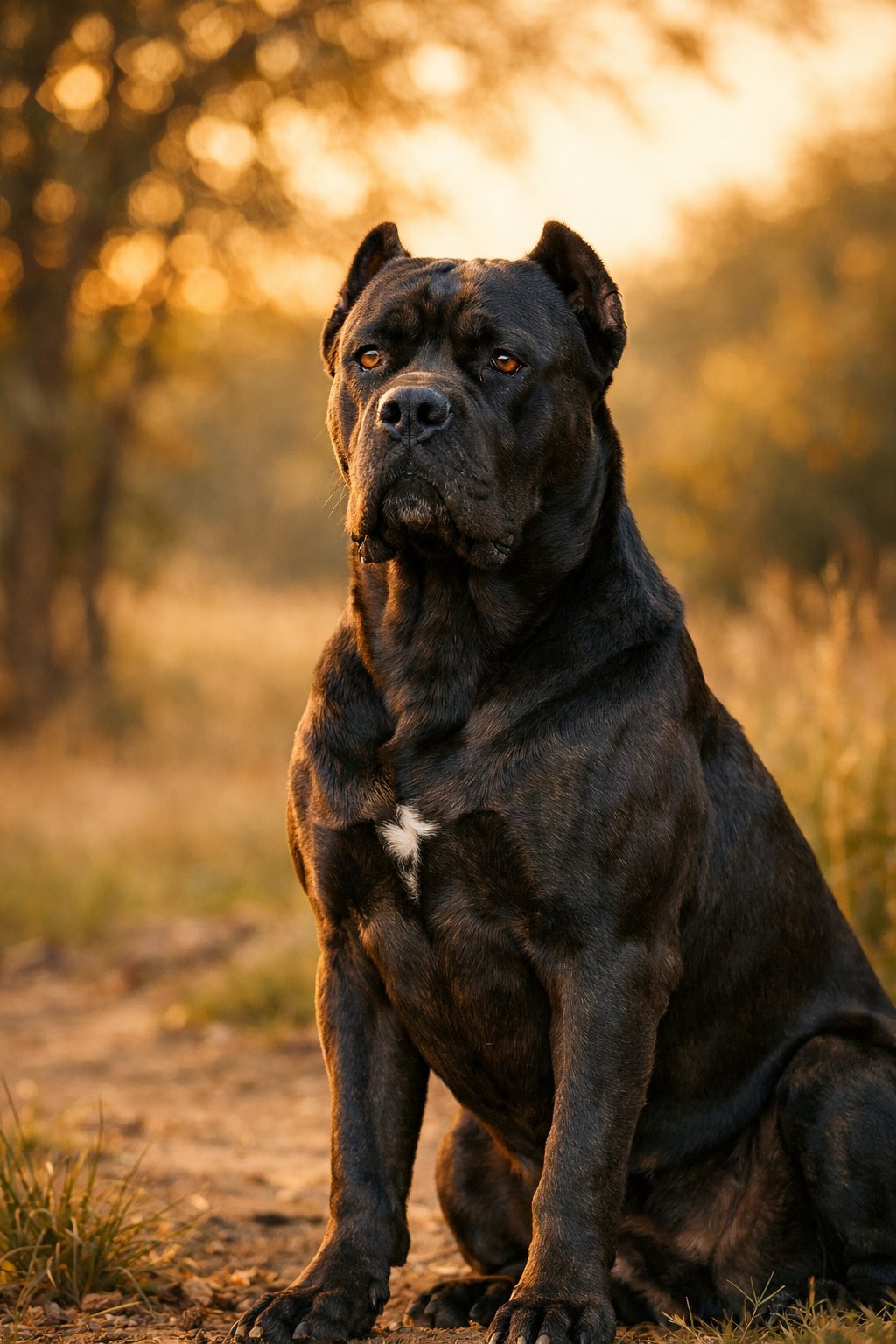
The Cane Corso stands out as a loyal and protective breed that forms deep bonds with family members while maintaining a calm, confident presence. These dogs blend affection with natural guarding instincts, creating a temperament that requires understanding and proper guidance.
Behavior With Families
I’ve found that Cane Corsos are incredibly loyal and form strong attachments to their families. They’re not the type to show affection to just anyone who walks through the door.
Instead, they save their loving, gentle side for the people they know and trust. These dogs are naturally protective without being aggressive.
They watch over their family members with a calm confidence that comes from their breeding as guard dogs. I notice they often position themselves between their family and strangers, not out of fear but from their instinct to protect.
The breed shows affection in subtle ways compared to more outwardly enthusiastic breeds. They might lean against you, follow you from room to room, or rest their head on your lap.
This reserved nature doesn’t mean they love you any less.
Interaction With Children and Pets
Cane Corsos can be gentle with children in their family, despite their large size and powerful build. They often become patient guardians who tolerate the noise and activity that comes with kids.
However, I always recommend supervision because of their size alone. Early socialization is critical for interactions with other pets.
These dogs have strong prey drives and dominant personalities that can create problems with other animals if not addressed early. I’ve seen well-socialized Corsos live peacefully with other dogs and even cats.
Their protective instincts mean they need to learn which children and pets belong in their circle. Without proper training, they might view visiting children’s rough play as a threat to their own kids.
Common Temperament Traits
The Cane Corso temperament combines several key characteristics:
- Protective instincts – Natural guardians who assess situations carefully
- Intelligence – Quick learners who need mental stimulation
- Strong-willed personality – Independent thinkers who test boundaries
- Calm demeanor – Not hyperactive or overly excitable
- Reserved with strangers – Watchful rather than immediately friendly
I notice these dogs are confident but not aggressive. They don’t bark excessively or show nervousness in new situations.
Their stable temperament means they react thoughtfully rather than impulsively. Training and socialization are essential to bring out the best in this breed.
Without proper guidance, their protective nature and size can become challenging. They need owners who understand how to work with their strong personality while providing clear leadership.
Training and Socialization
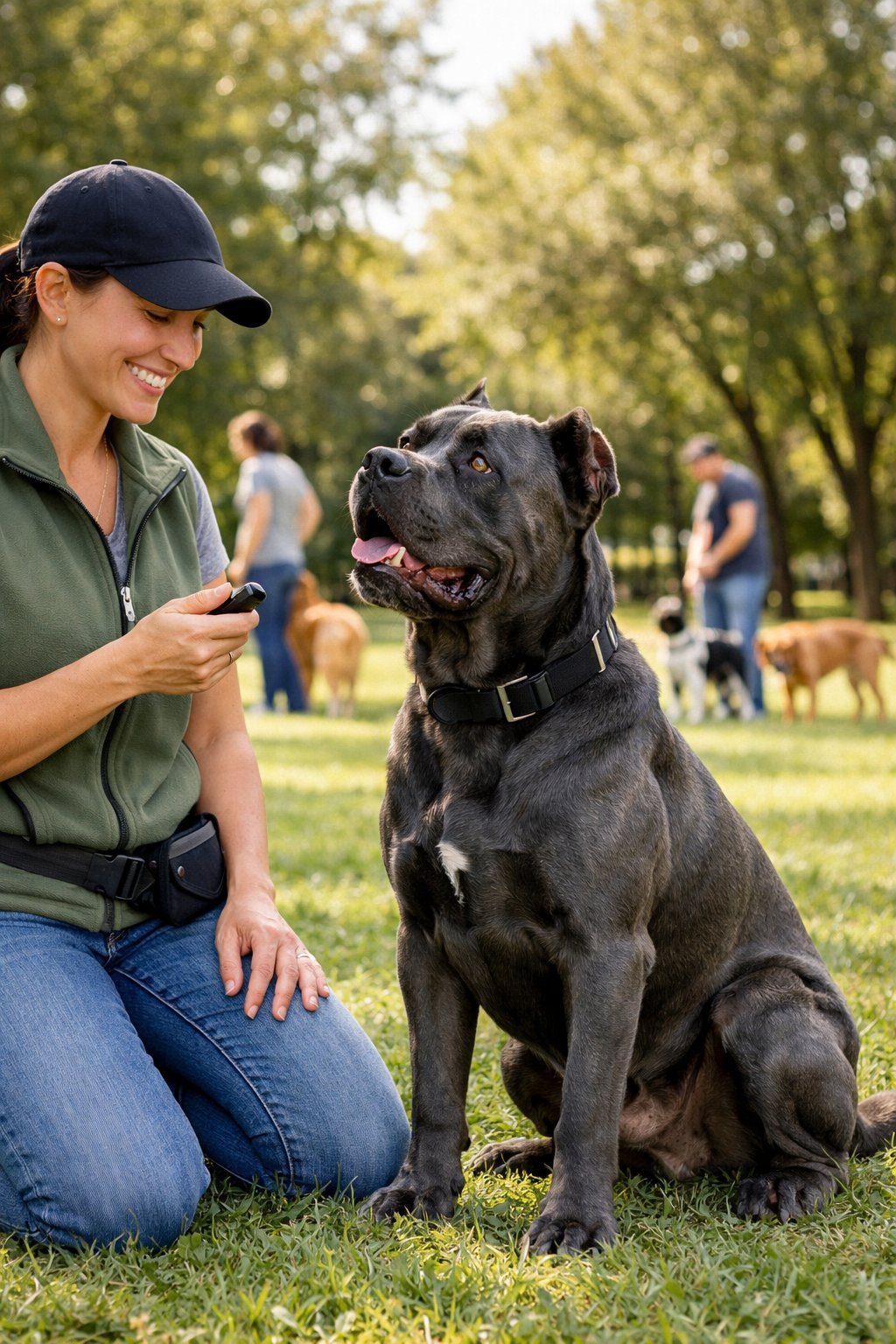
I know from experience that Cane Corsos need consistent training and early exposure to different people, places, and situations to become confident companions. Their natural protective instincts require careful guidance from day one.
Early Socialization Tips
I always recommend starting socialization between 3 and 14 weeks of age when puppies are most open to new experiences. This critical window shapes how your Cane Corso views the world as an adult.
I make sure to introduce my Cane Corso puppy to different types of people including children, seniors, and people wearing hats or uniforms. Each positive interaction builds confidence and reduces fear-based reactions later.
Proper socialization reduces anxiety, fear, and aggression while helping manage protective instincts. I take my puppy to pet-friendly stores, parks, and outdoor cafes where they can observe daily life safely.
I keep training sessions short and positive. My goal is to create calm, neutral responses to new sights and sounds rather than overexcitement or fear.
Obedience Training Strategies
I start with basic commands like sit, stay, come, and down as soon as I bring my puppy home. Cane Corsos are intelligent and learn quickly with the right motivation.
I use positive reinforcement methods including treats, praise, and play. Harsh corrections don’t work well with this breed and can damage our bond or create defensive behavior.
Key training priorities include:
- Leash manners – Essential for controlling a powerful adult dog
- Impulse control – Teaching patience and self-restraint
- Recall training – Ensuring they come when called
- Place command – Giving them a designated spot to relax
I keep training sessions between 10 and 15 minutes to maintain focus. Consistency matters more than length.
I train in different locations so my Cane Corso learns to listen regardless of distractions.
Managing Protective Instincts
I understand that Cane Corsos were bred as guard dogs and naturally watch over their family and property. My job is to channel these instincts appropriately rather than suppress them completely.
I teach my Cane Corso the difference between normal visitors and actual threats. When guests arrive, I have them give treats to my dog so friendly people become associated with positive experiences.
I never encourage aggressive behavior like excessive barking at passersby or lunging at strangers. Instead, I reward calm observation and redirect attention back to me when my dog seems too focused on potential threats.
I set clear boundaries about where my Cane Corso can patrol and when protection mode is appropriate. A reliable “leave it” or “enough” command helps me control protective responses before they escalate.
Health and Wellness
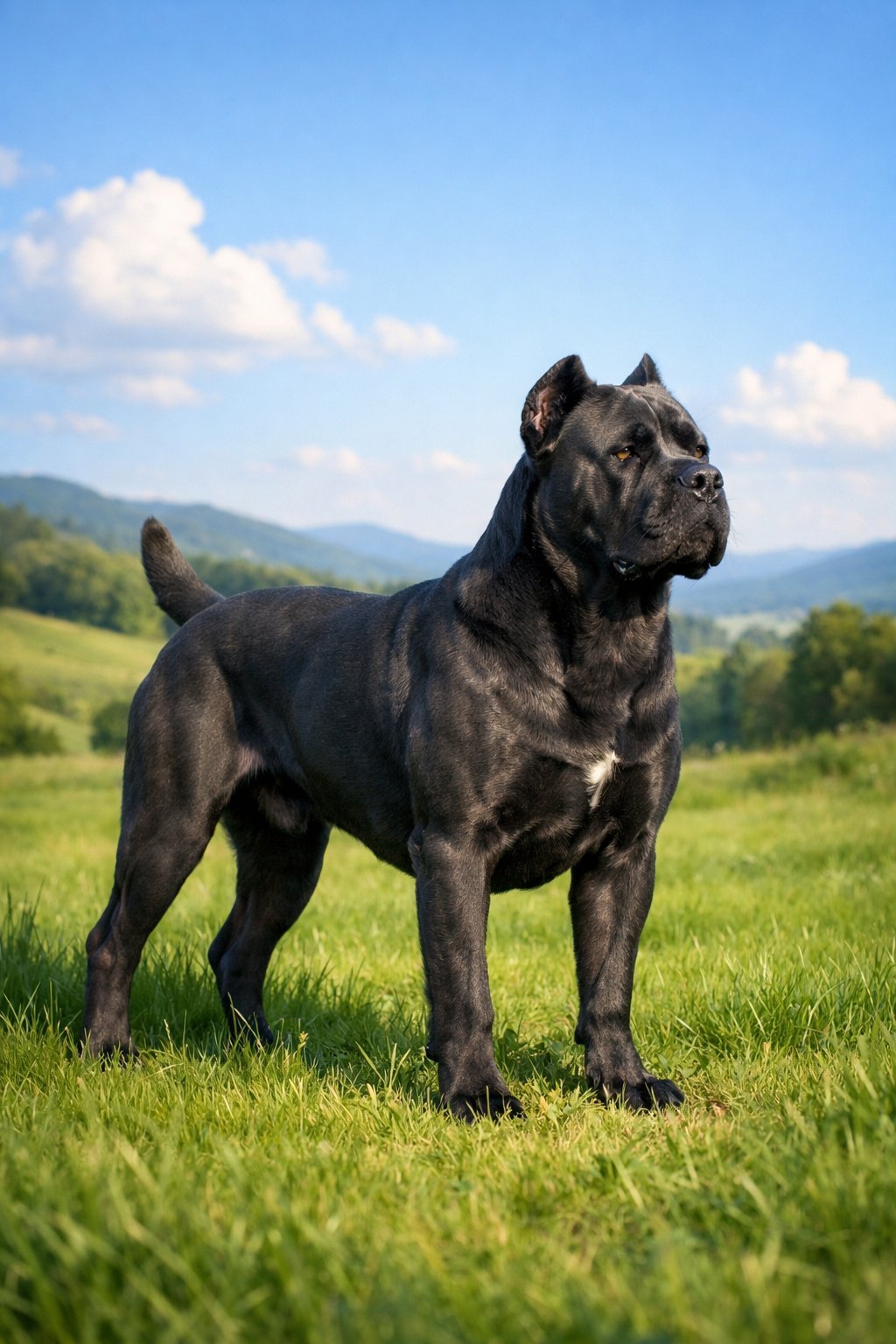
Cane Corsos are generally healthy dogs, but like all large breeds, they face specific health challenges that require attention. Proper nutrition, regular exercise, and preventative care play major roles in keeping these powerful dogs thriving throughout their lives.
Common Health Concerns
I’ve learned that Cane Corsos are prone to several health issues that owners should monitor closely. Hip dysplasia is one of the most common problems, where the hip joint doesn’t form properly and can lead to arthritis or pain over time.
Bloat is another serious concern for this breed. This life-threatening condition happens when the stomach fills with gas and twists.
I always recommend feeding multiple small meals instead of one large meal to reduce this risk. Eye problems can affect Cane Corsos, including cherry eye and entropion.
Cherry eye occurs when the gland in the third eyelid protrudes, while entropion causes the eyelid to roll inward. Heart conditions like dilated cardiomyopathy can develop in some dogs.
This disease weakens the heart muscle and affects its ability to pump blood effectively. Regular vet checkups help catch these issues early.
Nutrition and Diet
Feeding your Cane Corso properly requires attention to their size and activity level. I recommend choosing high-quality dog food that meets AAFCO standards for large breed dogs.
Protein should be a primary ingredient in their diet. Look for foods with real meat listed first, like chicken, beef, or fish.
Adult Cane Corsos typically need 4-8 cups of food daily, divided into two meals.
Key nutritional needs include:
- High-quality protein for muscle maintenance
- Glucosamine and chondroitin for joint health
- Omega-3 fatty acids for coat and skin
- Controlled calcium levels to support bone growth
Puppies need special attention to their diet. I avoid foods with excessive calcium or calories that can cause them to grow too quickly, which puts stress on developing joints.
Exercise Needs
My experience shows that Cane Corsos need substantial daily exercise to stay healthy and happy. I aim for at least 60-90 minutes of activity each day, split into multiple sessions.
These dogs enjoy various activities beyond simple walks. Running, hiking, and playing fetch help burn their energy.
Swimming is excellent because it provides low-impact exercise that’s gentle on their joints.
Mental stimulation matters just as much as physical exercise. I incorporate training sessions, puzzle toys, and new environments to keep their minds engaged.
Young puppies need shorter, gentler exercise sessions. I limit intense running or jumping until they’re fully grown at around 18-24 months to protect their developing bones and joints.
Preventative Care
Regular veterinary visits form the foundation of maintaining your Cane Corso’s well-being. I schedule checkups every 6-12 months for adult dogs, with more frequent visits for puppies and senior dogs.
Vaccinations protect against serious diseases. Core vaccines include rabies, distemper, parvovirus, and adenovirus.
My vet helps determine which additional vaccines my dog needs based on lifestyle and location.
Essential preventative care includes:
- Monthly heartworm prevention medication
- Flea and tick control year-round
- Regular dental cleanings and daily teeth brushing
- Nail trims every 3-4 weeks
I monitor my Cane Corso’s weight carefully since obesity puts extra strain on joints and organs. Keeping detailed health records helps me track any changes or patterns that might indicate developing problems.
Living With a Cane Corso
I’ve found that Cane Corsos need at least 1,000 square feet of living space, daily exercise of about an hour, and minimal grooming despite their short coats. These dogs adapt well to home life when given proper attention to their environment, regular care routines, and opportunities for outdoor activities.
Home Environment Requirements
I recommend having at least 1,000 square feet of living space for my Cane Corso to move around comfortably. A secure yard with 6-foot fencing is important because these dogs are powerful and can jump surprisingly high.
Inside my home, I make sure to create cozy rest areas where my dog can relax. I use large, durable dog beds in quiet corners away from heavy foot traffic.
These dogs can thrive in apartments with proper training and exercise. I need to commit to multiple daily walks and outdoor time.
I also puppy-proof my space by removing breakable items from low surfaces. My Cane Corso’s tail is strong and can knock things over easily.
Grooming and Maintenance
My Cane Corso has a short, dense coat that sheds moderately throughout the year. I brush my dog once or twice a week with a rubber curry brush or grooming mitt to remove loose hair.
Bathing is only needed every 6-8 weeks unless my dog gets particularly dirty. I use a mild dog shampoo and make sure to rinse thoroughly.
I trim my dog’s nails every 2-3 weeks to prevent overgrowth and splitting. Regular nail care is important for proper foot structure.
I also check and clean my Cane Corso’s ears weekly to prevent infections, especially since their cropped or floppy ears can trap moisture.
Dental care is something I don’t skip. I brush my dog’s teeth several times a week to prevent tartar buildup and gum disease.
Travel and Outdoor Activities
I make sure my Cane Corso gets at least an hour of exercise and mental stimulation each day.
Long walks, jogging, and play sessions in a secure area keep my dog physically fit and mentally satisfied.
When traveling by car, I use a heavy-duty crate or dog seatbelt harness designed for large breeds.
My Cane Corso weighs between 90-110 pounds, so proper restraint is essential for safety.
I always bring plenty of water, a collapsible bowl, and my dog’s regular food when traveling.
Sudden diet changes can upset my Cane Corso’s stomach.
I also pack a first aid kit and keep my dog’s veterinary records accessible.
For outdoor adventures, I keep my Cane Corso on leash in public spaces.
These dogs have strong protective instincts and may react to unfamiliar people or animals.

