Cute Small Dogs That Make Perfect Companions for Any Home

Small dogs pack huge amounts of personality into tiny bodies. These little dogs are full of personality, charm, and cuddles, making them ideal for apartment dwellers, families, and pet parents who want a compact but affectionate companion.
I’ve always found that cute small dogs have a special way of winning hearts wherever they go.
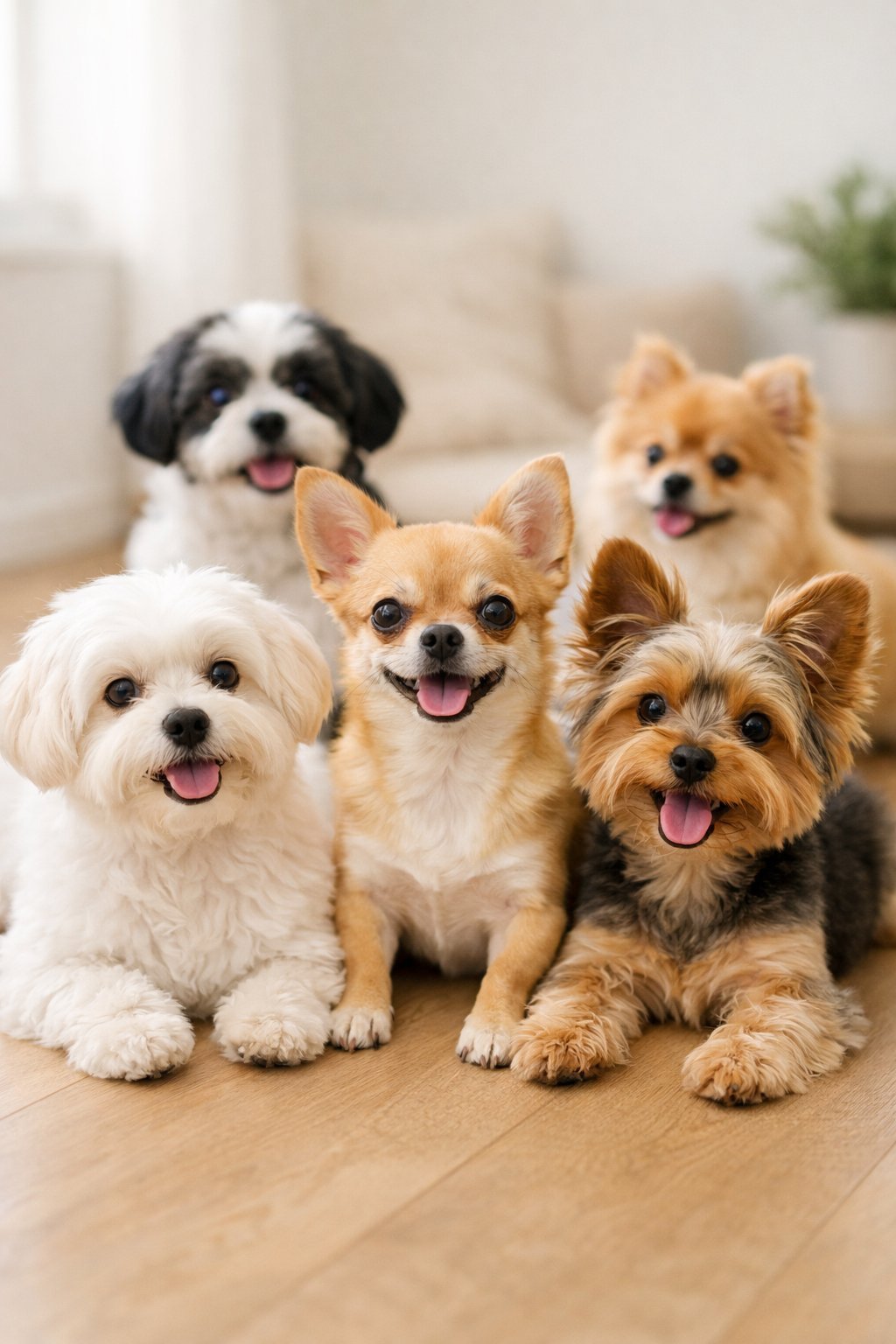
What makes these pint-sized pups so appealing? They fit well in smaller living spaces and are easy to travel with.
Many small dog breeds adapt easily to smaller homes and offer big personalities despite their compact size.
In this guide, I’ll walk you through everything you need to know about cute small dogs. You’ll learn about the most popular breeds, how to pick the right one for your life, and how to care for your new tiny friend.
Key Takeaways
- Small dogs combine adorable looks with strong personalities that make them great companions for various living situations
- Picking the right small breed depends on your lifestyle, living space, and how much time you can spend on care and activities
- Small dogs need proper nutrition, regular vet visits, and fun activities to stay healthy and happy despite their compact size
What Makes Cute Small Dogs Special?
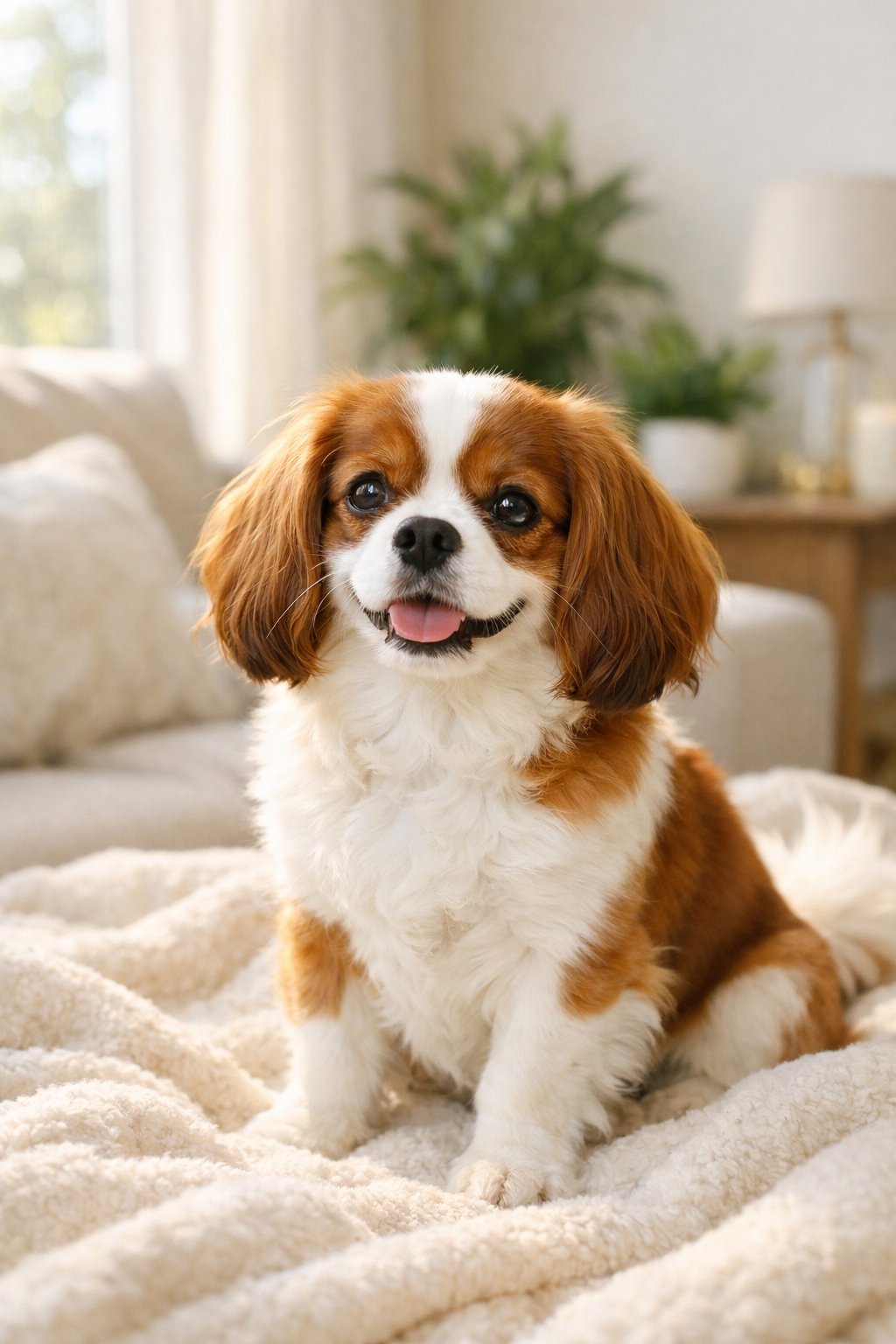
Small dogs pack an incredible amount of charm into their tiny bodies, from their button noses and expressive eyes to their bold personalities that often seem too big for their compact frames.
Distinctive Characteristics
I’ve noticed that small dogs share several physical features that make them irresistible. Their compact size typically ranges from 5 to 25 pounds, making them easy to carry and cuddle.
Many small dog breeds have adorable looks including fluffy coats, perky ears, and large eyes that seem to sparkle with emotion. Their petite stature means they fit perfectly in laps and small spaces.
I find that their proportions often give them a puppy-like appearance throughout their lives, which adds to their appeal. Many small breeds have distinctive features like the Yorkshire Terrier’s silky coat or the Chihuahua’s apple-shaped head.
Small dogs also tend to live longer than larger breeds, often reaching 12 to 16 years or more. This extended lifespan means more years of companionship with your furry friend.
Personality Traits
Despite their small size, these dogs have huge personalities. Small dogs can be more excitable and vocal than their larger counterparts, often barking at strangers or other dogs.
I’ve learned this trait comes from their confident nature and protective instincts. Many small breeds show surprising courage and spunk.
They don’t seem to realize how tiny they are and will stand up to much bigger dogs without hesitation. This fearless attitude makes them entertaining companions.
Small dogs also tend to form strong bonds with their owners. They’re often affectionate and enjoy being close to their humans, whether that means sitting on your lap or following you from room to room.
Their loyalty and devotion create deep emotional connections.
Why People Love Small Breeds
I understand why small dogs are perfect for those with limited space. They adapt well to apartments and smaller homes where a large dog might feel cramped.
Their compact size means they need less room to exercise and play. Practical benefits include:
- Lower food costs compared to large breeds
- Easier to travel with in cars or planes
- Less physical strength needed for walks and handling
- Simpler grooming and bathing due to their size
Small dogs offer the perfect combination of cuteness, compact size, and big personalities. They provide all the companionship of a larger dog while fitting seamlessly into modern lifestyles.
I find that their portable nature means they can join me on more adventures and outings.
Popular Breeds of Cute Small Dogs
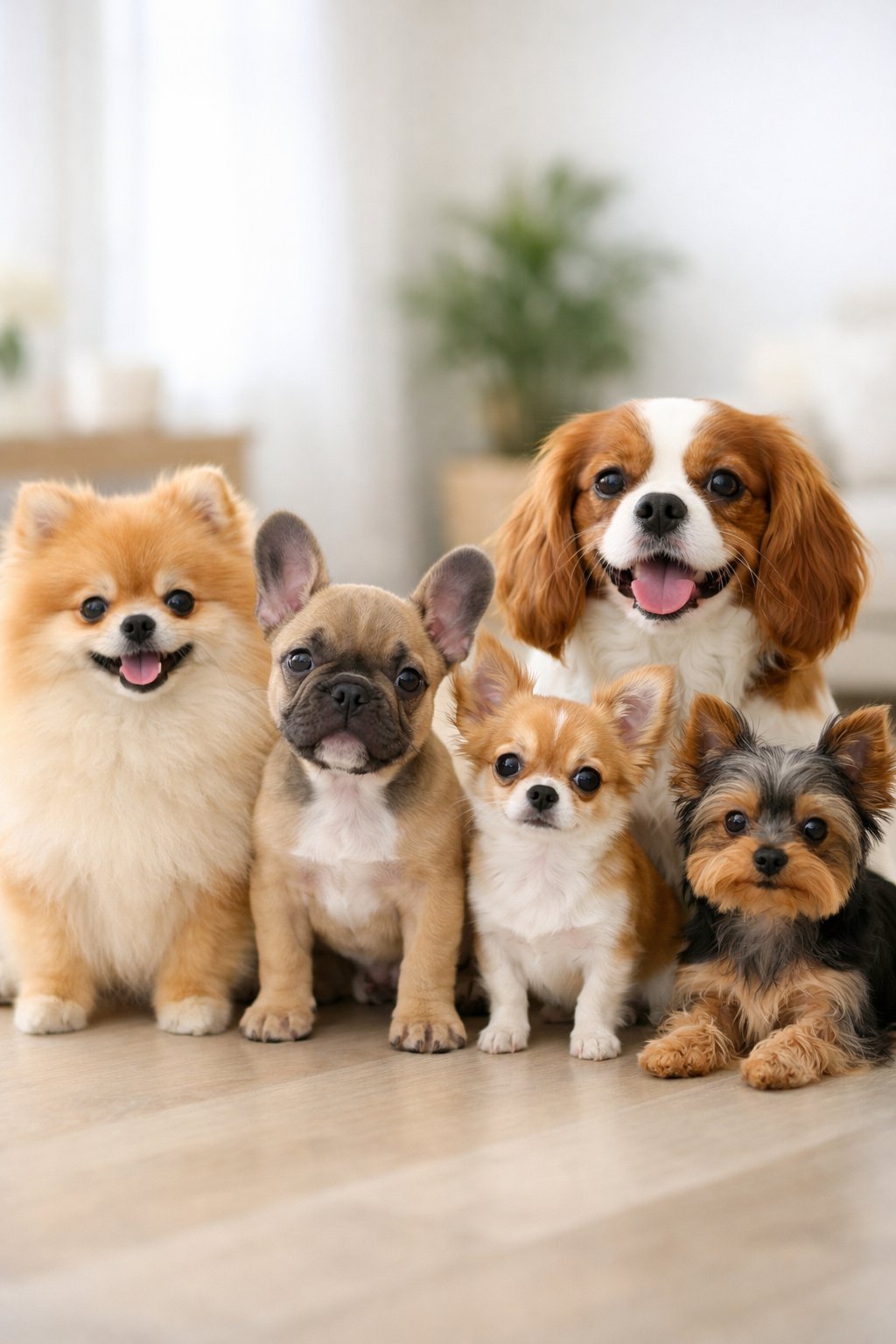
These breeds combine adorable looks with friendly personalities that make them favorites among dog lovers. Each brings its own special traits, from fluffy coats to expressive faces.
Pomeranian
I find Pomeranians to be one of the fluffiest and most expressive small dog breeds you can adopt. These tiny dogs weigh between 3 to 7 pounds and have thick double coats that make them look like little balls of fur.
Their fox-like faces and alert expressions give them an adorable appearance. Pomeranians come in many colors, including orange, black, white, and cream.
Despite their small size, these dogs have big personalities. They are confident, playful, and love being the center of attention.
I appreciate that they make excellent companions for apartment living. Pomeranians need regular grooming to keep their coats looking their best.
They are also quite vocal and will alert you to visitors or unusual sounds. These dogs are smart and can learn tricks quickly with proper training.
French Bulldog
French Bulldogs have become incredibly popular thanks to their bat-like ears and wrinkled faces. These dogs typically weigh under 28 pounds and have compact, muscular bodies.
I love their calm and affectionate nature. French Bulldogs are known for being excellent family pets who get along well with children and other animals.
Their short coats require minimal grooming, which makes them fairly low-maintenance. They come in colors like brindle, fawn, white, and combinations of these shades.
French Bulldogs don’t need much exercise compared to other breeds. These dogs do best in moderate climates.
Their flat faces can make breathing difficult in extreme heat or cold. I recommend keeping them indoors during hot weather and providing plenty of water.
Cavalier King Charles Spaniel
The Cavalier King Charles Spaniel stands out among cute small dog breeds with its gentle and loving personality. These dogs weigh between 13 to 18 pounds and have silky, flowing coats.
Their large, round eyes and sweet expressions make them look perpetually puppy-like. I find their ears particularly charming, as they frame their faces beautifully with long, feathered fur.
Cavaliers are incredibly affectionate and thrive on human companionship. They adapt well to different living situations, from apartments to houses with yards.
These dogs are great with children and other pets. Their coats need regular brushing to prevent tangles and mats.
Cavaliers enjoy moderate exercise like daily walks and playtime. I appreciate that they’re not overly demanding but still enjoy staying active.
Yorkshire Terrier
Yorkshire Terriers, or Yorkies, are tiny dogs with big attitudes. They typically weigh only 4 to 7 pounds, making them one of the smallest breeds that stay compact throughout their lives.
Their long, silky coats are a defining feature. The coat is tan and steel blue, and it can grow quite long if not trimmed regularly.
I admire their confident and feisty personalities. Yorkies don’t seem to realize how small they are and often act like much larger dogs.
They make excellent watchdogs despite their size. These dogs require regular grooming to maintain their beautiful coats.
Many owners keep their Yorkies in shorter “puppy cuts” for easier maintenance. Yorkies are intelligent and trainable but can be stubborn at times.
Choosing the Right Small Dog for Your Lifestyle
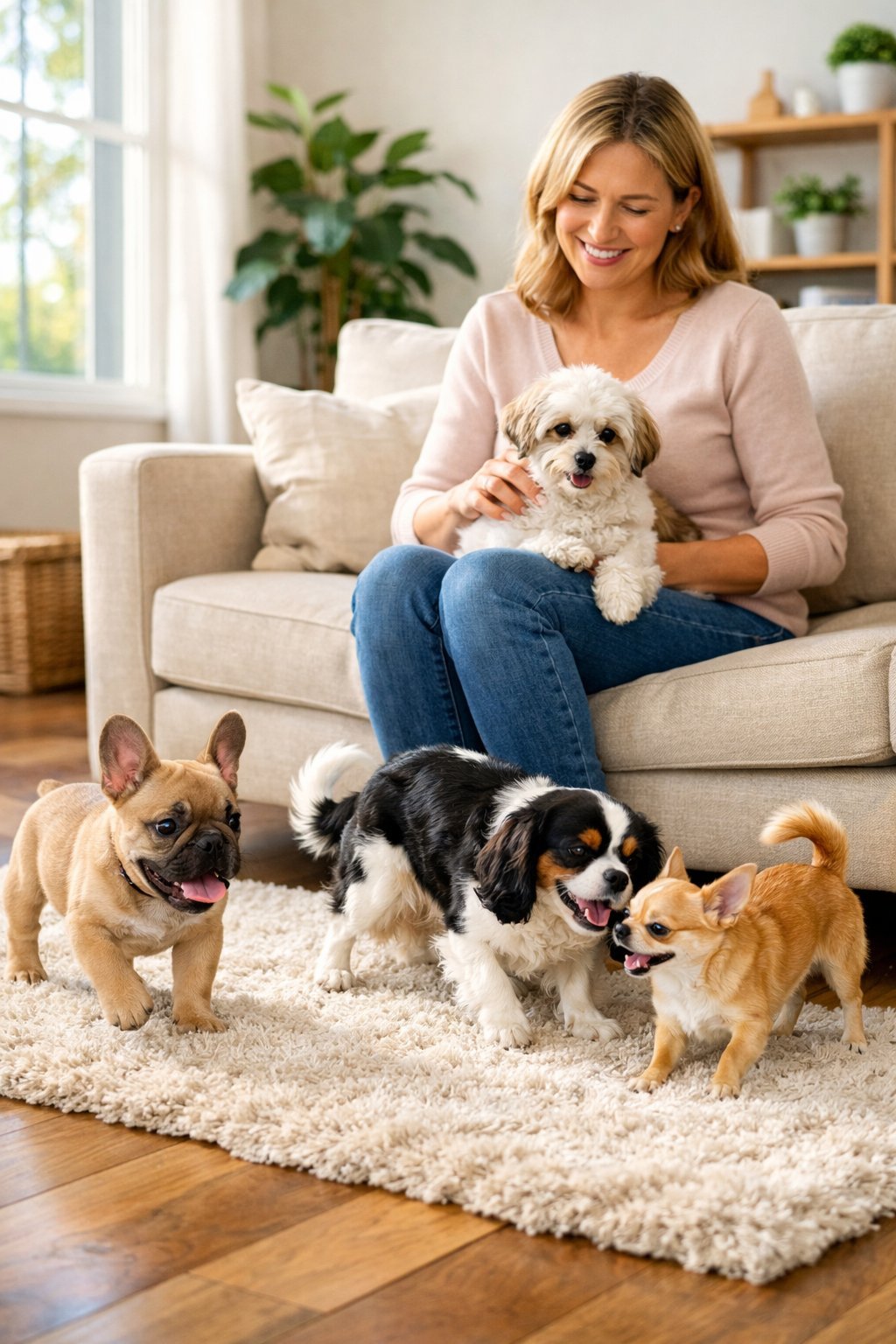
When I look for a small dog, I think about my daily routine, living space, and family needs to find the best match. Different breeds work better for families, apartments, or people with allergies.
Family-Friendly Options
I’ve found that certain small dog breeds make excellent family pets because they’re gentle with children and enjoy group activities. Cavalier King Charles Spaniels are patient and affectionate, making them great for households with young kids.
Beagles bring playful energy and sturdy builds that can handle active play. Pugs offer a calm temperament that works well in busy homes.
Boston Terriers are friendly and adaptable to different family situations. When I consider a family dog, I look for breeds that aren’t easily startled and can tolerate noise.
Patience with children is the most important trait. I also check if the breed needs constant supervision around kids or can handle some independence.
Best Breeds for Apartment Living
Small dogs are generally easy to transport and typically have lower food costs than large breeds, which makes them perfect for limited spaces. French Bulldogs don’t need much exercise and stay quiet most of the time.
Shih Tzus adapt well to indoor living and don’t require large yards. Maltese dogs are content with short walks and indoor play.
Yorkshire Terriers need minimal space and can get exercise through indoor activities. I focus on energy levels when choosing an apartment dog.
Breeds that bark less are better for close neighbors. I also consider grooming needs since apartment living means more indoor shedding.
Low-Shedding Small Breeds
I prefer low-shedding breeds when I want to keep my home cleaner and reduce allergies. Bichon Frises have curly coats that trap loose hair and shed very little.
Miniature Schnauzers have wiry coats that don’t drop much fur around the house. Havanese dogs shed minimally but need regular brushing.
Portuguese Water Dogs (in their smaller sizes) have hypoallergenic coats. Regular grooming is still necessary for these breeds even though they shed less.
I schedule professional grooming every 6-8 weeks. Daily brushing prevents matting and keeps their coats healthy.
Caring for Your Cute Small Dog
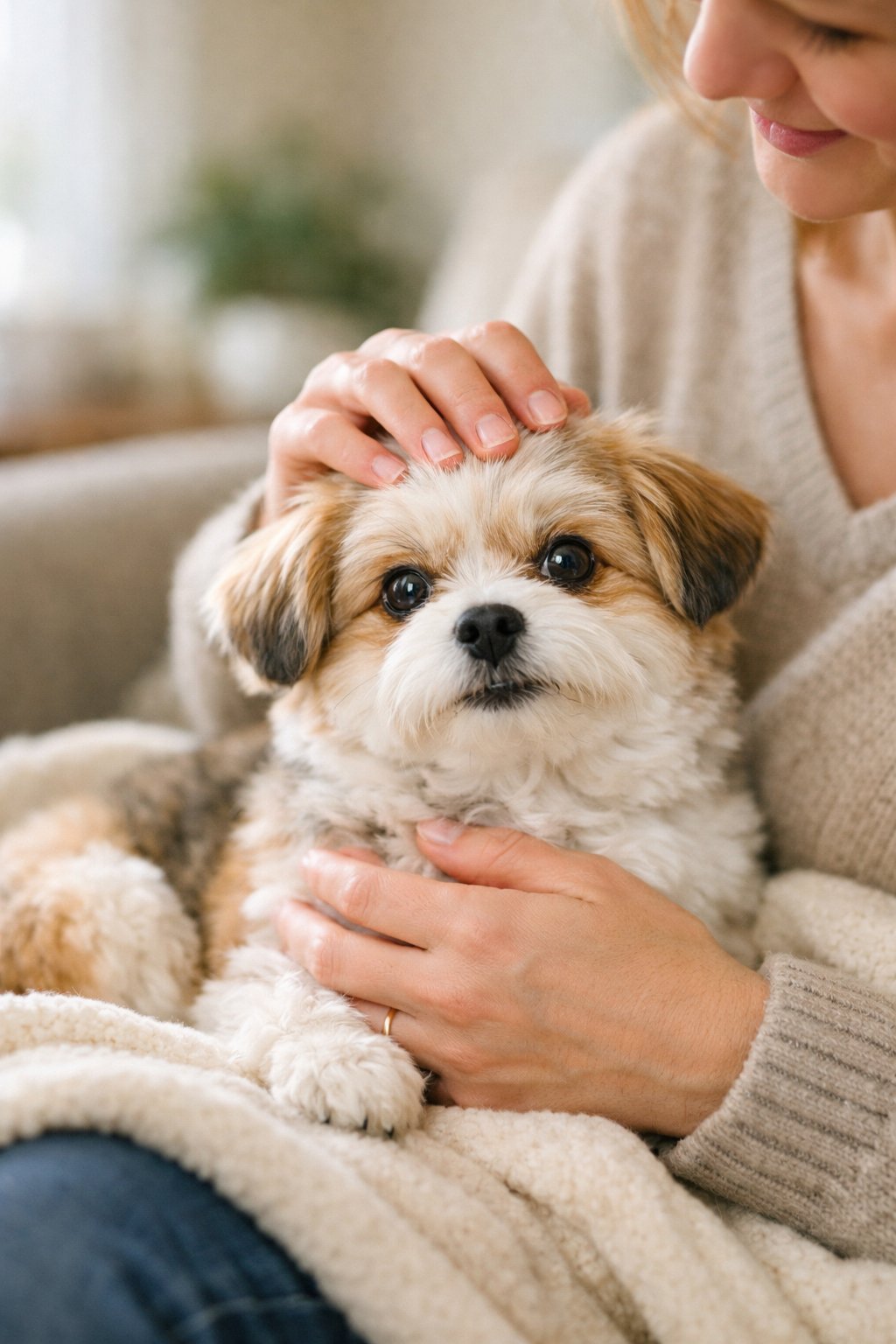
Small dogs need attention in three main areas to stay healthy and happy. I focus on regular grooming, daily exercise that matches their size, and food portions designed for their smaller bodies.
Grooming Essentials
I brush my small dog at least two to three times per week to prevent mats and tangles in their coat. Long-haired breeds need daily brushing, while short-haired dogs can go a few days between sessions.
I trim my dog’s nails every three to four weeks because overgrown nails can cause pain and walking problems. Small dogs often don’t wear down their nails naturally like bigger dogs do.
I check and clean my dog’s ears weekly to prevent infections. Small breeds can be prone to ear issues, especially those with floppy ears that trap moisture.
Dental care is important for small dog breeds because they’re more likely to develop tooth problems. I brush my dog’s teeth three times per week with dog-safe toothpaste.
I give my small dog a bath every four to six weeks, or when they get dirty. Too much bathing can dry out their skin.
Exercise Needs
I make sure my small dog gets 30 to 60 minutes of exercise each day. This can be broken into shorter walks of 15 to 20 minutes each.
Small dogs have lots of energy despite their size. I play indoor games like fetch or hide-and-seek when the weather is bad outside.
I avoid over-exercising my small dog in extreme heat or cold. Their bodies lose heat faster and they can get tired more quickly than large dogs.
I let my dog set the pace during walks. If they seem tired or start lagging behind, I know it’s time to head home.
Mental exercise is just as important as physical activity. I use puzzle toys and training sessions to keep my dog’s mind sharp.
Nutrition Tips
I feed my small dog food specifically made for small breeds. These formulas have smaller kibble sizes and the right balance of nutrients for their metabolism.
Small dogs need more calories per pound of body weight than large dogs. However, I’m careful not to overfeed because small portions are important for their health.
I divide my dog’s daily food into two or three smaller meals. This prevents low blood sugar, which small breeds can experience if they go too long without eating.
I measure every meal with a cup or scale to avoid weight gain. Extra pounds put stress on my small dog’s joints and organs.
I limit treats to 10% of my dog’s daily calories. I use small training treats or break larger treats into tiny pieces.
I always keep fresh water available. Small dogs can dehydrate quickly, especially after playtime or on warm days.
Fun Activities and Accessories for Small Dogs
Small dogs need mental stimulation and physical exercise just like larger breeds. The right toys and gear make daily life more enjoyable for both of us.
I’ve found that choosing size-appropriate accessories ensures my small dog stays comfortable and safe during playtime and adventures.
Interactive Toys
Interactive toys keep my small dog mentally sharp and physically active throughout the day. I look for squeaky plush toys designed specifically for small breeds that fit their mouth size and don’t overwhelm them.
Puzzle toys work great for food-motivated dogs. I fill them with treats and watch my pup figure out how to get the reward.
This type of play prevents boredom and reduces destructive behaviors when I’m away.
Squeaky toy sets with multiple characters give my dog variety to keep them interested. I rotate toys every few days so they don’t get bored with the same ones.
Soft plush options are gentle on small teeth and gums while still providing satisfying textures to chew.
Stylish Outfits
Small dogs can benefit from clothing that provides warmth and protection. I dress my small dog in sweaters during cold weather because they lose body heat faster than larger breeds.
Bandanas and bow ties add personality without restricting movement. I find these cute dog accessories perfect for special occasions or just everyday fun.
They’re easy to put on and take off.
I prioritize comfort over fashion when choosing outfits. I make sure clothes fit properly without rubbing or restricting my dog’s ability to move, sit, or go to the bathroom.
Traveling With Small Dogs
I use properly fitted harnesses and leashes when traveling with my small dog.
Small dog harnesses and gear designed for comfort prevent injury and give me better control during walks.
Car safety is essential for small dogs.
I secure my dog with a car harness or use a pet carrier that fastens with a seatbelt.
This prevents them from becoming a projectile during sudden stops.
Life jackets are necessary if I plan water activities with my small dog.
Many small breeds aren’t natural swimmers and tire quickly in water.