DIY Dog Bandana: Easy No-Sew Tutorial for Your Furry Friend

Making a dog bandana at home is one of the easiest and most rewarding craft projects you can do for your furry friend. You can create a custom dog bandana in under 30 minutes with just basic fabric and either simple sewing skills or no sewing at all.
I’ve made dozens of these bandanas over the years. They’re perfect for adding personality to your dog’s look without spending much money.
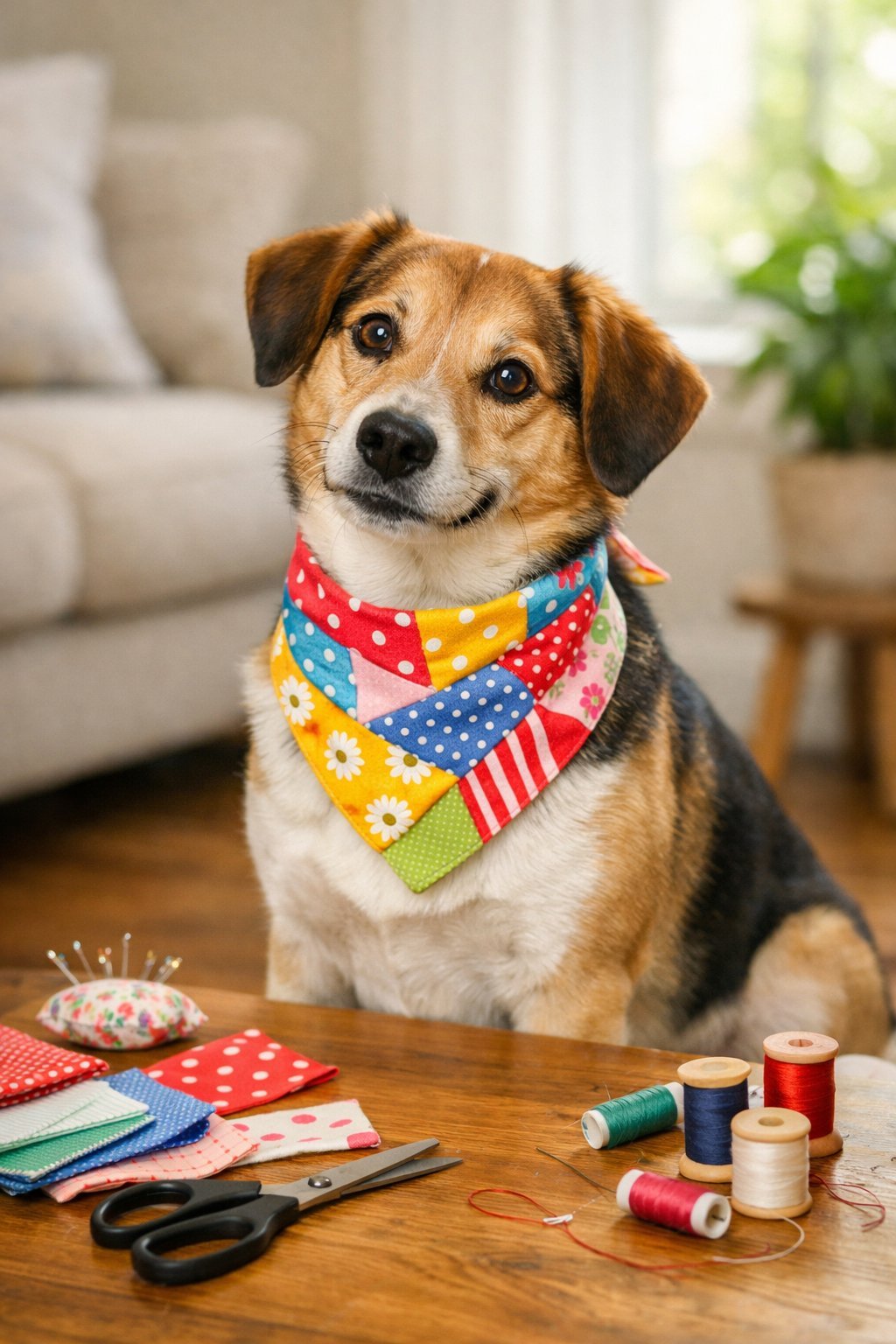
DIY dog bandanas let you choose exactly the colors and patterns you want. You can create something that fits your dog perfectly.
Whether you want a bandana for everyday wear or special occasions, making your own gives you complete control. I love matching my dog’s bandana to holidays, events, or even my own outfit.
You don’t need advanced skills or expensive supplies to get started. With a few fabric scraps and about 15 minutes, you can make something your dog will wear proudly.
I’ll show you everything you need to know to make your first bandana today.
Key Takeaways
- You can make a dog bandana with basic fabric using either sewing or no-sew methods in under 30 minutes.
- Custom bandanas let you choose patterns and sizes that fit your dog perfectly while saving money.
- Simple care like regular washing and proper storage will keep your homemade bandanas looking great for years.
Essential Materials for DIY Dog Bandanas
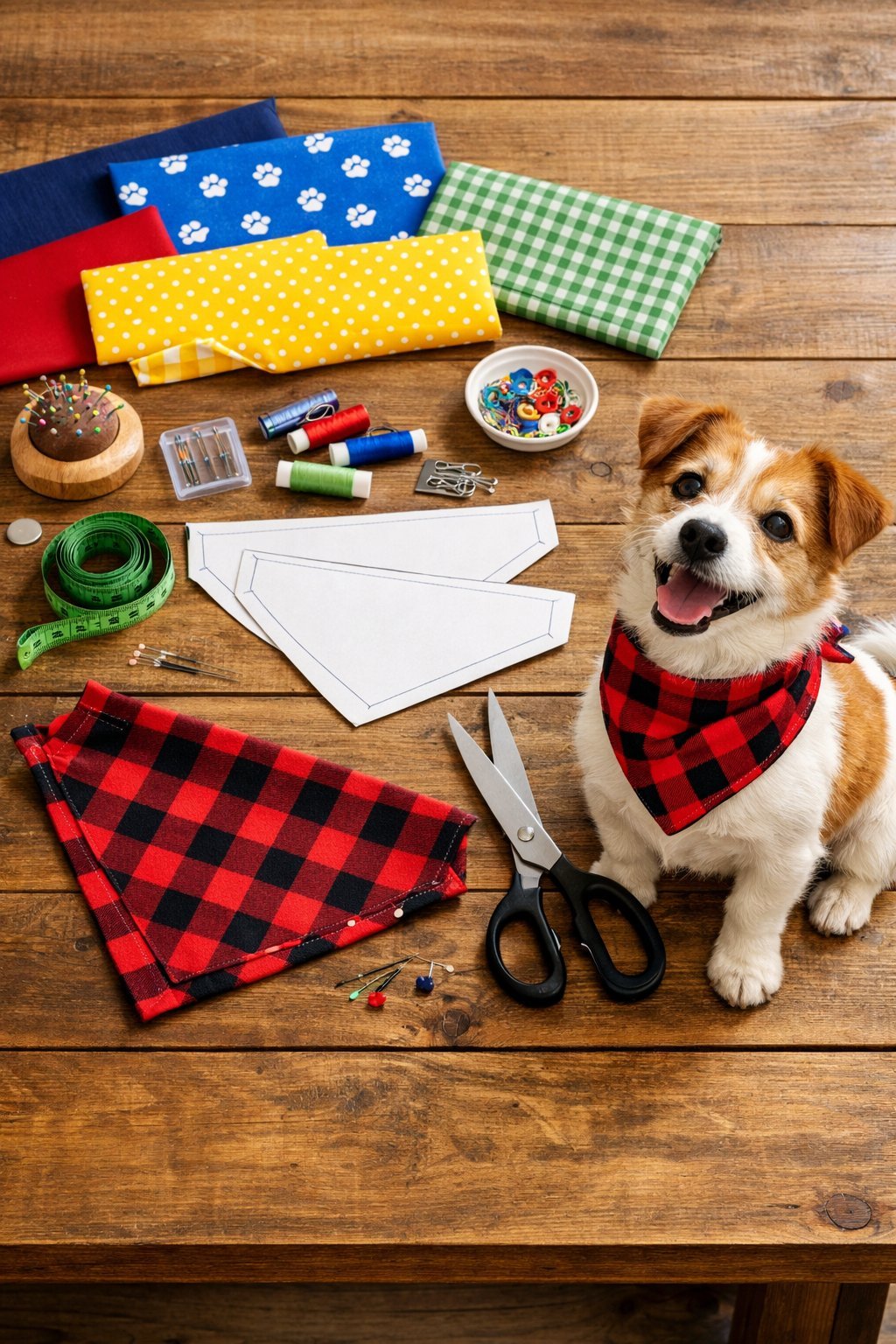
The right fabric and tools make creating dog bandanas much easier. Safe accessories ensure your pet stays comfortable and secure.
Choosing the Best Fabric
I always recommend cotton fabric for dog bandanas. It’s soft, breathable, and holds up well in the wash.
Cotton comes in endless patterns and colors, so you can match your dog’s personality perfectly. Flannel works great for cooler weather because it’s warm and cozy.
Lightweight cotton is better for summer months since it won’t make your dog overheat. I avoid fabrics that fray easily or have a slippery texture.
Quilting cotton is my go-to because it’s thick enough to hold its shape but thin enough to tie comfortably. The fabric should be at least 100% cotton or a cotton blend with minimal synthetic fibers.
Pre-washing the fabric before starting is important. This prevents shrinking later and removes any chemicals that might irritate your dog’s skin.
Must-Have Tools and Supplies
For a basic dog bandana, I need sharp fabric scissors or a rotary cutter for clean edges. A cutting mat protects my work surface when using a rotary cutter.
I use a ruler or measuring tape to get accurate measurements for my dog’s neck size. Picking the right materials and tools helps bring the project to life.
For sewing projects, I use a sewing machine or needle and thread. Straight pins or fabric clips help keep things in place.
An iron and ironing board are handy for crisp edges. A fabric marker or chalk makes marking lines easier.
No-sew bandanas require even fewer supplies. Just fabric and scissors will do, but fabric glue or hem tape can help finish edges without sewing.
Selecting Safe Accessories
I choose accessories that won’t pose a choking hazard or get caught on things. Small buttons and beads can come loose, so I avoid them.
Breakaway snaps are my preferred closure method because they release if my dog gets snagged. Regular snaps or Velcro work too, but they need to be sewn on securely.
I skip decorative items with sharp edges or pieces that dangle. Embroidered designs or fabric paint are safer options for adding personality.
Any elastic I use should be soft and not too tight around my dog’s neck. Metal D-rings can work for slide-on styles, but I make sure they’re smooth with no rough spots.
Simple Step-by-Step Bandana Sewing Tutorial
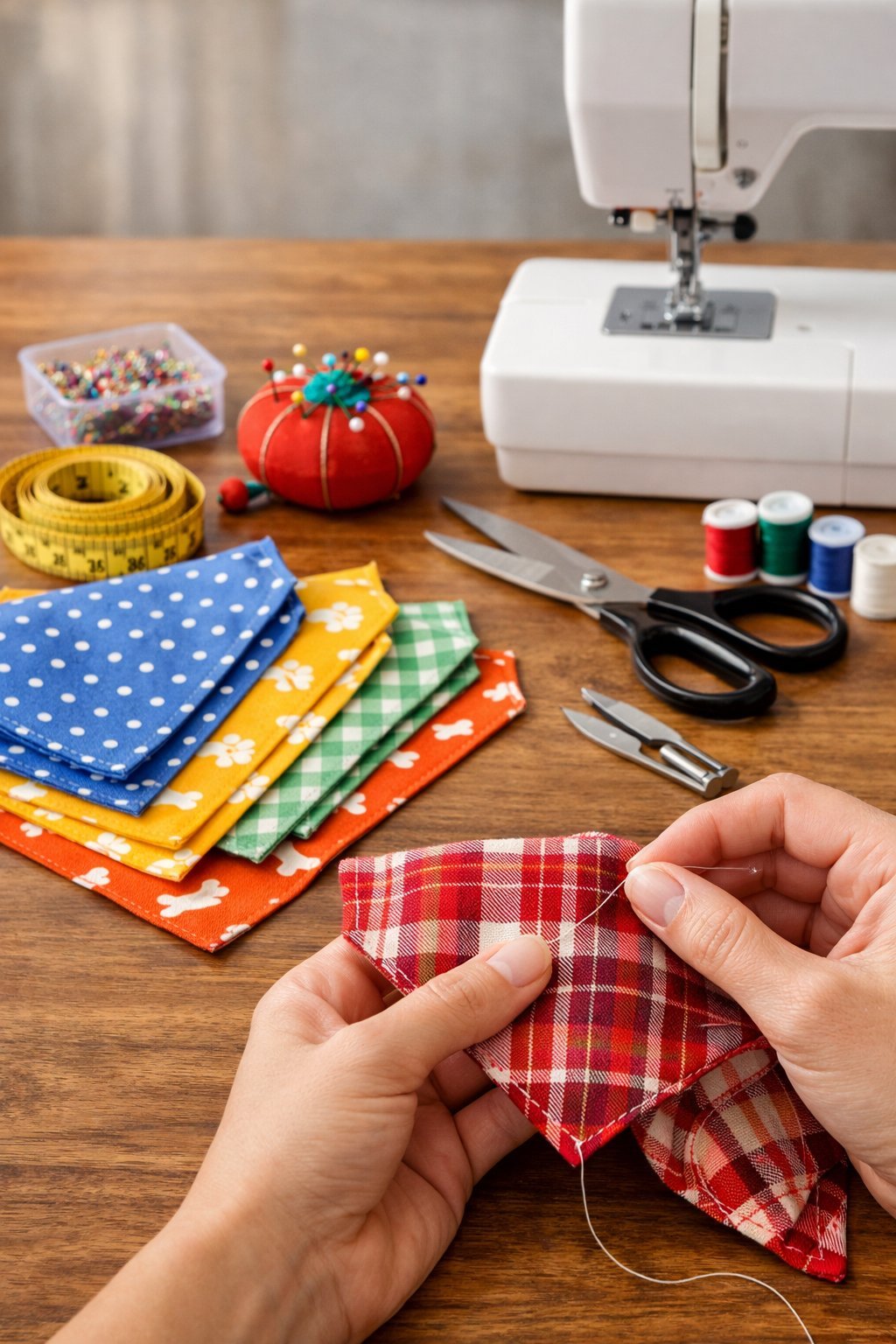
Making a dog bandana takes about 15 minutes once you know the basic steps. I’ll walk you through measuring your fabric, using simple sewing techniques, and finishing the edges so your bandana looks professional.
Measuring and Cutting Fabric
I always start by measuring my dog’s neck to get the right size. Wrap a soft measuring tape around your dog’s neck where the bandana will sit.
Add two inches to that measurement for tying. For a tie-on bandana, I cut a square of fabric based on my dog’s size.
Small dogs need a 14-inch square, medium dogs need an 18-inch square, and large dogs need a 22-inch square. If you want a reversible dog bandana, you’ll need two squares of the same size in different fabrics.
I fold the square in half diagonally to create a triangle shape. This gives me the classic bandana look.
Make sure to iron the fold so it stays crisp while you work.
Sewing Techniques for Beginners
I place my two fabric squares together with the right sides facing each other. The pretty sides touch while the plain sides face out.
Pin the edges to keep them from shifting. Sew around all three edges using a quarter-inch seam allowance, leaving a 3-inch opening on one side to turn the fabric right-side out.
When I reach corners, I slow down and pivot carefully to keep the stitches neat. After sewing, I trim the corners at an angle without cutting through the stitches.
This helps the corners look sharp when I turn the bandana. Then I turn the bandana right-side out through the opening.
Creating a Neat Finish
I use a pencil or chopstick to gently push out the corners from the inside. Be careful not to poke through the fabric.
Once the corners look sharp, I press the whole bandana flat with an iron. The opening I left needs to be closed.
I fold the raw edges inside and pin them together. Then I sew all around the edge of the bandana about an eighth of an inch from the edge.
This is called topstitching, and it closes the opening while giving the bandana a professional look. I press the finished bandana one more time to make sure all the edges lay flat.
No-Sew DIY Dog Bandana Methods
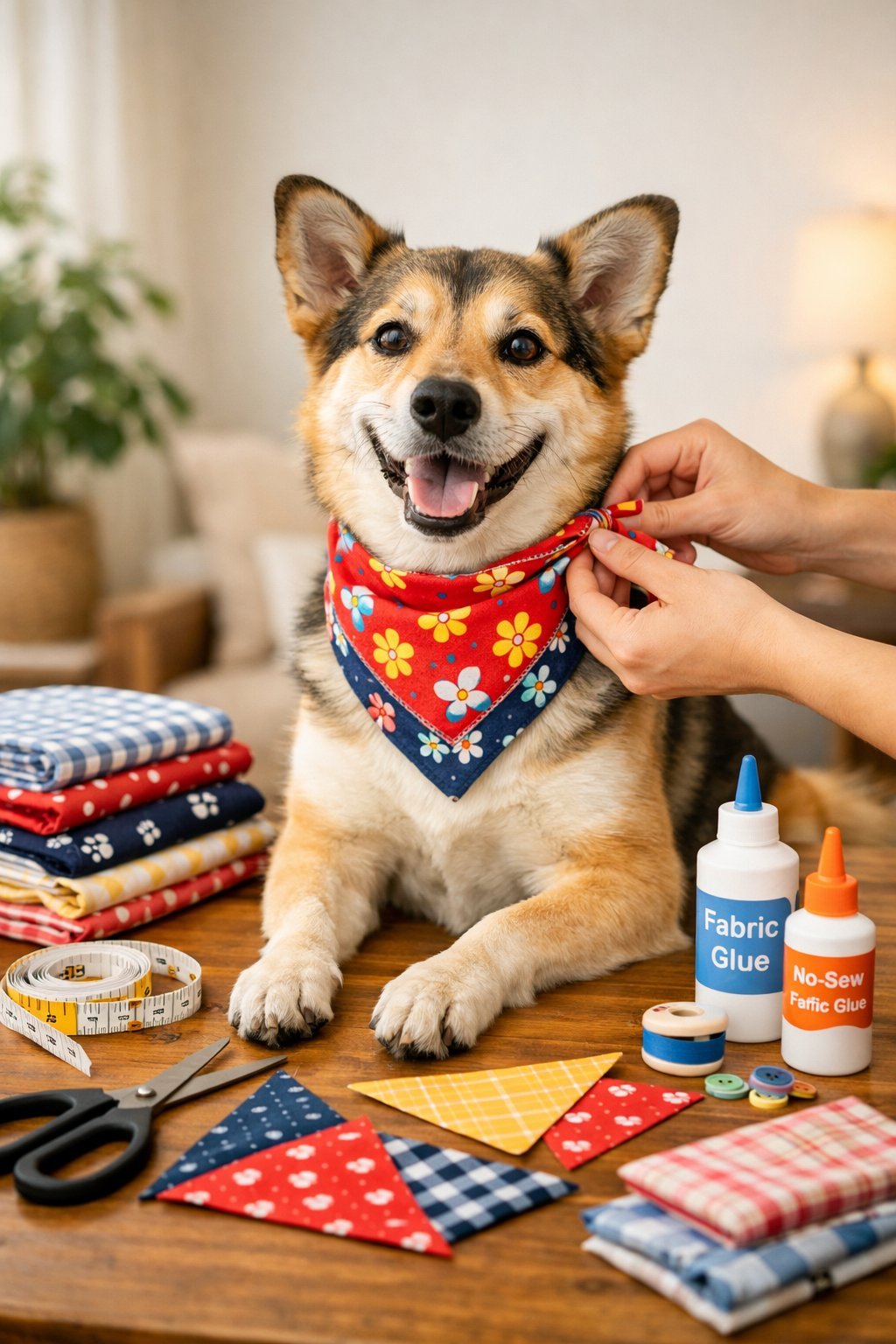
Making dog bandanas without sewing is quick and gives you several creative options. You can use fabric glue for a polished look, transform old clothes into new accessories, or simply fold and tie fabric for an instant bandana.
Using Fabric Glue
Fabric glue works great when I want a finished edge on my dog bandana without pulling out a sewing machine. I cut my fabric into a triangle shape first, making sure the size fits my dog’s neck.
Then I fold the raw edges over about a quarter inch and apply fabric glue along the fold. I press the edges down firmly and let them dry completely before putting the bandana on my dog.
The best fabric glues for this project include:
- Aleene’s Fabric Fusion
- Tear Mender Instant Fabric Adhesive
- Beacon Fabri-Tac
I always test the glue on a scrap piece first to make sure it doesn’t bleed through. The drying time usually takes 24 hours for the strongest hold.
Bandanas from Upcycled Clothing
Old t-shirts, flannel shirts, and jeans make perfect materials for dog bandanas. I look through my closet for clothes with fun patterns or colors that I no longer wear.
For t-shirts, I cut a large triangle from the front or back panel. The knit fabric won’t fray much, so I don’t need to finish the edges.
Flannel shirts work the same way, though I might use pinking shears to reduce fraying. Old jeans create sturdy bandanas that last a long time.
I cut triangles from the pant legs and the denim edges naturally resist fraying. Button-up shirts give me multiple bandanas from one piece of clothing since I can use both the front panels and sleeves.
Tie-and-Fold Techniques
The simplest method I use is cutting fabric with pinking shears and tying it directly around my dog’s collar. I measure a square piece of fabric, fold it diagonally to create a triangle, and I’m done in under five minutes.
For an over-the-collar style, I cut a long strip of fabric and fold it around the collar itself. This keeps the bandana secure without tying knots around my dog’s neck.
I can slide it on and off easily when I remove the collar. Another technique involves rolling the long edge of a triangle before tying.
This creates a thicker band that looks more polished. I tie the ends in a simple knot or bow, leaving enough room for two fingers between the bandana and my dog’s neck.
Creative Customization and Decoration Ideas
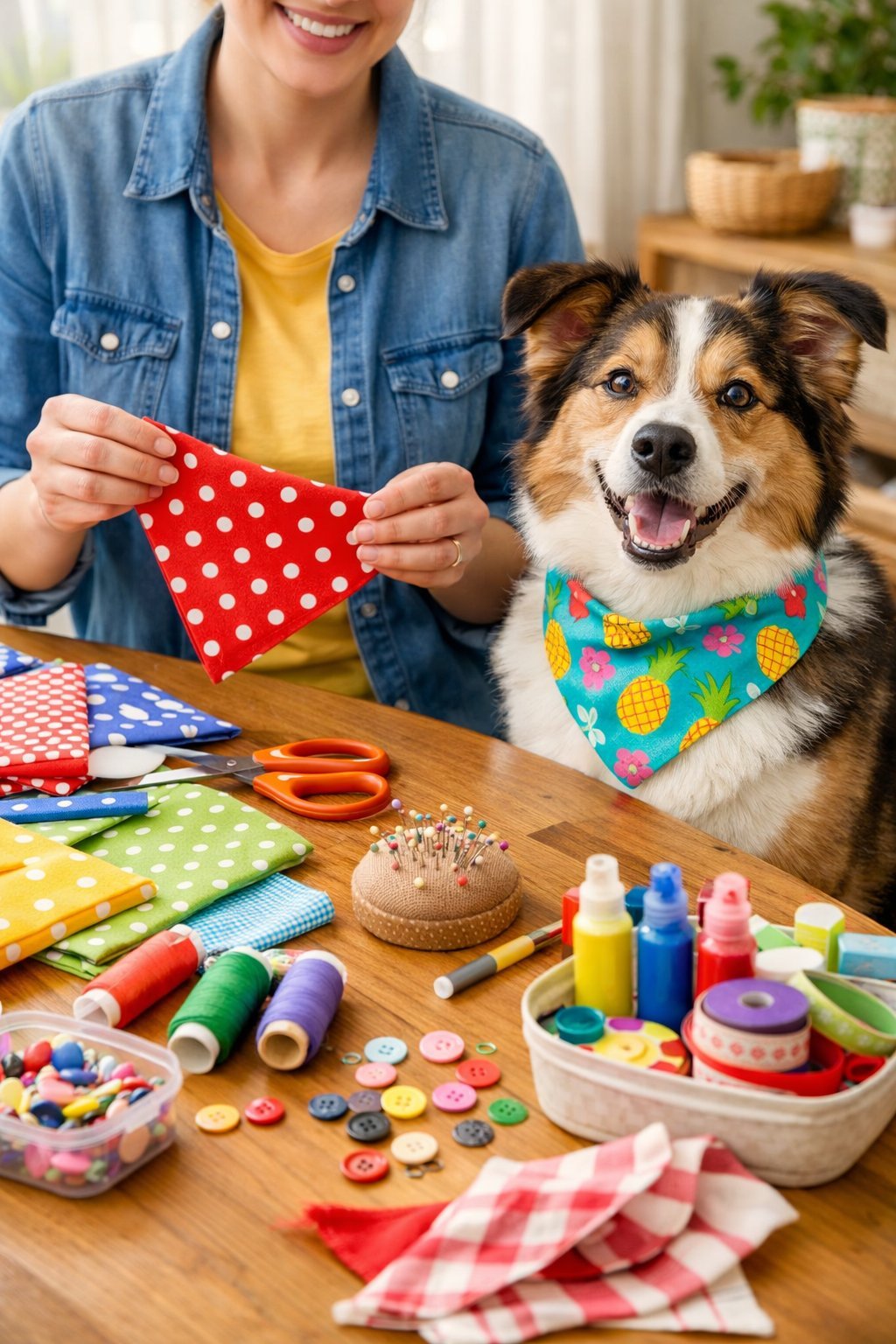
I love transforming plain fabric into unique bandanas that show off my dog’s personality. Adding personal touches through embroidery, colors, and fun extras makes each bandana special.
Personalizing with Embroidery
Embroidery adds a professional touch to homemade bandanas. Stitching my dog’s name onto the fabric makes it easy to identify at the dog park or groomer.
I start with simple block letters if I’m new to embroidery. Using a water-soluble fabric pen, I trace the letters before stitching.
This helps me stay on track and creates clean lines. For embroidery on dog bandanas, I use embroidery floss in colors that contrast with the fabric.
I typically choose a basic backstitch or satin stitch. These stitches are easy to learn and look great.
I also add small designs like paw prints, hearts, or bones. Using a stencil makes this much simpler for beginners.
I always secure the fabric in an embroidery hoop to keep it tight while working.
Adding Patterns and Colors
I choose fabrics with patterns that match my dog’s personality or the season. Holiday prints work great for special occasions, while bright colors are perfect for everyday wear.
Mixing patterns creates visual interest. I pair solid colors with prints, or combine different patterns that share similar colors.
Polka dots with stripes can look fun when done right. Fabric paint gives me endless design options.
I use non-toxic paint to add stripes, spots, or custom shapes. Stencils help me create crisp designs, or I can freehand paint for a more artistic look.
Reversible bandanas let me use two different fabrics in one project. I pick complementary patterns so my dog has two looks in one bandana.
Fun Embellishments
I add small decorations to make bandanas stand out. Buttons, ribbons, and patches give each piece extra personality.
Iron-on patches are my go-to for quick decoration. I pick patches that show my dog’s interests or funny sayings.
They stick securely and withstand multiple washes. I sew small buttons near the corners for a cute detail.
I make sure they’re attached firmly so they don’t come loose. Flat buttons work better than chunky ones since they sit against my dog’s neck.
Ribbon trim along the edges adds a finished look. I use grosgrain or satin ribbon in coordinating colors.
Pom-pom trim or rick-rack also creates a playful touch for festive bandanas.
Caring for and Maintaining Your Dog’s Bandana
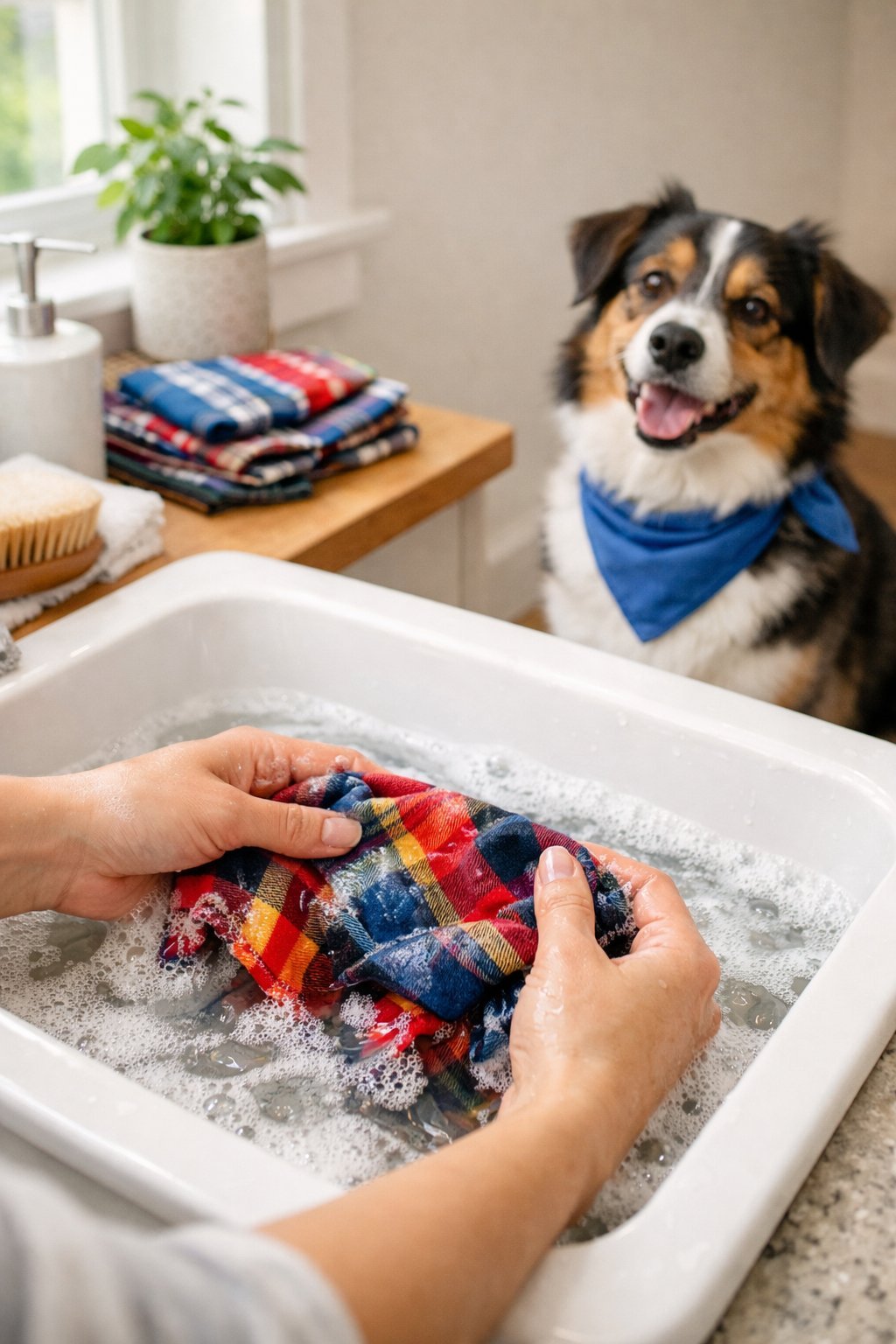
Keeping your dog’s bandana clean helps it last longer and keeps your pup comfy. Using the right washing and storage methods makes a big difference in how your bandana looks over time.
Washing and Drying Tips
Wash your dog’s bandana after every few wears, or anytime it gets dirty or smelly. Hand washing works well, but you can also toss it in the washing machine with cold water and a pet-safe detergent.
Always check the care instructions for the fabric before washing. Cotton bandanas usually handle machine washing, but delicate fabrics might need a gentler touch.
Avoid using hot water, since it can shrink or fade the fabric. Stick with cold water and mild detergent to keep the colors bright.
After washing, air dry the bandana by hanging it on a clothesline or laying it flat on a towel. If you use a dryer, set it to low heat to prevent shrinking.
Ensuring Comfort and Safety
Check the bandana regularly for loose threads, frayed edges, or weak spots that could tear. These issues can turn into choking hazards if your dog chews on the bandana.
Make sure the bandana fits just right each time you put it on your dog. It should be snug enough to stay put, but loose enough that you can fit two fingers between the bandana and your dog’s neck.
Never leave a bandana on your dog when you’re not around to supervise. Dogs can get their bandanas caught on things, which can be dangerous.
Watch for signs that the bandana is bothering your dog, like scratching or trying to pull it off.
Storage Suggestions
I store clean bandanas in a dry, cool place away from direct sunlight. Sunlight can fade the colors and weaken the fabric.
I fold my bandanas neatly and keep them in a drawer or storage box. This helps prevent wrinkles and keeps them organized.
I like to separate bandanas by season or occasion. Holiday-themed ones go together, and I keep everyday bandanas in another spot.
I avoid storing damp or dirty bandanas. This helps prevent mold and unpleasant smells.