
DIY Dog Beds for Large Dogs: Easy and Affordable Projects to Make at Home

Diy Dog Beds For Large Dogs – Large dogs need comfortable sleeping spaces, but store-bought beds can cost hundreds of dollars and wear out quickly.
You can build a custom dog bed for your large breed at home using basic materials like memory foam, wooden pallets, or repurposed furniture for a fraction of the cost. Making your own bed lets you choose the exact size and firmness your dog needs.
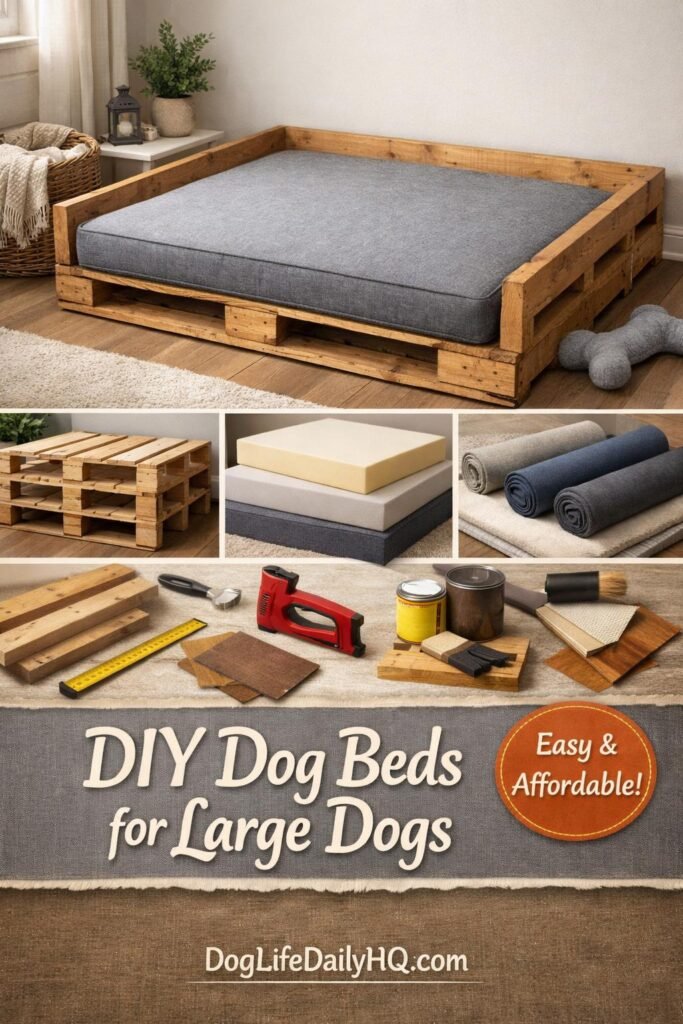
I’ve found that creating DIY dog beds for large dogs gives me complete control over quality and design.
You can pick durable fabrics that match your home decor and add extra support for dogs with joint problems. Plus, many projects require no sewing skills at all.
Whether you want a no-sew memory foam option or a wooden frame with cushions, making a dog bed yourself is easier than you think.
I’ll walk you through different designs, materials you’ll need, and tips to keep your homemade bed lasting for years.
Key Takeaways
- Building your own dog bed saves money while providing better quality and customization than most store options.
- Most DIY dog bed projects use simple materials like foam, fabric, and wood that don’t require advanced skills.
- Regular cleaning and choosing durable materials help your homemade dog bed last longer and stay comfortable.
Benefits of DIY Dog Beds for Large Dogs
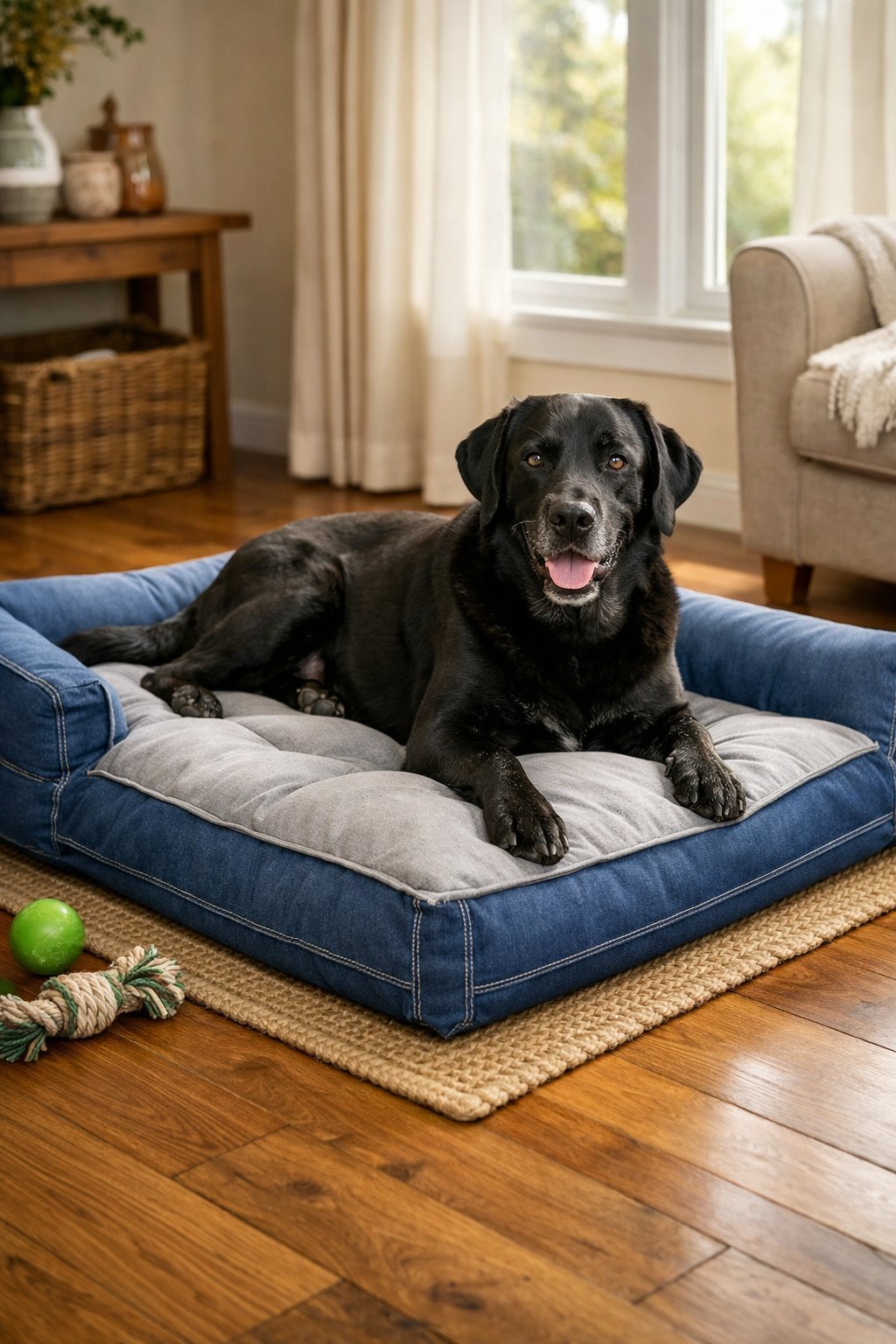
Making a dog bed myself saves money and lets me create exactly what my large dog needs.
I can pick materials that last longer and fit my dog’s size perfectly.
Cost Savings Compared to Store-Bought Beds
Store-bought beds for large dogs often cost between $100 and $300.
When I make my own bed, I spend about half that amount on materials.
I can use items I already have at home to cut costs even more.
Old blankets, pillows, and cushions work great as filling. Making no-sew memory foam dog beds costs roughly 50% less than buying new extra large beds.
I also save money long-term because I can repair or replace parts instead of buying a whole new bed.
If the cover gets dirty, I just wash or replace it. When the foam wears down, I add more filling without starting from scratch.
Customization for Size and Comfort
My large dog has specific needs that standard beds don’t meet.
I measure my dog from nose to tail and add 6-8 inches to get the right bed length.
I can adjust the thickness based on my dog’s age and health.
Older dogs with joint pain need thicker foam, usually 4-6 inches. Younger dogs do fine with 2-3 inches.
Key customization options include:
- Bolsters or flat surfaces
- Waterproof liners for accidents
- Extra padding in specific areas
- Bed height for easy access
I also match the bed to my home’s style and available space.
Some dogs like enclosed spaces while others prefer open designs.
Choosing Materials for Durability
I pick materials that handle heavy use and frequent washing.
Memory foam works best for the base because it supports joints and doesn’t flatten quickly.
For covers, I use canvas, denim, or outdoor fabric.
These materials resist tears and scratches better than regular fabric. I avoid thin cotton because it rips too easily.
Water-resistant liners protect the foam from accidents and drool.
I look for materials labeled as waterproof or use vinyl fabric between the foam and outer cover.
The stitching matters just as much as the fabric.
I use heavy-duty thread and double-stitch all seams. Reinforced corners prevent the bed from falling apart where my dog digs or pushes against it.
Essential Materials and Tools
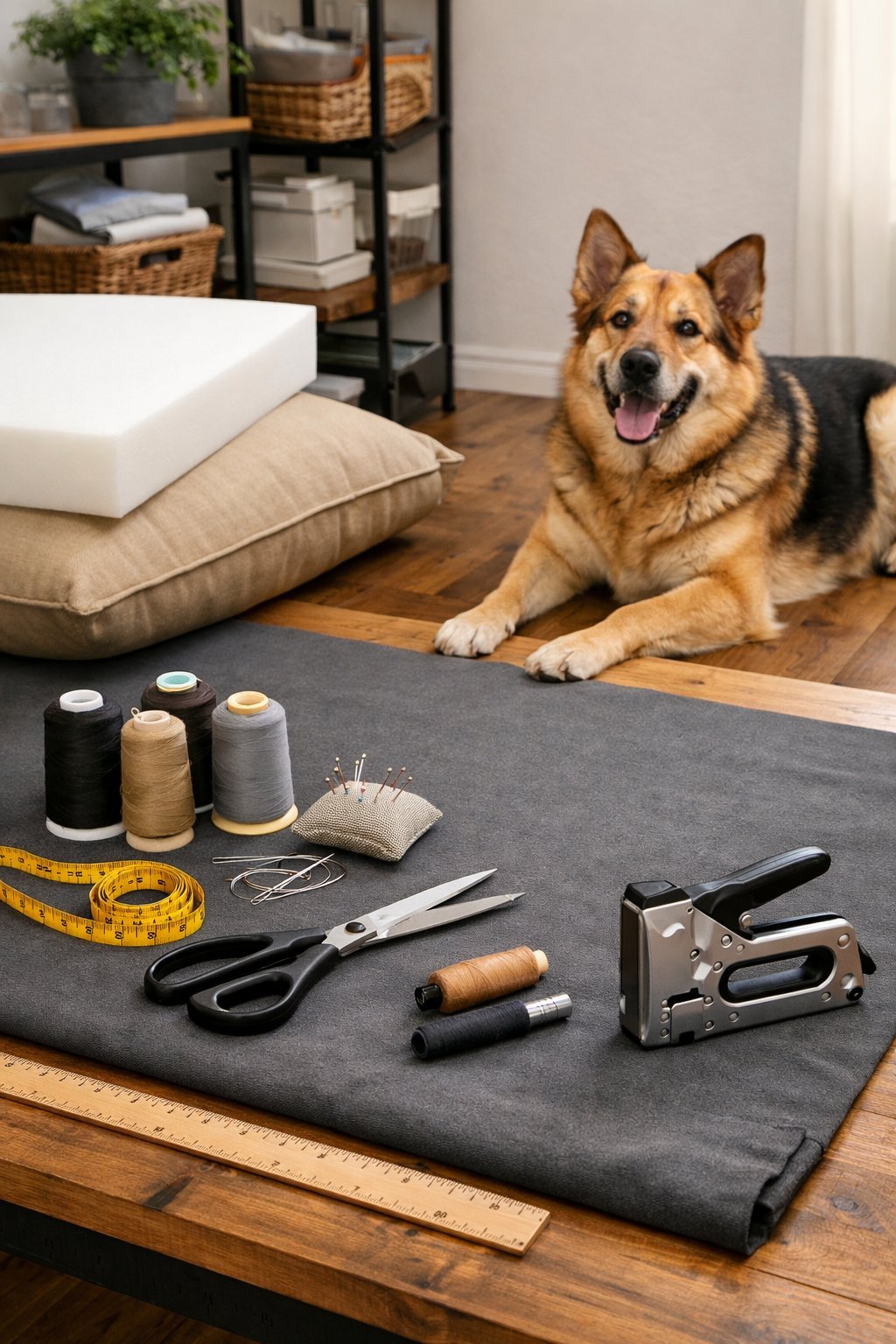
Building a comfortable bed for your large dog requires the right fabrics, supportive filling materials, and basic assembly tools.
I’ll walk you through each component to help you create a durable and cozy resting spot.
Selecting Sturdy Fabrics
I recommend choosing heavy-duty fabrics that can withstand daily use from big dogs.
Canvas and denim are excellent choices because they resist scratches and tears. These materials hold up well against sharp nails and constant movement.
For outdoor beds, I suggest using water-resistant fabrics like polyester or nylon blends.
These options protect the filling from moisture and are easy to clean. Upholstery-grade fabric is another smart pick because it’s designed to handle wear and tear.
When picking fabric, I always consider washability.
Machine-washable materials make maintenance much simpler. Look for fabrics with at least 600 denier rating for added durability.
Darker colors or patterns help hide dirt and fur between washes.
Best Fillings for Support
Memory foam is my top choice for large dogs because it provides joint support and comfort.
You can find affordable memory foam options that cost about half the price of store-bought beds. Memory foam conforms to your dog’s body and helps relieve pressure points.
Cedar chips offer natural odor control and repel fleas.
They work best as a bottom layer under softer materials. Poly-fil is a budget-friendly option that creates a soft, fluffy bed surface.
I’ve used poly-fil with fabric to make simple no-sew beds that dogs love.
For older dogs with arthritis, I recommend orthopedic foam that’s at least 4 inches thick.
You can layer different fillings for custom support.
Recommended Tools for Assembly
Most DIY dog beds need minimal tools.
For no-sew projects, I use fabric scissors, measuring tape, and heavy-duty needle and thread for quick fixes.
These basic supplies let me create comfortable beds without complicated equipment.
For wooden frame beds, I need a drill, saw, and sandpaper.
High-quality birch plywood works well for building sturdy structures.
I also keep wood screws, wood glue, and a staple gun handy for attaching fabric to frames.
A sewing machine speeds up projects but isn’t required.
If you’re making removable covers, zippers or velcro strips help with cleaning.
I always have my tape measure nearby to ensure the bed fits my dog’s size.
Step-by-Step DIY Dog Bed Projects
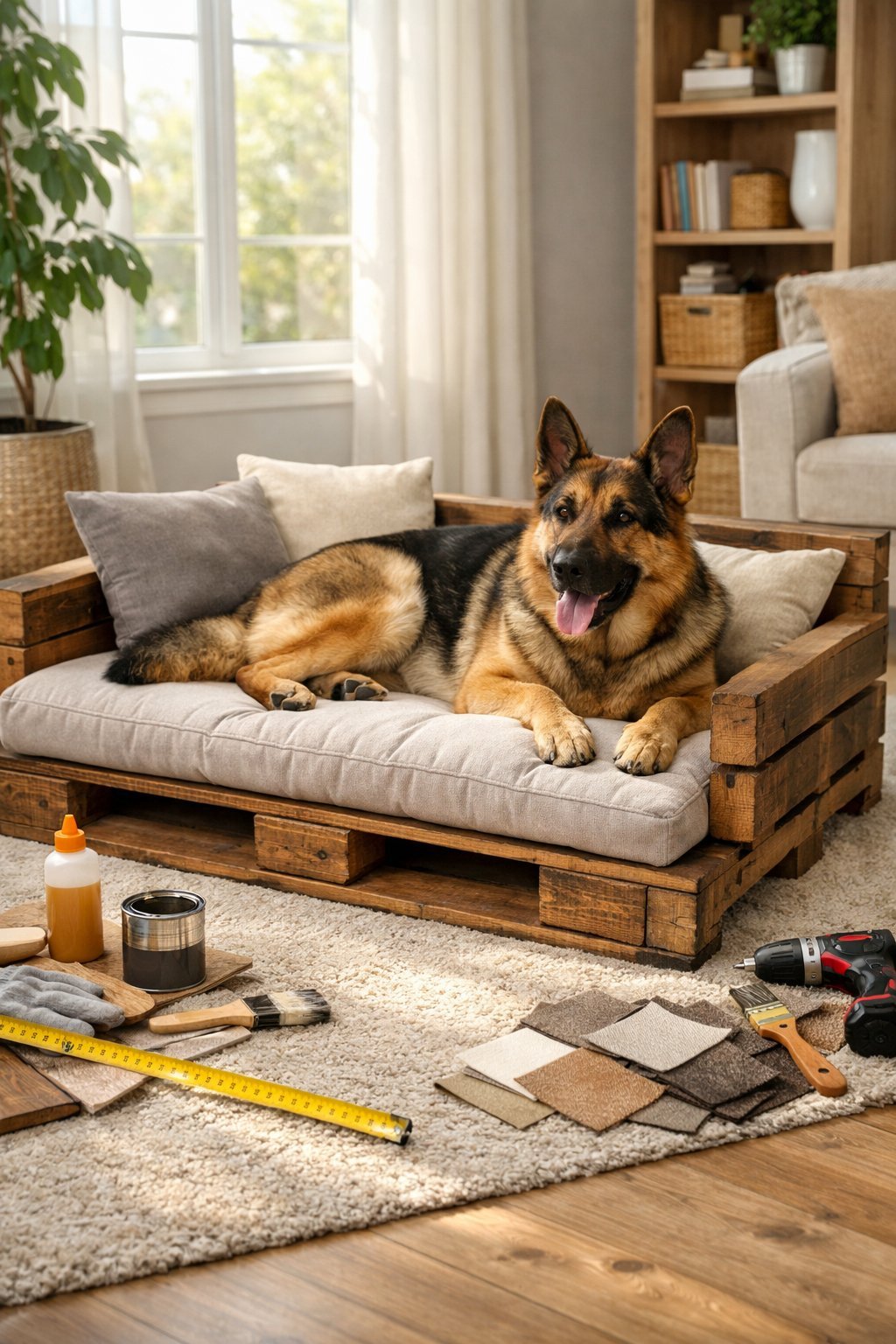
I’ve found that making a dog bed at home is easier than most people think.
You can choose from simple no-sew options, sturdy wooden frames, or creative furniture makeovers depending on your skills and your dog’s needs.
Simple No-Sew Dog Bed
I love recommending no-sew beds because anyone can make them in under an hour.
These projects don’t require any special tools or sewing skills.
The easiest option uses two fleece blankets placed on top of each other with the edges tied together to create a pillow-style bed.
I cut 4-inch strips around all four sides of the blankets, then tie matching strips together to seal the edges.
You can stuff the inside with old towels, blankets, or pillow filling before tying the last side closed.
Another quick method involves placing a pillow or foam cushion inside a large pillowcase or duvet cover.
I simply flip the open end under the bed so my dog can’t pull it out.
This works great because you can remove and wash the cover whenever needed.
For extra comfort, I stack multiple layers of blankets in a wooden crate or plastic storage bin.
This gives the bed raised sides that many large dogs enjoy leaning against while they sleep.
Wooden Frame Dog Bed
Building a wooden frame dog bed requires basic carpentry skills but creates a durable bed that lasts for years.
I measure my dog while they’re lying down to determine the right size before starting.
I use four 2×4 boards cut to length for the frame sides.
The typical dimensions for large dogs are 30 inches wide by 40 inches long.
I attach the boards together at the corners using wood screws and a drill.
For the base, I cut a piece of plywood to fit inside the frame.
Some builders prefer using wooden slats instead because they allow better air flow.
I sand all edges smooth to prevent splinters that could hurt my dog.
The legs can be simple 4×4 posts cut to 4-6 inches tall and screwed into each corner.
I add a cushion or dog bed insert on top of the base.
You can stain or paint the wood to match your home decor, but I always use pet-safe finishes and let them dry completely before use.
Repurposed Furniture Projects
I’ve turned old furniture into unique DIY dog beds that look great in any room.
This approach saves money and keeps furniture out of landfills.
Old wooden drawers from dressers make perfect raised beds for large dogs.
I remove the drawer completely, sand it down, and add four furniture legs or caster wheels to the bottom.
A foam cushion cut to size fits perfectly inside.
I can paint or stain the drawer to match my decor.
End tables with the bottom shelf removed work well too.
I place a cushion on the bottom shelf area and my dog has a cozy den-like space.
The table top above provides shade and makes them feel secure.
Wooden pallets are free or cheap and create sturdy platform beds.
I stack two pallets for height, secure them together with screws, then add a thick cushion on top.
Some people add a wooden frame around the edges for a more finished look.
Design Ideas for Large Breed Beds
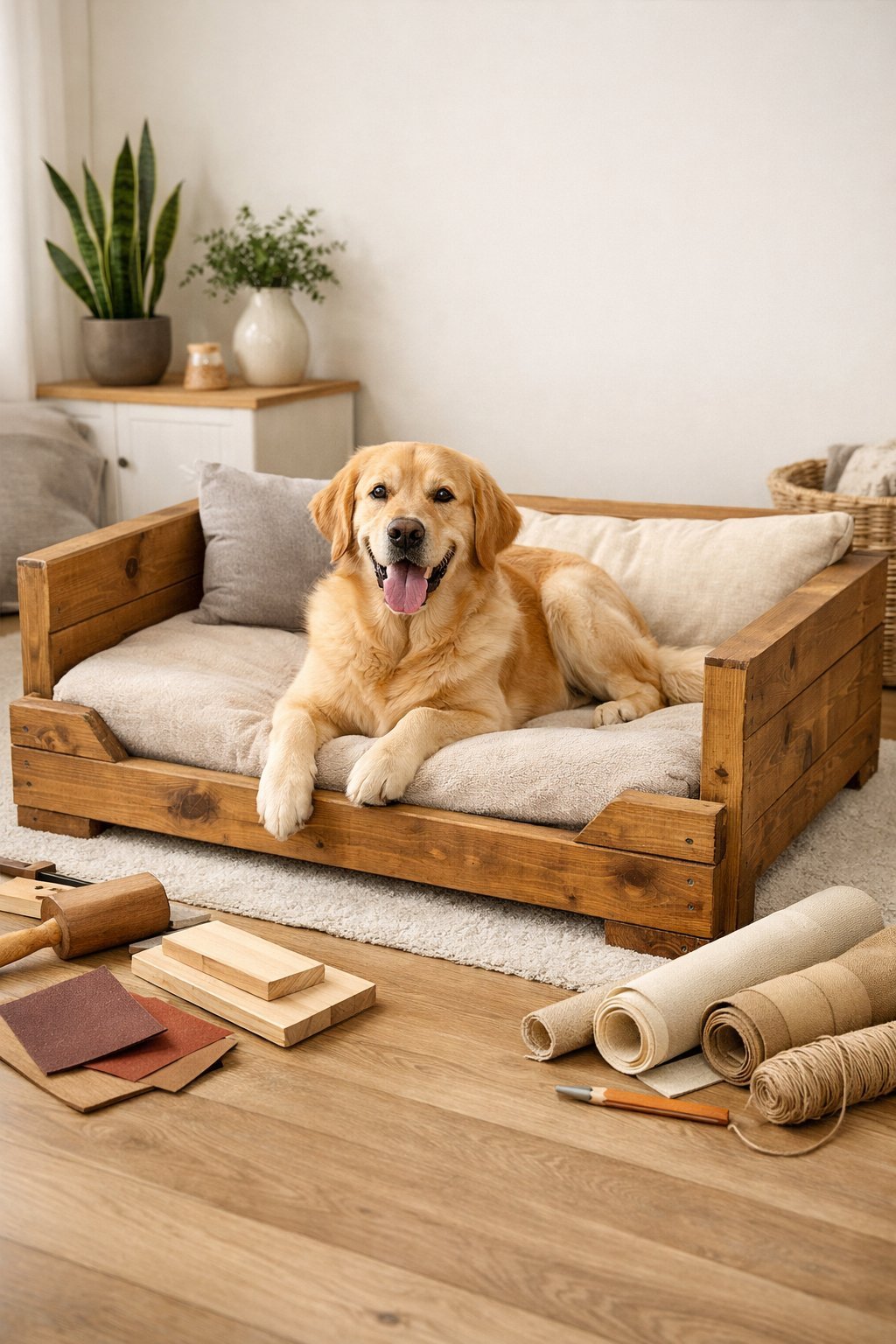
When I design beds for large dogs, I focus on three main elements: supportive materials that protect joints, weather-resistant features for outdoor use, and attractive covers that match my home decor.
Orthopedic and Memory Foam Options
I recommend using memory foam for large breed beds because it helps relieve pressure on joints and hips.
Dogs over 50 pounds need at least 4 inches of foam thickness to get proper support.
Memory foam molds to my dog’s body shape and distributes weight evenly.
This is important for older dogs or breeds prone to hip dysplasia like German Shepherds and Golden Retrievers.
I can make a no-sew memory foam dog bed for about half the cost of buying one new.
I just cut the foam to size and wrap it in a washable cover.
Some pet owners add an egg crate foam topper for extra cushioning.
For the best results, I choose high-density foam rated at 3-5 pounds per cubic foot.
This density holds up better under heavy weight and won’t flatten out as quickly as cheaper foam.
Outdoor-Friendly Dog Bed Designs
When I build outdoor beds, I use water-resistant materials that can handle weather and dirt.
Elevated designs work well because they keep my dog off cold or wet ground.
I make frames from cedar or treated wood that won’t rot when exposed to moisture.
PVC pipe also works as a lightweight frame material.
For the sleeping surface, I use outdoor fabric or vinyl that dries quickly and wipes clean.
Adding drainage holes to the base prevents water from pooling underneath.
I also angle the bed slightly so rain runs off instead of collecting on top.
Some designs include a removable canopy for shade during hot days.
I position outdoor beds under covered porches or add a simple roof made from corrugated plastic sheets.
Stylish Covers and Patterns
I like to pick covers that match my home’s style but are also easy to wash. Durable fabrics like canvas, denim, or upholstery material hold up best against scratching and chewing.
Popular fabric choices include:
- Heavy-duty canvas in neutral colors
- Denim for a casual look
- Faux leather that wipes clean easily
- Outdoor fabric with UV protection
I add zippers to my covers so I can remove them for washing. Piping or trim around the edges gives the bed a polished finish.
Some folks get creative and repurpose vintage suitcases or crates, lining them with fun fabrics for a unique look. Patterns like stripes, plaids, or geometric prints help hide dirt and fur between washes.
I avoid light colors for large dogs since they show stains more easily.
Maintenance and Longevity Tips
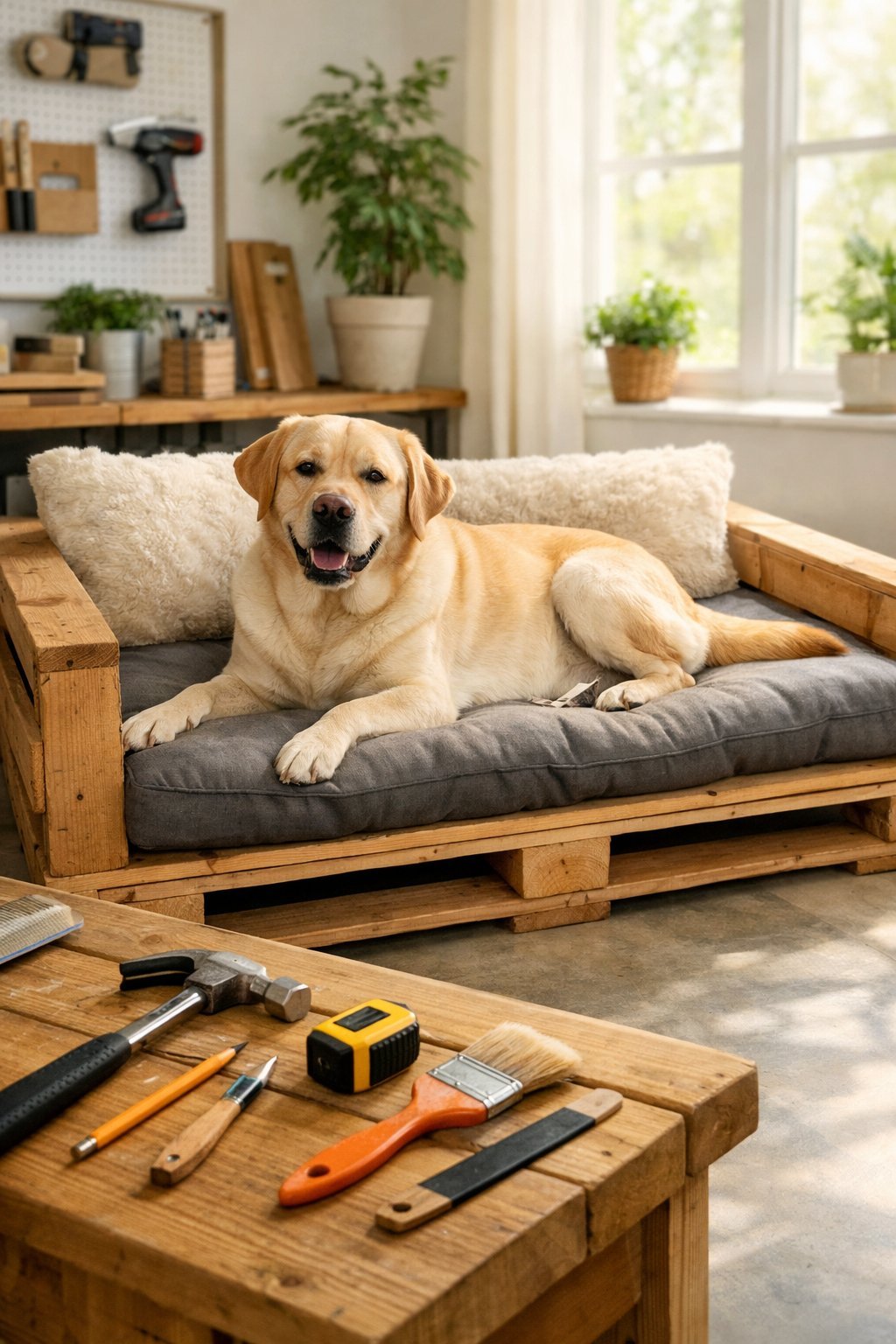
Regular cleaning and quick repairs will keep your DIY dog bed looking and smelling fresh. A little upkeep goes a long way toward making your hard work last.
Cleaning and Washing DIY Dog Beds
I always make removable covers for my dog beds so cleaning is a breeze. Zippers or Velcro closures make it easy to take off the fabric when it needs a wash.
For washable covers, I recommend tossing them in the laundry every couple of weeks, or more often if your dog is outside a lot. I wash covers in hot water with pet-safe detergent to keep things clean.
The inner cushion or foam needs different care depending on the material. Memory foam shouldn’t go in the washing machine because it can break down, so I spot-clean it with a damp cloth and mild soap, then let it air dry.
Between washes, I vacuum the bed to pick up fur and debris. This helps cut down on allergens and makes the next wash easier.
For beds with wooden frames, I wipe them down with a damp cloth and check for splinters that might hurt my dog.
Repairing Wear and Tear
I check my DIY dog beds once a month for damage. The usual issues are loose seams, torn fabric, or wobbly frame joints.
If I spot a small tear in the fabric, I patch it right away with an iron-on patch or sew it up with heavy-duty thread. This keeps the stuffing in and the bed looking tidy.
Wooden frame beds sometimes need their screws or bolts tightened. I keep a screwdriver handy for quick fixes and make sure everything stays sturdy.
For elevated dog beds, I check that the legs and platform are secure. If the foam or padding gets squished and loses support, I just replace that layer instead of making a whole new bed.
Keeping Beds Odor-Free
I sprinkle baking soda on the bed between washes to absorb odors naturally. I let it sit for 15 minutes, then vacuum it up thoroughly.
Using a waterproof liner under the cover protects the inner cushion from accidents and moisture. I replace these liners if they get torn or start holding smells.
This barrier keeps the main stuffing clean and dry. I place dog beds in areas with good air circulation to prevent musty smells from developing.
Sunlight helps too, so I move portable beds outside on sunny days for a few hours. The UV rays naturally kill odor-causing bacteria.
Adding a thin layer of cedar chips in a separate pouch inside the cover helps control smells naturally. I make sure my dog isn’t sensitive to cedar before using this method.