DIY Dog Boots: Simple Homemade Solutions to Keep Your Pup’s Paws Safe and Cozy

DIY Dog Boots – Your dog’s paws face constant threats from hot pavement, icy sidewalks, sharp rocks, and rough terrain. Store-bought dog boots often cost $40 to $80 or more, and many dogs refuse to wear them because they don’t fit right.
You can make effective dog boots at home using simple materials like old socks, fabric scraps, and elastic bands for just a few dollars. I’ve helped countless pet owners create custom-fitting paw protectors that their dogs actually tolerate wearing.
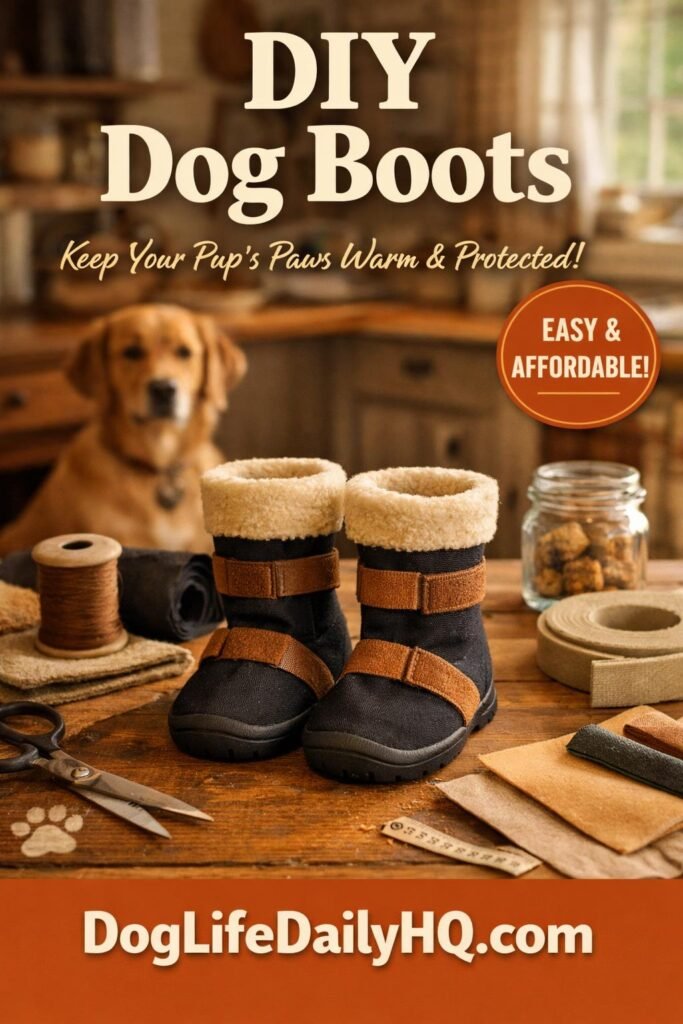
Making your own dog boots lets you adjust the size perfectly for your dog’s paws and choose materials that work for your specific needs. Whether you need quick no-sew options for temporary protection or more durable designs for regular use, homemade boots give you control over fit and function.
I’ll show you several methods that work for dogs of all sizes, from tiny Chihuahuas to large German Shepherds. The best part about DIY dog boots is that you probably already have most of the materials at home.
Old clothes, fleece fabric, and basic craft supplies can transform into protective gear that keeps your dog comfortable and safe during walks.
Key Takeaways
- You can create effective dog boots using household materials for a fraction of store-bought prices
- Proper sizing and material selection ensure your homemade boots protect paws from weather and terrain hazards
- Getting your dog used to wearing boots takes patience and positive reinforcement over several days
Why Your Dog Needs Boots
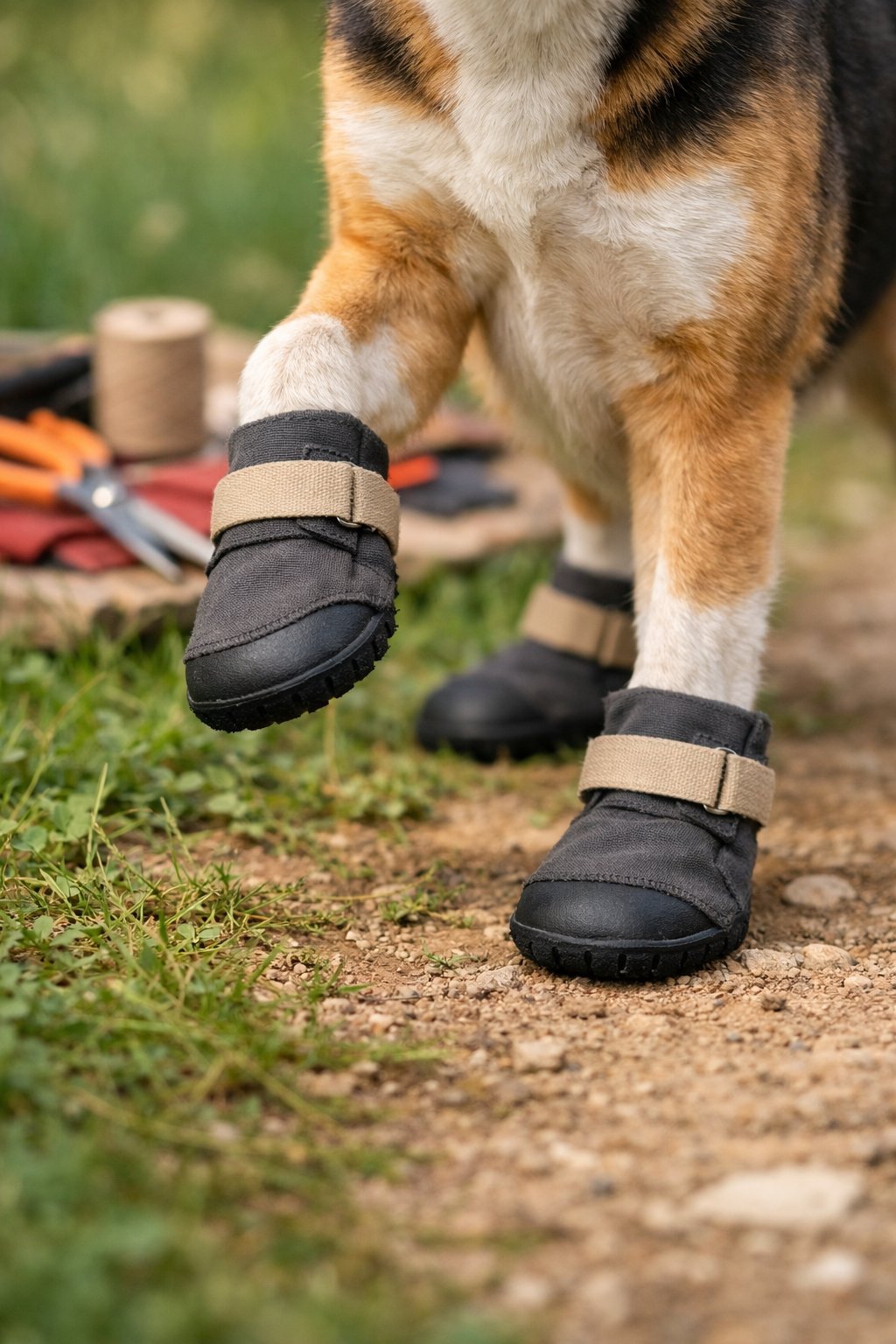
I’ve learned that dogs’ paws face serious threats in different environments and weather conditions. Hot surfaces can burn their pads, while cold temperatures cause frostbite and painful cracking.
Dangers of Hot Pavement and Cold Weather
I always check pavement temperature before walks because asphalt can reach 140°F on a sunny 87°F day. At these temperatures, my dog’s paw pads can burn in just 60 seconds.
The burns cause blistering, peeling, and permanent damage to the sensitive tissue. I’ve seen dogs limping and refusing to walk after exposure to scorching pavements.
Cold weather creates different problems. Ice and snow cause frostbite on paw pads, especially between the toes where moisture gets trapped.
Salt and de-icing chemicals make the damage worse by drying out the skin and creating painful cracks. I know that slippery ice and harmful salt during winter walks can hurt my dog’s feet.
The cold wind and snow add to the discomfort.
Protection from Debris and Chemicals
Sharp objects hide everywhere on walking paths. I worry about broken glass, metal scraps, thorns, and rocks that can cut my dog’s paws.
These injuries happen fast and often go unnoticed until blood appears. Chemical hazards pose another risk.
Lawn fertilizers, pesticides, and road salt contain ingredients that irritate or poison dogs. My dog licks her paws after walks, which means these chemicals enter her system.
Urban hazards and rough terrains make paw protection necessary for city and trail dogs alike. Construction sites have nails and sharp debris.
Parks may have treated grass.
Preventing Injuries and Infections
Cuts and scrapes on paw pads open the door to bacterial infections. I’ve learned that even small wounds can become serious problems without proper protection.
The pads have limited blood supply, which slows healing. Allergies and skin conditions get worse when paws touch irritants.
Dogs with sensitive skin need barriers between their feet and allergens. Boots keep them from scratching and biting at itchy paws.
Older dogs with arthritis benefit from boots that provide traction on slippery floors. I use boots to help my senior dog walk confidently on tile and hardwood without sliding.
Choosing Materials for DIY Dog Boots
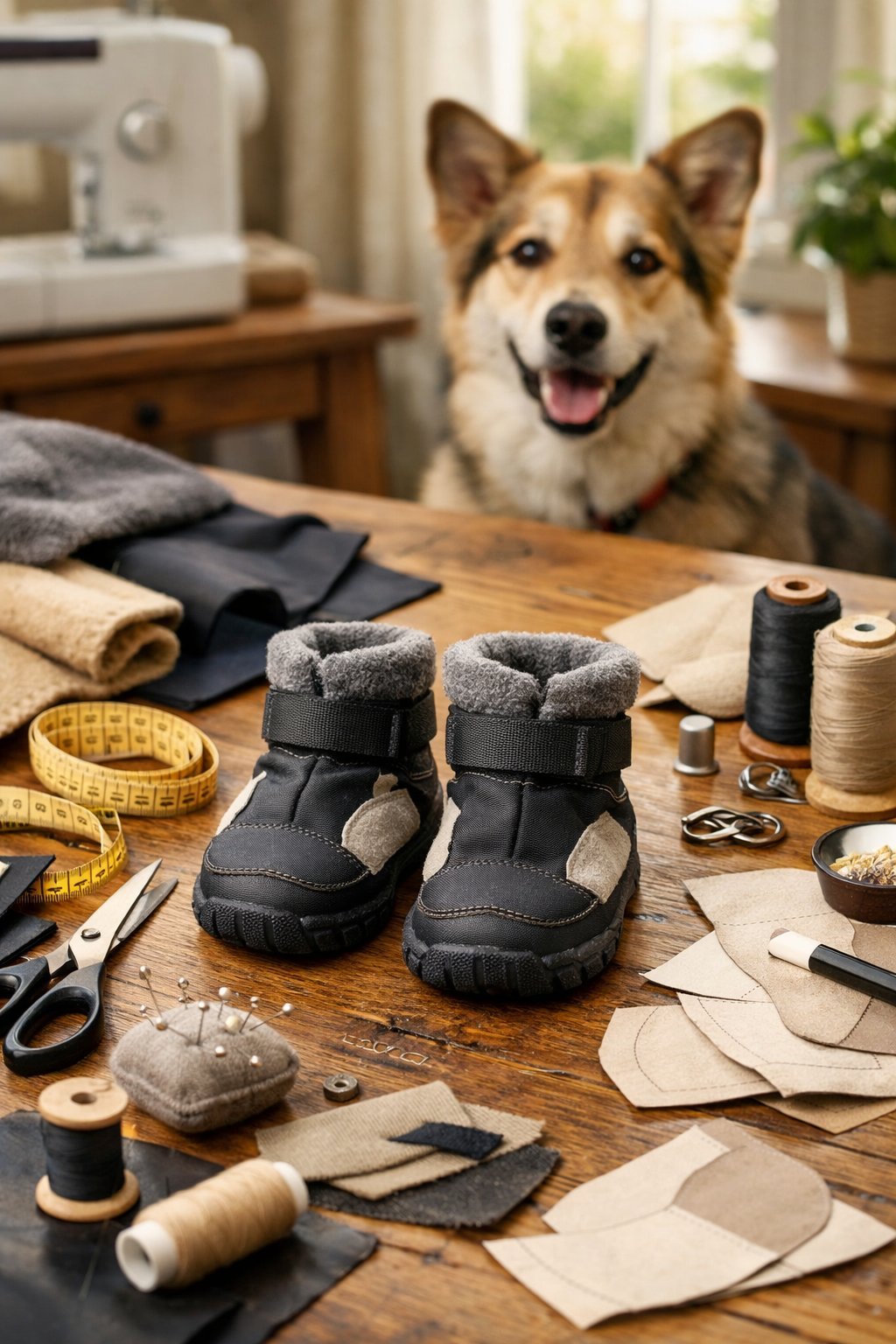
The right materials make all the difference between boots that protect your dog’s paws and ones that fall apart after one walk. I focus on fabrics that are safe for dogs, stand up to outdoor conditions, and can often be found around the house.
Safe and Comfortable Fabric Options
I always start with materials that won’t irritate my dog’s skin or cause allergic reactions. Cotton fabric works well as a soft inner lining because it breathes and feels gentle against paws.
Fleece is another excellent choice that provides warmth and cushioning. For the outer layer, I prefer canvas or denim.
These materials are tough enough to handle rough surfaces but still flexible for natural paw movement. Cotton blends also work if they’re thick enough to provide protection.
I avoid materials with loose threads or small parts my dog could chew off and swallow. Synthetic fabrics like polyester can work, but I check that they don’t cause sweating or discomfort during longer wear.
Waterproof and Durable Materials
For wet conditions, I need materials that keep moisture out while lasting through multiple uses. Duct tape creates durable paw protection that handles both hot pavement and icy surfaces well.
Vinyl or plastic tablecloths make great waterproof outer layers. I cut them to size and secure them with elastic or velcro.
Rubber shelf liner is another option that provides grip and water resistance. Old rain jackets or waterproof pants can be repurposed into boot material.
The fabric is already designed to shed water and usually has reinforced areas that add extra durability where my dog’s nails contact the ground.
Upcycling Common Household Items
I’ve found that socks can be repurposed and secured with tape to create temporary paw shields. Old sweater sleeves work similarly and provide more padding for sensitive paws.
Baby socks fit smaller dogs perfectly and already have elastic built in. For larger dogs, I use adult wool socks that offer warmth and some water resistance.
Foam placemats or yoga mats can be cut into sole pieces for added cushioning and traction. I also save elastic from worn-out clothing to use as straps.
Old velcro strips from broken items work perfectly for closures that adjust to different paw sizes.
Easy DIY Dog Boot Patterns and Tutorials
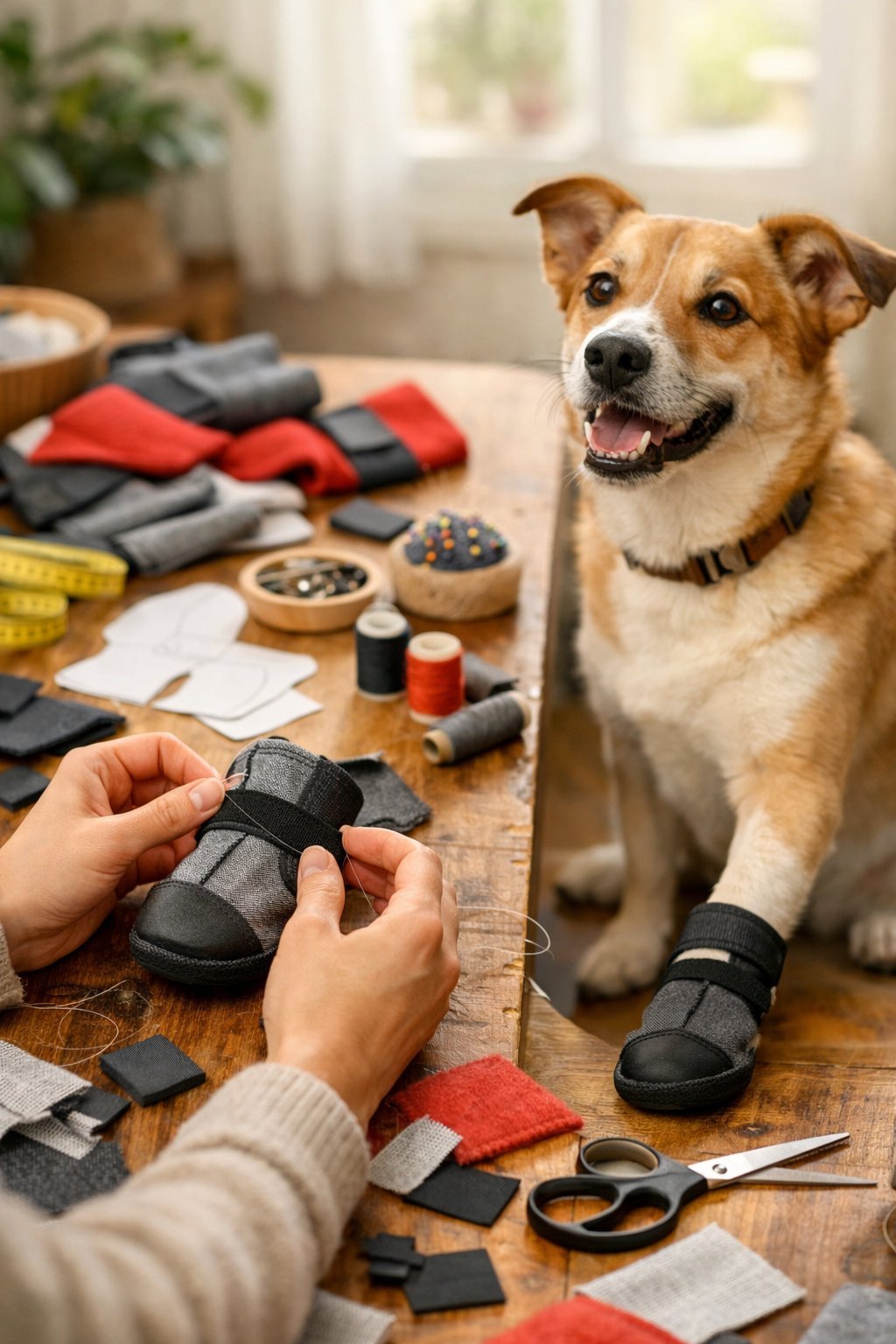
Making dog boots at home gives you control over fit, materials, and cost. You can choose between sewn options that offer durability or quick no-sew methods that get your pup protected in minutes.
Simple Sewing Patterns
I’ve found that basic sewn dog boots require just a few materials: fleece fabric, elastic, and Velcro straps. The 10-minute dog boots pattern uses fleece because it’s warm, affordable, and provides good grip on the bottom.
Most sewing patterns for dog boots follow the same basic steps. I start by tracing my dog’s paw on paper to create a template.
Then I cut two layers of fabric per boot, leaving room for seam allowance. The key is adding elastic around the ankle opening to keep boots secure.
I sew the pieces together inside-out, leaving the top open. After turning them right-side out, I attach Velcro straps that wrap around the leg above the paw.
Winter dog boots you can sew yourself protect paws from cold, salt, and debris. These sewn versions last longer than temporary solutions because the stitching holds up to outdoor wear.
No-Sew Dog Boot Designs
If I don’t have sewing skills, I can still make effective paw protection. Dog booties made with duct tape work surprisingly well for short-term use.
The simplest method involves wrapping the paw in a soft material like an old sock, then securing it with duct tape around the ankle. I make sure the tape doesn’t touch fur directly to avoid pulling when removing the boots.
Balloon boots offer another quick option. I cut the neck off a balloon and stretch it over my dog’s paw, securing it with a hair tie or rubber band above the ankle.
This works best for small dogs with tiny paws. No-sew boot tutorials also use fabric glue instead of stitching.
I cut fleece pieces to size and bond them with strong fabric adhesive, adding non-slip grip dots on the bottom for traction.
Custom Fitting for Different Paw Sizes
Getting the right fit prevents boots from slipping off during walks. I measure my dog’s paw width at the widest point and the height from floor to ankle.
Key measurements needed:
- Paw width (across widest part)
- Paw length (from toe to heel pad)
- Ankle circumference
- Height from ground to ankle joint
Small dogs need shorter, narrower boots while large breeds require reinforced materials. I add an extra half-inch to my measurements for comfort and movement.
The step-by-step guide for making dog booties recommends testing the fit before final assembly. I have my dog stand in the trial boot to check that toes aren’t cramped and the ankle strap sits comfortably without cutting off circulation.
For dogs with uneven paw sizes, I create individual patterns for each foot rather than assuming all four paws match.
Step-by-Step Guide to Making Dog Boots
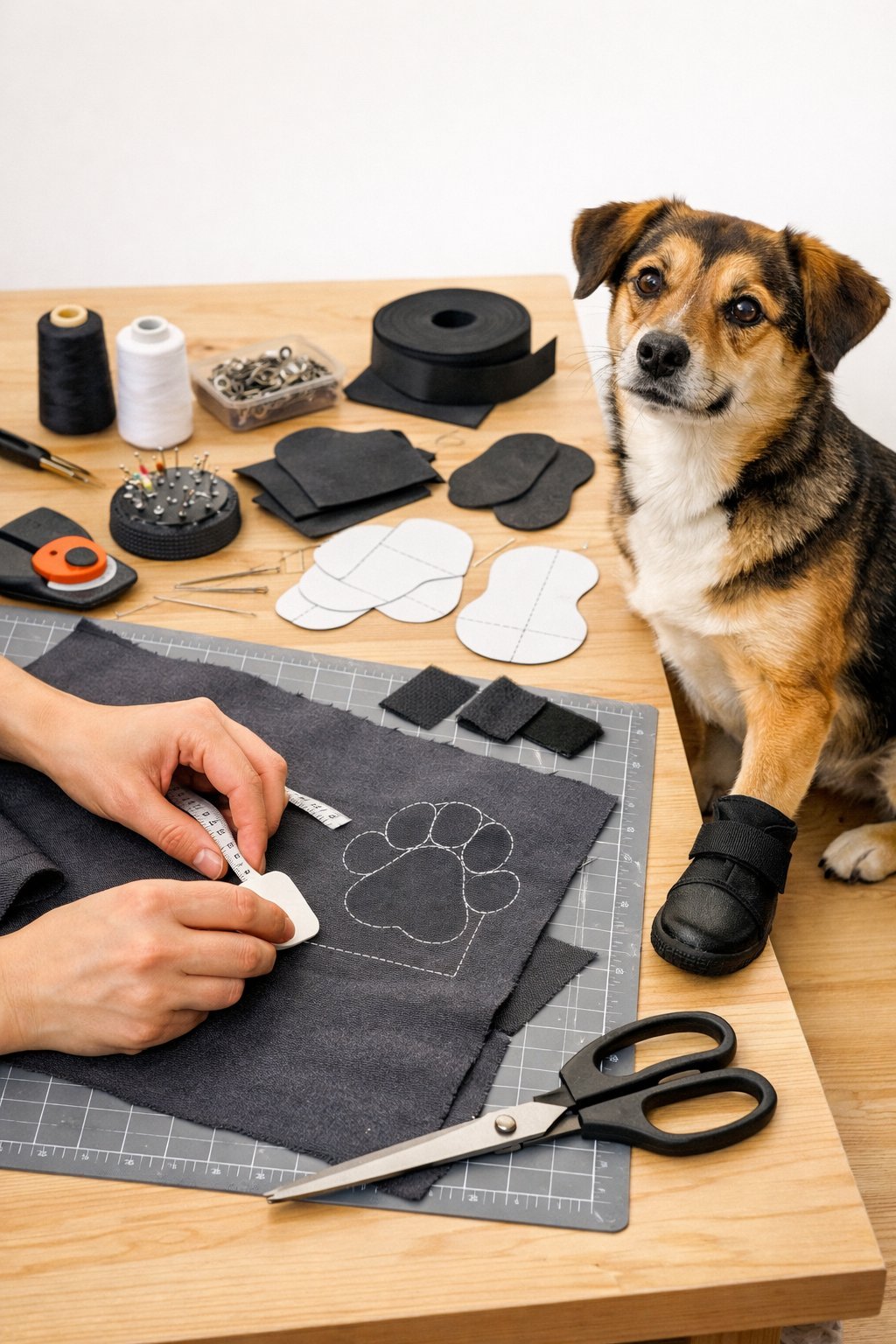
Making dog boots at home requires accurate measurements, proper material preparation, and secure fastening methods. I’ll walk you through each step to create protective footwear that fits your dog comfortably.
Measuring Your Dog’s Paws
I always start by measuring my dog’s paws while they’re standing with their full weight distributed evenly. This gives me the most accurate dimensions for boots that actually fit.
I place my dog’s paw on a piece of paper and trace around it with a pencil. I make sure to include the nails in my outline since they need room too.
Then I measure the widest part of the paw from left to right and the longest part from the back of the pad to the tip of the longest nail. I write down both measurements for each paw because dogs often have slightly different sized feet.
The front paws are usually larger than the back ones. I add about half an inch to each measurement to allow for seam allowances and a comfortable fit that won’t squeeze my dog’s paws.
Cutting and Assembling Materials
I use fleece fabric because it’s soft, warm, and doesn’t fray at the edges. For the soles, I attach non-slip fabric or rubber shelf liner to give my dog traction on slippery surfaces.
Following DIY dog bootie patterns, I cut out four boot pieces using my paw measurements as a guide. I create a simple sock-like shape that’s wider at the top for the leg opening and tapers down to fit snugly around the paw.
Each boot needs one fleece piece and one sole piece. I pin the sole to the bottom of each fleece piece with the grippy side facing out.
Then I sew around the edges using a sewing machine or hand stitching with strong thread. I leave the top open so my dog’s paw can slide in easily.
Some people prefer making dog boots in just 10 minutes using simpler no-sew methods with fabric glue.
Securing Boots for a Snug Fit
I attach elastic straps or Velcro around the top opening to keep the boots from sliding off during walks. The fasteners need to be snug but not too tight.
I wrap a piece of elastic or Velcro around my dog’s leg just above the paw and mark where it meets comfortably. You should be able to fit one finger between the strap and your dog’s leg.
I sew the elastic or Velcro strips to opposite sides of each boot opening so they can wrap around and secure. For dogs who tend to kick off their boots, I add a second strap higher up on the boot for extra security.
Before heading outdoors, I always test the boots by having my dog walk around inside first.
Tips for Getting Your Dog Comfortable with Boots
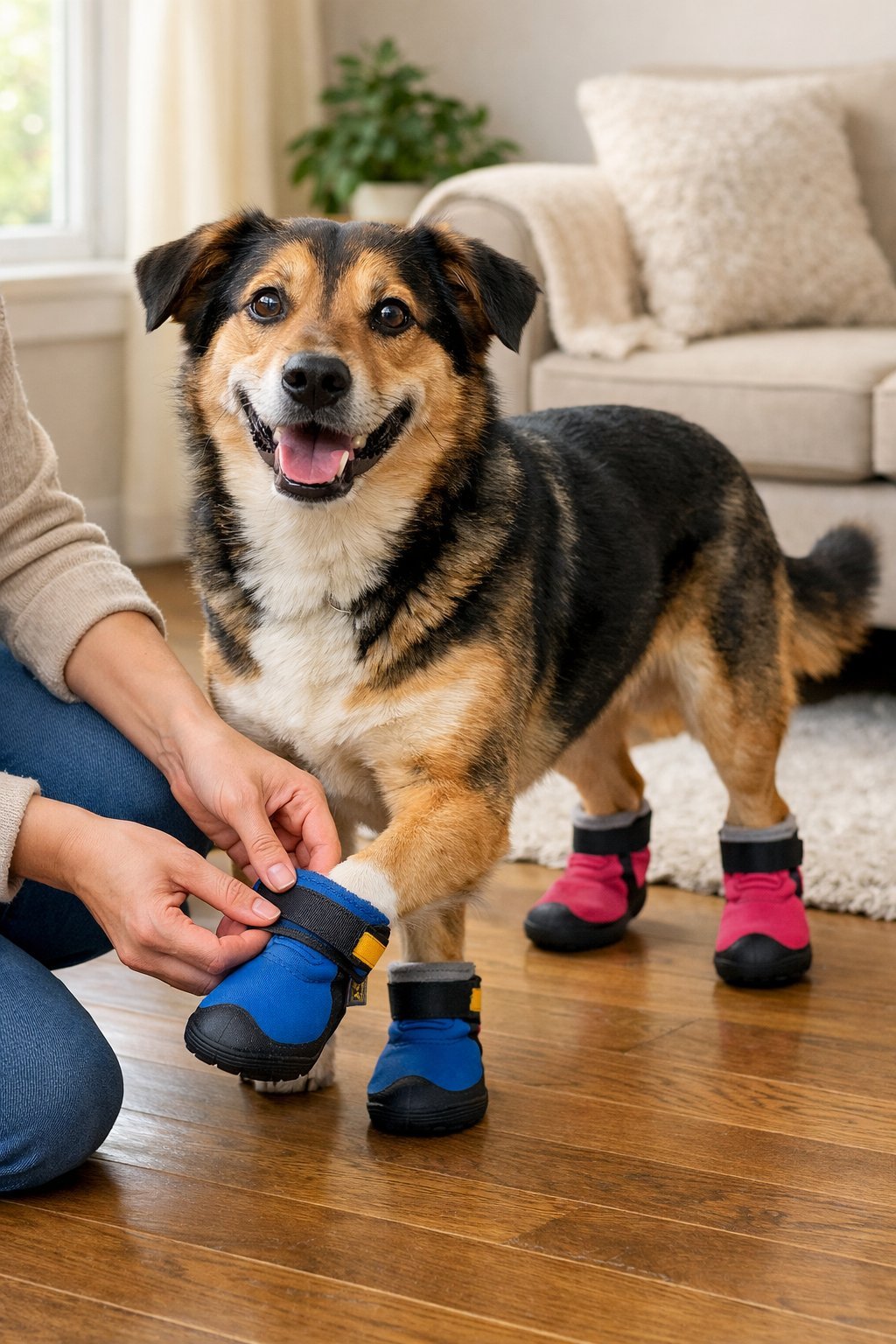
Most dogs need time to adjust to wearing boots since the feeling is completely new to them. Patience and positive experiences make all the difference in helping dogs accept their new footwear.
Introducing Boots Gradually
I start by letting my dog sniff and investigate the boots before trying to put them on. This helps remove any fear of the unknown object.
For the first session, I put just one boot on for 30 seconds while offering treats. Then I immediately remove it and praise my dog.
The next day, I add a second boot and keep them on for a minute. I gradually increase the time over several days until my dog wears all four boots comfortably.
Indoor practice sessions work best because there are fewer distractions. I let my dog walk around the house for 5-10 minutes at first.
Some dogs adapt in a few days while others need two weeks, so take it slow.
Addressing Common Discomforts
I check the fit carefully because boots that are too tight cut off circulation, while loose boots slip off or cause blisters. The boot should fit snugly but allow me to slide one finger between the boot and my dog’s leg.
Many dogs walk funny at first because they’re not used to the sensation. They often lift their paws high or shake their feet, but this usually stops within 15-20 minutes as they adjust.
If my dog refuses to walk or seems in pain, I remove the boots immediately and check for proper fit. Rubbing or chafing means the boots need adjustment.
I also make sure the straps aren’t too tight around the ankle area.
Training Your Dog to Wear Boots
I use positive reinforcement every time my dog tolerates the boots without fussing. Treats, praise, and play work as great rewards.
Here’s a simple training schedule:
- Day 1-2: Let dog sniff boots, give treats
- Day 3-4: Put on one boot for 1 minute with treats
- Day 5-6: Add second and third boots for 2-3 minutes
- Day 7-8: All four boots indoors for 5-10 minutes
- Day 9-10: Short outdoor walks (5 minutes)
- Day 11+: Gradually increase walk duration
I make boot time fun by using positive reinforcement and associating boots with enjoyable activities. Once my dog wears them without complaining indoors, I take short walks outside.
Frequently Asked Questions
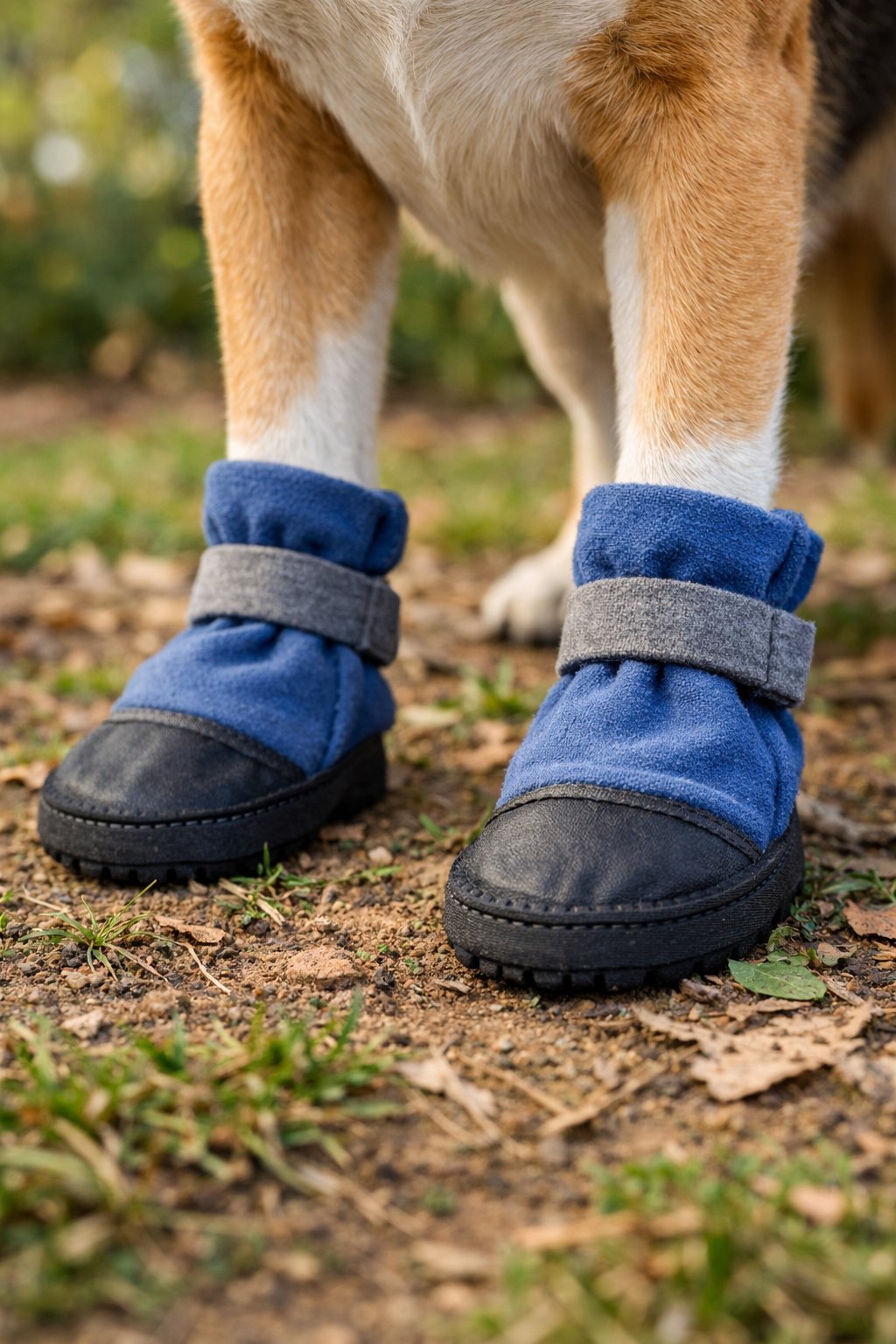
Making dog boots at home raises common questions about materials, construction methods, and fit. Here are some answers to help you create protective paw gear that works for your dog’s specific needs.
What materials do I need to make homemade dog boots?
The basic materials for DIY dog boots are simple and affordable. You’ll need fabric like denim or canvas for the boot body, elastic or Velcro for securing the boots, and waterproof material if you want weather protection.
I recommend gathering duct tape, old socks, or fleece fabric as your main options. For making dog boots out of duct tape, you only need tape and scissors to create durable paw protection.
If you’re sewing boots, you’ll also want a needle, thread, and measuring tape. Non-slip material like rubber shelf liner can be added to the bottom for better traction.
Can I create no-sew dog booties at home, and how?
Yes, making dog boots without sewing is totally possible using simple household items. The easiest method involves wrapping your dog’s paw with fabric and securing it with Velcro or elastic bands.
Duct tape boots are a popular no-sew option that works well. You wrap the tape sticky-side-out around the paw first, then add layers with the sticky side against the previous layer.
Balloon or rubber glove methods also work for temporary protection. These quick solutions are helpful for sudden weather changes or unexpected terrain.
What’s a good method for ensuring homemade dog boots don’t slip off?
Proper fit is the most important factor in keeping boots on your dog’s paws. I measure around the widest part of my dog’s paw and around the ankle to get accurate sizing.
Adding elastic straps or Velcro closures above the ankle joint helps secure the boot. The closure should be snug but not tight enough to restrict blood flow.
DIY dog boots without sewing can use multiple wrap points to stay in place better. Testing the boots indoors first helps you adjust the fit before going outside.
How can I make dog booties suitable for colder weather?
Adding insulation makes homemade boots work better in cold conditions. I use fleece or thermal fabric as a lining layer to keep my dog’s paws warm.
Waterproofing is key for snow and ice protection. You can apply waterproof spray to fabric boots or use naturally water-resistant materials like vinyl or rubber.
Making the boot shaft taller provides extra coverage for cold weather walks. The boot should extend at least an inch above the ankle to keep snow from getting inside.
Are there any free patterns available for sewing my own dog booties?
Free patterns for dog boots are available online if you want to sew custom boots. You can find free dog boot patterns that include printable templates in different sizes.
Multiple DIY plans and patterns exist to help you make boots at home. These patterns typically include cutting instructions and assembly steps.
I suggest starting with a simple pattern for your first attempt. Basic boot designs are easier to modify for your dog’s specific paw shape and size.
How can I repurpose old socks into comfortable dog socks?
Old socks can be turned into quick and easy paw covers for dogs. Just cut the toe section off tube socks and slip them over your dog’s paws for instant protection.
To prevent slipping on smooth floors, add some grip to the sock bottoms. You can use puffy fabric paint, hot glue dots, or even attach pieces of rubber shelf liner for extra traction.
Keep the socks in place by securing them with medical tape or vet wrap around the top. This sock method is great for indoor use or short outdoor trips.