DIY Dog Bowl Stand: Create a Custom Elevated Feeder for Your Pup in Hours

DIY Dog Bowl Stand – Building a raised feeding station for your dog doesn’t have to be expensive or time-consuming. You can create a custom elevated dog bowl stand in just a few hours using basic tools and materials, often for a fraction of what store-bought versions cost.
Many pet owners spend hundreds of dollars on pre-made feeding stations. Building your own DIY dog bowl stand lets you save money while making something perfectly sized for your pet.
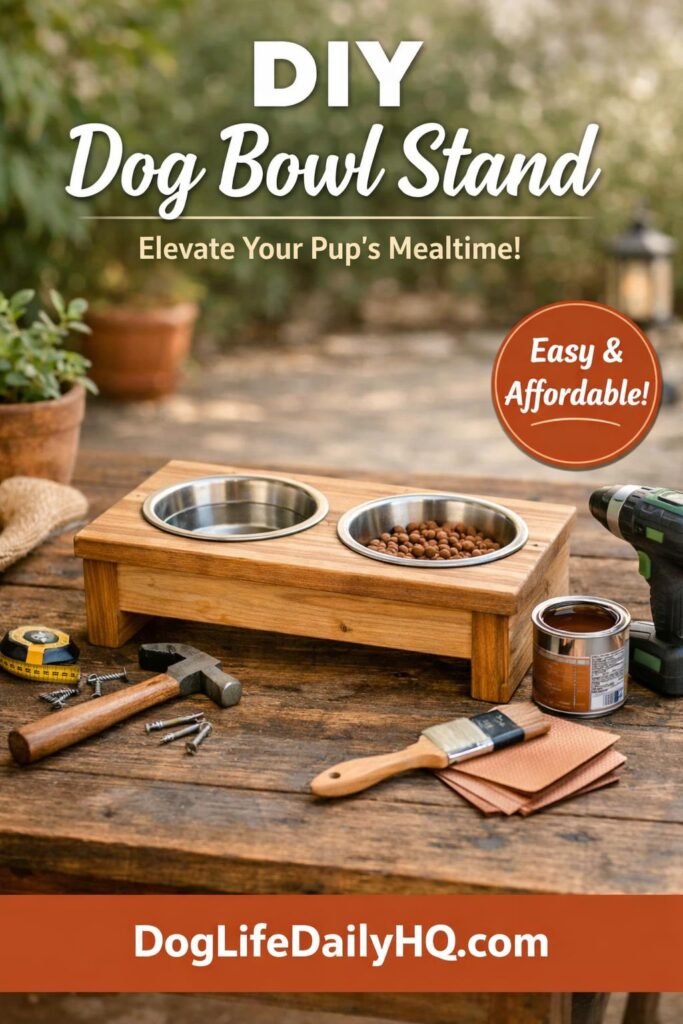
Making my own dog bowl stand gives me complete control over the height, style, and finish. Whether you have a large breed or a smaller dog, a homemade stand can be adjusted to fit your pet’s exact needs.
Customizing the color and design means your feeding station can match your home decor instead of clashing with it. The best part is how simple this project can be.
With basic plans that use just a single board, even beginners can tackle this build and have a functional, attractive feeding station ready by dinnertime.
Key Takeaways
- You can build a custom elevated dog bowl stand in one afternoon using basic tools and save hundreds of dollars compared to store-bought options.
- Homemade feeding stations can be adjusted to the perfect height for your dog and customized to match your home decor.
- Simple plans require minimal materials like a single board and basic woodworking skills that beginners can easily follow.
Benefits of an Elevated DIY Dog Bowl Stand
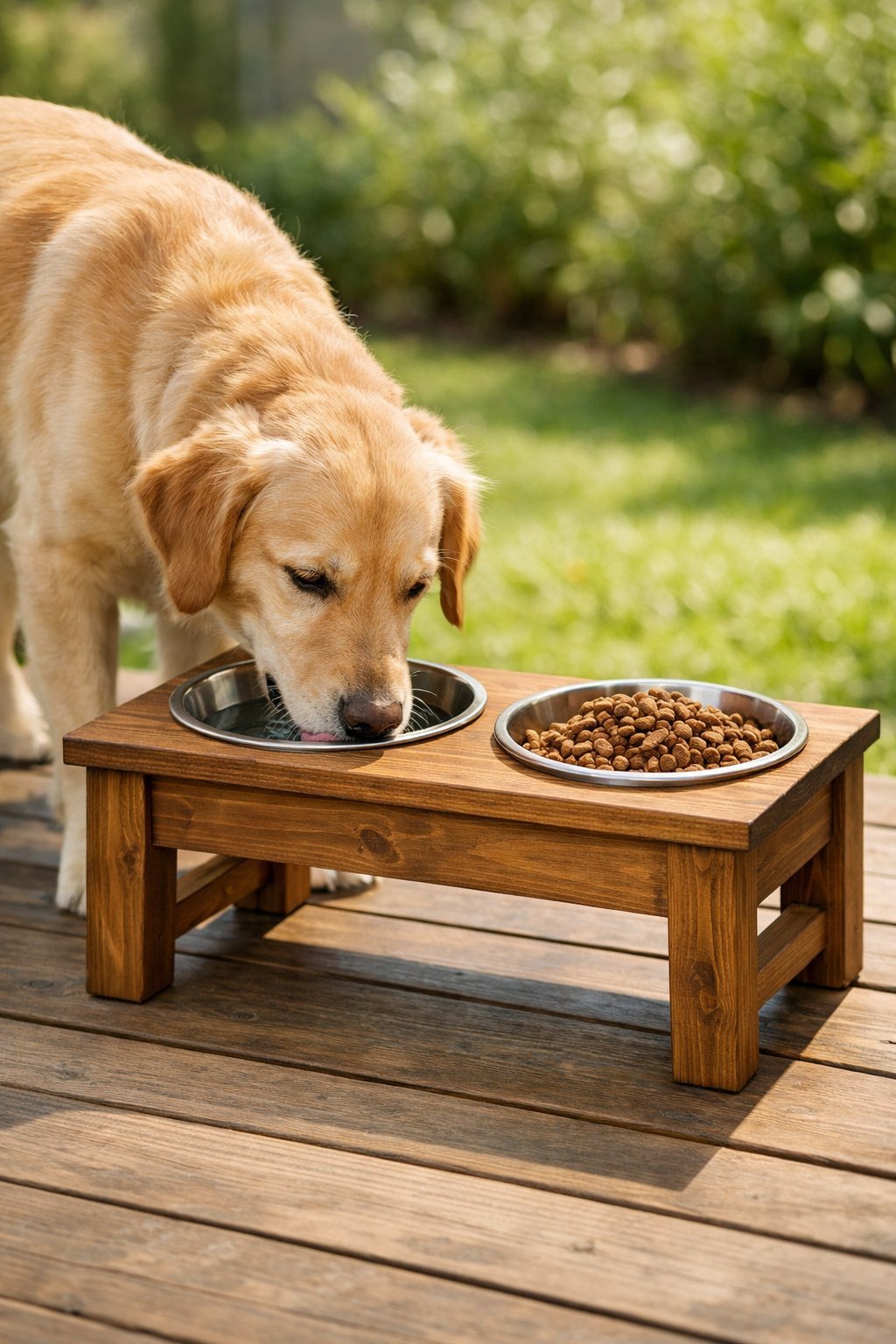
Raising your dog’s food and water bowls off the ground does more than just look nice in your home. It can help with digestion, make eating more comfortable, and keep your floors cleaner during meal times.
Improved Digestion for Dogs
When I first learned about elevated feeding stations, I was surprised by how much they can help with digestion. When dogs eat from bowls on the floor, they often swallow extra air along with their food.
This can lead to uncomfortable gas and bloating. Raised bowls let food move more smoothly from the mouth down to the stomach.
The elevated position creates a straighter path through the esophagus. This is especially helpful for larger dogs who have to bend down far to reach ground-level bowls.
I’ve noticed that dogs who eat quickly tend to gulp less air when their bowls are lifted to a comfortable height. The improved eating angle can also reduce the chance of regurgitation right after meals.
Better Posture and Comfort
Making eating easier is one of my favorite benefits of elevated stands. Dogs with arthritis or joint problems don’t have to strain their necks, shoulders, and backs to reach their food.
Older dogs especially benefit from not having to crouch down for every meal. The right bowl height means they can stand in a natural position while eating.
This reduces stress on their spine and leg joints. For taller breeds, bending down to floor level can be uncomfortable even when they’re young and healthy.
I recommend positioning the bowls at roughly shoulder height for most dogs. This lets them eat without hunching over or stretching their necks at awkward angles.
Reducing Mess and Spills
I love how much cleaner my floors stay with an elevated stand. When bowls sit directly on the floor, dogs can easily push them around while eating.
This leads to food and water spreading across your kitchen or dining area. A stable elevated stand keeps bowls in one spot during meals.
The raised platform catches stray kibble and water drips before they hit your floor. Many DIY designs include a rim or lip around the edges for extra spill protection.
The height also means less dirt and debris from the floor ends up in your dog’s food and water. This improves hygiene and means I spend less time sweeping up after every meal.
Materials and Tools Needed
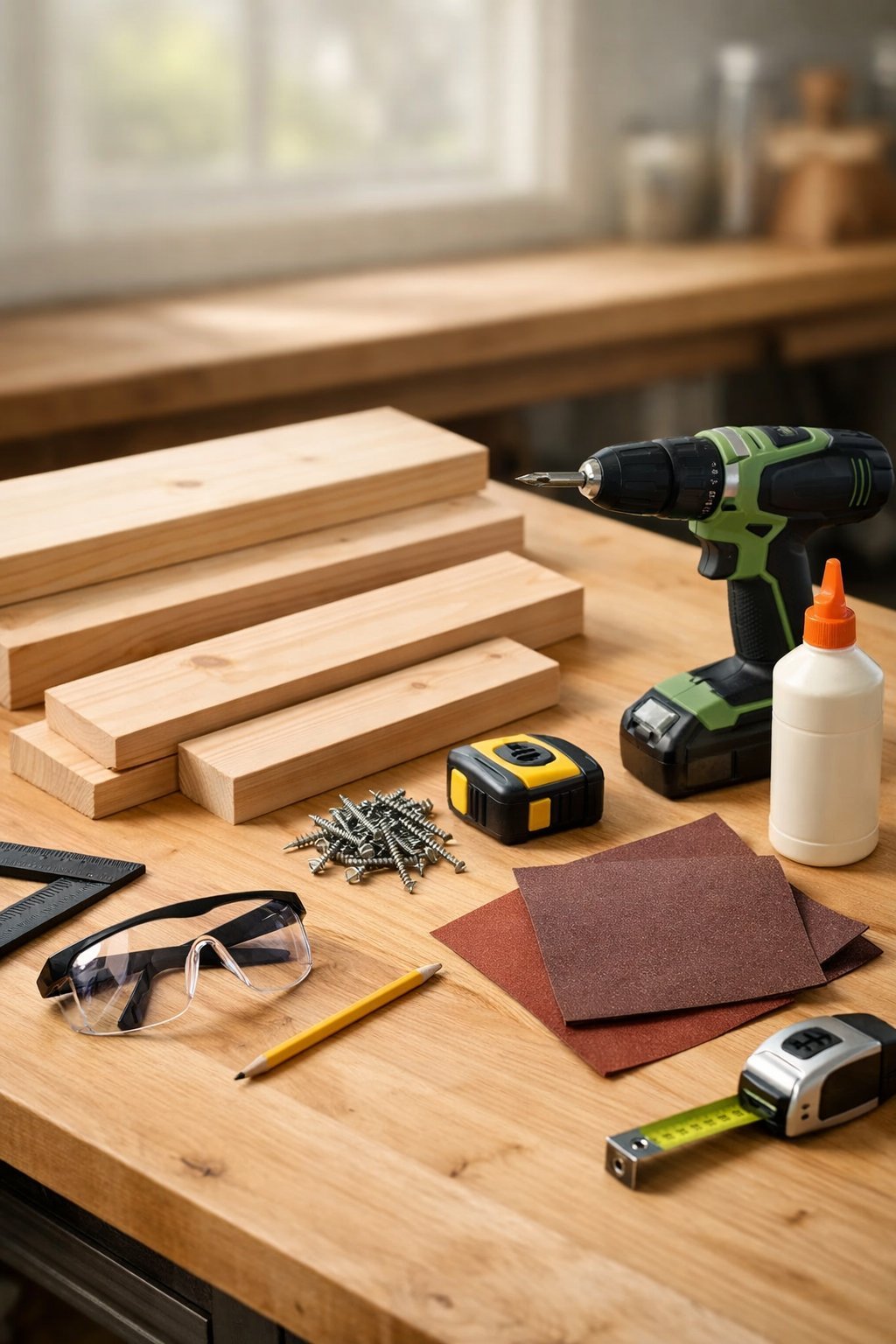
Building your own elevated dog bowl stand requires some basic materials and tools that you probably already have in your garage or workshop. I’ll walk you through everything you need to gather before starting this project so you can work efficiently without multiple trips to the hardware store.
Essential Supplies
Wood is the main material for this project. I recommend getting a 4-foot by 4-foot piece of plywood or solid wood boards depending on your design preferences.
You’ll also need wood glue to strengthen the joints. Hardware includes wood screws in various sizes.
I use 1.25-inch screws for most connections and 2-inch screws for the legs. You’ll need at least 20-30 screws total.
Bowls need to be measured before you start building. Most standard dog bowls are 5 to 7 inches in diameter.
I always measure my bowls first to ensure the holes I cut will fit properly. Finishing supplies protect your stand from water damage and food stains.
Sandpaper in 120-grit and 220-grit helps smooth rough edges. A food-safe finish like mineral oil or water-based polyurethane keeps the wood looking great.
Recommended Tools
I need a drill with various drill bits for making pilot holes and driving screws. A cordless drill works best for this project since you’ll move around the workpiece frequently.
A saw cuts the wood pieces to size. I prefer a circular saw for straight cuts, but a jigsaw works well for cutting the bowl holes.
A handsaw can work if you don’t have power tools. Measuring tools keep everything accurate.
I always use a tape measure, pencil, and carpenter’s square to mark cut lines and ensure right angles. A sander makes finishing faster and easier.
An orbital sander saves time, but you can sand by hand if needed. Safety glasses and ear protection are important when using power tools.
Choosing the Right Wood
Pine is my top choice for beginners because it’s affordable and easy to work with. It costs around $15-25 for enough material to build an elevated diy dog bowl stand.
Pine takes stain well if you want to change the color. Hardwoods like oak or maple last longer and resist scratches better than pine.
They cost more but create a sturdier stand that handles daily use from larger dogs. Hardwood works great if you want your stand to match existing furniture.
Plywood offers good stability and costs less than solid hardwood. I recommend 3/4-inch thick plywood for the main platform and legs.
Avoid particle board because it breaks down quickly when exposed to water from dog bowls.
Planning Your DIY Dog Bowl Stand
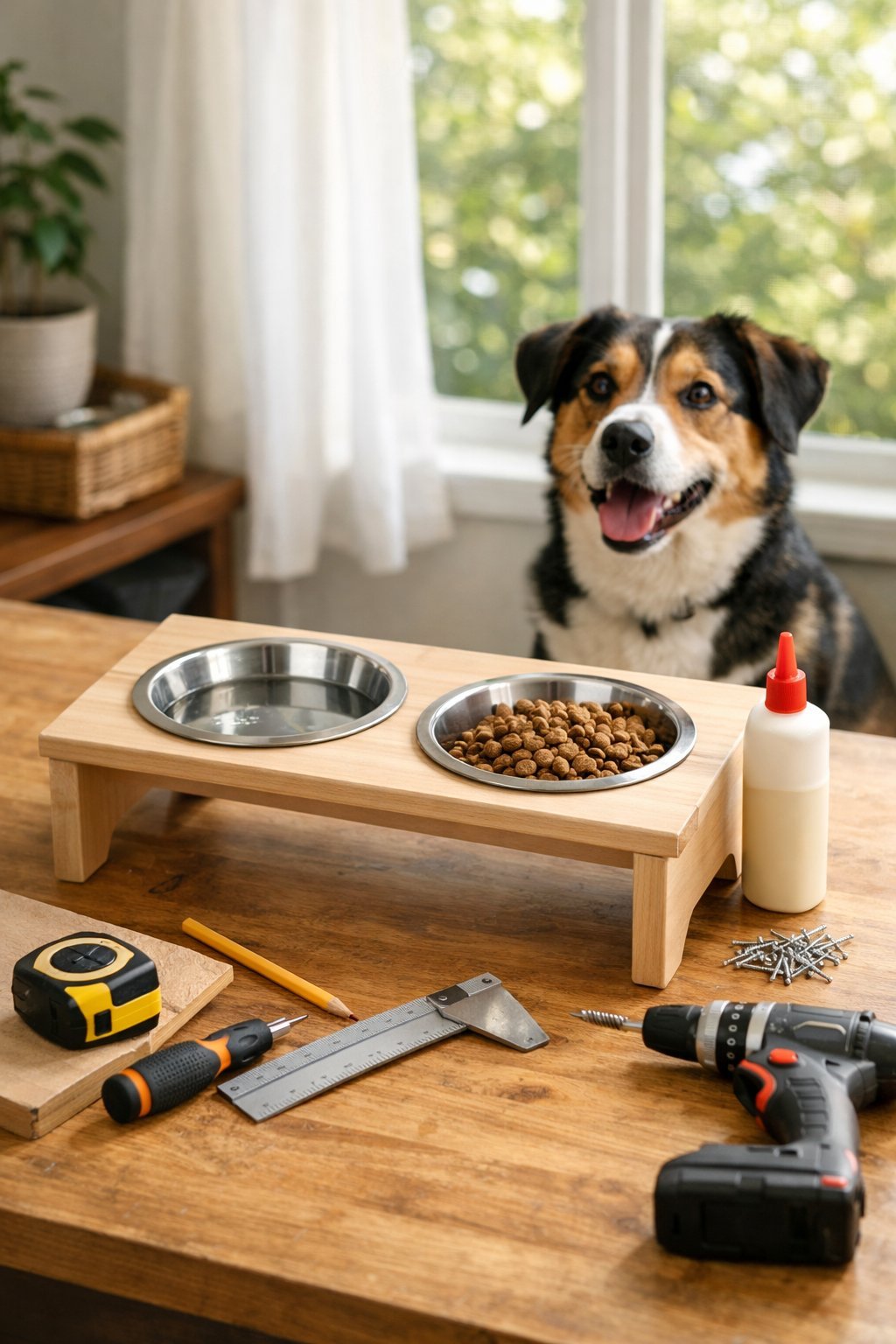
Before I start cutting wood or gathering materials, I need to plan out my dog bowl stand carefully. Getting the height right and choosing where to place the bowls will make a big difference in my dog’s comfort during meals.
Selecting the Best Size for Your Dog
The height of my elevated dog bowl stand depends on my dog’s size. I measure from the floor to my dog’s shoulder, then subtract about 6 inches.
This puts the bowls at a comfortable eating height. For small dogs under 12 inches tall, I keep the stand between 2-4 inches high.
Medium dogs around 12-20 inches tall need stands that are 7-12 inches high. Large dogs over 20 inches tall do best with stands that are 12-18 inches high.
Making eating easier and reducing mess starts with proper height. I watch my dog eat from the finished stand to make sure their neck stays level with their spine.
If they have to bend down too far or reach up uncomfortably, I adjust the height before finalizing my design.
Deciding on Bowl Placement
I think about how many bowls I need before building. Most dogs need two bowls: one for food and one for water.
I space them 6-8 inches apart so my dog can move between them easily. The bowl holes need to match my bowls exactly.
I measure the diameter of my bowls at the widest point, then add 1/4 inch for a snug fit. Some bowls have a rim that sits on top of the stand, while others drop down into the holes completely.
I place the bowls side by side in a single row for most designs. This layout works well and saves space.
For larger dogs with bigger bowls, I make sure the stand is wide enough so the bowls don’t touch each other.
Design Customization Options
Building functional and stylish feeding stations means choosing materials and finishes that match my home. I can use reclaimed pallet wood for a rustic look or smooth pine boards for a modern style.
Paint and stain options let me match my existing furniture. I use non-toxic, pet-safe finishes since my dog will be eating near the surface.
Clear polyurethane protects the wood from water spills and food stains. I add personal touches like my dog’s name carved or painted on the front.
Some people add storage underneath for food containers or treat bags. I keep the design simple for my first build, knowing I can always make a fancier version later.
Step-by-Step Building Guide
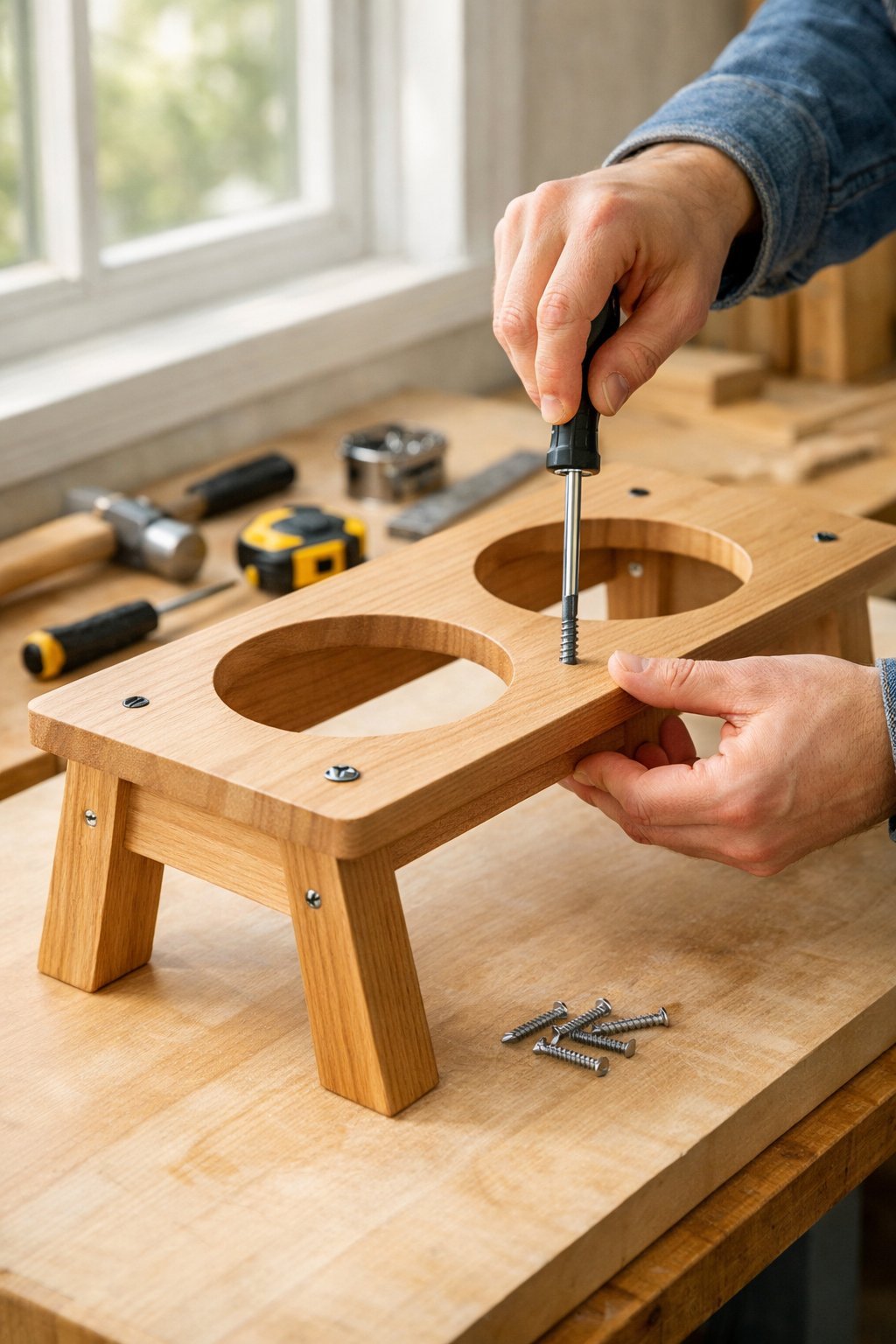
I’ll walk you through each stage of construction, from cutting your first piece of wood to placing the final bowl. The process moves quickly when you have your materials ready and follow these straightforward steps.
Measuring and Cutting Materials
I always start by measuring the height my dog needs. For medium-sized dogs, I cut the legs to 8-10 inches tall.
Larger dogs need 12-15 inch legs. I measure and mark all my cuts before I start sawing.
For a basic stand, I need four pieces for legs, two long pieces for the front and back rails, and two shorter pieces for the side rails. The top platform should be wide enough to hold both bowls with 2-3 inches of space between them.
I use a miter saw for straight cuts, but a circular saw works fine too. I cut the legs first, making sure they’re all exactly the same length.
Then I cut the frame pieces to match my planned dimensions. Double-checking measurements saves time later.
I lay out all the pieces before assembly to make sure everything fits together properly.
Constructing the Base Frame
I build the frame by connecting the rails to the legs first. I apply wood glue to each joint before drilling pilot holes to prevent splitting.
Then I drive 2.5-inch screws through the rails into the legs. I start with one long side, attaching the front rail to two legs.
Then I attach the back rail to those same legs. This creates a stable H-shape.
Next, I connect the other two legs with rails the same way. Once both sides are done, I join them with the shorter side rails.
I make sure the frame sits level on my workbench before the glue dries. The top platform gets attached last.
I center it on the frame and secure it with screws from underneath. This keeps the screws hidden for a cleaner look.
Finishing and Sanding the Surface
I start sanding every surface with 80-grit sandpaper to get rid of rough spots and splinters. Then I switch to 120-grit for a smoother finish.
I pay extra attention to edges and corners where my dog might bump into the stand. After sanding, I wipe away all the sawdust with a damp cloth before applying any finish.
For the coating, I use either food-safe wood oil or water-based polyurethane. Oil is easier to apply, but polyurethane offers better protection against water spills.
I apply thin coats and let each one dry completely. Two to three coats usually do the trick.
Between coats, I lightly sand with 220-grit sandpaper for the smoothest result. Drying time varies, but I usually wait 24 hours before moving on.
Installing the Bowls Securely
I measure my dog bowls and mark their positions on the top platform. I space them evenly with at least 2 inches between each bowl.
For bowls with a rim, I trace around the bottom to create cutting lines. I drill a starter hole inside each circle, then use a jigsaw to cut out the openings.
The holes should be just a bit smaller than the bowl rim so the bowls sit on top without falling through. I always test fit each bowl before final assembly.
Some bowls come with metal inserts that drop into the openings. I make sure these fit snugly but can still be removed for cleaning.
If the bowls slide around too much, I add small rubber bumpers underneath the rim for extra grip.
Personalizing and Decorating Your Stand
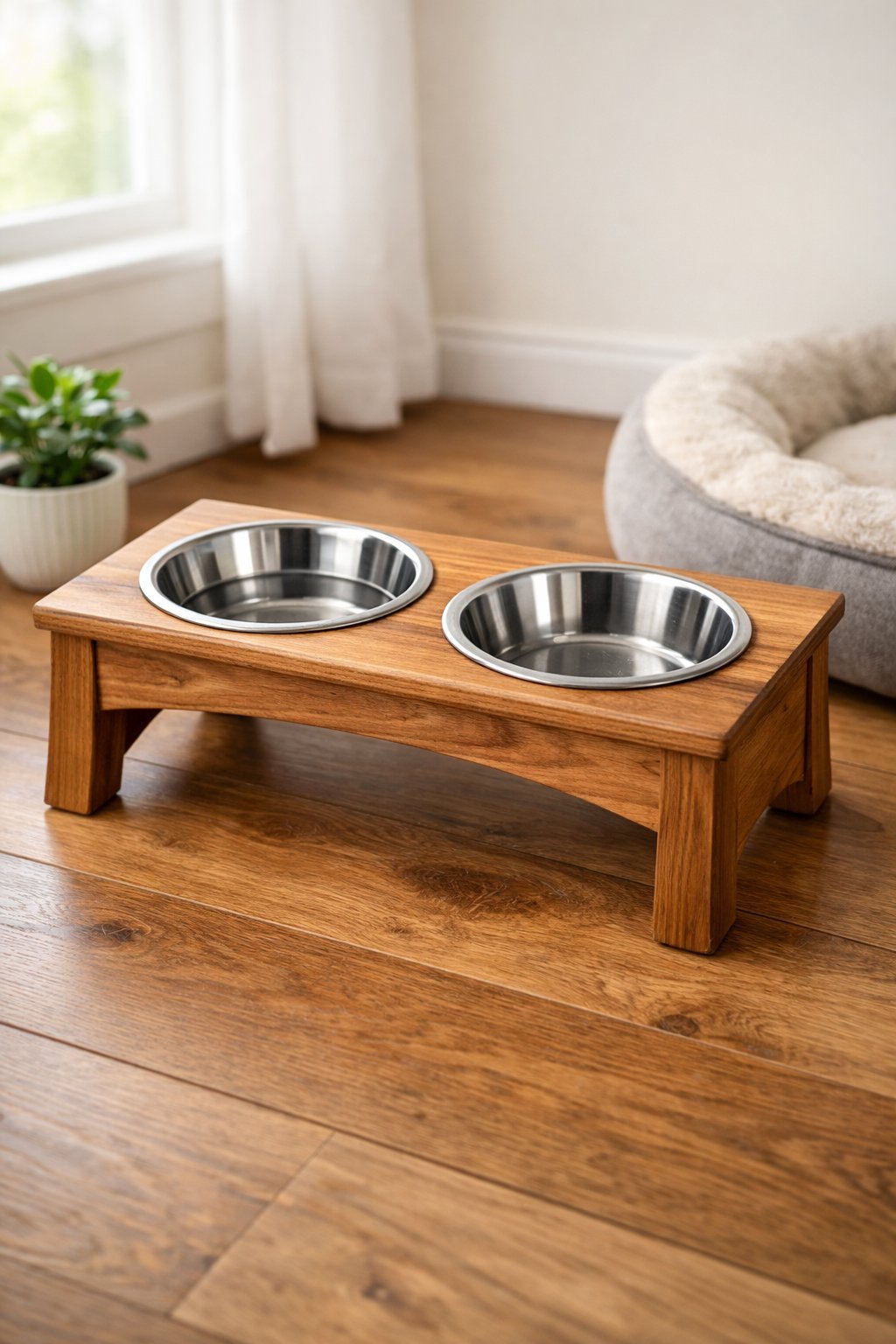
Once you’ve built your dog bowl stand, adding personal touches helps it blend with your home and keeps it functional for your pup. The right finish protects the wood and adds style, while safety features keep bowls in place during excited mealtimes.
Painting and Staining Tips
I always start by sanding the stand with 120-grit sandpaper to create a smooth surface. This helps paint and stain stick better.
For indoor stands, I recommend water-based paints or stains because they dry quickly and have less smell. Choose pet-safe finishes that won’t harm your dog if they lick the stand.
I apply two thin coats instead of one thick one to avoid drips and uneven spots. If you want a natural wood look, wood stain works perfectly.
I wipe it on with a clean cloth and let it soak in for five minutes before wiping off the excess. For painted stands, I use a foam roller for smooth surfaces and a small brush for edges and corners.
Always let each coat dry completely before adding another. I typically wait 24 hours between coats.
Finish with a clear polyurethane sealer to protect against water splashes and food spills.
Adding Non-Slip Features
I attach rubber furniture pads to the bottom of each leg to keep the stand from sliding across the floor. These small pads cost just a few dollars and make a big difference during mealtime.
For the bowl cutouts, I use non-slip shelf liner cut into circles. I place these liners in the holes before setting the bowls down.
This stops the bowls from rattling or tipping when my dog eats. Another option I like is applying strips of rubber or cork along the base perimeter.
You can glue these down with construction adhesive. Some builders also add a raised lip around each bowl opening using small wooden trim pieces to keep bowls centered.
Creative Decorative Ideas
I personalize my dog bowl stands by adding my pet’s name with wood-burning tools or vinyl letter stickers. Creating a custom dog bowl stand lets you match your home’s style perfectly.
Stencils work great for adding paw prints, bones, or patterns along the sides. I use acrylic craft paint for these details.
You can also attach decorative knobs or hooks to the front for hanging leashes or storing treats. For a rustic look, I leave the wood natural and add metal corner brackets.
Modern homes look great with two-tone paint schemes like white legs with a gray top. I’ve even seen stands with chalkboard paint panels where owners write feeding schedules or cute messages.
Caring for Your Elevated Feeding Station
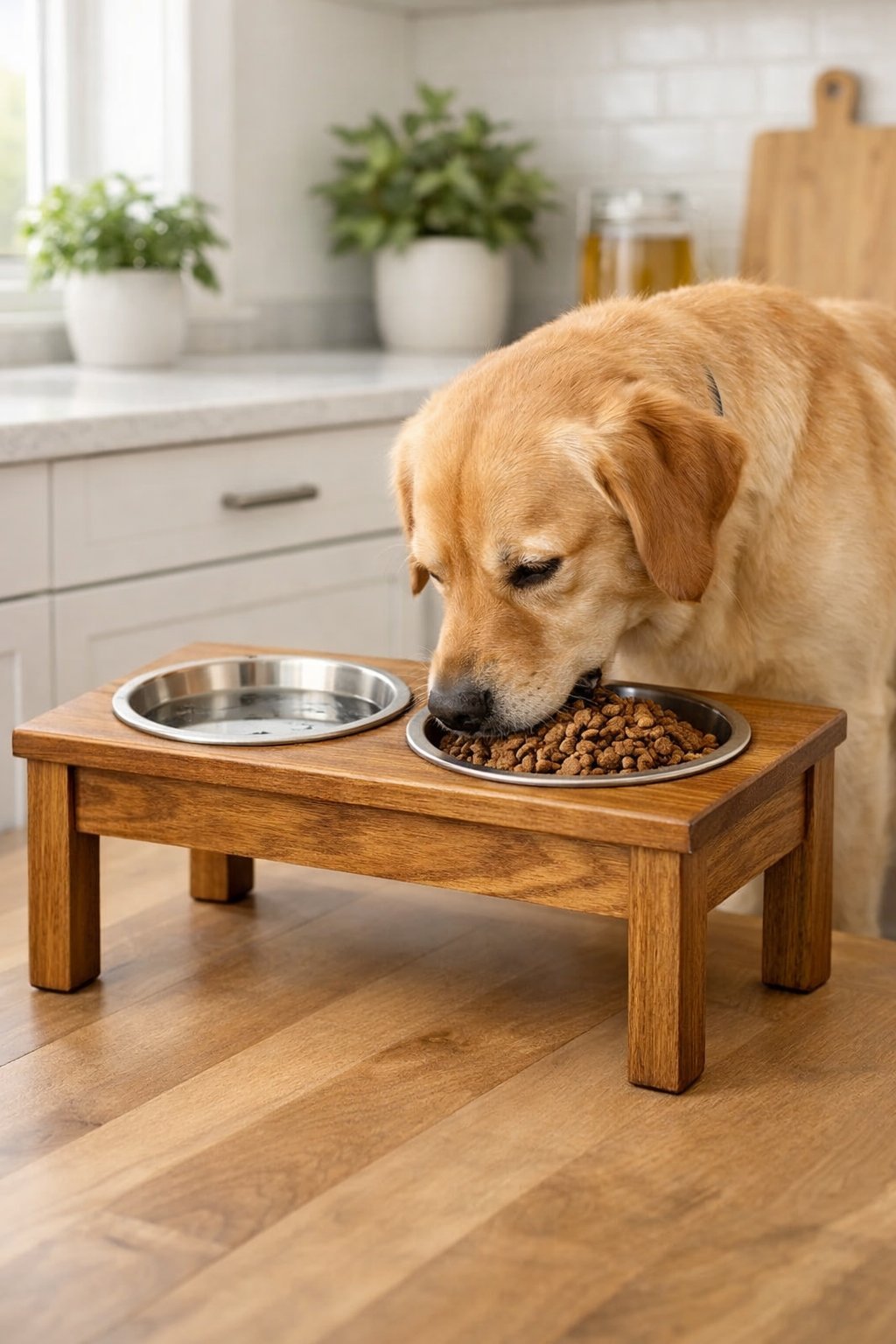
Taking care of your DIY dog bowl stand keeps it looking great and working well for years to come. Regular cleaning and simple maintenance will keep your dog’s feeding area safe and sanitary.
Cleaning and Maintenance
I clean my dog’s elevated feeding station daily by wiping down the surface around the bowls with a damp cloth. Food crumbs and water splashes can build up quickly, so a quick wipe after each meal prevents sticky residue.
Deep clean the bowls and station with pet-safe cleaning products at least once a week. I remove the bowls and wash the entire platform with warm soapy water or a mix of water and white vinegar.
This removes bacteria and food oils that regular wiping misses. For sealed wood stands, I avoid soaking the surface.
Instead, I use a slightly damp cloth and dry it right away. Unsealed wood needs extra care since moisture can cause warping or staining.
I check the stability of my stand every few weeks by giving it a gentle shake. Loose screws or joints need tightening right away to prevent wobbling during meals.
Long-Term Durability Tips
I apply a fresh coat of pet-safe sealant or polyurethane every 6-12 months to protect the wood from water damage. This keeps the finish looking new and prevents the wood from cracking or splitting.
Placing a waterproof mat under the feeding station catches spills before they reach your floor. I also position my stand away from direct sunlight, which can fade the finish and dry out the wood over time.
I inspect the bowl cutouts regularly for signs of wear or water damage. If I notice any soft spots or discoloration around the edges, I sand the area lightly and reapply sealant.
Keeping the hardware tight prevents stress on the joints that can lead to cracks or breaks.
Frequently Asked Questions
Building your own elevated dog bowl stand raises practical questions about materials, construction steps, proper height, and safety considerations. You can customize these projects to match your home while keeping your dog’s comfort in mind.
What materials do I need to create a homemade elevated dog bowl stand?
The basic materials I use include wood boards for the frame and legs, wood glue, screws or nails, and sandpaper for smoothing rough edges. Most DIY elevated dog bowl stands use common lumber like pine or plywood.
I’ll also need two stainless steel or ceramic bowls that fit the holes I cut in the top platform. A drill with a hole saw attachment makes cutting perfect circles for the bowls much easier.
For finishing touches, I can use wood stain, paint, or a clear sealant to protect the wood from water damage. Basic tools like a saw, measuring tape, and level complete my supply list.
Can you guide me through the process of building a dog bowl stand?
I start by measuring and cutting four legs to my desired height, usually between 4 and 12 inches depending on my dog’s size. Then I cut a top platform that’s wide enough to hold two bowls with some space between them.
I attach the legs to the corners of the platform using wood glue and screws for extra stability. Next, I measure the diameter of my dog bowls and mark circles on the platform where they’ll sit.
Using a drill with a hole saw bit, I carefully cut out the circles for the bowls. I sand all surfaces and edges smooth to prevent splinters.
Finally, I apply my chosen finish and let it dry completely before placing the bowls in their openings.
How can I ensure the dog bowl stand height is comfortable for my pet?
I measure from the floor to my dog’s shoulder when they’re standing in a natural position. The ideal bowl height is usually 4 to 6 inches below shoulder level for most dogs.
Small dogs under 15 pounds usually need stands that are 2 to 4 inches tall. Medium dogs between 15 and 50 pounds do well with 8 to 12 inch stands.
Large dogs over 50 pounds need stands around 12 to 16 inches high. I watch my dog’s posture during their first few meals at the new stand.
If they’re straining their neck down or up too much, I adjust the height accordingly.
What safety measures should I consider when making a DIY raised feeding station?
I sand all wood surfaces thoroughly to eliminate splinters that could hurt my dog’s paws or face. Sharp edges and corners need extra attention with sandpaper until they’re smooth and rounded.
The stand must be stable and not wobble when my dog eats. I use strong wood glue and multiple screws at each joint to prevent the stand from tipping over.
Adding rubber feet or non-slip pads to the bottom keeps it from sliding across the floor. I only use pet-safe finishes like food-grade mineral oil or non-toxic water-based sealers.
Regular wood stains and paints can contain harmful chemicals if my dog licks the stand.
Are there any easy-to-follow plans for beginners to make an elevated dog bowl stand?
Yes, I can find free DIY dog bowl stands with step-by-step instructions online. Many sites offer modern elevated dog bowl stand plans designed for beginners.
Simple designs use just four legs and a platform with minimal cuts and joints. These basic stands require only a saw, drill, and sandpaper.
Easy DIY dog bowl stand guides walk me through each step with photos or videos. I can complete most beginner projects in one afternoon with basic tools I probably already own.
Starting with a simple design helps me build confidence before trying more complex patterns.
Could you suggest ways to personalize a DIY dog bowl stand to match my home decor?
I can paint the stand in colors that complement my kitchen or dining room. Chalk paint gives a farmhouse look, while bright colors work well in modern spaces.
Wood stains in different shades let the natural grain show through while matching my existing furniture. I might go with a dark walnut stain for traditional homes or a light whitewash for coastal decor.
Adding decorative details like stenciled designs, my dog’s name, or paw print stamps makes the stand unique. Metal accents like corner brackets or decorative bolts add an industrial touch.
For a rustic style, I can leave the wood natural and distress the edges slightly with sandpaper.