
DIY Dog Shampoo That Leaves Fur Soft & Fresh: Natural Recipes Your Pup Will Love

DIY Dog Shampoo – Store-bought dog shampoos can be pricey and often have harsh chemicals that dry out your pet’s skin. Making your own dog shampoo at home lets you control what goes on your dog’s coat while saving money.
You can create a gentle homemade dog shampoo using simple ingredients like castile soap, coconut oil, and aloe vera. These leave fur soft and fresh without stripping natural oils.
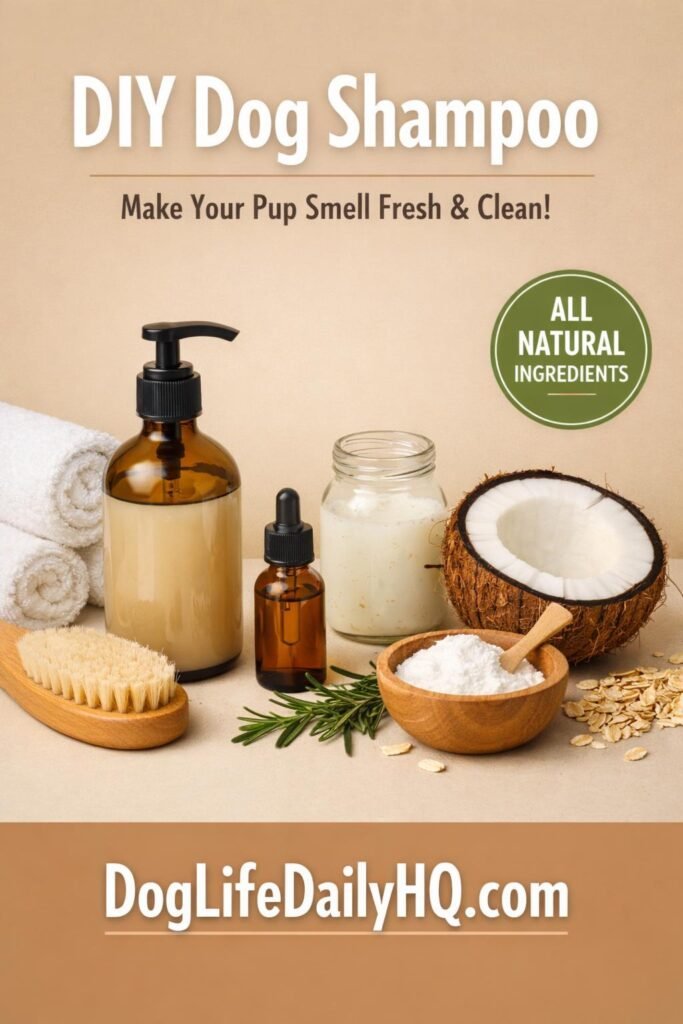
I’ve found that DIY dog shampoos work just as well as expensive store brands when you use the right combination of ingredients. The best part is, you probably already have most of what you need in your kitchen or bathroom.
These homemade recipes are safe for dogs with sensitive skin. You can customize them based on your pet’s specific needs.
Whether your dog has dry skin, allergies, or just needs a regular bath, making your own shampoo gives you peace of mind. I’ll show you how to mix up batches that clean effectively, smell great, and keep your dog’s coat shiny and healthy.
Key Takeaways
- Homemade dog shampoo uses safe natural ingredients that are gentle on skin and cost less than store-bought options.
- Common household items like castile soap and coconut oil create effective cleaning formulas that add softness and shine.
- Proper storage and application techniques help your DIY shampoo last longer and work better for your dog’s coat.
Benefits of DIY Dog Shampoo for Soft & Fresh Fur
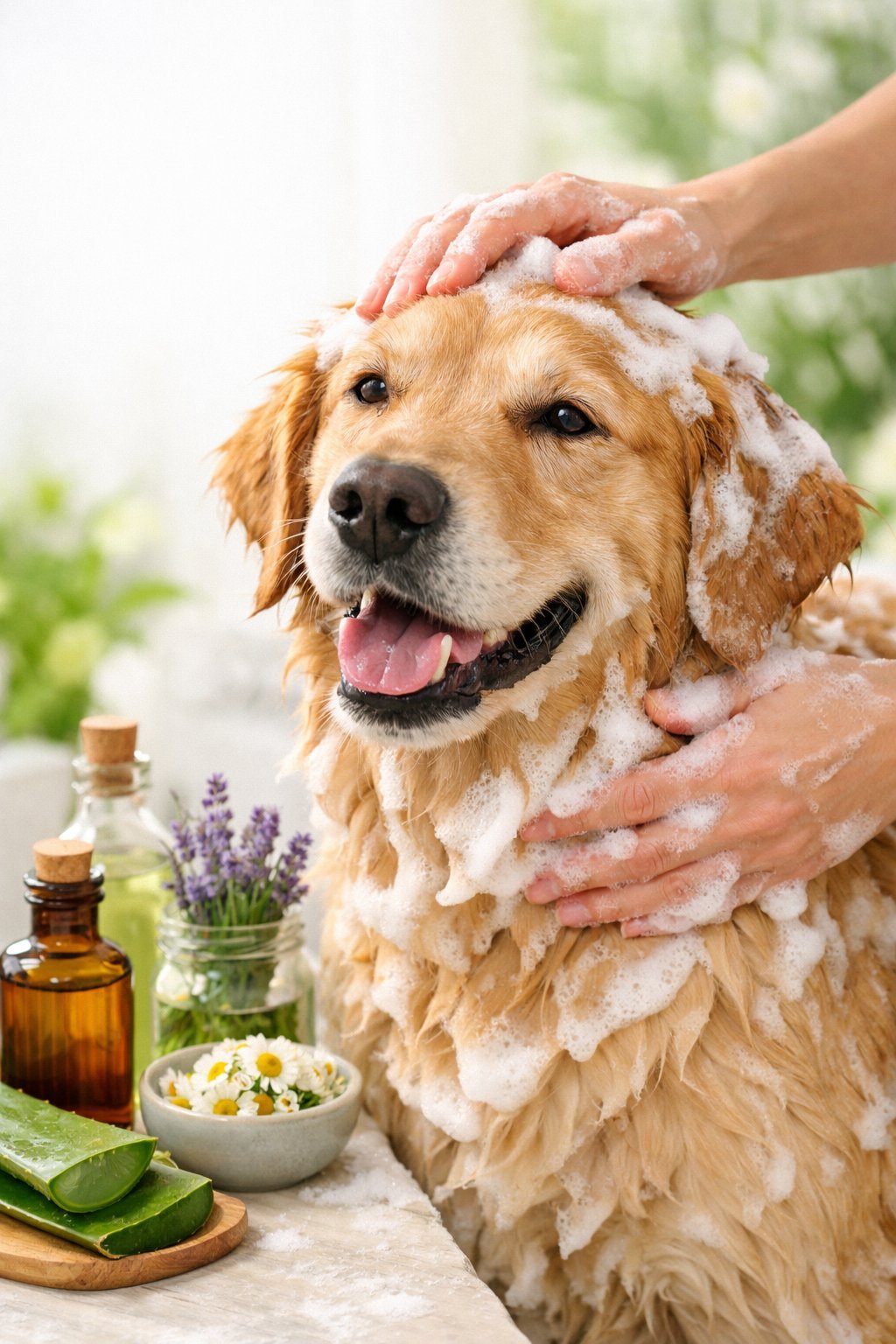
Making my own dog shampoo gives me full control over what touches my pet’s skin while saving money. I can pick gentle ingredients that work for my dog’s specific needs and create custom scents my pup loves.
Natural Ingredients for Healthier Skin
When I make DIY dog shampoo with natural ingredients, I know exactly what’s going into the recipe. Store-bought shampoos often contain harsh chemicals, artificial fragrances, and preservatives that can irritate sensitive skin.
I use simple ingredients like coconut oil, oatmeal, and aloe vera that are gentle on my dog’s coat. These natural options help soothe itchy skin and reduce irritation without stripping away essential oils.
Homemade recipes let me avoid sulfates, parabens, and synthetic dyes that my dog doesn’t need. I can choose ingredients based on my pet’s specific skin type, whether they have dry patches, oily fur, or allergies.
Cost Savings Versus Store-Bought Options
Making my own dog shampoo costs a fraction of what I’d spend on premium pet products. A bottle of specialty dog shampoo can run $15 to $30, while I can make multiple batches at home for under $5.
Most homemade dog shampoo recipes use ingredients I already have in my kitchen or bathroom. Castile soap, baking soda, and vinegar are affordable staples that last for months.
The savings add up quickly if I bathe my dog weekly or have multiple pets. I spend less money overall while getting fresh batches every time.
Customizing Scents and Formulas
I can adjust my homemade shampoo recipes to match my dog’s needs perfectly. If my pup has dry skin, I add more moisturizing oils.
For extra cleaning power, I include ingredients that target dirt and odor. Adding essential oils lets me create custom scents my dog enjoys.
Lavender helps with relaxation, while peppermint provides a fresh smell. I use only dog-safe oils in small amounts to avoid overwhelming my pet’s sensitive nose.
I can make different formulas for different seasons too. In winter, I add extra conditioning ingredients for dry skin. During summer, I focus on recipes that repel fleas and remove outdoor odors.
Essential Ingredients for Gentle Dog Shampoo
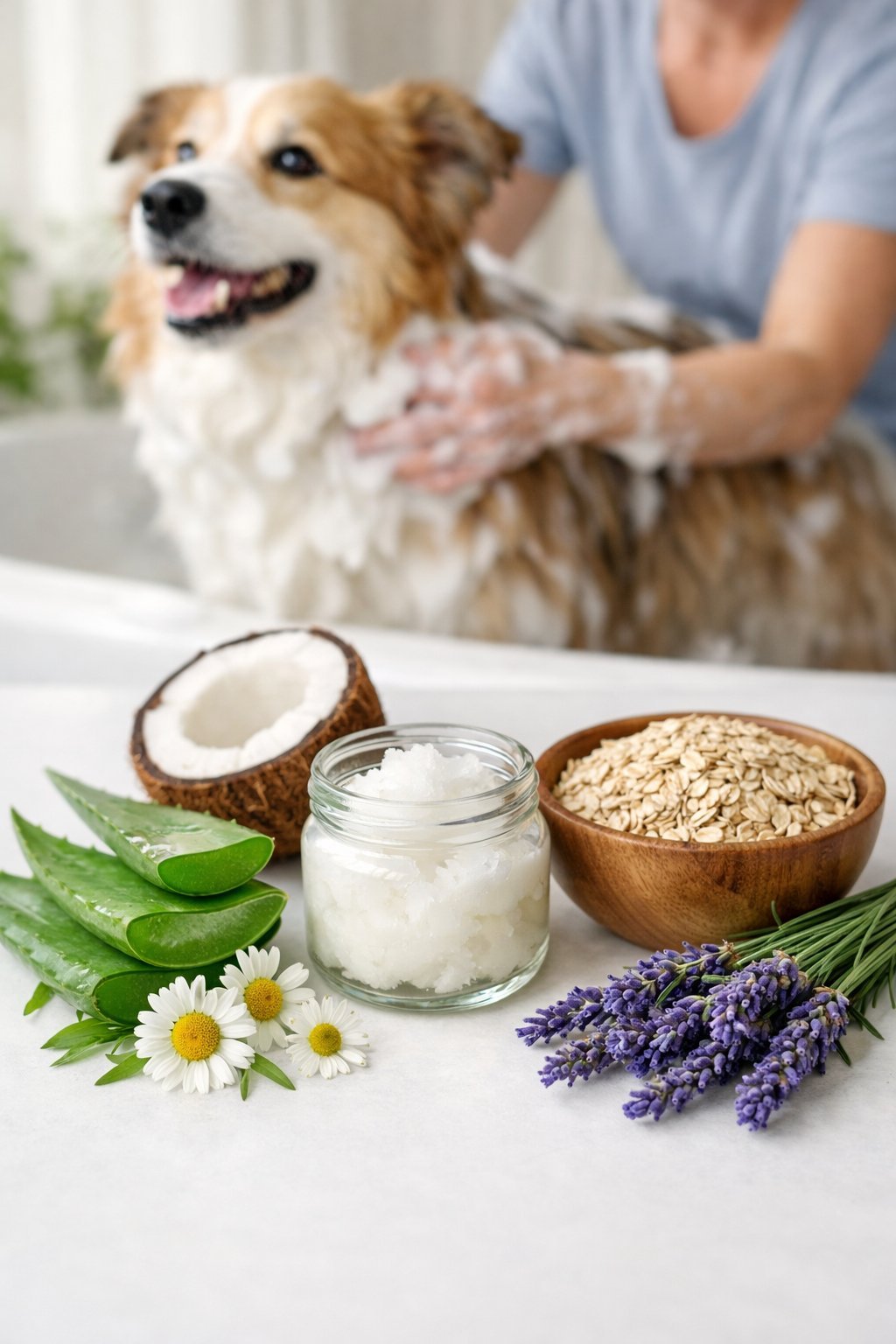
The best homemade dog shampoos rely on mild cleansers that won’t strip natural oils. Moisturizing ingredients keep skin healthy, and you can add extras that work well for dogs with sensitivities.
Safe Cleansing Agents
I’ve found that castile soap serves as a gentle cleanser that removes dirt without irritating your dog’s skin. This plant-based soap is much milder than human shampoos and won’t damage the natural oils your dog needs.
Dish soap can work in a pinch, but I only recommend using a tiny amount. A few drops mixed with other ingredients creates enough lather to clean without being harsh.
Baby shampoo is another option I’ve used successfully for dogs with very sensitive skin. The key is using products with a neutral pH level.
Dogs have more sensitive skin than humans, so harsh detergents can cause dryness and itching.
Natural Moisturizers and Conditioners
Oatmeal is one of my favorite ingredients for soothing irritated skin. I grind plain oats into a fine powder and add it to the shampoo base.
It helps calm itching and adds moisture. Vegetable glycerin is another ingredient I use regularly.
It pulls moisture into the skin and keeps your dog’s coat soft after bathing. Coconut oil works well as a conditioner when added in small amounts.
I use about a teaspoon per cup of shampoo. Aloe vera gel is also excellent for moisturizing and has cooling properties that feel good on skin.
Allergy-Friendly Additions
For dogs with allergies, I keep ingredients simple and avoid unnecessary additives. Plain water, castile soap, and oatmeal create an effective shampoo without common irritants.
If you want to add essential oils for flea prevention, lavender is considered safe in very small amounts. I never use more than 2-3 drops per full batch of shampoo.
Some dogs react badly to essential oils, so I always test a small area first. Baking soda helps neutralize odors without adding fragrance.
Apple cider vinegar can balance pH levels when diluted properly. I mix one part vinegar with three parts water.
Step-By-Step Guide to Making DIY Dog Shampoo
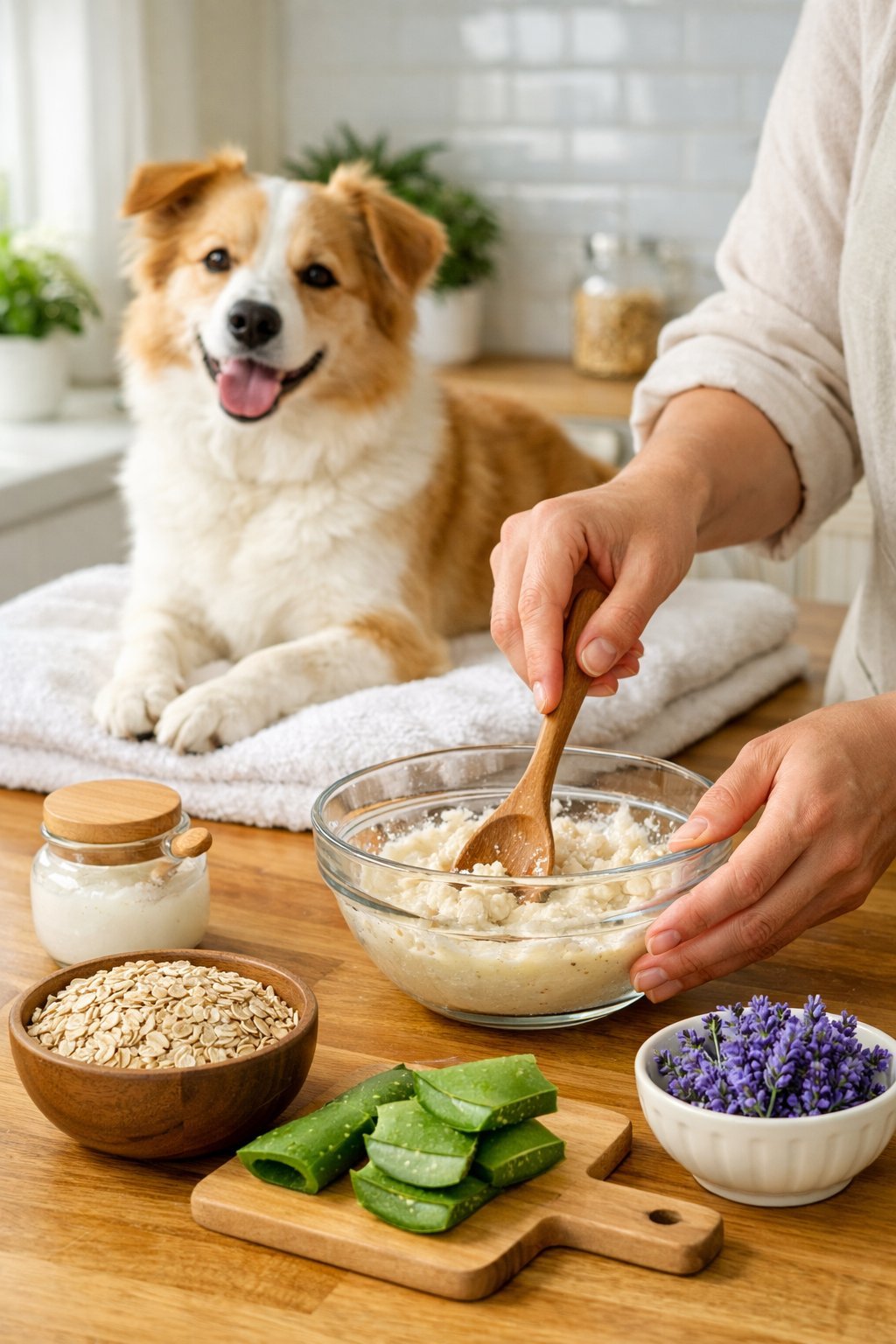
Making your own dog shampoo requires the right supplies, proper mixing techniques, and adjustments based on your dog’s specific coat type. I’ll walk you through each step to help you create a shampoo that works perfectly for your furry friend.
Gathering Supplies and Tools
I always start by collecting everything I need before mixing. For basic homemade dog shampoo, I gather a mixing bowl, measuring cups, a whisk or spoon, and a storage bottle with a pump or squeeze top.
The essential ingredients I keep on hand include liquid castile soap, water, and either glycerin or aloe vera gel. These form the base of most recipes.
For dogs with specific needs, I add optional ingredients like coconut oil for moisture, oatmeal for itchy skin, or baking soda for odor control. I make sure all my ingredients are pet-safe and avoid anything containing artificial fragrances, sulfates, or harsh chemicals.
My mixing bowl should be glass or plastic. I prefer bottles that hold 8 to 16 ounces.
I label each bottle with the recipe and date so I remember what’s inside.
Mixing the Ingredients Properly
I start by measuring out 1 cup of water and pouring it into my mixing bowl. Then I add ¼ cup of liquid castile soap slowly while stirring gently to avoid creating too many bubbles.
Next, I mix in 2 tablespoons of glycerin or aloe vera gel for moisture. I stir everything together using slow, steady motions until the mixture looks uniform.
If I’m adding extras like vitamin E oil or coconut oil, I incorporate them at this point using about 1 teaspoon per batch. I whisk thoroughly to make sure the oils blend in completely.
Once everything is combined, I carefully pour the mixture into my storage bottle using a funnel to avoid spills. I shake the bottle gently before each use since natural ingredients can separate over time.
Adjusting Formulas for Coat Types
Different coat types need different formulas to get the best results. For dogs with dry or sensitive skin, I increase the aloe vera gel to 3 tablespoons and add an extra teaspoon of coconut oil for additional moisture.
Long-haired breeds benefit from formulas with more glycerin, which helps detangle fur and adds shine. I use 3 tablespoons of glycerin instead of the standard 2 tablespoons in these cases.
For oily coats, I reduce the oils and add 1 tablespoon of apple cider vinegar to help balance the skin’s pH. Dogs with thick double coats need a formula that penetrates deeply, so I thin the mixture with an extra ¼ cup of water.
I always test new shampoo formulas on a small patch of my dog’s skin first. This helps me make sure there’s no irritation before I use it for a full bath.
Tips for Washing Your Dog for Ultimate Softness
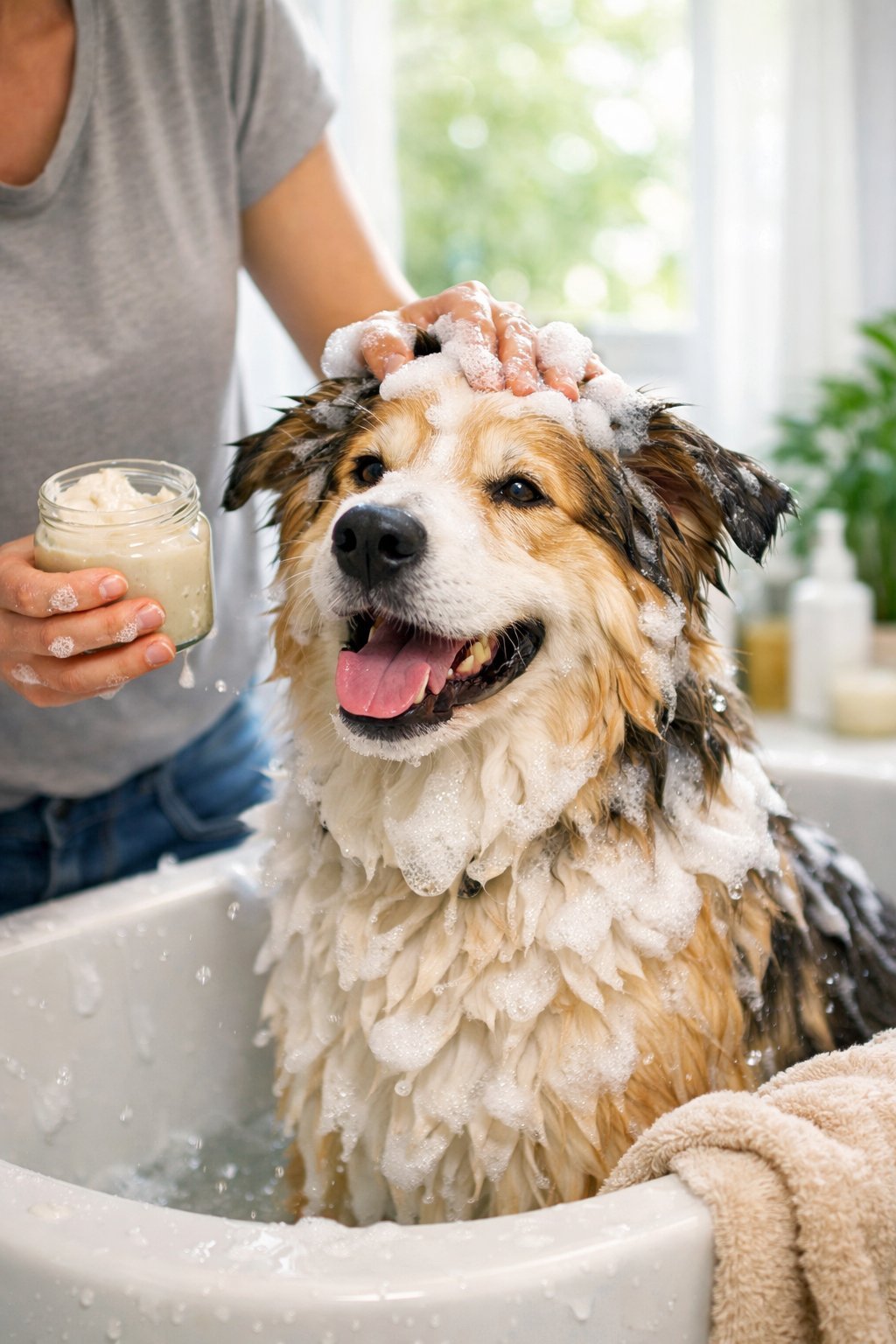
The way you wash your dog matters just as much as the shampoo you use. Proper technique from start to finish helps create that soft, fresh coat we all want for our furry friends.
Preparation Before Bathing
I always brush my dog thoroughly before bath time. This removes loose fur, mats, and tangles that can get worse when wet.
I gather all my supplies within arm’s reach before starting. This includes shampoo, towels, a cup for rinsing, and treats.
Getting everything ready first means I won’t need to leave my dog unattended in the tub. Water temperature is critical for comfort and softness.
I test the water on my wrist first, just like I would for a baby. The water should feel warm but not hot.
I place a rubber mat in the tub to prevent slipping. This helps my dog feel secure and reduces stress during the bath.
A calm dog is much easier to wash properly.
Ideal Lathering Techniques
I wet my dog’s coat completely with lukewarm water before applying any homemade dog shampoo. A thoroughly wet coat allows the shampoo to spread evenly and work better.
I start shampooing at the neck and work my way back toward the tail. This prevents fleas from running to the head area.
I use gentle circular motions with my fingertips, not my nails. I massage the shampoo into the coat rather than just rubbing it on the surface.
This helps clean down to the skin where oils and dirt collect. Proper lathering removes buildup that can make fur feel rough and dull.
I avoid getting shampoo in my dog’s eyes, ears, and mouth. For the face, I use a damp washcloth with a small amount of shampoo instead of pouring it directly.
Rinsing and Drying for Silky Fur
Rinsing is the key step for soft fur. I rinse much longer than I think I need to because leftover shampoo makes the coat feel sticky and attracts dirt quickly.
I rinse from the head down, letting water carry soap away from the face. As I rinse, I run my hands through the fur to check for any slippery spots that still have shampoo.
After rinsing, I gently squeeze excess water from the coat before towel drying. Squeezing instead of rubbing helps prevent tangles and breakage that can make fur feel rough.
I use a clean, absorbent towel and pat the fur rather than rubbing vigorously. If I use a blow dryer, I keep it on the cool or warm setting and move it constantly to avoid burning the skin.
Storing and Preserving Homemade Dog Shampoo
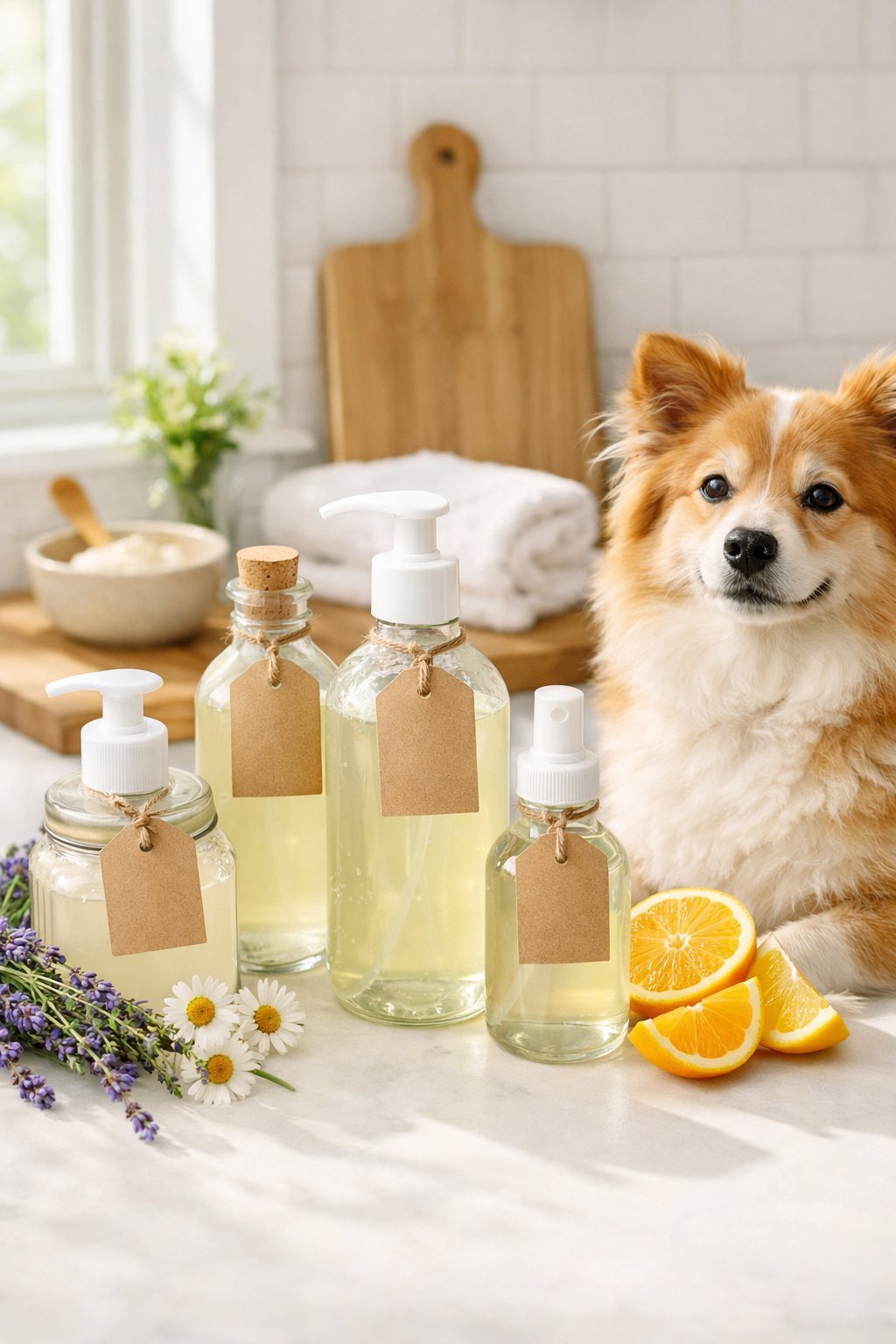
Homemade dog shampoo needs proper storage to stay fresh and safe for your pup. The right container and storage method can make DIY shampoo last weeks instead of days.
Best Storage Practices
I always store my homemade dog shampoo in clean, airtight containers. Glass bottles are my favorite because they don’t absorb odors or chemicals.
Plastic squeeze bottles work too, but I make sure they’re BPA-free. I keep my shampoo in a cool, dark place like a bathroom cabinet or closet.
Heat and sunlight break down natural ingredients quickly. The refrigerator is my go-to spot for shampoos with fresh ingredients like aloe vera or coconut oil.
Before pouring in fresh shampoo, I wash the container with hot, soapy water and let it dry completely. This helps prevent bacteria growth.
I also label each bottle with the date I made it so I know when to toss it.
Extending Shelf Life Safely
Most homemade dog shampoos last 2-4 weeks when stored properly. I make small batches to avoid waste.
If I see any cloudiness, strange smell, or separation that won’t mix back together, I throw it out right away. Adding about 10 drops of vitamin E oil per cup of shampoo helps it last longer.
Vitamin E acts as a natural preservative and protects the other ingredients from going bad too quickly. I never add water directly to my storage container because it introduces bacteria.
Instead, I dilute the shampoo right before bath time if needed. Keeping moisture out of the main bottle keeps my shampoo fresher for longer.
Frequently Asked Questions
Making your own dog shampoo brings up a lot of common questions about ingredients, recipes, and techniques. Here are answers to help you create effective shampoos that keep your dog’s coat soft and smelling great.
What are the best natural ingredients to use for a homemade dog shampoo that leaves fur feeling soft and fresh?
Castile soap is my go-to base ingredient because it cleans gently without stripping natural oils from your dog’s skin. This plant-based soap works well for most dogs and won’t irritate sensitive skin.
Aloe vera gel is another favorite. It soothes the skin and adds moisture to keep fur soft.
Vegetable glycerin helps lock in moisture and makes your dog’s coat feel silky after bath time. I usually add about a tablespoon to my shampoo mixture.
Essential oils like lavender can add a fresh scent, but I only use a few drops. Too much can irritate your dog’s skin or nose.
How do you make an effective DIY dog shampoo for dogs with itchy skin?
For dogs with itchy or sensitive skin, I start with a gentle base of castile soap and warm water. Mix one cup of castile soap with one cup of water in a bottle.
Adding about two tablespoons of pure aloe vera gel can help relieve itchy and dry skin symptoms. Oatmeal is excellent for soothing irritated skin, so I grind plain oatmeal into a fine powder and mix about a quarter cup into my shampoo.
Chamomile tea can also calm inflamed skin. I brew a strong cup, let it cool completely, and use it instead of plain water in my recipe.
Can you provide a recipe for a homemade dog shampoo incorporating baking soda for freshness?
I make a simple baking soda shampoo by mixing one cup of warm water with two tablespoons of baking soda. Stir until the baking soda dissolves completely.
Add half a cup of castile soap to the mixture and shake gently. The baking soda helps fight odor while the castile soap cleans the fur.
I sometimes add a tablespoon of vegetable glycerin to keep my dog’s coat from drying out. Store this mixture in a squeeze bottle and shake well before each use.
The baking soda can settle at the bottom over time, so give it a good shake before using.
What are the essential steps to create a homemade dog shampoo that I can sell?
First, research local and federal regulations about selling pet grooming products. Different states have different rules about labeling and safety testing.
Testing your formula thoroughly on multiple dogs with different coat types is important. Never sell a product you haven’t tested extensively yourself.
Proper labeling is required by law and must include all ingredients, your business information, and any warnings. List ingredients in order from most to least by weight.
Getting liability insurance protects your business in case a dog has a bad reaction to your shampoo. This coverage is essential before selling any pet product.
It’s also smart to consult with a veterinarian to make sure your formula is safe for dogs. Professional input helps you create a better product and builds trust with customers.
How can I use coconut oil in making a moisturizing homemade dog shampoo?
I melt two tablespoons of coconut oil in a microwave-safe bowl until it becomes liquid. This usually takes about 20 to 30 seconds.
Once melted, I mix the coconut oil with one cup of castile soap and one cup of warm water. The warm water helps everything blend together smoothly.
Adding a tablespoon of vegetable glycerin makes the shampoo even more moisturizing. I shake the bottle well before each use since the oil can separate from the other ingredients.
Coconut oil naturally conditions fur and leaves it feeling soft after bathing. It also has mild antibacterial properties that help keep skin healthy.
What are some homemade dog shampoo formulas for eliminating unpleasant odors?
I use baking soda as my main odor-fighting ingredient by mixing three tablespoons into one cup of castile soap. Add one cup of water and shake well.
Apple cider vinegar works great for killing odor and balancing skin pH. I add a quarter cup to my shampoo mixture, but never use it on dogs with open cuts or wounds.
For a fresh scent, I add three to four drops of peppermint or eucalyptus essential oil. These oils naturally deodorize without heavy perfumes.
Lemon juice is another natural deodorizer I sometimes use. I squeeze half a fresh lemon into my shampoo recipe for dogs with particularly strong odors.
