15 DIY Dog Toys for Heavy Chewers That Actually Last: Budget-Friendly Solutions Your Pup Will Love

Dogs that love to chew can destroy store-bought toys in minutes. That leaves you with a pile of shredded fabric and an empty wallet.
I’ve been there, watching my pup tear through yet another expensive toy like it was made of tissue paper. The good news is you can make your own durable dog toys at home with simple, inexpensive materials.
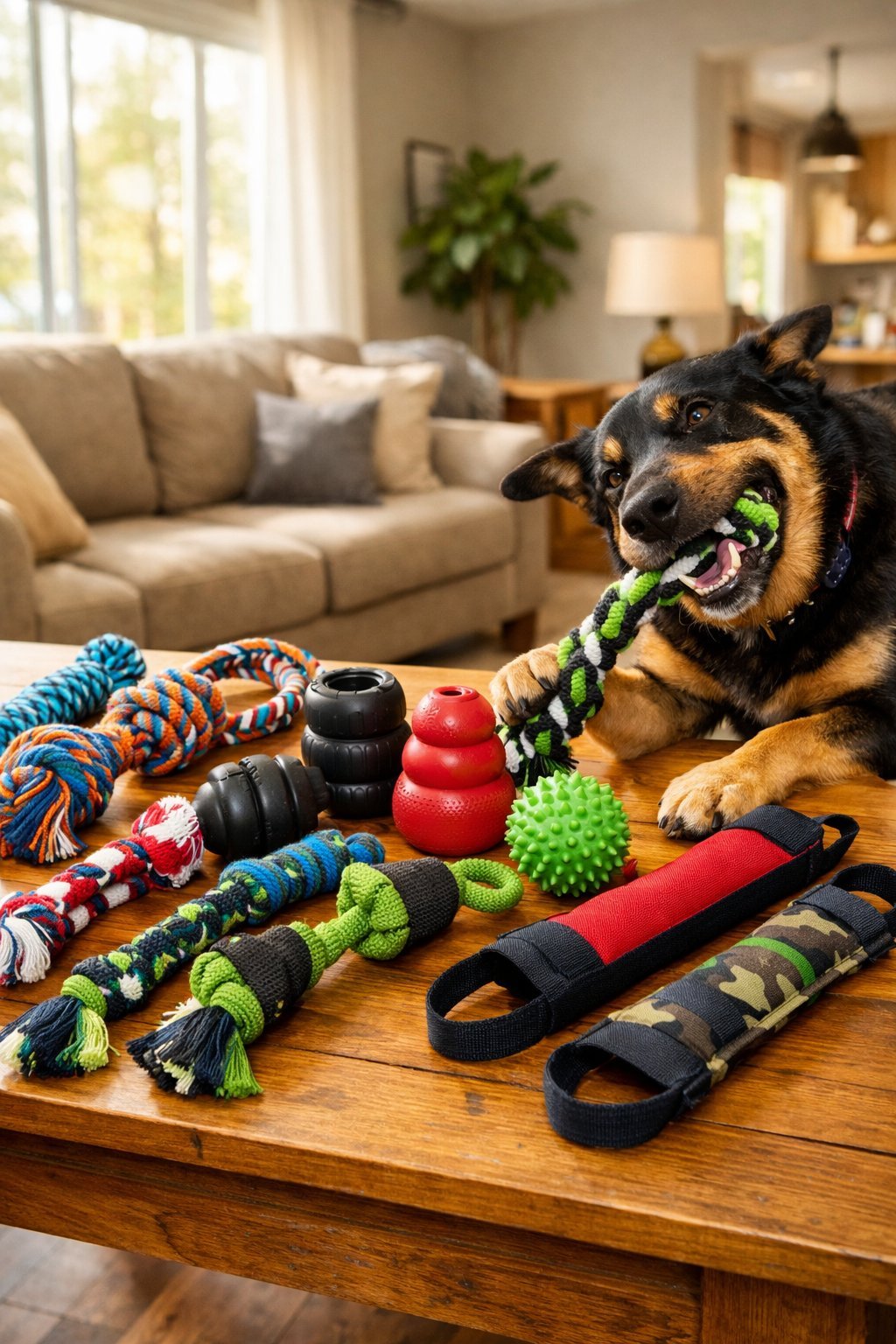
Making DIY dog toys for heavy chewers gives you control over the materials and how they’re put together. You can create toys that actually stand up to aggressive chewing.
I’ve tested a bunch of homemade toy designs with my own power chewer. Here are 15 that have stood the test of time.
From rope toys to frozen treats, these projects use tough stuff like old jeans, climbing rope, and natural rubber. The best part is you can customize them for your dog’s size and chewing style.
Whether you have a small terrier or a giant mastiff, these budget-friendly enrichment toys can be adjusted to fit your needs. Many of these designs use materials you already have at home, making them easy on your wallet and good for the planet.
Key Takeaways
- DIY dog toys cost less than store-bought options and can be made with stuff you already have at home.
- Choosing durable materials like rope, rubber, and heavy-duty fabric helps toys last longer with aggressive chewers.
- Customizing toy size and difficulty keeps your dog engaged while matching their chewing strength and play style.
Choosing the Right DIY Dog Toy for Heavy Chewers
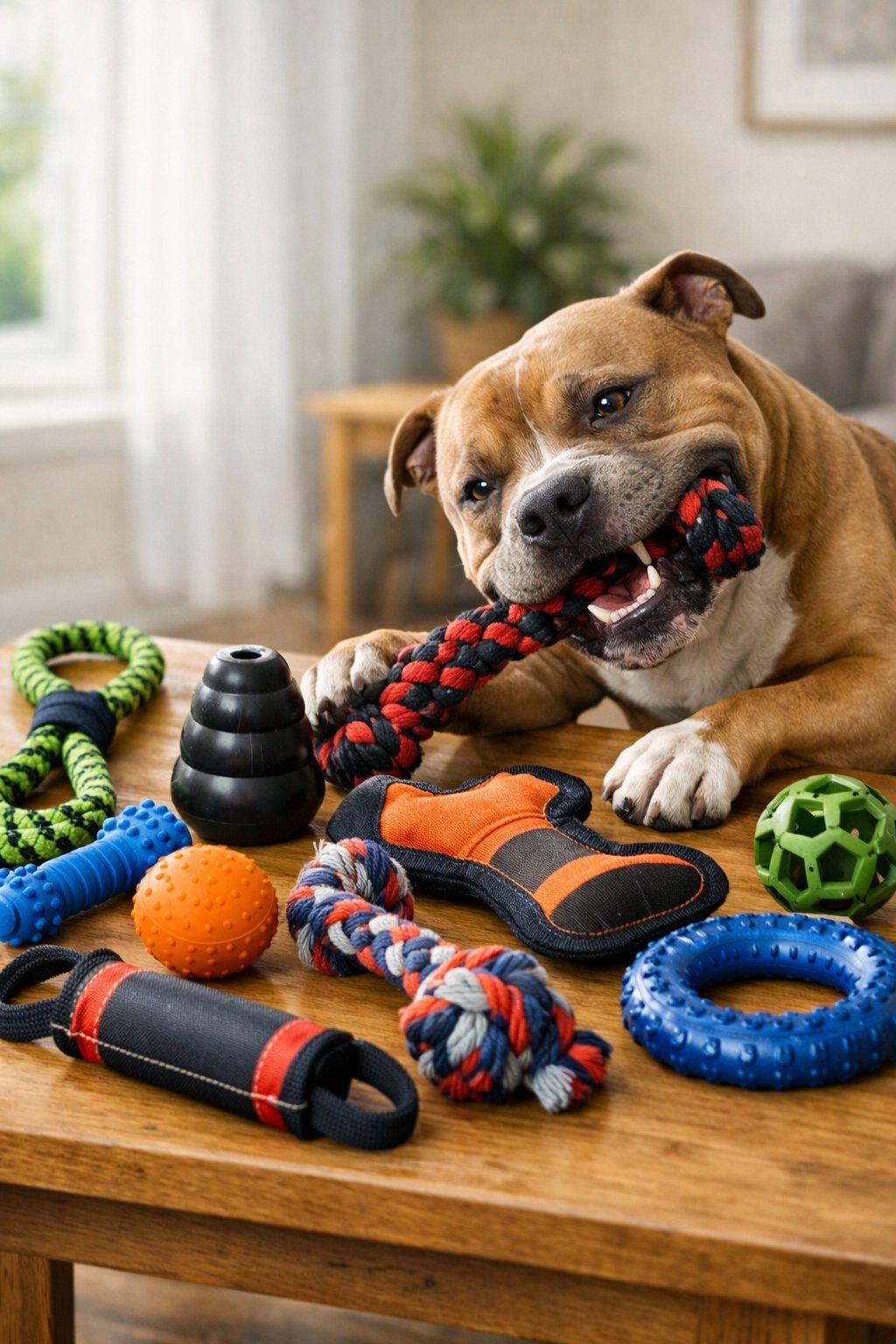
Picking the right homemade toy really depends on how your dog chews, what materials you use, and putting safety first.
Understanding Your Dog’s Chewing Habits
I always watch how my dog chews before making any toy. Some dogs are destroyers who rip toys apart fast, while others chew slowly and methodically.
Notice if your dog is a shredder, a chomper, or a nibbler. Shredders tear fabric and stuffing into bits. Chompers bite down hard with their back teeth. Nibblers use their front teeth to work on toys for hours.
Consider your dog’s size and jaw strength. A 20-pound terrier needs different toys than a 90-pound mastiff.
Age matters too, since puppies chew differently than adult dogs. Watch which toys get destroyed fastest—that tells you what materials to avoid.
If your dog swallows pieces, that’s a big safety concern.
Materials That Withstand Aggressive Chewing
I stick with tough materials that can take a beating. Heavy-duty rope is a favorite because it’s hard to destroy and safe if dogs swallow small fibers.
I use 1/4-inch diameter rope for small dogs and 3/8-inch for big ones. Durable rubber is another great choice—natural rubber is better than synthetic.
Old rubber balls make awesome bases for DIY projects.
Best Materials for Heavy Chewers:
- Heavy-duty cotton or hemp rope
- Natural rubber items
- Thick fleece fabric (braided in layers)
- Fire hose material (unused pieces)
- Denim from old jeans
I stay away from thin fabric, plastic bottles, and anything with small parts that can break off.
Store-bought toys labeled as durable often fall apart, so I use the same strict standards for homemade ones.
Safety Guidelines for Homemade Toys
I never use materials that could harm my dog if swallowed. Non-toxic is always my top rule.
I check toys before each play session for damage. Frayed ropes, torn fabric, or broken pieces mean it’s time to toss the toy.
I always supervise my dog with new homemade toys.
Safety Checklist:
- No small parts that can be chewed off
- No toxic glues or chemicals
- No sharp edges or hard pieces
- All knots tied tightly
- Size appropriate for your dog (too small = choking hazard)
I skip socks with elastic bands or clothes with buttons and zippers. These can cause blockages if swallowed.
If a toy starts shedding pieces during play, it’s time to retire it.
15 Durable DIY Dog Toys for Heavy Chewers
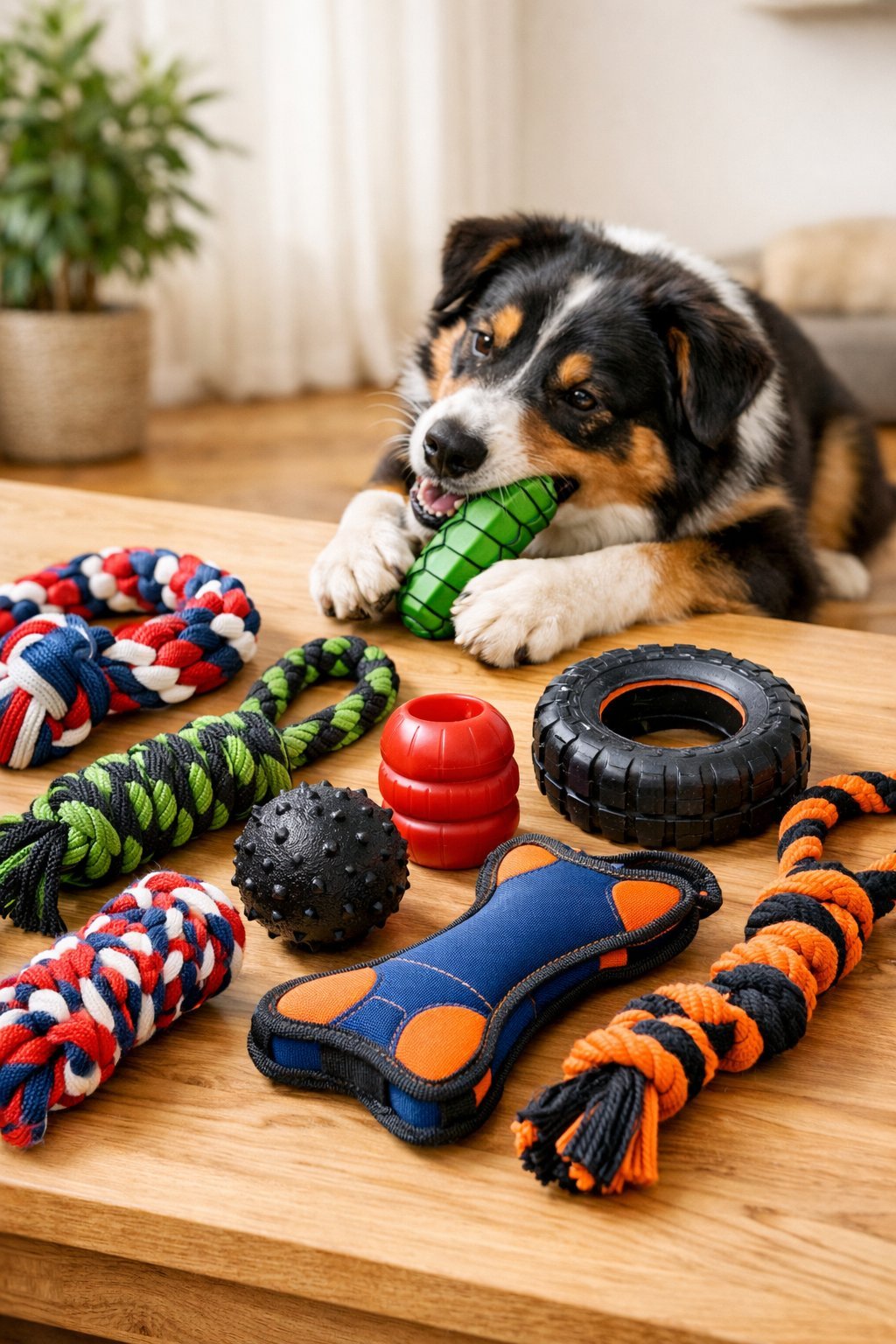
Making your own dog toys lets you pick tough materials that can handle serious chewing. Combining strong fabrics like denim with rope or using hard materials like PVC helps toys last much longer.
Rope and Denim Tug Toy
I love making rope toys for heavy chewers because they’re simple and super durable. Start with cotton rope that’s at least 3/8 inch thick for big dogs or 1/4 inch for smaller pups.
Cut three or four strips of old jeans into long pieces about 2 inches wide. Braid the strips with the rope to make a thick, textured toy.
Tie tight knots at both ends to keep everything together. The mix of rope and denim gives dogs different textures to chew.
I like to wet the toy and freeze it for teething puppies. It helps soothe sore gums.
Trim any loose threads after play. Check the toy regularly for wear and replace it when the fabric starts to shred.
Tennis Ball Treat Puzzle
I cut a small slit in old tennis balls to make an interactive feeding toy. The slit should be just big enough for kibble or small treats.
Dogs have to squeeze the ball to get the food out, which keeps them busy. I use only tennis balls that are too worn for fetch but still intact.
Safety tips:
- Never leave your dog alone with this toy
- Replace the ball if pieces start coming off
- Use balls without any torn or frayed felt
Sometimes I put the tennis ball inside an old sock and tie a knot for extra grip and challenge.
Braided Fleece Pull Toy
I make these durable rope toys with old fleece blankets or sweatshirts. Cut fleece into strips about 2-3 inches wide and 3 feet long.
Tie all the strips together at one end. Split them into three groups and braid tightly, then tie another knot at the bottom.
Fleece is stretchy and doesn’t fray as easily as cotton. The braided design holds up well during tug-of-war.
I make mine extra thick by using more strips. Toss them in the wash every week to keep them clean.
PVC Pipe Chew Challenge
I use a 6-inch piece of PVC pipe (about 2 inches in diameter) to make a treat-dispensing toy. Drill several holes around the pipe that are just bigger than your dog’s kibble.
Sand down all edges and holes so they’re smooth. Fill the pipe with dry treats or kibble and cap both ends with PVC end caps.
My dog rolls it around to get the food out. For dogs that need more of a challenge, make the holes smaller.
Materials needed:
- Food-grade PVC pipe
- Two end caps
- Sandpaper
- Drill
This toy is great for dogs that destroy softer toys quickly.
Creative and Interactive Toy Ideas
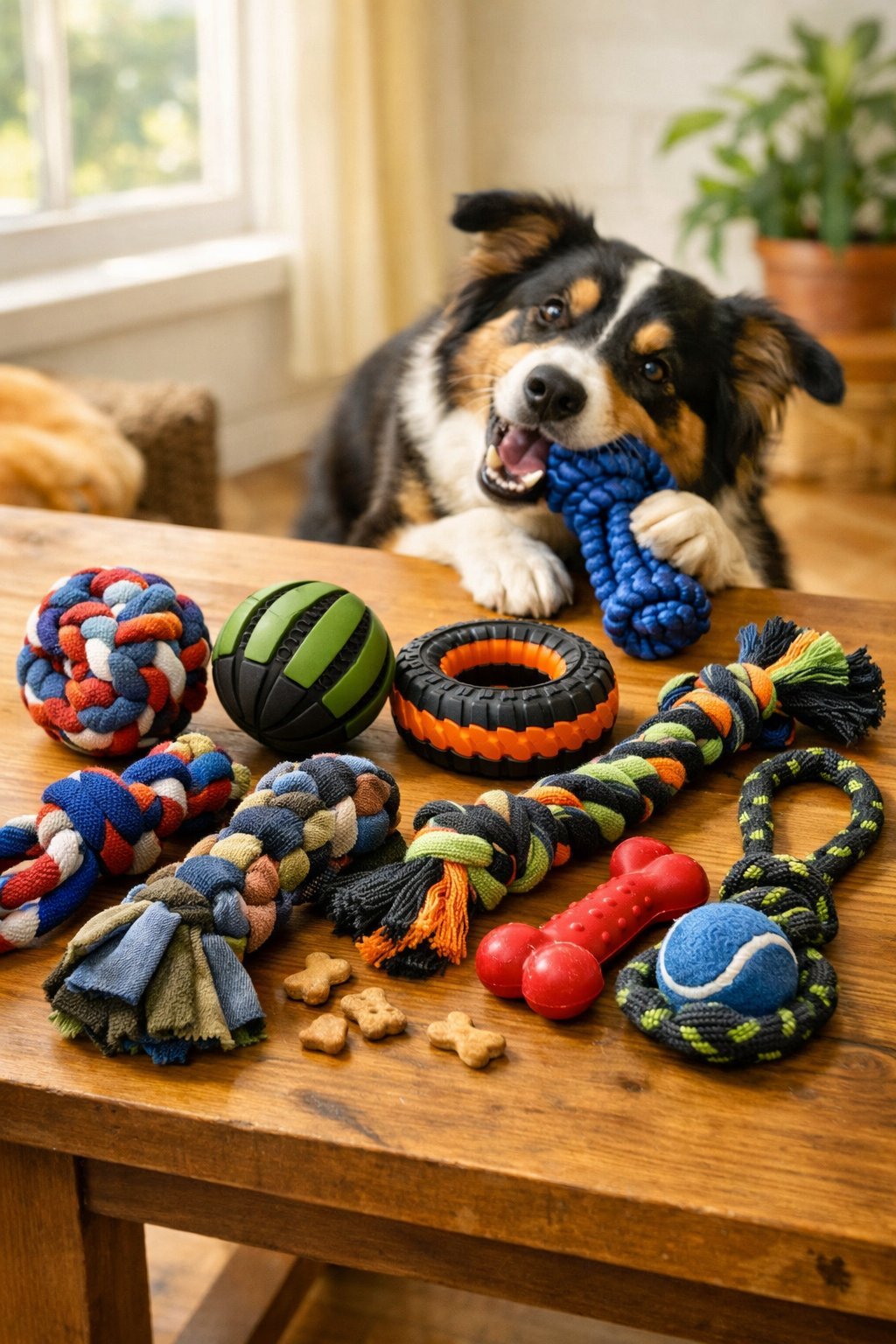
The best DIY toys for heavy chewers combine durability with mental stimulation. These designs use everyday materials to make toys that engage your dog’s instincts and stand up to serious chewing.
Frozen Treat Dispenser
I make frozen treat dispensers with a Kong-style rubber toy or a thick silicone muffin cup. Freezing makes the toy harder and longer-lasting.
Fill the container with a mix of plain yogurt, peanut butter (make sure it’s xylitol-free), and small treats. Add water to fill any gaps and freeze overnight.
The ice adds an extra barrier and keeps my dog busy for a while. You can mix it up with mashed sweet potato, pureed pumpkin, or apple pieces.
For a challenge, freeze in layers, adding new ingredients each time. Safety tip: Always supervise your dog with frozen toys and use only food-safe containers.
Knotted T-Shirt Rope
Rope toys are awesome for heavy chewers and help clean teeth. I make mine from old cotton t-shirts.
Cut three to five strips about 2-3 inches wide and 3-4 feet long. The more strips, the thicker the toy.
Tie all the strips together at one end, braid tightly, and tie off the other end. For extra durability, dip the knots in water and microwave for 30 seconds to tighten the fibers.
This toy is great for tug-of-war and solo chewing. Adjust the size by using thicker strips or more layers.
Sturdy Fire Hose Chew
Fire hose material is seriously tough—perfect for dogs that destroy regular toys. I get retired fire hose from online sellers or local fire departments.
Cut the hose into 12-18 inch sections. Tie knots at both ends to prevent fraying and give your dog something to grip.
Some dogs like it stuffed with rope or fleece for texture.
Materials needed:
- Retired fire hose (12-18 inches)
- Heavy-duty scissors
- Optional: rope or fleece for stuffing
The rubber coating makes it water-resistant and easy to rinse off after muddy play. This material really stands up to aggressive chewers.
Tough Rubber Bottle Cruncher
Dogs love the crunching sound of plastic bottles. I make this toy safer by wrapping the bottle in tough fabric.
Start with an empty water or soda bottle (remove cap and label). Slide it into a thick tube sock or wrap it in canvas, then secure both ends with strong stitches or zip ties.
The fabric stops sharp plastic pieces from breaking off. Sometimes I add a few treats inside for extra motivation.
Replace the bottle insert when it gets crushed or damaged.
Eco-Friendly and Upcycled Dog Toys
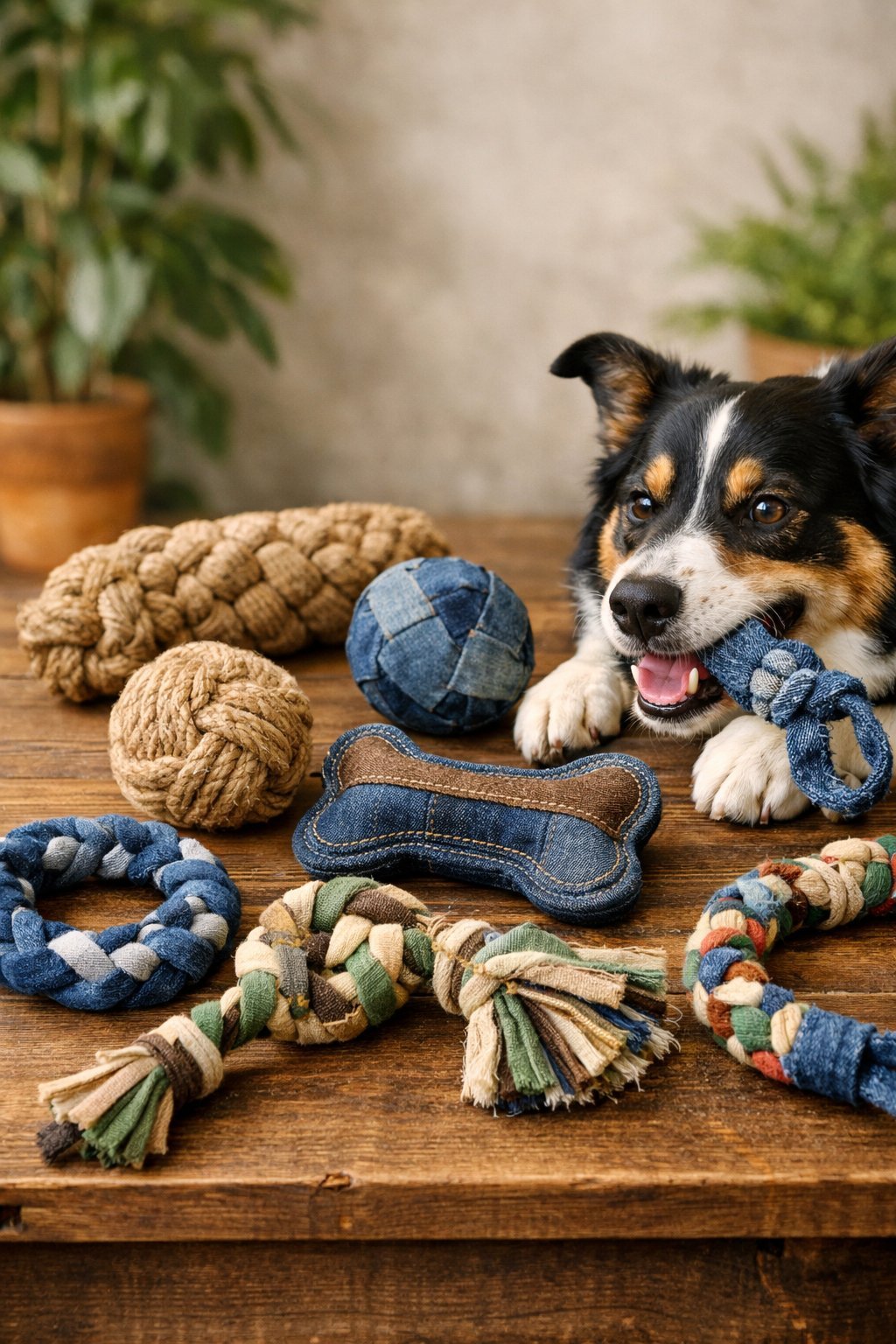
Making DIY dog toys from recycled materials keeps my heavy chewer entertained while cutting down on waste. These upcycled options use stuff you already have at home to create durable toys that can handle some serious chewing.
Old Jeans Knot Ball
I love turning my worn-out jeans into tough chew toys because denim is one of the strongest fabrics around. I cut the legs into long strips about 2-3 inches wide and gather 6-8 strips together.
I tie all the strips in a knot at one end. Then I braid them tightly together.
The key is making the braid as tight as possible since loose braids fall apart quickly with heavy chewers. Once I reach the end, I tie another tight knot and trim any excess fabric.
For extra durability, I sometimes loop the braid back on itself and tie it into a ball shape. This creates multiple layers of denim that take much longer to destroy.
I avoid using jeans with metal rivets or zippers since those can hurt my dog’s teeth or become choking hazards if swallowed.
Tightly Braided Sock Toy
I save old cotton or wool socks specifically for making upcycled dog toys that stand up to aggressive chewing. I need at least three socks, but using five or six creates a much thicker and more durable toy.
I stretch each sock out lengthwise and tie them all together at one end with a very tight knot. Then I braid them as tightly as my hands can manage, pulling each section firmly as I go.
I secure the other end with another tight knot and sometimes add a third knot in the middle for extra strength. Wool socks last even longer than cotton because the fibers are naturally tougher.
This toy works great for tug-of-war games. My dog can chew on the knots for extended periods before any damage shows up.
Recycled Leather Chew
I collect old leather belts, purses, or wallets to make eco-friendly chew toys that satisfy my dog’s need to gnaw. Leather is naturally tough and safe for dogs to chew on, though I always remove any metal parts first.
I cut the leather into strips or leave small pieces whole, depending on what I’m working with. For belts, I cut them into 8-12 inch sections and tie knots at both ends to create handles.
I can also braid multiple leather strips together for added thickness. The natural texture and smell of leather seem to appeal to dogs more than synthetic materials.
Important safety tips:
- Remove all buckles, snaps, and metal hardware
- Avoid dyed or treated leather that might contain chemicals
- Supervise initially to ensure your dog doesn’t swallow large pieces
- Replace when the leather becomes too thin or starts breaking apart
I always check the leather pieces regularly since heavy chewers can eventually work through even the thickest strips.
Tips for Making DIY Dog Toys Last Longer
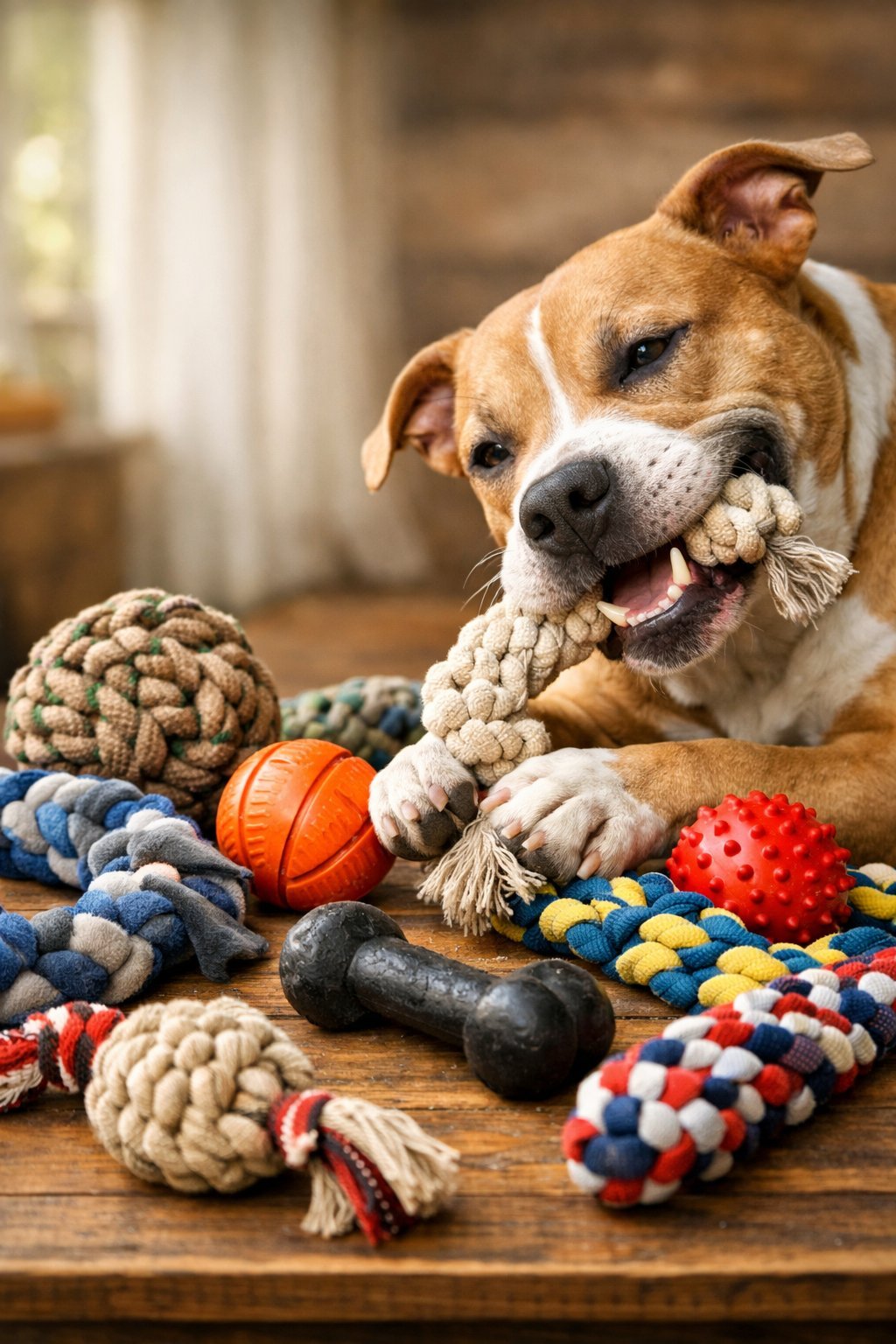
Strong construction techniques and routine checks help homemade dog toys withstand aggressive chewing and rough play sessions. Paying attention to weak points during assembly and catching damage early prevents toys from falling apart.
Reinforcing Seams and Knots
I always double or triple-knot any rope toys I make for heavy chewers. A single knot comes undone quickly when a determined dog starts pulling and tugging at it.
For fabric-based toys, I sew seams at least twice in opposite directions. This creates a stronger bond that won’t separate easily.
When making rope toys for heavy chewers, adding zip ties at strategic points provides extra security without harming your dog. I recommend using braided or twisted rope construction instead of straight pieces.
The interwoven design distributes pressure across multiple strands rather than stressing one section. Melting rope ends with a lighter prevents fraying and keeps the toy intact longer.
Key reinforcement spots to focus on:
- Connection points where different materials meet
- Areas your dog grabs first
- Any loops or handles used for tugging
- Spots where fabric wraps around filling
Regular Maintenance and Inspection
I check my dog’s homemade toys every few days for signs of wear. Catching small tears or loose threads early means I can repair them before the whole toy falls apart.
Washing durable dog toys regularly removes bacteria and keeps them fresh. I toss rope toys in the washing machine and let them air dry.
For toys that can’t be washed, I wipe them down with a pet-safe cleaner.
I retire any toy showing serious damage like exposed stuffing, large holes, or completely frayed sections. My dog could swallow loose pieces and end up with digestive issues.
Rotating toys weekly gives each one a break from constant chewing. I keep three or four toys out and store the rest to help them last longer.