
10 DIY Dog Treats to Sell: Easy Homemade Recipes With Flavors Your Customers’ Pups Will Adore

DIY Dog Treats To Sell – Making dog treats at home and selling them can turn your kitchen into a small business that helps dogs eat healthier snacks.
You can create simple, affordable dog treats using basic ingredients like peanut butter, pumpkin, and oats that dogs love and owners trust.
The pet treat market keeps growing as more dog owners look for natural options without artificial ingredients.

I’ve found that selling homemade dog treats works well because you control what goes into each batch.
You can avoid preservatives and fillers that many store-bought treats contain.
Plus, you get to experiment with flavors and shapes that make your treats stand out at farmers markets, online shops, or local pet stores.
Starting a dog treat business doesn’t require fancy equipment or hard-to-find ingredients.
The recipes I’m sharing use items you probably already have in your pantry.
You’ll learn which flavors dogs approve and which ingredients help you build a trusted brand that keeps customers coming back.
Key Takeaways
- You can make profitable dog treats with simple kitchen ingredients like peanut butter, sweet potato, and whole wheat flour
- Popular flavors include bacon, pumpkin, peanut butter, and chicken that appeal to dogs and reassure health-conscious owners
- Creative packaging and smart pricing help your homemade treats compete with store-bought options at markets and online
Top 10 DIY Dog Treats to Sell

These treat recipes use ingredients dogs naturally love and give you products that stand out at markets or in your online shop.
Each recipe focuses on simple preparation methods and flavors that keep customers coming back for more.
Peanut Butter & Banana Biscuits
I’ve found that peanut butter and banana biscuits are always crowd favorites.
Dogs go crazy for the smell alone.
The base recipe uses whole wheat flour, ripe bananas, natural peanut butter, and eggs.
I mix two cups of flour with one mashed banana and half a cup of peanut butter.
One egg helps bind everything together.
Key ingredients:
- 2 cups whole wheat flour
- 1 ripe banana
- 1/2 cup natural peanut butter (xylitol-free)
- 1 egg
I roll the dough to about 1/4 inch thick and cut shapes with cookie cutters.
Bake at 350°F for 20-25 minutes until golden brown.
These treats stay fresh for up to two weeks in an airtight container.
The profit margin is great because the ingredients cost less than $5 per batch.
I usually make 30-40 treats per batch and sell them for $8-12 per dozen.
Chicken & Sweet Potato Chews
These chewy treats take more time to make but sell really well at farmers markets.
Dogs love the meat and sweet taste combination.
I use cooked chicken breast and baked sweet potato as the main ingredients.
The sweet potato adds natural sweetness without any sugar.
I blend two cups of cooked chicken with one cup of mashed sweet potato and add just enough oat flour to form a thick dough.
Preparation steps:
- Cook and shred chicken breast
- Bake and mash sweet potato
- Mix with oat flour until thick
- Roll into strips or small balls
- Dehydrate at 180°F for 4-6 hours
The dehydrating process gives these treats a chewy texture that dogs enjoy.
They last up to three weeks when stored properly.
I package them in small bags of 8-10 pieces and charge $10-15 per bag.
Beef & Carrot Crunchies
My beef and carrot crunchies appeal to dogs who prefer savory flavors over sweet ones.
The carrots add vitamins and a satisfying crunch.
I use lean ground beef, grated carrots, and brown rice flour.
Mix one pound of cooked ground beef with one cup of finely grated carrots and two cups of brown rice flour.
Add water as needed to make the dough workable.
I form small bite-sized pieces and bake them at 325°F for 35-40 minutes.
These treats come out hard and crunchy.
Dogs with grain sensitivities do well with the brown rice flour option.
I can also substitute coconut flour for a grain-free version.
Each batch makes about 50 treats and costs around $8 to produce.
Pumpkin Oatmeal Bites
Pumpkin oatmeal bites are my go-to fall recipe, but they sell year-round.
The pumpkin helps with dog digestion, which owners appreciate.
I combine pure pumpkin puree (not pie filling) with oats and a touch of cinnamon.
Mix one cup of pumpkin puree with two cups of oat flour and one egg.
Add a pinch of cinnamon for extra flavor.
Why these treats sell well:
- Good for dog digestion
- Simple, recognizable ingredients
- Mild flavor most dogs enjoy
- Budget-friendly to make
I scoop the dough into small rounds on a baking sheet.
They bake at 350°F for 25-30 minutes until firm.
These treats have a softer texture than the crunchy recipes, which works well for older dogs or puppies.
The ingredient cost runs about $4 per batch.
I typically get 35-40 treats and sell them for $10 per dozen.
Unique Dog Treat Flavors That Sell

Standing out in the dog treat market means offering flavors that go beyond basic peanut butter and pumpkin.
Apple and cinnamon bring warm bakery appeal, tuna and parsley target dogs with seafood preferences, and cheddar with bacon creates an irresistible savory combo that pet owners snap up quickly.
Apple & Cinnamon Delights
I love making apple and cinnamon treats because they smell amazing while baking and dogs go crazy for them.
Fresh apples provide natural sweetness and fiber while cinnamon adds warmth without needing extra sugar.
I always remove apple seeds and cores since they contain compounds that aren’t good for dogs.
I dice the apples into small pieces or grate them for even distribution throughout the treats.
Key ingredients I use:
- 2 cups whole wheat flour
- 1 cup finely diced apples
- 1 teaspoon cinnamon
- 1 egg
- 1/4 cup water
The cinnamon smell makes these treats feel premium to customers.
I find they work especially well during fall months when people want seasonal flavors.
These treats store well for up to two weeks in an airtight container.
Tuna & Parsley Snaps
I discovered that homemade dog treats with seafood flavors appeal to customers whose dogs turn their noses up at traditional meat options.
Tuna provides protein and omega-3 fatty acids that support healthy skin and coats.
I use canned tuna packed in water and drain it completely before mixing.
The parsley isn’t just for show—it actually helps freshen dog breath, which is a selling point I always mention to customers.
My basic recipe includes:
- 1 can tuna (drained)
- 2 cups oat flour
- 2 tablespoons fresh parsley (chopped)
- 1 egg
- 2 tablespoons olive oil
I roll this dough thin and cut it into small snaps since the flavor is strong.
Dogs need only a small piece to enjoy the taste.
These treats have a shorter shelf life of about one week, so I mark packages clearly with use-by dates.
Cheddar & Bacon Buttons
I find that cheddar and bacon combination is my best-selling flavor because it hits both the salty and savory notes dogs love.
Real bacon pieces mixed with sharp cheddar create an aroma that makes dogs dance with excitement.
I use cooked bacon that I’ve crumbled into tiny bits and real shredded cheddar cheese.
I avoid pre-packaged bacon bits since they often contain preservatives and extra salt that dogs don’t need.
Ingredients that work best:
- 2 cups rice flour
- 1/2 cup cooked bacon (crumbled)
- 1/2 cup shredded cheddar cheese
- 1 egg
- 1/4 cup bacon grease (cooled)
I shape these into small button-sized rounds because the rich flavor means dogs don’t need large portions.
The cheese and bacon grease make the dough sticky, so I lightly flour my hands while forming them.
These treats stay fresh for about 10 days when refrigerated, and customers appreciate that I include storage instructions with each package.
Ingredients Dogs Love and Owners Trust
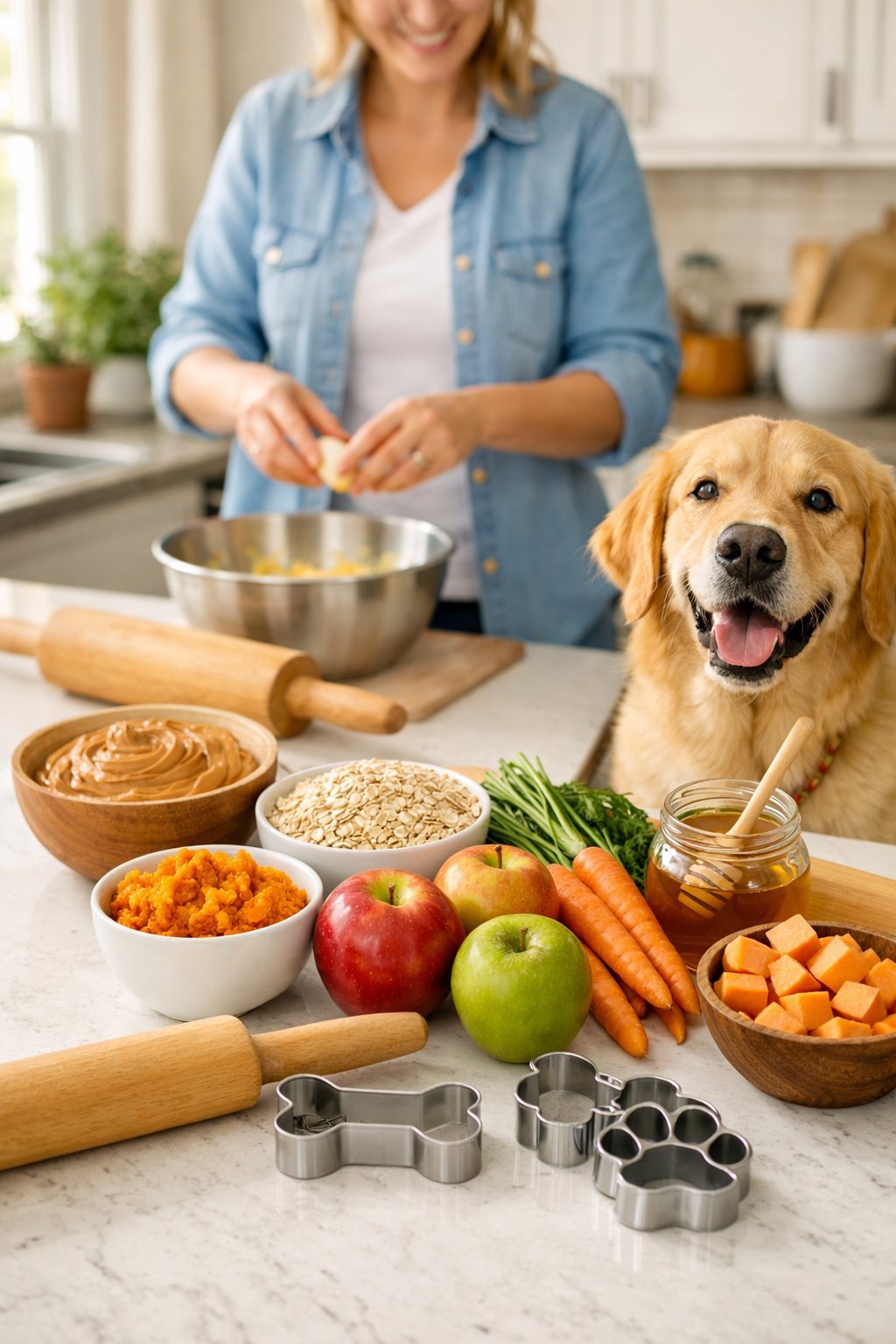
I focus on ingredients that make dogs excited at treat time while giving their owners peace of mind about what they’re feeding.
The right ingredients can mean the difference between a one-time buyer and a loyal customer who comes back again and again.
Natural and Nutritious Choices
I always start with whole food ingredients that dogs naturally crave.
Peanut butter ranks as one of the most popular flavors, but I make sure to use varieties without xylitol, which is toxic to dogs.
Real meat like chicken, beef, or turkey provides protein that dogs love and need for strong muscles.
Pumpkin puree offers fiber and helps with digestion, making it a favorite among owners looking for healthy options.
I also use sweet potatoes, which are packed with vitamins and give treats a naturally sweet taste dogs go crazy for.
Bananas add potassium and a creamy texture that works well in baked treats.
Oats provide energy and are gentle on sensitive stomachs.
I find that applesauce makes treats moist and flavorful without adding refined sugar.
Popular Base Ingredients:
- Whole wheat flour or oat flour
- Eggs for binding and protein
- Plain Greek yogurt for creaminess
- Honey in small amounts for sweetness
Allergy-Friendly Alternatives
I’ve learned that many dogs have food sensitivities, so offering allergy-friendly options opens up my customer base.
Grain-free treats made with coconut flour or chickpea flour work well for dogs with wheat allergies.
For dogs allergic to chicken, I use alternative proteins like salmon, duck, or lamb.
These options also appeal to pet parents seeking variety in their dog’s diet.
I substitute sunflower seed butter or almond butter for peanut butter when needed.
Coconut oil serves as a great replacement for eggs in vegan recipes and supports healthy skin and coats.
Common Allergen Substitutions:
- Rice flour instead of wheat flour
- Sweet potato instead of grain-based carbs
- Turkey or fish instead of chicken or beef
- Carob chips instead of chocolate (which is toxic)
I always label my treats clearly with all ingredients so owners can make informed choices for their pets.
Creative Packaging and Presentation Ideas

The right packaging transforms homemade dog treats from simple snacks into professional products that catch attention and justify premium pricing.
Smart wrapping choices also communicate your brand values and connect with specific customer preferences.
Eco-Friendly Wrapping
I recommend using kraft paper bags or compostable cellophane for packaging that appeals to environmentally conscious pet owners. These materials protect your treats while showing you care about the planet.
Mason jars work great for dog treat packaging ideas because customers can reuse them for storage. I like to tie natural twine or jute string around the top and attach a simple tag with the treat name and ingredients.
Brown paper bags sealed with vegetable-based adhesive labels create a clean, rustic look. I stamp my logo directly onto the bags using soy-based ink.
Reusable cloth drawstring bags made from organic cotton add value since customers get a bonus storage bag. I print my business name and a paw print design on these bags using eco-friendly screen printing methods.
Seasonal and Themed Displays
I create special packaging for holidays and seasons to boost sales during peak shopping times. Valentine’s Day treats go in red or pink bags with heart-shaped tags, while Christmas packages feature green ribbons and snowflake stamps.
Seasonal dog treat packaging helps products stand out at farmers markets and craft fairs. I design limited-edition labels for Halloween with orange and black colors, and summer packages with bright yellow sunburst patterns.
Birthday-themed sets include colorful tissue paper, a “Happy Birthday” tag, and individual treat wrapping. I bundle three to five treats together with curled ribbon for party favor sales.
Seasonal ingredients inspire my themed displays too. Pumpkin treats in fall get orange labels with leaf designs, while spring batches feature pastel colors and flower decorations.
Tips for Pricing and Promoting Your Treats
I always start by calculating my costs before setting prices. Add up what you spend on ingredients, packaging, and your time to bake each batch.
A good rule is to price your treats at least three times your ingredient cost. This covers your expenses and gives you some profit.
For example, if a bag of treats costs me $2 to make, I sell it for $6 to $8.
Key pricing factors I consider:
- Size and weight of each treat
- Special ingredients like organic or grain-free options
- Local market rates at pet stores and farmers markets
- Seasonal demand during holidays
For promotion, I focus on where pet owners spend time. Local farmers markets and pet events let me offer samples and talk directly with customers.
Social media works great for showing off my treats with photos and videos of happy dogs.
I also partner with local pet stores, groomers, and veterinary offices. They often display or sell homemade treats on consignment.
Word of mouth is powerful, so I encourage customers to leave reviews and refer friends.
Creating professional packaging with clear labels helps my treats stand out. I list ingredients, shelf life, and a cute brand name that people remember.
Online selling through Etsy or my own website expands my reach beyond local customers. I ship treats in protective packaging to keep them fresh during delivery.

