
Dog Bowl Stand: Transform Your Space With Stylish Elevated Feeding Solutions

Your dog’s feeding area doesn’t have to be an eyesore in your beautiful home. Elevated dog bowl stands combine better health for your pet with stylish designs that actually enhance your interior decor.
Gone are the days when pet accessories meant ugly plastic bowls scattered across your kitchen floor.
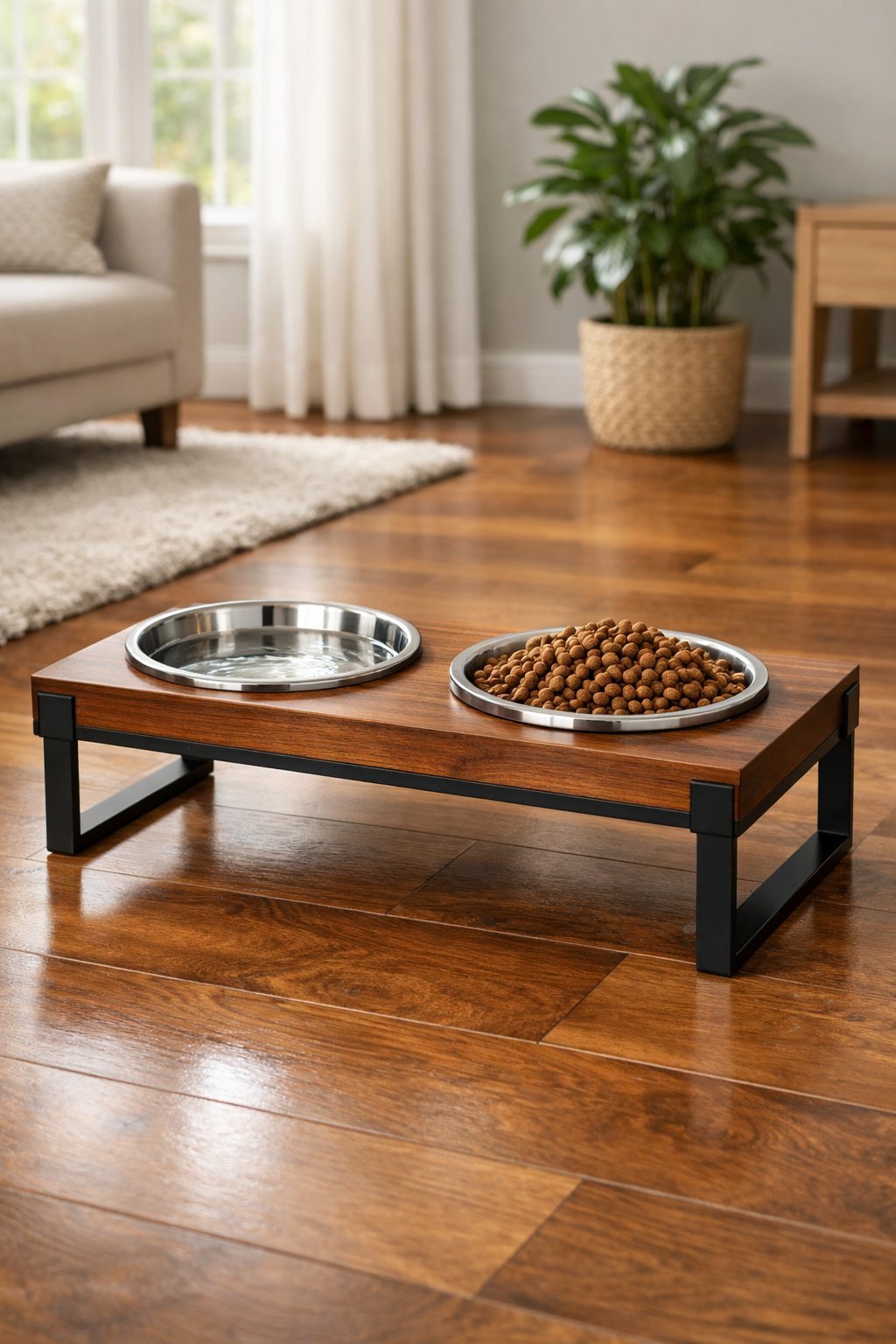
More pet owners are discovering that raised dog bowls can help take stress off their dog’s neck and back during meals, especially for senior dogs or those with joint issues. The real game-changer is that modern elevated feeding stations now come in designs that look like actual furniture pieces.
Whether your style is farmhouse chic, minimalist modern, or classic wood, there’s a feeding station that fits right in.
You don’t need to spend hundreds of dollars to get a great-looking elevated feeder. There are ready-made options in wood, metal, and ceramic, or you can try a DIY dog bowl stand project if you’re handy with tools.
My goal is to show you how to pick a dog bowl stand that works for both your pet and your home’s aesthetic.
Key Takeaways
- Elevated dog bowl stands improve your pet’s comfort while eating and add style to your home decor
- You can choose from many materials and designs that match your interior style, from modern metal to rustic wood
- The right height and size depend on your dog’s shoulder height and eating habits for maximum comfort
Why Choose an Elevated Dog Bowl Stand?
Elevated dog bowl stands offer practical advantages that go beyond just looking good in your home. They help your dog eat more comfortably while keeping your floors cleaner and reducing mess.
Health Benefits for Your Dog
Elevated dog bowls position food and water at a height that aligns with your dog’s lower chest. This setup reduces the strain on their neck, shoulders, and joints during meals.
This is especially helpful for older dogs with arthritis or mobility issues. They don’t have to bend down as far to reach their food and water.
Larger breeds also benefit from the improved posture that elevated feeders provide. The raised height makes eating more comfortable for dogs with long legs or deep chests.
Some dogs with certain digestive issues may find elevated bowls easier on their system. The more natural eating position can help food travel down the esophagus more smoothly.
Cleaner Feeding Areas
I appreciate how elevated stands keep food and water bowls together instead of having two separate bowls sliding around on the floor. This simple setup makes a big difference in keeping your feeding area tidy.
Raised bowls contain spills better than floor-level bowls. When water sloshes over the side, it’s less likely to spread across your entire kitchen floor.
The stands also protect your floors from constant moisture exposure. Water bowls sitting directly on hardwood or tile can cause damage over time from drips and condensation.
Cleaning is easier when you’re not constantly wiping up puddles or chasing bowls across the room. Elevated stations create a defined feeding zone that’s simple to maintain.
Preventing Slips and Spills
Standard bowls on the floor move around every time my dog eats or drinks. This creates a frustrating cycle of repositioning bowls throughout the day.
Elevated stands solve this problem by securing bowls in place. Most designs hold bowls firmly within the stand structure, so they stay put during meals.
This stability means less water splashed on floors and less food scattered around the room. Your dog can eat without pushing their bowl across the kitchen.
The stands accommodate standard-size dog bowls and keep them at a consistent height. I’ve found this predictability helps my dog develop better eating habits since they know exactly where their food will be.
The raised platform also keeps bowls away from dust, dirt, and pet hair that accumulates on floors. This means cleaner water and food for your dog between refills.
Design Styles That Complement Your Home
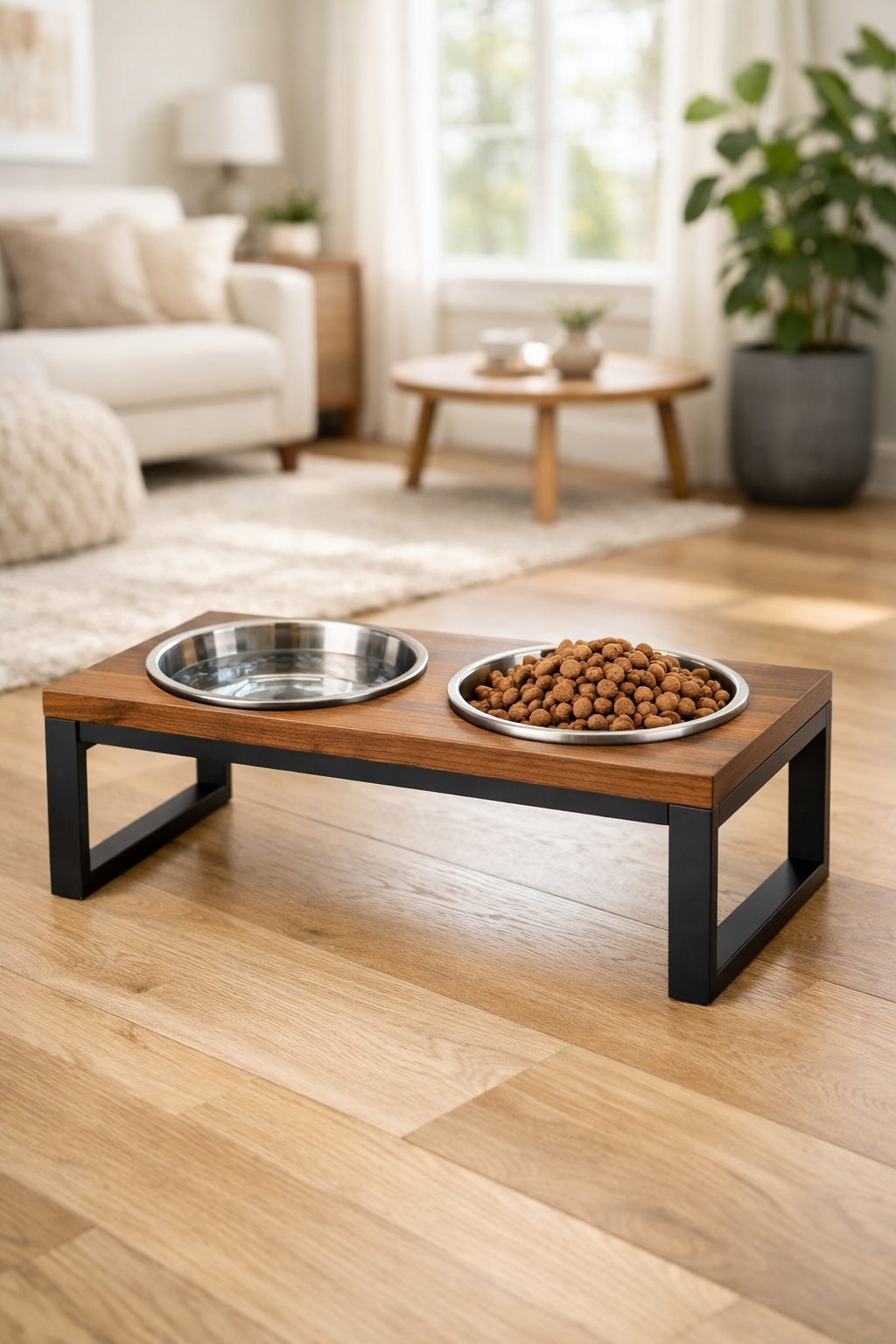
The right feeding station design can turn a pet necessity into a stylish accent piece. From clean-lined contemporary pieces to warm wooden farmhouse styles, there’s a look for every home’s aesthetic.
Modern and Minimalist Looks
Modern feeding stations focus on simplicity and function. These designs typically feature clean lines, neutral colors, and simple geometric shapes.
Sleek stainless steel multi-pet feeders work especially well in contemporary kitchens. They’re durable and easy to clean while maintaining that polished look.
Many modern options come in matte black, white, or gray finishes that blend seamlessly into minimalist spaces.
Minimalist feeding stations keep things simple. Designs with slim metal legs and simple bowl cutouts provide what your dog needs without adding visual clutter.
Rustic and Farmhouse Vibes
Wooden feeding stations bring warmth and character to country-style homes. Elevated wooden feeding platforms can look like they belong in a designer magazine.
Natural wood tones and distressed finishes create that cozy farmhouse feel. These stations often feature thicker legs, visible wood grain, and sometimes decorative details like X-bracing or turned spindles.
Material choice matters—reclaimed wood or barn wood adds authentic rustic charm. Some wooden stations include lower shelves for food storage, making them both practical and attractive.
They work especially well in homes with exposed beams, shiplap walls, or other farmhouse elements.
Sleek Metallic Finishes
Metal feeding stations offer a sophisticated edge that works in multiple design styles. Options in brushed brass, copper, or matte black metal add a touch of luxury.
Iron and steel frames provide industrial appeal while maintaining stability. These materials resist tipping and handle daily use from even large dogs.
The metal construction also means they’re easy to wipe down and keep sanitary. Aesthetic raised dog feeders in metallic finishes come in various styles, from hairpin legs to geometric cages.
Gold and brass tones add warmth, while chrome and steel create cooler, more modern vibes.
Custom and Artistic Designs
Unique feeding stations let you express personality while meeting your dog’s needs. More pet owners are choosing stations that serve as conversation pieces.
Some options include hand-painted ceramic bowls set in custom stands, stations with personalized name plaques, or designs that incorporate artistic metalwork. You can even test bold materials like terrazzo in your pet’s feeding area before committing to them elsewhere in your home.
DIY dog bowl stands offer unlimited customization possibilities. You can match exact wood stains, paint colors, or hardware to your existing furniture.
Building your own also lets you adjust the height and size to your specific space and dog breed.
Materials and Durability Considerations
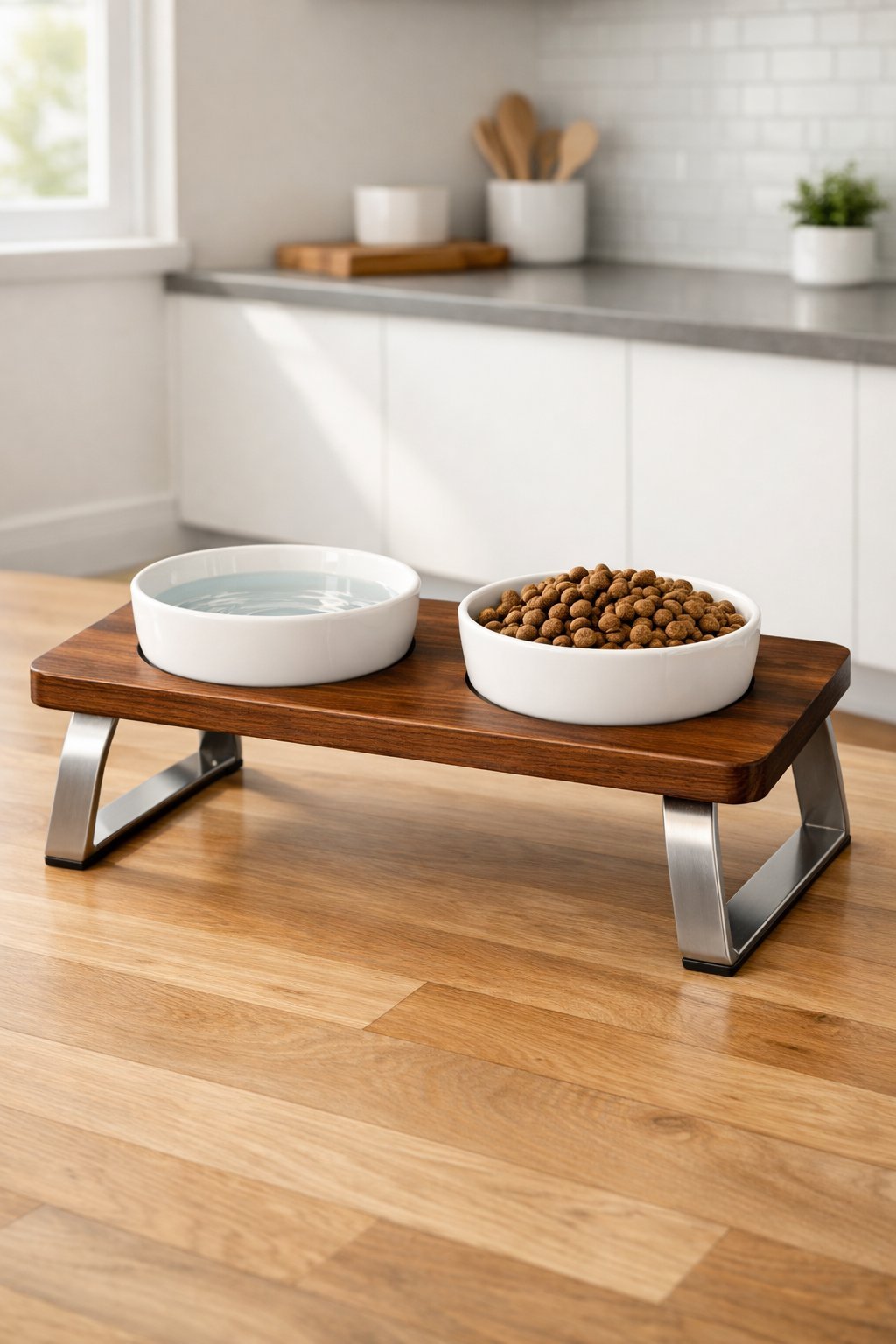
The material you choose for your dog bowl stand affects how long it lasts, how easy it is to clean, and whether it matches your home’s style. Different materials come with their own benefits and drawbacks when it comes to stability, maintenance, and price.
Solid Wood Options
Wood stands bring a warm, natural look to any room. They blend seamlessly with furniture and don’t look like typical pet products.
Common wood types include bamboo, pine, oak, and acacia. Bamboo grows quickly and resists moisture better than most woods.
Oak offers excellent durability and can handle years of daily use. Wood stands need proper sealing to protect against water damage and food stains.
Always check if the finish is pet-safe and non-toxic. Some manufacturers use natural oils or water-based sealants that won’t harm your dog.
Maintenance tips for wood stands:
- Wipe spills immediately
- Clean with damp cloth only
- Reapply sealant yearly
- Keep away from direct sunlight
The main downside is that wood can warp or crack if exposed to too much moisture over time. Fixed wood stands also can’t adjust as your puppy grows.
Stainless Steel and Metal Choices
Stainless steel construction is the most durable option for elevated feeders. Metal stands resist rust, don’t absorb odors, and handle daily wear without showing damage.
Metal frames often weigh more than wood or plastic, which prevents tipping during meals. The added stability matters for large dogs or enthusiastic eaters.
Many designs feature powder-coated finishes in black, white, or bronze that match modern kitchens. Stainless steel bowls pair perfectly with metal stands.
They’re dishwasher-safe and won’t harbor bacteria in scratches like plastic can. The combination creates a feeding station that lasts for years with minimal upkeep.
Metal stands typically cost more upfront but save money over time. They don’t need refinishing or replacement parts.
Just wipe them down with soap and water after spills.
Eco-Friendly Alternatives
Recycled plastic and bamboo composite materials offer sustainable choices without sacrificing quality. These options reduce environmental impact while still providing sturdy feeding stations.
Bamboo grows back within three to five years, making it one of the most renewable resources. Some companies use reclaimed wood from old furniture or buildings.
Recycled plastic stands divert waste from landfills and often include UV protection. Look for certifications like FSC (Forest Stewardship Council) for wood products or food-grade ratings for recycled plastics.
Check that eco-friendly stands don’t use harmful adhesives or chemical treatments. Many sustainable options now match the durability of traditional materials while supporting better manufacturing practices.
Choosing the Perfect Size and Height
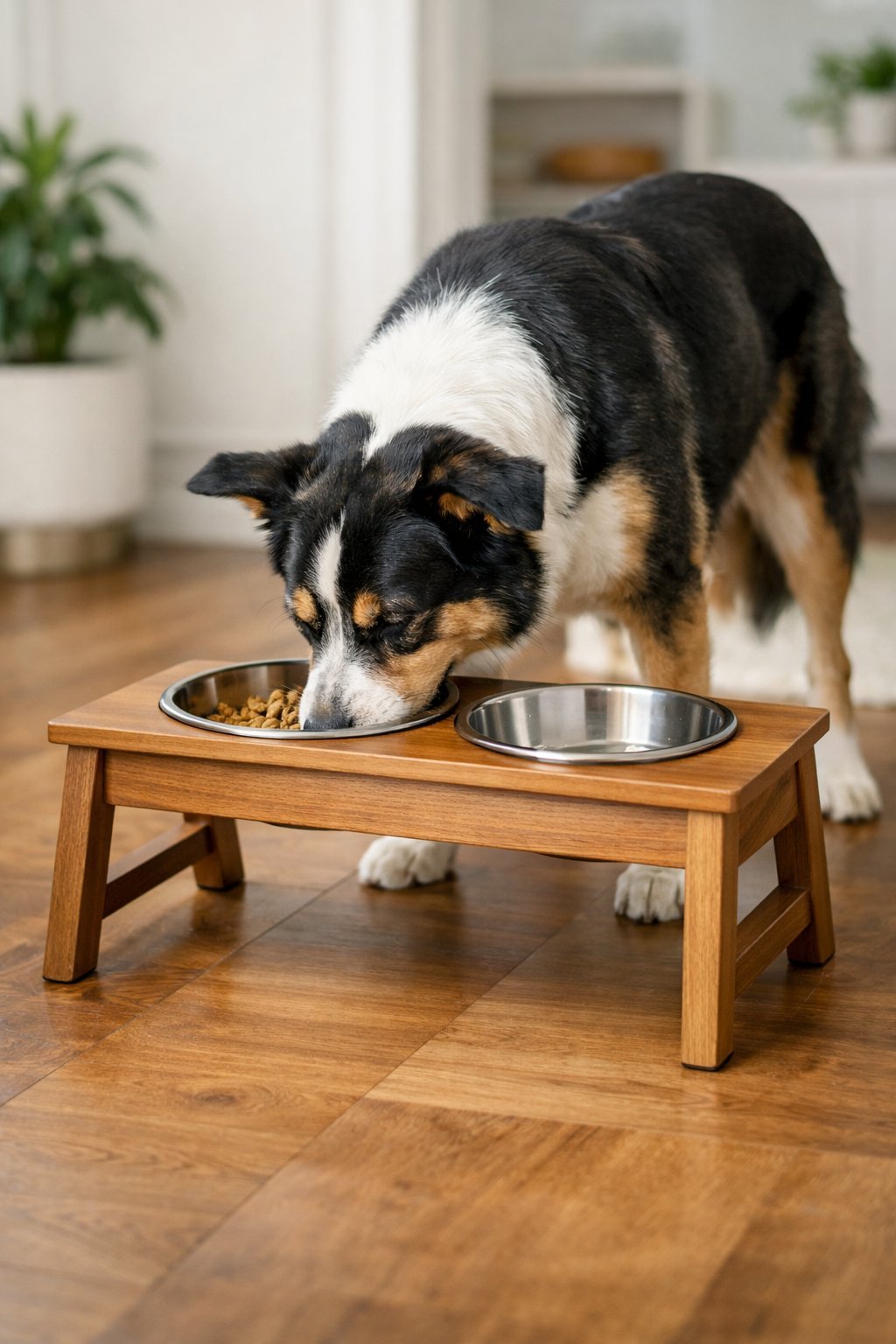
Getting the right size and height for your dog’s elevated feeder makes a real difference in their comfort and health. I’ll walk you through measuring your dog, picking bowl sizes that work, and exploring options that grow with your pet.
Matching Stand Height to Dog Size
Always start by measuring your dog while they’re standing naturally. The proper feeding height should align with their comfort zone, not create strain.
To find the right height, measure from the floor to the top of your dog’s shoulders. Subtract about 5 inches from that measurement.
This puts the bowl at a comfortable level where your dog can eat without bending their neck too far down or stretching up awkwardly.
For small dogs under 15 pounds, look for stands between 2-4 inches tall. Medium dogs between 15-50 pounds do well with 7-14 inch stands.
Large dogs over 50 pounds need stands that are 15-20 inches high. When your dog eats, their neck should be roughly level with their back or just slightly lower.
If you notice your dog straining up or cramping down, the height isn’t right.
Selecting the Right Bowl Capacity
Bowl capacity is just as important as height. I choose sizes based on how much food and water my dog goes through each day.
Small breeds usually need bowls that hold 1-2 cups. For medium dogs, I use 3-6 cup bowls.
Large breeds require bowls holding 7-12 cups or more. I also pay attention to bowl depth.
Shallow bowls (1-2 inches deep) are better for flat-faced breeds. Deeper bowls help my bigger dogs avoid making a mess.
Width matters, too. I always make sure the bowl is wide enough for my dog’s face, so their ears don’t end up in their food.
Adjustable and Customizable Options
I’m a big fan of adjustable stands because they grow with puppies and work for multiple dogs. These stands let me change the height in 2-3 inch increments.
Benefits I’ve found with adjustable feeders:
- Great for growing puppies
- One stand fits different dog sizes
- Quick height changes without new gear
- Better value over time
Some stands have removable inserts or telescoping legs. I can swap bowl sizes and tweak the height until my dog looks comfortable.
This flexibility means I can test different setups and pick what works best.
Tips for Integrating a Dog Bowl Stand Into Your Decor
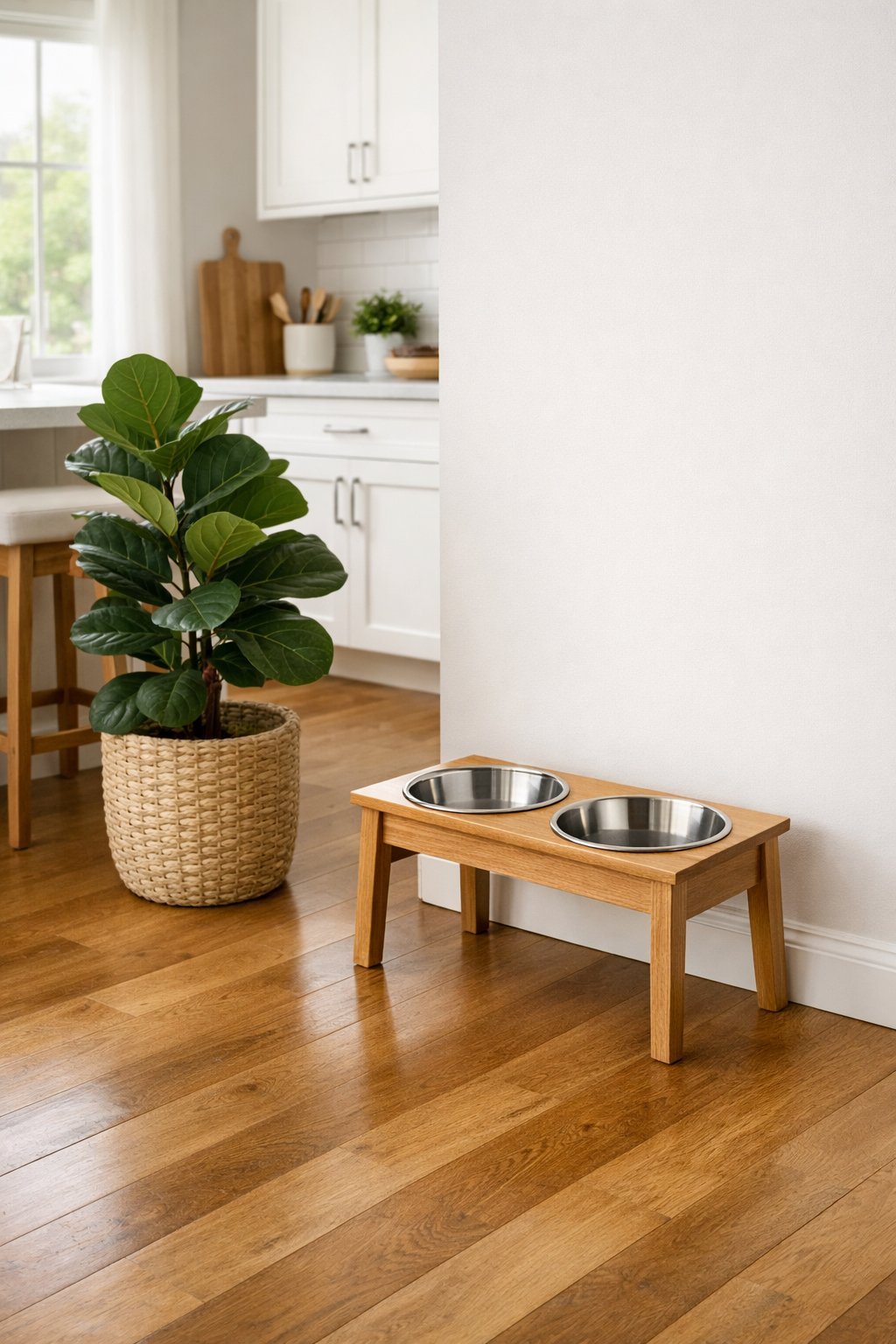
Making a dog bowl stand look intentional in your home comes down to three things: matching colors, finding the right spot, and adding coordinated touches to tie it all together.
Color Coordination with Existing Furniture
I always start by checking the main wood tones or paint colors in the room. If I have oak cabinets or walnut furniture, I pick a stand in a similar finish.
For modern homes with white or gray, I go for painted stands in matching neutrals. A crisp white stand next to white cabinets looks built-in.
Metal stands are perfect when I want to match stainless steel appliances or black hardware. Chrome and brushed nickel options blend nicely with kitchen fixtures.
When I can’t find an exact match, I go for a complementary color. Navy stands look good with gray walls, or a natural wood tone can warm up an all-white space.
The goal is to make the feeding station feel like part of the room, not just a random pet item.
Space-Saving Placement Ideas
Corners are my favorite spot for dog bowl stands because they use space that usually goes unused. A corner placement keeps bowls out of the way and makes the room feel tidier.
Placing the stand under wall-mounted shelves or floating cabinets creates a seamless feeding station. I can store food and treats above while my dog eats below.
A mudroom wall near the back door is great for dogs who eat after walks. I keep the stand on a washable mat in this busy area.
Tucking the stand inside a kitchen island end cap or at the end of a peninsula gives a built-in vibe. Even just pushing a stand against the island looks polished with minimal effort.
Matching Accessories for a Complete Look
I use a decorative mat or tray under the bowl stand that matches my kitchen rugs or floors. This defines the feeding zone and keeps spills off the floor.
Dog food storage should also coordinate with the stand. I use ceramic jars or metal bins that match the stand’s finish instead of leaving bags out.
Wall hooks or shelves above the feeding area are handy for leashes, treats, or pet photos in matching frames. This makes the area feel like an intentional pet zone instead of just a spot for bowls.
Matching elements I consider:
- Material: Wood stands with wooden storage boxes
- Metal finish: Brass bowls with brass-legged stands
- Color palette: Accessories in the same 2-3 colors
- Style: Modern stands with sleek containers, rustic stands with woven baskets
Frequently Asked Questions
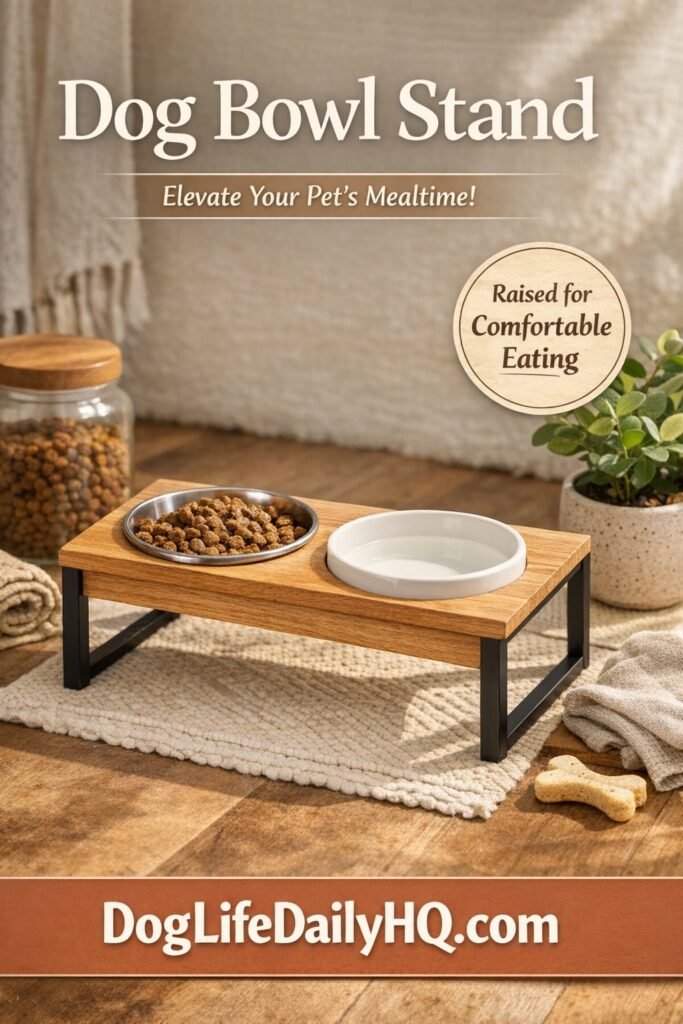
Pet owners often have similar questions when looking into elevated feeding stations. Most concerns are about health benefits, sizing, safety, and keeping everything looking good.
What are the benefits of using an elevated dog bowl stand?
Elevated dog bowls make food easier to reach, which is why many dogs prefer them. Raised feeders also help keep the eating area more organized since the bowls stay in one spot.
These stands can improve your dog’s posture during meals. The raised height means less bending and straining on their neck and back.
I also like that elevated feeders look cleaner and more intentional in my home. They turn a basic pet need into a design element.
How can I choose the right size and height for my dog’s elevated feeding station?
The right height depends on your dog’s size. I measure from the floor to my dog’s shoulder, then subtract about 6 inches for the ideal bowl height.
Your dog should be able to eat with their neck in a neutral position. If they’re bending down too much, it’s too low; if they’re stretching up, it’s too high.
Always check that your bowls fit securely into the stand. Most stands fit standard bowl sizes, but I always double-check measurements before buying.
Are elevated dog bowl stands safe for all dog breeds and sizes?
Elevated bowls work well for many dogs, but they’re not for everyone. Raised feeders carry some documented risks that owners should know about.
Large, deep-chested breeds may have special concerns. Some research suggests elevated bowls could increase certain health risks for these dogs.
Senior dogs and those with arthritis often benefit most from raised feeding stations. The higher height is easier on aging joints and muscles.
It’s always a good idea to talk to your vet before switching to an elevated feeder. They can help you decide what’s best for your dog’s breed, size, and health needs.
Can elevated dog bowl stands help with my pet’s digestion or posture?
Raised feeders can change how your dog eats by improving the angle from mouth to stomach. The elevated position gives a more natural eating posture.
I’ve noticed better posture in my own dog since making the switch. He doesn’t hunch over his food anymore and seems more comfortable.
The benefits really depend on the dog. Some pets show big improvements, while others might not notice much difference.
What materials are typically used in making high-quality, stylish dog bowl stands?
High-quality stands come in wood, metal, bamboo, and acrylic. Each material gives a different look and level of durability.
I like wooden stands for a warm, natural vibe that fits with traditional decor. Metal stands are great for modern spaces and are usually very sturdy.
Bamboo is an eco-friendly pick that’s attractive and sustainable. Acrylic stands have a sleek, contemporary look that blends into the background.
The best material depends on your home’s style and your dog’s eating habits. I look for durability, easy cleaning, and how the stand will fit in my space.
How do I maintain and clean an elevated dog bowl stand to keep it looking great?
I clean the bowls daily just like regular dog dishes. The stand itself doesn’t need cleaning as often, but I wipe it down every week to get rid of dust and food crumbs.
For wooden stands, I use a damp cloth and make sure not to soak the material. Metal and acrylic stands are a bit easier—they can handle more moisture and cleaning products.
I also check the stand for loose screws or wobbling. Tightening the hardware keeps everything stable and safe.
Spills are pretty common, so I clean them up right away to avoid stains and odors. A quick wipe-down after meals helps the feeding station stay fresh and look great.
