Dog Bowls: A Complete Guide to Choosing the Perfect Feeding Solution for Your Pup

Every dog needs a bowl to eat and drink from, but picking the right one involves more than just grabbing any dish from the store. The best dog bowls are made from safe materials like stainless steel or ceramic, match your dog’s size and eating habits, and are easy to clean to keep your pet healthy.
With so many options available at stores like Amazon, Chewy, and Petco, it can feel overwhelming to know where to start.
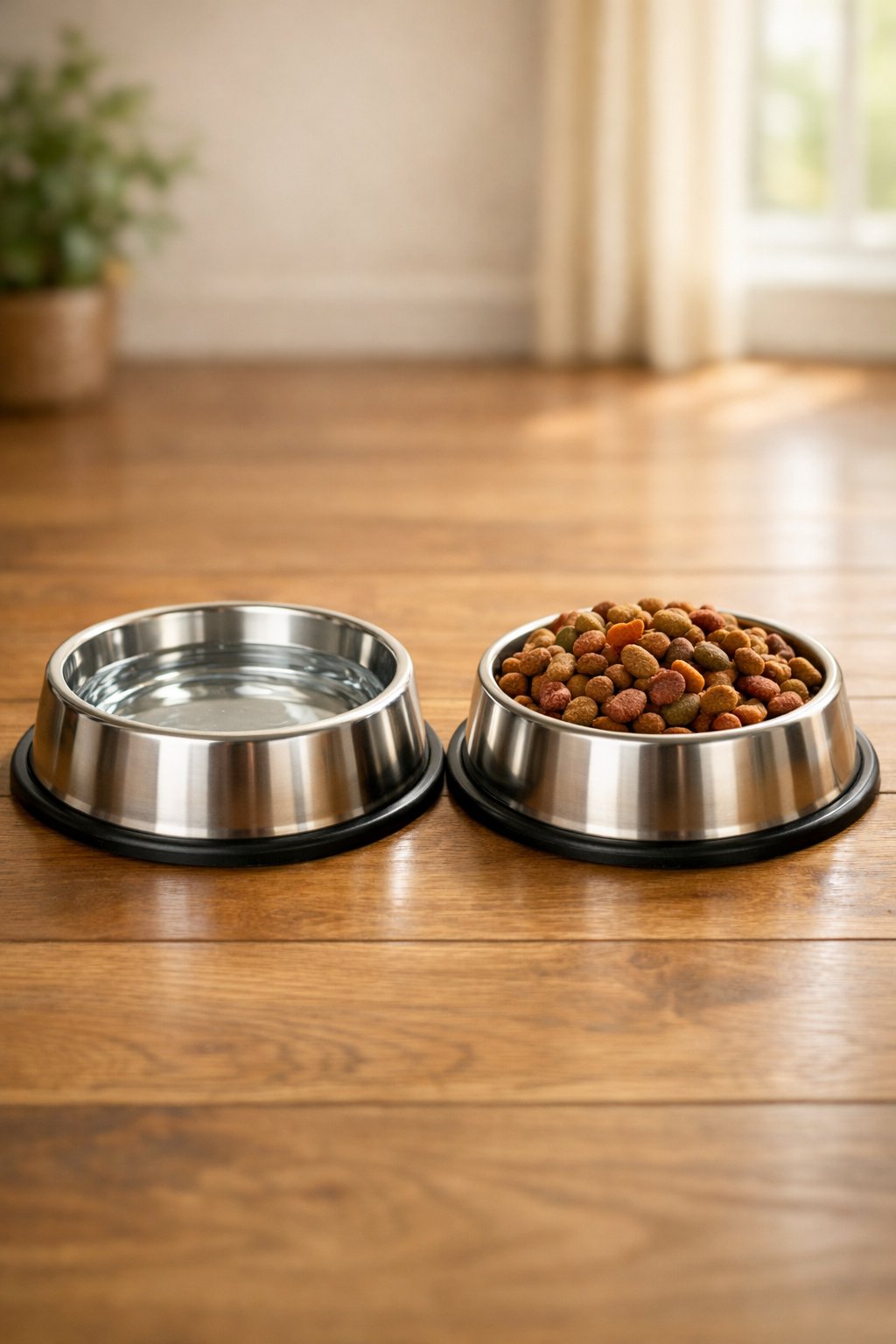
I’ve put together this guide to help you understand the different types of bowls and what makes each one special. Whether you have a puppy who tips over their dish or a senior dog who needs an elevated feeder, there’s a perfect bowl out there for your situation.
Finding the right dog bowl can improve your dog’s comfort during meals and make feeding time easier for you.
Let me walk you through everything you need to know to make the best choice.
Key Takeaways
- Different bowl materials and styles serve specific needs for dogs of various sizes and eating behaviors
- Selecting a bowl based on your dog’s size, breed, and health needs ensures comfortable and safe mealtimes
- Regular cleaning and proper bowl placement help maintain your dog’s health and prevent messes
Types of Dog Bowls
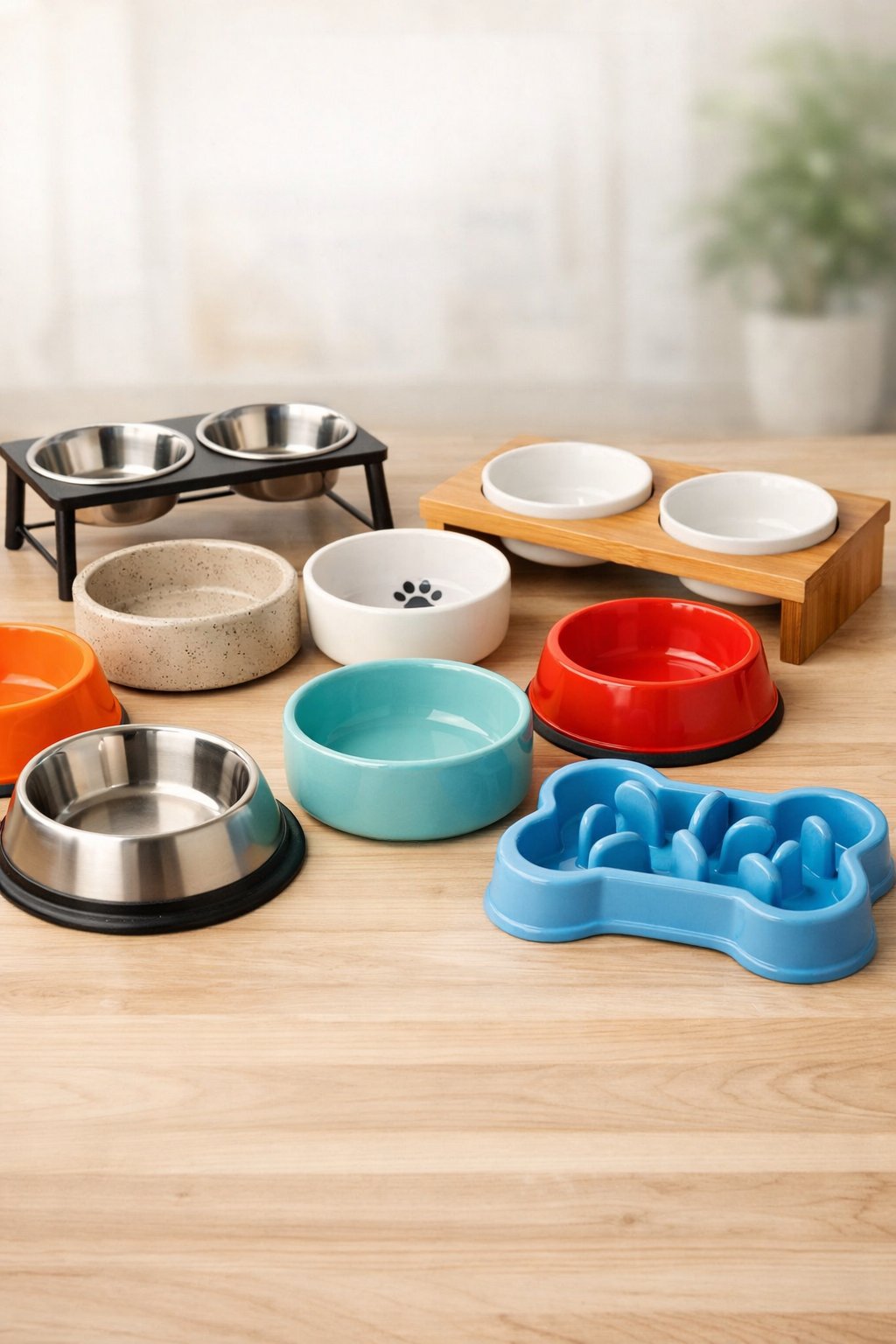
Dog bowls come in several materials that each have their own benefits and drawbacks. The right choice depends on your dog’s size, eating habits, and your lifestyle needs.
Stainless Steel Dog Bowls
I recommend stainless steel bowls as one of the most practical choices for feeding dogs. These bowls are durable and easy to clean, which makes them ideal for daily use.
Benefits of stainless steel:
- Won’t break if dropped
- Dishwasher safe
- Doesn’t harbor bacteria in scratches
- Rust-resistant when made from quality materials
Stainless steel bowls last for years without needing replacement. They don’t absorb odors or stains like other materials.
Some dogs may push lightweight stainless steel bowls around during meals. I suggest looking for bowls with rubber bottoms to prevent sliding.
Ceramic Dog Bowls
Ceramic bowls offer a heavier alternative that stays in place during feeding time. These bowls come in many colors and designs to match your home decor.
The weight of ceramic prevents most dogs from tipping or moving their bowl. This makes them good for enthusiastic eaters.
Things to consider with ceramic:
- Can chip or crack if dropped
- Must check that glazes are lead-free
- Heavier to carry when filled
- May develop cracks that trap bacteria
I always inspect ceramic bowls regularly for any chips or cracks. Damaged ceramic bowls should be replaced right away since bacteria can grow in tiny cracks.
Plastic Dog Bowls
Plastic bowls are the most affordable option available. They’re lightweight and come in many sizes and colors.
However, I don’t recommend plastic as a long-term solution. Plastic scratches easily, and these scratches can hold bacteria even after washing.
Some dogs develop chin acne or allergic reactions from plastic bowls. The material can also absorb odors over time.
Drawbacks of plastic bowls:
- Scratch easily
- Can contain harmful chemicals
- Less durable than other materials
- Dogs may chew them
If you do use plastic, replace the bowl frequently and watch for any signs of wear.
Travel and Collapsible Dog Bowls
Travel bowls solve the challenge of feeding your dog away from home. Collapsible bowls made from silicone fold flat for easy packing.
I find these bowls essential for road trips, hikes, and camping. They take up minimal space in a backpack or car.
Most travel bowls hold enough water or food for small to medium-sized dogs. Some attach to carabiners for hands-free carrying.
The flexible material makes them easy to clean and store. Just rinse them out and let them air dry before folding them up again.
Choosing the Right Dog Bowl
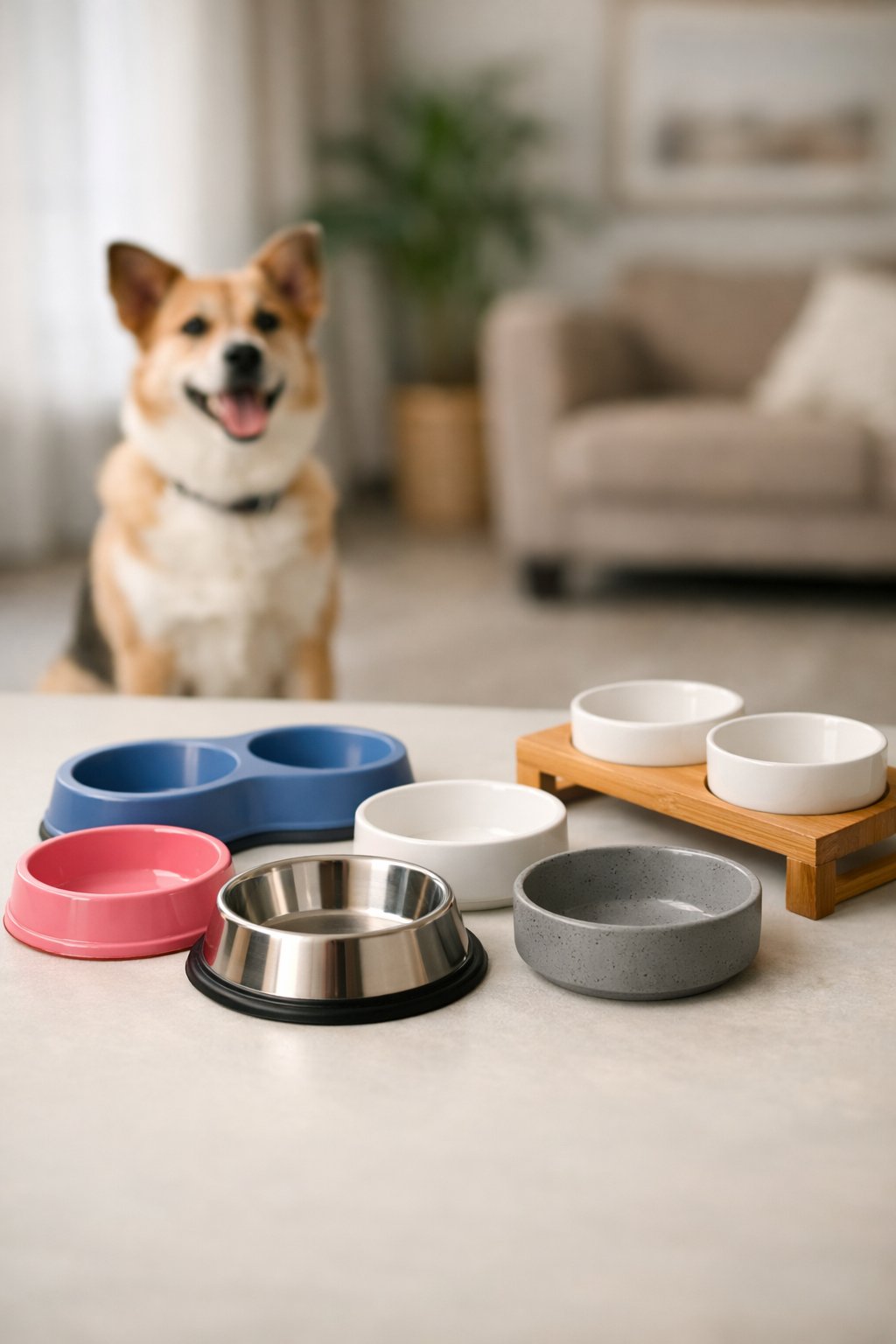
When I pick a dog bowl, I focus on three main factors: the size needs to match my dog’s eating style, the material must be safe and easy to clean, and the design should work with my dog’s specific breed characteristics.
Size Considerations
The bowl size I choose depends on my dog’s weight and how much food they eat at each meal. Small dogs and puppies do better with bowls that hold 1 to 2 cups of food, while medium dogs need bowls that hold 2 to 4 cups.
Large and giant breeds require bowls that can hold 4 to 8 cups or more. I also think about bowl depth and width.
Flat-faced breeds like Pugs or Bulldogs need shallow bowls so they can reach their food without struggling. Dogs with long ears, like Cocker Spaniels, benefit from narrower and deeper bowls that keep their ears from dragging in their food.
Water bowls should be larger than food bowls since dogs need access to fresh water throughout the day. I make sure the water bowl holds at least a day’s worth of water based on my dog’s size.
Material Safety
Stainless steel is my top choice for dog bowls because it doesn’t harbor bacteria and won’t break if dropped. It’s dishwasher safe and doesn’t hold odors or stains over time.
Ceramic bowls look nice and stay in place because of their weight, but I check that they’re lead-free and have a food-safe glaze. I avoid any ceramic bowls with cracks since bacteria can grow in those spaces.
I stay away from plastic bowls for daily use. Plastic scratches easily, and those scratches become places where bacteria can hide.
Some dogs also develop allergies to plastic that cause chin acne or skin irritation around their mouth.
Dog Breed and Feeding Habits
Dogs who eat too fast need slow feeders or puzzle bowls that make them work for their food. These bowls have raised sections that force dogs to eat around obstacles, which slows down their eating speed and reduces the risk of bloating.
Large breeds and older dogs with arthritis benefit from elevated bowls that reduce strain on their neck and joints. The bowl height should align with my dog’s chest level when they’re standing.
If my dog tends to push their bowl around while eating, I look for bowls with rubber bottoms or non-slip bases. Some dogs are messy eaters who benefit from bowls with higher sides that contain food better.
Travel bowls work well for dogs who eat meals away from home, as they’re collapsible and easy to pack.
Specialized Dog Bowls
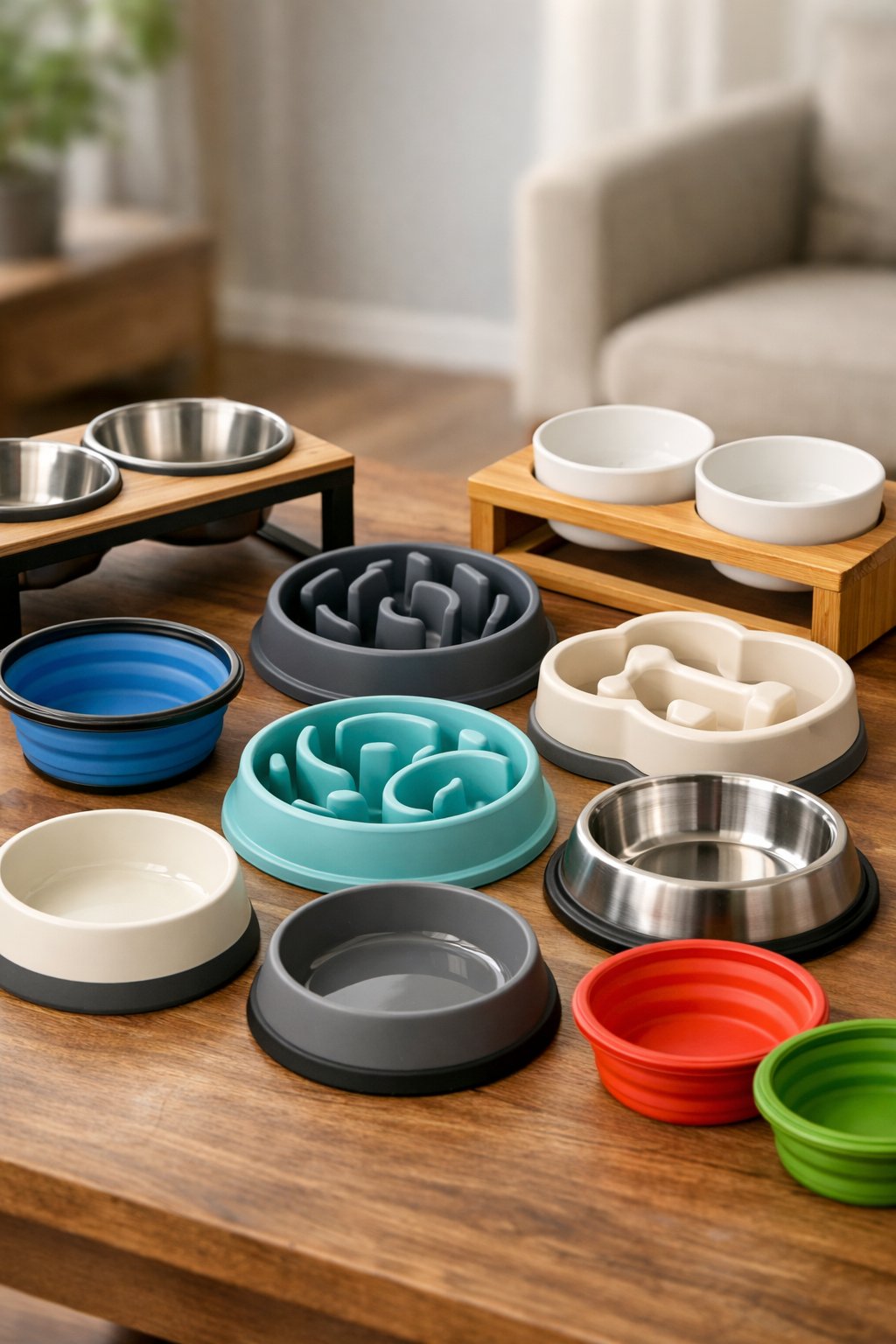
Some dogs need more than a standard bowl to eat comfortably and safely. Elevated bowls help larger dogs maintain better posture, slow feeders prevent gulping, and automatic feeders handle portion control when you’re away.
Elevated Dog Bowls
I’ve found that elevated dog bowls can make a real difference for certain dogs. These bowls sit on raised platforms or stands that bring the food and water up to a more comfortable height.
Large and giant breed dogs benefit the most from elevated bowls. When these dogs eat from floor-level bowls, they have to bend their necks down significantly, which can cause strain.
Elevated bowls let them eat in a more natural position. Older dogs with arthritis or joint pain also find elevated bowls easier to use.
They don’t have to bend down as far, which reduces stress on their neck, shoulders, and spine. The height matters a lot.
I recommend measuring your dog to find the right elevation. The bowl should sit at about your dog’s chest level when they’re standing.
Most elevated bowls come in different heights to match small, medium, and large dogs.
Slow Feeder Dog Bowls
Dogs that eat too fast can choke, vomit, or develop bloat. Slow feeder bowls solve this problem with built-in ridges, patterns, or maze-like designs that make dogs work for their food.
These specialty bowls force dogs to eat around obstacles. Instead of gulping down their meal in seconds, dogs have to use their tongues to navigate the patterns.
This turns a 30-second meal into a 5-10 minute feeding session. When dogs eat slower, they swallow less air and chew their food better.
This leads to better nutrient absorption and less gas. The patterns vary from simple spirals to complex puzzles.
Start with easier designs if your dog hasn’t used one before. Some dogs get frustrated with overly complicated bowls.
Automatic Dog Feeders
Automatic feeders dispense food at set times without me being there. These devices work well for dogs that need consistent meal schedules or for owners with busy work schedules.
Most automatic feeders let me program multiple feeding times per day. I can set portion sizes to prevent overfeeding.
Some models even connect to my phone so I can adjust settings remotely. The basic models use timers and simple mechanisms.
Advanced versions include cameras, voice recording, and smartphone apps. I can watch my dog eat and even talk to them through the feeder.
Automatic feeders help with weight management. Dogs that free-feed often overeat, but timed portions keep their calorie intake controlled.
This is especially helpful for dogs prone to obesity. Battery backup is important in case of power outages.
I also check that the feeder can handle my dog’s kibble size without jamming.
Care and Maintenance of Dog Bowls
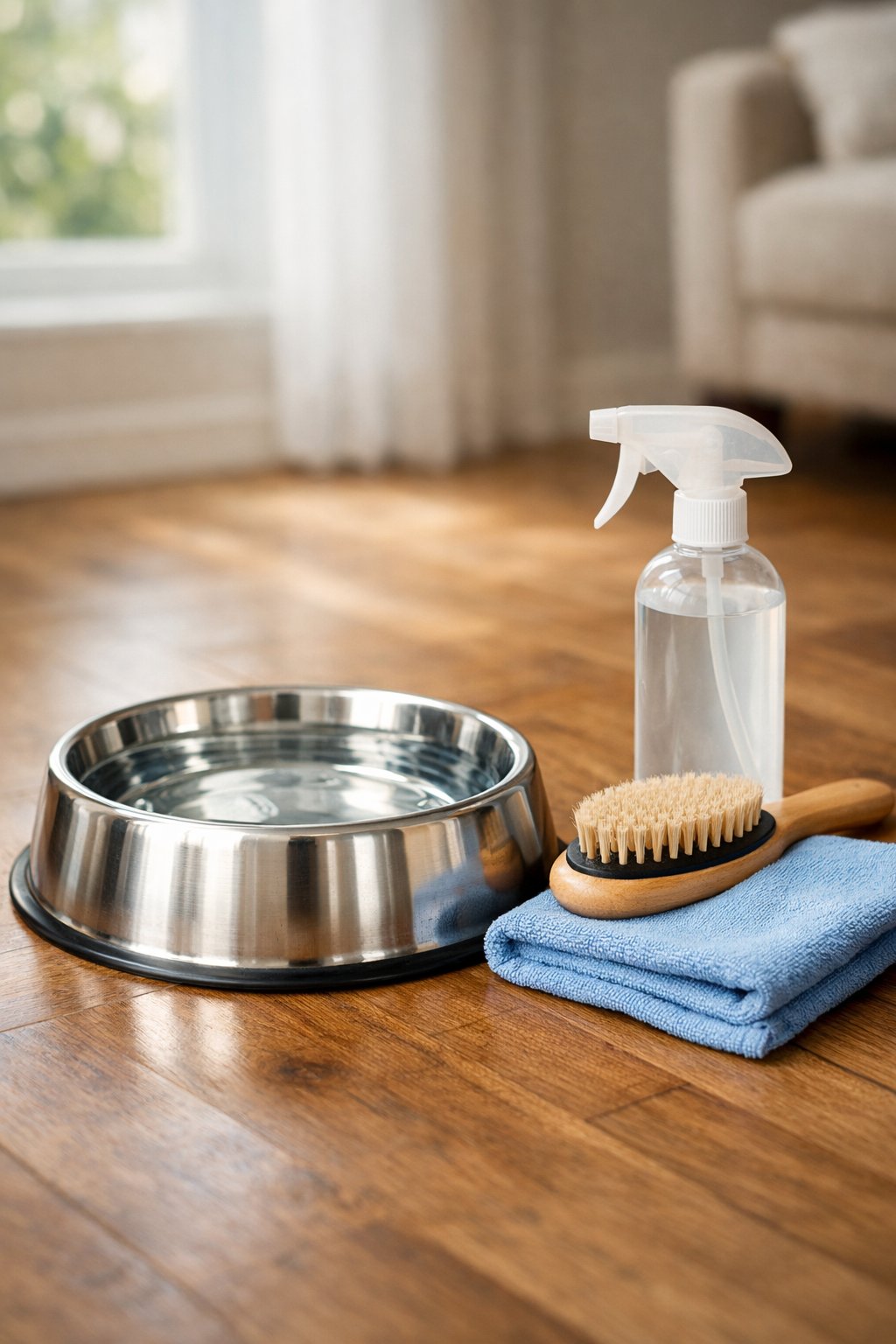
I’ve learned that keeping my dog’s bowls clean requires daily attention, and replacing them when they show signs of wear protects my pet from harmful bacteria that can cause serious health issues.
Cleaning Tips
I wash my dog’s food bowl after every meal with hot, soapy water. This prevents leftover food from sitting in the bowl and attracting bacteria.
For water bowls, I’ve found that daily cleaning is essential even though they only hold water. Slime and biofilm build up quickly in water bowls.
I use these cleaning methods:
- Dishwasher method: I run stainless steel and ceramic bowls through my dishwasher on the hot cycle
- Hand washing: I scrub bowls with hot water and dish soap, paying special attention to crevices
- Deep cleaning: Once a week, I soak bowls in a mixture of one part bleach to 50 parts water for 10 minutes, then rinse thoroughly
I always let the bowls air dry completely before refilling them. Moisture left on bowls creates a perfect environment for bacteria to grow.
Preventing Bacterial Build-Up
I’ve noticed that bacteria multiply faster during hot weather, so I increase my cleaning frequency in summer. I also clean bowls more often when my dog is sick or eats raw food.
Stainless steel bowls are the easiest to keep clean because they don’t harbor bacteria in scratches like plastic does. I avoid plastic bowls since they develop tiny cracks over time.
I place my dog’s bowls on a washable mat to catch spills and crumbs. I clean the feeding area daily to prevent bacteria from spreading to the bowls from the floor.
I never let food sit in the bowl for more than 30 minutes. Removing uneaten food right away stops bacteria from growing.
When to Replace Your Dog Bowl
I replace plastic bowls every six months because they scratch easily. These scratches trap bacteria that I can’t remove even with thorough washing.
I check my dog’s bowls regularly for these warning signs:
- Deep scratches or cracks
- Chips or breaks in ceramic bowls
- Rust spots on metal bowls
- Persistent odors that won’t wash away
- Discoloration that doesn’t come clean
Stainless steel bowls last much longer than other materials. I replace them only when they develop dents or damage that could harbor bacteria.
Ceramic bowls need replacing immediately if they crack since bacteria hide in the cracks.
Dog Bowl Accessories and Placement
The right accessories and careful placement can make feeding time safer and more comfortable for your dog. Simple additions like mats prevent messes, while proper location choices support good eating habits.
Non-Slip Mats
I always recommend non-slip mats to prevent bowls from sliding during meals. These mats grip the floor and keep bowls in place when dogs eat or drink enthusiastically.
Most mats are made from silicone or rubber materials. They’re easy to clean and protect your floors from spills at the same time.
I look for mats with raised edges that catch water splashes and food pieces. This design keeps messes contained to one small area instead of spreading across the kitchen floor.
Key features I consider:
- Size: Must fit both food and water bowls comfortably
- Texture: Deeper ridges work better for large dogs
- Dishwasher safe: Makes cleaning much easier
- Color: Darker colors hide stains better than light ones
Water Dispensers
I find that automatic water dispensers keep fresh water available all day long. These dog fountains encourage dogs to drink more by providing moving water.
Gravity-fed dispensers are the simplest type. They refill the bowl automatically as your dog drinks from it.
I prefer these for short trips away from home. Electric fountain dispensers filter and circulate water continuously.
The flowing water stays cooler and fresher than standing water in a regular bowl. Many dogs prefer drinking from fountains because the movement attracts their attention.
I clean water dispensers every three to five days to prevent bacteria buildup. The filters need replacing every month or two depending on the model.
Best Locations for Dog Bowls
I place dog bowls in quiet, low-traffic areas of my home. Dogs eat better when they’re not worried about people walking past them constantly.
The kitchen works well because spills are easy to clean on tile or linoleum floors. I avoid carpeted areas since they absorb water and food stains.
Location factors I think about:
- Away from litter boxes (for homes with cats)
- Not blocking doorways or walkways
- Near an easy-to-clean floor surface
- Away from direct sunlight (keeps water cooler)
I keep food and water bowls a few feet apart. This prevents food from falling into the water bowl and keeps the water cleaner longer.
For homes with multiple dogs, I set up separate feeding stations. This reduces competition and lets each dog eat at their own pace without stress.
