Dog Cake Recipe: Easy Homemade Treats Your Pup Will Love

Your dog deserves something special on their birthday or during celebrations. Store-bought dog treats can be expensive and full of ingredients you don’t recognize. Making a homemade dog cake is easy, affordable, and lets you control exactly what goes into your pup’s special treat.

I’ve learned that dog-friendly cake recipes use simple ingredients like peanut butter, carrots, pumpkin, and bananas. These ingredients are safe for dogs and taste great to them. You don’t need fancy baking skills to make a cake your dog will love.
The best part about making your own dog birthday cake is watching your furry friend enjoy every bite. I’ll show you how to make a basic cake, share healthy ingredient swaps, and give you ideas for decorating. You’ll also learn how to store leftover cake so nothing goes to waste.
Key Takeaways
- You can make a simple dog cake with just a few safe ingredients like peanut butter, carrots, and applesauce
- Homemade dog cakes can be customized for your dog’s dietary needs and stored in the fridge or freezer
- Special decorations using dog-friendly ingredients make the cake perfect for birthdays and celebrations
Essential Ingredients for Dog Cakes
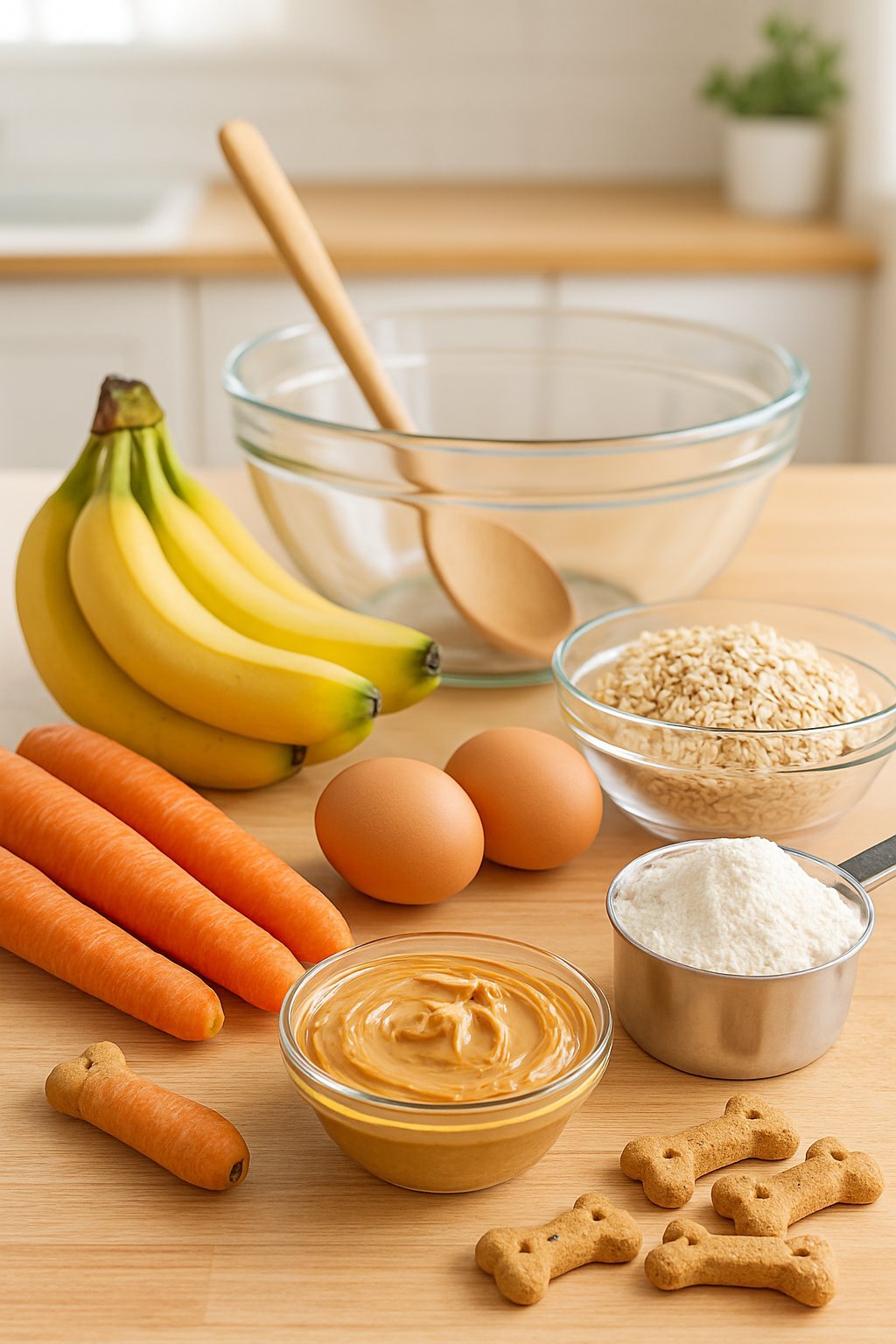
When I make cakes for dogs, I focus on three main areas: choosing safe flours that won’t upset their stomachs, picking sweeteners that add flavor without harmful sugar, and adding fruits and vegetables that provide nutrition and taste.
Best Flour Options for Dogs
I always reach for whole wheat flour first when I bake dog-friendly cakes. It’s affordable and most dogs digest it well. Whole wheat flour gives cakes a good texture and holds ingredients together nicely.
For dogs with grain sensitivities, I use alternatives. Oat flour works great because it’s gentle on stomachs and adds a mild, pleasant flavor. I can make it at home by grinding regular oats in my blender.
Rice flour is another option I keep in my pantry. It’s very light and works well for dogs with multiple food sensitivities. Coconut flour is also safe, but I use less of it because it absorbs a lot of liquid.
I avoid wheat flour if a dog has known allergies. Some dogs simply can’t handle grains at all, so I stick with grain-free options for them.
Dog-Friendly Sweeteners
I never use regular sugar, artificial sweeteners, or anything containing xylitol in dog cakes. Xylitol is extremely dangerous and can be fatal to dogs.
Instead, I rely on natural sweetness from other ingredients. Honey is my go-to choice when I need a touch of sweetness. I use it sparingly, just a small amount for flavor.
Mashed bananas work wonderfully as a natural sweetener. They add moisture and sweetness without any processed sugars. Applesauce serves the same purpose and most dogs love the taste.
For simple recipes, I often skip added sweeteners entirely. Dogs don’t need sweet flavors the way humans do, and they’re happy with the natural taste of the other ingredients.
Recommended Fruits and Vegetables
I add fruits and vegetables to dog cakes for extra nutrition and moisture. Apples are excellent when I remove the seeds and core. They add fiber and a slight sweetness dogs enjoy.
Bananas top my list because they’re easy to mash and blend into batter smoothly. They provide potassium and natural sugars. Blueberries are another favorite of mine because they’re packed with antioxidants and add little bursts of flavor.
Carrots work well when I grate them finely. They add vitamins and a subtle sweetness. Pumpkin puree (not pie filling) is wonderful for texture and digestive health.
I always avoid grapes, raisins, onions, and garlic. These are toxic to dogs. I also skip citrus fruits since they can cause stomach upset in many dogs.
Step-By-Step Dog Cake Recipe Instructions
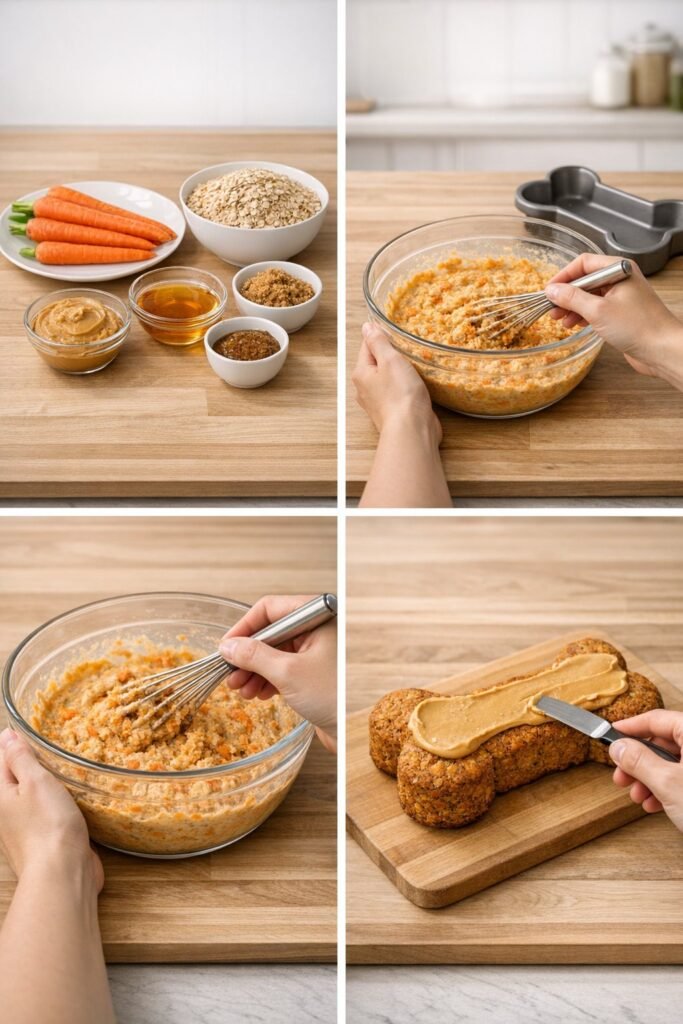
Making a dog-safe birthday cake takes about 30 minutes of baking time and uses basic kitchen tools you likely already own. The process involves mixing wholesome ingredients, baking at the right temperature, and decorating with dog-friendly toppings.
Preparation and Mixing
I always start by preheating my oven to 350°F (175°C). This ensures even baking from the moment the cake goes in.
While the oven heats up, I prepare my workspace and line the baking pan with parchment paper or spray it lightly with non-stick cooking spray. I use either a round cake pan or a loaf pan depending on what shape I want.
For the mixing process, I gather two bowls. In a medium bowl, I combine all dry ingredients like flour and baking powder, stirring them together well. In a large bowl, I mix the wet ingredients such as eggs, peanut butter, and mashed bananas until smooth.
I add the dry mixture to the wet ingredients gradually. I stir until everything is just combined, being careful not to overmix. The batter should be thick but pourable.
Baking and Cooling
I pour the batter evenly into my prepared pan, making sure it spreads to the edges. If I’m making a two-tiered cake, I divide the batter between two pans.
The cake goes in the middle rack of the oven for 20-25 minutes. I check for doneness by inserting a toothpick in the center. When it comes out clean, the cake is ready.
I let the cake cool in the pan for about 10 minutes before removing it. This prevents it from breaking apart. Then I transfer it to a wire cooling rack to cool completely, which usually takes 30-45 minutes. Never frost a warm cake because the frosting will melt and slide off.
Safe Decorating Tips
I only use dog-safe ingredients for frosting and decorations. Plain Greek yogurt, cream cheese, or peanut butter work great as frosting bases.
For toppings, I stick to fresh fruits like blueberries, strawberries, or banana slices. Small dog treats or biscuits make cute decorative borders around the edges.
I avoid chocolate, grapes, raisins, xylitol, and artificial sweeteners entirely since these are toxic to dogs. I also skip sugary human cake decorations and food coloring. Natural decorations look just as festive and keep my pup safe.
Healthy Alternatives and Dietary Modifications
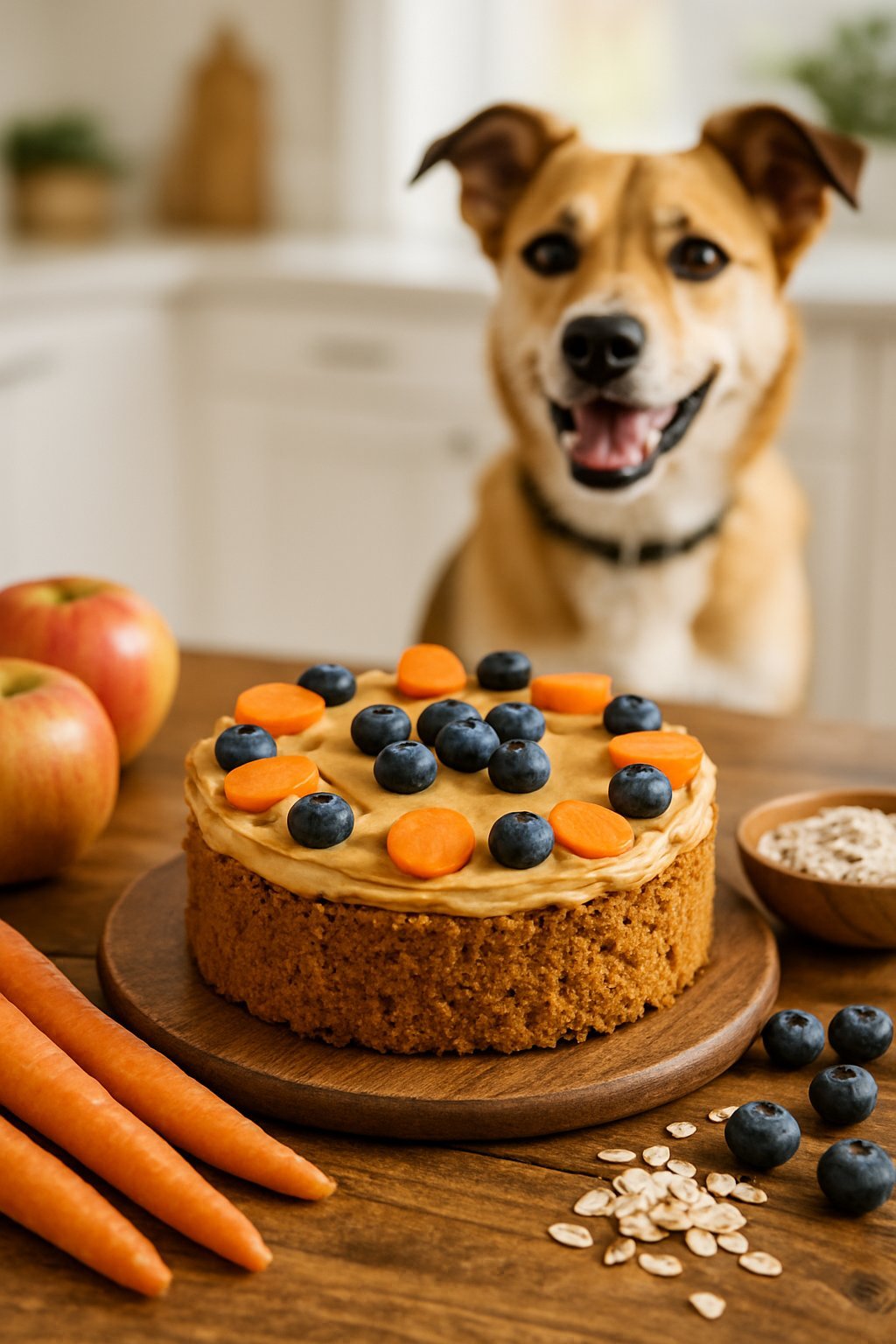
Not all dogs can eat the same ingredients, so I’ve found ways to adjust dog cake recipes for different health needs. Some dogs need grain-free options while others require lower fat content to stay healthy.
Grain-Free Dog Cake Options
I use almond flour or coconut flour when making grain-free dog birthday cakes for dogs with grain sensitivities. These flours work well as replacements for wheat flour in most recipes.
Almond flour creates a moist, dense texture that dogs enjoy. I typically use a 1:1 ratio when substituting it for regular flour. Coconut flour absorbs more liquid, so I only use about 1/4 cup of coconut flour for every cup of wheat flour called for in the recipe.
Oat flour is another option if your dog can tolerate oats. I make it by grinding rolled oats in a food processor until they become a fine powder. This gives the cake a slightly sweeter taste that many dogs like.
For binding ingredients in grain-free cakes, I rely on eggs and mashed banana. These help hold the cake together without needing wheat-based products.
Low-Fat Ingredient Swaps
I swap high-fat ingredients for healthier options when making cakes for dogs that need to watch their fat intake. Plain non-fat Greek yogurt works perfectly instead of full-fat yogurt or cream cheese frosting.
For dogs with sensitive digestive systems, I use unsweetened applesauce in place of oil or butter. This cuts the fat content significantly while keeping the cake moist. I use a 1:1 ratio when making this swap.
Pumpkin puree is another low-fat ingredient I add to dog cakes. It provides moisture and fiber without extra calories. I mix it with a small amount of plain yogurt to create a dog-safe frosting that’s lower in fat than traditional options.
When protein is needed, I choose lean meats like chicken or turkey instead of fatty options. These can be mixed into the batter or used as cake toppers.
Serving and Storing Homemade Dog Cakes
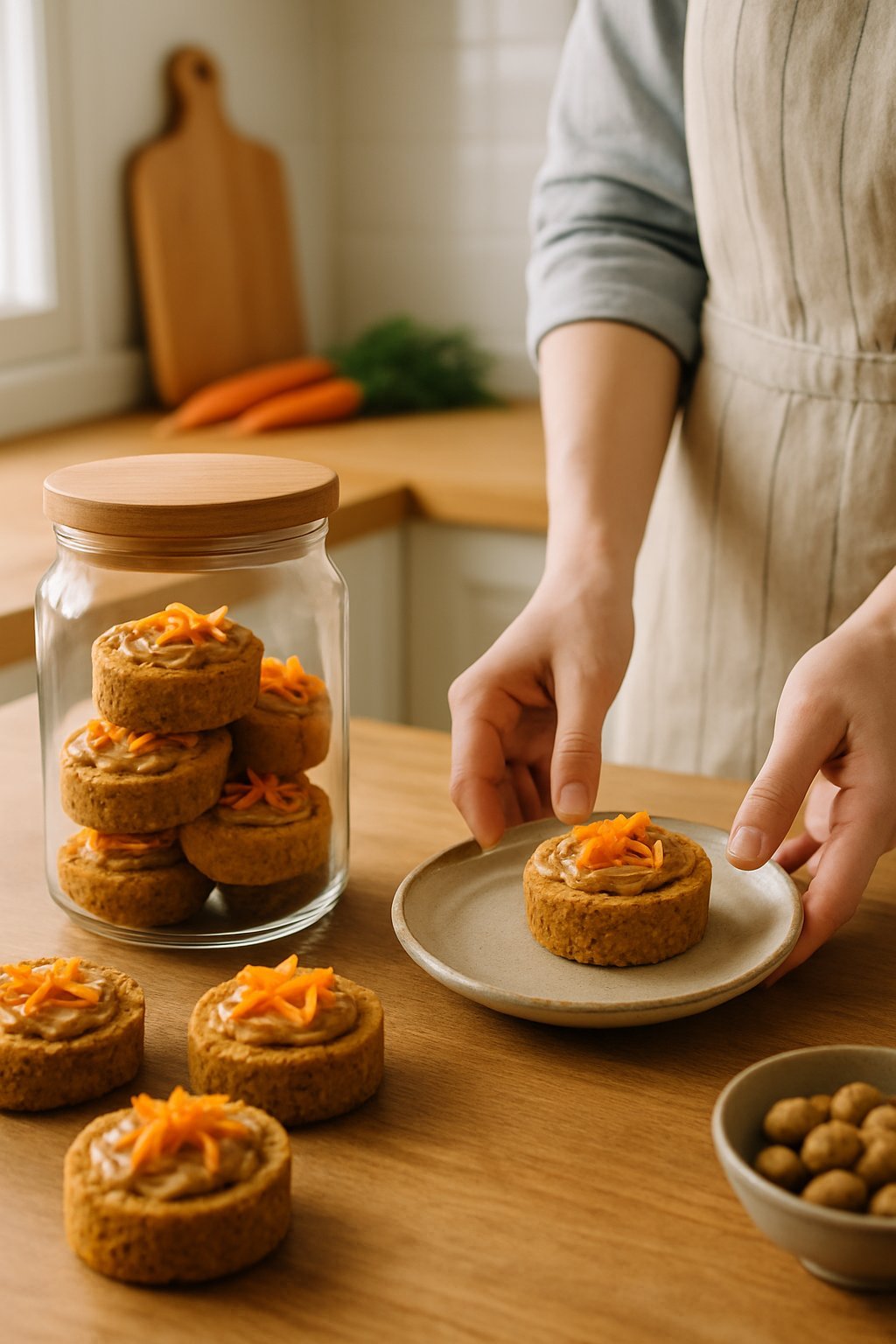
I find that proper serving sizes and storage methods help keep my dog healthy while making sure the cake stays fresh for future treats.
Portion Sizes For Different Breeds
I always adjust cake portions based on my dog’s size to avoid overfeeding. Small dogs under 20 pounds should get a piece no larger than a cupcake or about 2-3 tablespoons of cake. Medium dogs between 20-50 pounds can handle a slice about the size of my palm or roughly 1/4 cup.
Large dogs over 50 pounds can enjoy up to 1/2 cup of cake at a time. I never give my dog the whole cake in one sitting, even on special occasions.
Treats like homemade dog cakes should only make up 10% of my dog’s daily calories. I subtract the cake calories from regular meals on celebration days. If my dog has food sensitivities, I watch closely for any reactions after the first small serving.
Best Storage Practices
I store leftover dog cake in an airtight container in the refrigerator for up to 5 days. The cake stays fresh and moist this way without spoiling.
For longer storage, I wrap individual portions in plastic wrap and freeze them for up to 3 months. I thaw frozen slices in the refrigerator overnight before serving. Room temperature storage isn’t safe since homemade recipes use natural ingredients without preservatives.
I always check the cake for any signs of mold or strange smells before giving it to my dog. If I used frosting made with yogurt or cream cheese, I’m extra careful about refrigeration since dairy spoils quickly.
Fun Dog Cake Ideas for Special Occasions
I love getting creative with dog cakes for different celebrations throughout the year. From paw print decorations to festive colors, there are so many ways to make your pup’s cake special and memorable.
Birthday Cake Designs
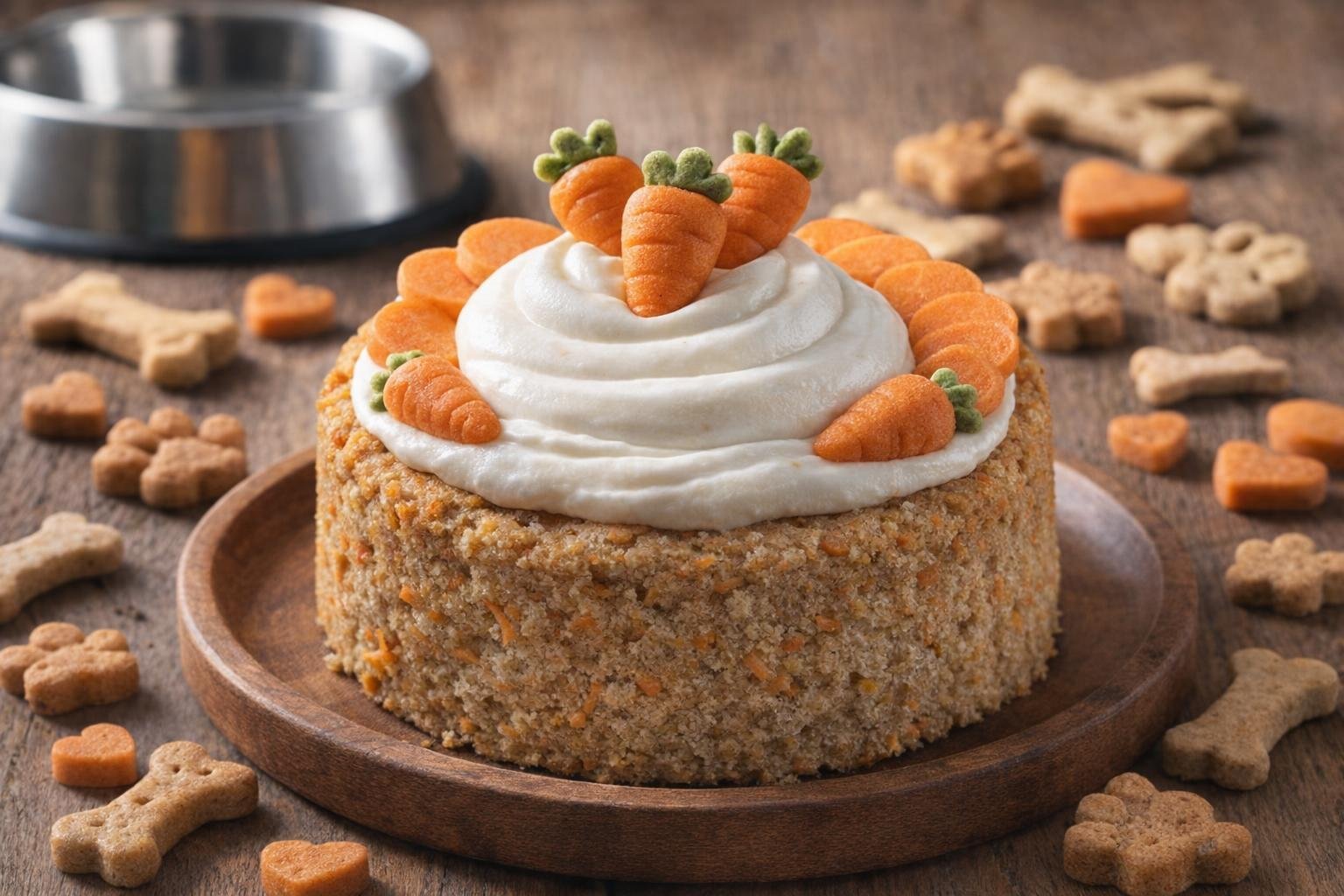
I always start with a simple base like a round or bone-shaped cake. My favorite designs include puppy faces with paw prints and edible bones because they’re cute and easy to create.
For decorations, I use dog-safe frosting made from Greek yogurt or cream cheese. I pipe this onto the cake to create fun shapes and patterns. Adding small dog treats around the edges makes the cake look fancy and gives your pup extra goodies to enjoy.
I like to personalize cakes with my dog’s name using treats arranged in letters. You can also add a small dog-safe cookie on top as a cake topper. Some people use shredded carrots or sweet potato to add color and texture to the frosting.
Popular birthday designs include:
- Layered cakes with yogurt frosting between each tier
- Cupcakes decorated with a single treat on top
- Bone-shaped cakes with peanut butter drizzle
- Round cakes with paw print patterns
Holiday Cake Inspirations
I adapt my dog cake recipes for different holidays by changing the shape and colors. For Christmas, I make green cakes using spinach or add red beets for festive color.
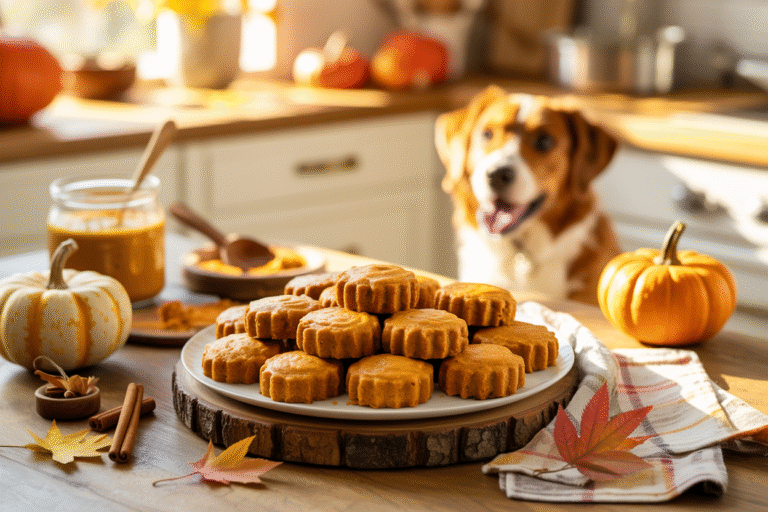
Halloween cakes work great in pumpkin flavor since pumpkin is safe for dogs. I cut them into fun shapes or use cookie cutters to make small treats. For Valentine’s Day, I bake heart-shaped cakes and top them with strawberry pieces.
Easter cakes can include carrots and apples for spring flavors. I sometimes make small cupcakes instead of one big cake so multiple dogs can celebrate together at parties. Fourth of July cakes look great with blueberries arranged in patterns on top.