
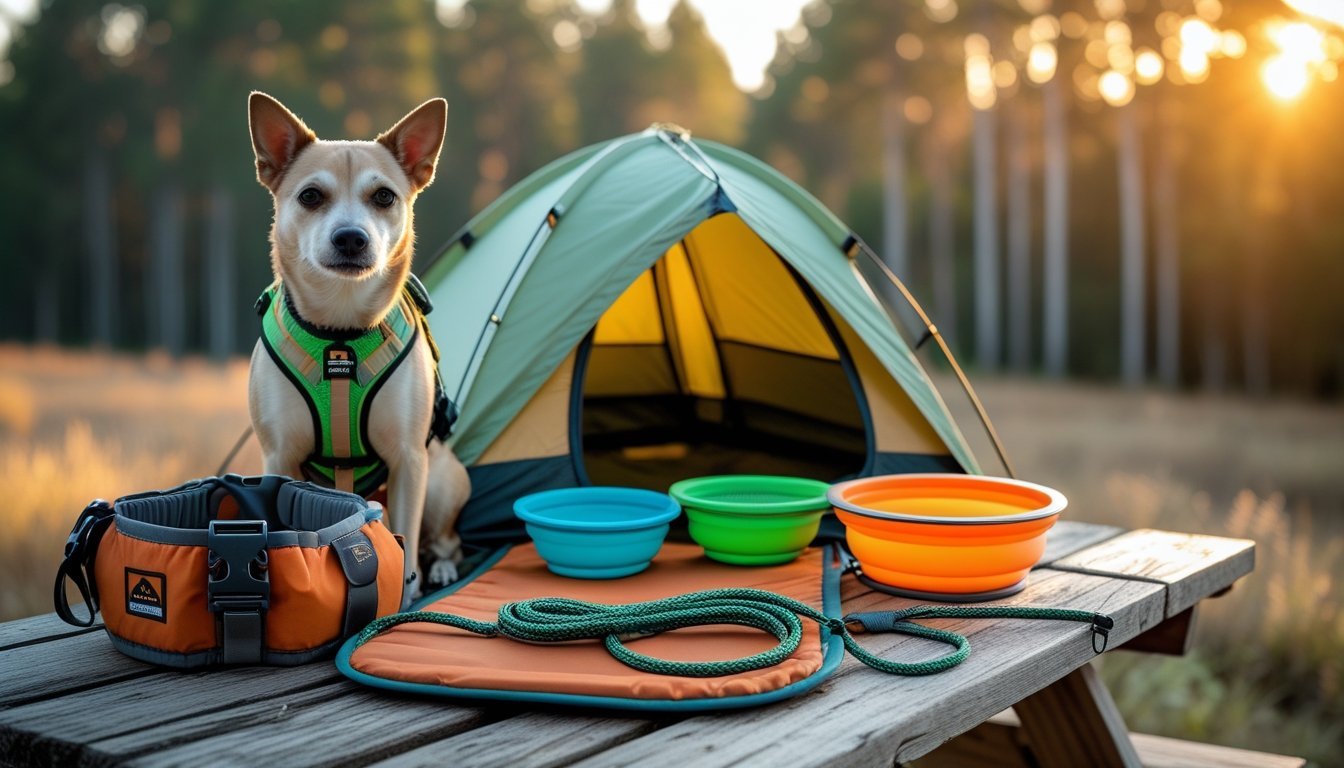
Dog Camping Gear: Essential Equipment for Your Outdoor Adventures With Your Pup

Taking your dog camping can be one of the most rewarding outdoor experiences you’ll ever have. But without the right supplies, your trip can quickly turn stressful for both you and your pup. Having the proper camping gear for your dog ensures they stay safe, comfortable, and happy throughout your outdoor adventure.

I’ve learned that camping with dogs requires specific gear to handle the unique challenges of the outdoors. From sleeping arrangements to food storage, each piece of equipment plays a role in making your trip successful. The good news is that you don’t need to buy everything at once.
Whether you’re planning your first camping trip with your dog or looking to upgrade your current setup, knowing what gear truly matters makes all the difference. I’ll walk you through the essential items that will keep your dog protected and comfortable while you both enjoy nature together.
Key Takeaways
- Your dog needs specialized camping gear including shelter, safety equipment, and feeding supplies for outdoor trips
- The right gear keeps your dog safe from weather, wildlife, and potential injuries while camping
- Essential items like collapsible bowls, leashes, and sleeping gear make camping more comfortable for your dog
Essential Dog Camping Gear

When I pack for a camping trip with my dog, I focus on items that keep him safe, comfortable, and well-fed on the trail. The right gear makes outdoor adventures easier for both of us.
Dog Sleeping Bags and Beds
My dog needs a comfortable place to sleep just like I do. A dedicated camping bed for dogs provides insulation from cold ground and gives my pup a clean spot to rest after a long day of hiking.
I look for beds that are lightweight and packable. Many camping dog beds fold down small enough to fit in my backpack. Some even come with their own stuff sacks.
Weather matters when I choose sleeping gear. In cold conditions, I bring an insulated bed or sleeping bag designed for dogs. These products trap body heat and keep my dog warm through the night.
Key features I consider:
- Water-resistant or waterproof material
- Easy to clean surfaces
- Cushioning and support
- Portability and weight
I make sure the bed is large enough for my dog to stretch out. A cramped sleeping space means a restless night for both of us.
Travel Food and Water Bowls
I always bring collapsible bowls on camping trips because they take up almost no space in my pack. These bowls fold flat and expand when my dog needs to eat or drink.
Food and water bowls designed for camping and hiking adventures are usually made from silicone or fabric. I prefer silicone because it’s easy to clean and holds its shape better when filled with water.
Popular bowl options:
- Collapsible silicone bowls
- Fabric bowls with rigid rims
- Clip-on bowls that attach to packs
- Combination food and water containers
I bring at least two bowls so my dog can have fresh water available while eating. On hot days, I offer water every 30 minutes during activities.
Some bowls come with carabiner clips. I attach these to the outside of my backpack for quick access on the trail.
Dog Backpacks
A dog backpack lets my pup carry his own supplies on longer trips. This functional and packable gear distributes weight evenly across his body and gives him a job to do on the trail.
I only use backpacks on healthy adult dogs. Puppies and senior dogs should not carry extra weight. My dog can safely carry about 10-25% of his body weight depending on his fitness level.
I start with light loads to let my dog adjust to wearing a backpack. During the first few trips, I only put soft items like a collapsible bowl or a light jacket inside.
What I pack in my dog’s backpack:
- His food for the trip
- Collapsible bowls
- Waste bags
- A small first aid kit
The backpack should fit snugly without rubbing or chafing. I check for proper fit by making sure I can slide two fingers under the straps. Adjustable straps help me get the right fit.
Leashes and Harnesses for Camping
I always keep my dog on a leash at campsites and on trails. A sturdy leash and harness are essential for transport, hiking, and sleeping in a tent safely.
Standard 6-foot leashes work well for walking around camp. For hikes, I prefer hands-free leashes that clip around my waist. This gives me free hands for trekking poles or navigating rough terrain.
I use a harness instead of a collar for camping. Harnesses distribute pressure across my dog’s chest and prevent neck strain. They also give me better control if my dog lunges at wildlife.
Leash and harness features I need:
- Reflective strips for visibility
- Durable materials that resist water
- Comfortable padding
- Strong clips and hardware
I bring an extra leash as backup. A broken leash in the wilderness creates a dangerous situation. I also pack a long tie-out cable so my dog can move around our campsite while staying secure.
Safety and Comfort Equipment
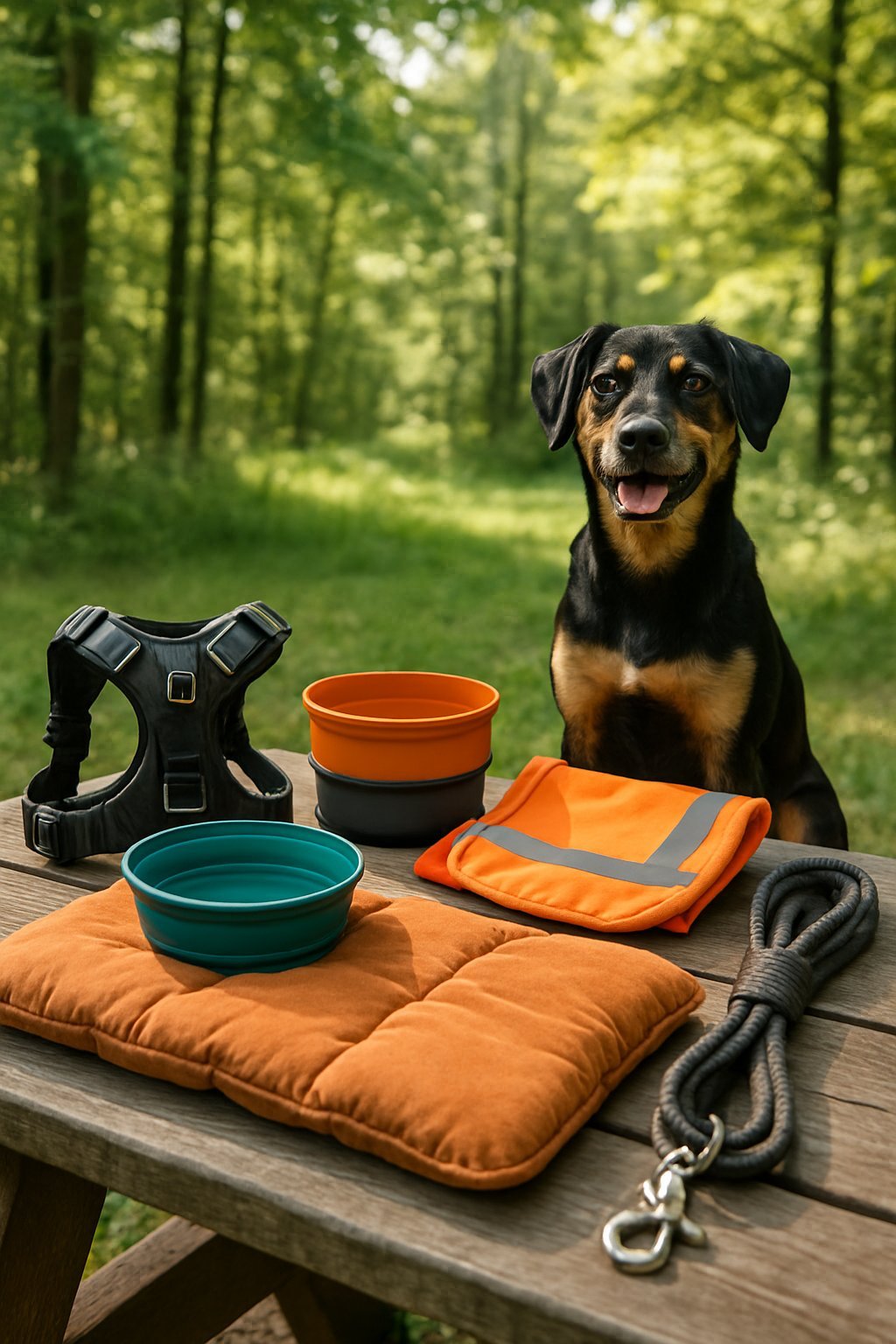
When I take my dog camping, keeping them safe and comfortable is my top priority. The right safety gear protects them from hazards like water risks and wandering off, while a proper first aid kit prepares me for any injuries.
Portable Dog Fences and Tie-Outs
I use portable fences and tie-outs to give my dog freedom while keeping them secure at the campsite. A tie-out cable attaches to a stake in the ground and connects to my dog’s harness, letting them move around without running off. I make sure to choose a cable that’s at least 15 to 30 feet long so my dog has plenty of space to explore.
Portable fences work better when I want to create a larger enclosed area. These lightweight panels fold up for easy packing and set up quickly around my tent or picnic area. I always check that the tie-out or fence is strong enough for my dog’s size and energy level.
Important safety tips I follow:
- Never attach a tie-out to a collar, only to a harness
- Check the ground for rocks or roots before securing the stake
- Supervise my dog regularly even when they’re secured
- Bring extra stakes if camping on soft or sandy ground
Dog Life Jackets
I never skip bringing a dog life jacket when camping near water. Not all dogs are natural swimmers, and even strong swimmers can get tired in lakes or rivers. A proper life jacket keeps my dog afloat and includes a handle on top so I can quickly pull them to safety.
When choosing a life jacket, I look for bright colors like orange or yellow that make my dog easy to spot in the water. The jacket should fit snugly without restricting movement or breathing. I make sure there are adjustable straps around the chest and belly for a secure fit.
I always test the life jacket in shallow water first before heading to deeper areas. This helps my dog get comfortable wearing it and lets me check that it fits correctly.
First Aid Kits for Dogs
I pack a dedicated first aid kit for my dog separate from my own supplies. Dog-specific injuries like torn paw pads, insect bites, and minor cuts happen often on camping trips. Having the right supplies means I can treat problems immediately instead of rushing to find a vet.
Essential items I include in my dog’s first aid kit:
- Gauze pads and self-adhesive bandages
- Antiseptic wipes and spray
- Tweezers for removing ticks or splinters
- Styptic powder to stop bleeding from nail injuries
- Disposable gloves
- Emergency contact numbers for local vets
I also pack any medications my dog takes regularly, plus extras in case the trip runs longer than planned. Before each camping trip, I check expiration dates on all supplies and replace anything that’s old or used up.
Dog-Friendly Shelter Solutions
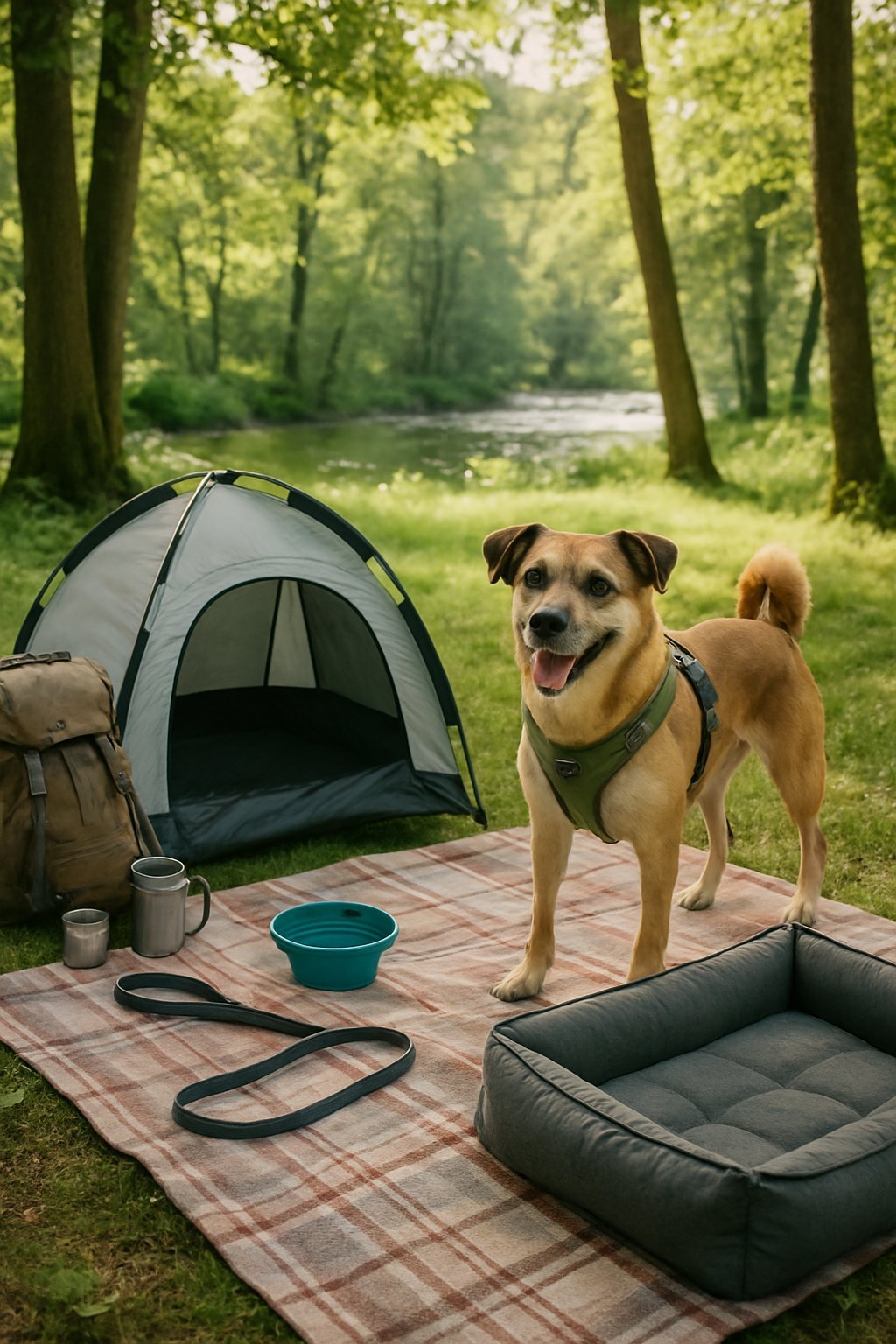
Protecting your dog from the elements requires proper shelter, ground insulation, and paw gear. These items keep your dog comfortable whether you’re dealing with hot sun, cold ground, or rough terrain.
Dog Tents and Shade Shelters
A dog tent is a portable shelter designed specifically to fit your canine companion. These tents pop up quickly and give your dog their own protected space at camp.
I recommend using dog tents in multiple situations. They work well at campsites, beaches, and even in your backyard. The shelter keeps your dog cool in hot weather and provides a safe retreat when they need a break.
Most dog tents are lightweight and pack down small. They typically feature mesh windows for airflow and waterproof materials to keep your dog dry. Some models include stakes to secure them to the ground in windy conditions.
Look for a tent that’s slightly larger than your dog when they’re lying down. Your dog should be able to turn around comfortably inside. Dark-colored tents absorb more heat, so I prefer lighter colors for summer camping.
Insulated Mats
Insulated mats create a barrier between your dog and the cold ground. The ground pulls heat away from your dog’s body, even when the air feels warm.
I always bring a sleeping pad or mat for my dog on camping trips. These mats prevent heat loss and add cushioning on rocky or uneven surfaces. They make a huge difference in how well your dog sleeps.
Choose mats made from closed-cell foam or insulated materials. Some mats are self-inflating, while others are simple foam pads. Self-inflating options pack smaller but can puncture on sharp rocks or sticks.
Size the mat to fit your dog’s full body when stretched out. Waterproof backing protects the mat from moisture and makes cleaning easier.
Paw Protection and Booties
Dog booties protect paws from hot sand, sharp rocks, ice, and rough terrain. I’ve seen too many camping trips cut short because of injured paw pads.
Booties take some getting used to. I introduce them at home first, letting my dog wear them for short periods. Most dogs adapt within a few days.
Look for booties with:
- Non-slip soles for traction on various surfaces
- Secure straps that stay on during activity
- Breathable fabric to prevent overheating
- Reflective elements for visibility at night
Measure your dog’s paw width at the widest point to get the right size. Too small and they’ll be uncomfortable; too large and they’ll slide off. I carry extras in case one gets lost or damaged on the trail.
Feeding and Hydration Gear

Keeping your dog fed and hydrated on the trail requires portable bowls, safe water sources, and secure food storage that won’t weigh you down or take up too much space in your pack.
Collapsible Water Bottles
I always pack a collapsible water bottle designed specifically for dogs when I go camping. These bottles combine a water reservoir with an attached bowl, making it easy to give my dog a drink without carrying separate containers.
Most collapsible dog water bottles hold between 12 to 25 ounces of water. The bowl portion typically folds or flips out from the bottle, and I can squeeze water into it with one hand. After my dog drinks, I simply pour any leftover water back into the bottle.
Look for bottles made from food-grade silicone or BPA-free plastic. I prefer models with leak-proof caps and carabiner clips so I can attach them to my backpack. Some bottles even have built-in filters, though I usually rely on a separate filtration system for longer trips.
Food Storage and Carriers
I store my dog’s food in airtight containers or resealable bags to keep it fresh and protect it from moisture and wildlife. Hard-sided containers offer the best protection against bears and other animals, but they’re heavier than soft options.
For shorter trips, I measure out daily portions into individual zip-lock bags before leaving home. This makes feeding time easier and helps me track how much food I have left. Portable food bowls that collapse flat are essential for saving space.
I also bring collapsible silicone bowls that fold down to less than an inch thick. These bowls are lightweight, easy to clean, and durable enough to last many camping trips.
Water Filters and Purifiers for Dogs
Dogs can get sick from contaminated water just like humans, so I filter water from streams and lakes before giving it to my dog. Most camping water filters designed for people work fine for dogs too.
I use a pump filter or squeeze filter that removes bacteria, protozoa, and other harmful organisms. Gravity filters are convenient at camp because they filter large amounts of water without effort. I fill them up and let them do the work while I set up my tent.
Never let your dog drink directly from natural water sources without filtering first. Giardia and other parasites commonly found in wilderness water can cause serious digestive problems.
Fun and Enrichment Accessories
Keeping my dog mentally stimulated and visible during camping trips helps prevent boredom and ensures safety during nighttime activities. I pack toys that can handle rough outdoor play, training tools to reinforce good behavior around wildlife and other campers, and lighting gear that makes my dog easy to spot after dark.
Outdoor Toys and Chews
I always bring durable toys that can withstand outdoor conditions. Rubber balls and frisbees work great for fetch games at the campsite. I avoid toys with squeakers that might attract wildlife or disturb other campers.
Chew toys keep my dog occupied during downtime. I look for tough options like nylon bones or rubber chews that won’t break apart easily. Natural chews like bully sticks give my dog something to do while I set up camp or cook dinner.
I pack waterproof floating toys if I’m camping near lakes or rivers. These toys are easy to clean and won’t get waterlogged. I bring at least two toys in case one gets lost in the woods or damaged on rocks.
Dog Training Tools for Camping
I use a long training leash to give my dog freedom while maintaining control. A 20 to 30-foot leash lets my dog explore the campsite without running off. This works better than a retractable leash on uneven terrain.
I bring high-value treats for reinforcing recall commands. Camping introduces new distractions like squirrels, other dogs, and interesting smells. Small, soft treats in a waterproof bag keep my dog focused on me.
A whistle serves as a backup recall tool. I practice whistle commands before the trip so my dog knows what they mean. The sound carries farther than my voice in open areas.
Dog Lights and Reflective Gear
I use LED collar lights to track my dog’s location after sunset. These lights clip onto my dog’s collar and last several hours on a single battery. I prefer lights with multiple color options so I can spot my dog easily.
Reflective vests make my dog visible to other campers and hikers. I choose camping gear that fits snugly without restricting movement. The vest also provides an extra layer of warmth on cool evenings.
I attach a small LED light to my dog’s leash for late-night bathroom breaks. This keeps both of us visible on dark trails. I keep spare batteries in my camping kit since lights drain faster in cold weather.

