
Dog Care Essentials: A Friendly Guide to Keeping Your Canine Companion Happy and Healthy

Dog Care – Dogs need more than just food and water to live their best lives. Taking care of a dog means meeting their physical needs through proper feeding and grooming, keeping up with vet visits, and providing mental stimulation through training and play.
When I first got a dog, I quickly learned that good care involves daily attention and a regular routine.
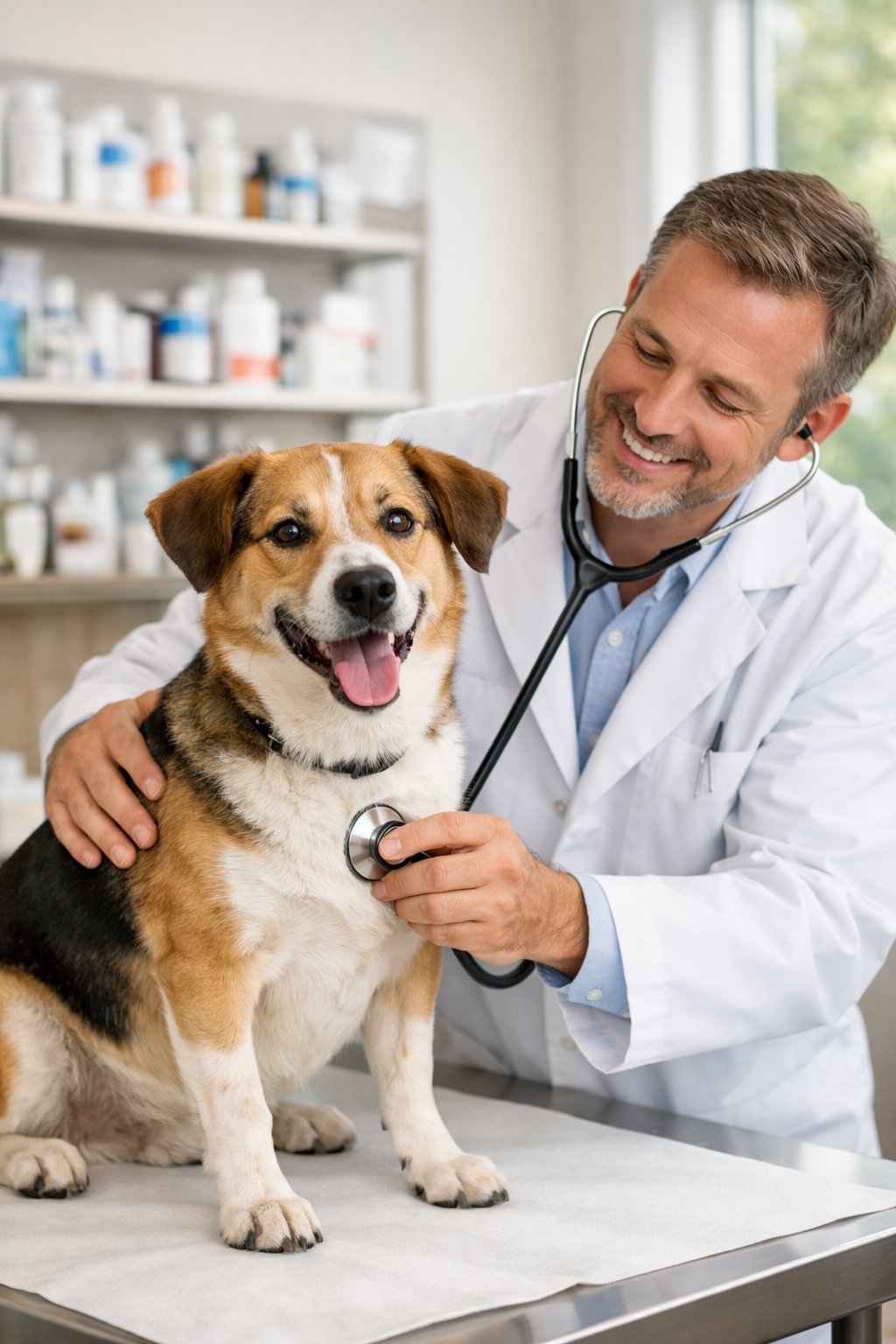
The basics of dog care aren’t complicated, but they do require consistency. Dogs depend on us for everything from meals to medical care.
Understanding what your dog needs at each stage of life helps you make better choices for their health and happiness. Whether you’re bringing home your first puppy or looking to improve your current routine, knowing how to care for your dog properly makes a real difference.
I’ve put together this guide to help you create a complete care routine that covers everything from daily tasks to long-term health planning.
Key Takeaways
- Dogs need daily care that includes feeding, grooming, exercise, and attention to stay healthy
- Regular vet visits and preventive care help catch health problems early and keep your dog well
- Training and socialization build a strong bond and help your dog become a confident companion
Basic Needs of Dog Care

Dogs require proper nutrition, constant access to fresh water, and a safe place to rest. Meeting these fundamental requirements helps keep your dog healthy and happy throughout their life.
Nutrition and Feeding Guidelines
I recommend feeding your dog high-quality food that matches their age, size, and activity level. Puppies need food designed for growth, while adult dogs require maintenance formulas, and senior dogs benefit from age-appropriate nutrition.
The amount of food varies by dog. A small breed might eat half a cup twice daily, while a large dog could need four cups or more.
I always check the feeding guidelines on the dog food package as a starting point. Understanding your dog’s basic care needs includes knowing when to feed them.
I find feeding dogs at the same times each day creates a routine. Most adult dogs do well with two meals per day, though some owners prefer once daily feeding.
Avoid giving your dog chocolate, grapes, onions, or other toxic foods. I also limit treats to no more than 10% of their daily calories to prevent weight gain.
Access to Clean Water
I make sure my dog has fresh water available at all times. Dogs can become dehydrated quickly, especially in hot weather or after exercise.
I change the water in my dog’s bowl at least twice daily. Clean bowls prevent bacteria growth and encourage drinking.
During summer months, I check the water more often since it can get warm or dirty faster. The amount of water a dog needs depends on their size and activity.
An active dog or one eating dry food typically drinks more than a dog eating wet food.
Comfortable Shelter
A dog’s basic needs include appropriate shelter that protects them from weather and provides security. I ensure my dog has a designated sleeping area where they feel safe and can rest undisturbed.
Indoor dogs need a comfortable bed in a quiet spot away from drafts. I place my dog’s bed in a low-traffic area so they can relax without constant interruptions.
For dogs spending time outside, I provide proper shelter from rain, wind, and extreme temperatures. The shelter should be insulated, raised off the ground, and large enough for the dog to stand and turn around comfortably.
Daily Health and Hygiene

Keeping your dog clean and healthy requires daily attention to exercise, grooming, and dental care. These routines prevent health problems and help your dog feel comfortable.
Regular Exercise Routines
I recommend giving your dog at least 30 minutes to 2 hours of exercise each day, depending on their breed and age. Active breeds like Border Collies and Labrador Retrievers need more activity than smaller or older dogs.
Walking is the most basic form of exercise I use with my dog. I try to walk at least twice daily, which helps with both physical fitness and mental stimulation.
Play sessions are just as important as walks. I mix in activities like fetch, tug-of-war, or hide-and-seek to keep things interesting.
These games strengthen our bond while burning energy. I always watch for signs of overexertion like excessive panting, limping, or reluctance to continue.
On hot days, I exercise my dog during cooler morning or evening hours and bring water along.
Bathing and Grooming
I bathe my dog every 4 to 8 weeks, though this varies based on breed, coat type, and activity level. Bathing too frequently can strip natural oils from their skin and coat.
I use dog-specific shampoo because human products can irritate their skin. Before bathing, I brush my dog thoroughly to remove loose fur and tangles.
Daily grooming tasks I follow:
- Brush short-haired dogs 2-3 times weekly
- Brush long-haired dogs daily to prevent mats
- Check for fleas, ticks, and skin issues
- Clean ears weekly with a vet-approved solution
- Trim nails every 3-4 weeks
I pay special attention to my dog’s ears after swimming or baths. Moisture trapped inside can lead to infections.
Dental Care
I brush my dog’s teeth daily using dog toothpaste and a soft-bristled brush. This simple habit prevents plaque buildup, gum disease, and bad breath.
When I first started dental care routines, my dog resisted. I began by letting them taste the toothpaste, then gently rubbing their gums with my finger before introducing the brush.
Dental chews and toys help clean teeth between brushings. I choose products approved by the Veterinary Oral Health Council for safety and effectiveness.
I watch for warning signs like yellow or brown teeth, red gums, difficulty eating, or persistent bad breath. These symptoms mean I need to schedule a vet visit right away.
Routine Health Care

I’ve found that keeping up with vaccinations, preventing parasites, and scheduling regular vet visits are the three pillars of maintaining my dog’s long-term health and preventing serious illnesses.
Vaccination Schedules
I make sure my puppy gets core vaccines starting at 6 to 8 weeks of age. These shots protect against distemper, parvovirus, adenovirus, and rabies.
My vet gives boosters every 3 to 4 weeks until my puppy reaches 16 weeks old. After the initial puppy series, I schedule booster shots for my adult dog.
Most core vaccines need updates every 1 to 3 years depending on the vaccine type and local laws. I also discuss non-core vaccines with my vet based on my dog’s lifestyle.
If my dog goes to boarding facilities or dog parks, I get the bordetella vaccine. Dogs that spend time in wooded areas might need the Lyme disease vaccine.
I keep all vaccination records in a safe place. Many groomers, boarding facilities, and dog parks require proof of current vaccinations before allowing dogs on their premises.
Parasite Prevention
I give my dog monthly preventatives to protect against heartworms, fleas, and ticks. Heartworm prevention is essential because heartworm disease can be fatal and treatment is expensive and difficult.
I use flea and tick preventatives year-round, even in winter. Fleas can live indoors and ticks become active whenever temperatures rise above freezing.
These parasites carry diseases that affect both dogs and humans. I also deworm my dog regularly, especially if they spend time outdoors or around other animals.
Intestinal parasites like roundworms and hookworms can cause weight loss, diarrhea, and other health problems. My vet recommends specific products based on my location and my dog’s risk factors.
I never skip doses because gaps in protection can leave my dog vulnerable to parasites.
Visiting the Veterinarian
I take my adult dog for wellness checkups at least once per year. Senior dogs over 7 years old need visits twice per year because health problems develop faster as dogs age.
During checkups, my vet examines my dog’s teeth, ears, eyes, heart, and joints. They also check my dog’s weight and body condition.
Early detection of problems leads to better treatment outcomes and lower costs. I bring a list of questions or concerns to each appointment.
I mention any changes in my dog’s behavior, appetite, or bathroom habits. These small details help my vet identify potential health issues.
I don’t wait for scheduled appointments if something seems wrong. I contact my vet immediately if my dog shows signs of illness like vomiting, lethargy, or loss of appetite.
Positive Training and Socialization

I’ve found that building a strong foundation through positive methods creates a confident, well-behaved dog who thrives in various situations. Socialization helps dogs become comfortable in different settings with people and other animals.
House Training Basics
I always start house training by establishing a consistent schedule for my dog. Taking them out first thing in the morning, after meals, and before bed creates a routine they can rely on.
I pick a specific outdoor spot for bathroom breaks and use a simple command like “go potty.” Consistency is key here.
When accidents happen indoors, I clean them thoroughly without punishing my dog. Punishment creates fear and confusion rather than understanding.
Instead, I reward successful outdoor trips with treats and praise immediately after they finish. I’ve learned that puppies can typically hold their bladder for one hour per month of age, plus one.
A three-month-old puppy needs trips outside every four hours. Crate training helps with this process since dogs naturally avoid soiling their sleeping area.
Obedience Training
I use positive reinforcement as the backbone of my training approach. Dogs trained this way show genuine eagerness, not just obligation.
Basic commands I teach first:
- Sit
- Stay
- Come
- Down
- Leave it
I keep training sessions short, around 5-10 minutes, to maintain my dog’s focus and enthusiasm. I reward correct responses immediately with treats, praise, or play.
I break complex commands into smaller steps my dog can master one at a time. For “stay,” I start with just two seconds, then gradually increase the duration and distance.
Patience matters more than speed in building reliable obedience.
Encouraging Good Behavior
I reward behaviors I want to see repeated. When my dog sits calmly instead of jumping on guests, I give treats and attention right away.
Early socialization prevents behavioral concerns related to fear and anxiety. I expose my dog to different people, animals, sounds, and environments during the critical period between 3 and 14 weeks of age.
I redirect unwanted behaviors rather than just saying “no.” If my dog chews furniture, I offer an appropriate toy instead and praise them for making the switch.
I maintain consistency in my rules and responses. Everyone in my household follows the same guidelines so my dog doesn’t get mixed messages.
Socialization is a lifelong commitment to the human-dog bond, not just a training step.
Understanding Your Dog’s Needs
Dogs communicate their comfort and discomfort through body language and behavior. This helps me identify when something is wrong.
Learning to read these signals and address behavioral challenges creates a happier environment for both me and my dog.
Recognizing Signs of Stress
I’ve learned that dogs show stress in ways that are easy to miss if I’m not paying attention. Common signs include excessive panting, yawning when not tired, and licking their lips repeatedly.
My dog might also pin their ears back, tuck their tail, or try to hide. Some dogs pace back and forth or refuse to eat when they’re anxious.
I watch for changes in body posture too. A stressed dog often keeps their weight shifted back, ready to move away from whatever is bothering them.
Whining, barking, or howling can signal distress. I’ve noticed my dog sometimes sheds more than usual during stressful situations.
Their pupils might dilate, and they may avoid eye contact with me. If I see these signs, I remove my dog from the stressful situation when possible and give them a quiet space to relax.
Managing Behavioral Issues
I address behavioral problems by first identifying what triggers them. Jumping, excessive barking, and pulling on the leash are issues I can work on with consistent training.
Positive reinforcement works better than punishment in my experience. Meeting my dog’s physical and emotional requirements prevents many behavioral problems.
A tired dog with proper mental stimulation is less likely to act out. I make sure my dog gets enough exercise and playtime each day.
I use clear, simple commands and reward good behavior immediately. When my dog does something wrong, I redirect their attention to an appropriate activity instead.
Consistency is key, so I make sure everyone in my household follows the same rules. Some issues like aggression or severe anxiety need professional help.
I don’t hesitate to contact a veterinarian or certified dog trainer when behaviors don’t improve or seem dangerous.

