
Dog Clothes: A Complete Guide to Keeping Your Pup Stylish and Comfortable

Dog clothes have become much more than cute outfits for pets. Clothing for dogs serves important purposes like keeping them warm in cold weather, protecting their skin from sun and rain, and helping them recover from medical procedures.
Major retailers now offer wide varieties of dog clothing including shirts, boots, sweaters, and recovery suits to meet different needs.

I’ve watched dog apparel grow from simple sweaters to full wardrobes with items for every season and activity. You can find everything from waterproof rain jackets to warm winter vests designed specifically for your dog’s comfort and safety.
Whether you need practical protection or just want your pup to look good, there are options for dogs of all sizes.
Finding the right clothes for your dog involves more than picking cute patterns. I’ll walk you through choosing proper sizes, understanding which fabrics work best, and knowing when your dog actually needs clothing versus when it’s just for fun.
Key Takeaways
- Dog clothes provide warmth, weather protection, and medical support beyond just looking cute
- Proper fit and fabric selection matter more than style when choosing dog apparel
- Different seasons and activities require specific types of clothing to keep your dog comfortable and safe
Types of Dog Clothes
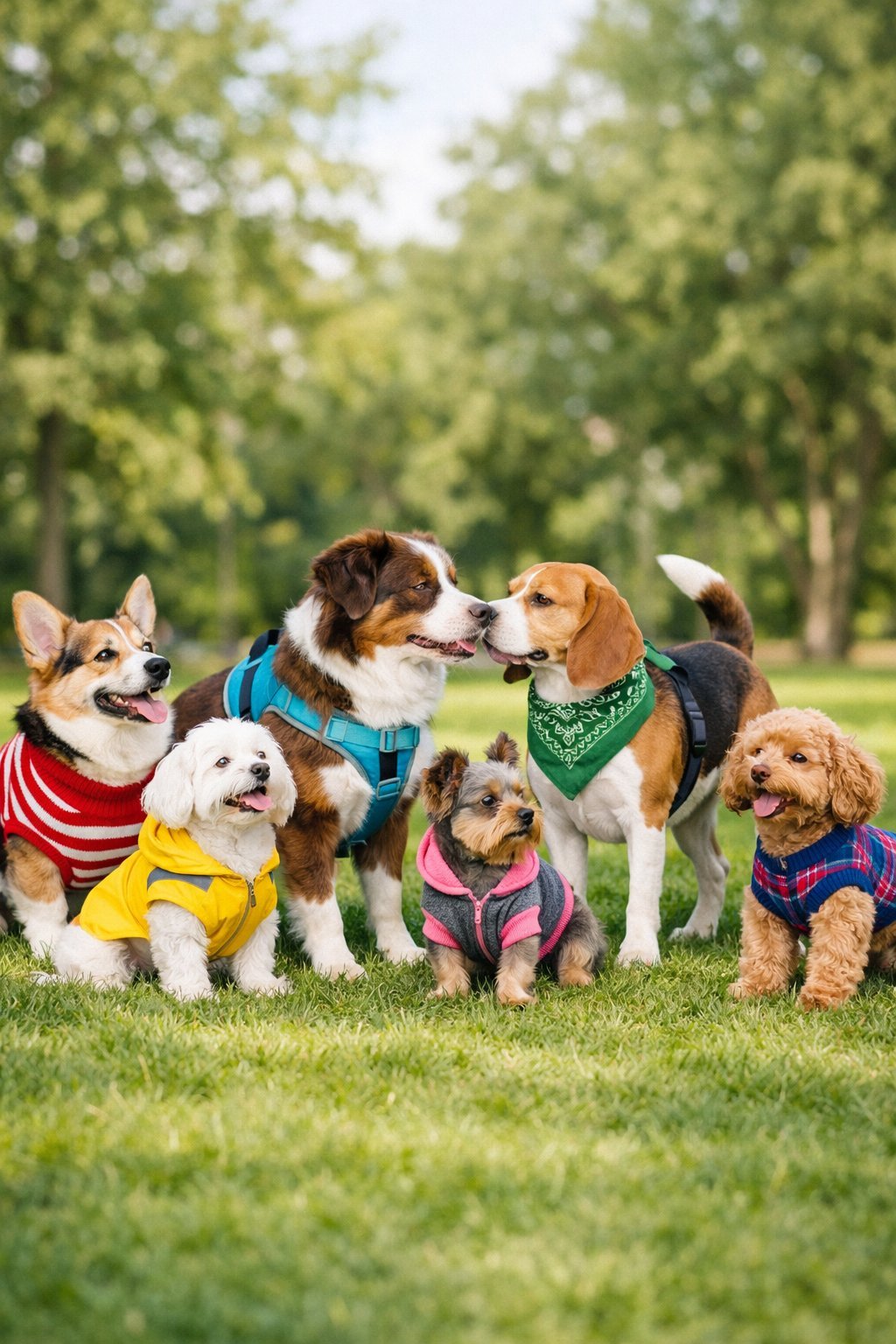
Dog clothing comes in many forms to meet different needs throughout the year. From practical everyday wear to fun party outfits, each type serves a specific purpose for your furry friend.
Everyday Apparel
I find that everyday dog clothes focus on comfort and function for daily activities. Basic dog apparel includes items like simple t-shirts, vests, and light jackets that dogs can wear around the house or during walks.
These clothes work well for dogs who need extra warmth indoors or light protection from dirt and debris. T-shirts and tank tops are popular choices because they’re easy to put on and take off.
Many everyday items also help control shedding. Some vests are designed specifically to reduce the amount of loose fur around your home.
I recommend choosing breathable fabrics like cotton for everyday wear since your dog will spend several hours in these clothes.
Seasonal Outfits
Winter coats and sweaters protect dogs from cold weather and snow. Small breeds and dogs with thin coats need winter clothing to stay warm during outdoor activities.
Common winter items include:
- Insulated jackets with water-resistant outer layers
- Knit sweaters for moderate cold
- Booties to protect paws from ice and salt
- Hooded coats for extra head protection
Raincoats keep dogs dry during wet weather. Look for waterproof materials with good coverage over the back and chest.
Summer clothes like cooling vests help prevent overheating in hot weather. These often use special moisture-wicking fabrics or cooling gel inserts.
Costumes and Special Occasion Wear
I love that dog costumes let owners dress their pets for holidays and celebrations. Halloween costumes are the most popular, ranging from simple superhero capes to full-body outfits.
Birthday bandanas and festive sweaters work well for parties and photo opportunities. Wedding attire includes tuxedos, bow ties, and fancy dresses for dogs participating in ceremonies.
These outfits often feature satin, lace, or formal fabrics. Holiday-themed clothes like Santa suits, reindeer antlers, and patriotic bandanas are available for specific occasions.
Keep costume time short since these outfits aren’t always comfortable. I suggest choosing costumes that don’t restrict movement or cover your dog’s eyes and ears.
Choosing the Right Clothes for Your Dog
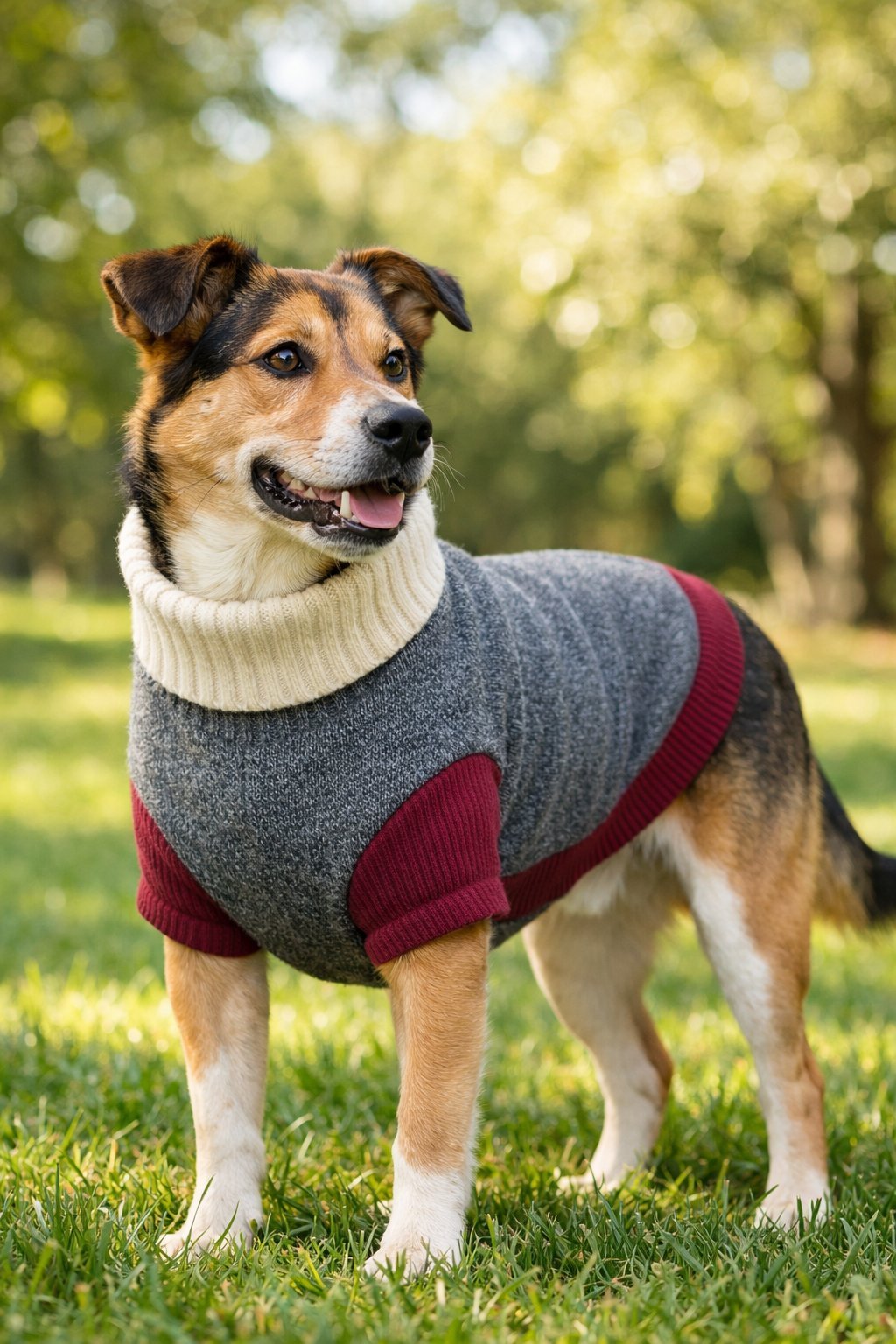
I’ve learned that picking out dog clothes involves more than just grabbing the cutest outfit on the shelf. The right fit, fabric choice, and your dog’s unique personality all play important roles in making sure your pup stays comfortable and happy.
Finding the Perfect Fit
I always start by measuring my dog before buying any clothing. I measure around the neck, the widest part of the chest, and the length from the neck to the base of the tail.
These measurements help me avoid clothes that are too tight or too loose. Tight clothing can restrict movement and breathing, while loose items might get caught on objects or cause my dog to trip.
I check that there’s enough room for my dog to move freely. I can usually fit two fingers between the clothing and my dog’s body when the fit is right.
The right fit ensures both comfort and safety for your pet. I pay special attention to leg holes and neck openings.
These areas should sit comfortably without rubbing or chafing my dog’s skin.
Selecting Appropriate Fabrics
I choose fabrics based on the weather and my dog’s needs. In cold weather, I look for warm materials like fleece or wool that provide insulation.
For hot days, I pick lightweight and breathable fabrics like cotton. I avoid materials that irritate my dog’s skin.
Scratchy or stiff fabrics can cause discomfort and make my dog resist wearing clothes. I also consider the climate when selecting dog clothes to keep my pet at the right temperature.
I prefer washable fabrics that are easy to clean. Dogs get dirty, so I need clothes that can handle frequent washing without falling apart.
I check labels to make sure the material won’t shrink or lose its shape.
Considering Your Dog’s Personality
I think about how my dog reacts to new things before buying clothes. Some dogs love the attention that comes with wearing outfits, while others feel stressed or uncomfortable.
I start slowly with dogs who aren’t used to clothing. I introduce dog clothing with care and consideration to make the experience positive.
I let my dog sniff the item first and reward calm behavior. I pick styles that match my dog’s activity level.
Active dogs need clothes that won’t restrict movement during play or walks. Calmer dogs might be comfortable in more decorative outfits.
I watch my dog’s body language when trying on new clothes. If my dog seems anxious, tries to remove the clothing, or moves differently, I reconsider the choice.
Benefits of Dressing Dogs

Dog clothes offer practical advantages that go beyond style. From keeping your pup warm in cold weather to helping anxious dogs feel calmer, the right clothing can improve your dog’s comfort and safety.
Weather Protection
Cold weather can be tough on dogs, especially those with short coats or small bodies. Breeds like Chihuahuas, Greyhounds, and French Bulldogs don’t have thick fur to keep them warm naturally.
When temperatures drop, I find that sweaters and jackets help these dogs stay comfortable during walks and outdoor activities. Well-fitting specialist dog boots protect paws from extreme conditions.
Snow, ice, and hot pavement can hurt a dog’s sensitive paw pads. Boots designed for working dogs like search and rescue animals offer the same protection for pets during daily walks.
Senior dogs and those with thin coats need extra warmth in cold weather. Small breeds and dogs with short hair lack the natural insulation that keeps them comfortable in winter.
A well-fitted sweater or jacket helps these dogs maintain their body temperature during walks or outdoor activities. Rain jackets and waterproof coats keep dogs dry during wet weather.
Wet fur can make dogs cold quickly, which can lead to discomfort or health issues. A simple waterproof coat helps them stay dry during walks.
Search and rescue dogs wear specialist boots to protect their paws in dangerous conditions. Regular pet dogs can also benefit from boots in extreme weather.
Hot pavement in summer can burn paw pads, while ice, snow, and salt in winter can cause cracking and irritation. Short-haired breeds and small dogs lose body heat quickly in cold weather.
A sweater or jacket helps them stay warm during winter walks.
Reducing Anxiety
Some dogs feel calmer when wearing certain types of clothing. The gentle pressure from a well-fitted garment can have a soothing effect similar to swaddling a baby.
This works especially well during stressful situations like thunderstorms or fireworks. Anxious dogs may benefit from specially designed anxiety wraps or snug-fitting shirts.
These garments apply gentle, constant pressure to the dog’s body. The pressure can help calm nervous dogs in the same way swaddling calms babies.
The calming effect works best for dogs who show signs of stress during loud noises, car rides, or visits to the vet. Not every dog responds the same way to this type of comfort.
Some dogs feel more relaxed while others may not notice a difference. I always watch my dog’s body language to see if the clothing helps or causes more stress.
Common situations where clothing reduces anxiety:
- Loud noises like fireworks or thunderstorms
- Vet visits or grooming appointments
- Travel in cars or planes
- Meeting new people or dogs
Enhancing Safety
Clothing can make dogs more visible and safer in different situations. Reflective vests or jackets help drivers see dogs during evening walks.
This is especially important during winter months when it gets dark early. Search and rescue dogs wear specialist boots to protect their paws in hazardous conditions.
These same protective boots can help pet dogs walking on hot pavement, ice, or rough terrain. High-visibility clothing helps drivers and other people see dogs during early morning or evening walks.
Bright colors and reflective materials make dogs more visible in low light conditions. This simple step can prevent accidents and keep dogs safer during outdoor activities.
Some clothing also protects dogs from harmful sun exposure. Light-colored shirts or specialized sun protection garments shield dogs with thin coats or light-colored skin from UV rays.
Care and Maintenance of Dog Apparel
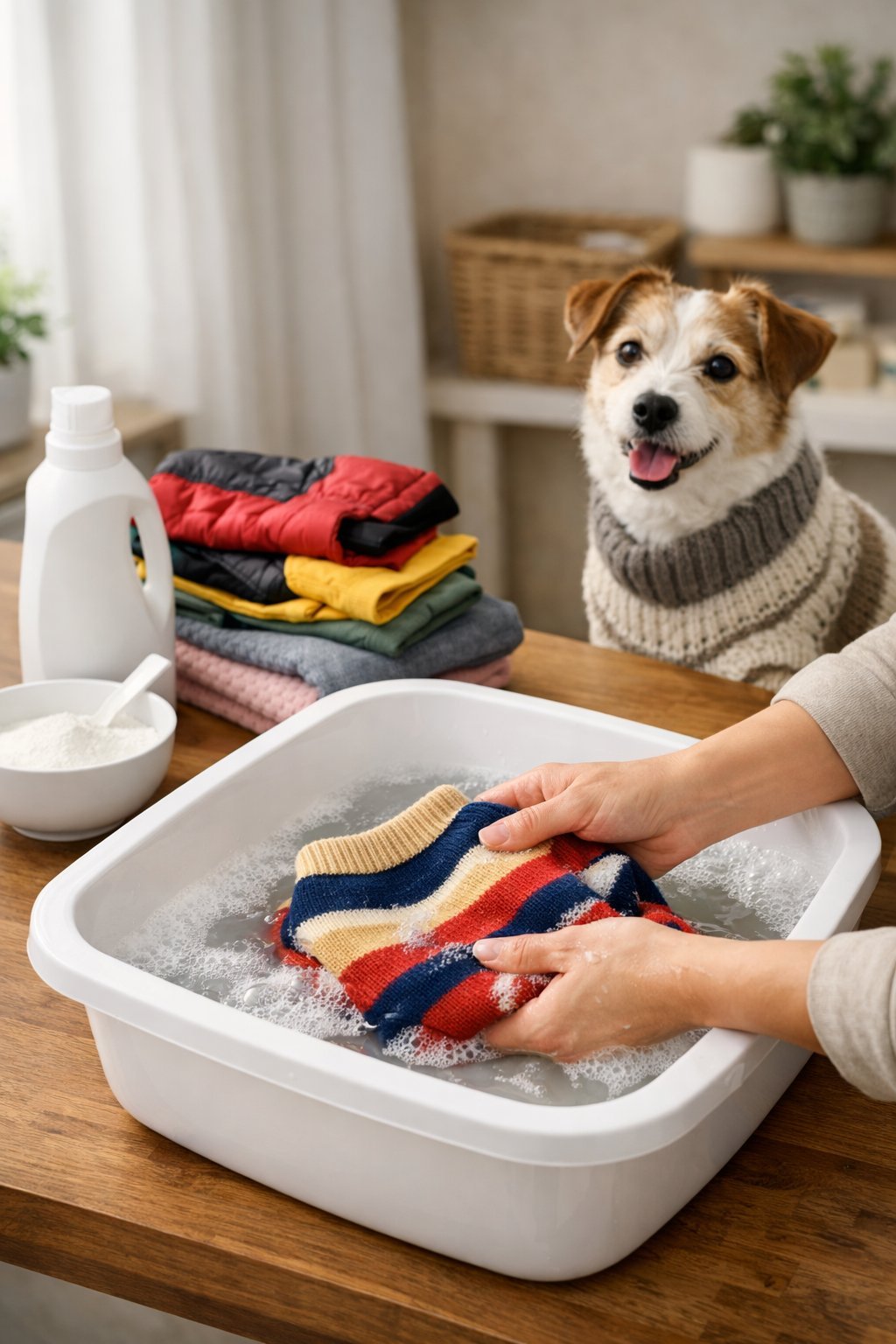
Proper cleaning techniques and smart storage will keep your pup’s wardrobe fresh and functional for years. I’ve found that treating stains quickly and making simple repairs can save money while reducing waste.
Washing and Drying Tips
I always check the care label before washing any dog clothing. Most items can go in the washing machine on a gentle cycle with cold water.
I recommend using pet-safe detergents without harsh chemicals or strong fragrances. These are gentler on your dog’s skin and won’t cause irritation.
Before washing, I shake off loose fur and dirt outside. For removing stubborn stains, I pre-treat spots with a mild stain remover.
Mud, drool, and grass stains come out easier when treated right away. I avoid using fabric softener because it can reduce the effectiveness of waterproof coatings on jackets and raincoats.
Air drying is my preferred method since high heat can damage elastic bands and waterproof materials. I hang items on a drying rack or lay them flat on a towel.
Storage Solutions
I store clean dog clothes in a designated drawer or bin away from human clothing. This keeps everything organized and prevents pet hair from spreading.
Folding items neatly helps maintain their shape and makes it easy to find what I need. I keep seasonal items like winter coats in clear plastic bins labeled by season.
This protects them from dust and moisture during off months. I avoid cramming too many pieces into one space because wrinkles and stretched fabric can result.
Hanging heavier coats and jackets on small hangers works well for items that might lose their shape when folded.
Repairing and Upcycling Clothes
I inspect my dog’s clothes regularly for loose threads, small tears, or missing buttons. Catching these issues early prevents bigger problems later.
Basic sewing skills come in handy for fixing dog apparel. I keep a small repair kit with needles, thread, and fabric patches nearby.
Sewing a loose seam or replacing a button takes just a few minutes. When clothes become too worn to repair, I repurpose them into cleaning rags or donate them to animal shelters.
Some fabrics can be cut into toys or turned into bandanas for smaller dogs.
Popular Dog Clothing Trends
Dog fashion has changed a lot in recent years, with pet owners looking for clothes that are both stylish and purposeful. The biggest shifts I’m seeing include earth-friendly materials, coordinated looks between pets and their people, and clothing with built-in technology.
Sustainable and Eco-friendly Styles
I’ve noticed more dog owners want clothes made from materials that don’t harm the planet. Eco-friendly designs have become one of the top choices for pet fashion right now.
These sustainable options use organic cotton, recycled polyester, and bamboo fabrics. Many brands now make their dog clothes from materials that break down naturally or come from recycled plastic bottles.
The focus on sustainability means less waste in landfills and fewer chemicals used during production.
Benefits of eco-friendly dog clothes:
- Made from natural or recycled materials
- Use less water and energy to produce
- Free from harmful chemicals and dyes
- Biodegradable or recyclable at end of life
Matching Outfits With Owners
One trend I really love is when dogs and their owners wear matching clothes. Twinning with pets has become very popular this year.
I see matching outfits everywhere from parks to social media. Owners can find coordinating sweaters, jackets, bandanas, and even pajamas for themselves and their dogs.
These coordinating looks let pet owners show their bond with their dogs in a fun way. Many companies now sell matching sets designed specifically for this purpose.
The styles range from casual everyday wear to fancy outfits for special events.
Tech-Enabled Accessories
Smart technology has made its way into dog clothing and accessories. I’m seeing more products that do more than just look good.
Some harnesses and collars now include GPS trackers so I can find my dog if they wander off. Other items have LED lights built in for safety during evening walks.
Tech-smart gear also includes temperature-regulating fabrics that keep dogs comfortable in different weather. Some jackets have pockets designed to hold fitness trackers that monitor my dog’s activity levels and health data.
Weather-resistant materials with advanced features are becoming standard. I can find raincoats and winter gear that use special fabrics to keep dogs dry and warm without adding bulk.
