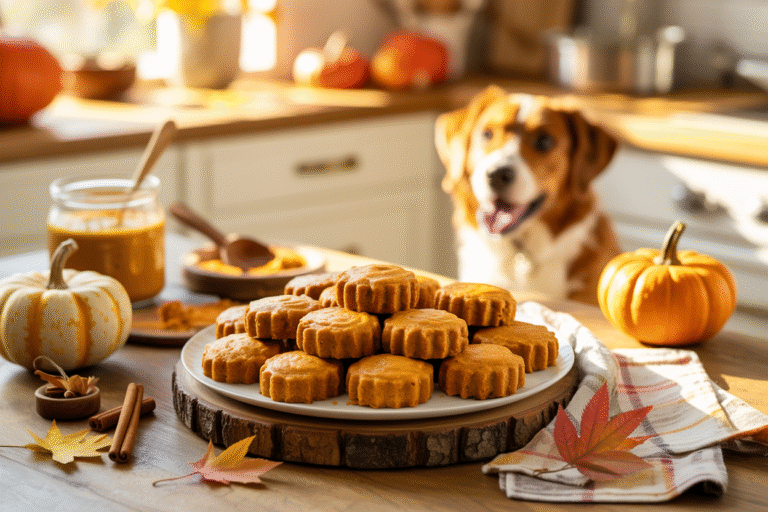
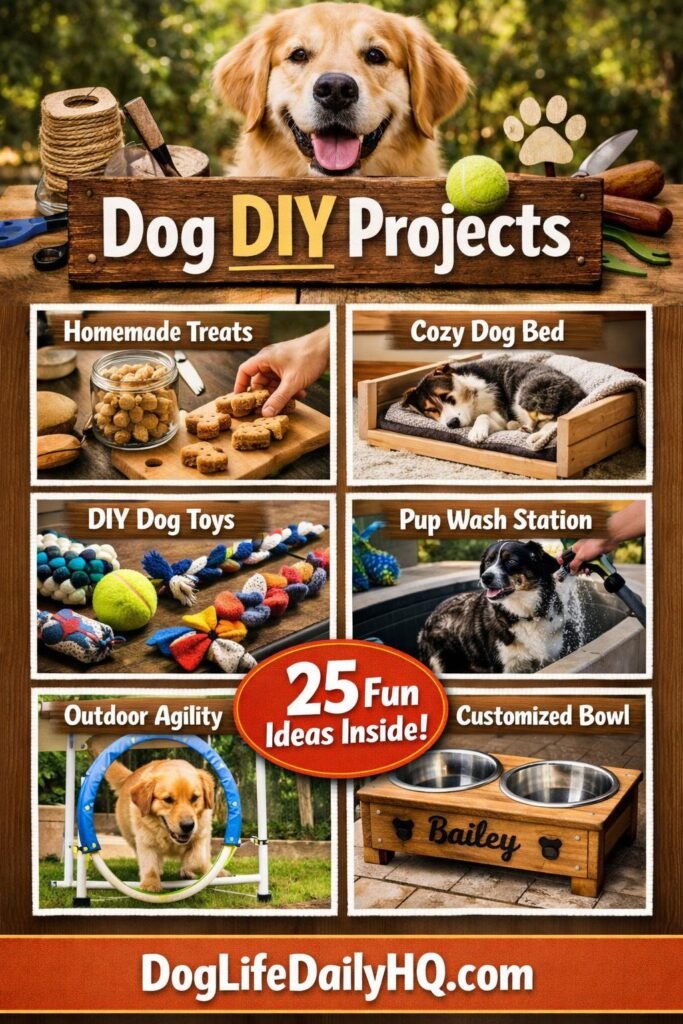
25 Dog DIY Projects That Will Make Your Pup Happier

Dog DIY Projects – Your dog brings you joy every single day, and sometimes you want to give back in creative ways that don’t break the bank. Making your own dog projects at home lets you save money while creating toys, beds, and accessories that are perfectly suited to your pup’s unique personality and needs.
I’ve found that DIY dog projects can be just as good as store-bought items. Many take less than an hour to complete.
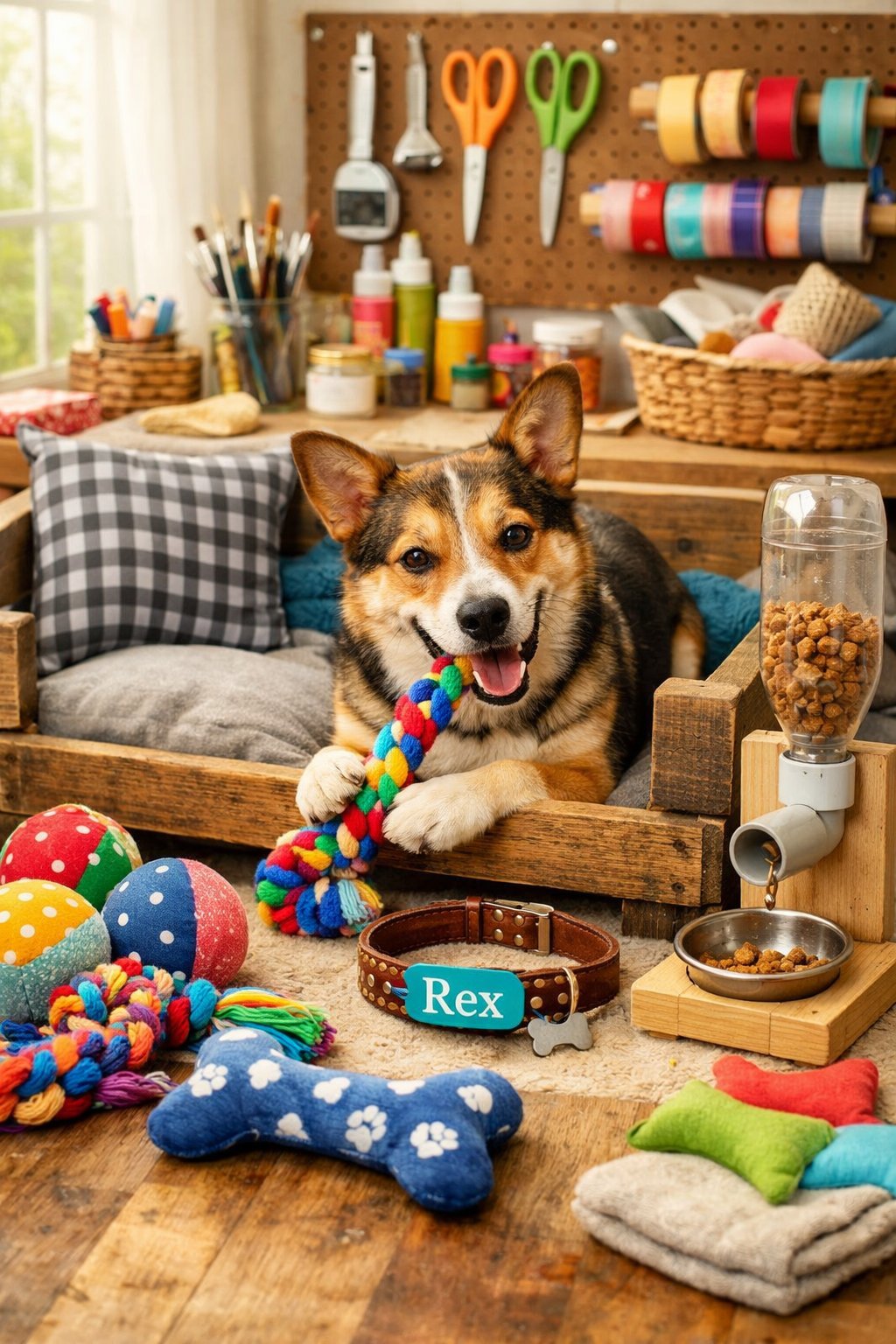
The best part about crafting things for your dog is that you probably already have most of the materials sitting around your house. Old t-shirts can become braided tug toys, extra blankets transform into cozy beds, and simple PVC pipes turn into fun agility equipment.
These homemade dog toys and accessories keep your furry friend entertained and mentally stimulated without the high price tag of pet stores. I’m excited to share 25 projects that will make your pup’s tail wag with happiness.
From interactive toys that challenge their brain to comfortable resting spots and grooming tools, these ideas cover everything your dog needs for a happier life.
Key Takeaways
- You can create engaging toys, comfortable beds, and useful accessories for your dog using materials you already have at home.
- DIY dog projects save money while letting you customize items to match your pup’s size, preferences, and play style.
- Homemade enrichment activities and grooming solutions keep your dog mentally stimulated and physically comfortable.
Creative Dog DIY Projects
Making toys at home saves money and lets you control what materials your dog plays with. You can create engaging toys from items you already have around the house.
Homemade Tug Ropes
I love making tug ropes because they’re simple and my dog goes crazy for them. All you need is old t-shirts or fleece fabric cut into long strips about 2-3 inches wide.
Gather three to five strips and tie them together at one end with a tight knot. Braid the strips together, keeping tension as you go so the rope stays firm.
Tie another knot at the opposite end when you finish braiding. For extra durability, I sometimes use old towels instead of t-shirts.
The thicker material holds up better for dogs who are aggressive chewers. You can make different sizes by adjusting how many strips you use and how long you cut them.
These DIY dog toys you can make in under 20 minutes are perfect for interactive play and help strengthen the bond with your pup.
Interactive Puzzle Feeders
Puzzle feeders keep my dog mentally stimulated while he eats. I use a muffin tin and place treats or kibble in each cup, then cover them with tennis balls.
My dog has to remove each ball to get the food underneath. Another option is cutting holes in a plastic bottle and filling it with treats.
Make the holes slightly larger than the treats so they fall out as your dog rolls the bottle around. You can also use a cardboard box filled with crumpled paper balls hiding treats throughout.
I like this because it’s completely safe if my dog tears up the cardboard. The cheap and easy to make options keep dogs entertained for longer periods than regular feeding.
Tennis Ball Treat Dispensers
I cut a small slit in a tennis ball to create a simple treat dispenser. The slit should be about 1-2 inches long, just big enough to squeeze treats inside.
Press the sides of the ball to open the slit and drop treats in. When my dog plays with the ball, the treats fall out randomly, which keeps him interested and active.
Make sure the slit isn’t too large or all the treats will fall out immediately. I test it by shaking the ball to see how quickly treats come out.
For harder puzzles, I make the opening smaller so my dog has to work more to get his rewards.
Cozy DIY Dog Beds and Blankets
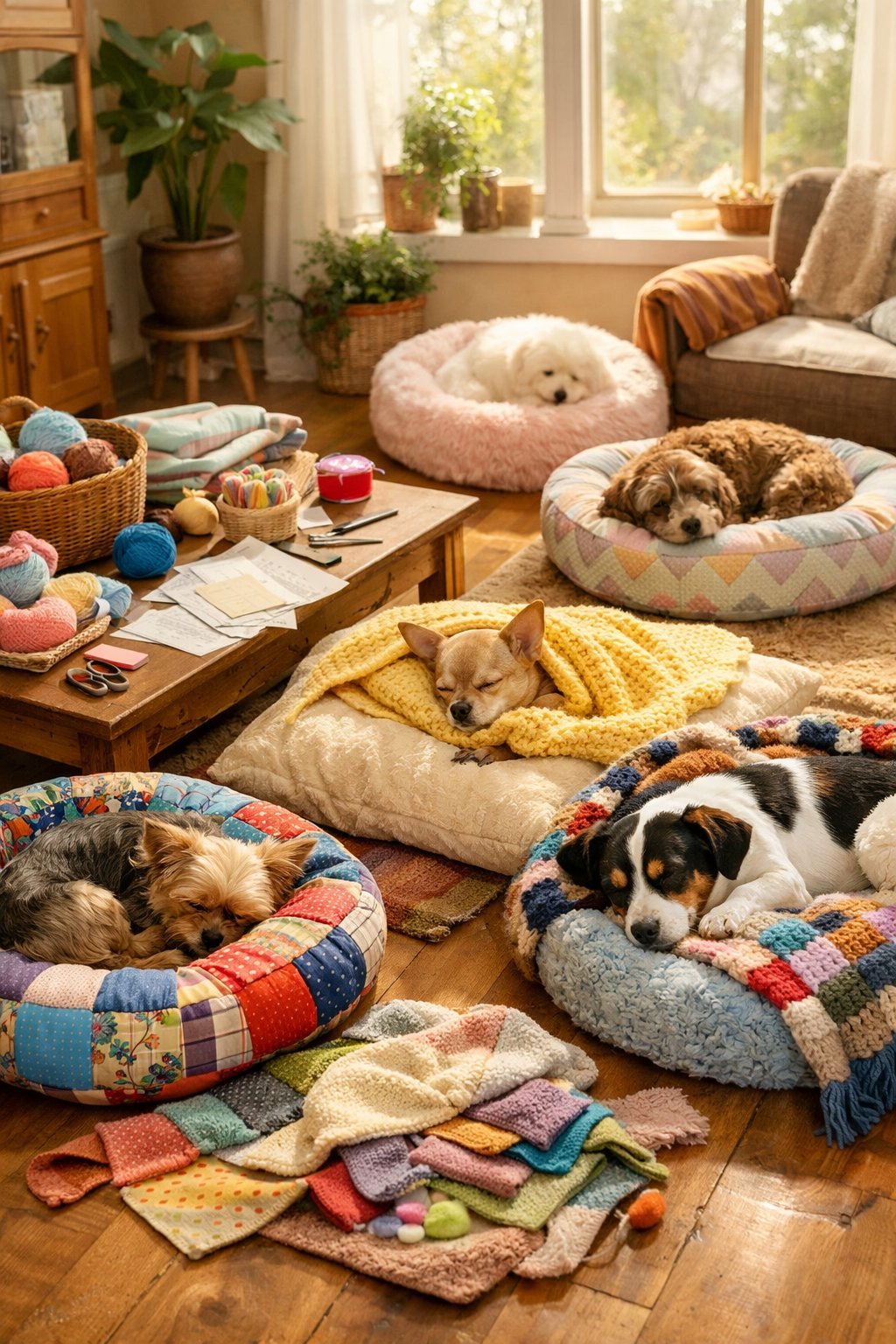
Making comfortable sleeping spaces for your dog doesn’t require expensive materials or advanced skills. Old sweaters, fleece fabric, and wooden pallets can transform into cozy beds and warm blankets that keep your pup comfortable year-round.
Repurposed Sweater Pet Beds
I love turning old sweaters into cozy dog beds because it’s one of the easiest projects that requires no sewing machine. You need a large sweater, stuffing material like old pillows or fiberfill, and a needle and thread for basic hand stitching.
Start by turning the sweater inside out and sewing the neck hole closed. Then sew a straight line across the chest area, just below the armpits, to create two sections.
Fill the bottom section with stuffing to make the bed’s base. The arms get stuffed too and sewn together in a circle to form raised sides that give your dog a sense of security.
This project works best with thick knit sweaters or hoodies. Larger sweaters create beds suitable for small to medium dogs, while giant sweaters can accommodate bigger pups.
No-Sew Fleece Blankets
No-sew fleece blankets take about 30 minutes to make and require zero crafting experience. You’ll need two pieces of fleece fabric in complementary colors, each measuring at least 1.5 yards by 1.5 yards for a good-sized blanket.
Lay both fleece pieces on top of each other with the patterns facing out. Cut 3-inch squares from each corner, then cut 3-inch deep strips along all four sides, spacing them about 1 inch apart.
Tie the top and bottom strips together using simple double knots. Continue around all four sides until the entire blanket is secured.
Fleece is perfect for making dog blankets because it’s soft, warm, and machine washable. I recommend choosing fleece without small decorative elements that dogs might chew off.
Upcycled Wooden Pallet Beds
Wooden pallets make sturdy raised beds that keep dogs off cold floors. You can find free pallets at warehouses, hardware stores, or construction sites.
Make sure the pallet is heat-treated rather than chemically treated by looking for an “HT” stamp. Sand down the entire pallet to remove splinters and rough edges.
Apply pet-safe wood stain or paint if desired, letting it dry completely before use. Add four furniture leg attachments to the bottom corners for extra height, or leave it flat for a low-profile bed.
Place a cushion or dog mattress on top that fits the pallet dimensions. I like adding casters to the bottom for easy moving during cleaning.
These DIY wooden dog beds work especially well for larger dogs who need more support than soft beds provide.
Outdoor DIY Projects for Play
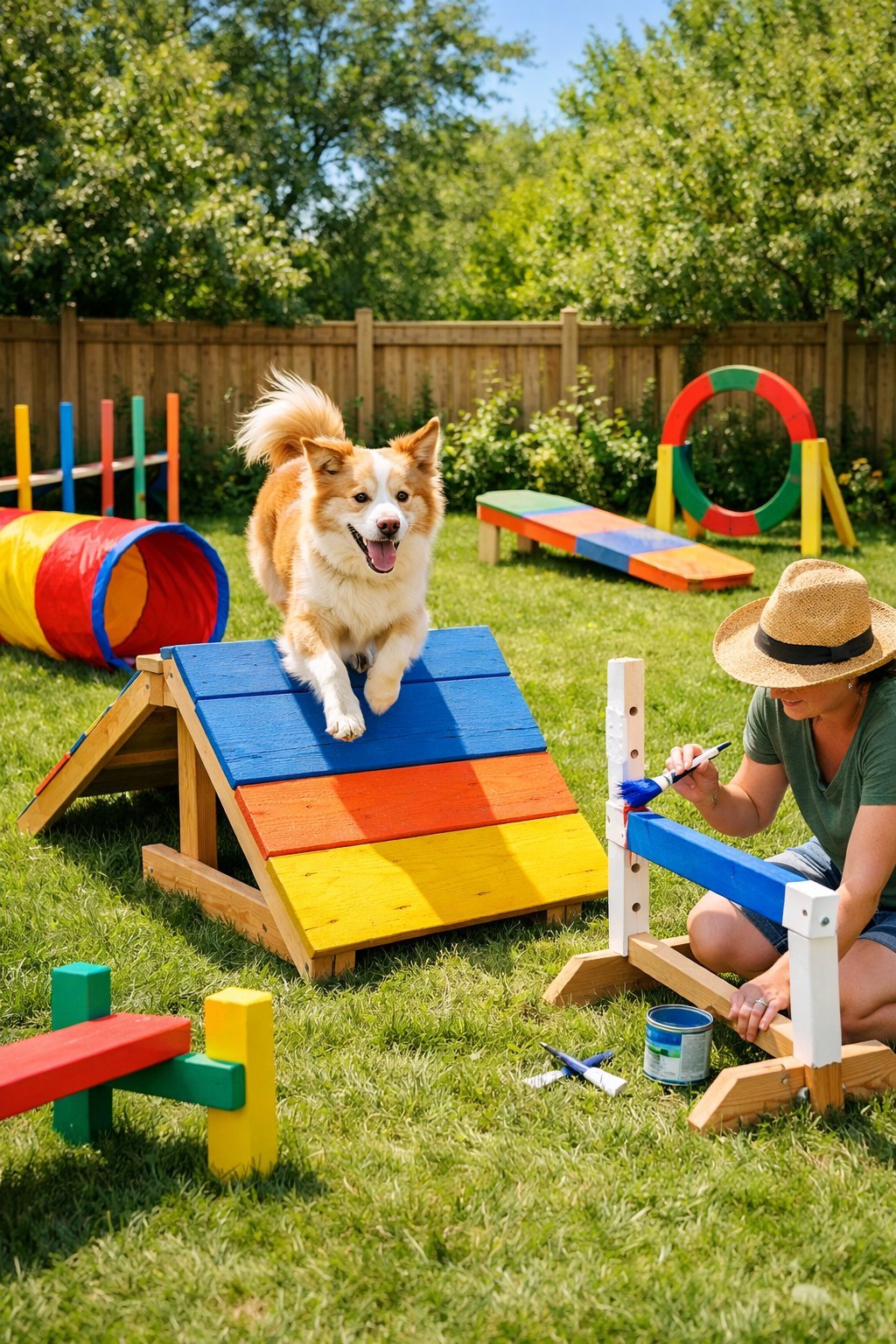
Your dog needs mental and physical challenges to stay happy and healthy. Building play structures in your yard gives them exercise while strengthening your bond through interactive activities.
Backyard Agility Courses
I’ve found that building a DIY dog playground transforms ordinary yards into exciting training grounds. You can create simple agility courses using materials from any hardware store.
Start with a basic jump bar using two PVC pipes as posts and a lightweight pole. Set the height based on your dog’s size—small dogs need 8-12 inches while larger breeds can handle 16-24 inches.
Weave poles are another essential element. I space six PVC pipes about 24 inches apart in a straight line.
Push them into the ground or mount them on a wooden base for stability. A simple A-frame ramp adds variety to the course.
Use two sheets of plywood connected with hinges at the top. Add horizontal strips of wood every 12 inches to create traction.
Paint the contact zones at each end in a bright color to teach your dog proper technique. For tunnels, I use flexible drainage pipes from the hardware store.
A 10-foot section of corrugated tubing works perfectly and costs under $30.
Dog-Friendly Splash Zones
Water play keeps dogs cool and entertained during warm months. I set up a kiddie pool in a shaded area of my yard for instant relief from heat.
Add a sprinkler attachment to create movement and excitement. Many dogs enjoy chasing water streams more than standing in still pools.
Position the sprinkler near the pool so your pup can choose between splashing and running through spray. You can build a simple splash pad using a garden hose with multiple spray nozzles attached.
Secure the hose in a circle or figure-eight pattern using landscape staples. For dogs who love digging, I fill a shallow pool with a few inches of water and add floating toys.
This gives them something to retrieve while cooling off.
Digging Pits for Pups
Many dogs have a natural urge to dig, so I give them an approved spot instead of fighting this instinct. A designated digging area protects your garden while satisfying their needs.
Choose a shaded corner of your yard and mark off a 4×4 foot square. Remove the grass and dig down about 12 inches.
Fill the pit with loose sand or a sand-soil mixture that drains well. I bury toys and treats in the pit to encourage my dog to dig there instead of in flower beds.
Rotating different items keeps the area interesting. When I catch my dog digging elsewhere, I redirect them to their special pit with praise.
Add a border using landscape timbers or large rocks to define the space clearly. This visual boundary helps your dog understand where digging is allowed.
Homemade Comfort and Enrichment Upgrades
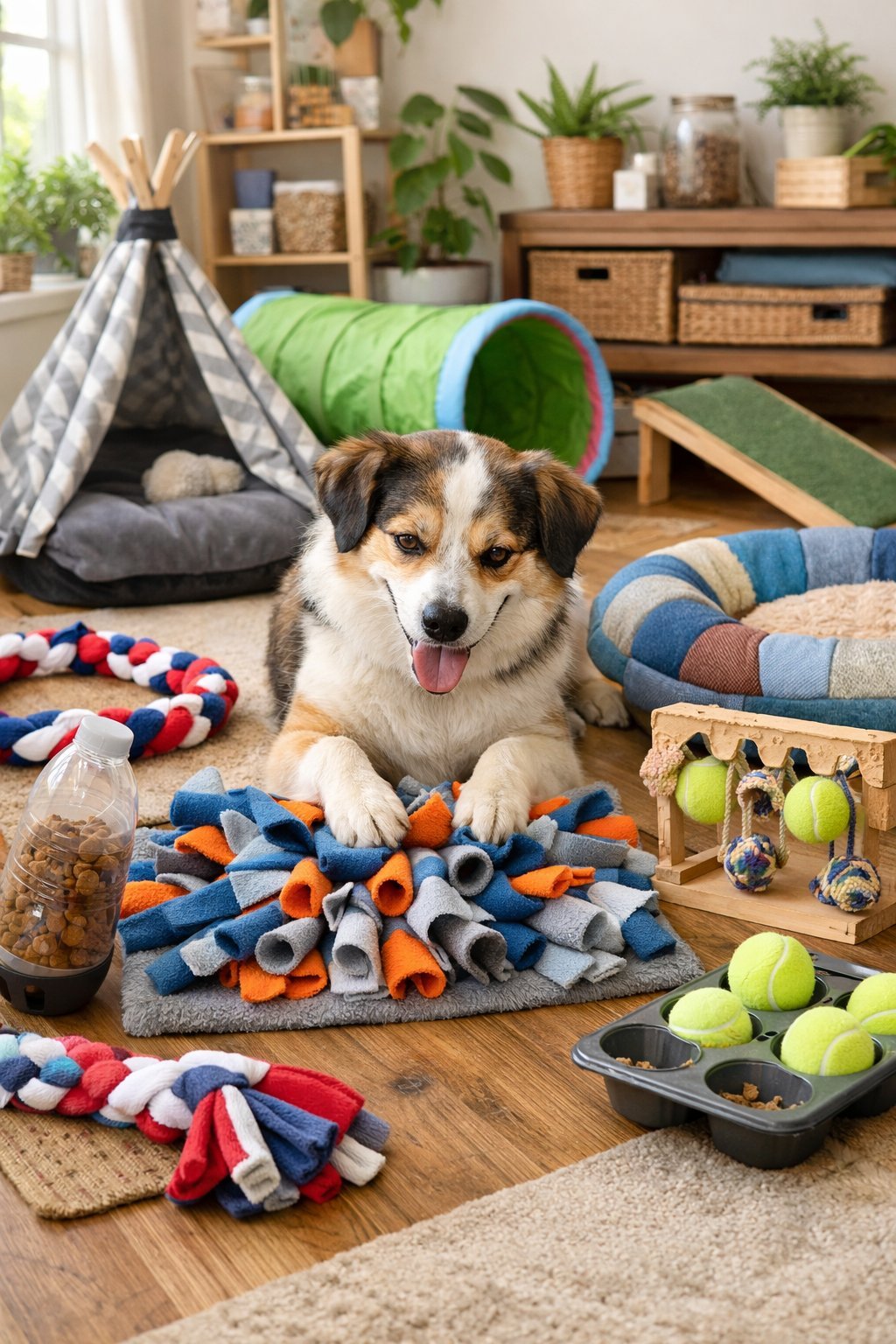
Creating comfortable spaces and engaging activities doesn’t require expensive store-bought items. Simple materials from around your home can transform into tools that keep your dog mentally sharp and physically cozy.
Snuffle Mats for Mental Stimulation
I love making snuffle mats because they tap into my dog’s natural foraging instincts. These mats hide treats or kibble in fabric strips, forcing dogs to use their noses to find food.
To make one, I use a rubber sink mat with holes as the base. I cut fleece fabric into strips about 6 inches long and 1 inch wide.
Then I tie each strip through the holes in the mat, creating a shaggy surface. The process takes about an hour, but the result is worth it.
I scatter my dog’s dinner or training treats throughout the fabric strips. My pup spends 10-15 minutes sniffing and searching, which tires them out mentally.
This activity works well for keeping dogs mentally and physically healthy while slowing down fast eaters. I wash my snuffle mat in the washing machine every few weeks to keep it fresh.
DIY Dog Tents and Teepees
I created a cozy hideaway for my dog using basic materials I already had at home. Dogs naturally seek den-like spaces where they feel safe and secure.
For a simple tent, I used an old blanket draped over two chairs. My dog loved it immediately.
For a more permanent structure, I built a teepee using four wooden dowels tied together at the top with twine. I spread the dowels into a pyramid shape and wrapped fabric around three sides, leaving one side open as an entrance.
Inside, I placed a soft blanket or dog bed. My anxious dog uses this space during thunderstorms and fireworks.
The teepee cost me less than $15 to make. It gives my pup a personal retreat that blends into my living room decor.
Personalized Food and Water Stations
I elevated my dog’s feeding area to help their posture and reduce neck strain during meals. Raised feeders are especially helpful for bigger dogs and seniors.
I built a simple station by turning a wooden crate on its side. Two circular holes cut in the top fit my dog’s bowls perfectly.
The shelf underneath is handy for storing food bags and treats. For a quick version, I stacked sturdy books or concrete blocks under regular bowls.
I painted the wood station to match my kitchen and added my dog’s name with stencils. It adds a nice personal touch.
Materials needed:
- Wooden crate or box
- Two stainless steel bowls
- Sandpaper
- Non-toxic paint or stain
- Measuring tape
I measured my dog from floor to shoulder and subtracted 6 inches to find the right feeder height. This keeps them from hunching over while eating.
Stylish Collar and Leash Holders
I mounted a wall organizer near my door to keep leashes, collars, and poop bags in one spot. It saves time during walks and looks tidy.
A coat rack with hooks works great, but I’ve also made holders from wooden boards with fun knobs. I screwed the board into wall studs for stability.
Above the hooks, I attached a small basket for treats and waste bags. My favorite version has a chalkboard section for reminders about vet appointments.
I painted the board to match my entryway. Each hook holds a different leash for various activities.
This project took me 30 minutes and cost under $20. Now, everything I need for walks stays organized instead of scattered.
DIY Dog Grooming and Care Solutions
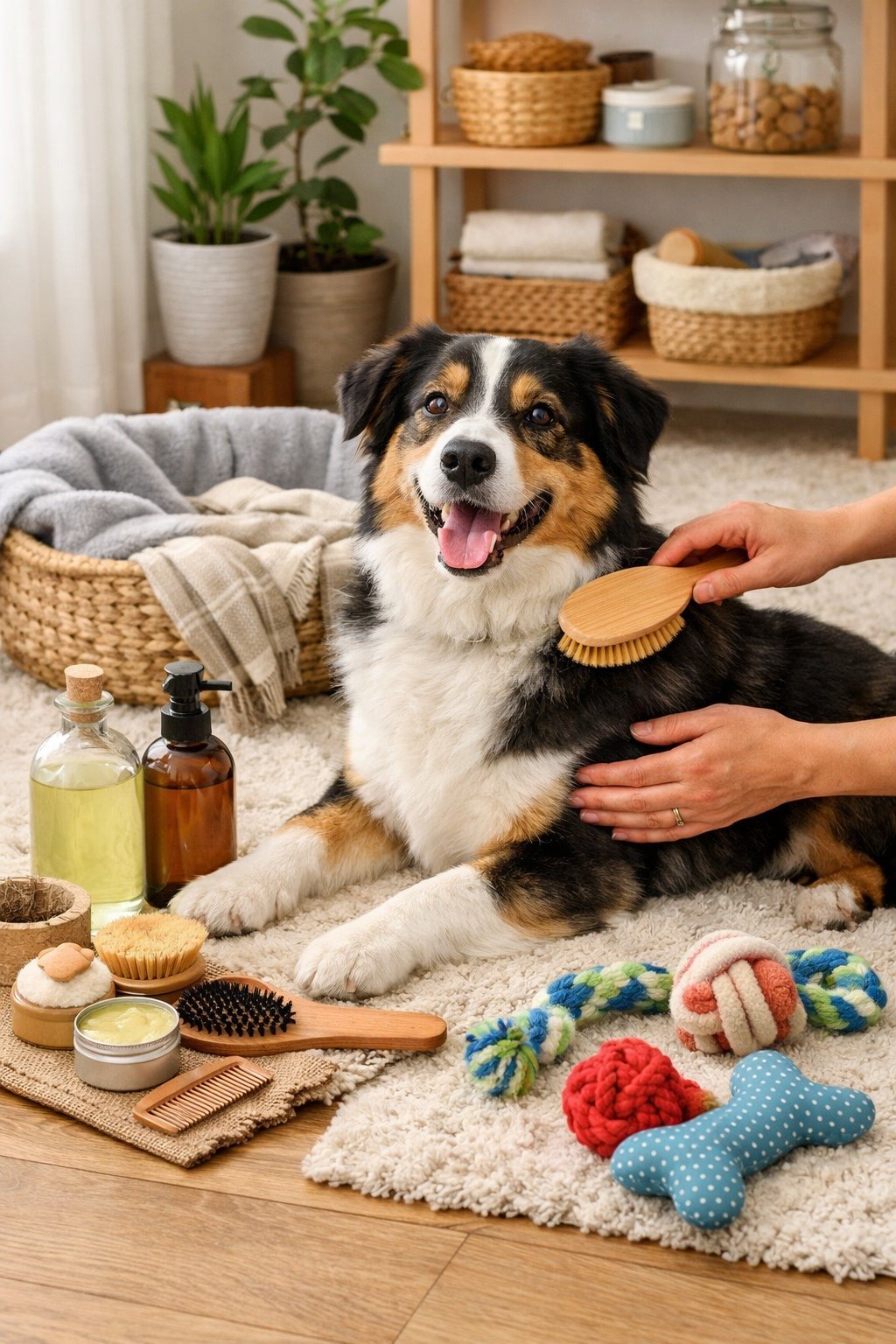
Taking care of my dog’s grooming needs at home saves money and strengthens our bond. Making your own paw balm, setting up a proper bath station, and using the right towels makes the process easier.
Easy Homemade Paw Balm
I make my own paw balm to protect my dog’s paws from hot pavement, cold snow, and rough surfaces. The basic recipe only needs coconut oil, beeswax, and vitamin E oil.
I melt equal parts coconut oil and beeswax in a double boiler. After removing from heat, I add a few drops of vitamin E oil.
The mixture goes into small containers to cool. Once hardened, it creates a protective barrier on my dog’s paw pads.
I apply it before walks and at bedtime by gently massaging a bit into each paw pad. It works just as well as store-bought balm and costs much less.
Bath Time Stations
I set up a designated bath area to make washing my dog less stressful. A backyard washing station is perfect in warm weather and keeps the mess outside.
For smaller dogs, I use a plastic kiddie pool or large basin. For bigger pups, I attach a spray nozzle to my garden hose for better control.
Inside, a rubber mat in the tub prevents slipping. I keep shampoo, towels, and treats within arm’s reach.
Having everything organized means bath time goes faster. I can focus on keeping my dog calm.
Custom Dog Towels
I use specific towels just for my dog to keep pet hair out of my regular laundry. Old bath towels work great for this.
I sew loops onto larger towels so I can hang them up to dry quickly. Microfiber towels soak up more water and speed up drying.
For dogs with thick coats, I use multiple towels in a row. I press the first towel against their fur to soak up water, then use a second dry towel for finishing.
I keep dog towels in a separate basket near the bath area. This makes cleanup easier and helps me track when towels need washing.
Fun Accessories and Personalized Touches
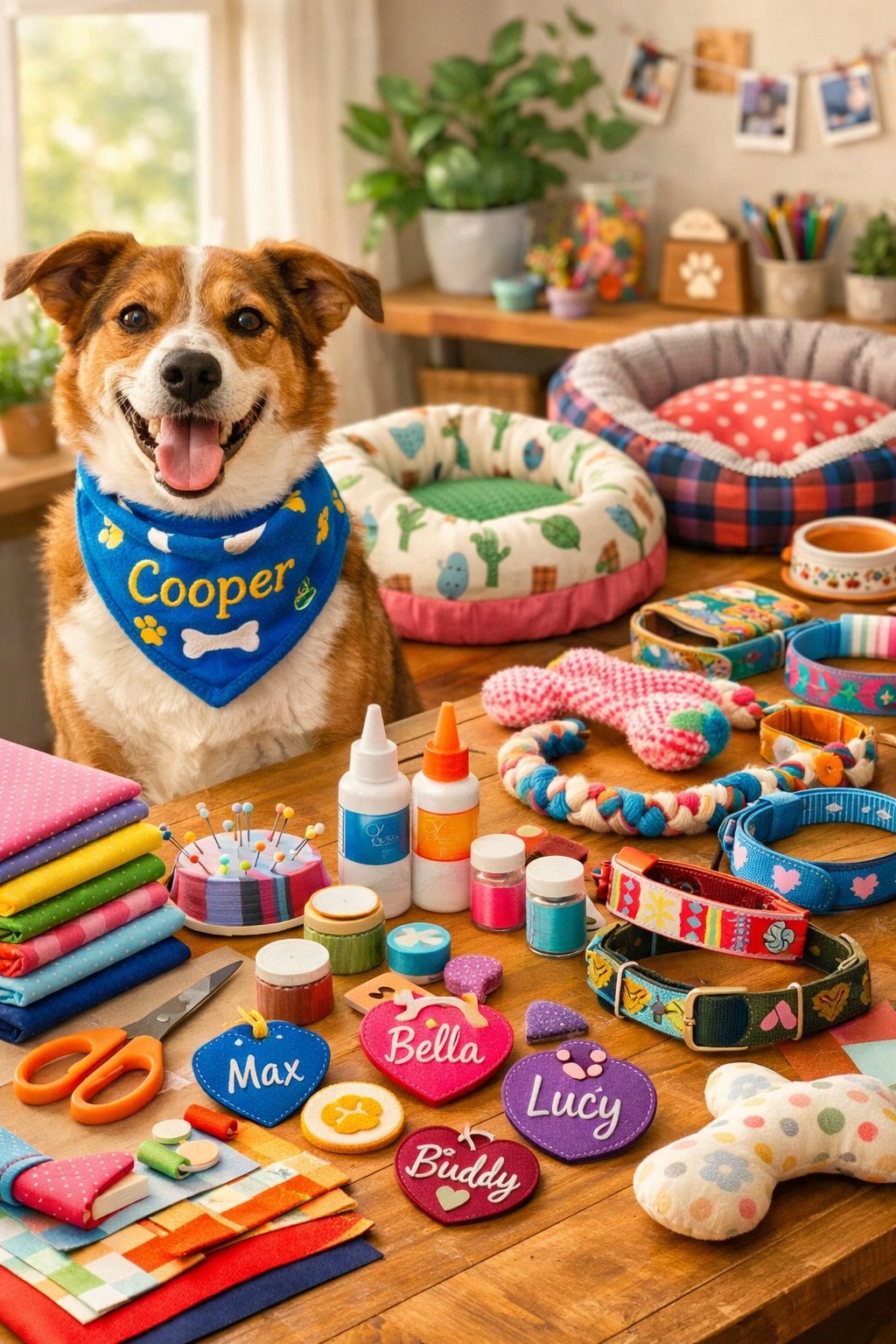
Adding custom accessories to your dog’s wardrobe is a fun way to show off their personality. Simple fabric projects and unique tags let you match your pup’s style to your own.
Handmade Bandanas
I love making bandanas because they’re one of the easiest DIY dog accessories to create. All you need is a square piece of cotton fabric, scissors, and a measuring tape.
Measure your dog’s neck and add 2-3 inches for comfort. Cut a square of fabric, fold it diagonally, and you’ve got a triangle bandana.
You can hem the edges for a finished look or leave them raw for a relaxed style. I like to use seasonal patterns like florals or plaids. For a no-sew option, just pick a fabric that doesn’t fray.
Basic bandana styles include:
- Traditional triangle tie
- Snap-on collar attachment
- Slide-through collar design
- Over-the-head style with elastic
Decorative Name Tags
Personalized dog accessories start with a custom name tag. I make mine using shrink plastic, metal stamping kits, or wood burning tools.
Shrink plastic tags are fun because you can draw and color designs before baking them in the oven. Write your dog’s name and your phone number clearly, then add shapes like bones or hearts.
For metal tags, use letter stamps and a hammer to create permanent impressions on aluminum or brass. Sand the edges smooth so nothing snags. Wooden tags can be painted and sealed for durability.
Always include your phone number and any important medical info.
Frequently Asked Questions
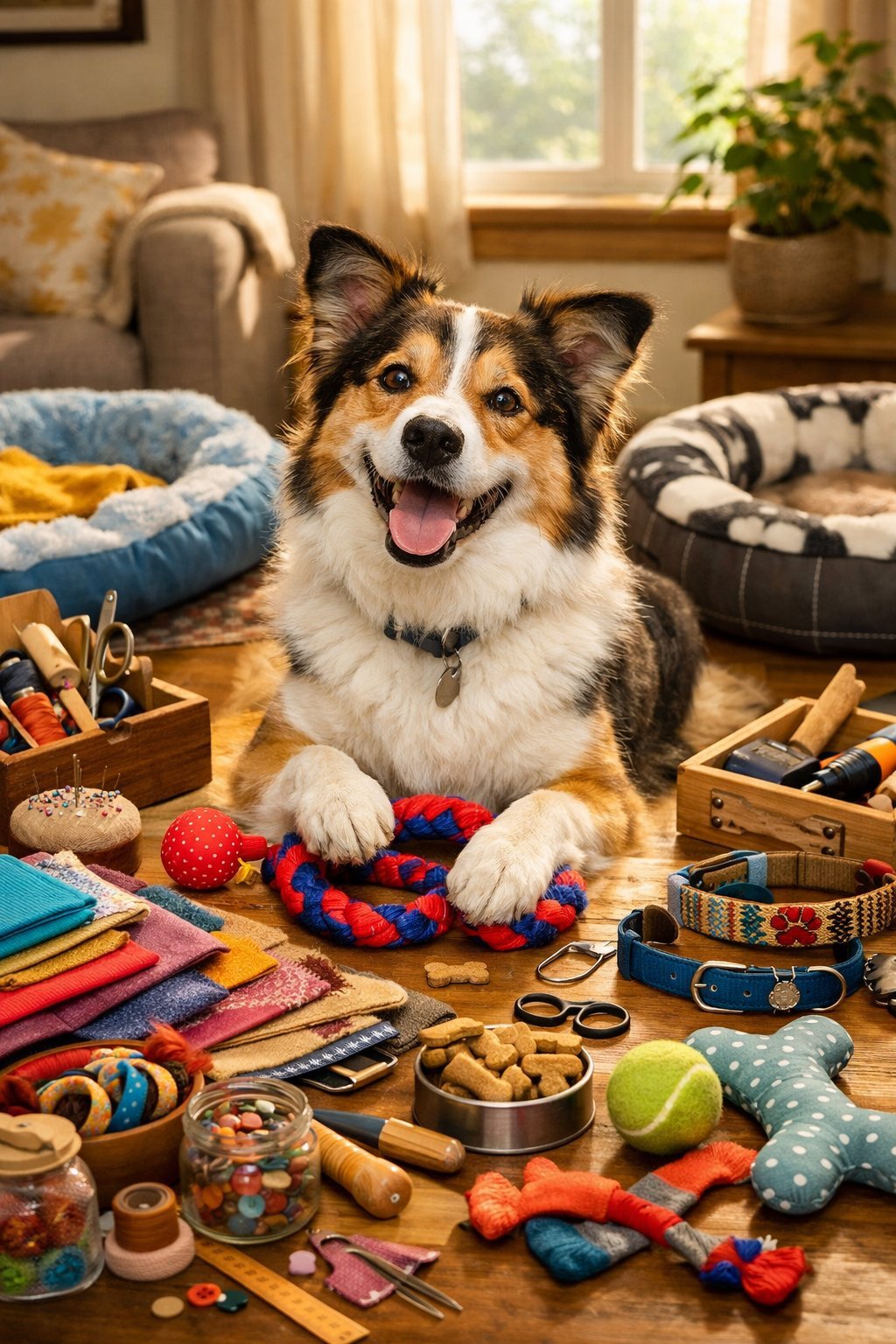
Making things for your dog at home is a great way to save money and give your pet something special. You can use old t-shirts for toys, cardboard boxes for games, and basic ingredients from your kitchen for treats.
What are some simple DIY projects I can create for my dog’s enjoyment?
Braided tug toys from old t-shirts are super easy to make. Just cut fabric into strips and braid them together.
Tennis balls with treats hidden inside keep dogs busy. Cut a small slit in the ball and stuff in some kibble or treats.
Cardboard boxes filled with crumpled paper make great scavenging games. Hide toys or treats at the bottom for your dog to find.
How can I make homemade toys to keep my puppy entertained?
Old socks stuffed with fabric scraps become simple plush toys. Tie a knot at the end to keep everything inside.
Plastic bottles wrapped in fabric make fun crinkly toys. The noise keeps puppies interested, but always supervise to make sure they don’t chew through to the plastic.
Rope toys are easy to make by braiding thick rope together. They’re great for tug-of-war and help with teething.
What materials are safe to use when crafting items for my dog?
Cotton fabric from old clothes is soft, washable, and safe if small pieces are swallowed. Natural rope made from cotton or hemp is also a good choice.
For bowls and feeders, food-grade materials like silicone and stainless steel are best. Untreated, non-toxic wood works for some projects too.
I avoid materials with small parts that could be choking hazards, like buttons, beads, or plastic eyes.
Can I create a comfortable sleeping area for my dog with DIY techniques?
Old pillows and blankets can be sewn together for a simple dog bed. I use a durable outer fabric that’s easy to remove and wash.
Wooden pallets make great raised bed frames to keep dogs off cold floors. I sand them smooth and add cushions on top for comfort.
No-sew fleece blankets work well for dog bedding. Just cut fringe around the edges and tie the pieces together to make a soft mat.
Are there any DIY dog treat recipes to encourage my pup’s happiness?
Peanut butter and banana treats are easy to make. Mash a banana, mix in peanut butter and flour, then bake small pieces until firm.
Frozen treats are great for hot days. Freeze plain yogurt or chicken broth in ice cube trays for a cool snack.
Sweet potato chews are simple, too. Slice sweet potatoes thin and bake them at low heat for a healthy, chewy treat.
What are the best homemade obstacle courses I can design for my dog’s exercise?
Cardboard boxes arranged in a line create a simple tunnel course. You can easily change the layout to keep things interesting for your dog.
Chairs with blankets draped over them make great obstacles for dogs to go under or around. Adding cones or plastic bottles to weave through brings an extra challenge.
Pool noodles stuck in the ground work well as hurdles for jumping. Start them low and raise them higher as your dog improves.