Dog Feeding Station In Laundry Room: Smart Solutions For A Clean And Organized Pet Area

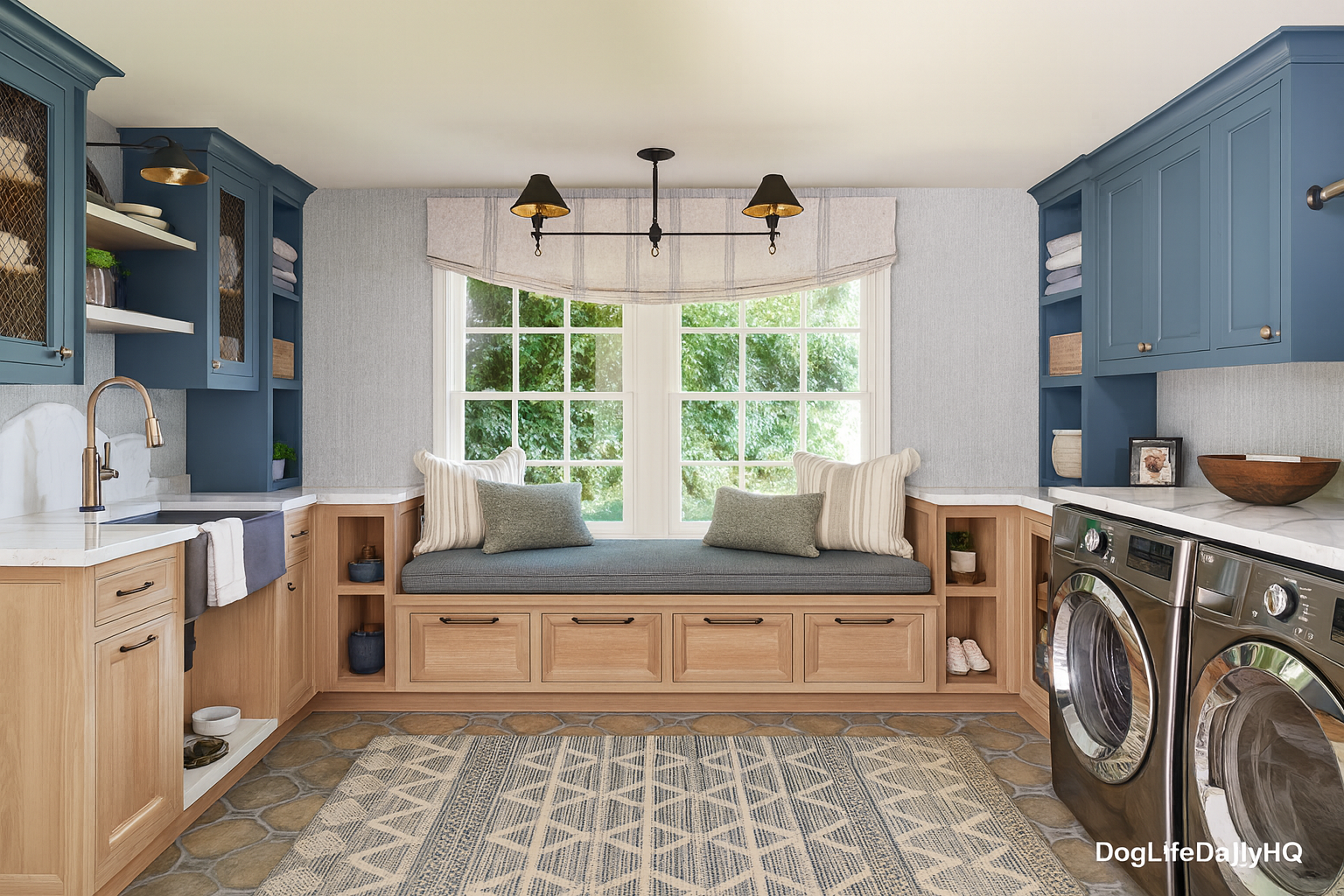
Your laundry room can do more than just clean clothes. It’s actually a great spot to set up a feeding area for your dog. Many pet owners are turning this often-overlooked space into a convenient place where their dogs can eat without creating mess in the kitchen.
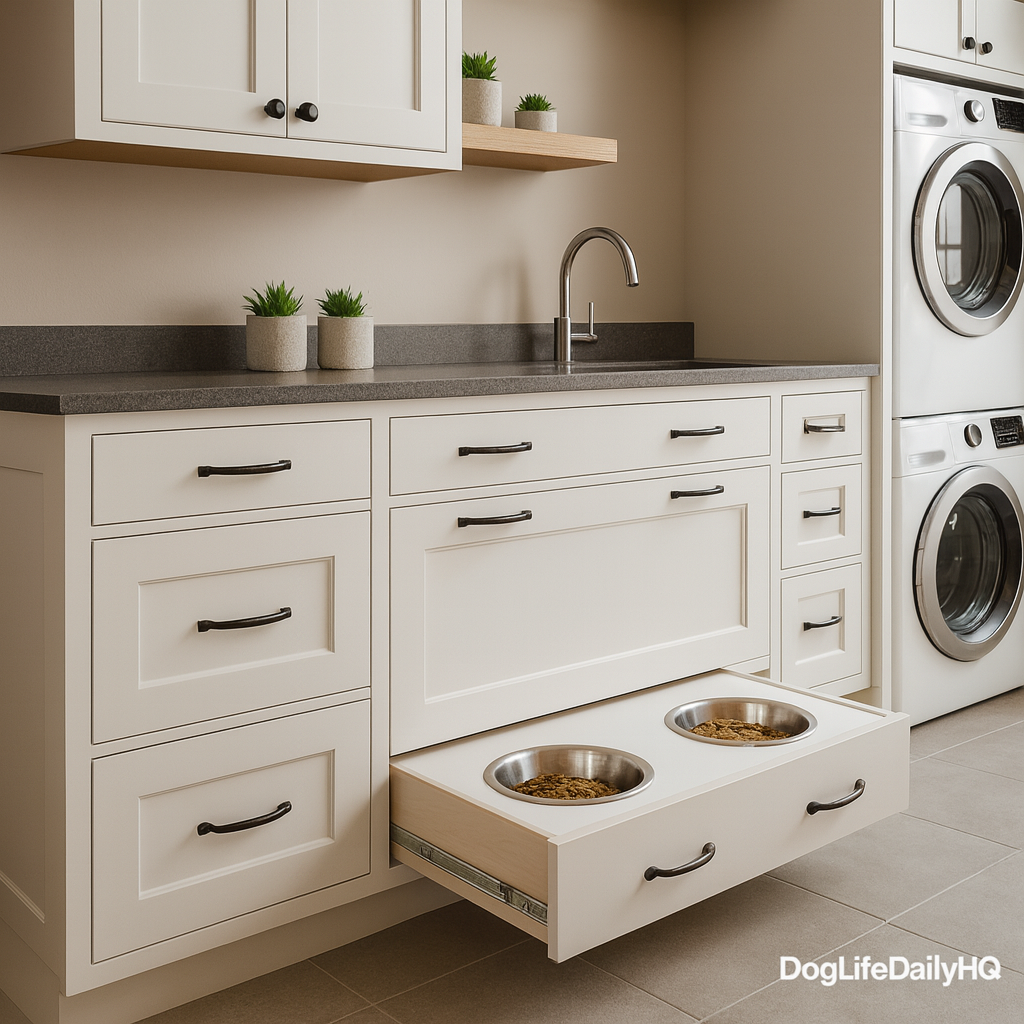
A dog feeding station in your laundry room keeps food bowls organized, reduces clutter in main living areas, and makes cleanup easier since most laundry rooms have tile or vinyl floors that are simple to wipe down. The room usually has extra space along walls or in corners that works well for bowls and food storage. Plus, you can add cabinets or pull-out drawers to store kibble, treats, and feeding supplies all in one place.
I’ve found that built-in feeding stations in laundry rooms work especially well because they keep everything contained and off the floor. This setup means fewer tripping hazards and a tidier home overall. Whether you have a small laundry closet or a full room, there are ways to create a feeding station that fits your space and makes life easier for both you and your pet.
Key Takeaways
- Laundry rooms provide ideal locations for dog feeding stations with easy-to-clean floors and extra storage space
- Built-in cabinets and drawers help organize pet food, bowls, and supplies while reducing kitchen clutter
- Combining feeding areas with dog washing zones creates an all-in-one pet care station
Benefits of a Dog Feeding Station in the Laundry Room
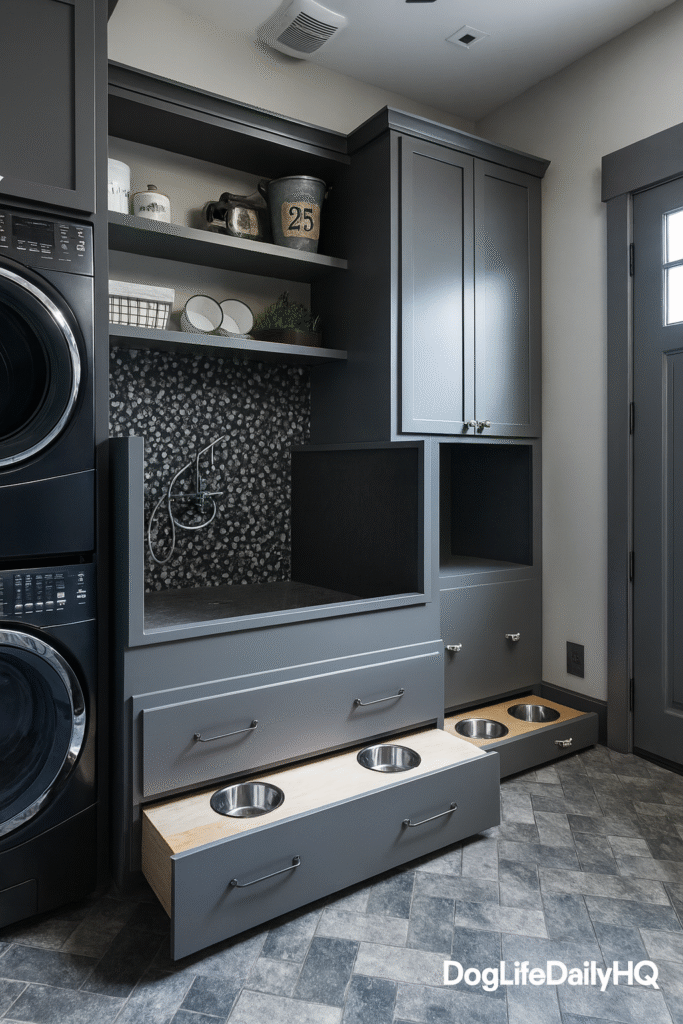
A laundry room feeding station creates a dedicated space that keeps your pet’s meals organized while using a room that already has the right flooring and layout. This setup helps control messes and makes the most of space you already have.
Combining Pet Care With Household Efficiency
I find that placing a dog feeding station in the laundry room takes advantage of features already in place. The room typically has water-resistant flooring and easy access to water, which makes cleanup simple.
My washer and dryer area works well for this purpose because I’m already in that space regularly doing chores. I can fill water bowls, check food levels, and clean up spills while switching loads. This saves me from making extra trips to different parts of my house.
Key advantages include:
- Existing plumbing for easy water bowl refills
- Durable flooring that handles spills
- Built-in storage cabinets for food and supplies
- Regular foot traffic for monitoring feeding times
Keeping Dog Mealtime Mess Contained
The laundry room naturally contains food spills and water splashes better than other areas. I appreciate that any mess stays on tile or vinyl flooring instead of spreading to carpeted living spaces.
Food bowls can sit on waterproof mats in front of base cabinets. Crumbs and kibble pieces get swept up easily without worrying about staining. Water bowls placed near the washer don’t cause damage if they overflow or get knocked over.
I keep cleanup supplies right in the same room. Paper towels, spray cleaner, and a small broom stay within reach for quick spot cleaning between meals.
Maximizing Small Spaces for Multiple Purposes
My laundry room serves double duty without feeling cramped. I use the space below counters or beside the dryer for feeding bowls. Wall-mounted shelves above hold food containers and treats.
A feeding station fits into small spaces by using vertical storage. I installed pull-out drawers for food storage and hooks for leashes and towels. This keeps everything in one spot without taking up floor space I need for laundry baskets.
Floor-to-ceiling cabinets hold both laundry supplies and pet items. I dedicate lower shelves to heavy food bags and upper shelves to detergent and fabric softener.
Planning the Ideal Dog Feeding Station Layout
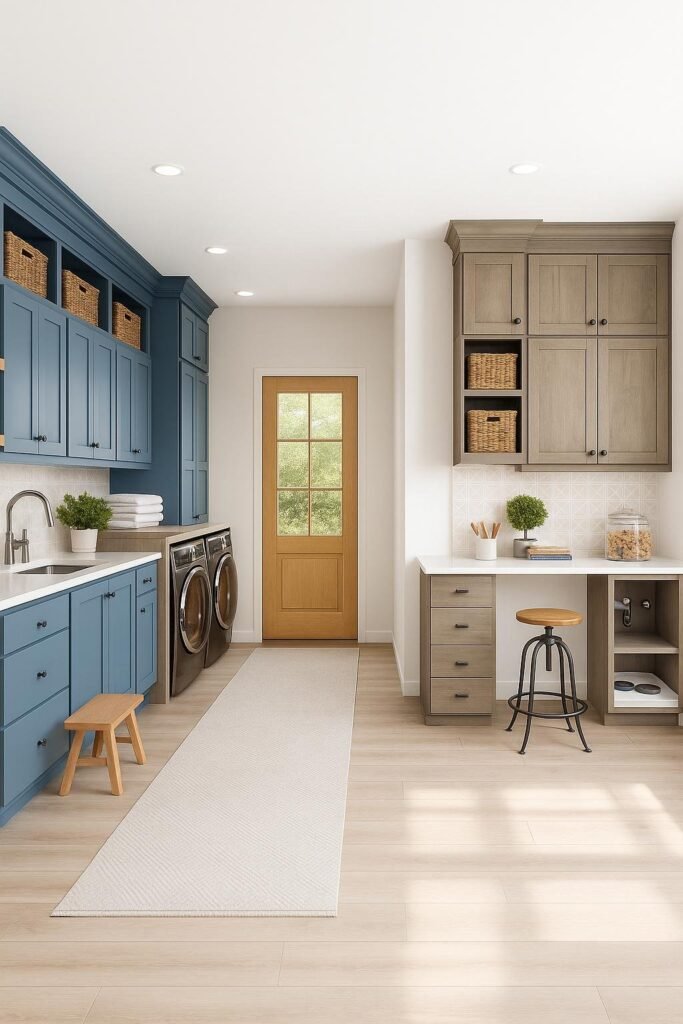
The right location and accurate measurements make all the difference when setting up a feeding area that works with your laundry routine. I focus on finding spots that keep my pet comfortable while maintaining easy access to appliances and supplies.
Choosing the Best Location Near the Washer and Dryer
I always look for a spot that doesn’t block my path to the washer and dryer. The best location sits along a side wall or in a corner where my dog can eat without being in the way when I’m transferring clothes between machines.
I avoid placing the feeding station directly in front of appliances. This creates problems when I need to load or unload laundry. Instead, I position it at least 2-3 feet away from appliance doors so they can open fully.
Water access matters for easy cleanup. I prefer spots near existing plumbing or utility sinks. This makes filling water bowls simpler and helps me clean up spills quickly.
I also consider my dog’s comfort. Quieter areas away from the dryer’s heat and noise work better, especially for nervous eaters. A pet feeding station designed for the laundry room should feel like a dedicated space rather than an afterthought.
Measuring Space and Assessing Storage Needs
I measure the floor space first, accounting for my dog’s size. Small dogs need about 2 feet by 2 feet, while larger breeds require 3 feet by 3 feet to eat comfortably without feeling cramped.
I measure the area around my washer and dryer before buying any storage pieces. This prevents ordering cabinets or bins that won’t fit. I write down exact dimensions including any baseboards or outlet locations.
Storage essentials I calculate:
- Food bag size (usually 15-30 pounds)
- Treat containers
- Bowl storage when not in use
- Cleaning supplies like towels and pet-safe cleaners
I look at vertical space too. Wall-mounted shelves or base wastebaskets for pet food storage help me keep supplies organized without taking up valuable floor space near my appliances.
Design Ideas for Dog Feeding Stations
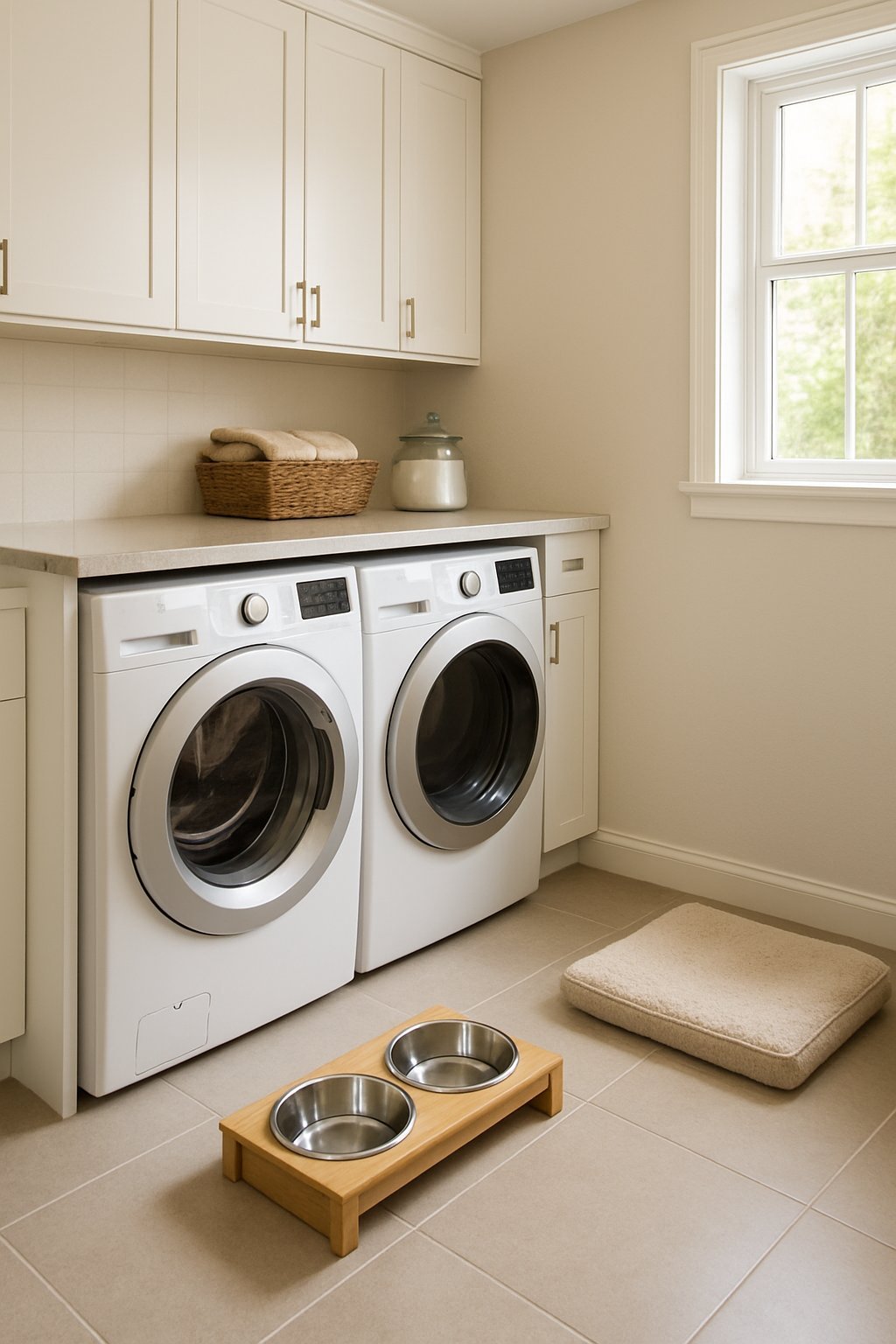
A feeding station in your laundry room can blend style with function while keeping your dog’s meal area organized. I’ve found that the right design makes feeding time easier and keeps the space looking clean.
Built-In Feeding Stations With Storage
Built-in feeding stations make the most of your laundry room layout by using existing cabinets or creating custom nooks. I recommend installing a pull-out drawer at floor level that holds both food bowls and stores kibble underneath in sealed containers. This keeps everything in one spot and hides the feeding area when not in use.
You can also add a feeding station within existing cabinetry by removing the bottom shelf and creating a recessed space. I like to include hooks on the inside of cabinet doors for leashes and storage bins for treats. The cabinet design keeps food fresh and protects it from moisture in the laundry room.
For homes with multiple pets, I suggest building separate cubbies at different heights. Each dog gets their own space, which reduces mealtime stress.
Elevated Feeding Solutions for Comfort
Elevated bowls help larger dogs eat more comfortably and can reduce strain on their neck and joints. I’ve seen platforms ranging from 4 to 12 inches high depending on your dog’s size.
A simple raised platform with cutouts for bowls works well and can match your laundry room’s style. I prefer platforms with a lip around the edge to catch spills. You can build these from wood, tile them to match your floors, or use waterproof materials that wipe clean easily.
Wall-mounted elevated feeders save floor space in smaller laundry rooms. I mount them at the right height for my dog and attach a small shelf underneath for food storage. Some designs fold up against the wall between meals.
Multipurpose Feeding and Washing Combo Stations
Combining your dog wash station with a feeding area creates an all-in-one pet zone. I position the feeding station near the dog wash area so I can easily rinse bowls in the wash sink.
A laundry room with both washing and feeding stations lets you handle bath time and meals in the same space. I keep a towel bar between the two areas and add a small mat that transitions from the wash zone to the feeding spot.
The key is using water-resistant flooring throughout the entire area. I recommend tile or vinyl that extends under both the dog wash area and feeding station so spills and splashes clean up quickly.
Integrating Dog Wash and Feeding Zones
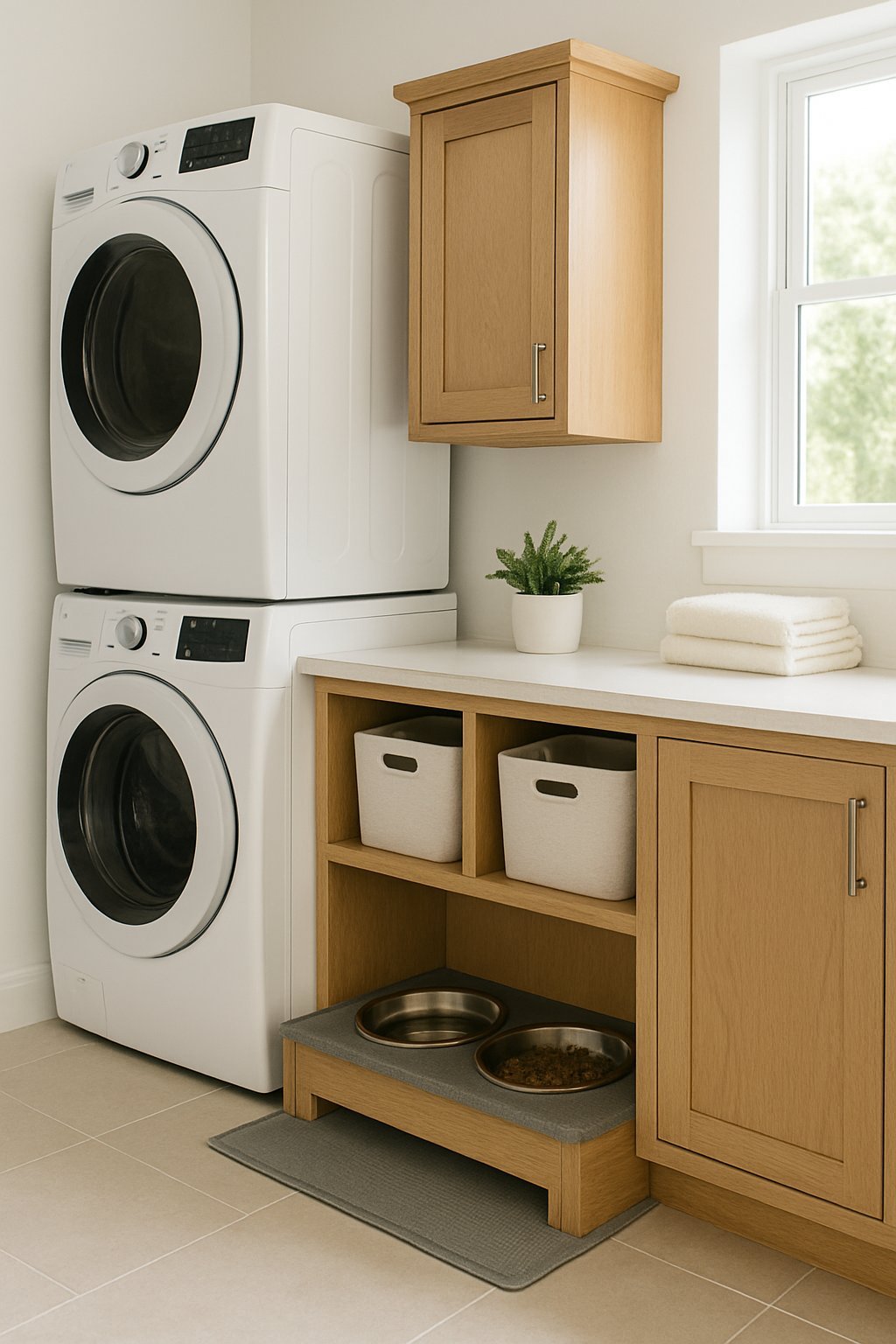
When I set up both a wash area and feeding station in my laundry room, proper spacing and thoughtful design help keep my dog healthy and the space functional. Keeping food away from water prevents contamination while smart layout choices make daily routines easier.
Coordinating Dog Bathing Station and Feeding Area Design
I position my dog’s feeding station at least 6 feet away from the dog wash to prevent water splashes from reaching food bowls. This distance keeps kibble dry and maintains a clean eating environment.
I use the same cabinet style and colors for both zones to create a cohesive look. When I designed my laundry room with a dog wash area, I selected waterproof flooring that extends throughout the entire space. This makes cleanup easy in both sections.
Design elements I coordinate:
- Matching cabinet hardware and finishes
- Consistent countertop materials
- Same flooring type across both zones
- Unified color scheme
I install the feeding station on the opposite wall from my dog washing station. This layout creates natural separation while keeping both areas accessible. I also add a small shelf above the feeding zone for treats and supplements, mirroring the storage setup near my dog bathing station.
Safety Tips for Separating Food and Wash Areas
I never store dog food or treats near the dog wash because moisture leads to mold growth and spoilage. I keep all food items in sealed containers at least 3 feet above floor level and away from any water sources.
I installed a raised threshold or different flooring texture between the wash and feeding zones. This physical barrier helps contain water runoff from the dog bathing station and signals to my dog that these are separate activity areas.
My key separation practices:
- Use separate towels for drying and food cleanup
- Install a small drain near the wash area only
- Add a rubber mat under food bowls to define the space
- Clean the wash area before preparing meals
I schedule washing times separate from feeding times. I always wait at least 30 minutes after my dog eats before bath time to prevent digestive issues. I also dry the laundry room floor completely after using the dog wash before putting down fresh food and water.
Organization and Maintenance Tips
Keeping food bowls clean and supplies organized makes daily feeding routines easier while protecting your washer and dryer from spills and moisture damage. Smart storage prevents pests and keeps cleaning products away from your dog.
Easy Clean-Up Surfaces for Feeding and Washing
I always recommend placing feeding stations on waterproof mats or tile flooring. These surfaces wipe down quickly after meals and prevent water damage near your washer and dryer.
Silicone mats work great under food bowls. They catch spills and go straight into the washing machine for easy cleaning. I prefer mats with raised edges that trap water and kibble before they spread across the floor.
For the dog wash area, non-slip rubber mats keep dogs steady during bath time. I clean these mats weekly with pet-safe disinfectant. Wall-mounted splash guards protect nearby surfaces from water spray.
Quick-clean essentials I keep handy:
- Microfiber cloths for daily wipes
- Pet-safe floor cleaner in a spray bottle
- Paper towels for immediate spills
- Small broom and dustpan for dry food
I wipe down feeding areas after every meal. This takes just 30 seconds but prevents sticky buildup and odors in my laundry room.
Storing Dog Food and Cleaning Supplies Safely
I store dry dog food in airtight containers that seal out moisture and pests. Metal or thick plastic bins work best and fit neatly in laundry room cabinets or on shelving units.
Safe storage practices:
- Keep food containers off the floor
- Label bins with food type and expiration dates
- Store opened bags in sealed containers within 24 hours
- Place cleaning supplies on high shelves away from pet access
I dedicate one cabinet to dog grooming supplies and another to cleaning products. Child-safety locks on lower cabinets prevent my dog from accessing harmful chemicals. Wall-mounted organizers hold leashes, brushes, and towels within easy reach but away from the dog wash area spray zone.
