
Dog Grooming Aesthetic: Creating a Stylish and Comfortable Salon Experience

Dog grooming aesthetic is about more than basic hygiene—it’s a way to create a look that reflects both style and care. It blends proper grooming techniques with creative touches, making your dog look polished and feel comfortable.
When I first learned about this approach, I realized it’s not just about making dogs look pretty. It’s really about creating a grooming experience that benefits their health and happiness.
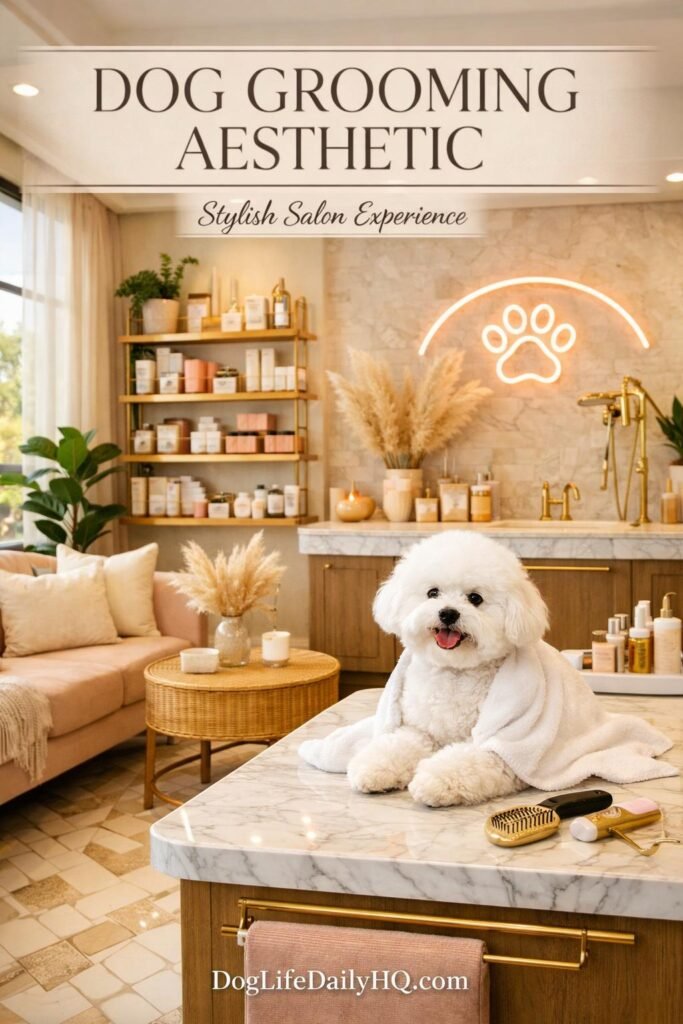
The aesthetic approach to dog grooming blends practical skills with design elements that highlight your dog’s natural features. It’s about choosing the right cuts, tools, and environment that work for your dog’s breed and personality.
Modern dog grooming trends in 2024 are all about style, health, and sustainability. Understanding grooming for health and aesthetics has definitely helped me make better choices for my dog’s care routine.
The right grooming aesthetic creates a calming experience and great results. Whether you groom at home or visit a salon, these principles can really change how you think about your dog’s look.
Key Takeaways
- Dog grooming aesthetic combines proper grooming techniques with creative styling to enhance your dog’s natural look
- The right grooming environment and tools reduce pet anxiety while creating professional results
- Regular aesthetic grooming maintains both your dog’s appearance and overall health at the same time
Understanding Dog Grooming Aesthetic
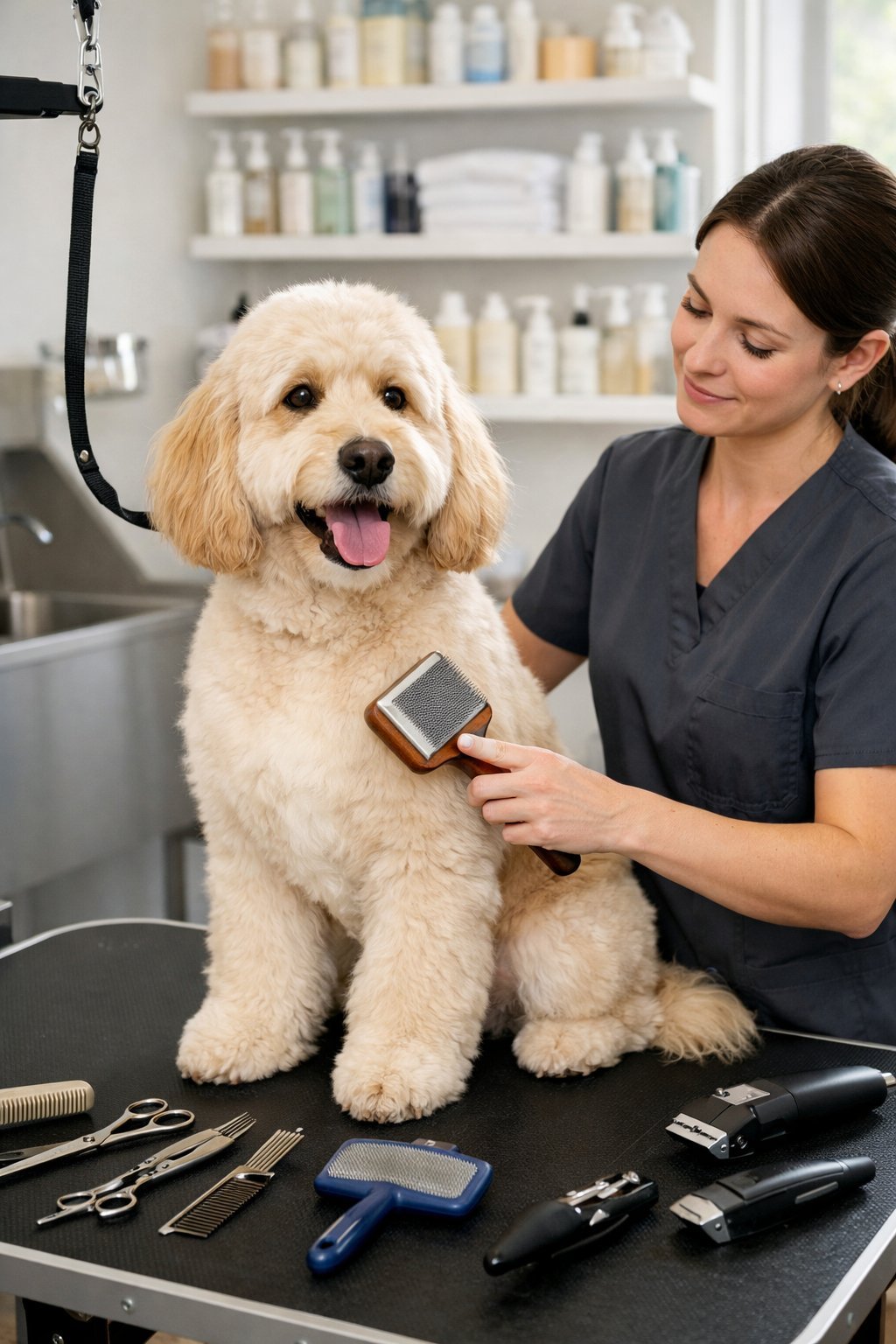
Dog grooming aesthetic is all about the visual style and appearance choices we make for our pets. These choices affect how our dogs look and how we express their personality through their coat and overall presentation.
Defining Dog Grooming Aesthetic
Dog grooming aesthetic covers the intentional styling choices I make when grooming my dog. It includes the cut style, coat length, shape, and the overall look I create.
Dog grooming goes beyond just cosmetic routines—it’s a form of personal expression. The aesthetic can be natural and minimal or creative and artistic.
Some owners like breed-standard cuts that highlight traditional features, while others go for modern styles that show off their dog’s unique personality. I might pick a puppy cut for a soft, youthful vibe or a lion cut for a bold statement.
The grooming aesthetic I choose reflects my preferences but always considers my dog’s comfort and lifestyle.
Importance of Grooming Style Choices
The grooming style I pick affects more than just looks. Different cuts need different levels of maintenance and upkeep.
A shorter cut usually means less daily brushing but more frequent salon trips. My choice should fit my dog’s activity level and living environment.
Active dogs who spend time outdoors do well with shorter, practical cuts. Indoor dogs with calmer lifestyles can keep longer, more elaborate styles.
Thick coats need proper trimming in summer to prevent overheating. Matted fur can cause skin problems and discomfort.
I also think about my own time and budget. Complex cuts often need professional groomers and can cost more.
Trends in Modern Dog Grooming
Modern dog grooming trends mix practical and creative approaches. Natural, breed-appropriate cuts are still popular and honor each dog’s original look.
Creative grooming is on the rise, with artistic color applications and unique designs. Some groomers carve patterns or shapes in the coat, while others use pet-safe dyes for fun highlights.
Practical trends focus on low-maintenance styles that fit busy lives. The teddy bear cut gives dogs a rounded, fluffy look that’s easy to keep up.
Asian fusion styles blend cute aesthetics with functional grooming. Health-focused grooming is also getting more attention—styles that improve air flow and reduce matting help prevent skin issues.
Essential Elements of Grooming Aesthetics
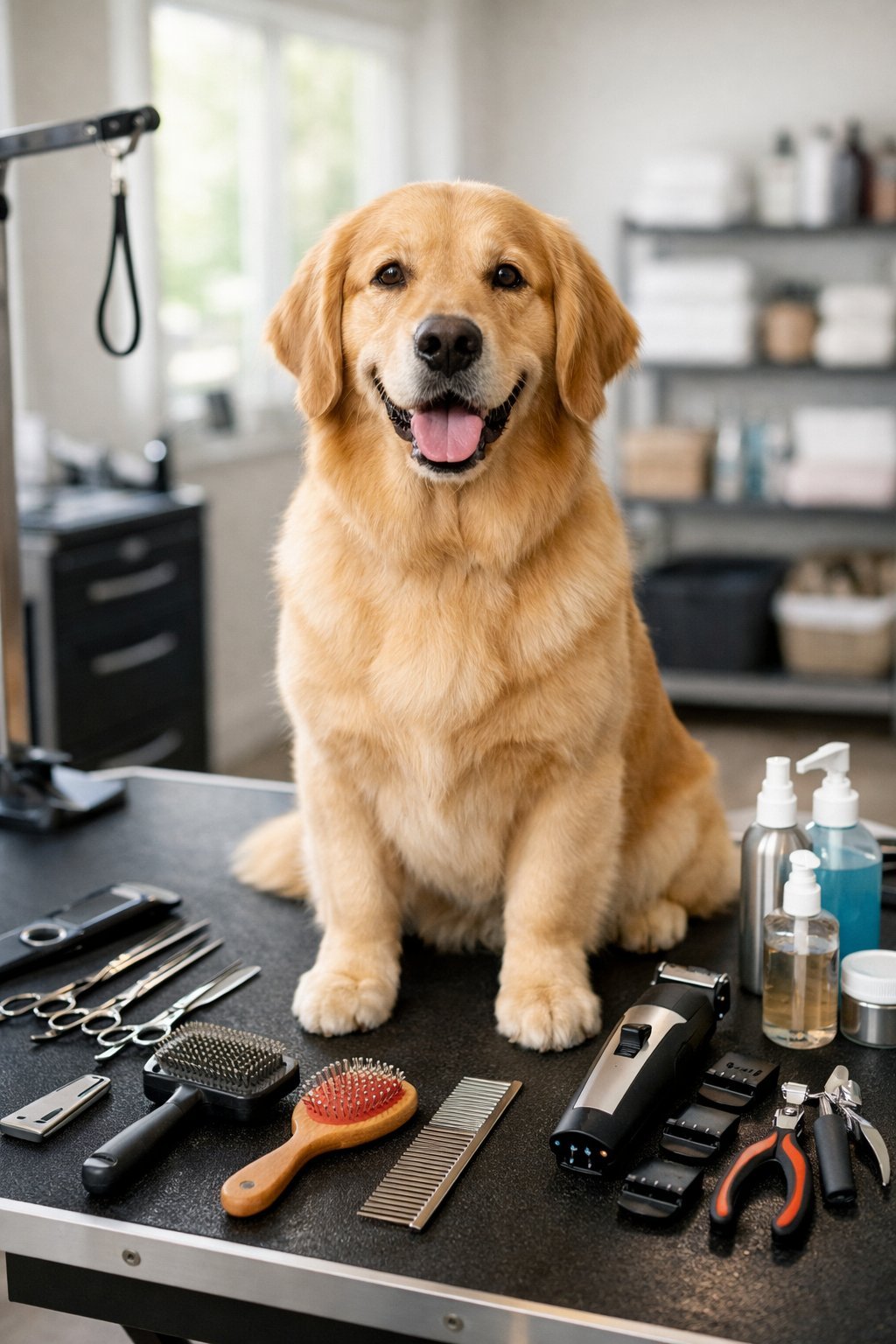
How a dog looks after grooming depends on a few key factors. Coat type, color choices, breed standards, and the right tools all play a part.
Coat Types and Their Influence
Knowing your dog’s coat type is the first step in creating any grooming aesthetic. Dogs have different coat textures like smooth, double, curly, wire, and long flowing coats.
Each type needs its own techniques to look its best. Smooth coats, like on Beagles, require minimal styling but benefit from regular brushing for shine.
Double coats, like on German Shepherds, need careful thinning and blending for a natural look. Curly coats on Poodles are super flexible for styling since they hold shapes well.
Wire coats on terriers need hand-stripping or clipping to keep their texture. Long flowing coats, like on Yorkshire Terriers, can be styled many ways, from practical short cuts to show-quality styles.
The coat’s natural growth pattern also affects how cuts fall and how long they last.
Color Coordination in Grooming
I always think about color coordination when picking accessories, bows, or deciding what areas to trim or leave longer. Lighter fur can highlight certain features, while darker areas add depth.
Some groomers use creative coloring as part of modern grooming trends. For a natural look, I focus on how the dog’s existing coat colors work together.
A parti-colored dog might get a shorter trim on the face to show off markings. On solid-colored dogs, I use layering and texturing to create dimension.
The goal is to make the dog’s natural coloring look its best, not fight against it.
Breed-Specific Aesthetic Considerations
Every breed has standards that guide aesthetic grooming choices. Poodles have classic clip styles like the Continental or English Saddle.
Cocker Spaniels look best with rounded heads and feathered legs. I always pay attention to what makes each breed recognizable.
A Schnauzer needs its signature beard and eyebrows. A Westie should have a rounded head and short body coat.
Even mixed breeds benefit from understanding their breed makeup. Some owners prefer non-traditional styles, which is totally fine as long as the cut fits the dog’s lifestyle and coat type.
Common breed aesthetics include:
- Sporting dogs: Natural, functional looks with moderate feathering
- Terriers: Crisp lines with hand-stripped or clippered coats
- Toy breeds: Variety of styles from puppy cuts to full coats
- Working dogs: Clean, practical cuts that don’t interfere with movement
Grooming Tools and Products for Style
Having the right tools makes all the difference. I keep several types of clippers, shears, and brushes for different effects.
Essential styling tools:
- Straight shears for clean lines and basic trims
- Curved shears for rounded shapes on heads and feet
- Thinning shears for blending and texture
- Slicker brushes for fluffing and removing loose hair
- Metal combs for parting and checking for mats
Clippers come with blades that leave different coat lengths. A #7 blade leaves about 1/8 inch, while a #4 leaves 3/8 inch.
I pick blades based on the final look I want and my dog’s coat type. Products like finishing sprays add shine, while texturizing sprays create volume.
Holding sprays help keep topknots and special styles in place longer.
Creative Grooming Techniques
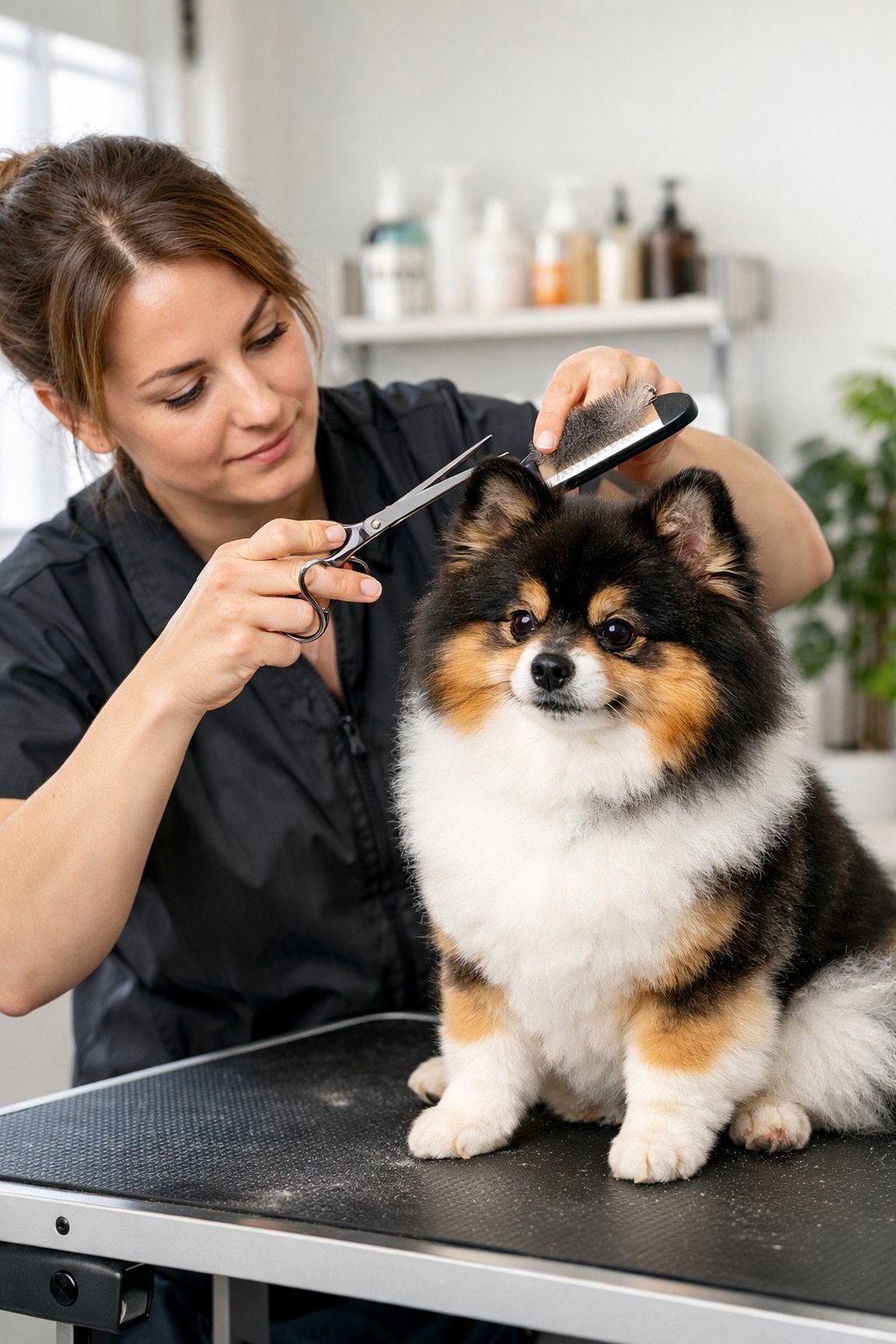
Creative grooming can turn dogs into walking works of art. Special cutting methods, colorful dyes, fun accessories, and themed designs all bring out your dog’s personality.
Stylish Cuts and Shaping Methods
I love trying out different cutting techniques to create unique patterns and shapes. Creative grooming involves techniques like carving designs into the fur for a one-of-a-kind look.
Asian Fusion cuts are super popular with their rounded shapes, teddy bear faces, and sculpted legs. I can even create pom-poms on the tail or shape the ears into cute rounded forms.
Pattern carving lets me shave geometric designs, flowers, or cartoon characters into my dog’s coat. Using different clipper blade lengths adds depth to the design.
The mohawk style is great for bold looks. I leave a strip of longer fur down the center and clip the sides short, making it spiky or smooth depending on the vibe.
Accessorizing with Bows and Bandanas
Accessories add instant charm without any permanent changes. I keep a stash of different styles for all kinds of occasions.
Bows are perfect for topknots and ear decorations. I pick colors that match my dog’s coat, and silk or grosgrain ribbons look especially nice for special events.
Bandanas are my favorite for casual, everyday style. I fold them into triangles and tie them around the neck or slip them through the collar.
Seasonal patterns—like pumpkins for fall or snowflakes for winter—are a fun touch. Scrunchies designed for dogs keep long ear fur neat and add a pop of color.
Small hair clips and barrettes work well for shorter styles. I always make sure accessories fit comfortably and don’t pull fur or restrict movement.
Temporary Dyes and Safe Coloring
I only use pet-safe dyes and coloring products made for dogs. Human hair products can irritate their skin and cause problems.
Temporary chalk is great for beginners since it washes out after one bath and comes in bright colors. I apply it to clean, dry fur and blend with a brush.
Semi-permanent dyes last through several baths, but I always do a patch test first and follow the instructions. These work best on light-colored coats.
Airbrush techniques let me create gradients and detailed designs using stencils for shapes like butterflies or stars. I avoid the face, eyes, ears, and sensitive areas.
When done right, creative grooming with color can be safe and fun for both me and my dog.
Seasonal Grooming Themes
I like to switch up my dog’s look throughout the year to match holidays and seasons. It keeps grooming fun and gives me new creative ideas.
Spring themes use pastel colors, flower patterns, and butterfly designs. A little pink or lavender dye with floral stencils looks adorable.
Summer styles are all about tropical vibes, with bright oranges, blues, and greens for a beachy look. Lion cuts help keep dogs cool and stylish.
Fall designs feature autumn colors like orange, brown, and burgundy. I might carve pumpkin shapes or add leaf patterns, and plaid bandanas are a cute touch.
Winter and holiday themes are the most elaborate. I create snowflake patterns, candy cane stripes, or reindeer designs, using red and green dyes with festive bows.
I plan these looks around grooming schedules so designs grow out before the next seasonal change.
Creating a Grooming Environment With Flair
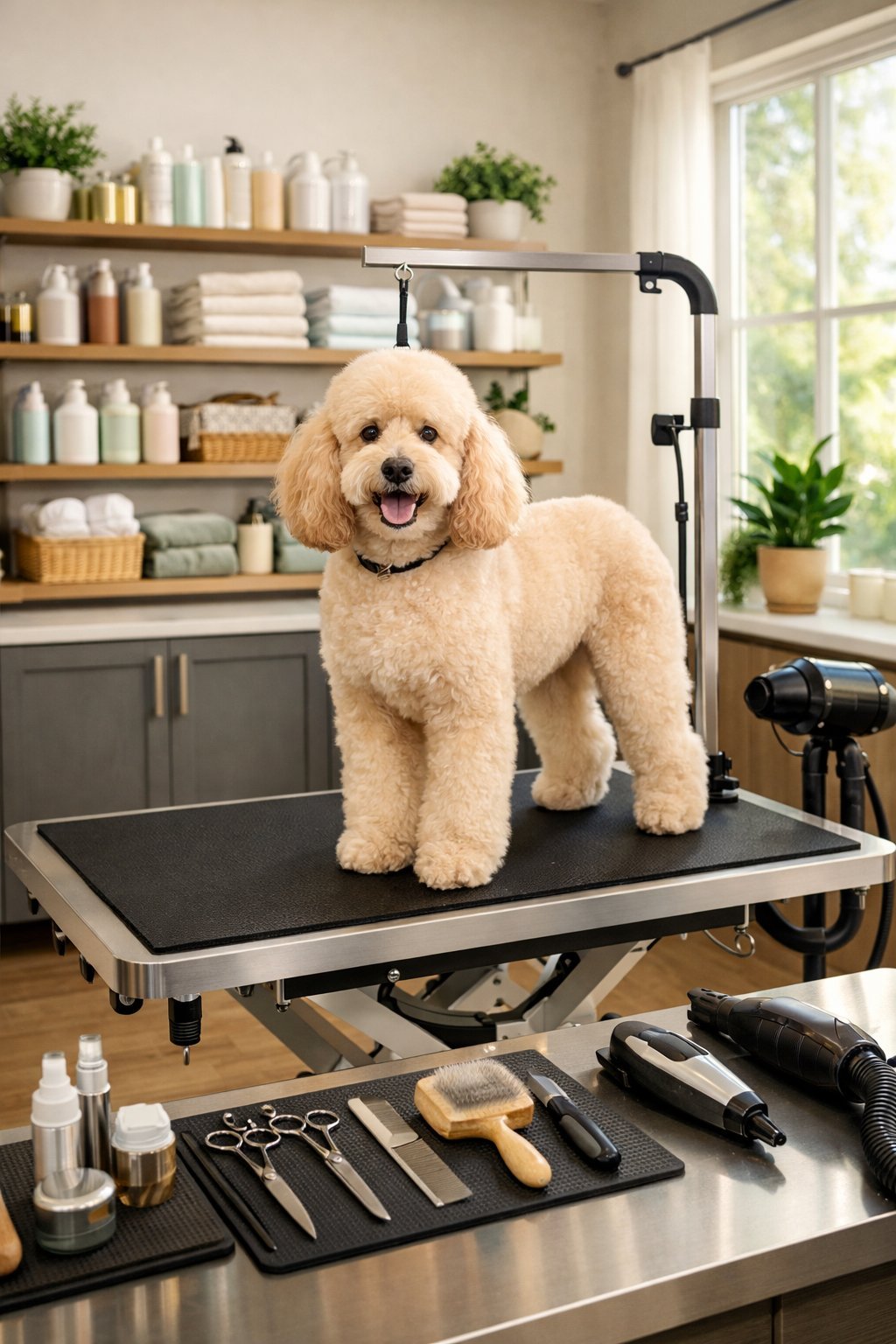
A successful grooming space needs both style and purpose working together. The right design choices help pets feel calm and give pet parents confidence in your services.
Salon Decor and Visual Appeal
Start with the right flooring choice since it affects both function and style. Non-slip surfaces in light colors or subtle patterns keep the space safe and looking modern.
Color palettes matter more than most people think. Soft, calming tones like sage green, light blue, or warm beige on the walls reduce stress for anxious pets and create a spa-like vibe.
Wall decor should be simple but memorable. Hang framed photos of happy clients, paw print artwork, or nature-inspired pieces at human eye level so the space feels open and uncluttered.
Storage solutions need to be practical and attractive. Open shelving with matching containers displays grooming products while keeping them accessible.
Wicker baskets or clear acrylic bins that match your color scheme keep things organized. This makes the space feel tidy and welcoming.
Lighting is a huge factor in how your salon feels. Combine bright task lighting over grooming tables with softer ambient lighting in waiting areas.
Natural light from windows makes the biggest difference when possible. It helps the whole space feel cheerful and fresh.
Ambiance for Pet Comfort
Temperature control is key for keeping pets relaxed. Keep the salon between 68-72°F and adjust based on the season and breeds you’re working with.
Sound levels need careful attention since dogs have sensitive hearing. Play soft classical music or nature sounds at low volume to mask street noise and dryer sounds.
Scent matters but shouldn’t be overwhelming. Use subtle, pet-safe options like lavender or vanilla, and make sure the space is well-ventilated to remove odors naturally.
Create separate spaces for different activities when possible. A quiet waiting area helps nervous pets stay calm away from the grooming action.
Some dogs do better when they can’t see or hear other animals being groomed. Non-slip mats on grooming tables give dogs confidence and prevent injuries.
Keep the salon floor dry and clean throughout the day to avoid slips. Safety and comfort go hand in hand.
Showcasing Results for Clients
Set up a dedicated photo area with good lighting and a clean backdrop. Taking before and after pictures shows off the transformation and gives owners something to share on social media.
Your photo spot can include a simple bench or platform with coordinating pillows or blankets in your brand colors. Keep treats nearby to get dogs looking at the camera with happy expressions.
Digital displays in the waiting area can cycle through recent grooming transformations. This keeps clients entertained while they wait and shows off your skills to new customers.
Keep a physical portfolio book with printed photos organized by breed and service type. Some clients like flipping through pages rather than scrolling on screens.
Social media integration happens naturally when you create shareable moments. Always ask permission before posting and tag clients who want their pets featured online.
Beautiful presentation of grooming results attracts new business through word of mouth.
Maintaining Dog Grooming Aesthetic at Home
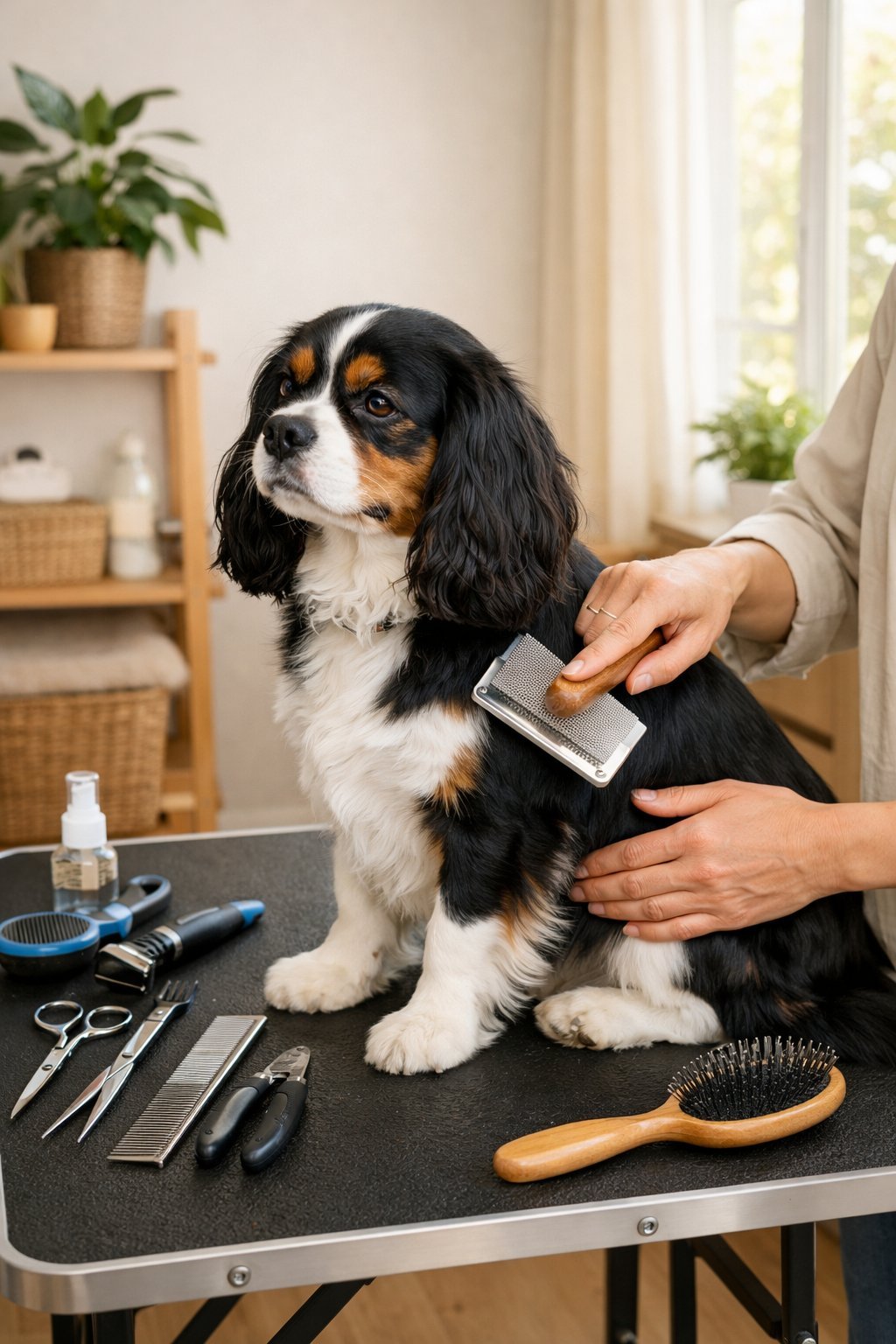
Keeping your dog’s groomed appearance fresh between professional visits takes consistent effort and the right techniques. With proper tools and a regular schedule, you can preserve your dog’s style and keep them healthy and comfortable.
DIY Grooming Tips for Owners
Start with the right tools for your dog’s coat type. For brushing, use slicker brushes for long-haired breeds and bristle brushes for short coats.
Brush in the direction of hair growth to avoid discomfort. For bathing and maintaining the coat’s texture, use breed-specific shampoos that won’t strip natural oils.
Bathe your dog every 4-6 weeks unless they get dirty sooner. For nail trimming, trim small amounts every 2-3 weeks to avoid cutting the quick.
Keep styptic powder nearby in case of bleeding. Clean your dog’s ears weekly with a vet-approved solution and wipe around their eyes daily to prevent tear stains.
Essential Grooming Tools:
- Appropriate brush for coat type
- Dog-specific shampoo and conditioner
- Nail clippers or grinder
- Ear cleaning solution
- Rounded-tip scissors for touch-ups
Routine Care for Longevity of Style
Stick to a consistent grooming schedule to maintain your dog’s appearance. Daily brushing prevents mats and tangles that can ruin a fresh cut.
Spend 5-10 minutes each day working through the coat with your fingers first to locate any knots. Between full baths, do spot cleaning on paws and bellies after outdoor activities.
Trim around the eyes, paws, and sanitary areas every two weeks to keep your dog looking neat. This regular maintenance prevents matting and other issues that could force you to start over with a new style.
Maintain the shape of styled cuts by learning basic scissor techniques. Trim stray hairs that stick out from the intended silhouette.
For dogs with specific breed cuts, watch tutorials or ask your groomer to show you maintenance trimming techniques. Keeping up with these steps helps your dog look and feel their best between salon visits.
Common Challenges and Solutions
Matting is my biggest challenge with long-coated dogs. I work through mats gently with a detangling spray and mat splitter before they become severe.
If mats are too tight to the skin, I know it’s time to consult a professional groomer rather than risk injuring my dog.
I deal with dogs who dislike grooming by breaking sessions into short 5-minute intervals. I use treats and praise to create positive associations.
For nail trimming anxiety, I touch my dog’s paws daily when they’re relaxed to build tolerance.
Uneven trimming happens when I rush the process. I’ve learned to work slowly and step back frequently to check symmetry.
I keep the coat slightly longer than my target length since I can always trim more but can’t add hair back.
