
Dog Grooming Business: A Complete Guide to Starting Your Own Successful Pet Salon

The pet grooming industry is booming and shows no signs of slowing down. More pet owners want professional grooming services for their dogs, which creates a great opportunity for people who love animals.
Starting a dog grooming business lets you turn your passion for pets into a profitable career while providing an essential service that keeps dogs healthy and happy.
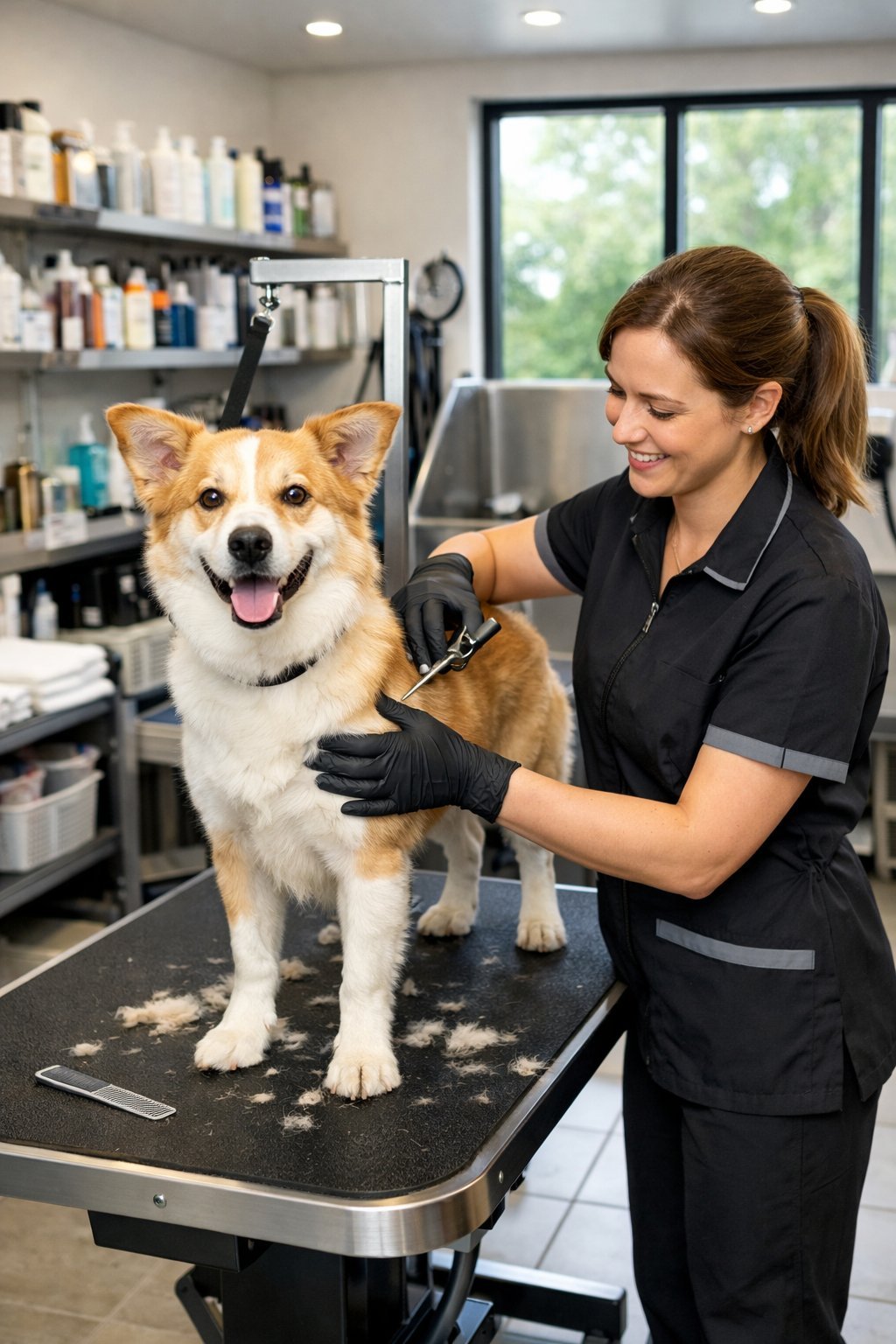
I’ve put together this guide to walk you through everything you need to know about launching your own dog grooming business. Whether you want to work from home, open a salon, or run a mobile grooming service, you’ll find practical steps to get started.
The dog grooming industry provides services that include bathing, brushing, nail trimming, and styling for dogs of all breeds and sizes. This article covers the key areas you need to focus on, from getting the right equipment to attracting your first clients.
I’ll help you understand the costs involved, how to set your prices, and ways to grow your business over time.
Key Takeaways
- You can start a dog grooming business from home, in a salon, or with a mobile unit depending on your budget and preferences
- Essential equipment includes bathing stations, grooming tables, clippers, and quality supplies that keep dogs safe and comfortable
- Marketing through social media, local partnerships, and word-of-mouth referrals helps you build a steady client base
Starting a Dog Grooming Business
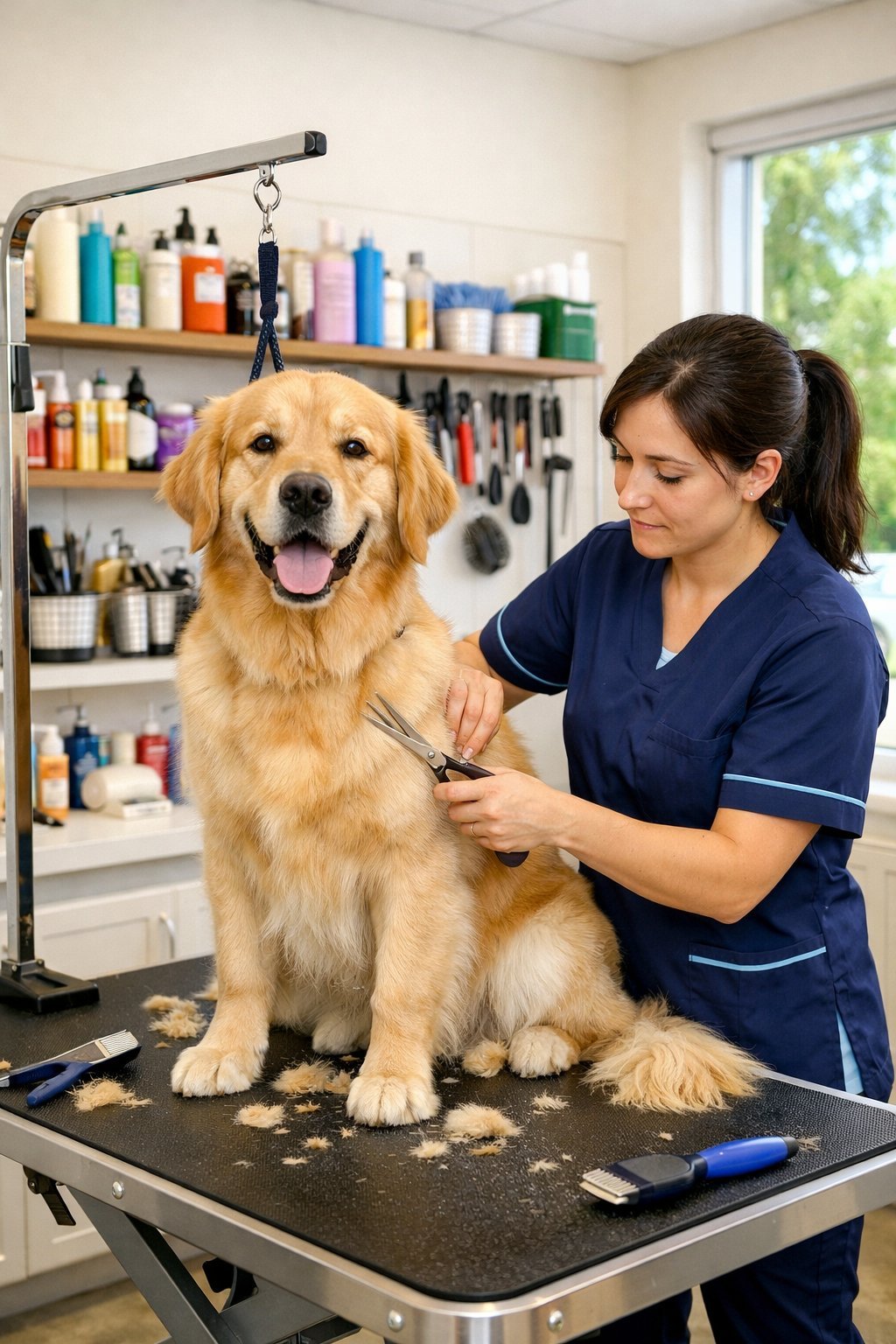
I need to develop a solid business plan, select the right operating model for my skills and budget, and understand the legal requirements in my area before opening my doors to clients.
Business Planning and Licensing
I should start by writing a detailed business plan that outlines my services, target customers, and financial projections. This plan helps me stay focused and can attract investors or secure loans if I need funding.
My business plan needs to include startup costs like equipment, supplies, and space rental. I’ll also want to calculate ongoing expenses such as utilities, insurance, and product inventory.
Getting the proper licenses is a critical step I can’t skip. I typically need a business license from my city or county to operate legally.
Many areas also require a health department permit to ensure I meet safety standards. I may need additional permits depending on where I work.
A zoning permit might be necessary if I plan to run my business from home. Some states require professional grooming certifications or animal handling permits as well.
Choosing a Business Model
I have several options when deciding how to structure my grooming business. Many groomers start small with home-based or mobile grooming services because these require less initial investment.
A mobile grooming business lets me travel to clients’ homes with a van equipped with grooming tools. This model offers flexibility and lower overhead since I don’t pay for a storefront.
However, I’ll need to invest in a proper vehicle and mobile equipment. Opening a physical salon gives me more space and the ability to serve multiple dogs at once.
I can hire staff and build an established location that customers recognize. The tradeoff is higher rent and utility costs.
Working from home keeps my expenses low while I build a client base. I’ll need to check local zoning laws and make sure my home insurance covers business activities.
Understanding Local Regulations
I need to research my state and local laws before launching my dog grooming business to avoid fines or shutdowns. Regulations vary widely depending on where I live.
Most cities require me to register my business name and obtain a general business license. I should contact my local city hall or county clerk’s office to find out exactly what I need.
Health and safety regulations often apply to pet grooming businesses. I might need inspections of my workspace to ensure proper sanitation and ventilation.
Some areas require me to have specific waste disposal procedures for pet hair and other materials. I should also check if my state requires professional certification or training hours.
While not all states mandate formal grooming education, having credentials helps me build trust with customers and may be legally required in my area.
Equipment and Supplies
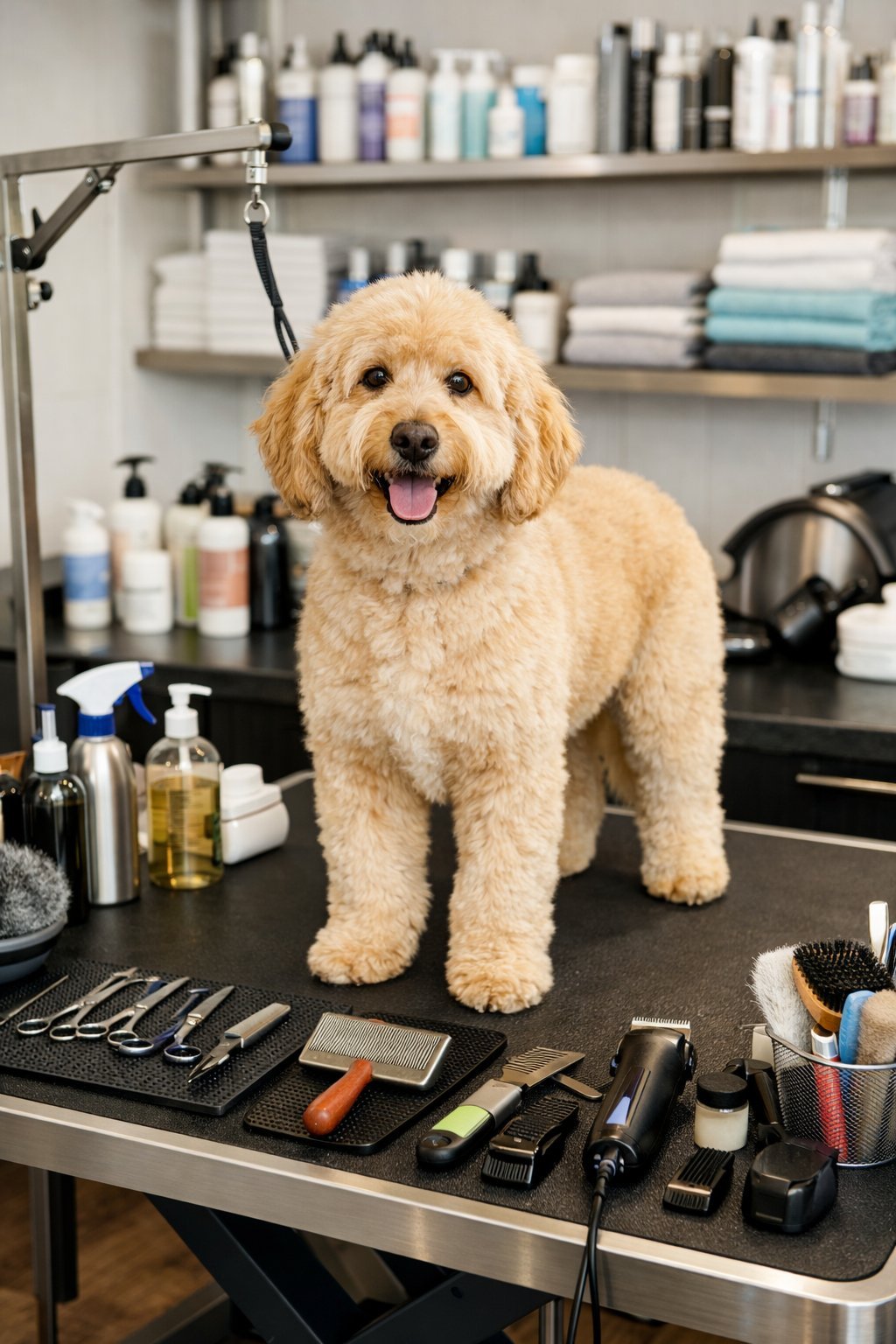
Getting the right equipment makes grooming safer and more efficient for both you and the dogs. I’ll need to invest in quality tools upfront, but professional-grade supplies last longer and deliver better results.
Essential Grooming Tools
The foundation of my grooming setup starts with a sturdy grooming table. I need one with a non-slip surface and adjustable height to work comfortably with dogs of all sizes.
A grooming arm and leash attachment keeps dogs secure during grooming. Clippers are my most important cutting tool.
I should get a high-quality clipper with multiple blade sizes for different coat lengths and body areas. Professional grooming clippers and shears handle daily use better than consumer models.
My tool kit also needs scissors in several styles. Straight shears work for most cuts, while curved shears help shape rounded areas.
Thinning shears blend and soften harsh lines. For bathing, I need a wash station or tub at a comfortable height.
A handheld spray nozzle with adjustable pressure makes rinsing easier. I’ll use different shampoos and conditioners based on coat type and skin conditions.
Brushes and combs in various styles handle different coat types. Slicker brushes remove mats and loose fur.
Metal combs help me check for remaining tangles. A high-velocity dryer cuts drying time and works better than household hair dryers.
Sanitation and Safety Supplies
Keeping my workspace clean protects the health of every dog I groom. I need disinfectant sprays and solutions to sanitize tools, tables, and tubs between appointments.
Hospital-grade products kill bacteria and viruses effectively. I should stock restraints like grooming loops and muzzles for dogs who get anxious or aggressive.
These tools keep both of us safe during stressful moments. Non-slip mats prevent dogs from sliding on wet surfaces.
First aid supplies handle minor injuries quickly. My kit needs styptic powder for nail bleeding, antiseptic for small cuts, and cotton balls for cleaning ears.
I also keep towels, aprons, and gloves on hand to stay dry and protected during baths.
Setting Up Your Grooming Space
My grooming area needs good lighting so I can see details clearly. Natural light works best, but bright LED fixtures provide consistent illumination.
Proper ventilation removes pet dander and keeps the air fresh. I need adequate storage for supplies and equipment.
Shelving units organize products by type. Tool carts keep frequently used items within reach.
Setting up grooming kennels gives dogs a safe place to wait before and after appointments. The floor should be water-resistant and easy to clean.
Rubber mats in bathing areas prevent slipping. I need access to hot and cold water, plus electrical outlets for clippers and dryers.
Services and Pricing
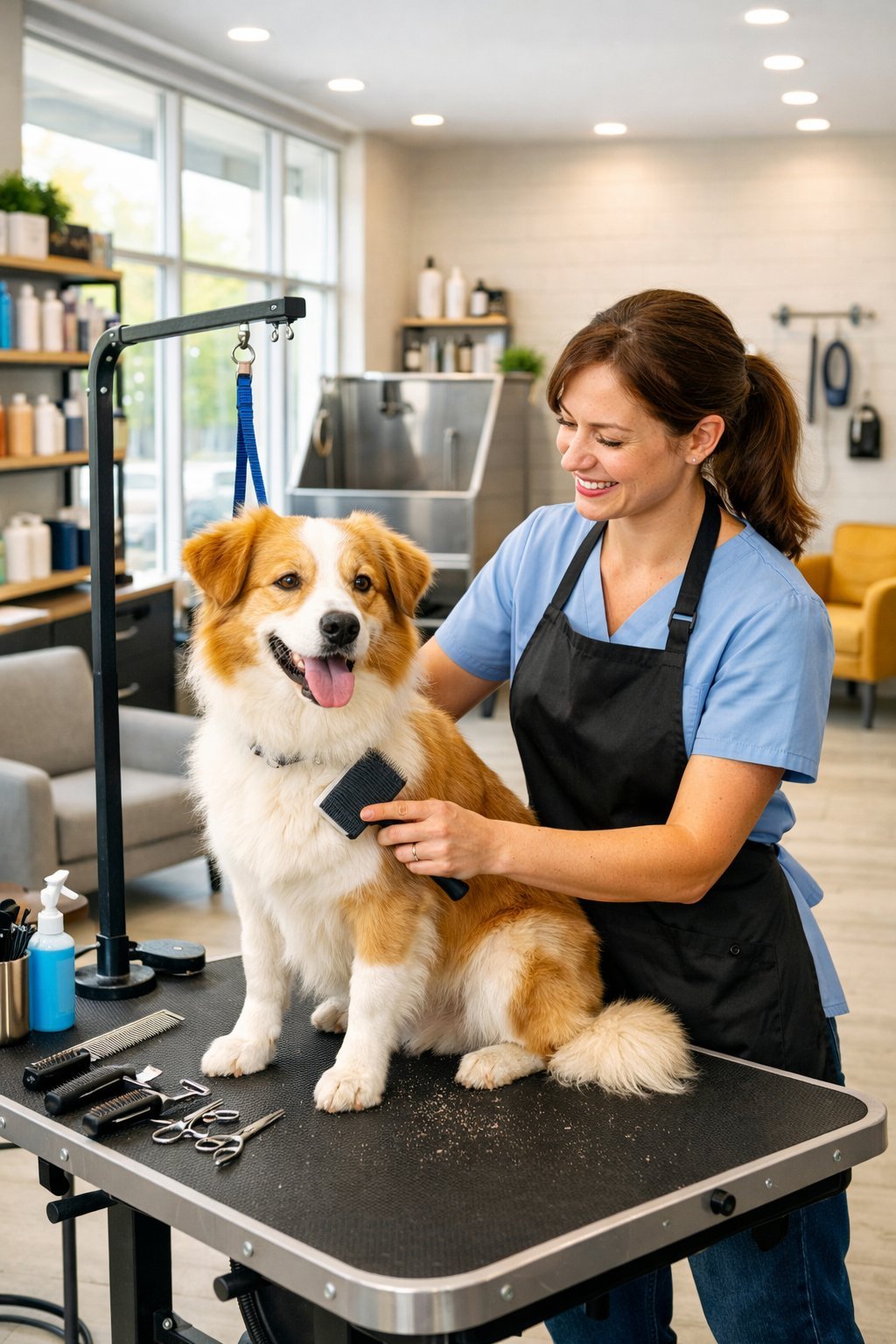
Your pricing strategy and service menu will directly impact your profitability and client retention. The key is balancing what clients need with what keeps your business sustainable.
Determining Service Offerings
I recommend starting with core services that most dog owners need regularly. Basic baths, haircuts, nail trimming, and ear cleaning form the foundation of any grooming business.
Once you establish these basics, you can add specialty services. These might include teeth brushing, de-shedding treatments, flea baths, or breed-specific styling.
Mobile grooming services offer convenience for busy pet owners who prefer at-home appointments. Consider your skill level and available equipment when deciding what to offer.
It’s better to do fewer services well than to overpromise and underdeliver. You can always expand your menu as you gain experience and invest in more tools.
Setting Competitive Prices
I base my pricing on three main factors: the time each service takes, my overhead costs, and what competitors charge locally. Understanding operational costs helps ensure you cover expenses like supplies, utilities, and employee wages.
Dog size typically determines the base price. A small dog bath might cost $30-40, while a large dog could cost $60-80 for the same service.
Coat condition also matters—matted fur requires extra time and effort. Research what other groomers in your area charge.
You don’t need to be the cheapest option. Many pet owners gladly pay more for quality service and a stress-free experience for their dogs.
Creating Service Packages
I bundle popular services together at a slight discount to encourage clients to book more comprehensive appointments. A “Full Groom Package” might include bath, haircut, nail trim, and ear cleaning for one set price.
Monthly membership plans help build steady income. For example, I might offer unlimited baths for $75 per month or a full groom every six weeks at a reduced rate.
This pricing model approach creates predictable revenue while giving clients better value. Seasonal packages work well too.
A “Spring Shed Special” or “Holiday Spa Day” can attract new clients during slower periods.
Marketing Your Dog Grooming Business
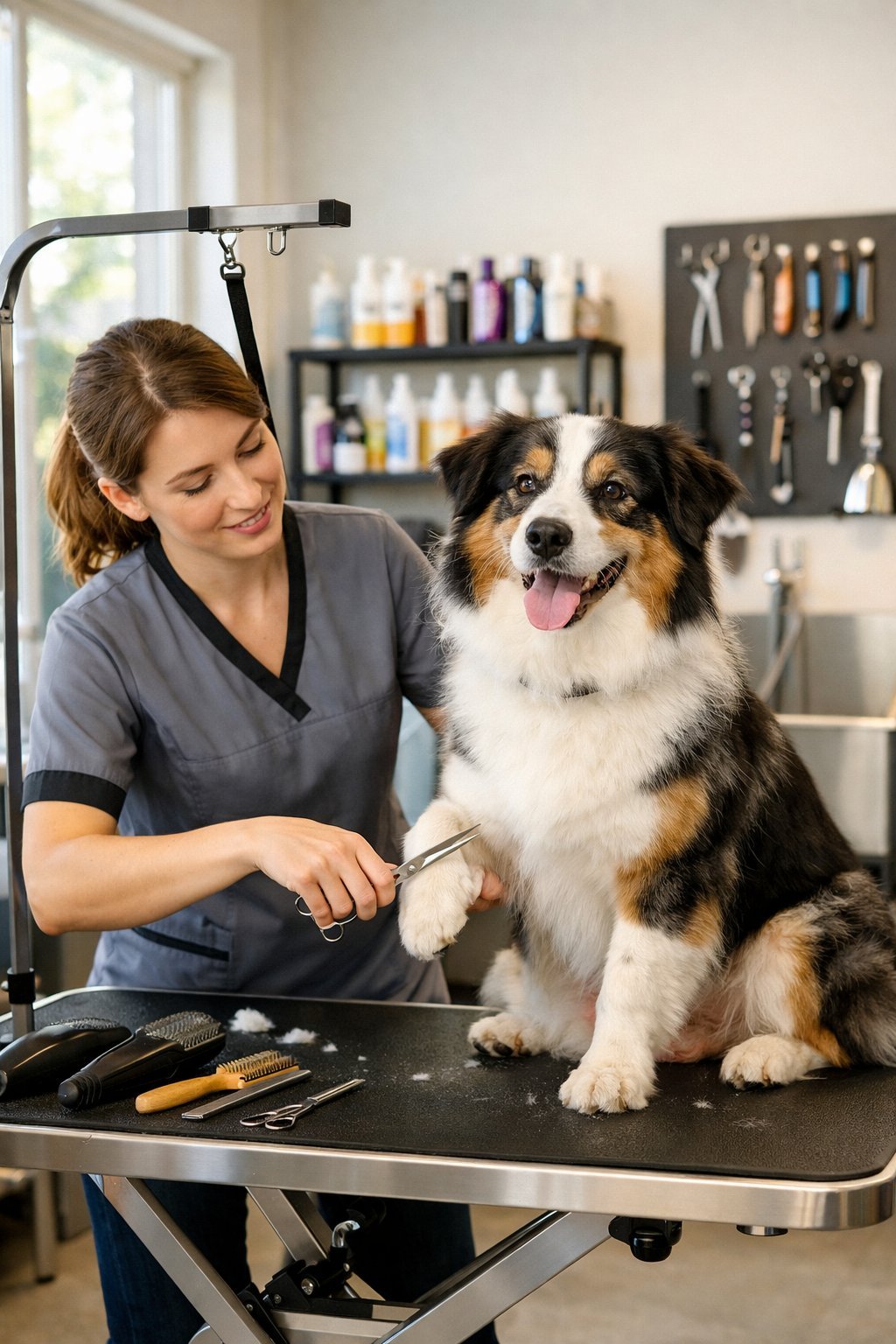
I’ve learned that successful marketing combines digital visibility with community connections and word-of-mouth growth. These three approaches work together to fill my appointment calendar consistently.
Building an Online Presence
I recommend starting with a professional website that displays my services, pricing, and contact information clearly. Pet owners search online first, so I make sure my business appears on Google Business Profile with accurate hours and location details.
Social media platforms like Instagram and Facebook let me showcase my grooming techniques and facilities through photos and videos. I post before-and-after pictures of dogs I’ve groomed at least three times per week.
This visual content attracts new clients who want to see my work quality. I also collect online reviews from satisfied customers.
Positive reviews on Google and Facebook build trust with people who haven’t used my services yet. I politely ask happy clients to leave feedback after their appointments.
Local Advertising Strategies
I partner with nearby pet stores, veterinary clinics, and dog trainers to display my business cards and flyers. These locations already serve my target customers, making them perfect spots for promotion.
I participate in community events like pet adoption days and farmers markets. Setting up a booth lets me meet dog owners face-to-face and offer special discounts for new clients who sign up on the spot.
Local newspaper ads and community bulletin boards still work well in my area. I design simple ads that highlight my unique services like spa treatments or special handling for anxious dogs.
Direct mail postcards to neighborhoods within five miles of my shop also bring in new customers.
Customer Referral Programs
I offer my existing clients $10 off their next grooming when they refer a friend who books an appointment. This reward motivates them to spread the word about my business naturally.
I create referral cards that clients can hand to other dog owners at parks or dog-friendly cafes. Each card includes a unique code so I can track which client made the referral and apply their discount.
Loyalty programs encourage repeat business too. I give clients a free nail trim after every five full grooming appointments.
This keeps them coming back while they tell friends about the value they receive.
Managing Operations and Growth
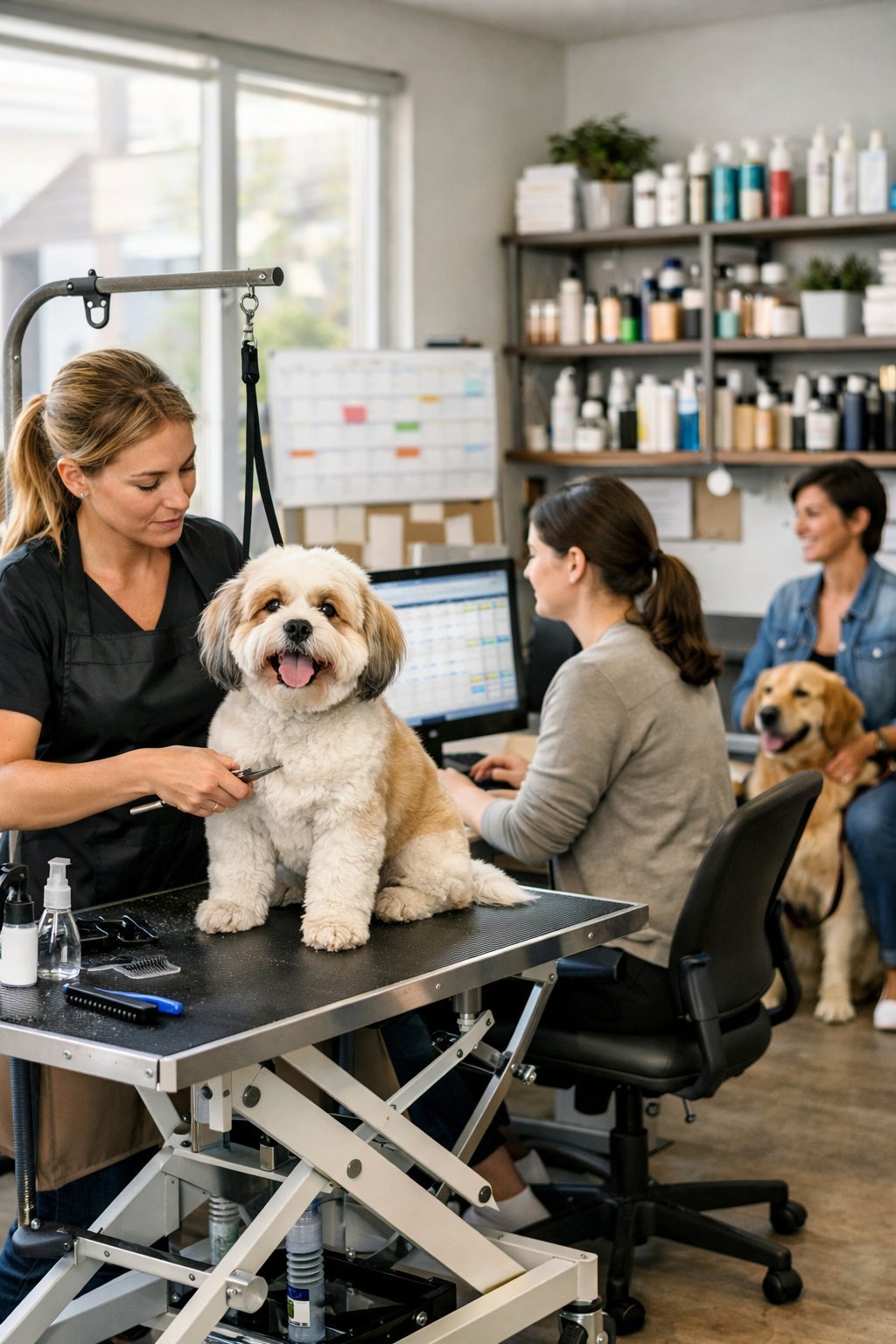
Running a successful dog grooming business means having solid systems for daily tasks. Smart planning for expansion is also important.
I focus on three key areas: keeping appointments organized, building a skilled team, and offering services that meet customer needs.
Scheduling and Client Management
I use pet care business software to handle my bookings and client records. These tools let me schedule appointments, send automatic reminders, and keep detailed notes about each dog’s grooming history and special needs.
A good client database helps me remember important details. I track things like a dog’s temperament, preferred grooming style, allergies, and past services.
This information makes each visit better for the pet and owner. I also set up a clear booking system that reduces gaps in my schedule.
I group similar services together when possible. Leaving buffer time between appointments helps with cleanup or dogs that need extra attention.
Hiring and Training Staff
When my business grows, I need to hire groomers who share my commitment to quality and pet safety. I look for people with grooming certificates and experience handling different dog breeds and temperaments.
Training new staff members takes time but it’s worth the investment. I teach them my specific grooming techniques, customer service standards, and safety protocols.
Regular training sessions help everyone stay updated on new grooming methods and products. Creating a positive work environment keeps good employees around longer.
I offer fair pay and flexible schedules when possible. There are also opportunities for groomers to learn advanced skills or specialize in certain services.
Expanding Your Services
Adding new services can help me grow my pet grooming business beyond just baths and haircuts. Some popular options are nail grinding, teeth brushing, de-shedding treatments, and specialty spa packages.
I always think about what my clients actually want before adding something new. I ask for feedback and pay attention to which add-ons get requested the most.
Some groomers branch out into mobile grooming, retail products, or even daycare services. Each new service needs the right equipment, training, and some research on pricing.
I like to start with one or two new additions at a time. That way, I don’t overwhelm myself or my staff with too many changes all at once.
