Dog Grooming for Beginners: Essential Tips to Keep Your Pup Looking Their Best

Dog Grooming For Beginners – Grooming your dog at home might seem scary at first, but it doesn’t have to be. Learning basic dog grooming techniques helps you keep your pet healthy, comfortable, and looking great while saving money on professional grooming visits.
I know it can feel overwhelming when you’re just starting out.
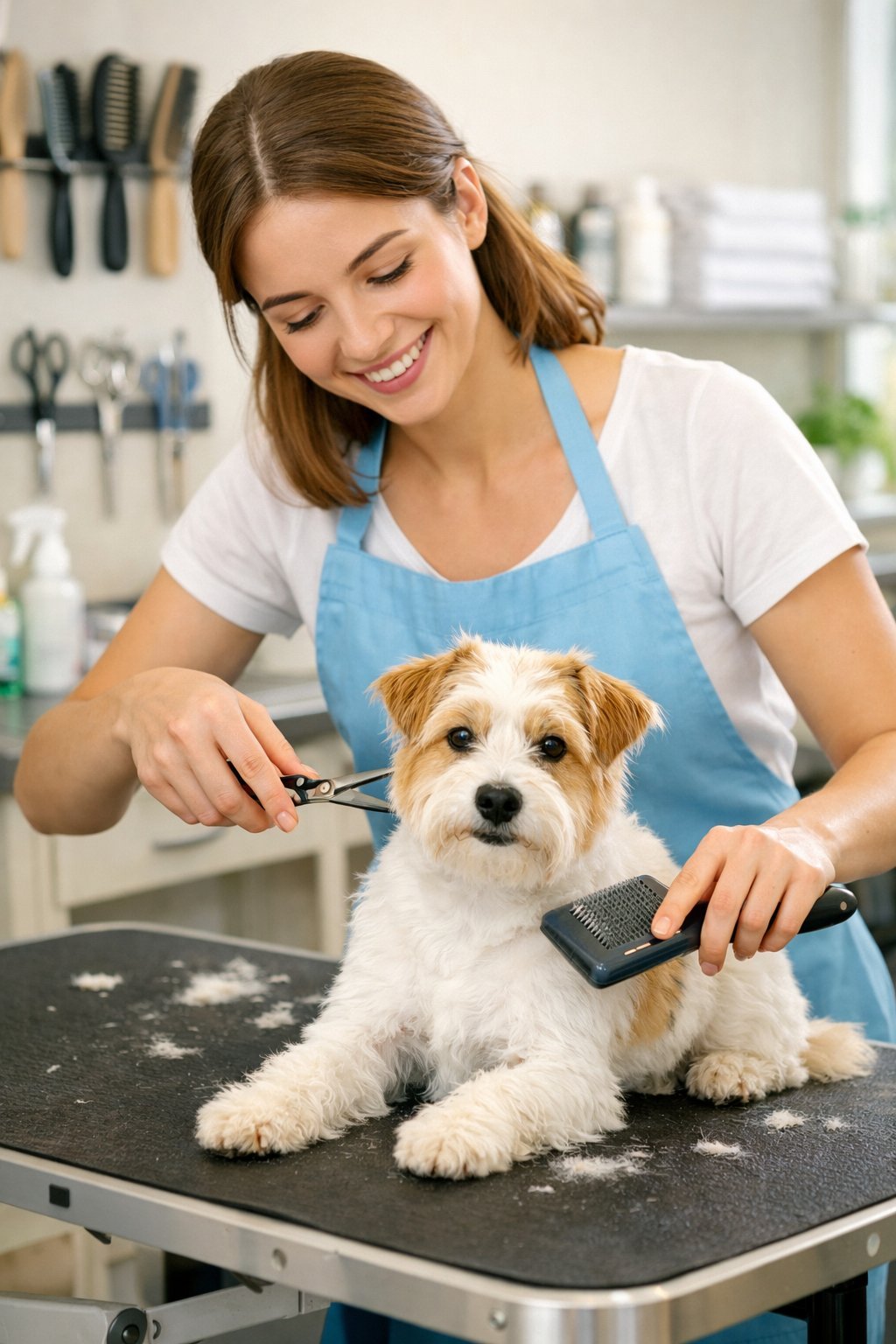
The good news is that you don’t need fancy skills or expensive equipment to groom your dog well. With the right tools and a simple routine, you can handle most grooming tasks yourself.
Home dog grooming becomes easier once you understand what your dog needs and how to do each step safely. This guide will walk you through everything you need to know as a beginner.
You’ll learn which tools to buy, how to brush different coat types, and ways to keep your dog relaxed during grooming. I’ll also share step-by-step instructions for cleaning ears, trimming nails, and bathing your pet properly.
Key Takeaways
- You need basic tools like brushes, nail clippers, and dog shampoo to start grooming at home
- Regular brushing, nail trimming, and cleaning your dog’s ears and teeth prevents health problems
- Staying calm and using treats helps your dog feel comfortable during grooming sessions
Essential Dog Grooming Tools
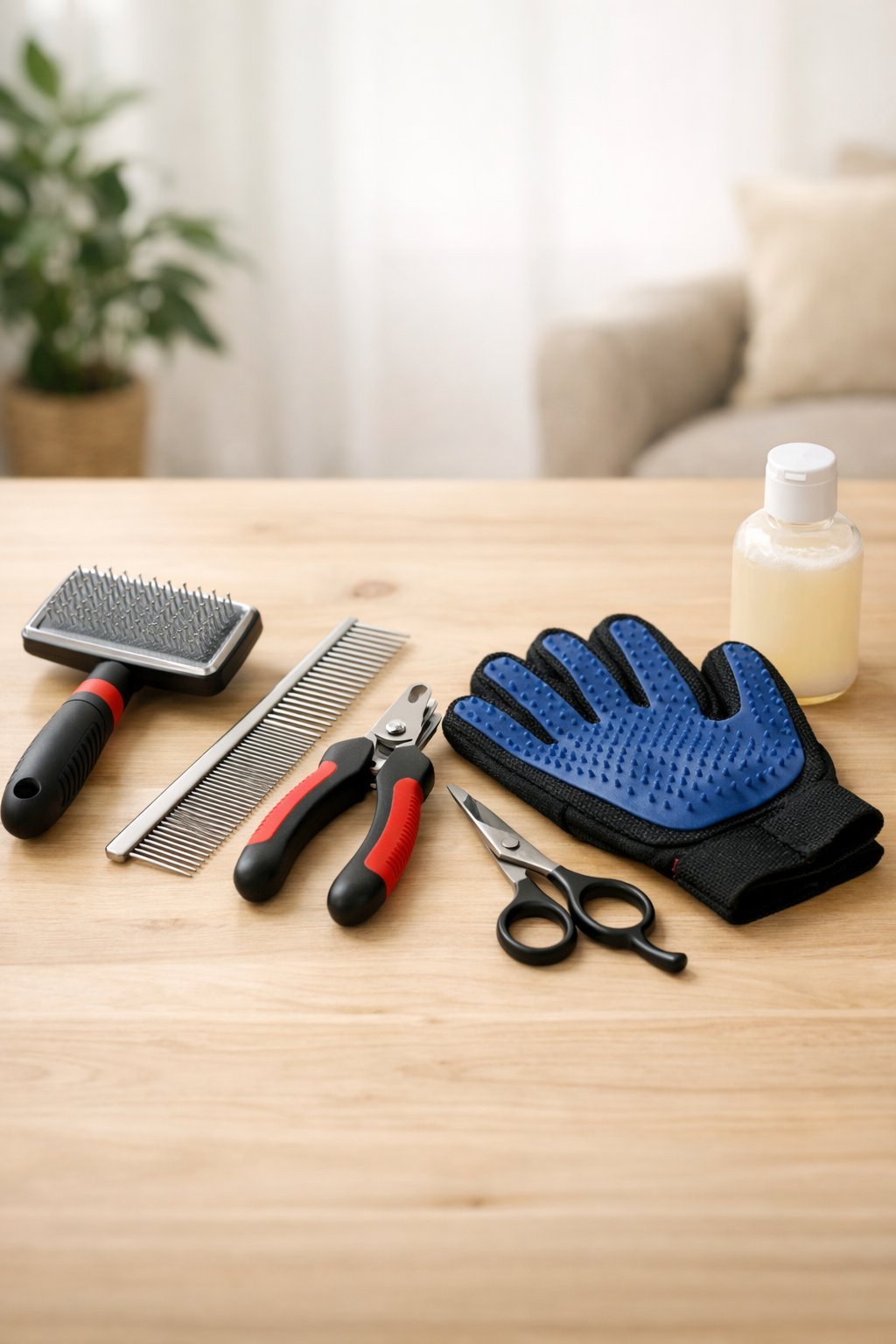
Having the right tools makes grooming easier and safer for both you and your dog. I’ll cover the brushes, shampoos, and nail care items that form the foundation of any grooming routine.
Brushes and Combs
I recommend starting with a slicker brush for everyday grooming since it works well on most coat types. These brushes have fine, bent wire bristles that remove loose fur and prevent matting.
A pin brush is my second choice for dogs with longer coats. The rounded tips massage the skin while detangling fur without causing discomfort.
I also keep a metal comb in my kit for checking my work and finding any tangles I missed. Look for one with both wide and narrow teeth to handle different areas of your dog’s coat.
Key brush types I use:
- Slicker brush for removing loose fur and mats
- Pin brush for long-coated breeds
- Metal comb for detailed work
- Undercoat rake for double-coated dogs (if needed)
The type of brush you need depends on your dog’s coat. Short-haired dogs do well with rubber curry brushes, while long-haired breeds need more specialized tools.
Shampoos and Conditioners
I always use dog-specific shampoo because human products have the wrong pH balance for canine skin. This can cause dryness and irritation that leads to itching and discomfort.
Choose a mild, hypoallergenic formula if you’re unsure what your dog needs. I look for products without harsh chemicals or strong fragrances.
Conditioner helps keep longer coats manageable and prevents tangling after baths. I apply it after rinsing out the shampoo completely.
For dogs with skin issues, I consult my vet about medicated shampoos. Oatmeal-based formulas work well for dogs with sensitive or dry skin.
Nail Clippers and Grinders
I prefer guillotine-style or scissor-style clippers for trimming my dog’s nails at home. Guillotine clippers work best for small to medium dogs, while scissor-style handles larger, thicker nails better.
Nail grinders are my alternative when my dog is nervous about clippers. They file down the nail gradually with a rotating head, which gives me more control and reduces the risk of cutting too short.
I make sure to have styptic powder on hand in case I accidentally cut the quick. This stops bleeding quickly and prevents panic during grooming sessions.
My nail care essentials:
- Clippers sized appropriately for my dog
- Nail grinder (optional but helpful)
- Styptic powder for emergencies
- Treats for positive reinforcement
I trim nails every 3-4 weeks to keep them at a healthy length. Regular trimming prevents the quick from growing too long.
Step-By-Step Basic Grooming Routine
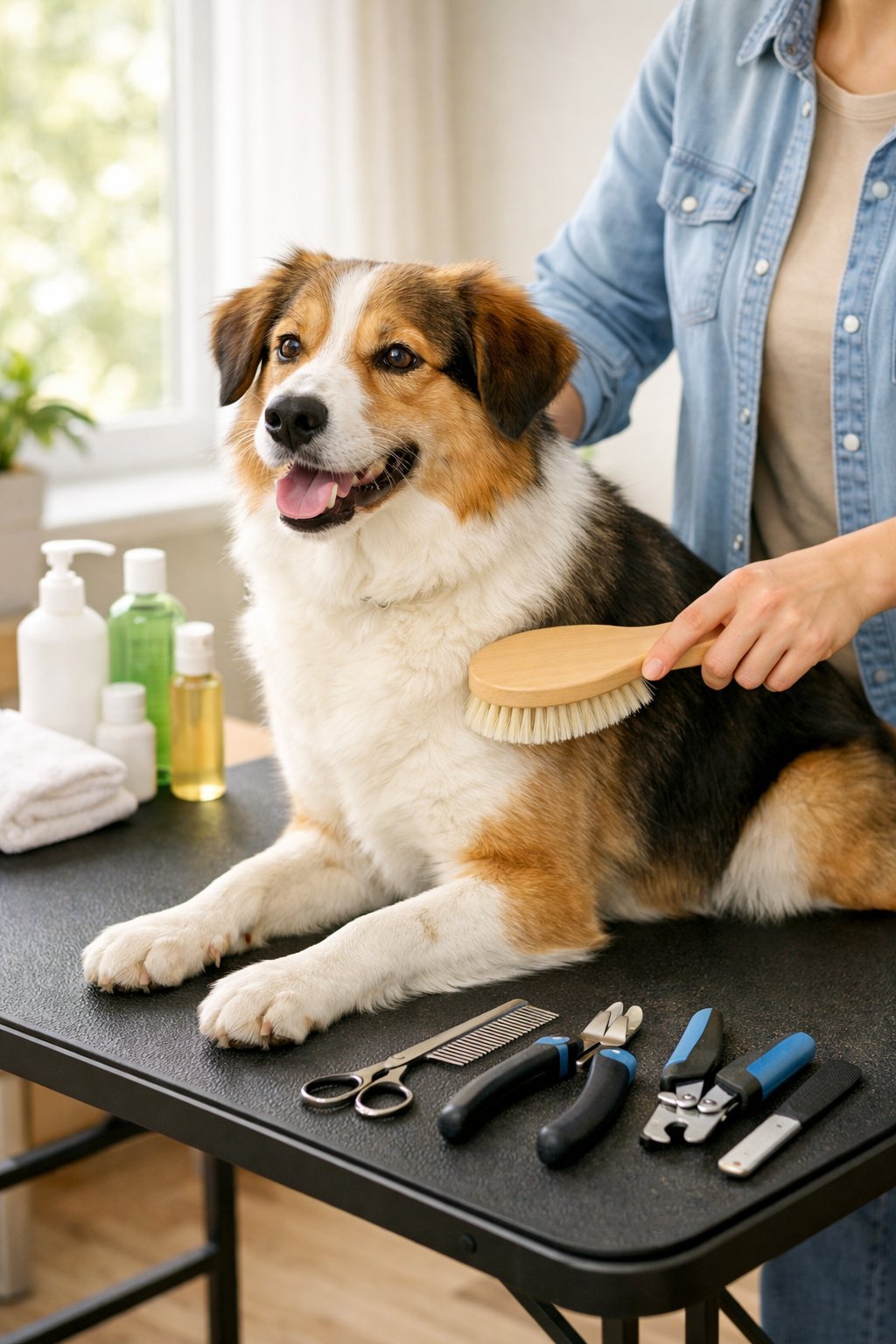
I’ll walk you through the three core grooming tasks that keep your dog healthy and comfortable: brushing to remove loose fur and prevent mats, bathing to maintain clean skin and coat, and trimming nails to protect their paws and posture.
Brushing Your Dog’s Coat
I always start my grooming routine with brushing because it removes dirt, loose hair, and tangles before bath time. The type of brush I use depends on my dog’s coat.
Short-haired dogs do well with rubber curry brushes or bristle brushes, while long-haired breeds need slicker brushes or metal combs. I brush in the direction of hair growth, starting at the head and working toward the tail.
For dogs with longer coats, I work in small sections to catch any mats or tangles. If I find a mat, I gently work it apart with my fingers or a dematting tool rather than pulling.
How often to brush:
- Short coats: Once per week
- Medium coats: 2-3 times per week
- Long or thick coats: Daily
Regular brushing helps prevent health issues and gives me a chance to check for skin problems, bumps, or parasites. I make each session positive by offering treats and praise throughout.
Bathing Your Dog Safely
I bathe my dog every 4-8 weeks, though this varies based on breed and activity level. Bathing too often can strip natural oils from their skin.
Before starting, I gather everything I need: dog-specific shampoo, towels, a non-slip mat, and a cup or handheld sprayer. I brush my dog first to remove loose hair and mats.
I place a rubber mat in the tub to prevent slipping and use lukewarm water. I wet my dog thoroughly, starting from the neck down and avoiding the face.
Then I apply shampoo and work it into a lather, massaging it into the coat. I’m careful around sensitive areas like ears and eyes.
Bath time tips:
- Use cotton balls in ears to keep water out
- Rinse thoroughly to prevent skin irritation
- Clean the face last with a damp washcloth
- Dry with towels or a low-heat dryer
I never use human shampoo because it has the wrong pH balance for dogs. Step-by-step grooming care includes using products made specifically for pets.
Trimming Nails
I trim my dog’s nails every 3-4 weeks to prevent discomfort and joint problems. Long nails can split, catch on things, or force your dog to walk unnaturally.
I use either scissor-style clippers for small dogs or guillotine-style clippers for larger breeds. Before cutting, I locate the quick—the pink part inside the nail that contains blood vessels and nerves.
On light-colored nails, I can see it easily. On dark nails, I trim small amounts at a time.
I hold my dog’s paw firmly but gently and cut at a 45-degree angle, removing just the curved tip. If I accidentally cut the quick and it bleeds, I apply styptic powder to stop the bleeding.
Signs nails are too long:
- Clicking sounds on hard floors
- Nails touch the ground when standing
- Paws turn sideways when walking
I keep sessions short and reward my dog after each paw. Patience during nail trims builds trust for future grooming sessions.
Handling Different Coat Types

Different dogs need different grooming approaches based on their fur. Understanding your dog’s coat type helps me choose the right tools and techniques to keep them comfortable and healthy.
Short-Haired Breeds
I find short-haired dogs like Beagles, Boxers, and Dalmatians are the easiest to groom. Their coats typically measure less than one inch long and lie close to their skin.
Brushing needs: I brush these breeds once or twice a week with a rubber curry brush or bristle brush. This removes loose hair and spreads natural oils across their coat.
Bathing schedule: Short-haired dogs need baths every 6-8 weeks, unless they get dirty or smelly. I use a gentle dog shampoo and make sure to rinse thoroughly.
These breeds shed year-round, so regular brushing helps control the hair around my house. I spend about 5-10 minutes per grooming session.
A grooming glove works great for giving them a quick once-over between full brushing sessions.
Long-Haired Breeds
Long-haired breeds like Golden Retrievers, Yorkshire Terriers, and Shih Tzus require more attention. Their flowing coats can mat and tangle easily if I don’t stay on top of grooming.
I brush these dogs daily using a slicker brush and metal comb. Long hair requires specific detangling tools to work through knots without hurting my dog.
I always start at the ends and work my way up to the skin.
Key grooming steps:
- Check for mats behind ears, under legs, and around the tail
- Use detangling spray on stubborn knots
- Trim hair around eyes, paws, and sanitary areas monthly
- Bathe every 4-6 weeks with moisturizing shampoo
I pay special attention to areas where friction occurs. These spots mat faster than others.
Professional grooming every 6-8 weeks helps keep their coat manageable between my at-home sessions.
Double-Coated Breeds
Double-coated breeds like Huskies, German Shepherds, and Corgis have two layers of fur. The soft undercoat insulates them, while the longer guard hairs protect against weather and dirt.
These dogs go through heavy shedding periods twice a year called “blowing their coat.” During these times, I brush them daily with an undercoat rake or de-shedding tool.
Double coats need proper brushing techniques to reach both layers.
My grooming routine:
- Brush 2-3 times weekly during normal periods
- Increase to daily brushing during shedding season
- Use a slicker brush for the top coat
- Follow with an undercoat rake to remove loose fur
- Never shave double-coated dogs (it damages their natural temperature regulation)
I bathe these breeds every 8-12 weeks. More frequent bathing can dry out their skin and strip essential oils from their coat.
Cleaning Ears, Eyes, and Teeth
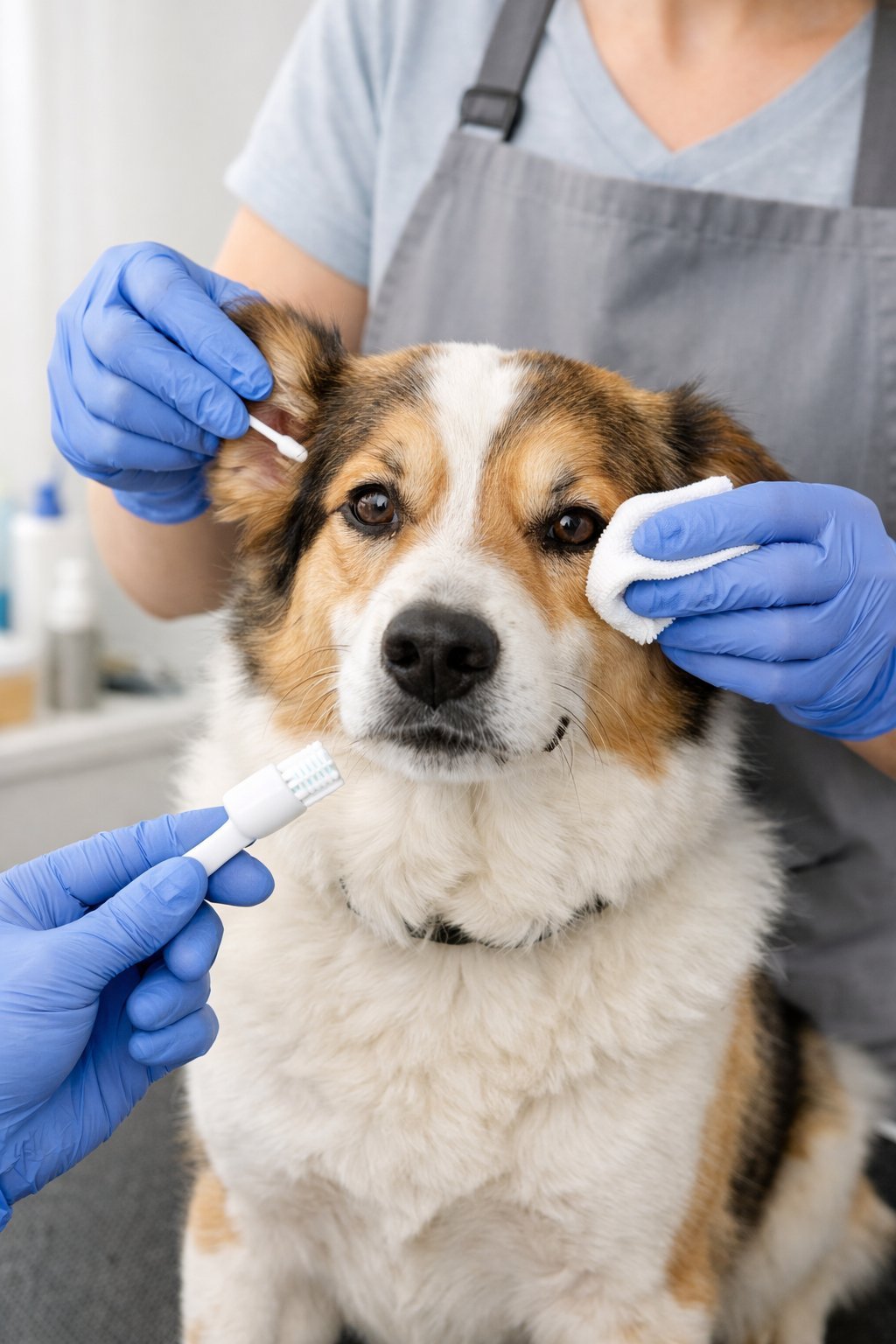
Keeping your dog’s ears, eyes, and teeth clean prevents infections and keeps them comfortable. Regular cleaning of these areas takes just a few minutes but makes a big difference in your dog’s health.
Ear Care Essentials
I always check my dog’s ears once a week for dirt, wax, or bad smells. Cleaning your dog’s ears prevents buildup of wax, dirt, and moisture that can cause painful infections.
I use a dog-specific ear cleaning solution and cotton balls. I never use cotton swabs because they can push debris deeper into the ear canal or damage the eardrum.
Here’s how I clean my dog’s ears:
- Lift the ear flap gently
- Squeeze cleaning solution into the ear canal
- Massage the base of the ear for 20-30 seconds
- Let my dog shake their head
- Wipe away loosened debris with a cotton ball
I stop immediately if my dog shows pain or if I see redness, swelling, or discharge. These signs mean a vet visit is needed.
Eye Cleaning Tips
I wipe my dog’s eyes daily to get rid of tear stains and debris. Some dogs have more eye discharge than others, especially breeds with short noses or long hair around their faces.
I use a soft, damp cloth or pet-safe eye wipes. I gently wipe from the inner corner outward, making sure to use a clean section of the cloth for each eye.
Normal eye discharge is clear or just a little cloudy. Signs of abnormal discharge include:
- Yellow or green color
- Thick or crusty texture
- Excessive tearing
- Redness around the eyes
I never use soap or human eye drops on my dog. If I spot abnormal discharge or notice my dog pawing at their eyes, I call my vet.
Simple Dental Hygiene
I brush my dog’s teeth at least three times a week to help prevent plaque and gum disease. Dental care is essential for your dog’s overall well-being and can prevent serious health problems.
I use a dog toothbrush or a finger brush with toothpaste made for dogs. Human toothpaste isn’t safe for pups, so I always skip it.
I let my dog taste the toothpaste first. Then I lift their lip and brush in small circles, focusing on the outer surfaces of the teeth.
I spend about two minutes brushing. If my dog isn’t into brushing, I offer dental chews or toys that help reduce plaque.
I also add water additives made for dogs to help keep their teeth cleaner between brushings.
Keeping Your Dog Calm and Comfortable
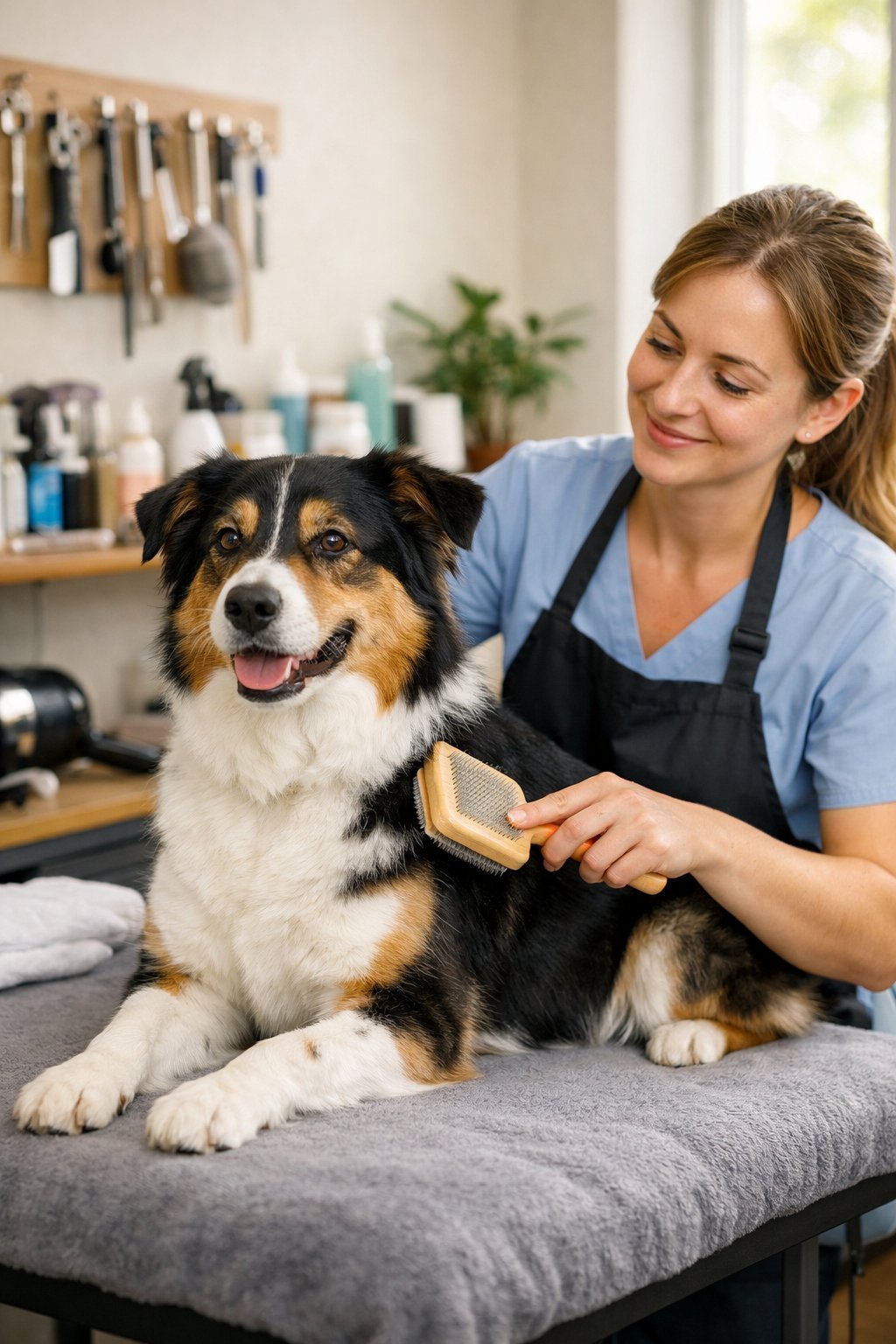
Creating a relaxed environment makes grooming sessions easier for both me and my dog. The right timing and setting can help prevent stress.
Building Positive Associations
I introduce grooming tools gradually. I let my dog sniff the brush, clippers, or nail trimmers before using them.
I pair each grooming activity with something my dog loves, like treats, praise, or a favorite toy. When I first pick up a brush, I give my dog a small treat right away.
Early grooming sessions are super short, sometimes just 30 seconds of gentle brushing followed by a reward. This helps my dog connect grooming with good things.
I use positive reinforcement throughout the process. Every time my dog stays calm while I touch their paws or ears, I reward that behavior.
I never force my dog to keep going if they seem really scared. Pushing too hard can make future grooming a lot harder.
Choosing the Right Time and Place
I pick a time when my dog is naturally calm. Right after a walk or play session usually works best because my dog has less energy to resist.
I avoid grooming when my dog is hungry or overly excited. Lots of distractions can make things harder, so I try to keep the environment as calm as possible.
A quiet spot with good lighting is ideal. I like using a bathroom or laundry room with a door I can close to cut down on noise and interruptions.
A non-slip mat on the floor or table helps my dog feel more secure. It makes the whole process smoother for both of us.
I keep my own energy calm and patient during grooming. Dogs pick up on our emotions, so staying relaxed helps my dog stay chill too.