
Dog Hiking Backpack: Essential Gear for Adventure-Ready Pups

Taking your dog on a hike becomes easier when they carry their own gear. A dog hiking backpack lets your pup carry water, treats, poop bags, and other supplies on the trail. This frees up space in your own pack and gives your dog a job to do.
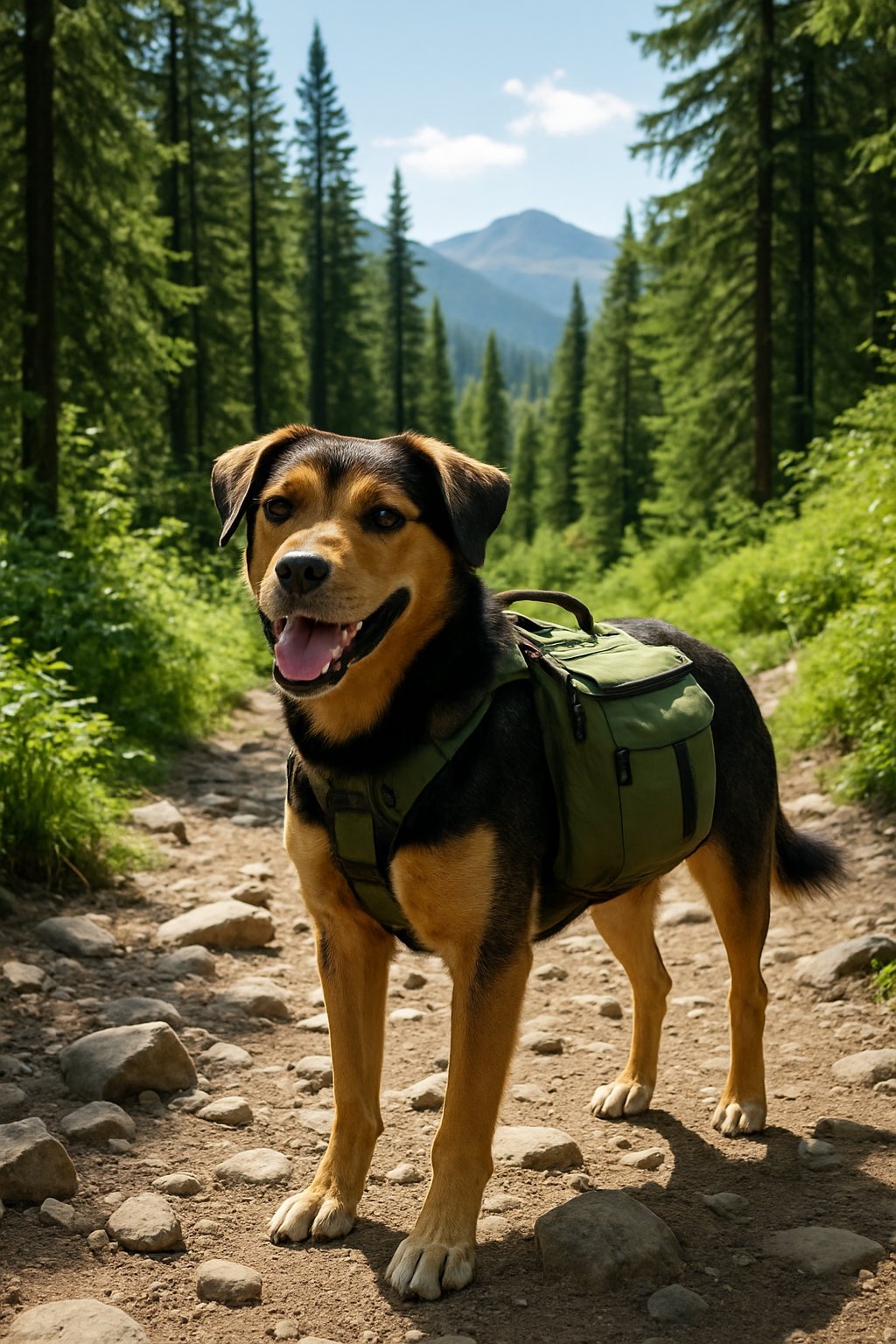
Dog backpacks for hiking are designed with comfort, fit, durability, and storage capacity in mind, allowing medium to large dogs to carry their own essentials during outdoor adventures. Not every backpack works for every dog though. The right pack depends on your dog’s size, fitness level, and the type of hiking you plan to do.
I’ve put together this guide to help you find the best dog saddle bags for hiking and camping. You’ll learn what features matter most, how much weight your dog can safely carry, and which packs work best for different types of trails. Whether you’re planning day hikes or overnight trips, the right backpack makes a big difference for both you and your dog.
Key Takeaways
- Dog hiking backpacks allow your pet to carry their own supplies like water, food, and gear on the trail
- The best pack depends on your dog’s size, fitness level, and whether you’re doing day hikes or overnight trips
- Proper fit and weight distribution are essential for your dog’s safety and comfort during hikes
What Is a Dog Hiking Backpack?
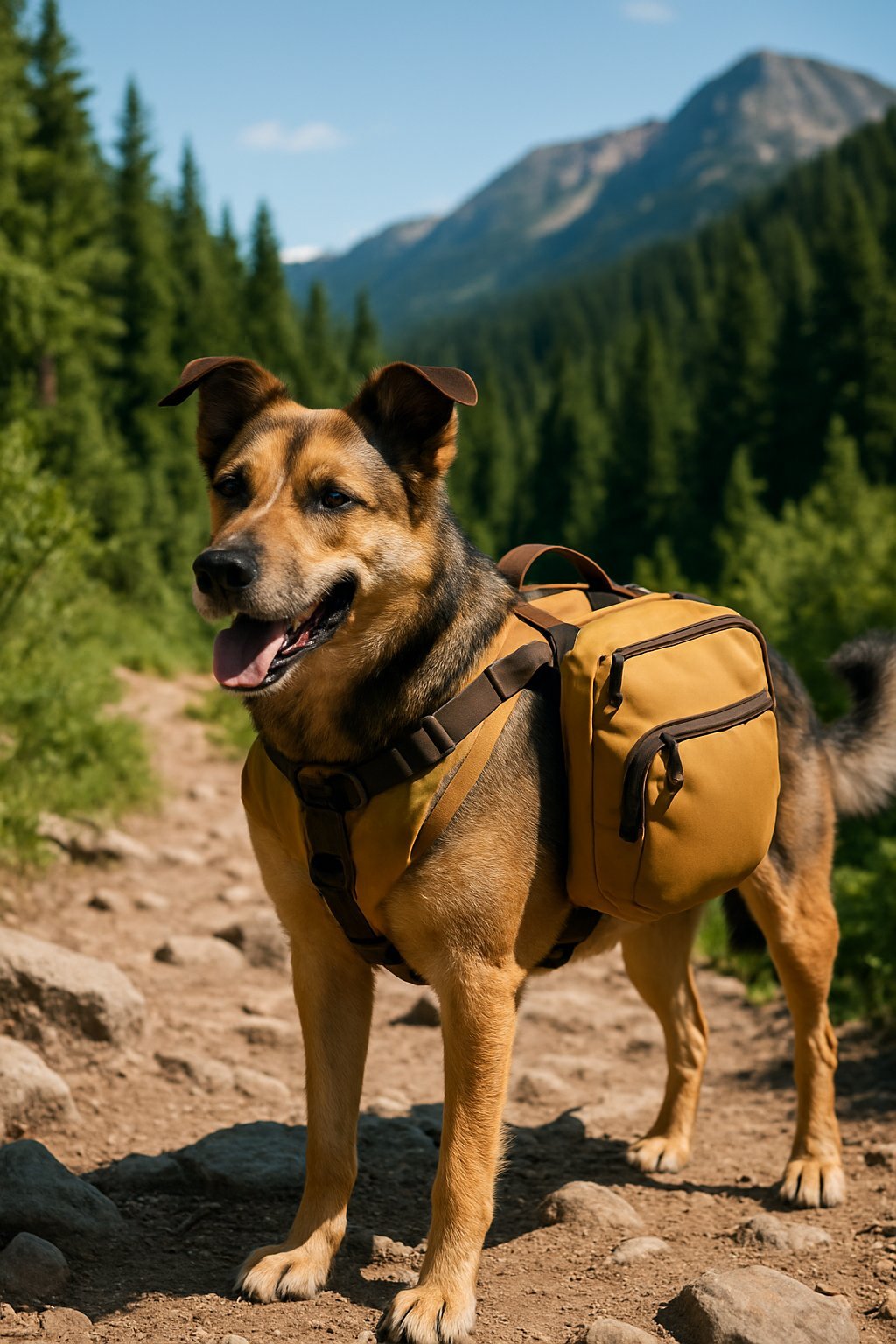
A dog hiking backpack is a pack that your dog wears on their back to carry supplies during outdoor adventures. These packs differ from regular harnesses because they include storage space, and they offer real benefits for both you and your pup on the trail.
Differences Between Dog Backpacks and Dog Harnesses
A dog harness is designed mainly for leash attachment and control during walks. It sits around your dog’s chest and back without any storage.
A dog backpack functions as both a harness and a carrying system. It has saddlebag-style pouches on each side of your dog’s body. These pouches let your dog carry their own supplies like water, food, and waste bags.
The main structural difference is weight distribution. A standard harness only needs to handle leash tension. A dog hiking backpack must distribute weight evenly across your dog’s shoulders and back to prevent injury.
Most dog backpacks for hiking include reinforced stitching and padding. They also have adjustable straps to ensure the weight sits properly on your dog’s frame.
Benefits of Using a Dog Backpack for Hiking
Using a dog backpack lightens your load on the trail. Your dog can carry 10-25% of their body weight safely, depending on their fitness level and the terrain.
The pack gives your dog a job to do. This mental stimulation can help calm excited dogs and reduce pulling behavior. I’ve found that dogs often walk more calmly when wearing their pack.
A dog hiking backpack provides practical storage for essential items. You can pack your dog’s water, collapsible bowl, food, treats, and poop bags right on their back. This keeps their supplies separate from yours and easily accessible.
The physical exercise benefits your dog too. Carrying weight builds muscle and provides a better workout than walking alone.
Choosing the Best Dog Hiking Backpack
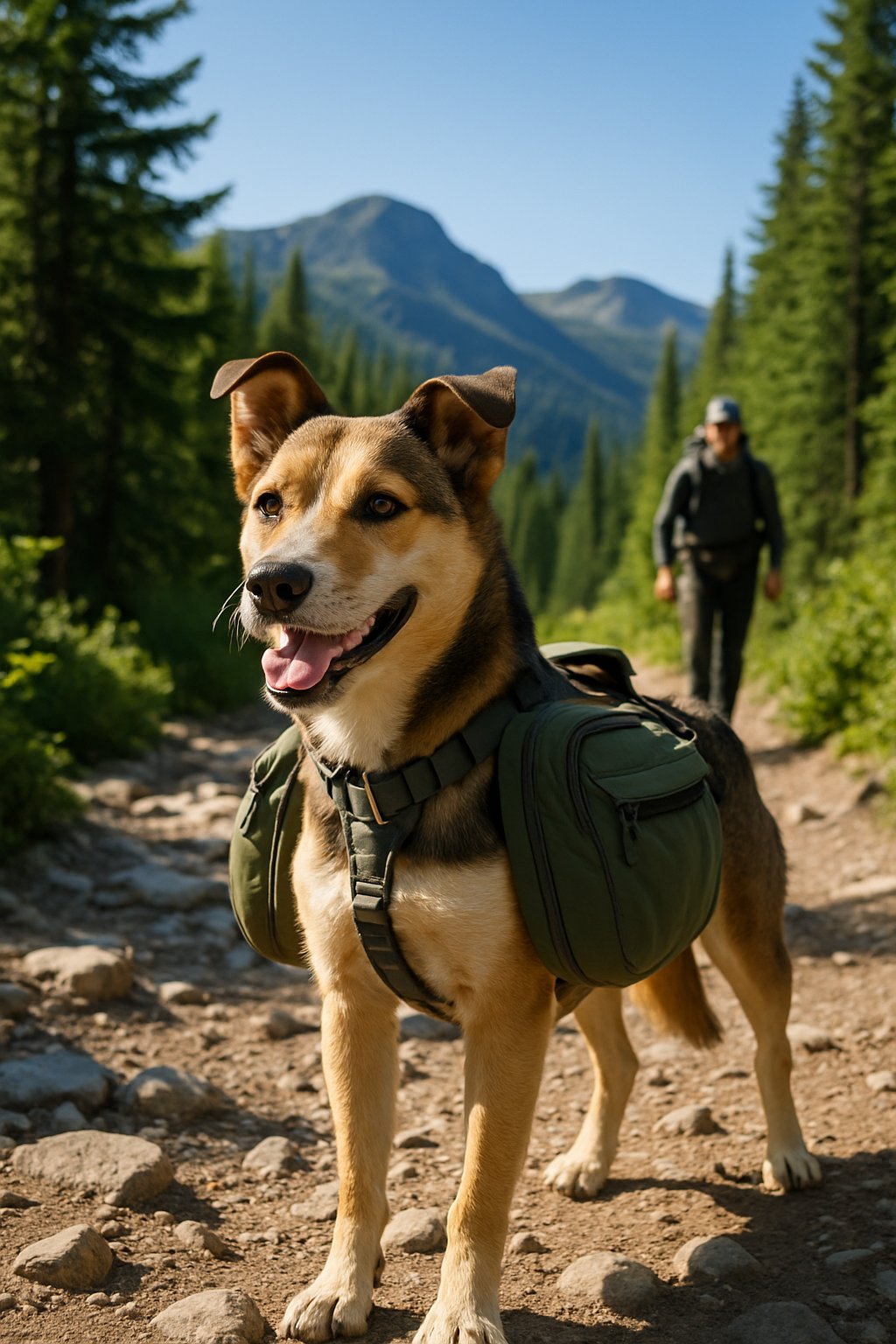
Finding the right backpack for your dog involves proper measurements, understanding weight limits, and knowing which features matter most for trail safety and comfort.
How to Measure and Fit a Dog Backpack
I always start by measuring my dog’s girth, which is the widest part of their chest right behind the front legs. I wrap a soft measuring tape around this area and add two inches for comfort.
Next, I measure from the base of the neck to the base of the tail. This tells me the length my dog needs. Dog backpacks are available in various sizes, from extra small to extra large, fitting dogs from 4 to 50 pounds.
When I first put the backpack on my dog, I check that it sits just behind the shoulders. The straps should be snug but not tight. I can fit two fingers under each strap comfortably.
I always test the fit by having my dog walk around inside before hitting the trail. The pack shouldn’t shift side to side or slide backward.
Capacity, Size, and Weight Considerations
I follow the 10-25% rule when loading my dog’s backpack. My dog should only carry 10-25% of their body weight maximum. A 50-pound dog can carry 5-12 pounds safely.
I consider what my dog needs to carry on hikes:
- Water and a collapsible bowl
- Dog food and treats
- Waste bags
- First aid supplies
- A small toy
The backpack capacity I choose depends on trip length. Day hikes need less space than overnight camping trips. I make sure the weight distributes evenly between both sides of the pack. Uneven loading causes the backpack to shift and can hurt my dog’s back.
Key Features to Look For in Dog Hiking Backpacks
Durability matters most when I’m choosing dog backpacks for hiking. I look for quality stitching in high-stress areas where straps attach to the pack body.
I prefer backpacks with reflective strips for early morning or evening hikes. A handle on top lets me help my dog over obstacles or lift them when needed.
Water-resistant materials keep my dog’s supplies dry in light rain. I also look for packs with multiple pockets to organize gear. Side pockets should be easy to access without removing the entire pack.
Adjustable straps are essential since my dog’s coat thickness changes with seasons. Padding on chest and belly straps prevents rubbing and chafing on longer trails.
Top Dog Hiking Backpack Brands and Models
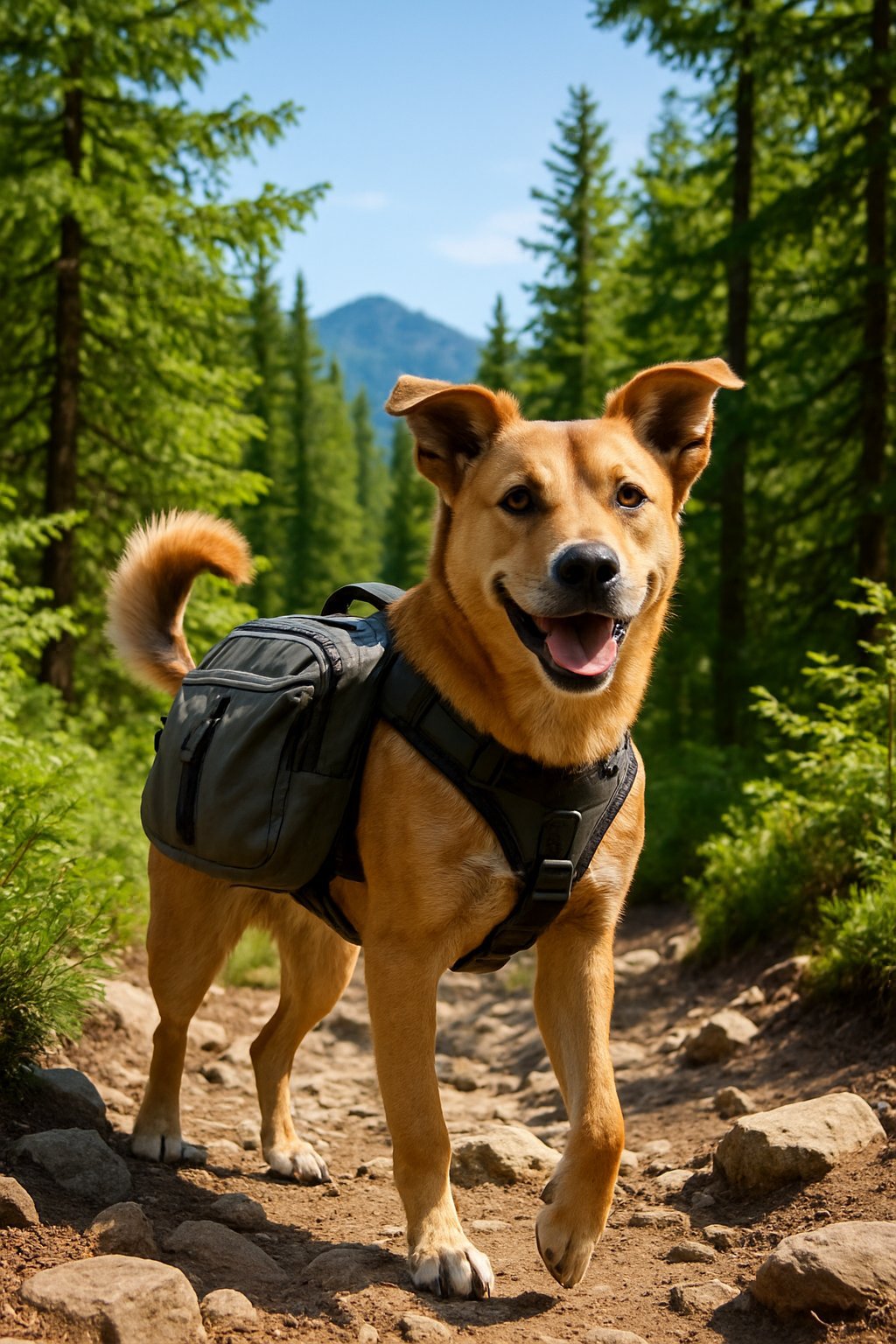
Several trusted brands offer high-quality dog hiking backpacks designed for different trail conditions and dog sizes. Each model brings unique features that can make your hiking trips more enjoyable and practical.
Ruffwear Approach Dog Pack Overview
The Ruffwear Approach Dog Pack is one of the most popular options I’ve seen on trails. This pack works well for day hikes and light overnight trips.
The design includes two saddlebag-style pockets that sit evenly on both sides of your dog. Each pocket has enough room for essentials like water, treats, and waste bags. The pack uses compression straps to keep the load stable while your dog moves.
I appreciate that the Approach Pack has five adjustment points. This lets you get a custom fit for your dog’s body shape. The pack also features reflective trim for visibility in low light conditions.
The gear loops on top give you extra attachment options for items like a leash or light. The pack comes with a handle on top that helps you assist your dog over obstacles. Water-resistant fabric protects the contents from light rain and splashes.
Himal Outdoors Dog Backpack Insights
The Himal Outdoors Dog Backpack offers good value for people who want to try dog backpacking without spending too much. This pack provides basic features at a lower price point than premium brands.
The pack includes two zippered pockets that hold water bottles, snacks, and small gear. Adjustable straps around the chest and belly help secure the pack to your dog. The material is water-resistant to protect items from moisture.
I’ve noticed this pack works best for shorter day hikes rather than long trips. The straps and buckles are less heavy-duty than more expensive options. Some dogs may need extra padding for comfort on longer adventures.
The pack comes in multiple colors and sizes to fit different breeds. Quick-release buckles make it easy to put on and take off. For occasional hikers or those testing if their dog likes carrying a pack, this model provides an affordable starting point.
Mountainsmith K-9 Dog Pack Features
The Mountainsmith K-9 Dog Pack brings serious durability for dogs who tackle tough terrain. This pack handles rough conditions and heavier loads than lighter-weight options.
The pack uses a crossload compression system that keeps weight stable even when your dog runs or jumps. Two large cargo pockets provide plenty of storage space for multi-day trips. The fabric resists tears and abrasions from branches and rocks.
I like the padded straps that distribute weight evenly across your dog’s body. The chest strap and belly strap both adjust for a secure fit. A top handle gives you control when you need to help your dog navigate tricky spots.
The pack includes multiple lash points for attaching extra gear. Reflective accents improve visibility during early morning or evening hikes. The materials clean easily after muddy adventures.
This pack fits medium to large dogs well. The weight capacity supports dogs who can carry more gear on longer trips.
Ruffwear Palisades Dog Backpack Comparison
The Ruffwear Palisades Dog Backpack is Ruffwear’s premium option designed for serious backpacking trips. Compared to the Approach Pack, the Palisades offers more storage and advanced features.
The Palisades includes larger cargo pockets with internal organization sleeves. This helps keep gear sorted and easy to access. The pack also has external compression straps and gear loops for attaching items like sleeping pads.
I’ve found the Palisades uses more padding than the Approach Pack. This makes it more comfortable for dogs carrying heavier loads over longer distances. The adjustable fit system includes seven points of adjustment instead of five.
The pack features a hydration sleeve that works with water bladders. Your dog can carry their own water supply on hot days. The top handle is reinforced for better durability when assisting your dog.
Both Ruffwear packs use quality materials and reflective trim. The main difference comes down to trip length and load size. The Approach Pack suits day hikes and light overnight trips, while the Palisades handles multi-day adventures with heavier gear requirements.
How to Safely Use a Dog Hiking Backpack
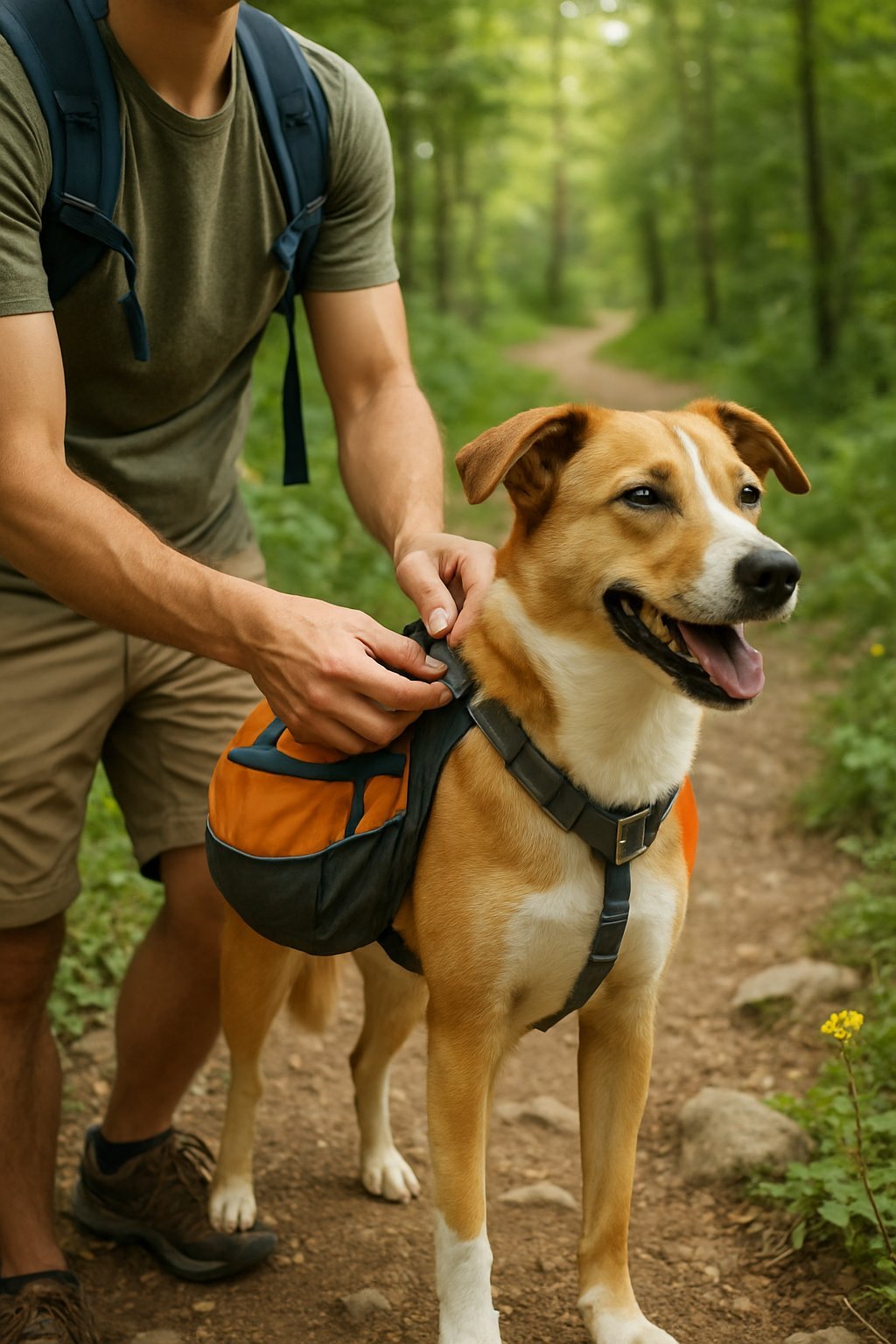
A dog backpack needs proper weight distribution and gradual training to keep your pup comfortable and injury-free on the trail. I always start with an empty pack and slowly build up the load while checking for signs of discomfort.
Weight Guidelines and Load Limits
I never load more than 25% of my dog’s body weight in their backpack. For most dogs, I recommend starting even lighter at 10-15% until they build strength and stamina.
A 50-pound dog should carry no more than 12.5 pounds total, including the weight of the pack itself. I always weigh the loaded pack before heading out to avoid overloading.
When determining safe weight limits for your dog, I consider their age, fitness level, and any joint issues. Puppies under 18 months shouldn’t wear a loaded pack because their bones are still growing. Senior dogs or those with arthritis need lighter loads or no pack at all.
I distribute weight evenly between both sides of the pack to prevent muscle strain. I place heavier items low and close to my dog’s shoulders where they can carry weight most efficiently.
Training Your Dog to Wear a Backpack
I introduce the dog pack slowly over several weeks before attempting any real hikes. On day one, I let my dog sniff and investigate the empty backpack without putting it on.
After a few days, I place the empty pack on my dog for just 5-10 minutes indoors. I give treats and praise to create positive associations with wearing it.
Once my dog seems comfortable, I add a small amount of weight and take short walks around the neighborhood. I gradually increase both the weight and distance over 2-3 weeks.
I watch for signs my dog is uncomfortable, like slowing down, sitting frequently, or trying to rub the pack off. If I notice these behaviors, I remove weight or take the pack off completely.
Adjusting and Maintaining Comfort
I check the fit every time before we hit the trail because a poorly adjusted dog backpack can cause rubbing and sore spots. The pack should sit just behind my dog’s shoulders and not slide around.
I can fit two fingers between the straps and my dog’s body. Too tight restricts breathing and movement, while too loose causes the pack to shift and rub.
During breaks on the trail, I remove the pack so my dog can rest comfortably. I also check under the straps for any red marks or hot spots that indicate rubbing.
I inspect the pack regularly for wear and tear, especially the buckles and attachment points. A broken strap on the trail could mean losing gear or injuring my dog.
Hiking Tips and Essential Gear for Dogs
Getting your dog ready for the trail means packing smart and planning for different weather and terrain conditions. The right gear keeps your pup safe, comfortable, and ready to tackle any adventure you throw their way.
Must-Have Items for the Trail
A dog hiking backpack tops my list of essential hiking gear for dogs. These packs let your dog carry their own supplies, which makes longer trips much easier.
I always bring these items on every hike:
- Water and collapsible bowl: Dogs need water just as often as humans do on the trail
- Dog backpack: Lets your pup carry 10-25% of their body weight in supplies
- First aid kit: Include bandages, antiseptic wipes, and tweezers for ticks
- Leash: A 6-foot leash works best for trail safety
- Poop bags: Leave no trace applies to dog waste too
- Snacks: Pack high-protein treats to keep energy levels up
Dog backpacks work great for carrying food, water, and even small items like waste bags. I make sure the pack fits properly before heading out. A poorly fitted pack can rub and cause sore spots on longer hikes.
Preparing for Different Hiking Conditions
Weather and terrain change how I pack for hikes with my dog. Hot weather means bringing extra water and planning for more frequent breaks.
Hot weather preparation:
- Start hikes early in the morning
- Bring twice as much water as normal
- Watch for signs of overheating like excessive panting
Cold weather preparation:
- Consider a dog jacket for short-haired breeds
- Check paws for ice buildup between pads
- Pack extra food since dogs burn more calories staying warm
Rocky trails require protective gear like dog boots to prevent cuts and scrapes. I check the trail conditions before leaving and adjust my packing list based on what we’ll encounter. Rain means bringing a towel, while muddy trails call for extra wipes to clean paws before getting back in the car.
